Sep 10, 202621 min read
Where to Stay in Paris by NeighborhoodJul 8, 2026
6 MIN READ

Writer
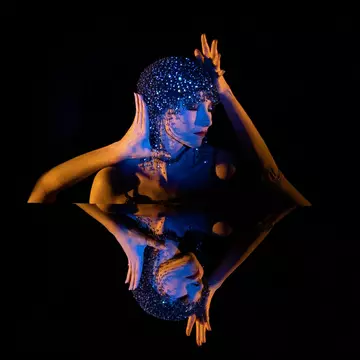
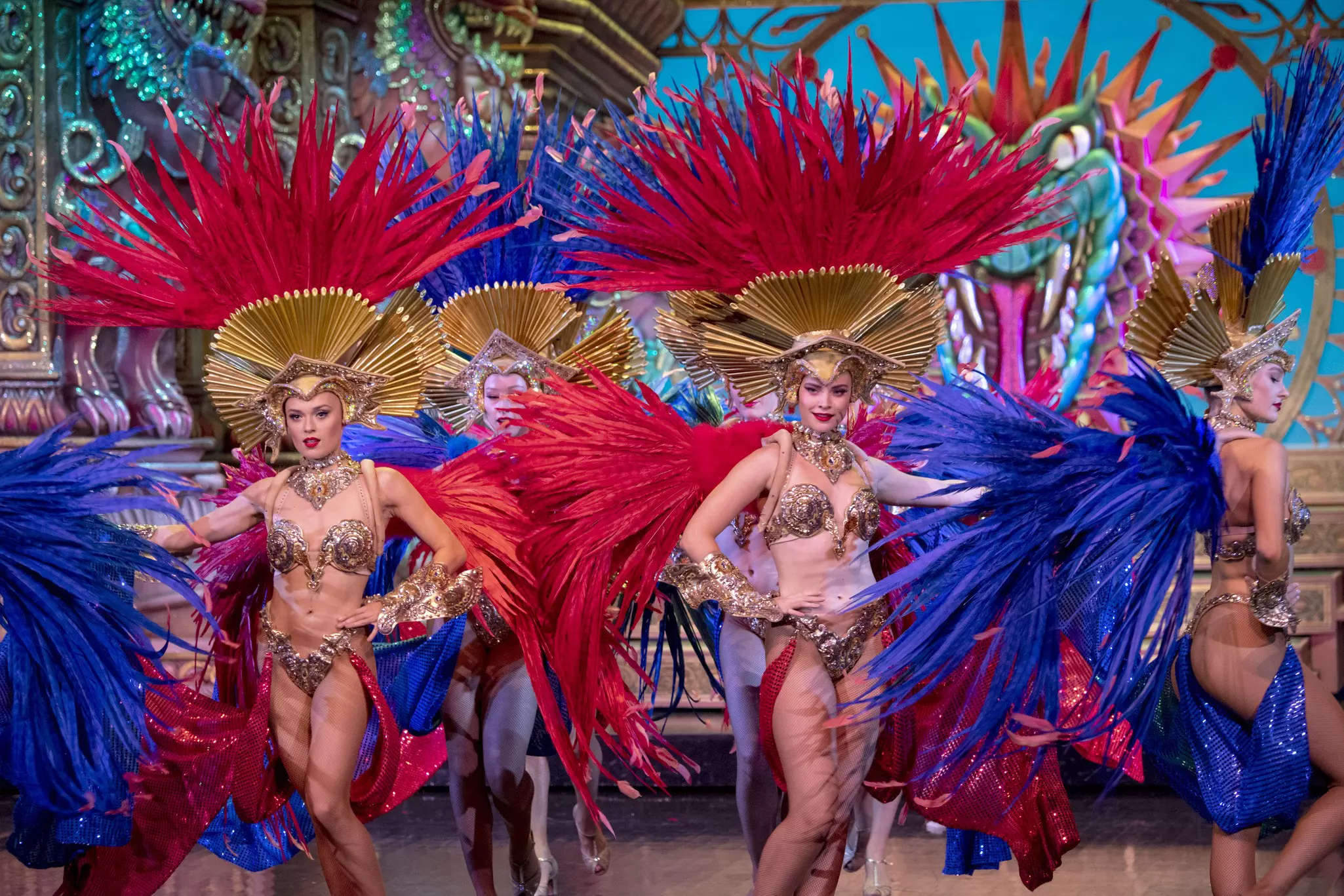
A cabaret performance at Crazy Horse in Paris. Marc Piasecki/Getty Images

Writer
Highlights
Writer Anna Richards makes the case for Crazy Horse over Paris' Moulin Rouge.
The Moulin Rouge opened in 1889 and put the French cancan on the map.
With 220 seats near the Champs-Élysées, Crazy Horse dresses performers in light and shadow.
The Moulin Rouge suits tradition seekers; the Crazy Horse rewards those craving intimate artistry.
Lonely Planet may earn a commission from affiliate links on our site. All recommendations and reviews reflect our own independent opinions.
While Paris' Moulin Rouge has captured the world's imagination, it's not the only cabaret show in town. Here's why France-based travel writer Anna Richards thinks you should consider the sophisticated show at the Crazy Horse instead.
When I met Lola Kashmir, a former dancer from the Crazy Horse cabaret in Paris, she didn’t divulge her “real” name to me. When dancers perform their debut show at the Crazy Horse, they’re given a “Crazy Girls” name, chosen based on their preferences, origins and dance style.
This identity becomes so entrenched that even during a night out with her fellow dancers, Kashmir’s stage name carries over. But such illusion and mystique are part of what Paris’ most sophisticated cabaret show is all about.
Everyone has heard of the Moulin Rouge, where dancers high-kick in petticoats and tights – it even inspired a blockbuster movie and Broadway show. At the Crazy Horse, by contrast, performers take the stage dressed in no more than light and shadows.
If you are thinking of taking in a cabaret show while visiting Paris – and it is one of the most popular things to do – here's why I think you should choose Crazy Horse over the Moulin Rouge.
The famous Moulin Rouge opened its doors in Montmartre in the 18th arrondissement in 1889 and quickly established itself as one of Paris' top cabaret experiences. Its popularity in popular culture – the theater inspired John Huston’s 1952 musical, Baz Luhrmann’s 2001 blockbuster movie, and John Logan's 2019 Broadway show – has made the Moulin Rouge and its illuminated red windmill sign famous the world over.
Cabaret clubs across France and the world play tribute to the Moulin Rouge's winning formula: scantily clad women (and some men) performing flamboyant dances as the audience enjoys an upscale dinner. The showstopper at the Moulin Rouge show is the French cancan, an energetic fiesta of leg kicking, shimmying petticoats and high-pitched whoops.
Like the Moulin Rouge itself, the dance was born in Montmartre, invented by 19th-century washerwomen. Sick of being bossed around by their husbands, they expressed their discontent by transforming the menial chores they were compelled to do into dance moves.
Many of the signature routines of the cancan derive from movements associated with housework: serving drinks to thirsty husbands, scrubbing laundry and even making condiments. To this day, cabaret dancers learn and perform such moves as le tire-bouchon ("the corkscrew"), le lavoir ("the washhouse") and la mayonnaise.
If you want a traditional Paris cabaret show with a sense of history, the Moulin Rouge still rules the roost. You won’t find such moves at the Crazy Horse, which sashayed its way onto France’s cabaret scene 60 years after its better-known progenitor, but you will find cabaret transformed into a spectacle fit for the 21st century.
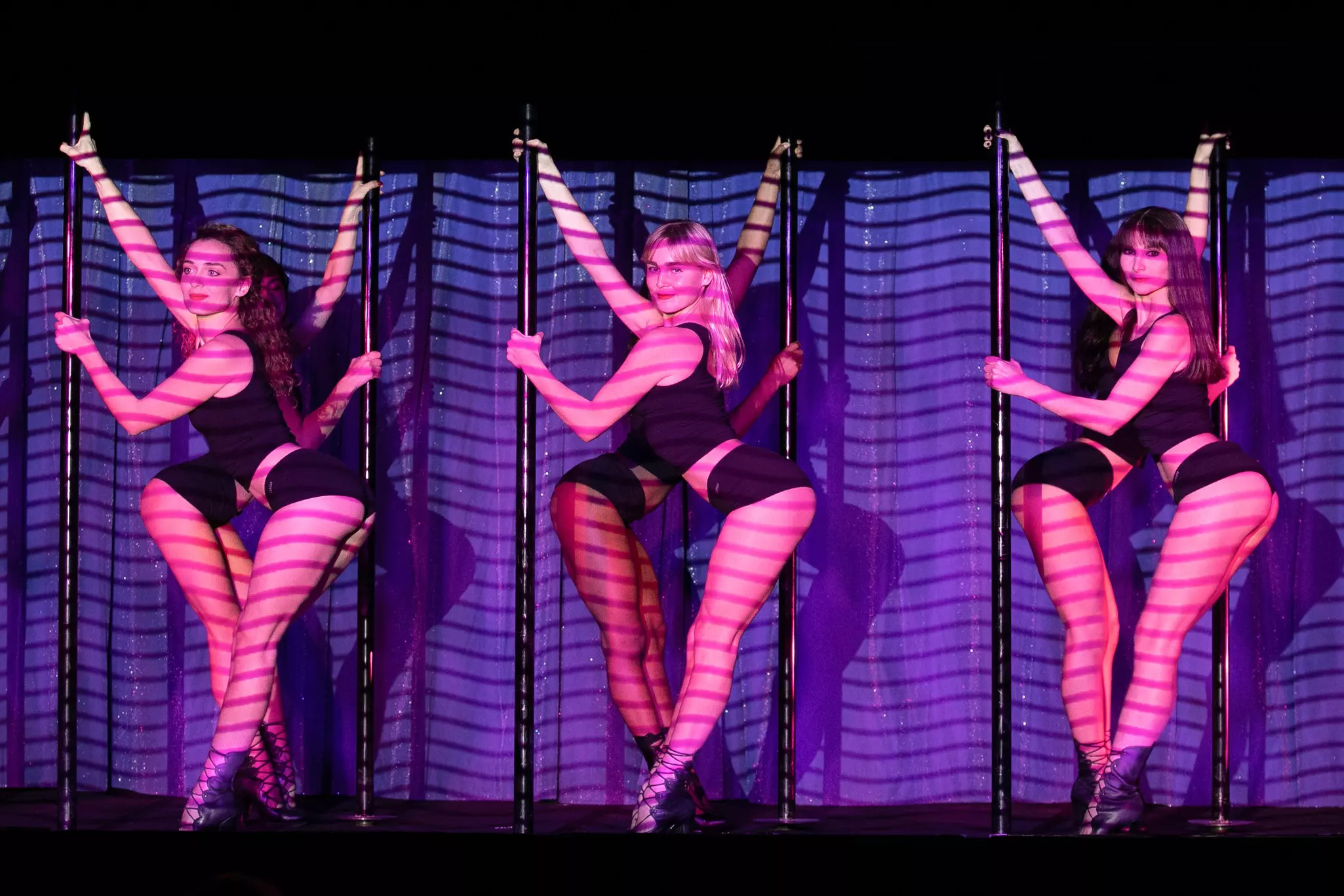
When I spoke to Lola Kashmir, she neatly summed up the experience at Crazy Horse. “The style of dance at the Crazy Horse is different and completely unique, ” she said. “It’s a combination of cabaret and burlesque.”
When Alain Bernardin opened the Crazy Horse in 1951, close to the River Seine, he sought out every opportunity to distinguish the club from its rival in the 18th arrondissement. While the Moulin Rouge was in higgledy-piggledy, artsy Montmartre, an area full of bohemians, radicals and bon vivants (and a fair share of sex shops, too), the Crazy Horse set up shop on Avenue George V, close to the Champs Élysées, opposite the YSL flagship store and next door to Balenciaga.
The venue was more intimate, too: the Crazy Horse had (and has) just 220 seats compared to over 800 at the Moulin Rouge. And in 1968, when full nudity on stage became legal, Bernadin took his differentiation a step further. From that point on, dancers performed almost naked, dressed solely in the tiniest accessories – and oh-so-tasteful shadows and light.
Today, Crazy Horse offers a classy take on modern burlesque, in a classy location in the 8th arrondissement, with a focus on dance and creating a visual spectacle. This is a stage show rather than a dinner show, but there are dinner packages on offer, too, including tickets that include meals at upscale restaurants such as Brasserie Fouquet's and Michelin-starred Lasserre.
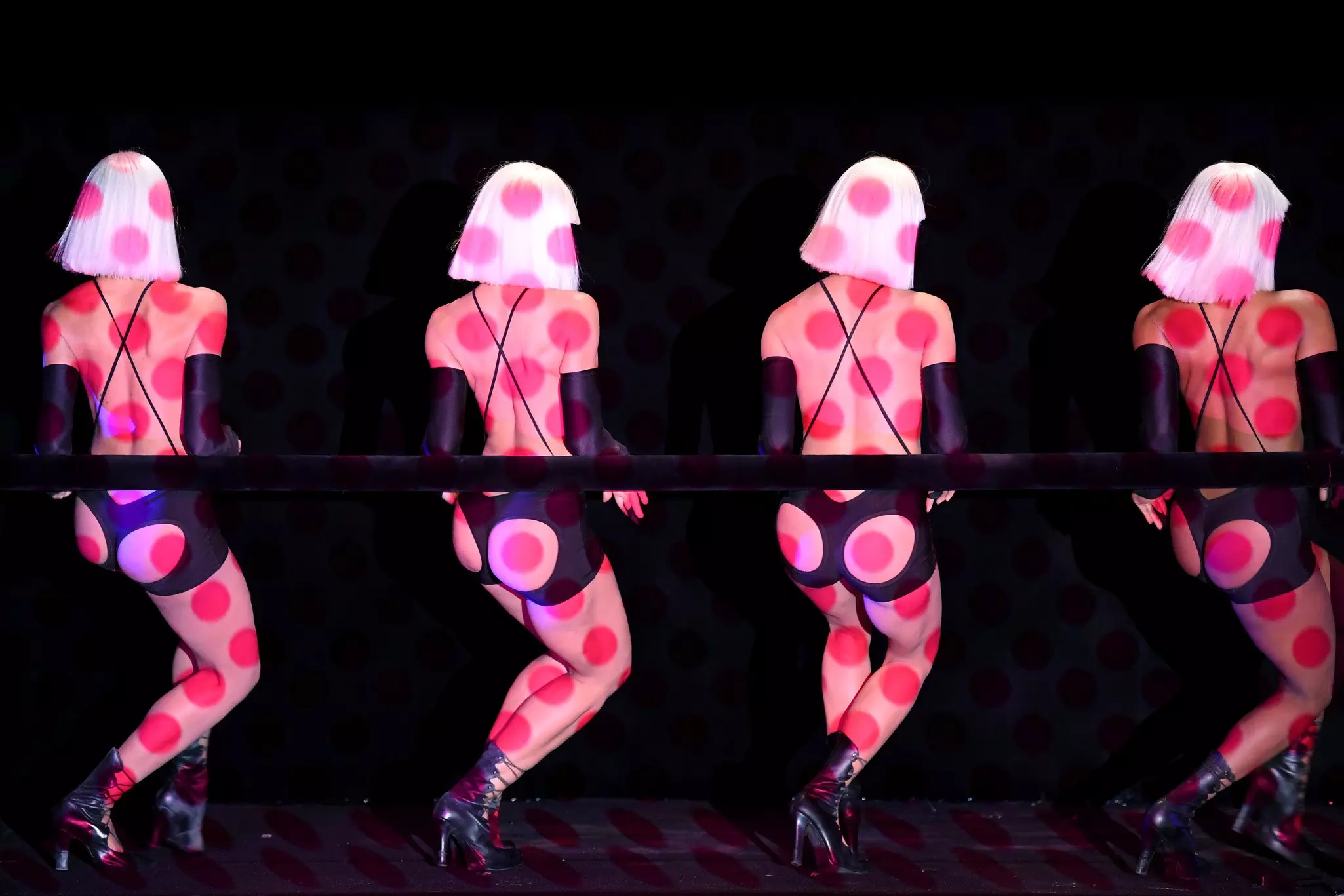
Of the 20-odd dances in the Crazy Horse lineup, some have been in the repertoire since the 1950s, with others carefully choreographed in recent years. Even guests who see two Crazy Horse shows on the same day won’t see exactly the same performance. Each lineup features a troupe of 15 full-time and 20 part-time Crazy Girls, interspersed with performances by various hip-hop dancers, singers and contortionists.
The approach to learning newer dances is intense and immersive. For the routine called “God Save Our Bareskin” – a dance inspired by the guards outside Buckingham Palace in London – one of Queen Elizabeth II’s guards was dispatched to Paris to teach the Crazy Girls to walk, stomp and salute like a real royal sentry.
Elton John, Edith Piaf and Ella Fitzgerald are just a few of the big names to have performed at the Moulin Rouge, but the Crazy Horse has hosted its share of star-studded guests, too, including Pamela Anderson, Conchita Wurst and Dita von Teese. The last of the three choreographed one of the most famous sections of the 90-minute Crazy Horse show, “Undress to Kill.”
For Kashmir, the Crazy Horse’s non-traditional approach was her passport to the cabaret world. In her native New Zealand, cabaret and burlesque were virtually nonexistent. While she had trained as a contemporary dancer, she never felt that dance style encapsulated her personality. So she saved up to fly to Paris and audition for the Crazy Horse.
The gamble paid off, and she began her training in 2019. Because Crazy Horse’s choreography and dance techniques were completely different to those of other cabaret clubs, Kashmir – who has since left the dance troupe – wasn’t the only one starting on anew: none of her fellow dancers had ever done anything like this, either.
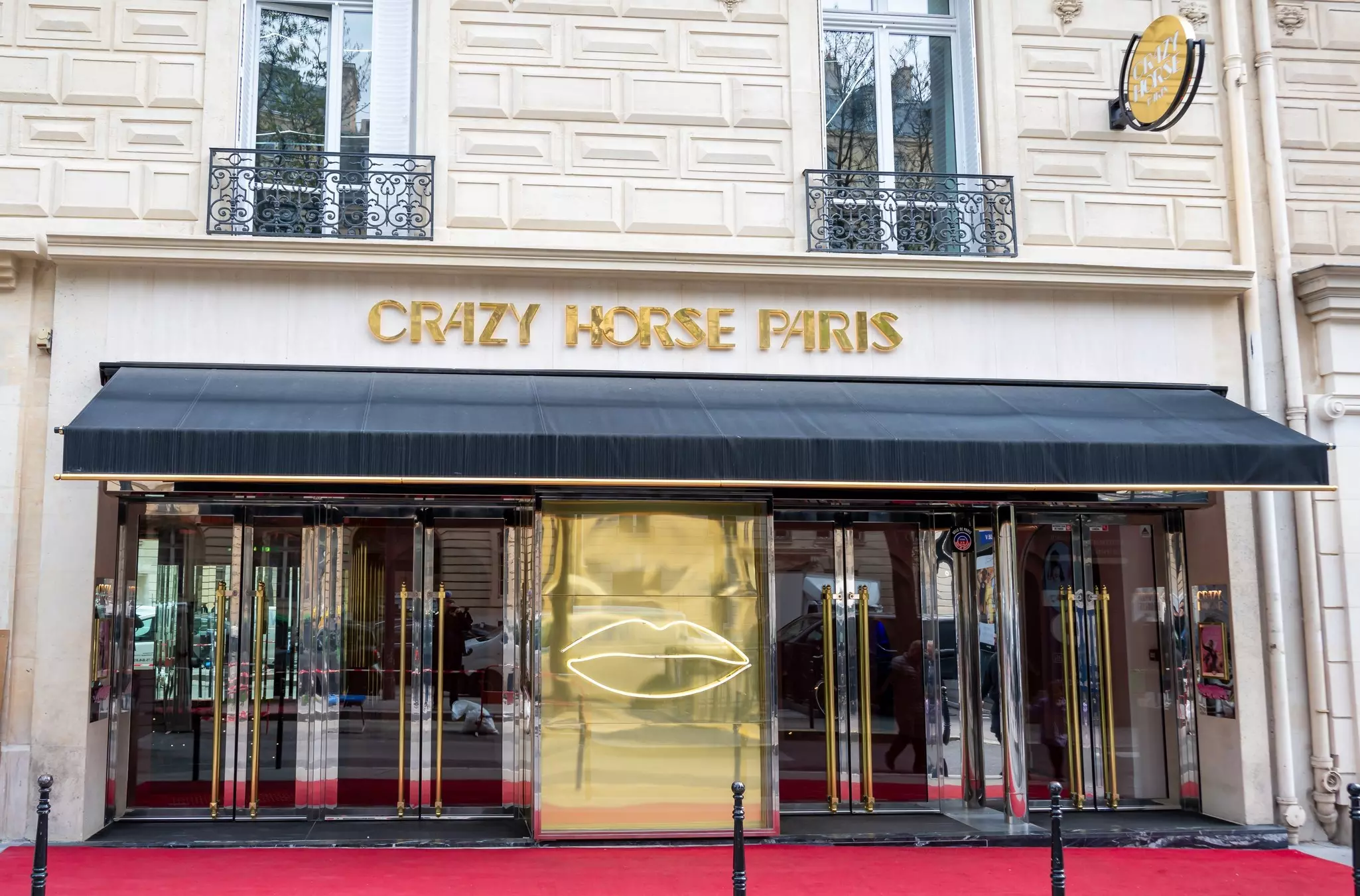
Set behind a tasteful facade on Avenue George V, close to Pont de l'Alma, Crazy Horse offers two shows daily, at 8pm and 10:30pm, and three on Saturdays, at 7pm, 9:30pm, and 11:45pm. Reservations can be made online.
Ticket prices start at 119 euros (€), with prices rising if you choose to include drinks, champagne and macaroons, a meal-and-show package, or an add-on theater tour. The show lasts 90 minutes, and various ticket agencies also offer bookings.
The easiest way to get to the theater is via the Paris Metro; take Line 9 and disembark at Alma-Marceau station, or Line 1, disembarking at George V or F D Roosevelt station. Alternatively, you can take the RER (Réseau Express Régional) commuter train to Charles de Gaulle Etoile or Pont de l’Alma station.
Explore related stories