Sep 10, 202621 min read
Where to Stay in Paris by NeighborhoodJun 8, 2026
15 MIN READ

Writer
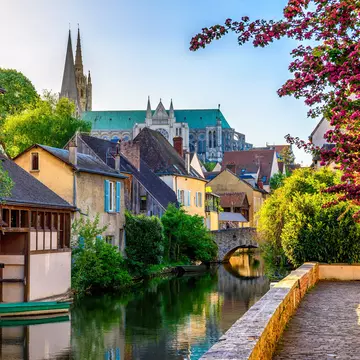
Chartres, France. Catarina Belova/Shutterstock

Writer
Lonely Planet may earn a commission from affiliate links on our site. All recommendations and reviews reflect our own independent opinions.
For its wealth of world-class culture, food, activities and sights, Paris does not quite have it all. While France's capital is one of the most visited cities on the planet for good reason, it would be a shame not to discover the diverse treasures on the other side of its gilded doorstep.
Breathtaking châteaux, compelling modern architecture, buzzing multicultural suburbs, artistic hubs and biodiverse forests are all within a short train ride on either the RER (the express rail network in Paris) or SNCF (the national train system). Here are some of the best half- and full-day trips from Paris, all of which are under 2 hours from central Paris.
Why go: See a raw side of France in this Paris suburb
Travel time: 15 minutes
How to travel: by RER
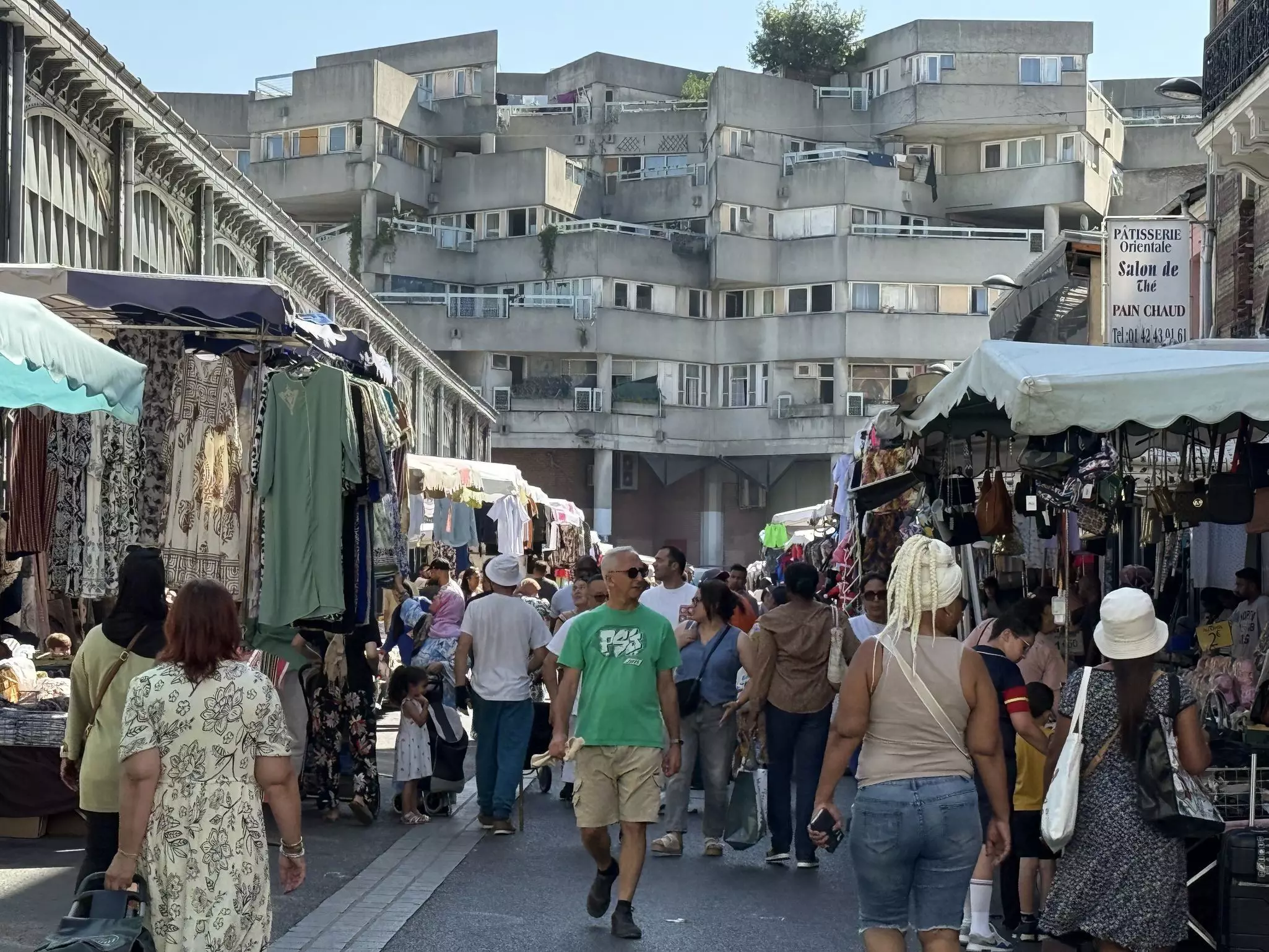
A small step away but often a giant leap for most visitors – and indeed many Parisians, too – the banlieues (suburbs) are well worth exploring and remain far from the beaten path. Prime among the options is St-Denis, a short hop north of central Paris. Start by strolling through the medieval center, where a covered market that dates back to 1893 is open Tuesday, Friday and Sunday mornings. Further on, the gothic Basilique de St-Denis contains the tombs of most of the kings of France, and the Musée d’Art et d’Histoire has an impressive collection of 40,000 archaeological, religious and artistic artifacts in a restored 17th-century convent.
St-Denis, one of the poorest areas in the country, also offers a rawer vision of France far from the pristine environs of the Eiffel Tower. The massive brutalist housing block L'Îlot 8, built beside the metro station Basilique St-Denis by French architect Renée Gailhoustet during the 1970s and 1980s, will enthrall urbanists. Le 6b, a sprawling cultural center in a former warehouse, houses 200 artist studios and all kinds of exhibitions, performances, screenings and parties. To get a real taste of modern Paris, head to the legendary Sandwicherie le 129 for the fast-food phenomenon known as French tacos, which are nothing like Mexican tacos and must always be referred to in the plural (seriously). Grab a coffee or wine at the no-frills but cheerful Au Pavillon to rest your legs.
If you’ve still got energy to burn, visit the Stade de France, the national stadium, which hosts football and rugby matches, plus international music acts, or the immaculate Olympic Aquatics Center's 50m pool, 800-sq-m climbing space or padel court.
How to get to St-Denis from Paris:
The simplest way is to jump on the RER; the RER D shoots from Châtelet les Halles to St-Denis in under 15 minutes. A number of metro lines will also get you here, including line 13, which runs to the Basilique de St-Denis station, although it will take slightly longer. It’s not too difficult to go by bicycle if you’re a confident cyclist, particularly if you’re staying in the north of Paris (St-Denis has several municipal Vélib bike stations).
Why go: Marvel at urban art
Travel time: 15 minutes
How to travel: by RER
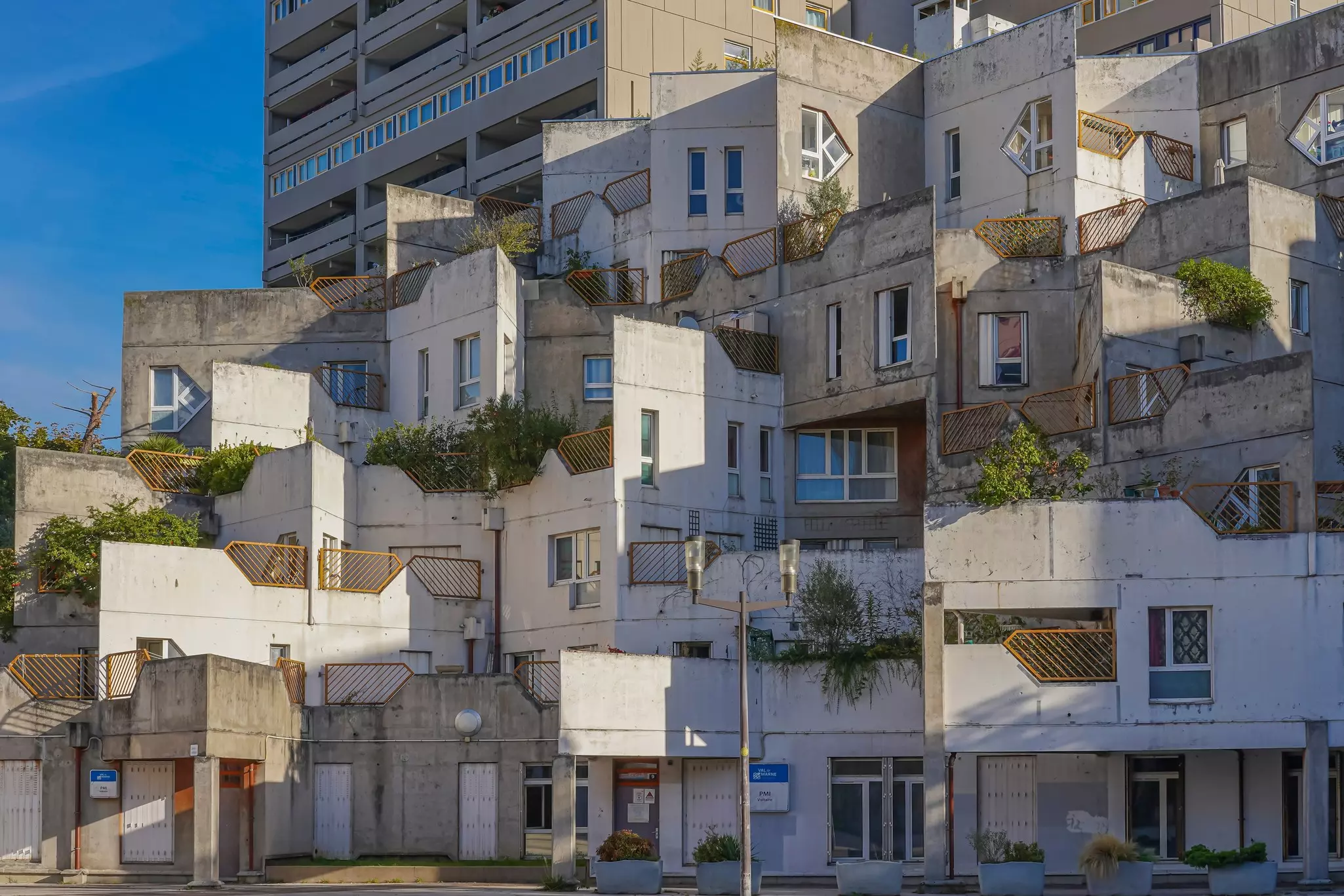
Just outside the southern perimeter of central Paris are the twin municipalities of Ivry-sur-Seine and Vitry-sur-Seine, both of which straddle the banks of the river. But don’t expect a languid, pretty resort: Ivry and Vitry are very much urban destinations – gritty and with plenty of concrete – and excellent places to see contemporary and street art.
The streets of Vitry are filled with murals, particularly near avenue de l'Abbé Roger Derry, including those of the established street artist C215, France’s answer to Banksy. Indoors, there’s the MAC VAL, with over 2500 contemporary artworks, and the Galerie Municipale Jean-Collet, set in former public baths. For an even more industrial feel, check out the events at Le Crapo, an artistic hub focusing on sustainability, and Le Kilowatt, an open-air concert space circled by factories.
To the north in Ivry, stroll around Les Étoiles, a set of star-shaped housing blocks by architect Jean Renaudie, before pausing at Lilia's Coffee, a Studio Ghibli–inspired cafe with Japanese snacks and cakes. Or if you want something more substantial, try the Hanoi-style bun cha (grilled pork and rice noodles) at Viet 37. By night, if you’re in the mood for an affordable show, head to performance arts space Théâtre des Quartiers d'Ivry, which usually has a packed schedule, or La Briqueterie, a top-notch theater dedicated to dance.
How to get to Ivry and Vitry-sur-Seine from Paris:
The RER C will get you to Vitry-sur-Seine in about 15 minutes. Otherwise, you’re going first to Ivry via metro line 7, which will take you directly outside the city hall. It isn’t far to cycle from central Paris, and there are Vélib stations in the area.
Why go: Channel your inner Marie Antoinette
Travel time: 40 minutes
How to travel: by train

Several million people visit Versailles every year, and while the 700-room palace is spellbinding, it should be avoided like the plague during peak times, such as weekends and during school holidays, due to the great chaotic hordes that descend on it like revolutionary dissidents.
Originally a hunting lodge, Versailles was transformed into a palace by Louis XIV during the mid-17th century and then served as the seat of the royal court until 1789. The last royal occupants were King Louis XVI and Queen Marie Antoinette, until they were executed by guillotine. Don’t miss the opulent Grands Appartements du Roi et de la Reine (King’s and Queen’s State Apartments), the latter decorated with true Marie Antoinette flamboyance, and the 75m-long ballroom Galerie des Glaces (Hall of Mirrors), which shimmers with 17 massive mirrors.
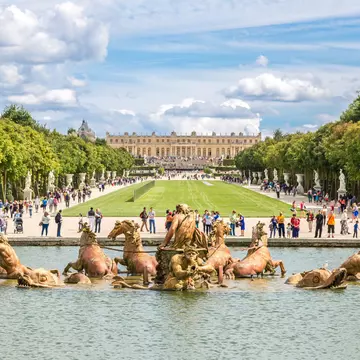
Visitors, who often dress up for the occasion, should set aside time to stroll around the exquisite gardens and park, which feature geometrically aligned terraces, towering hedges and 300 statues and fountains, with the water features coordinated to move in time to classical music in the summer months.
For those on royal budgets, feast at the elegant Ore in the palace; the rest of us will be satisfied with less-expensive options in the pretty surrounding town of Versailles and at its covered market. Meanwhile, stock up on mouthwatering macarons at Les Petites Duchesses de Gantet.
How to get to Versailles from Paris:
The RER C departs from several Left Bank stations to Versailles-Château–Rive Gauche, taking about 40 minutes. If you’re coming from the Right Bank, get the L line from St-Lazare to Versailles Rive Droite; the journey lasts about the same time.
Why go: See monumental architecture
Travel time: 45 minutes
How to travel: by train
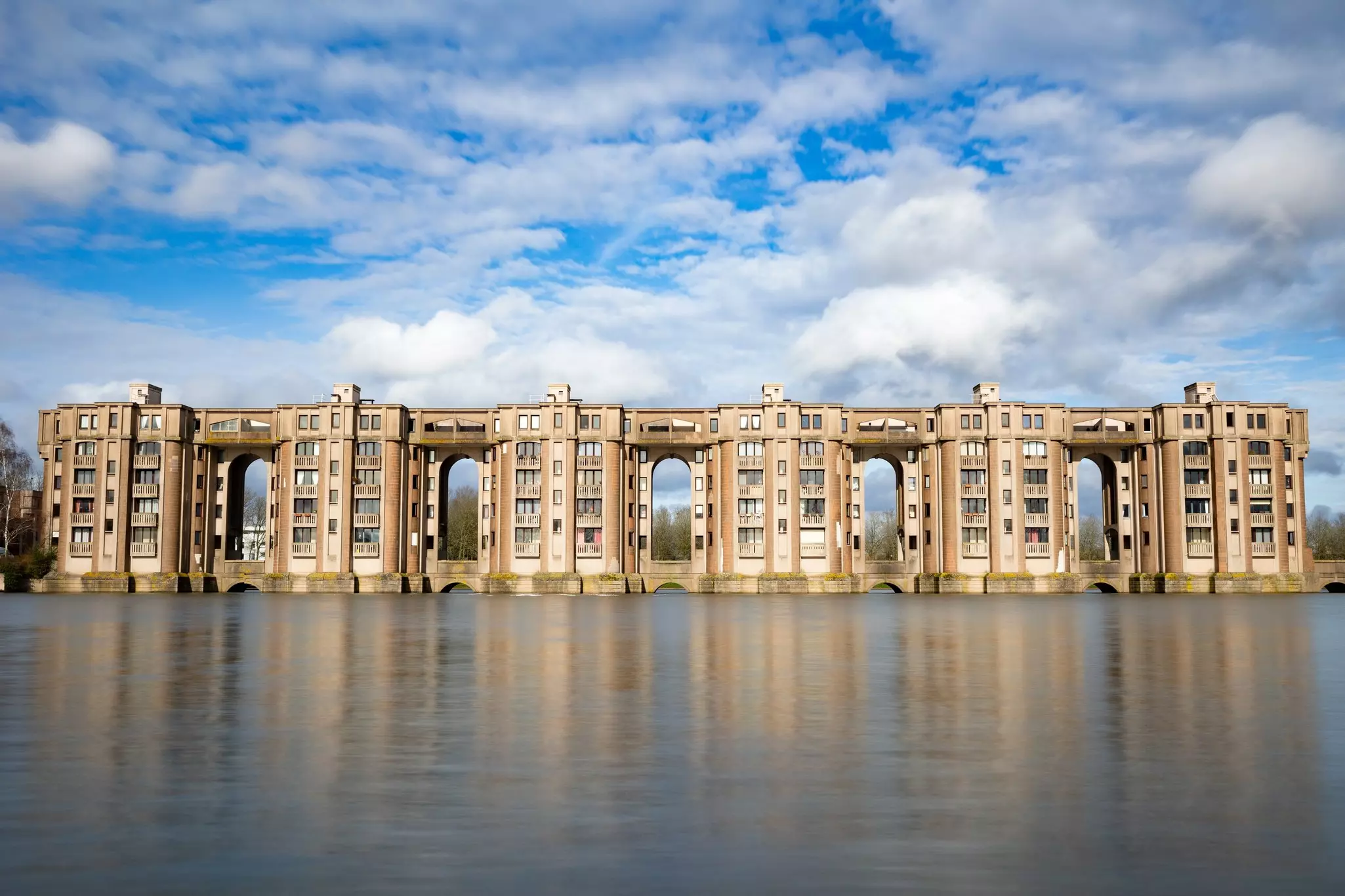
Although it’s located just beyond the opulence of Versailles, the town of Montigny-le-Bretonneux, which was constructed in the 1970s, couldn’t be any more contrasting. Here, the futurist architecture – including Le Viaduc, an imposing complex of 74 concrete apartments that jut out over an artificial lake – is like something out of science fiction. (Indeed, perhaps the truth is stranger than fiction, since Le Viaduc’s influential Spanish architect Ricardo Bofill also built the similarly hulking Espaces d'Abraxas in Noisy-le-Grand, another Parisian suburb, where parts of the blockbuster series The Hunger Games were filmed.) Montigny-le-Bretonneux is far from a standard tourist destination, but it will show adventurous visitors a different side of France.
Montigny also has a number of outdoor artworks to the north of town, including bold modernist installations by French-Hungarian artist Marta Pan and gargantuan statues, including a giant man sitting on a sofa with his dog and a woman gazing into a mirror, by sculptor Denis Mondieu. Nearby, the Parc des Sources de la Bièvre's pretty pond and mini labyrinth are a peaceful place to spend a few hours and have a picnic.
How to get to Montigny-le-Bretonneux from Paris:
Get the metro to Montparnasse, in the south of Paris, and pick up train line N, which will drop you at the St-Quentin-en-Yveline station in about half an hour.
Why go: Soak in glorious nature
Travel time: 45 minutes
How to travel: by RER
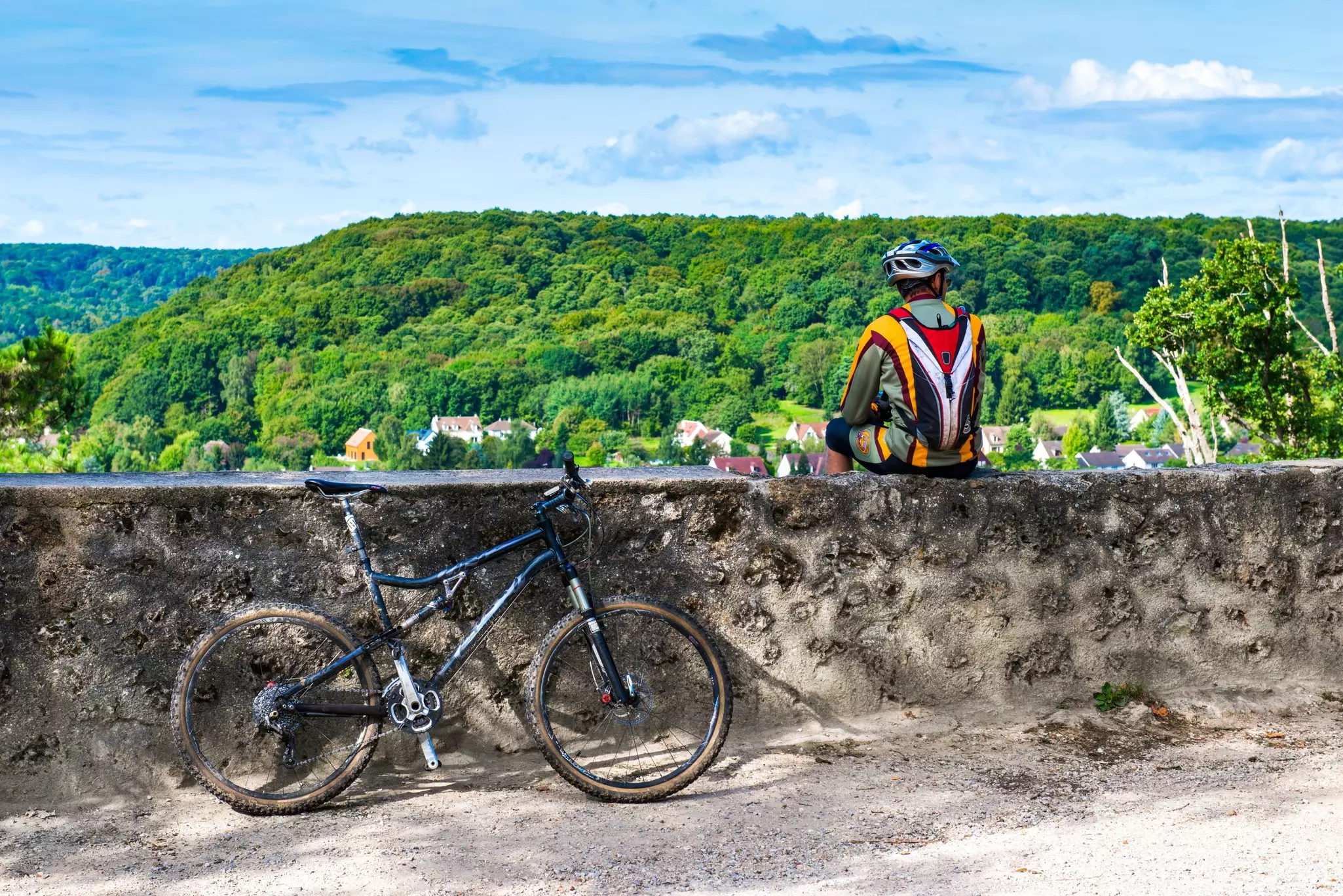
Southwest of Paris, the Parc naturel régional de la Haute Vallée de Chevreuse, a 25,000-hectare protected area of sumptuous forests, lesser-known châteaux, waterfalls and age-old stone hamlets, is one of the finest places to do some nature bathing if the pace of the city gets to be too much.
Ramble through the town of Chevreuse itself, nicknamed the Little Venice of Yvelines, which has 22 petits ponts (little bridges) over the Yvette canal. Along the way, you’ll encounter charming cottages, medieval tanneries and even a number of watermills. Make sure to stop by L’Alchimiste, an artisanal producer of delicious sirops (syrup-based drinks) that can be tested in its cozy tearoom.
Afterward, soak in the sweeping views of the Chevreuse Valley from La Madeleine, a crumbling 11th-century château, or take your pick from others in the area – Domaine de Dampierre, Breteuil and St-Jean de Beauregard – or the abbeys of Vaux-de-Cernay and Port-Royal des Champs.
But my favorite thing to do in Chevreuse is to get on my bicycle. Several beautiful routes wind through the region, both on and off-road and of differing lengths. If you don’t have your own wheels, you can rent a bicycle or e-bike from L'Aiguillage, right beside the RER station.
Otherwise, there are plenty of activities to do, including forest hikes, horse riding and wild swimming.
How to get to the Chevreuse Valley from Paris:
Take the RER B, which passes through the stations of Gare du Nord, Châtelet and St-Michel, to the end of the line at St-Rémy-lès-Chevreuse. The journey takes about 45 minutes.
Why go: Taste the famously decadent Chantilly cream
Travel time: 25 minutes
How to travel: by train
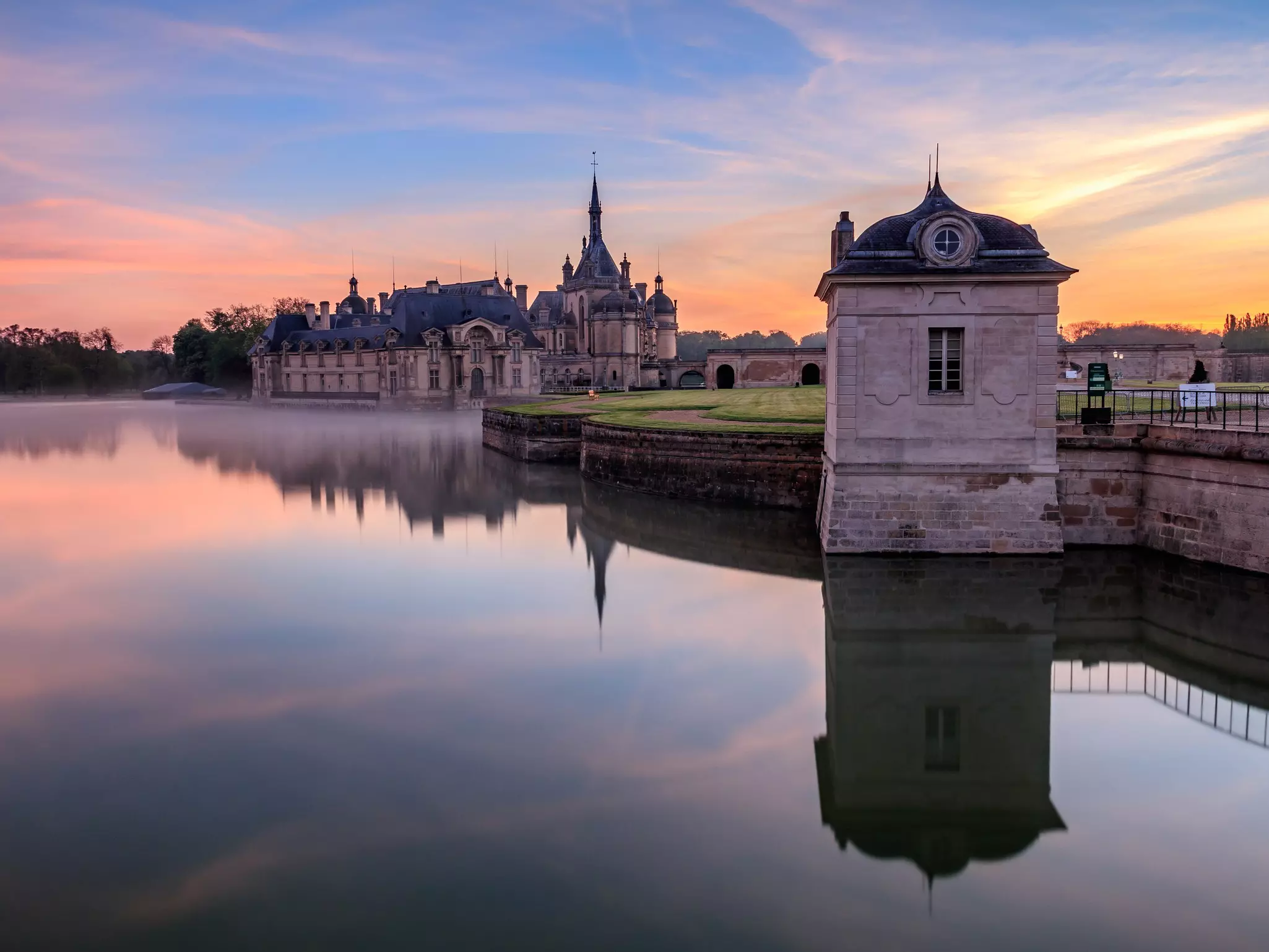
Crème Chantilly, a whipped, vanilla-infused dairy cream, is often attributed to the pastry chef François Vatel, who worked at the Château de Chantilly, 51km north of Paris, between 1663 and 1671. What better excuse to pair gluttony with history?
It’s best to start at the château, which rises up by a shimmering lake and contains the treasures of Prince Henri d'Orléans; its splendid gardens seem out of a fairy tale. Then there’s the extraordinary collection of paintings that fills the Musée Condé, where you can taste the decadent cream; otherwise head to the nearby tearoom l'Atelier de la Chantilly for a sampling.
The domain is otherwise best known for its hippodrome (horse-racing track) and stables, the Grandes Écuries, which contains the Musée Vivant du Cheval, filled with riding equipment, and also mounts dressage shows. From here, riding and walking trails fan out into the forested former royal hunting estate, the Forêt de Chantilly.
How to get to Chantilly from Paris:
Trains link Gare du Nord station to Chantilly–Gouvieux in just 25 minutes.
Why go: Frolic among flowers in painterly gardens
Travel time: 1 hour and 30 minutes
How to travel: by train
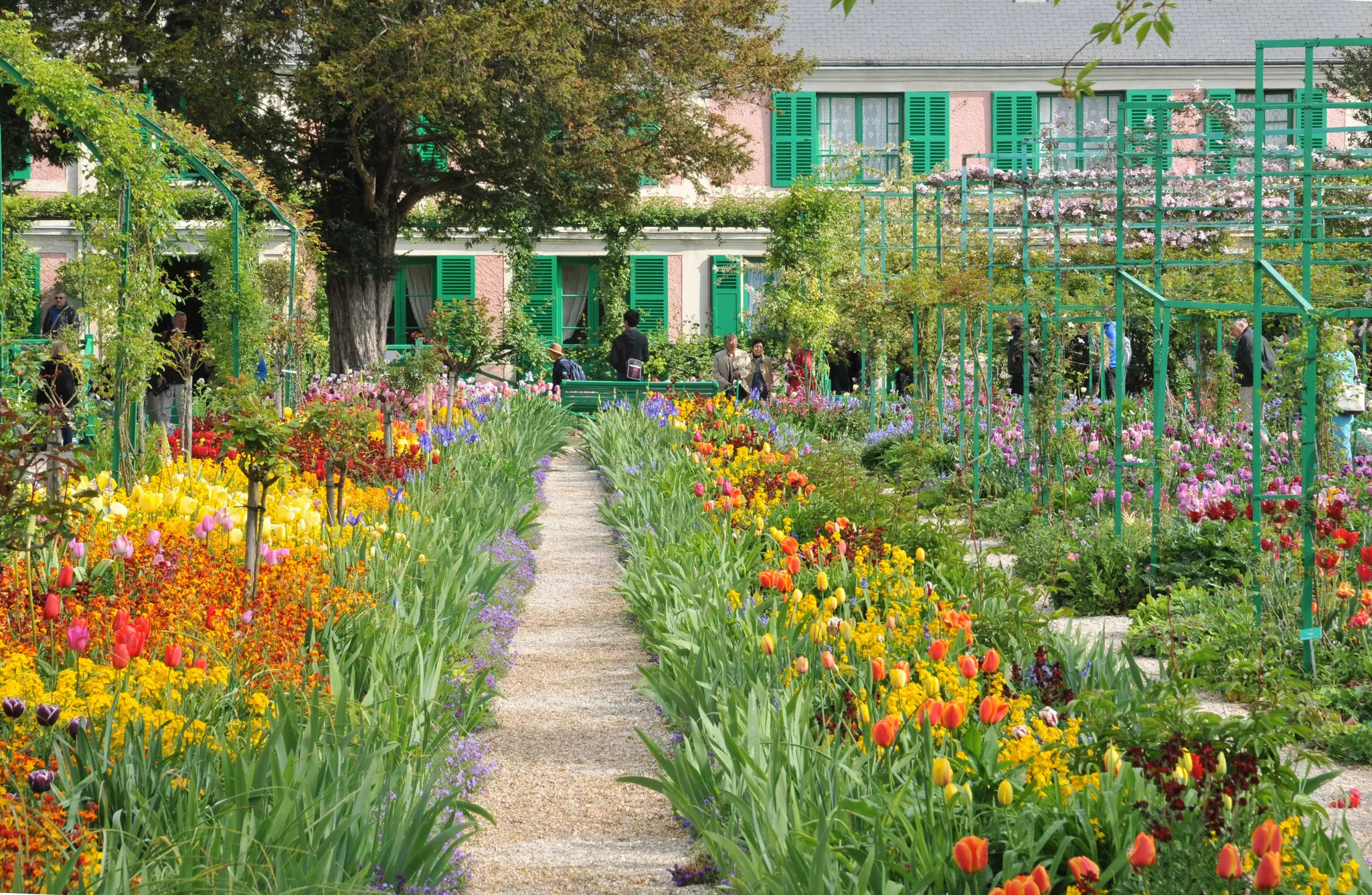
The quaint village of Giverny in Normandy was French impressionist painter Claude Monet's home from 1883 until his death in 1926 and inspired his famous Water Lilies series, making for a truly unique opportunity to see both the artwork and the original subject. Monet’s green-shuttered rose-colored house and the flowering gardens he painted, including the iconic Japanese bridge and water lily pond, are now in the Maison et Jardins de Claude Monet. You can also visit the painter’s tombstone, on the eastern side of Giverny’s L'église Ste-Radegonde.
To deepen your knowledge of the wider impressionist movement, stroll the galleries of the Musée des Impressionnismes Giverny, which regularly holds lectures, readings and concerts. If all that admiring works up an appetite, head to the enchanting Michelin-starred Le Jardin des Plumes, which serves sublime modern French cuisine, or La Capucine Giverny, with its staple dishes delivered in a ravishing garden.
It’s best to visit Giverny between April and October, when the key sights are open and the gardens are in glorious bloom. But beware that it can get very busy, so try to go early and avoid weekends.
How to get to Giverny from Paris:
Trains run from Gare St-Lazare station to Vernon, about 6km to the west of Giverny. Shuttle buses link Vernon with Giverny in season; alternatively, you can walk, cycle along a dedicated track or take a taxi. Driving from Paris takes roughly 1 hour and 30 minutes.
Why go: Climb the famed sandstone ridges
Travel time: 45 minutes
How to travel: by train
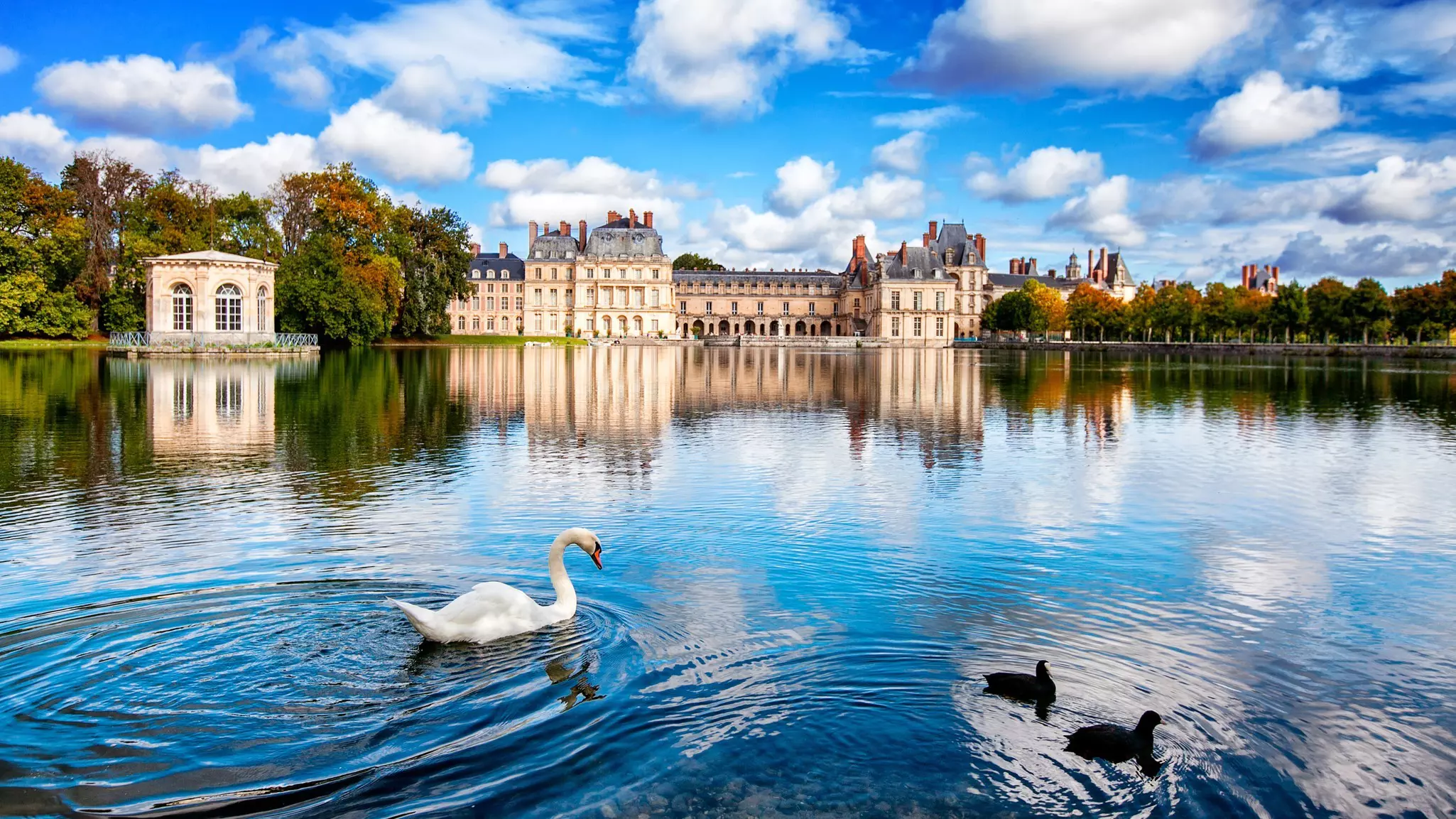
The 279-sq-km Forêt de Fontainebleau is one of the best places in the region to break a sweat, whether hiking or cycling along the vast number of trails in the forest or climbing on its sandstone ridges and into its plunging gorges, which are regarded as some of the best in the world for bouldering. The forest's more than 200 climbing areas have more than 30,000 routes.
If you need to rent gear, head to the excellent S’cape climbing shop in the center of the town of Fontainebleau. Patronize the lively bistros, such as Le Bistrot 9, or get some picnic supplies at the pâtisserie Dardonville or in the town market, which runs on Tuesdays, Fridays and Sundays, then feast in the forest.
However, Fontainebleau is better known for its royal château, a gem of Renaissance architecture that spans over 1900 elaborately gilded, frescoed rooms, so make time to visit that before, after or indeed instead of climbing. The formal French and free-flowing English-style gardens offer plenty of nature.
How to get to Fontainebleau from Paris:
The train line R runs from Gare de Lyon station to Gare de Fontainebleau–Avon station, taking about 40 minutes.
Why go: Make a pilgrimage to France's best-preserved medieval cathedral
Travel time: 1 hour and 15 minutes
How to travel: by train
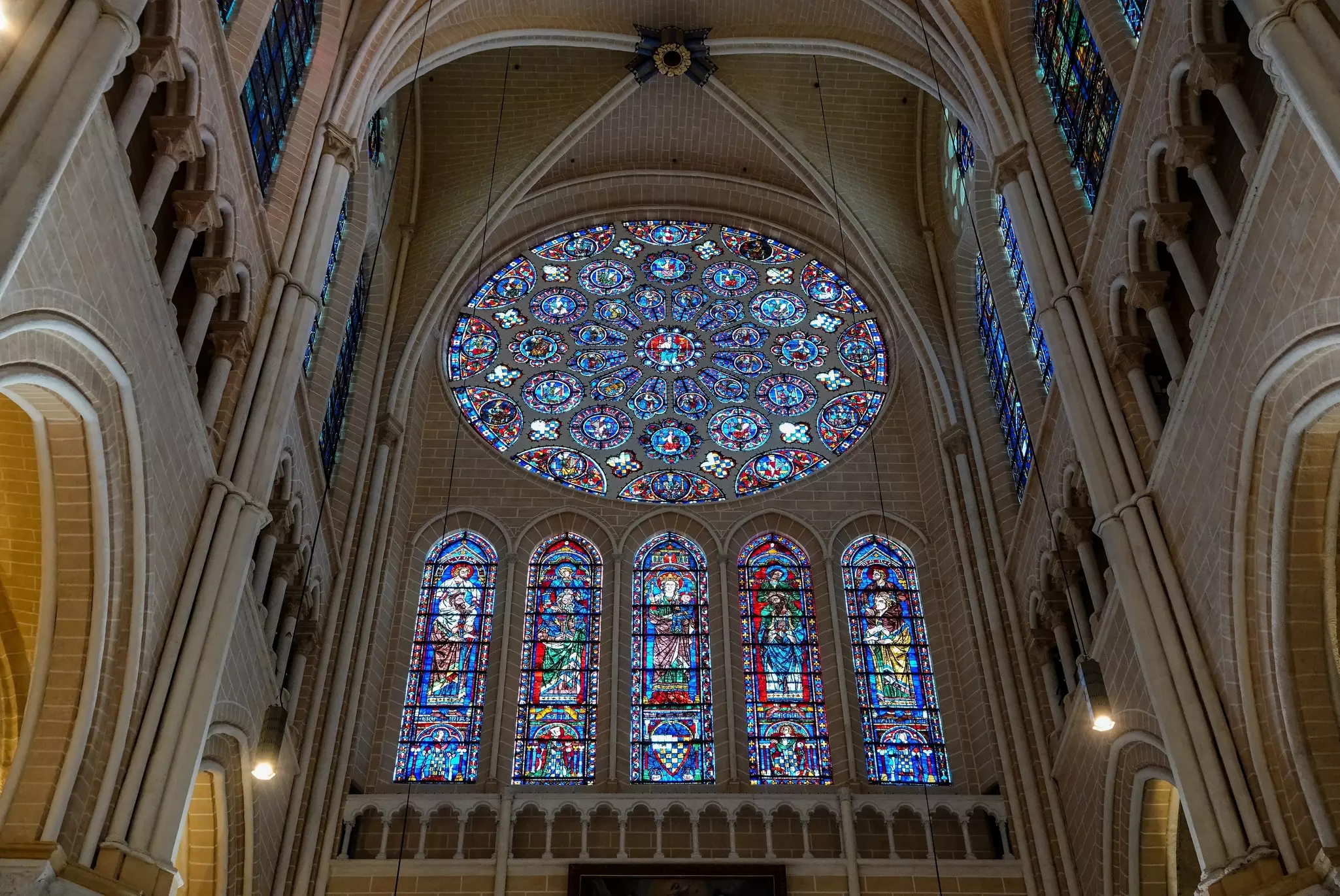
Paris is certainly not wanting when it comes to beautiful churches, but none of them are quite like the 13th-century Cathédrale Notre Dame in Chartres, known to be the best preserved medieval cathedral in France.
Built on the site of a Romanesque predecessor that was all but destroyed by a 1194 fire, the staggering structure is topped by Romanesque and gothic steeples, and is revered for its 176 luminescent stained-glass windows. The sanctuary houses a number of sacred relics, including the Ste Voile (Holy Veil), believed to have been worn by the Virgin Mary during Jesus' birth.
Nearby, you can learn more about stained glass at the Centre International du Vitrail, which occupies a half-timbered former granary, and admire the fine arts collection at the Musée des Beaux-Arts, in the 18th-century Palais Épiscopal (Bishop’s Palace).
From the cathedral’s steps, steep streets lined by medieval houses descend to the western channel of the Eure River. In the newer part of town, bistros surround Chartres’ iron-canopied market (open Wednesdays and Saturdays).
Make time to visit Maison Picassiette, a masterpiece of naive architecture that is entirely decorated with mosaics made from pieces of broken crockery. Its creator, Raymond Isidore, constructed the building between 1930 and 1962 by manipulating millions of pieces of ceramic, glass, paintings and sculptures.
How to get to Chartres from Paris:
Frequent trains link Montparnasse with Chartres, with a journey time of around 1 hour 15 minutes.
Why go: Marvel at a giant surrealist cyclops
Travel time: 2 hours
How to travel: by RER and bus
Set in the Parc naturel régional du Gâtinais français, 55km south of Paris, the tranquil town of Milly-la-Forêt has an unexpectedly rich art heritage. French artist and writer Jean Cocteau, Swiss sculptor Jean Tinguely and Franco-American artist Niki de St-Phalle once called this place home.
In fact, in a forest a short walk north of town is Le Cyclop, a 22.5m-high, 350-ton sculpture of the mythical beast by collaborators Tinguely and St-Phalle. Made with 60,000 fragments of mirror and possessing a giant moving eye, it is a fantastical creation with all kinds of wonders inside, such as a Japanese kabuki-inspired theater with chairs that rise and fall, and a cacophonous installation evoking a giant xylophone that visitors can – slowly – walk through. Several 45-minute guided tours are run on weekends (and weekdays in summer), including in English.
Nearby, you can visit the Maison Jean Cocteau, where he spent the last 17 years of his life. You can see photographs of Cocteau’s life as well as a collection of his writing and drawings spread across intimate rooms. Guided tours are available in English.
Milly is also famed for its cultivation of medicinal and aromatic plants, and the Conservatoire National des Plantes, which is home to over 700 species and a delightful tearoom with local peppermint infusions, is highly recommended, especially on the rare days when there are guided tours.
How to get to Milly-la-Forêt from Paris:
It’s not the easiest place to get to by public transportation: take the RER D from Gare de Lyon to Maisse station, then get Bus 4342, or bike along the cycle path, to Milly-la-Forêt. In total, it could take nearly 2 hours. By car, you can arrive in an hour.
Explore related stories