Sep 23, 20268 min read
Quiet side of Quintana RooSep 23, 2026
8 MIN READ

Writer
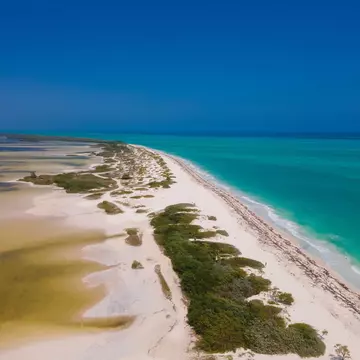
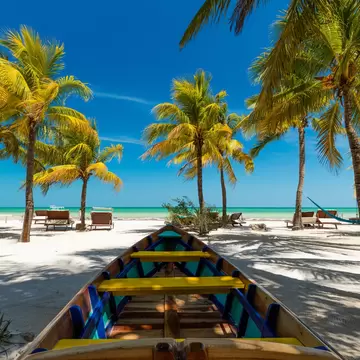
Tropical beach setting on Isla Holbox, Quintana Roo, Mexico

Writer
Lonely Planet may earn a commission from affiliate links on our site. All recommendations and reviews reflect our own independent opinions.
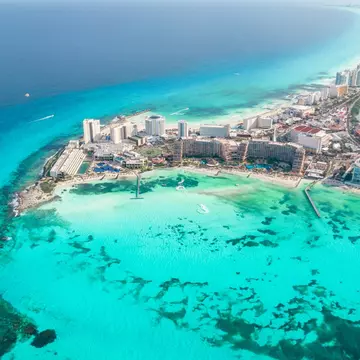
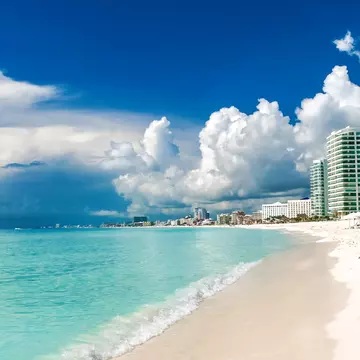
You don’t have to travel far from the mega resort city of Cancún in southeastern Mexico to find a collection of beach destinations that showcase the quieter side of the Quintana Roo region.
In fact, within three hours of the airport, you can discover everything from windswept surf and quiet beach towns to picture-book islands and surprisingly rich wildlife, including sea turtle colonies, schools of whale sharks and clouds of pink flamingoes, to natural wonders like bioluminescence.
Choosing your season carefully is almost as important as picking your destination. I traveled to Quintana Roo in late June, the beginning of the hurricane season; the weather was hot, dry and sunny, the sargassum, which can blight this coast, wasn’t a problem and I was able to experience the best of the region’s wildlife.
June to August are the optimal months for swimming with whale sharks, because they congregate in these shallow warm waters to eat the plankton during its prime season. The abundance of plankton means it’s prime time to experience bioluminescence too, and it’s also a good time to spot flamingos.
Why go: Pristine white sands and turquoise water, plus great wildlife
Travel time from Cancun: 3 hours
How to get there: By car and ferry
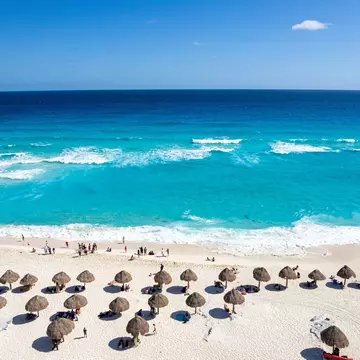
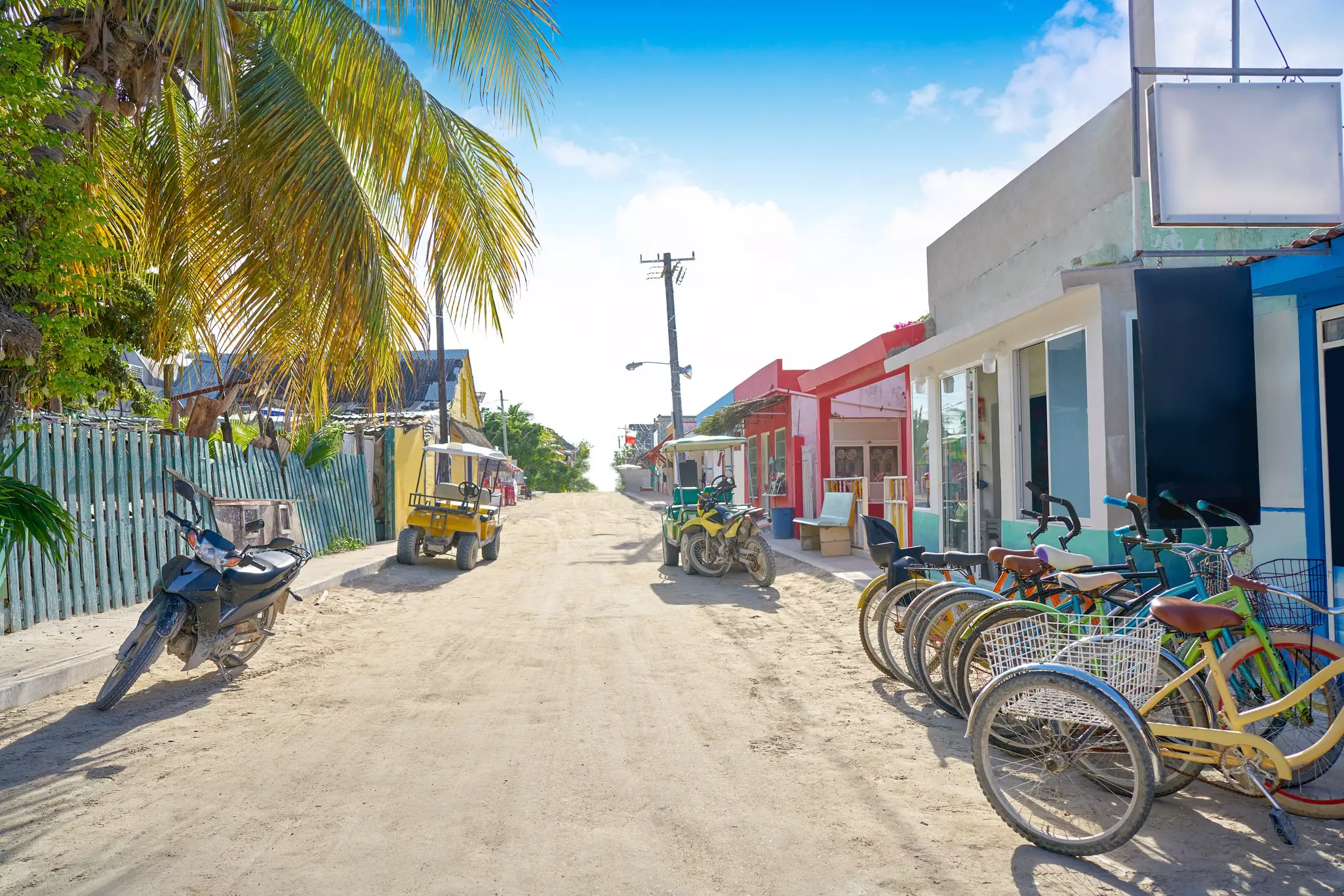
Picture the scene. Empty loungers line up on the white sand. The turquoise sea barely ripples. A beach vendor proffers you a tulip-carved juicy mango-on-a-stick sprinkled with spicy tajin chilli powder. You swear never to go to the beach again after Holbox, for fear of disappointment.
There’s a reason Isla Holbox, a three-hours car-and-ferry ride from Cancún, is popular - it’s got that beach-paradise feel with top-notch nature courtesy of flamingos, whale sharks and bioluminescence, not to mention more iguanas than people and cheeky raccoons. (Caveat: it’s known as a party island in high season, so pick your window carefully).
Head out first thing to Punto Mosquito, the most northerly tip of the island, wading through low tide to a sand bar in search of flamingos. Or go the opposite way to Punto Cocos in the dead of night to join a kayak bioluminescence tour. It’s wonderful swimming in the darkness, watching a galaxy of tiny stars in the water around you.
Hotel Villas Caracol is near the end of the strip towards Punto Mosquito and has a chilled, zen-like vibe, with spacious rooms and shaded balconies overlooking the leafy pool.
Breakfast at the Hamacas restaurant reflects the hotel’s personality; local dishes like Huevos Motuleños, a hearty plate of eggs, tortillas, fried plantain, tomato, peas and pepper, and Cochonita Pipil, a traditional Yucatán pork dish, line up alongside more international staples like French Toast and Eggs Benedict.
As in many places in the Yucatán, eggs are never far from the menu, portions are generous, service is un-rushed and friendly.
Don’t leave without watching an orange-glow sunset from the beach outside the hotel; if you need persuading, let the hotel’s on-the-house golden-hour cocktail be your siren’s call.
After a chill day on a shaded beach lounge chair, there’s a great alfresco burger joint a five-minute walk along the beach, called La Smasheria. The smashed beef patty is tasty when topped with classics like pickles and cheese, but the guacamole and japapeño topping of the Mexican Smash gives it a local flavor you probably wouldn’t get at home.
How to get to Holbox from Cancún International Airport: Drive 2 hours from the airport to Chiquila and park in one of the many secure car parks. There are two companies operating ferries to Holbox (Holbox Express and 9Hermanos). Both cost around $40USD (£30) return per person and take 30 minutes.
Why go: Chilled seaside vibe so close to Cancún, less sargassum thanks to beach barriers
Travel time from Cancun: 20 minutes
How to get there: By train
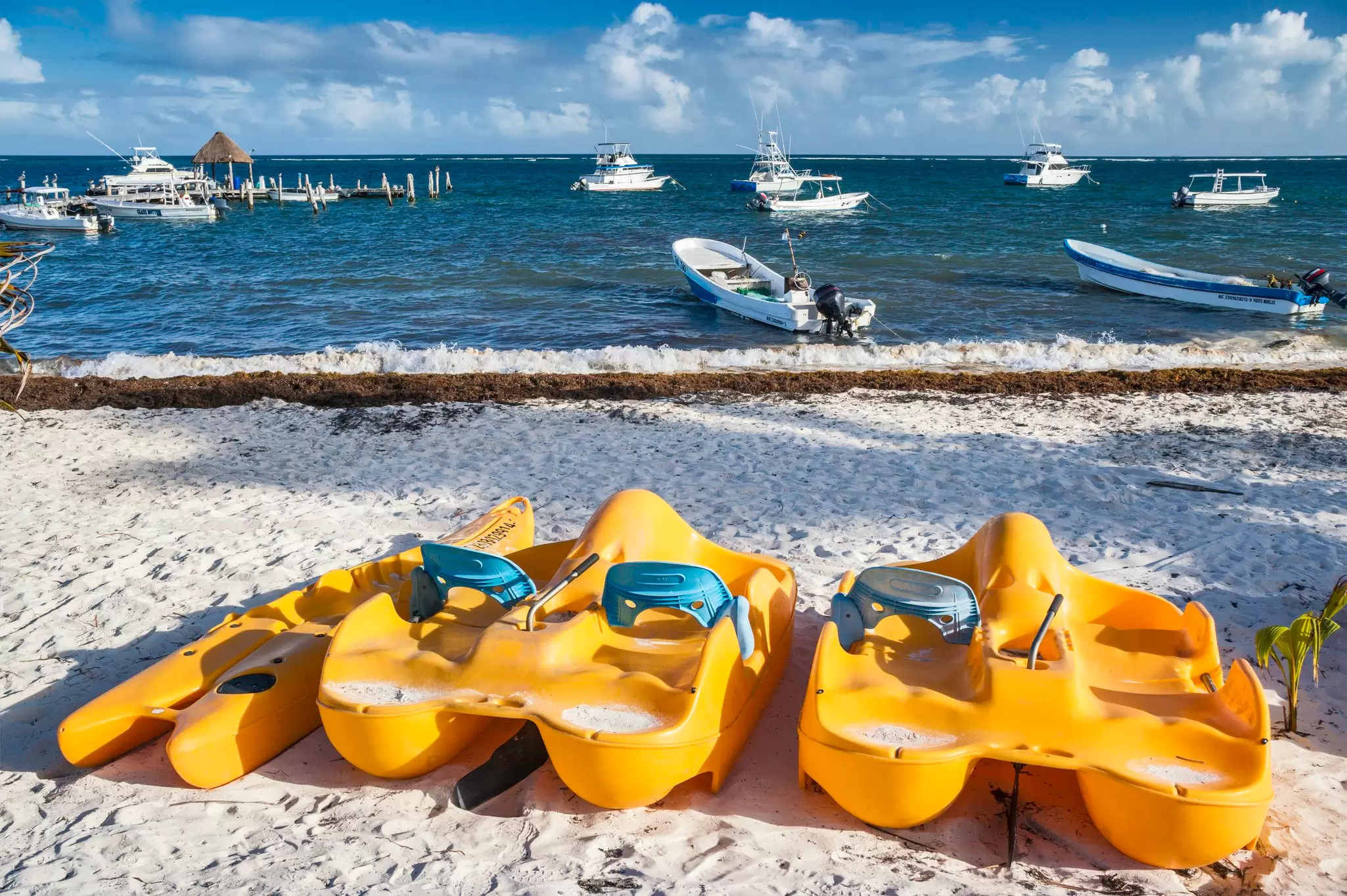
You’ll barely have time to queue up your Enrique Iglesias playlist before the train pulls into Puerto Morelos station, but this low-key, low-rise seaside town couldn’t be more different to the thumping beats of nearby Cancún.
Head to the beachside part of town, separated from the inland section by a chunky stretch of mangroves. Local Coffee Shop is a good place to get breakfast – and your bearings.
It’s small, independent and shady, and a great find for those who’ve fallen for horchata in Mexico. Horchata is a rice, cinnamon and sugar drink that is super refreshing and served by the iced jugful in many Mexican homes.
The cafe is just a couple of streets back from the large white-sand beach and shallow turquoise water, protected by a reef around 500m out to sea.
Snorkeling is easy anywhere in the bay, but you’ll spot more fish if you take a boat trip out to the reef. Booking ahead isn’t advised due to the changeable weather conditions on the coast.
Instead, wait for a calm morning and walk along to the main pier, which is next to Faro Inclinado, a leaning lighthouse that has remained squiffy since Hurricane Beulah hit in 1967. A two-hour snorkelling tour with Lighthouse Tours will set you back about $40USD.
For the ultimate quiet beach luxury, stay at the Royalton Reserve Paraisa de la Bonita just a few kilometers north. Built in the hacienda style by Mexican architect Carlos Gosselin as a love gift for his wife and remaining as their private house for decades, it’s small enough to be peaceful even in high season. Its resident parrot, Sofia, is joined on the grounds by peacocks, coatis and iguanas.
How to get to Puerto Morelos from Cancún International Airport: Just 20 minutes on the Caribbean Sea Section of the Tren Maya service. Buy tickets at the station or online. A return fare costs approximately £10/$13 on the international tourist rate.
Why go: End-of-the-world solitude and kitesurfing
Travel time from Cancun: 2.5 hours
How to get there: By car
El Cuyo is just a couple of kilometers over the border into the Yucatán region and offers a whole different beach experience.
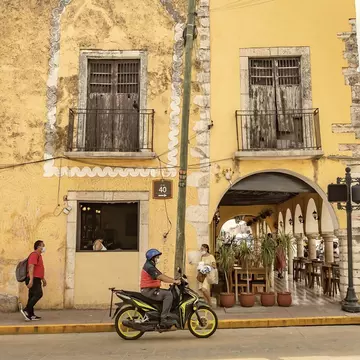
Situated on the northeastern coast, El Cuyo is a wild and windy paradise that’s totally different to resorts from the Riviera Maya. It’s a slightly scruffy Yucatán beach town with brightly painted houses, a few mini markets, cafes, bars and restaurants.
Even though small hotels are gradually edging along the beach, you get the feeling it will never be over-touristed because of its out-of-the-way location.
Thanks to the ever-present wind, it’s advisable to swim in the morning, kitesurf (or siesta) after lunch when it really kicks up and then jump around in the waves late afternoon when it lulls again.
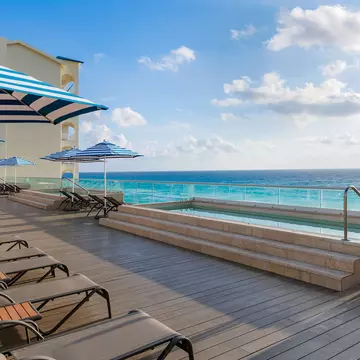
Dos Mares is one of the newer hotels in town, a design-led brutalist concrete block with a rooftop restaurant and pool. The aesthetic is natural with lots of bare wood and polished concrete. What could be quite stark is softened with comfy beds, big showers and hammocks on the inland-facing balconies.
Just across the road is Cucu Playa, the beach garden of Cucu Hotel. It’s a laidback spot for lunch, with hotel residents and beachcombers taking up the handful of tables.
It serves superlative ceviche; sharing a plate of fresh tuna on toast topped with fried leeks and a juicy black shrimp taco is enough to see you through to dinner.
Next door’s Can Cocal is a popular spot in the evening; it’s run by a couple from Barcelona who serve up a blend of Spanish and Mexican food around a fire pit.
If you come from a landlocked location at home, it might be hard to resist their daily fresh catch from the port, which is served with rosemary olive oil potatoes that prove the owners’ Mediterranean pedigree.
How to get to El Cuyo from Cancún International Airport: Drive 2.5 hours from the airport. It’s an easy drive on main roads and as you get near the coast, there’s just one road so it’s hard to get lost. Note: the Yucatán region is always one hour behind Quintana Roo.

Why go: Unspoiled sandy beach and sea turtle sanctuary
Travel time from Cancun: 2.5 hours
How to get there: By car, or by train to Tulum then, taxi
From spring to autumn, hundreds of loggerhead and green sea turtles travel miles to nest in the deep, soft sands at Xcacel. As well as being a protected area for turtles, Xcacel is also a shore-snorkeling spot thanks to a barrier reef that’s home to more than 100 fish species.
It’s one of those beaches you’ll never forget, thanks to its pristine white sand, turquoise water and wildlife, but beware, it comes with some caveats and is only viable as a day trip (it’s open 10am - 4pm). There are no amenities there, and you’re only allowed to bring water and fruit (no picnics).
A sandy track off Highway 307 leads to the entrance (approx. £5/$7 for tourists) and a car park. The beach is a few hundred meters’ walk down a jungle path.
Access is dictated by what’s happening with nature - namely sargassum and turtles – at certain times of year. Areas may be cordoned off to prevent people from stepping on buried turtle eggs, so check the Facebook page for up-to-date information.
Stay at the Conrad Tulum Riviera Maya, next-cove-but-one from Xcacel. Although it’s a very large hotel, it succeeds in camouflaging its low-rise buildings with surrounding jungle, and feels peaceful and personal.
How to get to Xcacel from Cancún International Airport: Approximately one hour and 45 minutes on the Tren Maya from the airport to Tulum (a few stops on from Puerto Morelos – see above), and then a cab to the beach (25 mins). Or hire a car from the airport; it’s a 1h25m drive.
Explore related stories