Jul 22, 20268 min read
19 Things to Know Before Visiting CancúnJul 22, 2026
8 MIN READ

Writer
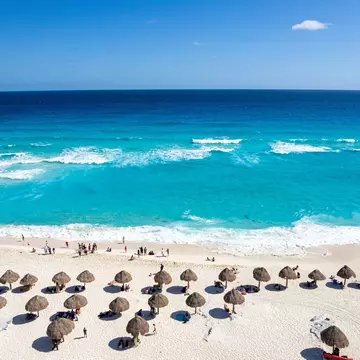
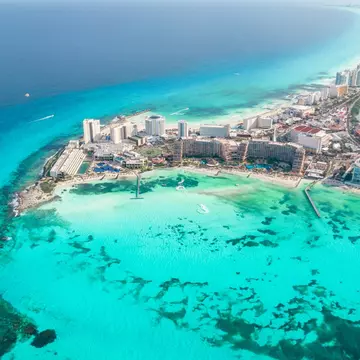
Panoramic view of Cancún beach and hotel zone. mariakray/Shutterstock

Writer
Highlights
Writer John Hecht shares 19 Cancún tips on timing, safety, transport and food.
Go December to April for sunny beaches; book February or March for Carnaval de Cancún.
Avoid ATMs after dark, watch your drink in bars and don't drink Cancún's tap water.
For street food, head to Parque de las Palapas for tacos, gorditas and crispy marquesitas.
Lonely Planet may earn a commission from affiliate links on our site. All recommendations and reviews reflect our own independent opinions.
If my frequent travels to Cancún have taught me anything, it's that paradise will throw you a curveball from time to time.
Among the setbacks, I've experienced a costly car break-in, brazen price gouging, and a debilitating bout of sickness with dengue fever, an ordeal that still makes my joints ache just thinking about it. But every time I've found myself in need of help, the good folks in Cancún have stepped up big time, and that's no small thing.
With this in mind, here are my essential tips to make your Cancún vacation run as smoothly as possible.
The perfect time to visit is during the high season, which runs from December to April. This is when visitors from more northerly regions (like the US and Europe) head to the white-sand beaches around Cancún for some winter sun. These months also roughly overlap with the dry season here, when there are fewer showers and lower temperatures (average highs are around 28°C (82°F).
If you love a fiesta, then pack your dancing shoes and book your visit to coincide with the Carnaval de Cancún (in either February or March). Expect outdoor concerts and dancing in the streets of central Cancún, especially around Parque de las Palapas.
Plan to stay for at least 3 nights to have enough time to enjoy the beaches, food scene, and a nearby island (as a bare minimum). A week to 10 days would give you more opportunity to see the highlights of Yucatán from Mayan ruins to the cenotes. If you do nothing else beyond relaxing at your resort, book a dive or snorkel trip to the Museo Subacuático de Arte (MUSA), an incredible underwater sculpture garden off the coast of Cancún.
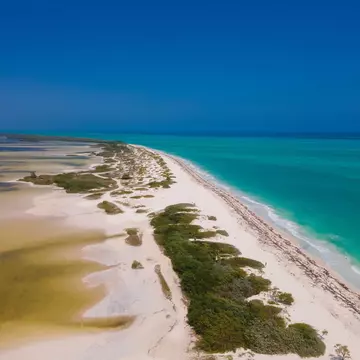
The hotel zone is home to most of Cancún's all-inclusive hotels, though high-end resorts are also cropping up in Punta Sam and along the sublime Isla Blanca peninsula, north of downtown.
The all-inclusive experience ranges from luxurious adults-only setups with above-and-beyond service (personal butlers and all) to slightly more affordable family-friendly accommodations. If you're looking for a safe, self-contained environment with multiple restaurants, bottomless drinks, easy beach access, alluring outdoor pools, and kid-focused activities, book an all-inclusive.
If you prefer the hotel zone experience without the meals and booze included in the price, there are also hotels along the strip that offer room-only rates such as Mayan Monkey. For even more well-priced hotel and hostel options, head to El Centro.
You will find plenty of things to do beyond the hotel zone with its stunning Caribbean beaches. Head for the bustling downtown Centro where you can mingle with locals in the neighborhood cantinas and barter at traditional markets. Visit just one atmospheric taco joint, and you’ll be glad you made the effort.

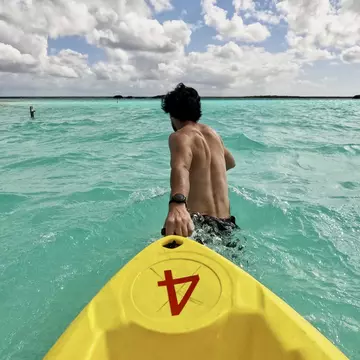
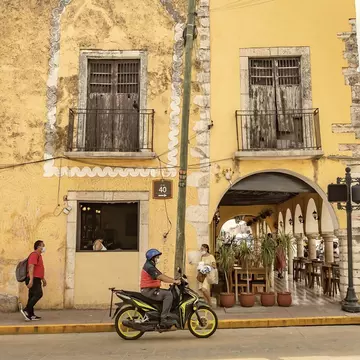
If time allows, definitely squeeze in at least one trip to see a different side of the Yucatán Peninsula. Venture south to check out ancient ruins, jungle-set swimming holes and small fishing towns along the Riviera Maya, or head east on a day trip to Valladolid, a colonial city with a rich Maya history. Alternatively, the nearby islands of Isla Mujeres and Isla Holbox provide blissful nature escapes for snorkeling, diving and kayaking adventures.
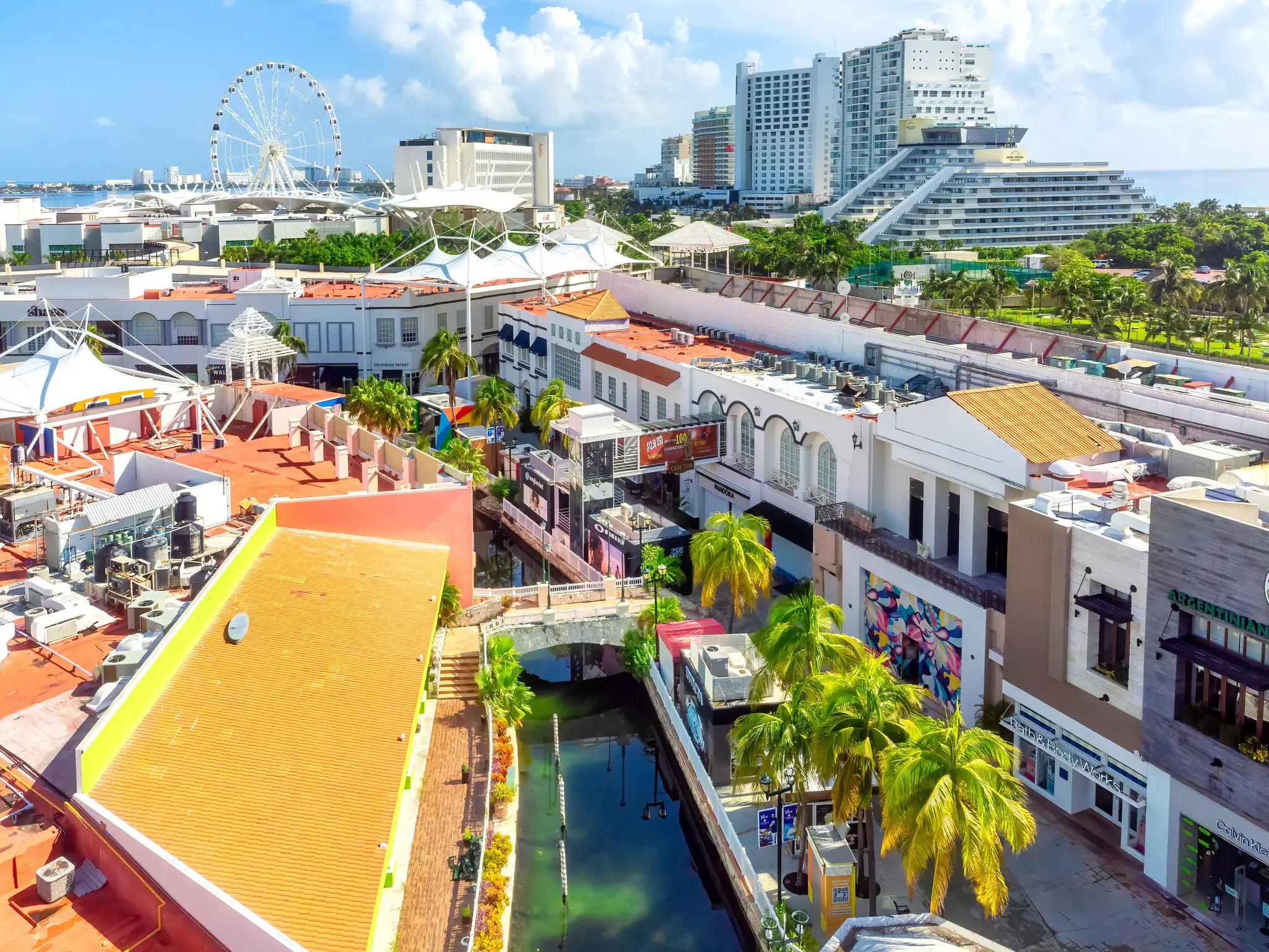
Keep in mind that many Cancún service workers (namely restaurant and hotel employees) depend on tips to supplement miserable wages. In restaurants, leave a 15% gratuity if the service is not already included. Remember to check the bill carefully, though – some unscrupulous establishments have been known to tack on a "service fee" in the hope that customers unknowingly leave an additional tip.
For airport and hotel porters, tip about M$30 a bag, while for tour guides give an extra 10–20% of the cost of the outing, or perhaps a bit more for full-day excursions. Gas station attendants typically get about M$5 to M$10. Bartenders, baristas, and taxi drivers generally do not expect tips but always welcome them.
Use señor or señora/señorita, especially when requesting something.
It is acceptable to haggle with market and street vendors, to a certain degree, but remember that they're just trying to make a living.
Despite all the grim news about Mexico's drug-related violence, Cancún and the wider Yucatán Peninsula are generally considered safe. Granted, you should never treat the crime problem lightly, but drug gangs rarely target tourists, especially if you avoid illicit activities.
That said, it's important to keep a close watch on your drink in bars and nightclubs. There have been reports of some tourists getting their drinks spiked with so-called date rape drugs. You should also avoid withdrawing money from ATMs at night, and never carry large amounts of cash.
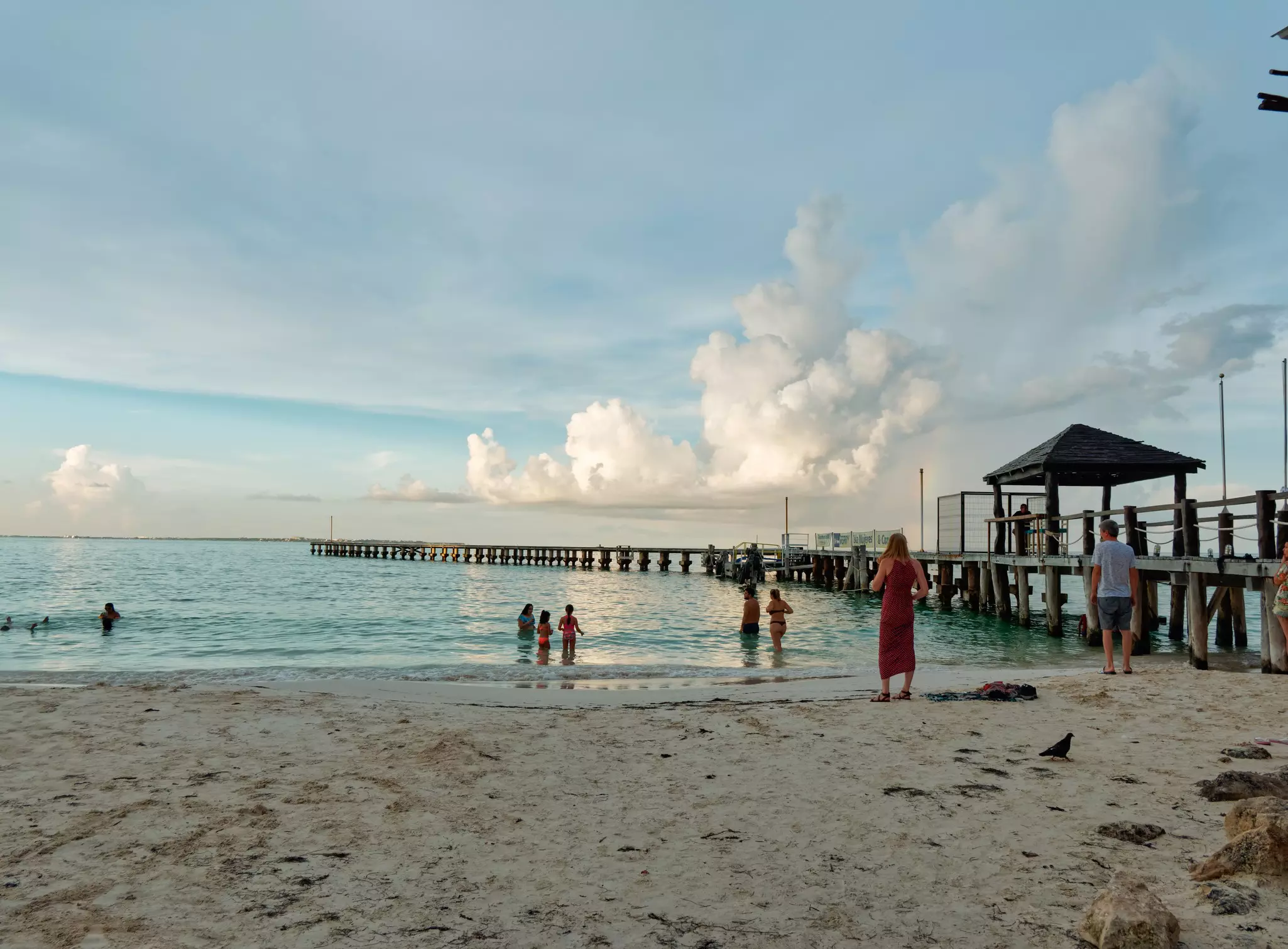
Also, keep a close eye on sargassum seaweed surges (sargazo in Spanish), which can turn Cancún's turquoise waters brown. These blooms leave mounds of smelly, decomposing macroalgae carpeted across otherwise white sands. An influx of seaweed makes swimming and sunbathing downright unpleasant. If it happens when you're in Cancún, consider doing less beach time and splash around in hotel pools and cenotes (freshwater sinkholes) instead.
The invasive surges occur intermittently, usually from March to August, but they can be unpredictable. The NGO Red de Monitoreo de Sargazo posts updates on beach conditions in Cancún and the nearby Riviera Maya.
To protect yourself from mosquitoes and the sun, pack biodegradable insect repellent, long-sleeve shirts and a pair of pants. You'll definitely need the bug spray when visiting during the muggy wet season from May through October.
Also note: even if you have repellent or sunscreen of the biodegradable variety, do not use them while swimming or snorkeling in fragile ecosystems such as coral reefs and cenotes. Loose-fitting clothes that dry quickly will serve you well for water activities and rainy days.
Cancún's tap water is generally not safe to drink unless you know it's filtered (agua filtrada). The same goes for drinks prepared with ice; when in doubt go without. Bottled or purified (purificada) water is your best bet to stay hydrated, and you'll need plenty of it to avoid heat exhaustion.
Eating street food can be somewhat dicey in Cancún, but it's a tantalizing risk that many visitors are willing to take.
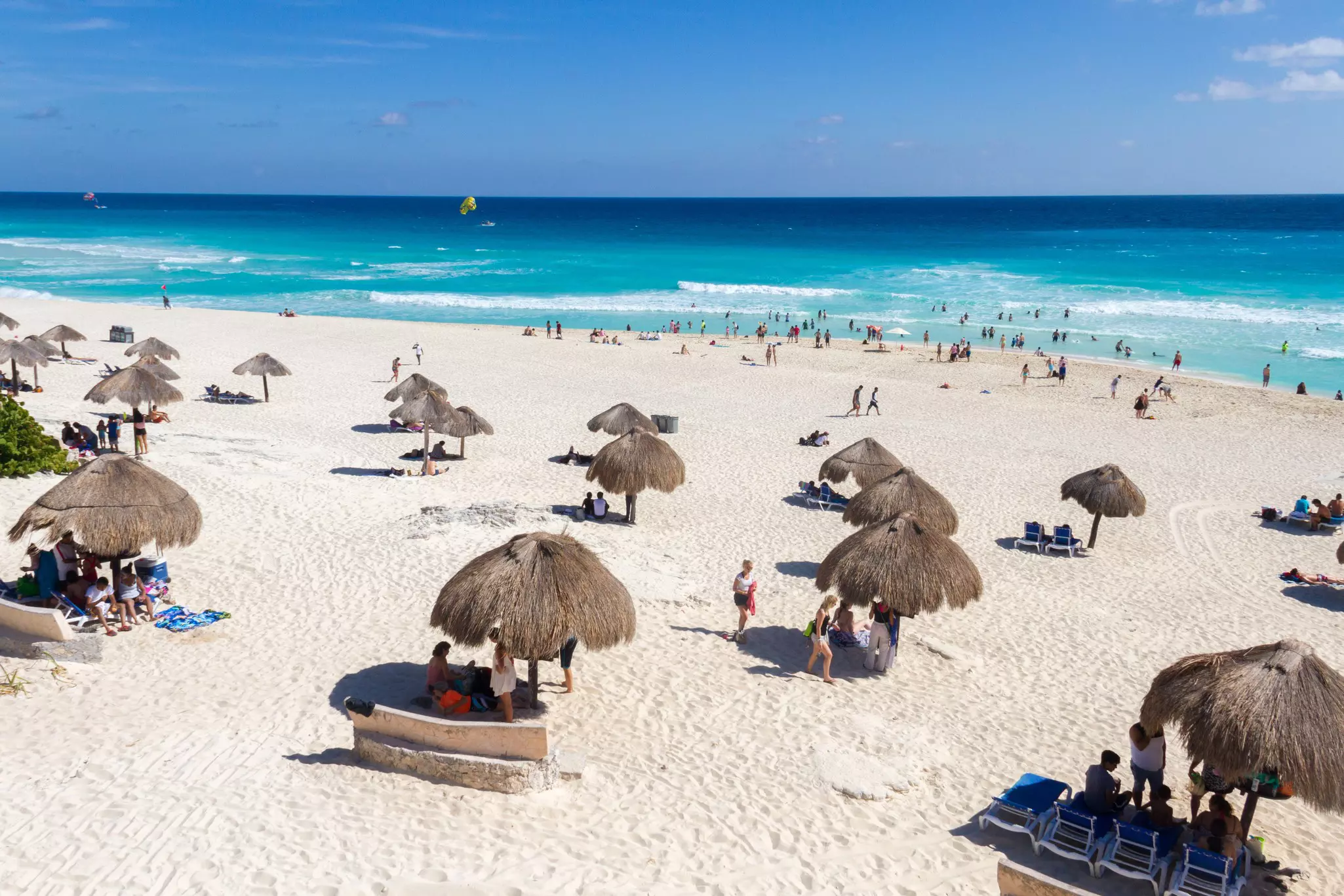
Cancún's hurricane season runs from June to November, and over the years the city has seen powerful storms cause devastating damage. Always check the latest weather forecast before you board a plane.
Even though most places in Cancún accept major credit cards, it's always useful to carry some cash, especially in the smaller surrounding towns and islands. Many hotels, and even some restaurants, accept US dollars, but they normally offer an unfavorable currency exchange rate.
The ubiquitous ATMs – dispensing Mexican pesos – accept foreign debit cards but expect to get dinged with international transaction fees for withdrawals unless you have a fee-free account. The same goes for many retail purchases. Some major credit cards or banks don't charge such fees, giving you the most bang for your buck.
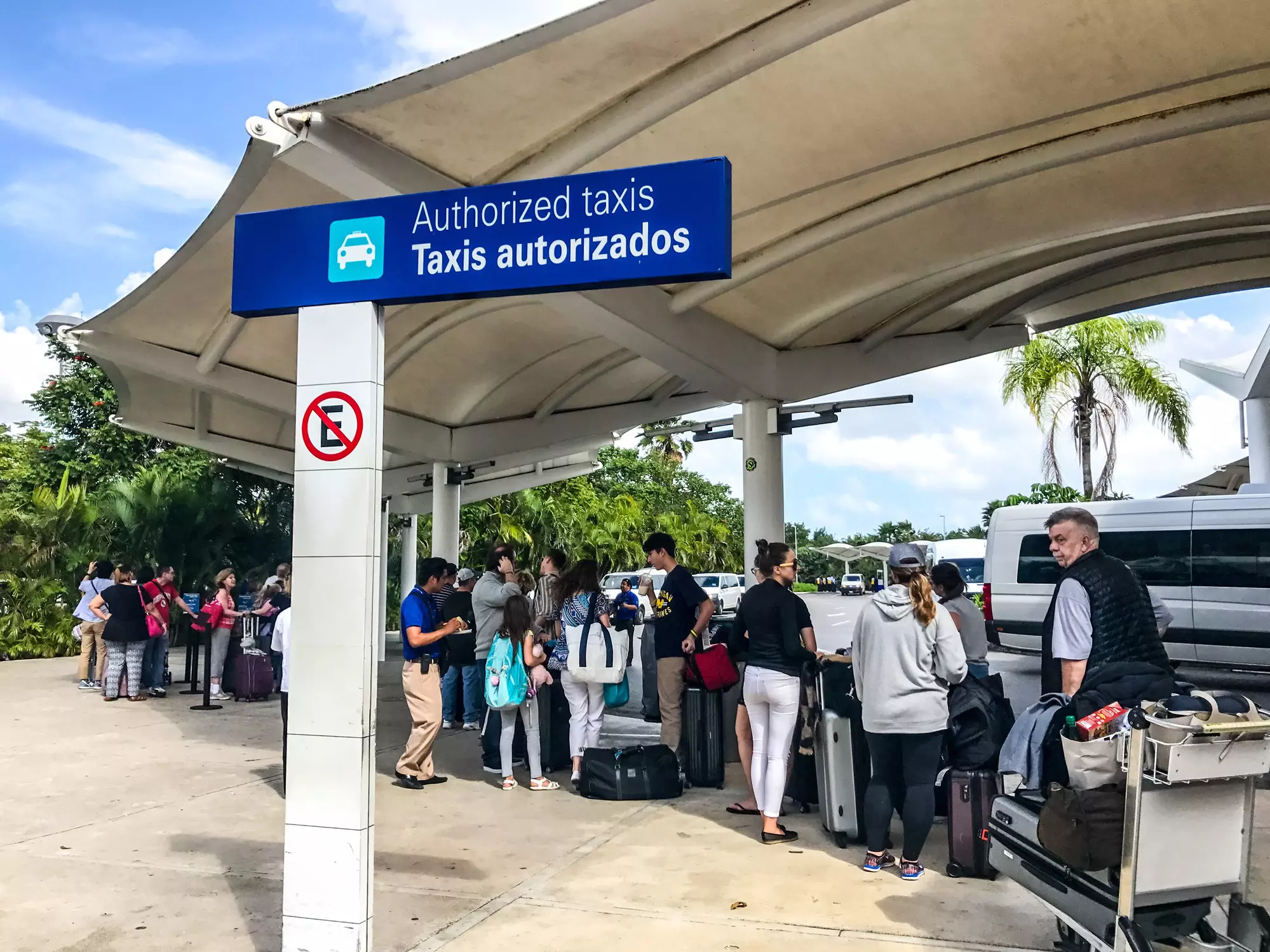
The app-based transportation service Uber operates in Cancún, but due to a long-running dispute by taxi union members, drivers and their passengers have faced harassment and, in some cases, attacks. If you decide to use Uber, do so at your own risk. Do not order a car from the airport, bus station, ferry terminals or other points where rival taxis may be watching.
For the most affordable transportation from the airport, look for the red ADO bus, which runs frequently from the airport terminals to downtown Cancún's first-class bus terminal. However, if you're staying in the hotel zone, you're better off taking a shuttle or pre-booked cab. Buses R-1 and R-2 traverse the hotel zone and El Centro, getting you to the beach.
To rent a car, you'll need to show a passport, driver's license and credit card. Mexican law requires you to have liability coverage, known in Spanish as daños a terceros.
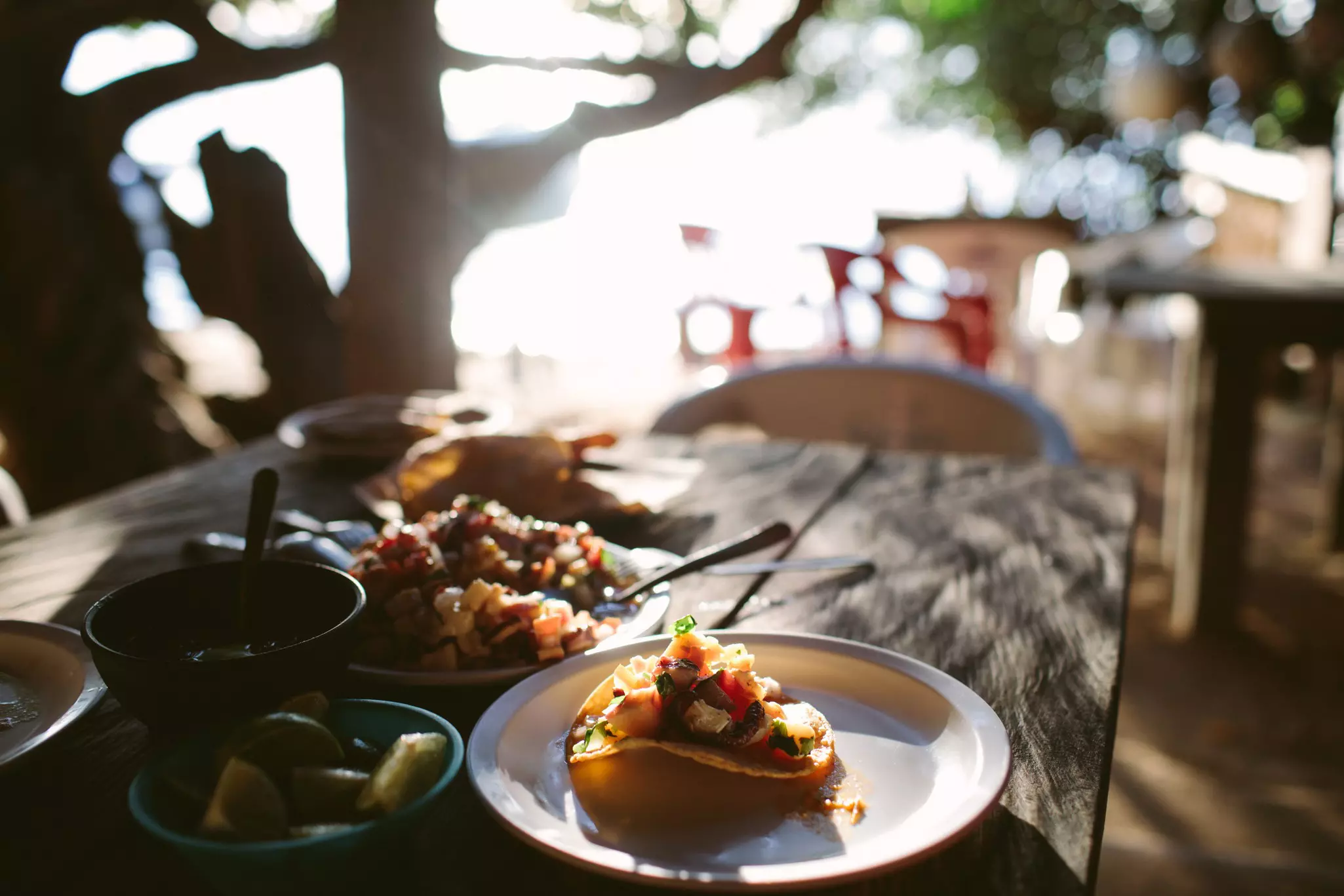
Dive into Cancún's diverse culinary scene. Parque de las Palapas is one of the city’s top spots for street food, with dozens of stalls selling tacos, quesadillas and gorditas. Unique Yucatecan favorites include panuchos and salbutes (both like tacos but with thicker tortillas), as well as decadent fried quesadillas. The permanent stalls on the northern side of the park are open all day, but additional food carts show up in the evenings to sell traditional street desserts. Here is your chance to try the Yucatecan specialty marquesitas: crispy rolled-up crepes filled with your choice of ingredients, from Nutella to Edam cheese.
To continue planning your trip to Cancún, check out our guidebook.
Explore related stories