Sep 24, 202610 min read
A Book Lover’s Guide to IndiaMar 13, 2021
5 MIN READ
Writer
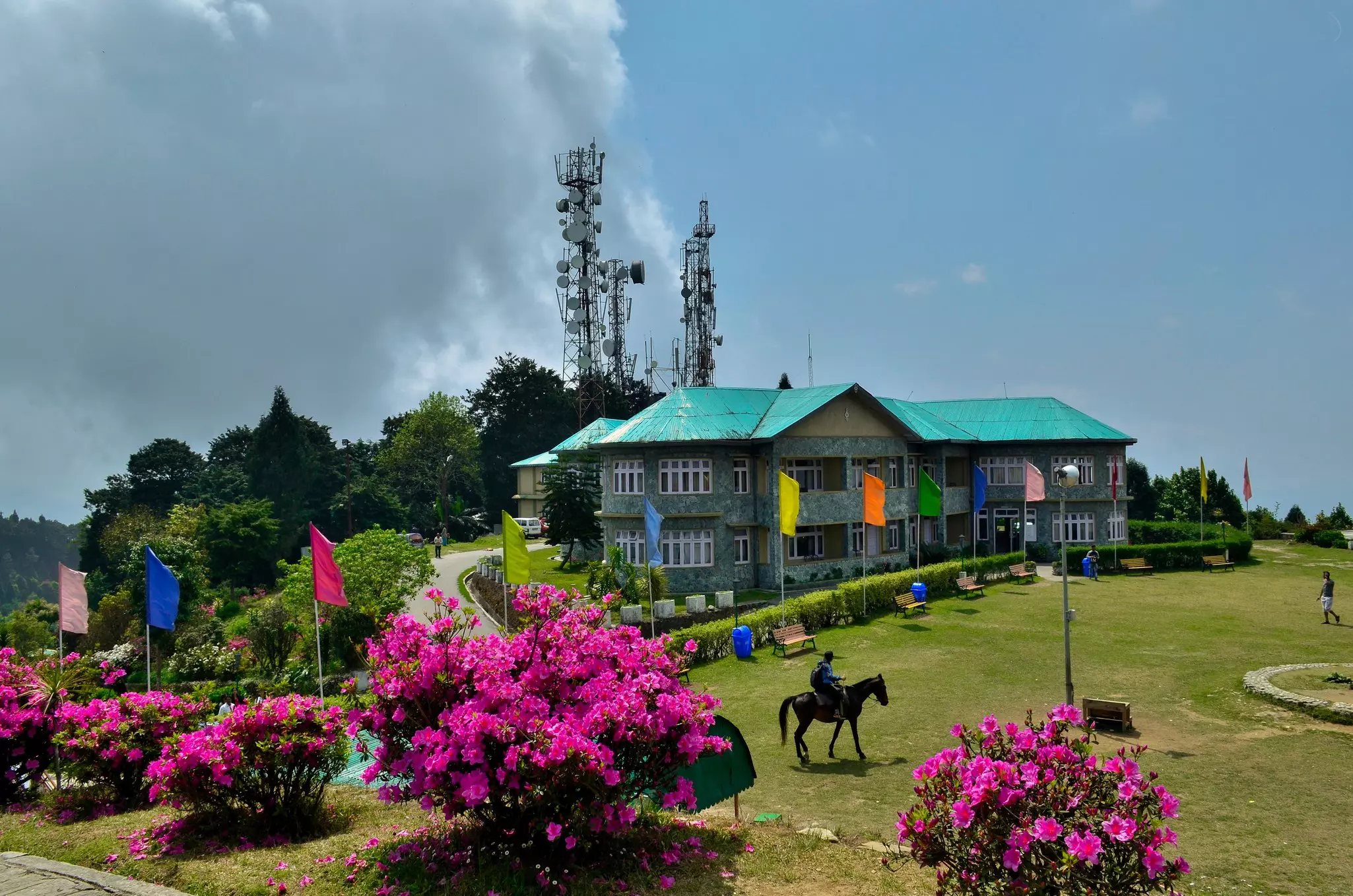
Deolo Park ©PRASENJIT PAUL/Shutterstock.com
Writer
Lonely Planet may earn a commission from affiliate links on our site. All recommendations and reviews reflect our own independent opinions.
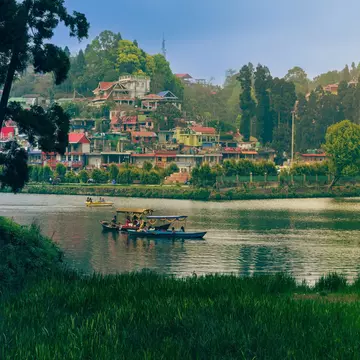
Tucked in the Eastern Himalayas, Kalimpong’s status as an idyllic hill resort is bolstered by the promise of mist-laden mountains, luxuriant vistas and salubrious climate, hill slopes run over by wild flowers in incredible hues, the strangely cadenced gurgle of jhoras (ravines) and thick sal forests, orange orchards and orchid nurseries, and splendid views of the refulgent peaks of the mighty, mystifying Kanchenjunga. And yet Kalimpong is different. It lacks the somewhat impersonal, touristy airs of popular hill stations. Instead, Kalimpong is defined by its warm, lived-in feel - chaotic yet comforting.
But, there’s more to Kalimpong than the average fix of hillside quaintitude, soporific vibes and the scent of pine. Once a part of the Sikkimese kingdom ceded to Bhutan in the eighteenth century and later annexed by the British, thanks to its position on the salt and wool trade route between Lhasa and mainland India, Kalimpong has been a hothouse of intercultural encounters and exchanges over centuries and is home to numerous communities of diverse ethnicities. A seemingly unassuming mountain village, Kalimpong emerged as a stronghold of Tibetan rebels, dubbed as a ‘nest of spies’ in the aftermath of the Chinese invasion of Tibet and more recently, one of the nerve-centres of the struggle for Gorkhaland against which Kiran Desai set her Booker-winning novel The Inheritance of Loss. It is this chequered history and variegated cultural mosaic that makes Kalimpong a fascinating repository of stories and vestiges of material memory – be it in the form of a museum dedicated to the Lepchas, the original inhabitants of the region; centenarian colonial bungalows and churches, Tibetan monasteries or the ubiquitous Gorkhaland Territorial Administration signposts.
The centre of Kalimpong town is far from tranquil. It is a bustling tangle of roads flanked by rows of closely-packed houses, unassuming eateries, quirky café’s atop old buildings and shops selling clothes, curios, tea, pickles, books, gadgets, and more. However, for a truly multi-sensory experience and more meaningful engagement with the local communities, it’s best to visit the bi-weekly haat where local vendors from surrounding villages congregate every Wednesday and Saturday to sell a mind-boggling array of farm fresh vegetables, fruits and other items. Find local varieties of squash, avocadoes, Himalayan nettle and fiddlehead greens, fiery Dalley Khorsani chilies and bamboo shoots, and a host of ethnic pantry staples like gundruk, sinki and kinema. A couple of shops also sell pasty pellets of marcha, local yeast used to make traditional alcoholic beverages like the millet-based Tongba. Besides, there’s a motley assortment of local pulses, cheese, spice mixes, meat, first class noodles including phing or glass noodles made with fermented mung bean starch and zesty pickles on offer. Between the browsing look out for stalls selling Fambi, a Kalimpong speciality and a famously healthy snack, made with the liquid residue from Phing. The slightly gelatinous liquid is first allowed to set, then cut in cubes and tossed in fiery chili chutney. Kalimpong also has some wonderful cafés, bakeries and restaurants serving up everything from Chinese favourites to Bhutanese and Nepalese fare.
Of course, culinarily, Kalimpong’s top draw is the eponymous mountain cheese introduced by Swiss Missionaries way back in the nineteenth century. But locals ruefully admit what’s now available as Kalimpong cheese, sold out of a few local dairies, is a frail shadow of the Swiss Welfare Dairy original. But the fudge-like Kalimpong Lollipops, another Swiss Dairy classic introduced by the Swiss Jesuit priest Father Andre Butty in the 1950s are still rolled out of a factory run by a former employee of the Dairy.
A few minutes’ walk from the Haat Bazaar stands the imposing, distinctly Gothic MacFarlane Memorial Church built in the 1890s in honour of Rev William MacFarlane, one of the first Scottish Missionaries to arrive in the region - a top tourist draw. However, it is the St Theresa’s Church, on the other side of town centre, modelled after a Tibetan Gompa, that stands out as a quirky prototype of cultural syncretism. A short drive from the town centre, atop the Durpin hill known for its panoramic views, stands the majestic Zang Dhok Palri Phodang – built in 1972 and consecrated by the Dalai Lama in 1976. A must visit on any trip to Kalimpong, the monastery is home to an important collection of sacred texts, scrolls and books on Tibetan Buddhism brought out of Tibet after the Chinese invasion. The smaller, but much older Geden Tharpa Choling Monastery is worth exploring for its mystic shrines dedicated to Tibetan deities, a small museum home to an impressive collection of photographs and its scenic surroundings.
Across the town from Durpin hill is the Deolo Hill, its summit the highest point of Kalimpong. A sprawling park on top of Deolo hill studded with carefully manicured gardens of exotic flowers, tall, hoary conifers, pretty gazebos and panoramic views of the surrounding hills and the valley below, is easily one of the most photogenic spots in Kalimpong. The recently installed love signage cranks up its Instagrammability. Private outfits also offer paragliding sessions from Deolo Hill for thrill seekers looking for some aerial fun across the Himalayan skies. Spook junkies, on the other hand, tend to flock, the nonagenarian Morgan House. The imposing colonial mansion with ivy covered façade, stone chimney and wooden staircases, built by George Morgan, an English jute merchant, in the 1930s as a summer retreat, has acquired quite the reputation as a haunted house. Rumours are Lady Morgan still haunts the house and its grounds. The mansion currently serves as a state government run tourist lodge. Until recently regular tourists thronged the place to explore the grounds – that was before the management has now adopted a strict guest-only policy. The only way to secure a chance of meeting the ghost of Lady Morgan is to book a stay at her erstwhile home.
Across the road from the Morgan House lay the lush expanse of the Army Golf Course, one of the highest in the country, perched on the edge of the hill. The small cafe adjoining the golf course is perfect for enjoying a steaming late afternoon cuppa with a side of mountains.
Book your India trip with Lonely Planet Journeys
See India how it's meant to be seen
Accommodations, activities and ground transportation all taken care of, so you can focus on the fun part. Tell us what your dream trip to India looks like, and our local experts will build it from scratch. Or start with one of our itineraries and make it your own.

Explore related stories