Oct 22, 20269 min read
Why Madrid Deserves More Than a WeekendSponsored by
This article was paid for and produced with Madrid Tourism. Paid content is produced separately from Lonely Planet's editorial coverage. Product availability and terms are subject to change; please verify details directly with service providers.
Oct 22, 2026
9 MIN READ

Writer
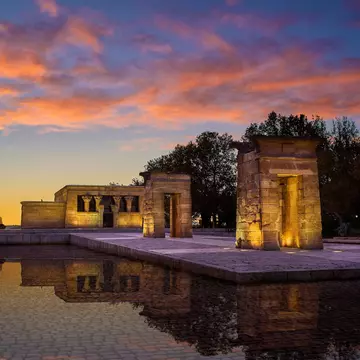
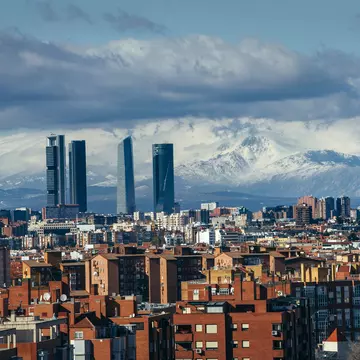
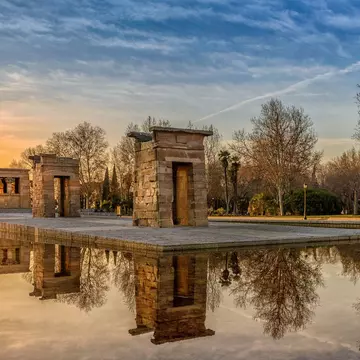
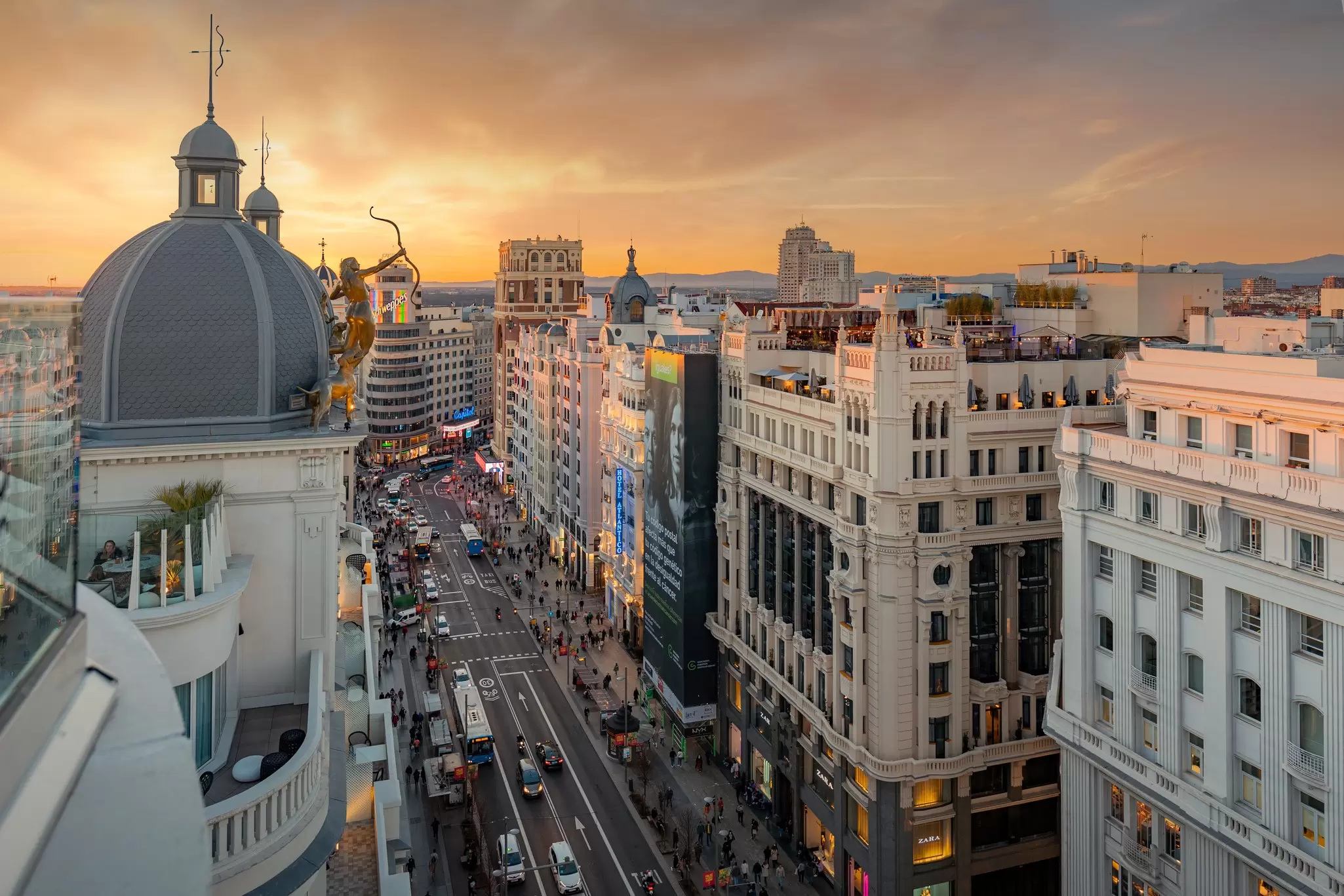
Sunset over Madrid. Madrid Destino
Writer
Highlights
Stay a week or more – ideally a month – in Madrid to see remarkable art, go deeper into the experiences most visitors only brush over, and explore, eat, shop and unwind in the places beloved by locals.
A week lets you see Madrid properly; a month lets you live it.
There’s a local expression: “De Madrid al cielo, y un agujerito para verlo” (“From Madrid to heaven, and a little hole to see it”) that captures why a visit to this remarkable city deserves more than a weekend. Here, the sky’s the limit, with a diverse culinary scene, distinctive cultural experiences, and visually striking neighborhoods.
Stay a week or more (ideally a month) to see remarkable art, go deeper into the experiences most visitors only brush over, and explore, eat, shop and unwind in the places beloved by locals.
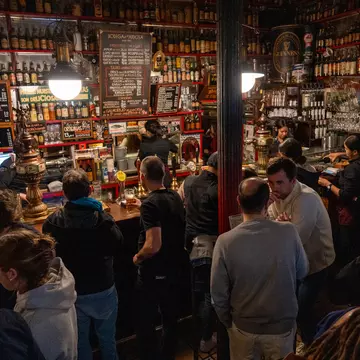
More importantly, more time lets you settle into Madrid’s rhythms; its hours-long lunches and dinners, soused in good wine and drawn out by lively 'sobremesa' ('over the table') conversations; its pulsating nightlife and after-hours attractions; and its colorful local fiestas, where friendly madrileños are happy to welcome you to the party.
If you are staying a week or more, here are some of our favorite ways to go beyond the most popular sights, and get to know the real Madrid.
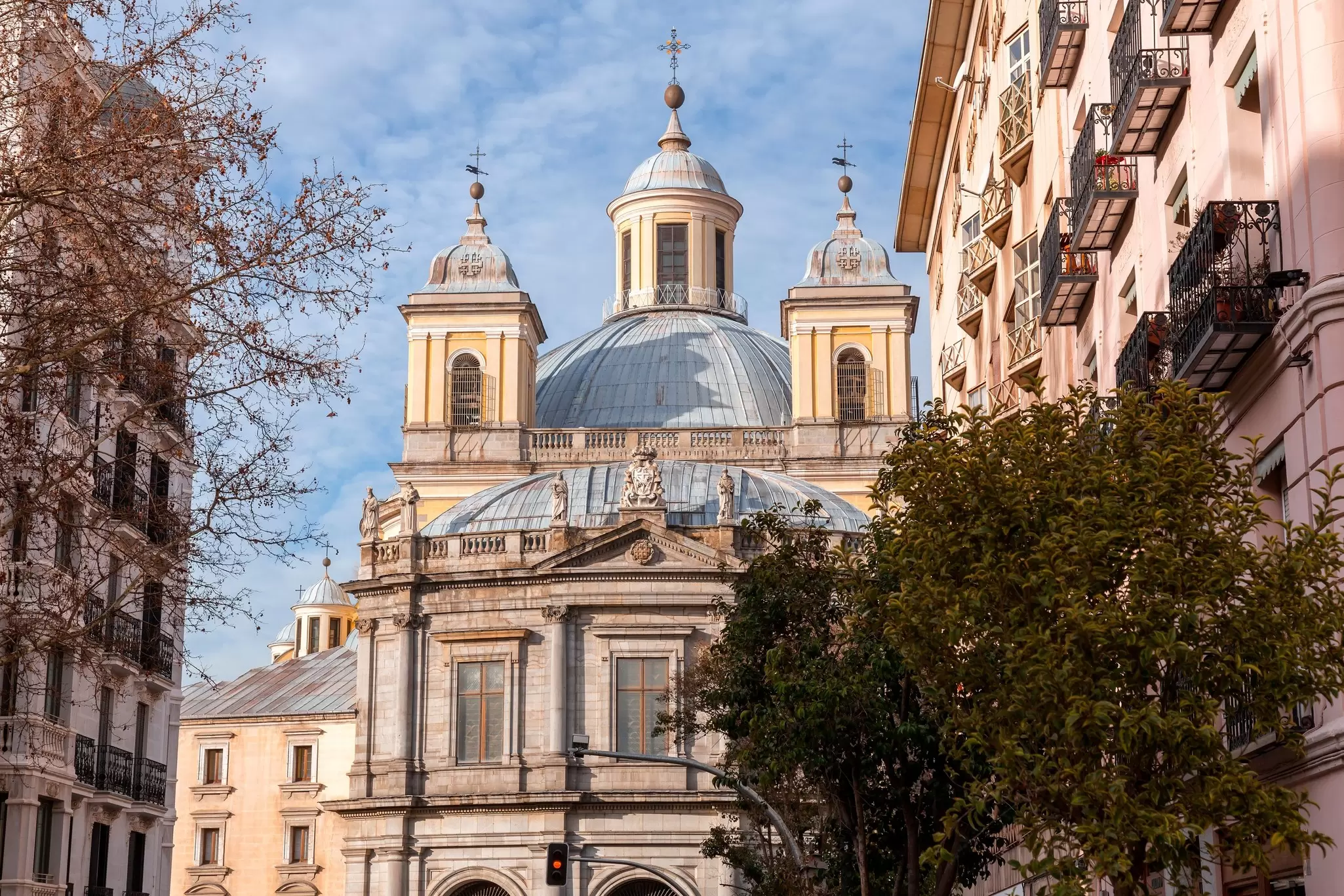
Check out the Basilica de San Francisco El Grande, or the Chapel of San Antonio de La Florida.
Although the Prado Museum has the most important collection of works by renowned Spanish artists Francisco de Goya, Diego Velázquez and many others, more of Goya’s paintings are on display in these two places of worship.
The Basilica de San Francisco El Grande in Madrid’s oldest neighborhood, La Latina, is home to an impressive collection of paintings by Spanish masters. The most famous is Goya’s St. Bernardino of Siena preaching to Alfonso V of Aragon. Less grandiose but no less treasured, the dome of the Chapel of San Antonio de La Florida is adorned with frescoes painted by Goya. This chapel by the Manzanares riverbank is also Goya’s final resting place; his remains were moved here in 1919.
For a more immersive experience, step into the former home of Joaquin Sorolla, the celebrated Impressionist painter from Valencia. The Museo Sorolla, where the painter lived with his family until his death in 1923, is one of the best-preserved artist homes in Europe, and reopens in October 2026 after renovations. It retains the original furniture, ceramic collection, and Andalusian-inspired garden, which Sorolla himself designed. The brightly colored walls hold the most extensive collection of Sorolla’s works, including grand paintings and drawings influenced by the French Impressionists.
Another option is the Lazaro Galdiano Museum, an imposing early-20th-century Italianate stone mansion that belonged to Don José Lázaro Galdiano (1862–1947), a successful businessman and passionate patron of the arts. His astonishing private collection, which he bequeathed to the city upon his death, includes 13,000 works of art, a quarter of which are on show at any time – including works by Goya and El Bosco.
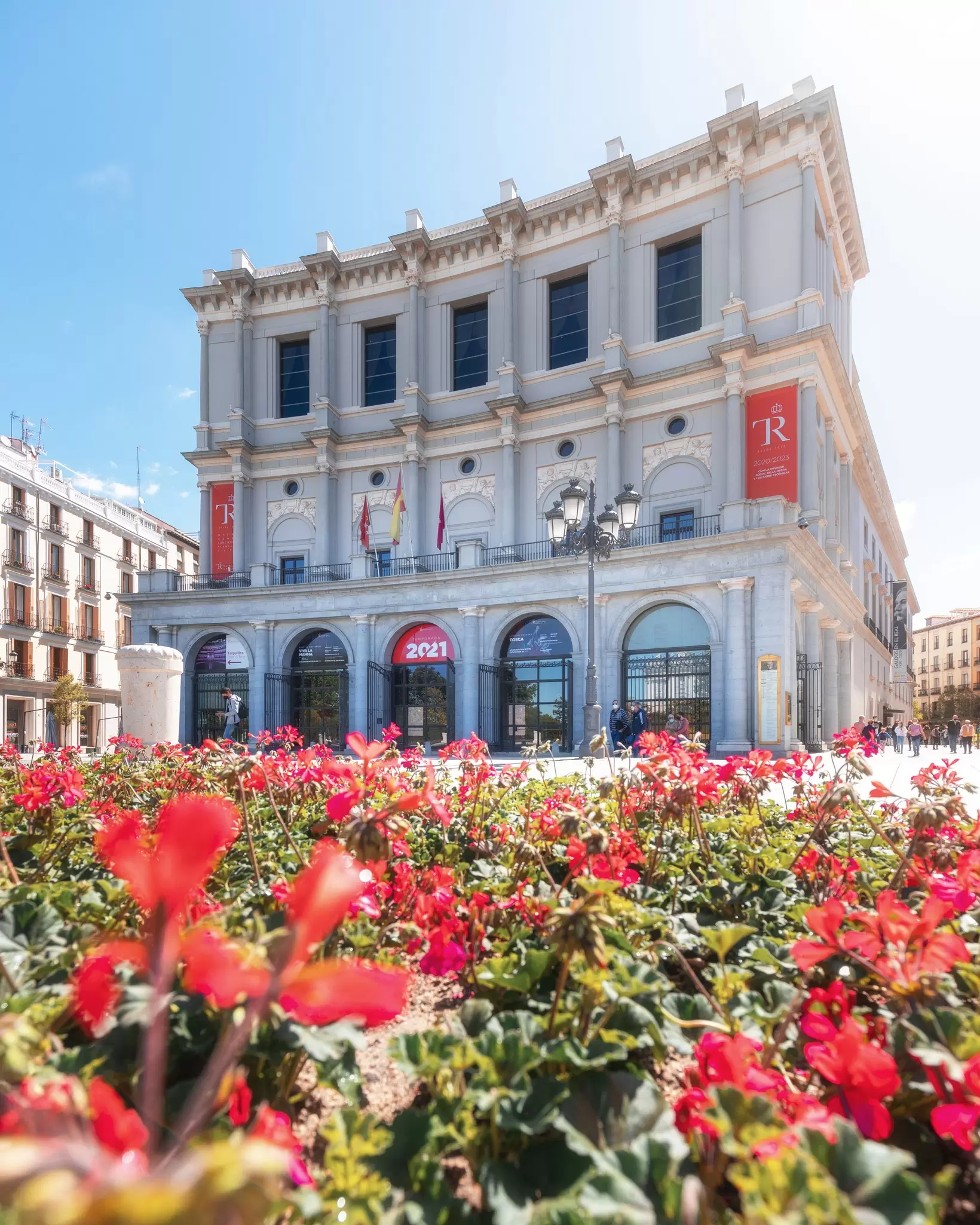
You can peek behind the curtain at the Teatro Real, named the World’s Best Opera House in 2021. Guided audio tours in English and Spanish take you around its spaces, halls, and Royal Box. Tickets are available for purchase online.
Premium experiences are also available, including a backstage technical tour that covers the movements of platforms and poles, the assembly and construction of sets, the process of preparing an opera stage, and installation of the building’s acoustic shell. For a more artistic point of view, you can also dive deep into the rehearsals, characterization, costuming, and the role of stewards, and explore the actors’ spaces.
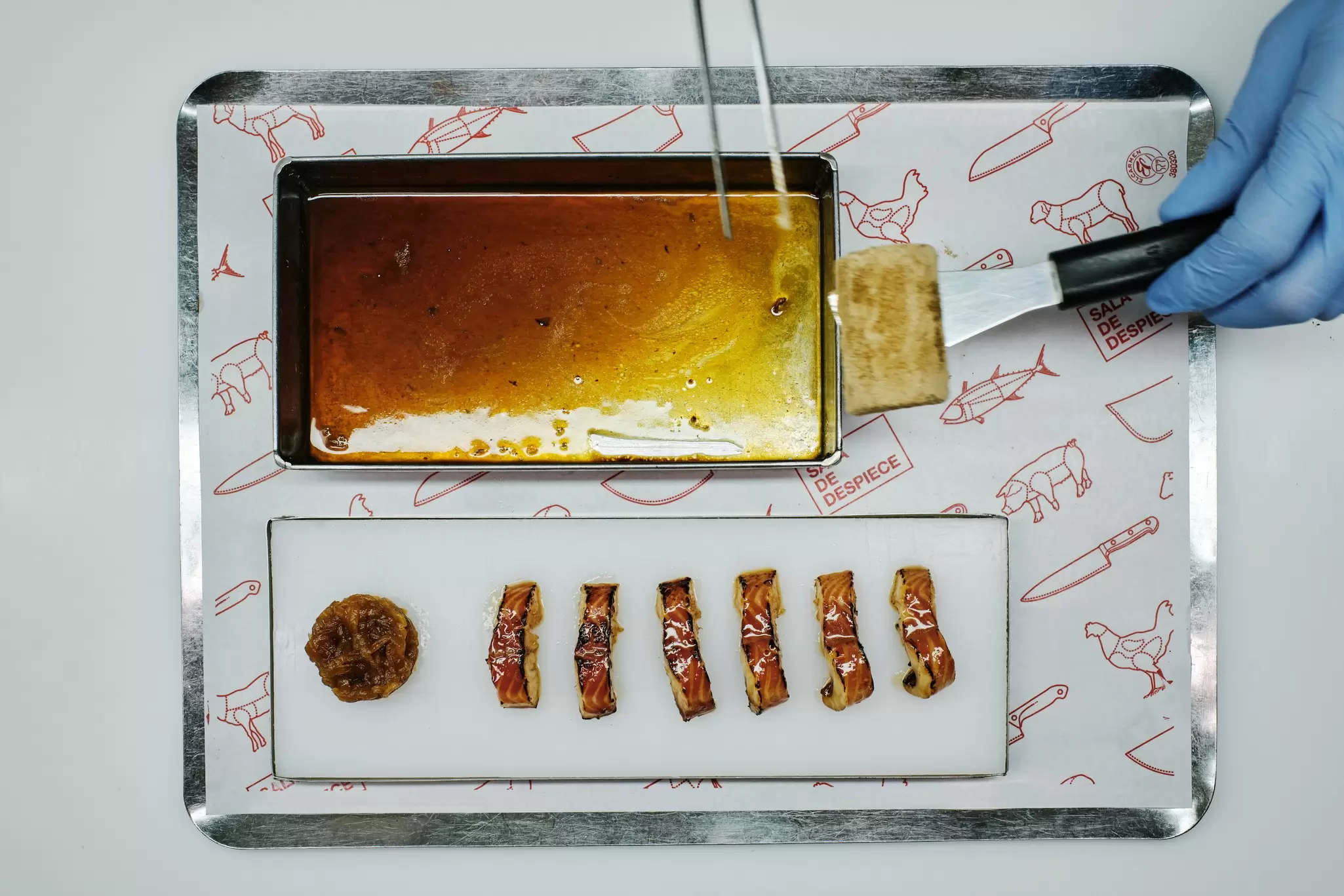
The elegant residential neighborhood of Chamberí has emerged as a gastronomic hub. As you stroll through beautiful 19th and 20th century architecture, you’ll find a number of innovative restaurants that put a modern twist on traditional Spanish dining. Among them is Sala de Despiece, which challenges your perception of tapas (small plates) in an upbeat industrial space, with long counters that become stages for fiery tableside presentations. The Michelin-starred La Tasquería offers a memorable nose-to-tail tasting menu elevating humble offal, from sweetbreads to criadillas (bull’s testicles). El Invernadero earned a green Michelin star for its sustainable “green haute cuisine,” with vegetables as the stars of the menu, while Coque also received a green Michelin star for its focus on the circular economy and sustainability.
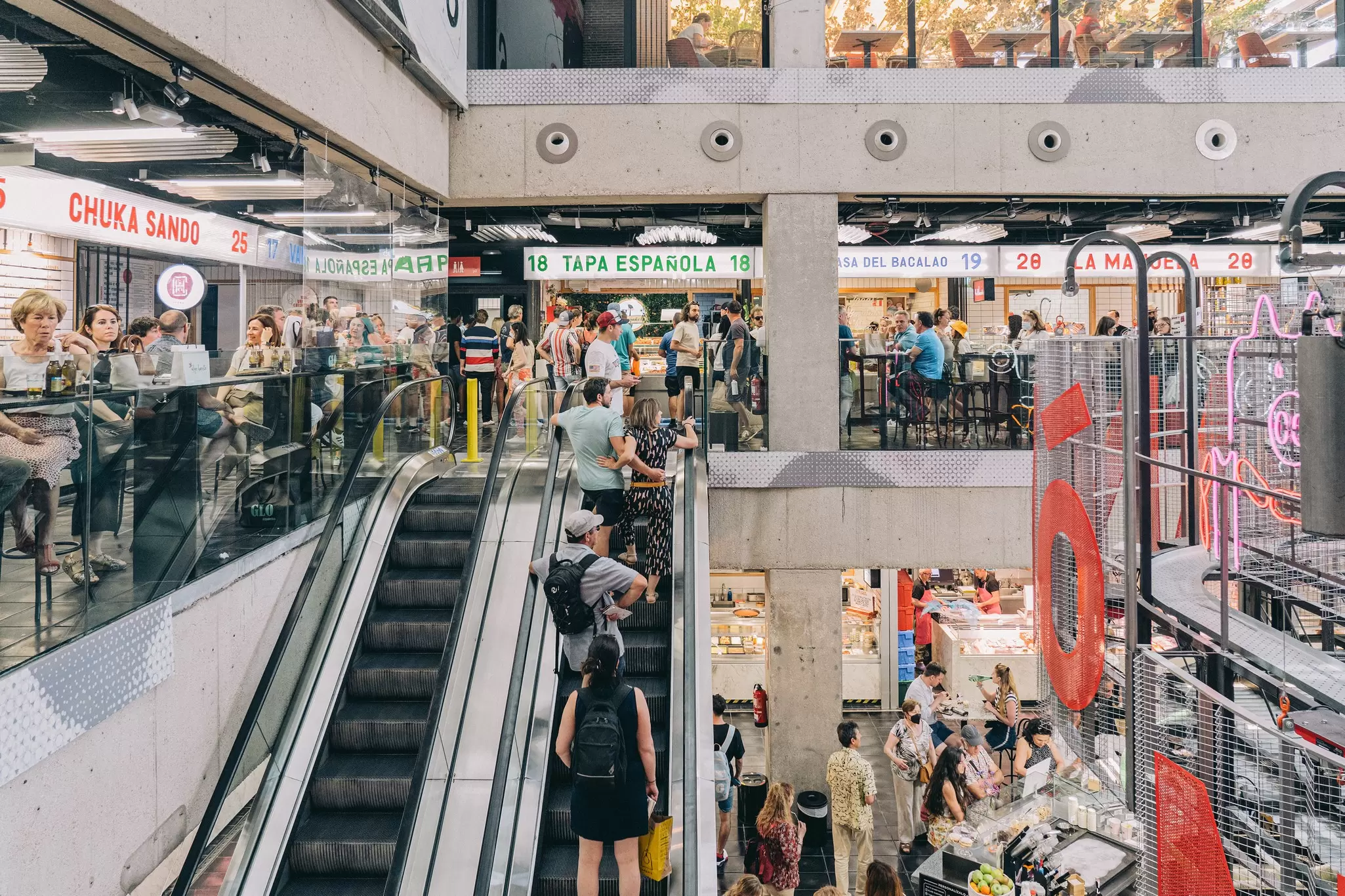
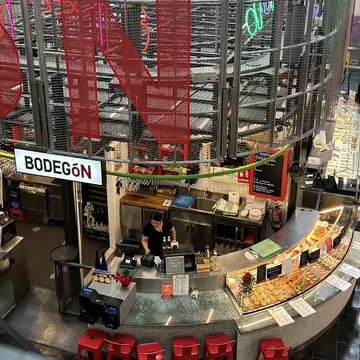
Madrid’s many mercados (markets) are exciting indoor spaces showcasing creative cuisines at wallet-friendly prices. In the lively Barrio Chueca, the beating heart of Madrid’s LGBTQ+ community, you’ll find Mercado San Antón – a three-story building with stalls peddling charcuterie, wines, cheeses, seafood, and fresh produce, plus a dizzying array of tapas. Its stylish roof deck is a great place to meet up and dine in a relaxed atmosphere.
Mercado de Vallehermoso in the quieter, residential Chamberí, has been a neighborhood landmark since it was built in 1930. Beyond its distinct, crimson façade, the market offers an authentic local experience with fresh produce counters, as well as wonderful international cantinas. Here, you’ll get a feel of daily madrileño life, as locals shop for groceries and gather to eat and drink during lunch, or after work.
Dramatic 19th century architecture forms the backdrop for a carefully curated boutique shopping scene in the Las Salesas quarter, known for its cluster of independent, design-forward boutiques around Calle Fernando VI and Calle de Piamonte. Specialty shops include La Official Pottery, with its sublime selection of artisanal ceramics blending traditional Spanish craftsmanship with contemporary design, and Casoná, a clothing and coffee shop that bridges Spanish and Venezuelan cultures.
Las Letras, Madrid’s historic literary quarter, has a pocket of independent bookshops, vintage clothing stores, small fashion ateliers, and artisanal Spanish crafts and homeware. For unique Spanish gifts and souvenirs, Real Fabrica Española has an eclectic array of ceramics, decor, and quality gourmet products.
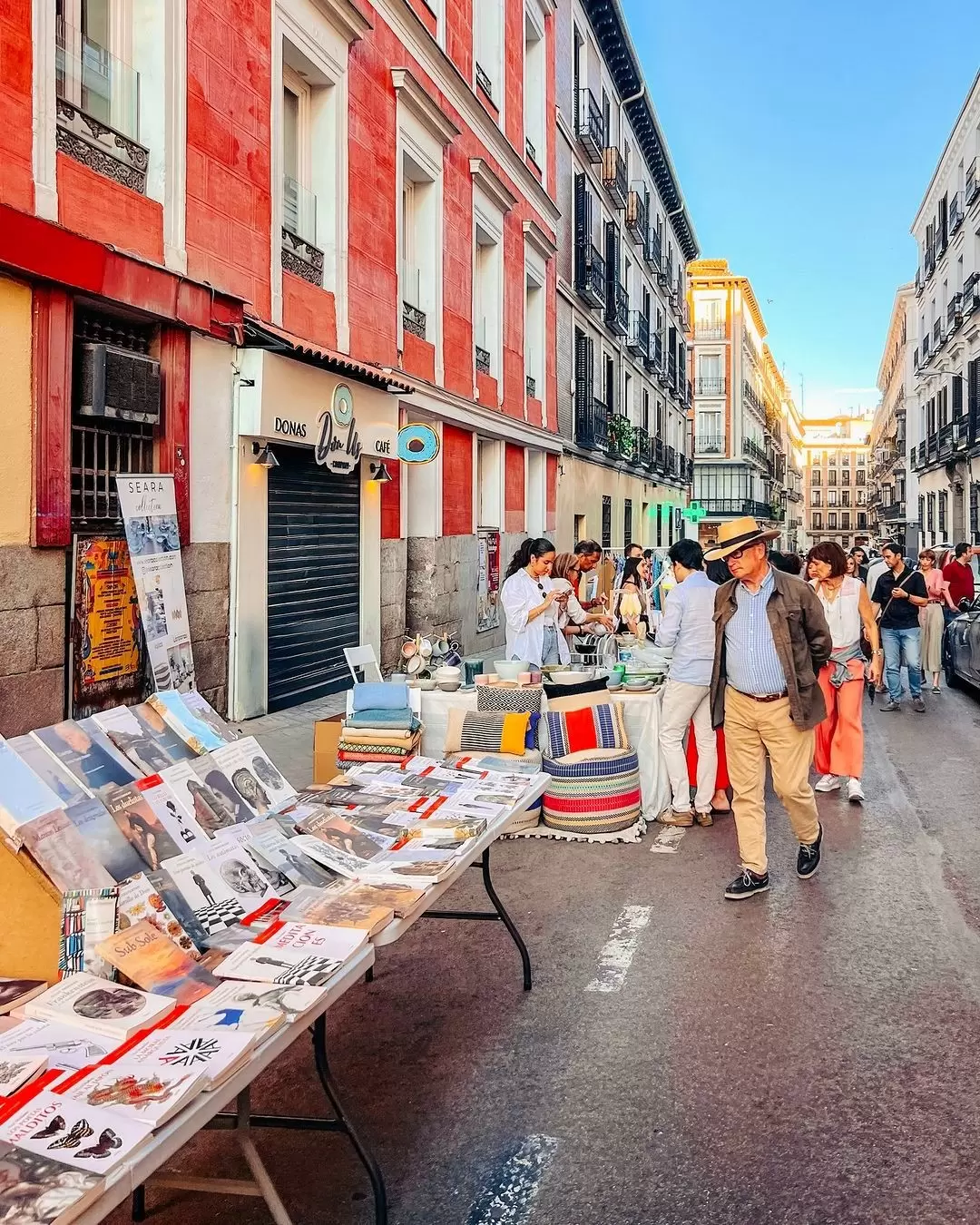
On the first and third Saturdays of every month in Las Letras, you can check out Mercado de las Ranas ('Frog’s market'), a festive, open-air outdoor street market that’s great for strolling and souvenir shopping for unique local design pieces, including artisanal accessories, ceramics, gourmet food, and prints with Madrid motifs.
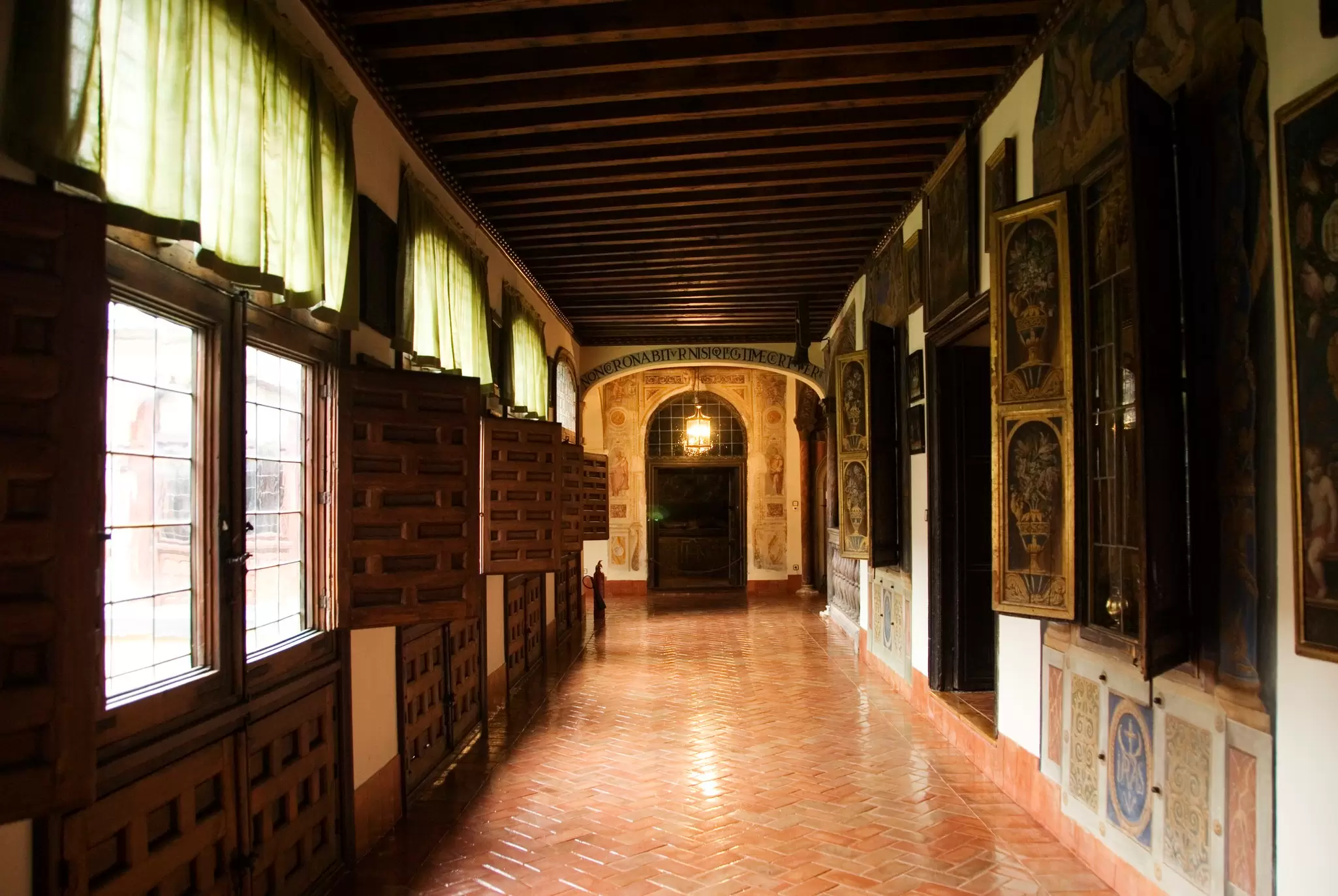
Get thee to a nunnery! While these convents may look humble from the outside, beyond their cloistered walls are rich collections of art and royal artifacts. Many pieces began as dowries brought by generations of noblewomen as they entered the convent and accumulated over centuries. Both are open to visitors.
The Monastery of Las Descalzas Reales, a 16th-century royal convent, just off central Puerta del Sol, houses a staggering collection of artwork by Caravaggio, Rubens, and Titian, alongside holy relics, intricate tapestries and sculptures.
Just steps from the Royal Palace is its “sister” institution: the Royal Monastery of La Encarnación. This 17th-century Augustinian convent that also functions as a museum displaying an outstanding collection of religious art, sacred relics, and royal gifts.
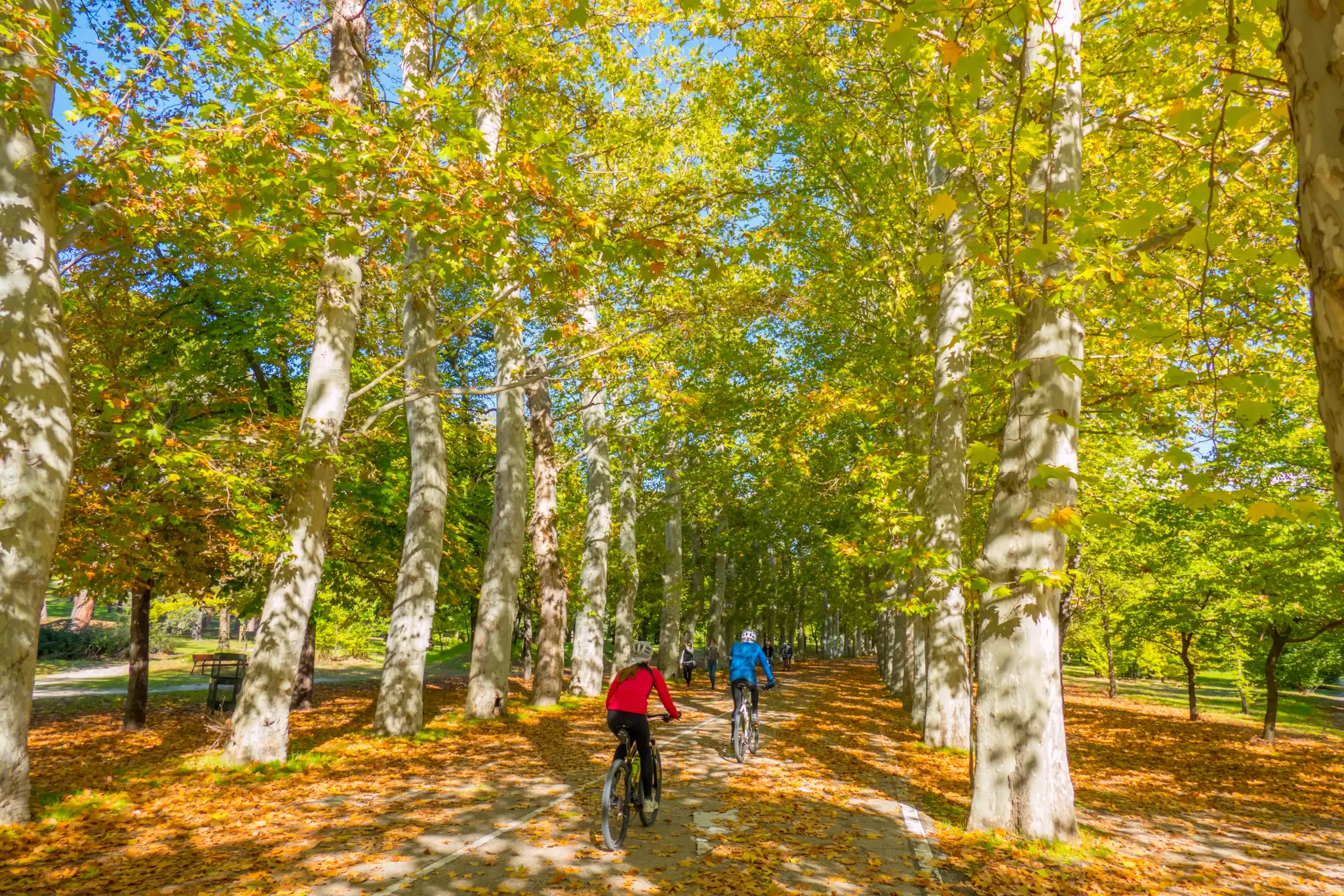
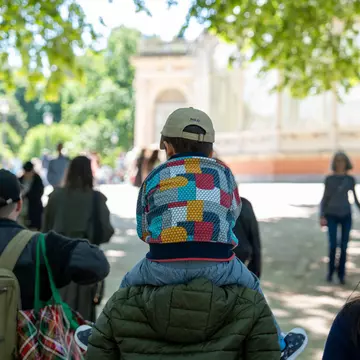
Stepping into Casa de Campo, Madrid's largest public park, feels more like entering a forest. Once part of King Philip II’s Royal Forest in the 16th century, it did not open to the public until the 1930s, much like the royal grounds of El Retiro and the Sabatini Gardens.
Spanning a massive 1535 hectares (around 3800 acres) this expansive green space is perfect for outdoor sports such as cycling, jogging, kayaking and even swimming in the large public pool, which opens in summer. The park’s lake, easily reached via the Lago metro stop, is a relaxing setting for all day dining, with several restaurants, bars and open-air terraces.
A more polished alternative is Campo del Moro ('Field of the Moor'), named for the Moorish armies camped on the grounds after the death of King Alfonso VI in the 12th century as they attempted to reconquer Madrid. On the western side of the Royal Palace, it features manicured English-style gardens with wide lawns surrounding Neoclassical fountains. Its winding pathways reveal a more rugged setting, with canopies of trees towering over secret hideaways flanked by rose bushes. Don’t be surprised to see peacocks strutting about! During warmer months, you can dine al fresco and enjoy classical music performances on its terrace, with a great view of the Palace.
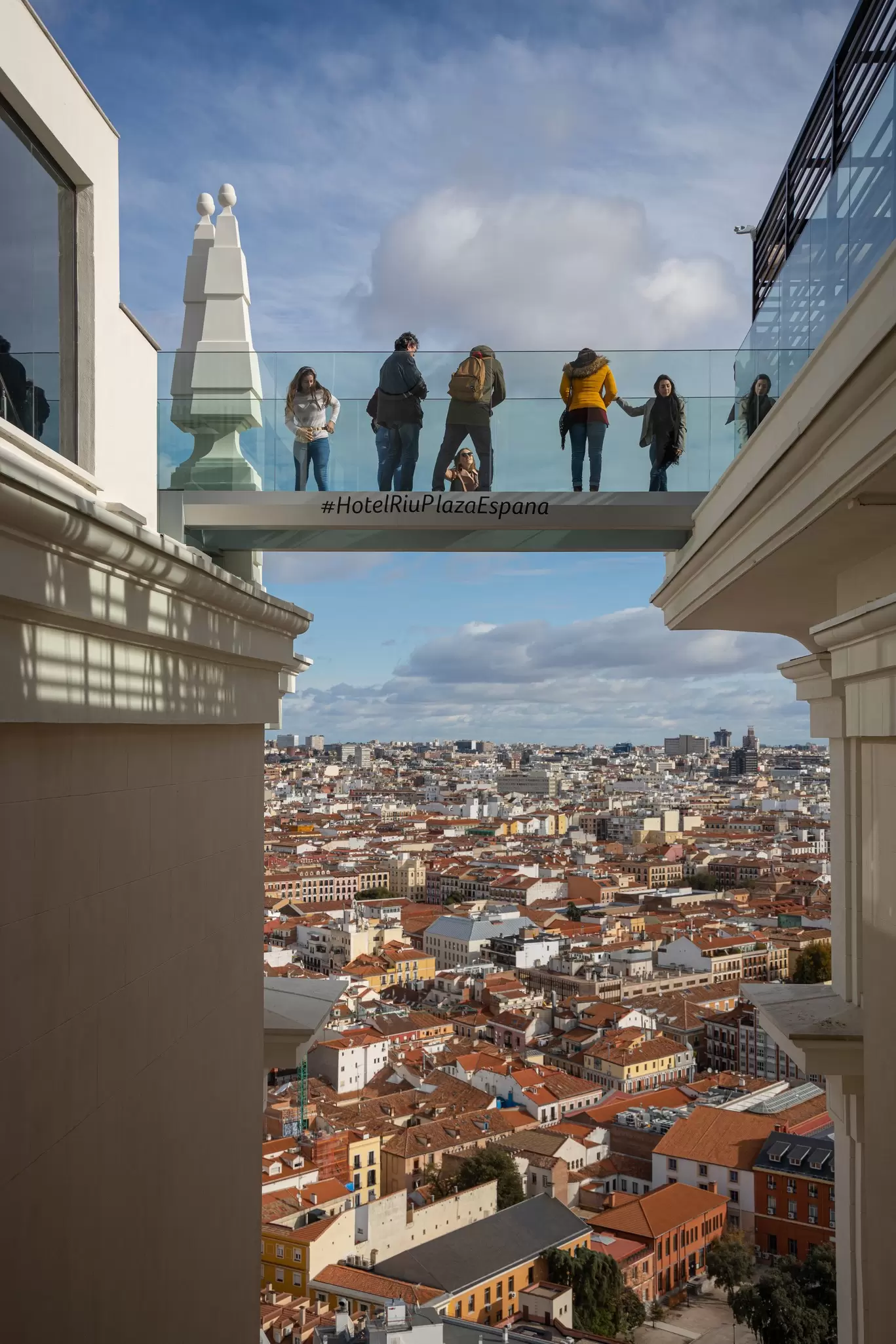
Many hotels along Gran Vía have stylish roof decks with spectacular views of Madrid’s skyline. Atop the ninth floor of the NH Collection Gran Vía Hotel, The Roof at Picalagartos is a great place to savor classic Spanish food with 360-degree views of the city. Just across the way, the five star Hotel Montera is crowned by El Cielo de Montera, a chic spot with a central open bar, plush seats and large parasols – perfect for cocktails as Madrid’s rooftops glow golden at sunset.
Arguably the most famous spot for panoramic skyline views is RIU 360 Rooftop Bar at Riu Plaza España on the 27th floor of the Edificio España. The highest terrace in central Madrid, it offers views stretching to the Guadarrama mountain range and a glass walkway suspended about 117 meters (383 ft) above the city – a vertiginous catwalk for strutting and posing for photos.
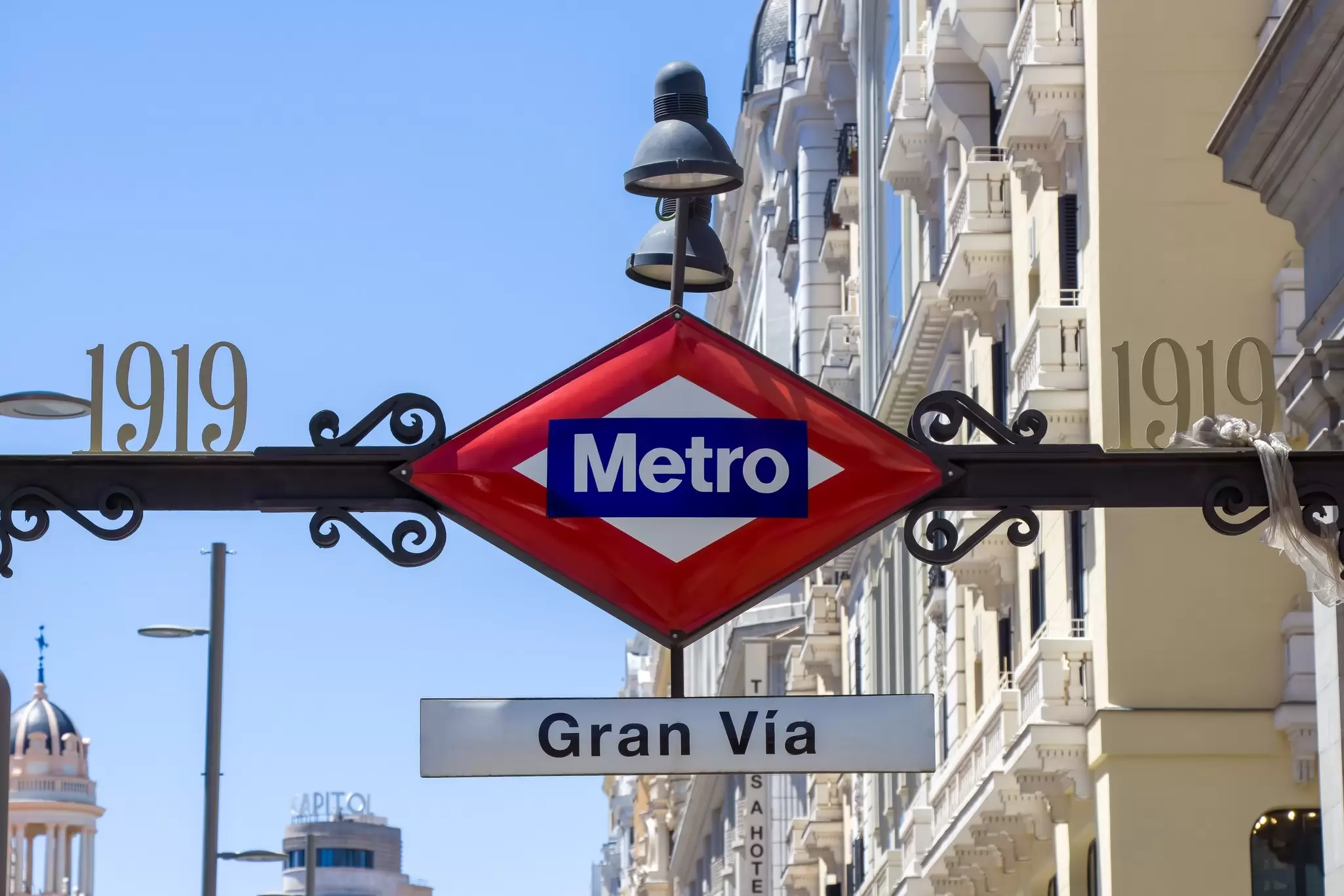
Madrid is easy to navigate without a car. Its public transit network includes an efficient and reliable subway system, an extensive bus network with late-night service, and ubiquitous electric bike stations.
Metro: The easiest way to get around is to take the Madrid Metro, easily one of Europe’s best and biggest subway networks, with 12 metro lines, three tram lines, and more than 300 stations linking the city. Open from 6am to 1:30am, Metro trains arrive every two minutes during the busiest times of the day and every 15 minutes after midnight.
Public bus: EMT Madrid runs more than 200 bus lines from 6am to 11:30pm. For night owls exploring Madrid’s world-famous nightlife, there are 27 aptly named “Búhos” (owls) night buses, marked with an N, depart from Plaza de Cibeles after 11:30pm.
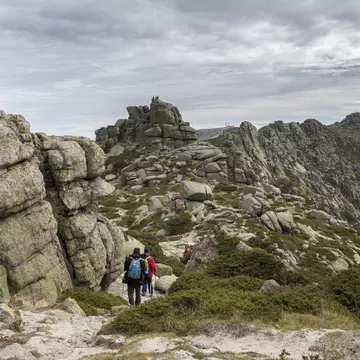
There's never a wrong time to visit. You can often walk around the city’s neighborhoods in short sleeves during the spring and autumn. And in August, although city dwellers flee to the mountains or beaches as temperatures soar, all the major attractions remain open. So if you can take the heat, it can be blissfully quiet.
Turismo Madrid has a wealth of information about events, things to do, food and drink, shopping and more, plus tools to help you plan your trip – perfect for a longer stay. Visit esmadrid.com to start exploring now.
Book your Spain trip with Lonely Planet Journeys
See Spain how it's meant to be seen
Accommodations, activities and ground transportation all taken care of, so you can focus on the fun part. Tell us what your dream trip to Spain looks like, and our local experts will build it from scratch. Or start with one of our itineraries and make it your own.

Explore related stories