Sep 20, 202612 min read
A Guide to Fulidhoo, the MaldivesSep 20, 2026
12 MIN READ
Writer
Fulidhoo, the Maldives. Saowakhon Brown/Getty Images

Writer
Lonely Planet may earn a commission from affiliate links on our site. All recommendations and reviews reflect our own independent opinions.
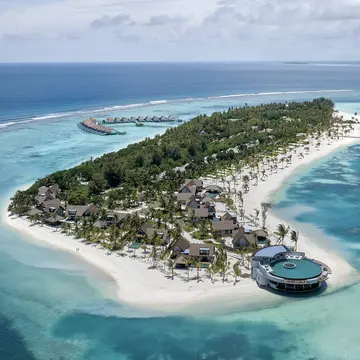
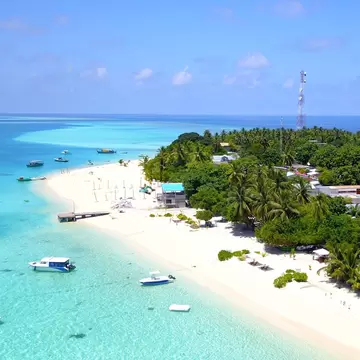
Tiny enough to walk from one end to the other in half an hour, yet surrounded by world-class dive sites, deserted sandbanks and crystal-clear lagoons, Fulidhoo offers everything people dream about when they picture the Maldives.
Unlike the country's famous private island resorts, however, Fulidhoo is a lived-in island where you'll find local cafes, fishing boats, traditional music performances and everyday island life alongside those postcard-perfect beaches. It's also a chance to experience everyday Maldivian life, from leisurely breakfasts of mas huni (a traditional mix of tuna, coconut and chili served with flatbread) to sunsets snacking on hedhikaa (finger food, or "short eats") and dinners of fresh reef fish curries.
Located around 56km southwest of Male, Fulidhoo is an easy 90-minute speedboat ride from Velana International Airport and Male, making it one of the most accessible local islands for visitors. Whether you want to spend your days diving with sharks, relaxing on empty sandbanks, learning about Maldivian culture or simply slowing down for a few days by the sea, Fulidhoo is the sort of place that's easy to fall in love with.
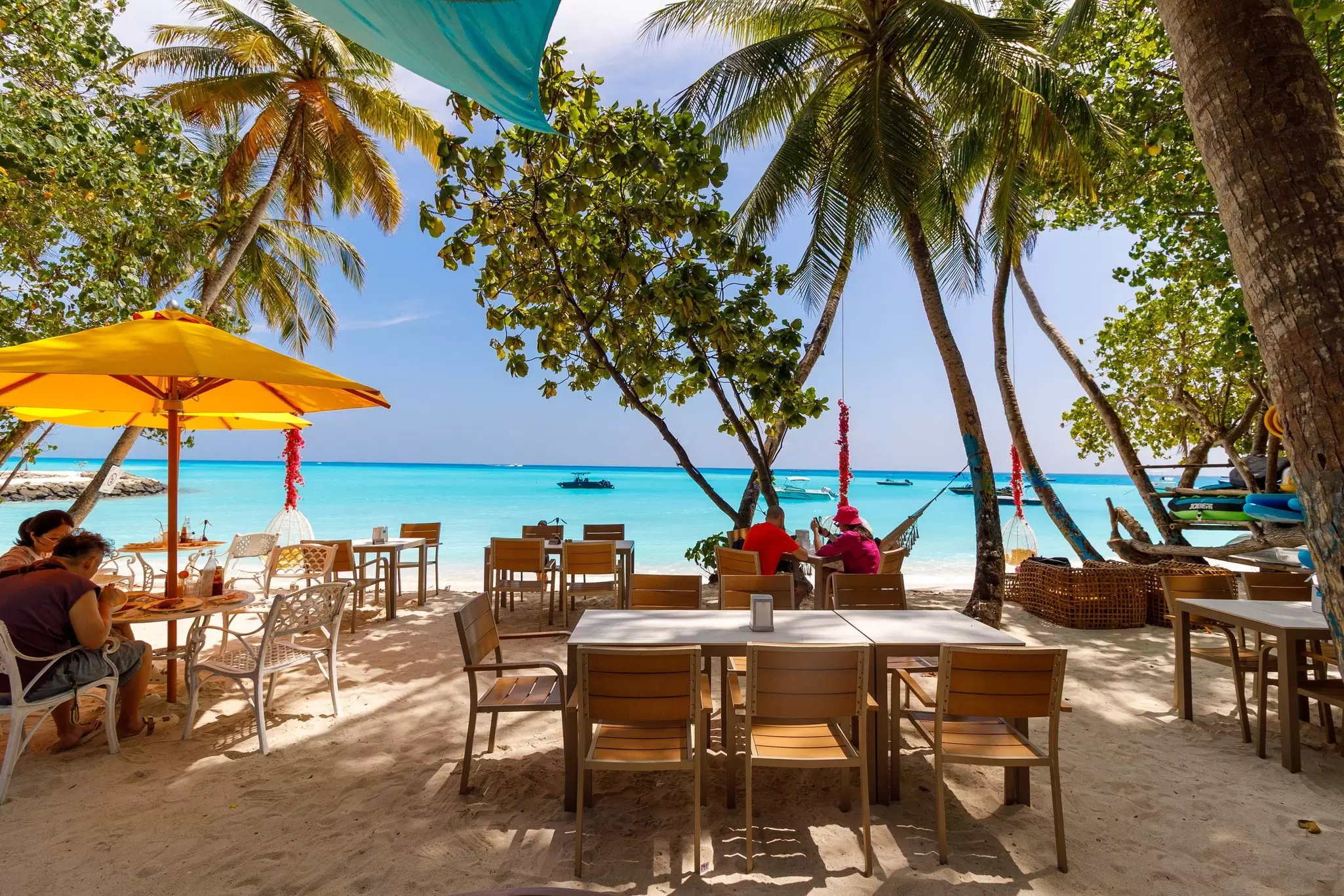
Although the Maldives is a tropical country, the monsoon period can be a little unpredictable, and there is no way to know whether you will end up with a week of sun or showers. If you're hoping for calm seas, minimal precipitation and sunshine, peak travel time falls from November to April during the dry season. It’s an ideal time for fishing, especially big-game fishing. The underwater clarity from low currents makes for good visibility, and the clear skies are perfect vacation photo backdrops. However, prices are at their highest during this time, and beaches at their busiest.
However, if you are looking for the best budget option, the Maldives is still a pleasure to visit even in the monsoon, and the temperatures rarely stray far from 30°C (86°F) throughout the year. Rain usually comes in short showers, with a few thunderstorms, and the water is still warm for swimming, snorkeling and diving. An added bonus for stronger swells is that it is an ideal time for surfing and for spotting megafauna such as manta rays. I personally love lying in bed listening to a short tropical thunderstorm.
Whenever you visit, you can always swim, snorkel and dive. It’s also worth checking the indigenous calendar Nakaiy for a more detailed overview of the seasons of the Maldives.
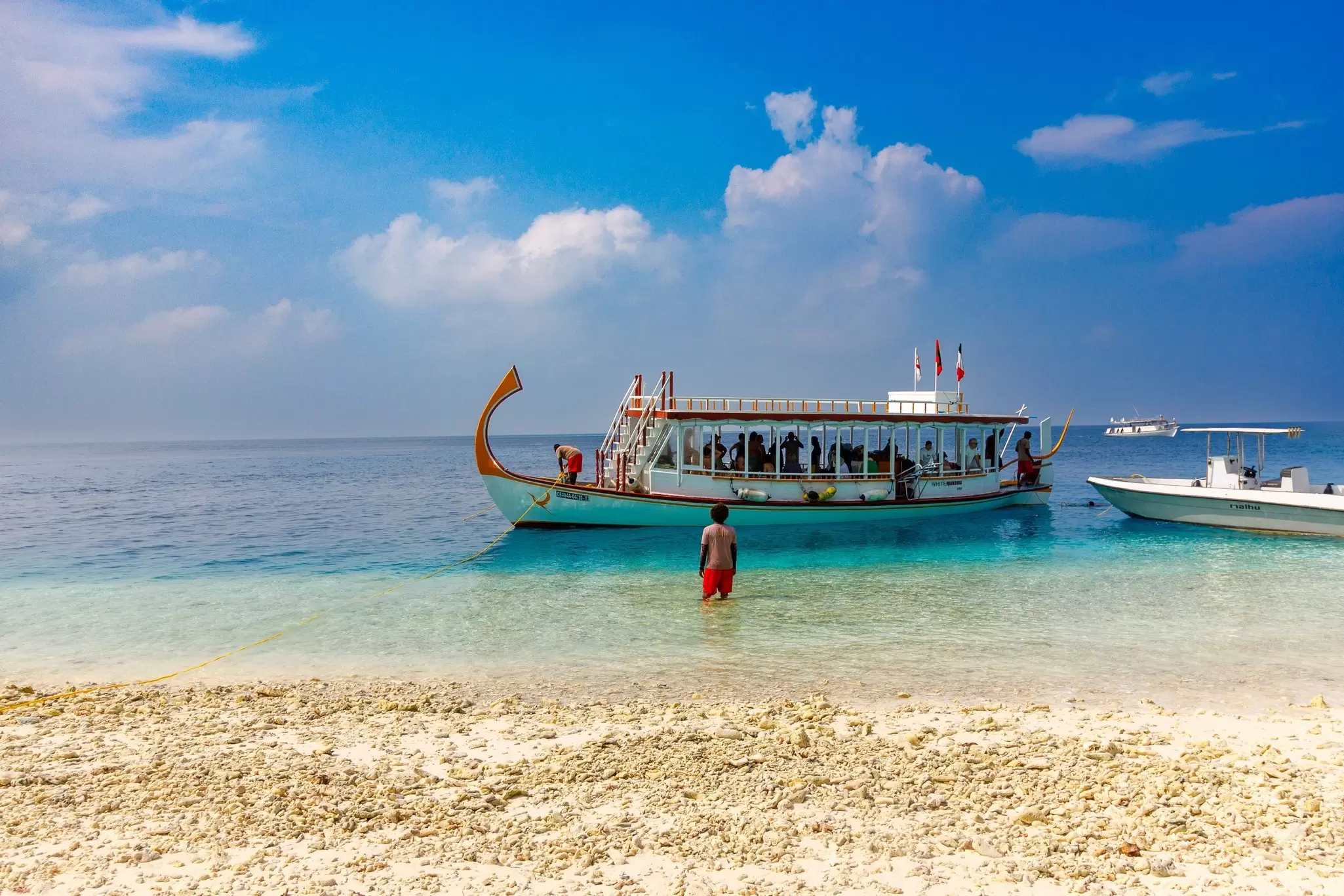
Fulidhoo’s location and easy access by ferry make it an ideal island to stay overnight during island hopping, but there's also enough to do to warrant a longer visit. For slow travelers, 4 to 5 nights in Fulidhoo is sufficient time to try all that it has to offer. For dive courses and training, a full week is ideal, particularly as many local dive centers, such as Fulidhoo Dive Center and Divers Lodge Fulidhoo, offer accommodation and diving packages together.
Despite feeling wonderfully remote, Fulidhoo is one of the easier local islands to reach from Male. Direct speedboats run twice daily between Velana International Airport, Male and Fulidhoo, with the journey taking around 90 minutes. Check the latest timetable with the operator before you travel, and expect to pay around US$50 each way.
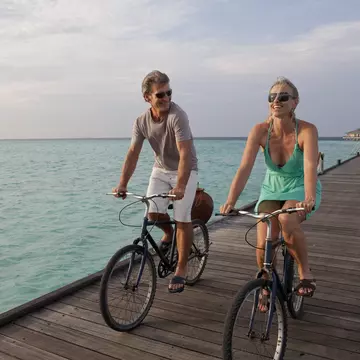
Once you've arrived, getting around couldn't be easier. The island measures just 700m by 200m, meaning you can walk from one end to the other in around 30 minutes. There are no taxis, and bicycles are largely unnecessary. Guesthouses, cafes, dive centers and excursion operators are all within easy walking distance, making Fulidhoo the sort of place where you quickly settle into island life.
If you'd like to explore further, regular ferries and excursion boats connect Fulidhoo with neighboring islands throughout Vaavu Atoll, making day trips easy to arrange.
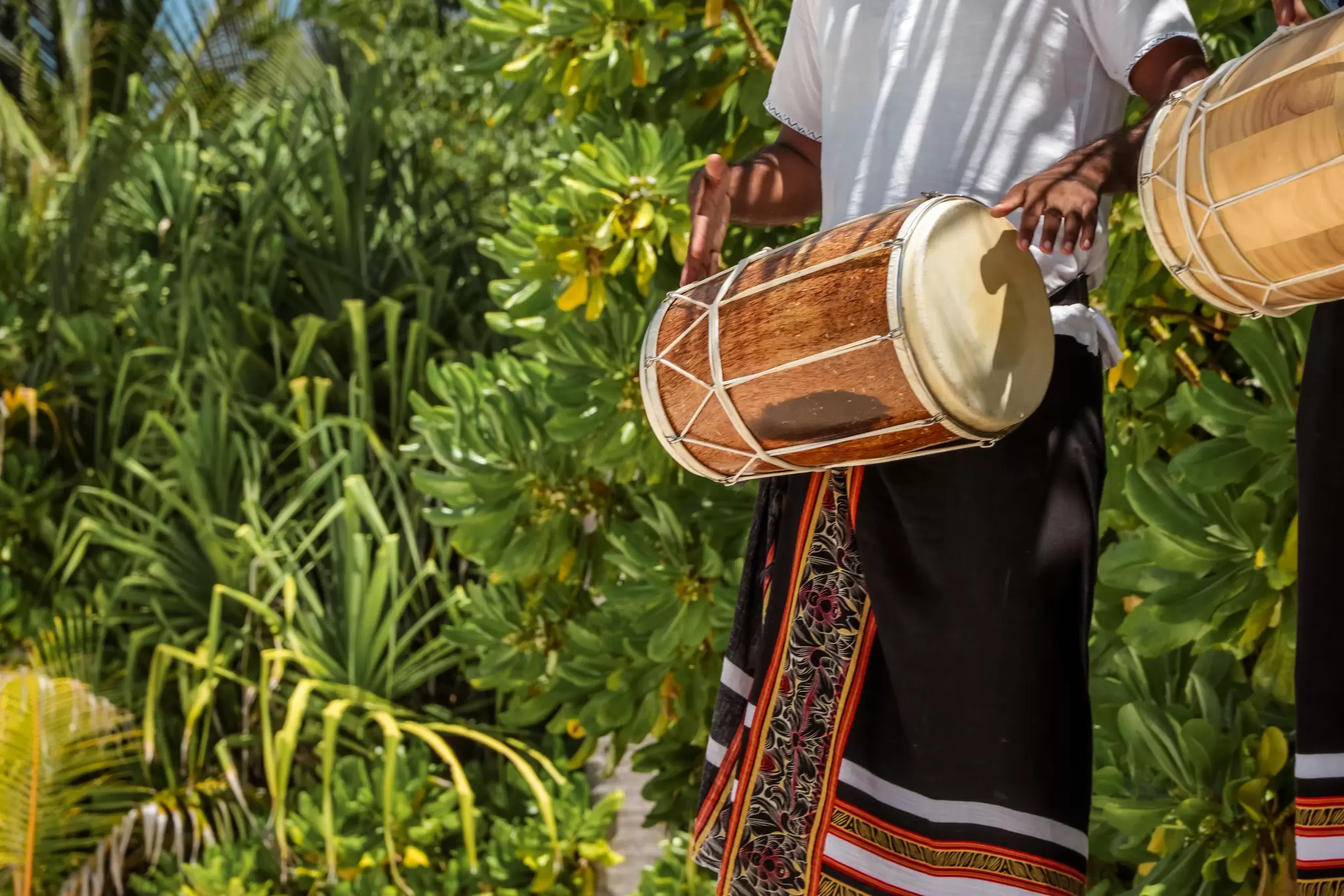
Fulidhoo has long been known throughout the Maldives for its vibrant traditional music and dance, making it one of the best places in the country to experience Maldivian culture after the sun goes down. If you're lucky enough to be on the island during a performance, don't miss the chance to watch bodu beru (big drum), the rhythmic drumming tradition that has been passed down through generations.
The island is also particularly well known for performances of Thaara Jehun, where 22 performers sit in two rows facing each other while singing and drumming in unison, and langiri, a lively traditional folk dance. There isn't a fixed tourist schedule, so ask your guesthouse or host if any performances or practice sessions are taking place during your stay. You may even find yourself invited to join in.
Fishing has shaped life in the Maldives for centuries, and joining a night fishing trip is one of the easiest ways to experience that heritage for yourself. Armed with nothing more than a handline, hook and bait, you'll head out into the lagoon as the afternoon light fades, learning the same traditional techniques that generations of Maldivians have grown up using.
Even if you've never fished before, it's surprisingly easy to pick up, and there's something incredibly satisfying about reeling in your own snapper or grouper as the sun sets over the Indian Ocean. Many trips finish with your catch being grilled for dinner, making this one of the freshest meals you're ever likely to eat.
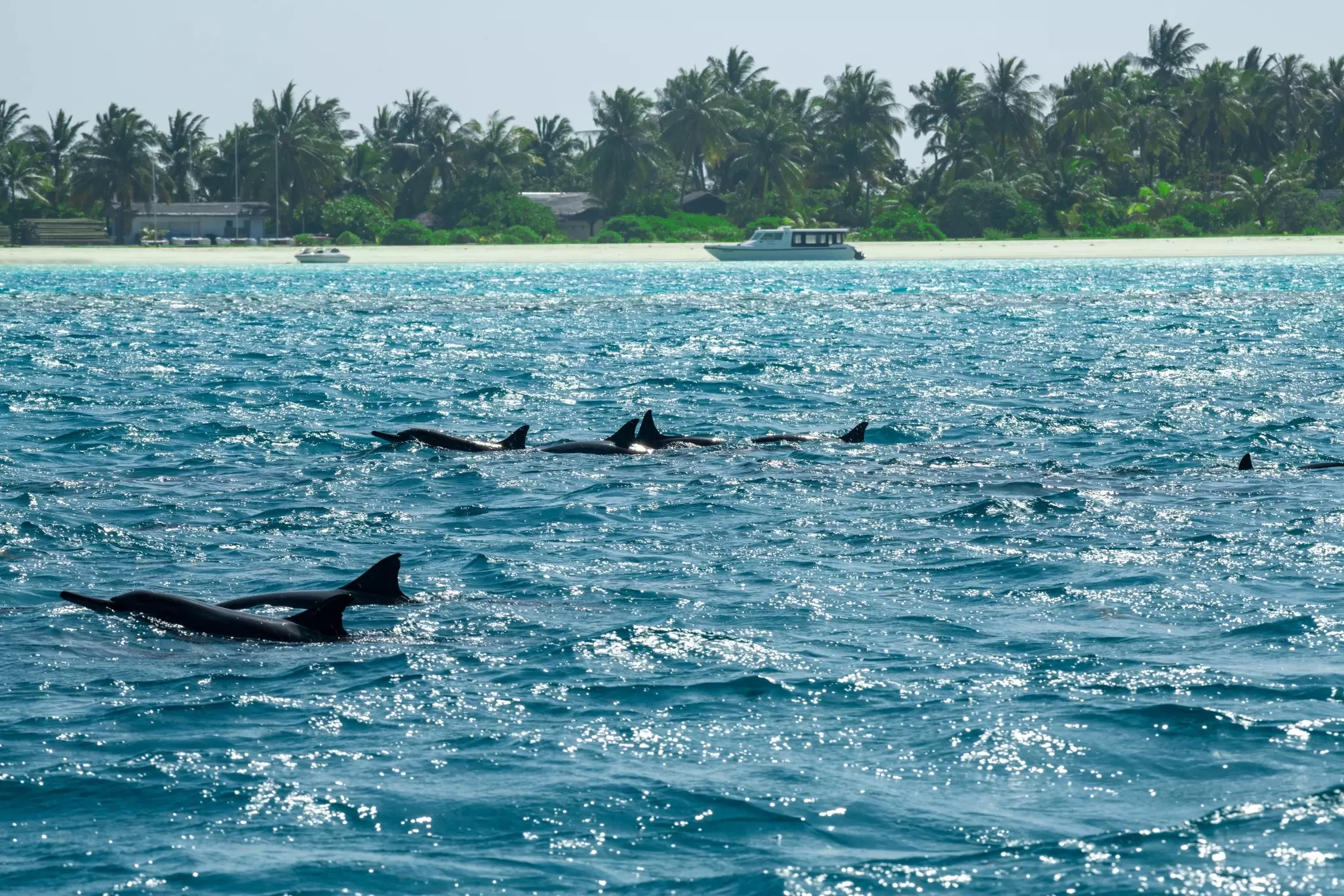
The Maldives is known for having incredibly striking sunsets, and Fulidhoo’s sunset beach, located on the west side of the island, is the perfect viewing point for watching the sky change from a brilliant blue to gold and then deep shades of pink and orange. With very little light pollution, you can enjoy the changing skies in complete peace and tranquility.
For an even more memorable experience, book a sunset dolphin cruise. Spinner and bottlenose dolphins are regularly spotted around Vaavu Atoll, often swimming alongside the boat as the last light disappears below the horizon.
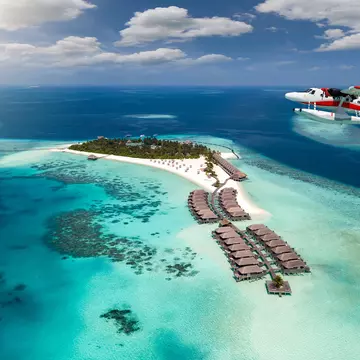
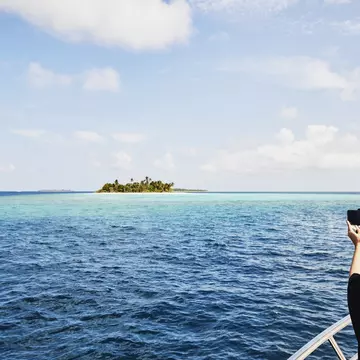
One of the quintessential Maldives experiences is escaping to a deserted sandbank, and Fulidhoo has several within a 20-minute boat ride. These ribbons of white sand appear to float in the middle of the turquoise lagoon, surrounded by nothing but clear water in every direction. Most local excursion operators, bookable through your guesthouse, offer half-day trips where you can swim, snorkel and relax while enjoying a freshly prepared picnic lunch. If you're celebrating something special, some operators can also arrange private setups complete with sunset dining or honeymoon packages.
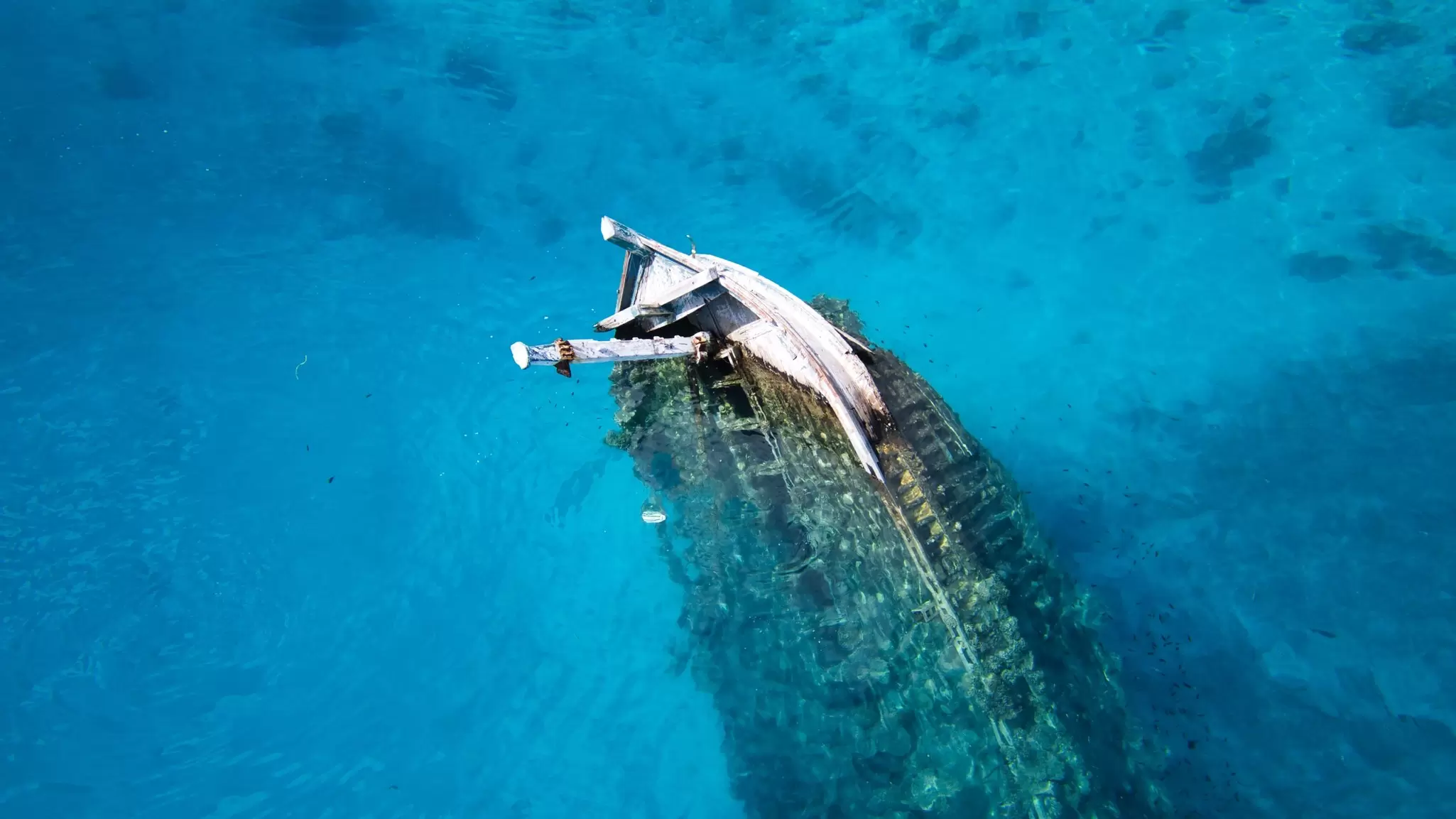
Just a short boat ride from Fulidhoo lies one of Vaavu Atoll's most unusual snorkel and dive sites: the Keyodhoo shipwreck. Believed to have been an Indonesian vessel, the wreck has gradually transformed into an artificial reef, now covered in corals and home to schools of colorful reef fish.
Unlike many shipwrecks, much of the structure sits in relatively shallow water, making it accessible to confident snorkelers as well as divers. Experienced freedivers can even swim down to explore the captain's cabin or spot the bicycle still attached to the wreck, a favorite photo opportunity for underwater photographers.
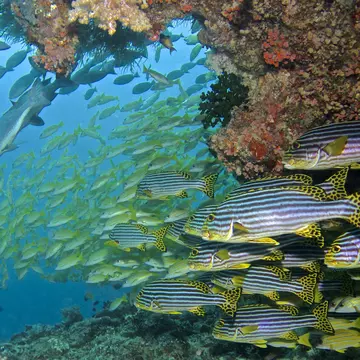
My top reason for visiting Fulidhoo is to get in the water. Even if you're not planning an entire dive holiday, Fulidhoo's location makes it one of the country's standout destinations for scuba diving. Vaavu Atoll is famous for its dramatic channel dives, where nutrient-rich currents attract reef sharks, eagle rays, tuna and large schools of pelagic fish.
Sites such as Miyaru Kandu, whose name literally translates to "Shark Channel," are internationally renowned, while night dives reveal nurse sharks and stingrays gliding through the shallows under torchlight. Whether you're newly certified or have hundreds of dives behind you, the variety of sites around Fulidhoo means no two dives ever feel quite the same.
One of my favorite experiences here is fluorescent night diving. Equipped with UV lights and special mask filters, the reef transforms into an entirely different world as corals, anemones and even some fish glow in brilliant shades of neon green, orange and pink. It's unlike anything you'll experience during a daytime dive.
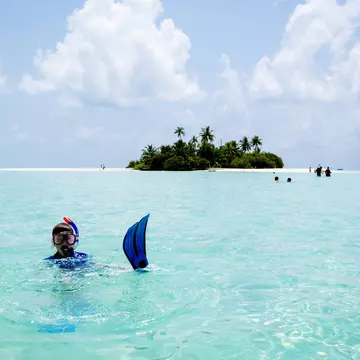
If you're not a certified diver, don't let that put you off. Fulidhoo's dive centers offer everything from Discover Scuba Diving experiences to full PADI certification courses, making it an excellent place to learn. And if diving isn't for you, the island's house reef offers some fantastic snorkeling, with healthy corals, reef fish and the chance to spot turtles just a short swim from shore, and plenty of stingrays congregating close to the harbor area. Some of my happiest hours have simply been floating quietly above the reef, watching the underwater world carry on around me.
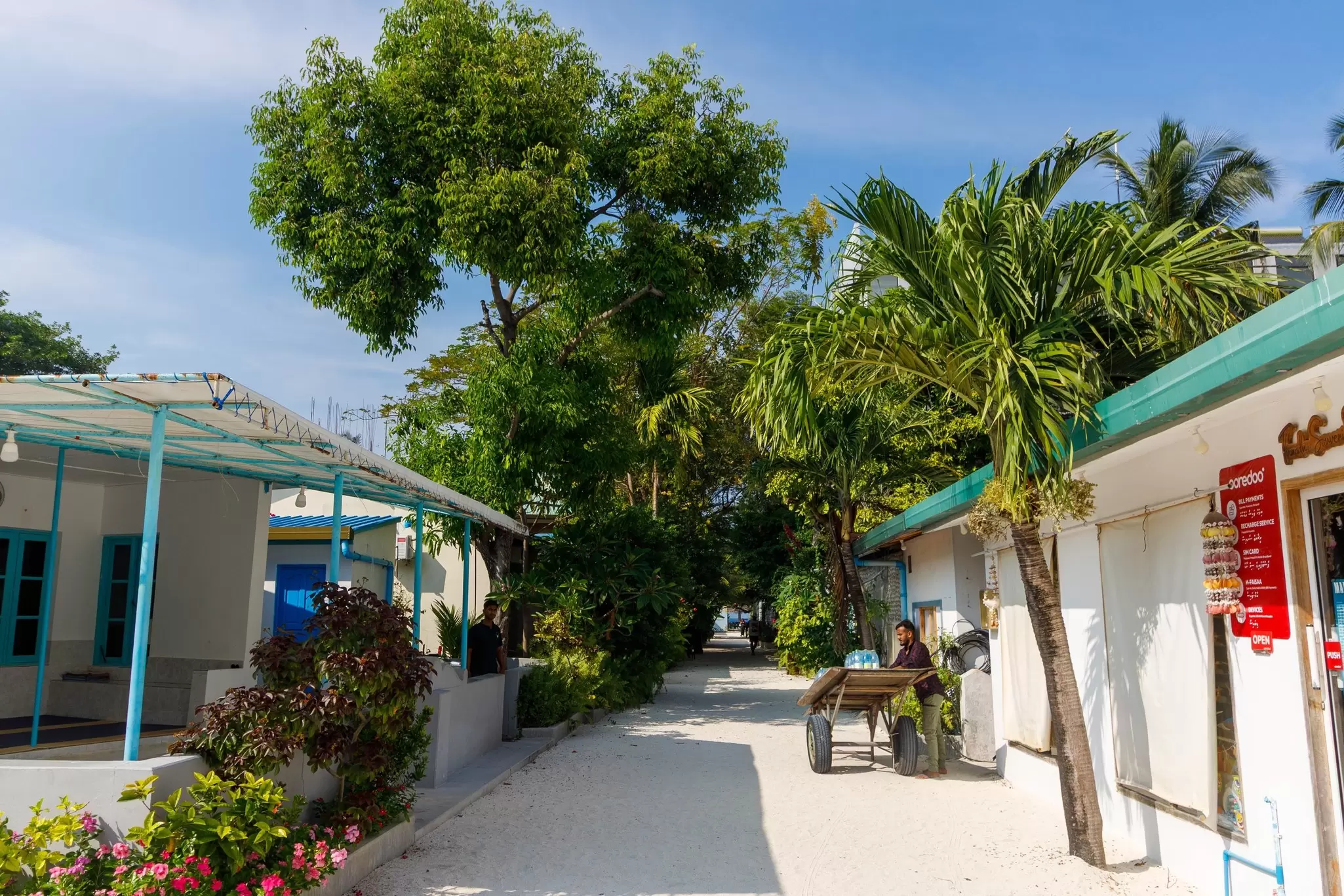
Compared with the Maldives' famous private island resorts, Fulidhoo offers excellent value without sacrificing the white-sand beaches and crystal-clear waters that make the country such a sought-after destination. While the Maldives is still more expensive than many other beach destinations, staying on a local island makes it possible to experience the country on a much more manageable budget.
Many guesthouses, restaurants and dive centers accept most bank cards, although it's worth carrying a small amount of cash in both Maldivian rufiya (Rf) and US dollars, especially for smaller cafes or excursions. Keep in mind that accommodation prices often exclude taxes and service charges, so always check what's included before booking.
Typical costs include:
Ferry from Male or Velana International Airport: from US$50 one way
Double room in a guesthouse: from US$50–130 per night (before taxes)
Lunch or dinner at a local cafe (breakfast is usually included with your accommodation): around US$10–20 per person
Fresh fruit juice or iced coffee: around US$3–6
Sandbank excursion: from US$20–60 per person (private trips from around US$200)
Sunset fishing trip: around US$25–40 per person
Snorkeling excursion: around US$45–120 per person
Single scuba dive: from US$60 (excluding equipment hire)
PADI Open Water certification: from US$500
Dive-and-stay packages: from US$600 for 4 nights' accommodation and multiple dives with either Fulidhoo Dive Center or Divers Lodge Fulidhoo.
Packing for Fulidhoo is much the same as packing for any tropical beach destination, with a few local considerations. Lightweight, breathable clothing is essential in the year-round heat, along with a hat, sunglasses and plenty of high-SPF sunscreen. The equatorial sun is much stronger than many visitors expect, so you’ll need to be reapplying sunscreen regularly, especially if you're spending long days on the beach or in the water.
If you have your own snorkeling gear, it's well worth bringing it along. While equipment is readily available to rent on the island, having your own mask and snorkel means you can explore the house reef whenever you like without worrying about rental costs or availability.
Evenings are generally warm, but a light rain jacket or waterproof layer can come in handy during the southwest monsoon, when short tropical showers are more common. Mosquito repellent is also a good idea, particularly after sunset.
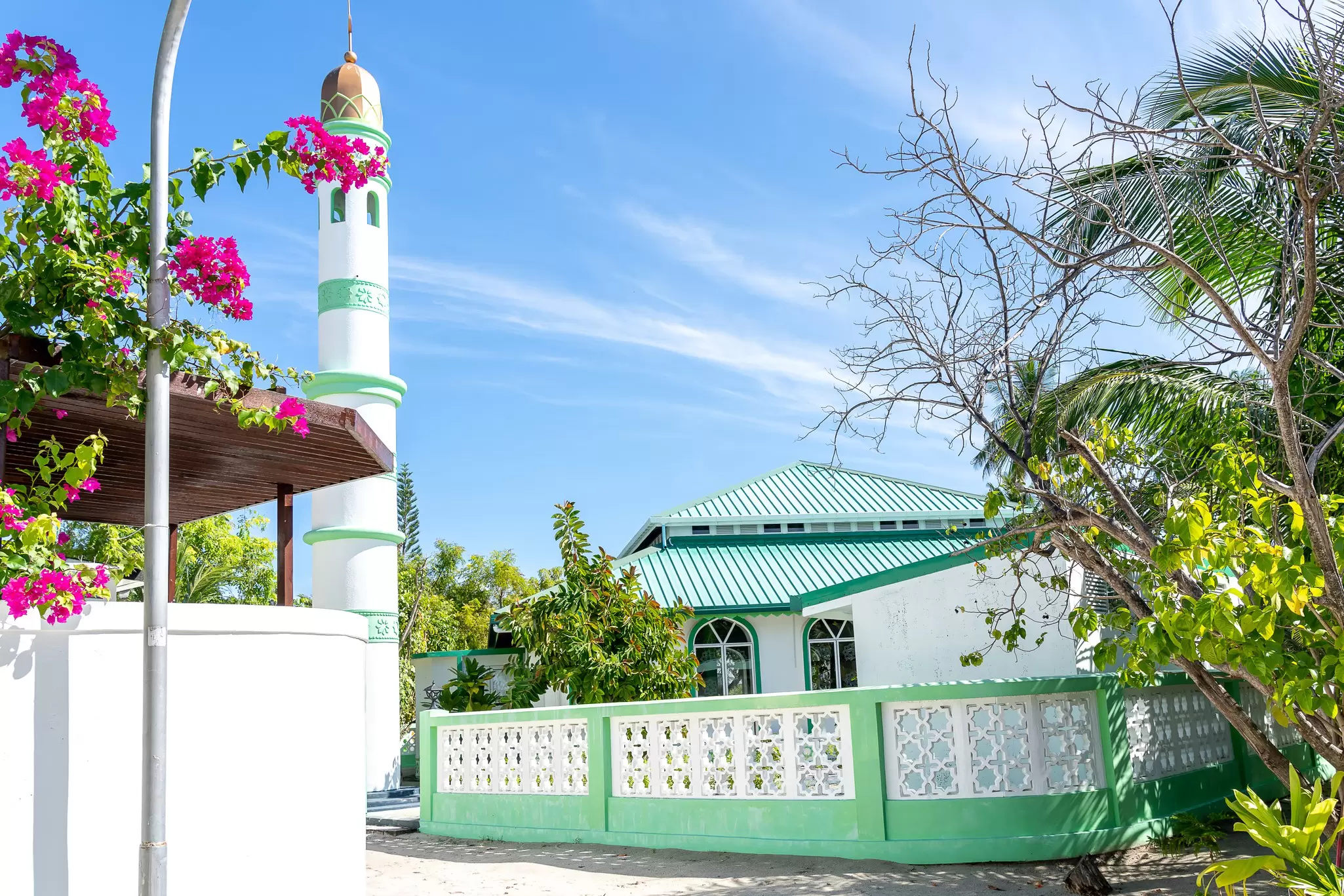
Unlike the Maldives' private resorts, Fulidhoo is an inhabited island where local customs and traditions are part of everyday life. Swimwear, including bikinis, is permitted on the designated bikini beach, but elsewhere on the island visitors are expected to dress modestly. As a general rule, clothing that covers your shoulders and reaches at least to your knees is appropriate when walking around the village or visiting cafes and shops.
The Maldives is a welcoming destination, and dressing respectfully is a simple way to show consideration for the local community while enjoying everything the island has to offer.
Additionally, please note that alcohol, pork and vapes are all strictly forbidden from being brought into the country and on local islands. It is worth checking the country’s laws before traveling.
The Maldives is a Muslim country, and many aspects of daily life follow the Islamic (Hijri) calendar alongside the Gregorian calendar. If your visit coincides with Ramadan or one of the Eid holidays, you may find that some cafes, restaurants, excursion schedules and shop opening hours are adjusted, particularly on local islands.
These celebrations also offer a wonderful opportunity to experience local traditions that are popular in Fulidhoo, so rather than avoiding them altogether, it's simply worth planning ahead and checking dates before you travel.
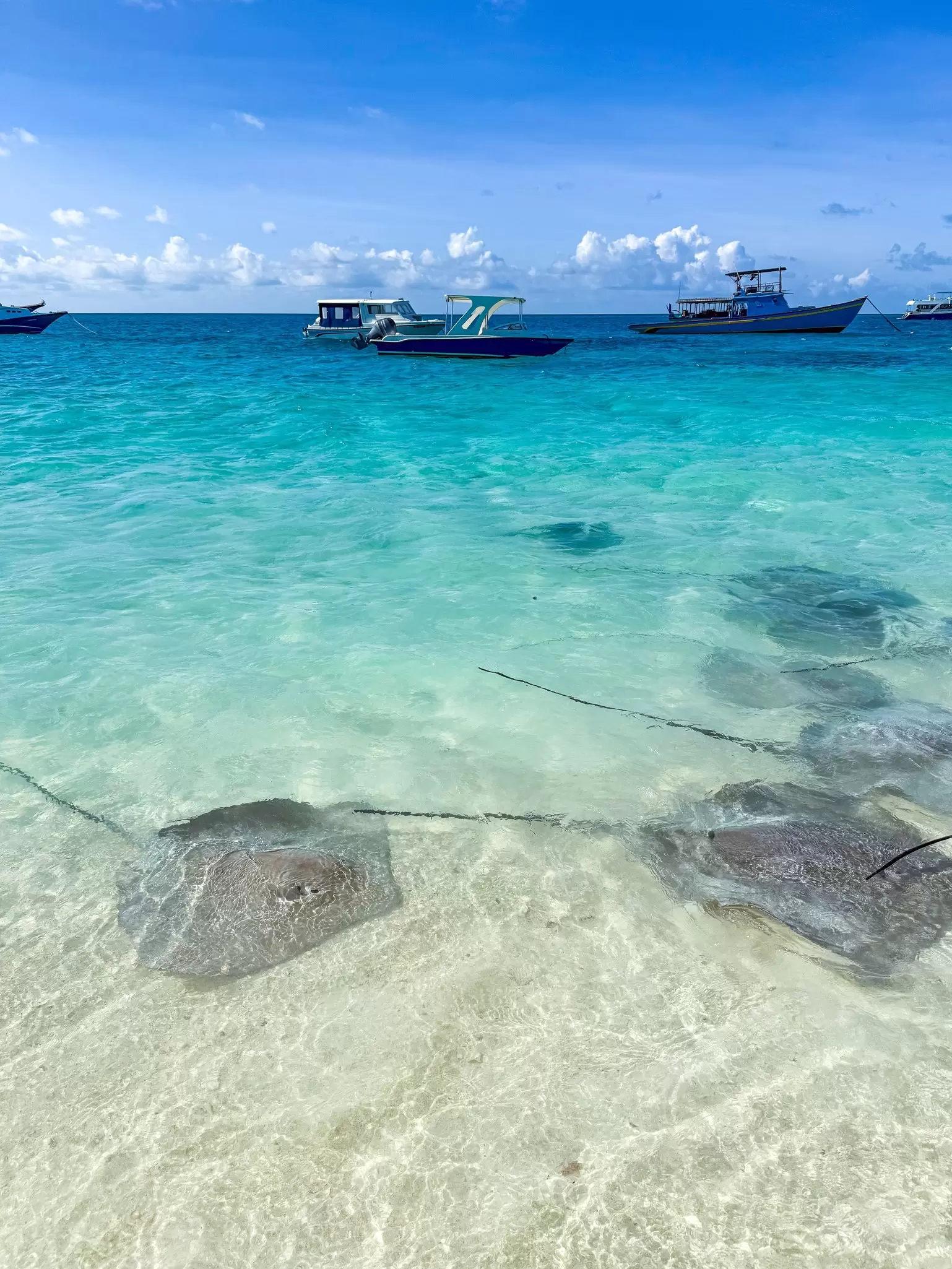
The reefs surrounding Fulidhoo are one of the island's greatest attractions, and protecting them helps ensure they'll remain healthy for future visitors and local communities alike. When snorkeling or diving, avoid touching coral or marine life, never stand on the reef and give animals plenty of space. While Fulidhoo is known for its stingray and nurse shark tours, please keep in mind that touching or feeding sharks, rays and other wildlife is illegal in the Maldives. For me, nothing compares to encountering these animals behaving naturally in the wild. Even though I grew up seeing them, I still get a thrill every time a shark or ray glides past me while I'm out on the water.
If you're joining a snorkeling or diving excursion, choose an operator that follows responsible wildlife-viewing guidelines, especially for the shark, ray and turtle points. Many local businesses are passionate about marine conservation and will happily explain how you can help minimize your impact while enjoying the ocean.
When comparing accommodation prices, remember that the advertised rate isn't always the final amount you'll pay. Guesthouses, hotels and resorts in the Maldives are subject to Tourism Goods and Services Tax (TGST), a mandatory Green Tax and, in many cases, a service charge. Some booking platforms display prices before these additional charges are added, so confirm the final total with your accommodation before you book. It's a small detail that's easy to overlook, but factoring these costs into your budget from the start will help avoid any surprises when it's time to check out.
Book your Maldives trip with Lonely Planet Journeys
See Maldives how it's meant to be seen
Planned by local experts and tailored to you, Lonely Planet Journeys handles the logistics so you can just enjoy the trip. Tell us what you want and we'll build your Maldives itinerary from scratch, or browse our bookable trips to get inspired.

Explore related stories