May 8, 202613 min read
A guide to the Galápagos IslandsMay 20, 2021
3 MIN READ

Writer
A massive rewilding campaign is set to improve the fortunes of the Galápagos' endemic wildlife ©Shutterstock

Writer
Lonely Planet may earn a commission from affiliate links on our site. All recommendations and reviews reflect our own independent opinions.
This week actor Leonardo Di Caprio announced funding of $43 million towards an ambitious rewilding project in the Galápagos Islands that aims to protect its fragile ecosystem and reintroduce 13 locally extinct species, including the Floreana mockingbird—one of the rarest birds in the world.
The funding will go towards the launch of Re: wild, a global conservation charity that builds upon decades of work by local communities and conservationists, including the Galápagos National Park Directorate and Island Conservation. Working with these organizations, Di Caprio (a founding member of Re: wild) said the charity will "amplify and scale the local solutions being led by Indigenous peoples and local communities."
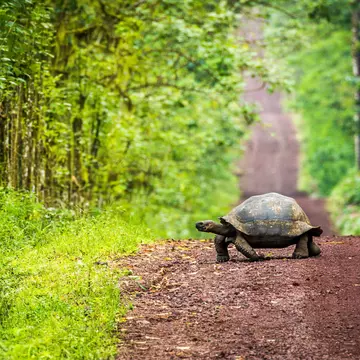
One of its first commitments is the introduction of 13 locally extinct species to the Galápagos, including pink iguanas, giant tortoises and the Floreana mockingbird, an incredibly rare bird which is said to have inspired Charles Darwin. Unfortunately, the bird has vanished from Floreana Island, mainly due to the introduction of invasive mammals such as feral cats and rodents through ship and air traffic. Not only do these species threaten the Galápagos' ecosystem, they also threaten local livelihoods by compromising food security, and reducing the number of endemic plants and species that tourists travel here to see.
Paula A. Castaño, a local wildlife veterinarian with Island Conservation, said time is running out for many species. "Galápagos’s pink iguanas, Floreana mockingbirds and other wildlife may soon be lost forever without action, " she explained. Speaking about Re: wild, Castaño added "we know how to prevent these extinctions and restore functional and thriving ecosystems—we have done it—but we need to replicate these successes, innovate and go to scale."
Read more: Vaccinated travelers can enter Ecuador and the Galápagos Islands
Alongside efforts to control and eliminate introduced species and raise awareness among locals and tourists, Re: wild is also working to protect Galápagos' marine resources so that ecotourism can evolve in a more sustainable way; taking into account the needs and goals of the local community by offering them support through workshops and engagement. According to Castaño, the entire community needs to be involved for the project to work.
"In this [scenario], you have to have the community as part of the project, otherwise you are not going to be successful mostly, ” she said in a statement. "Once you remove invasive species, you need to protect the island and avoid new species coming back. The biosecurity aspect is very important, so if [people] are not involved on that, it will not happen."
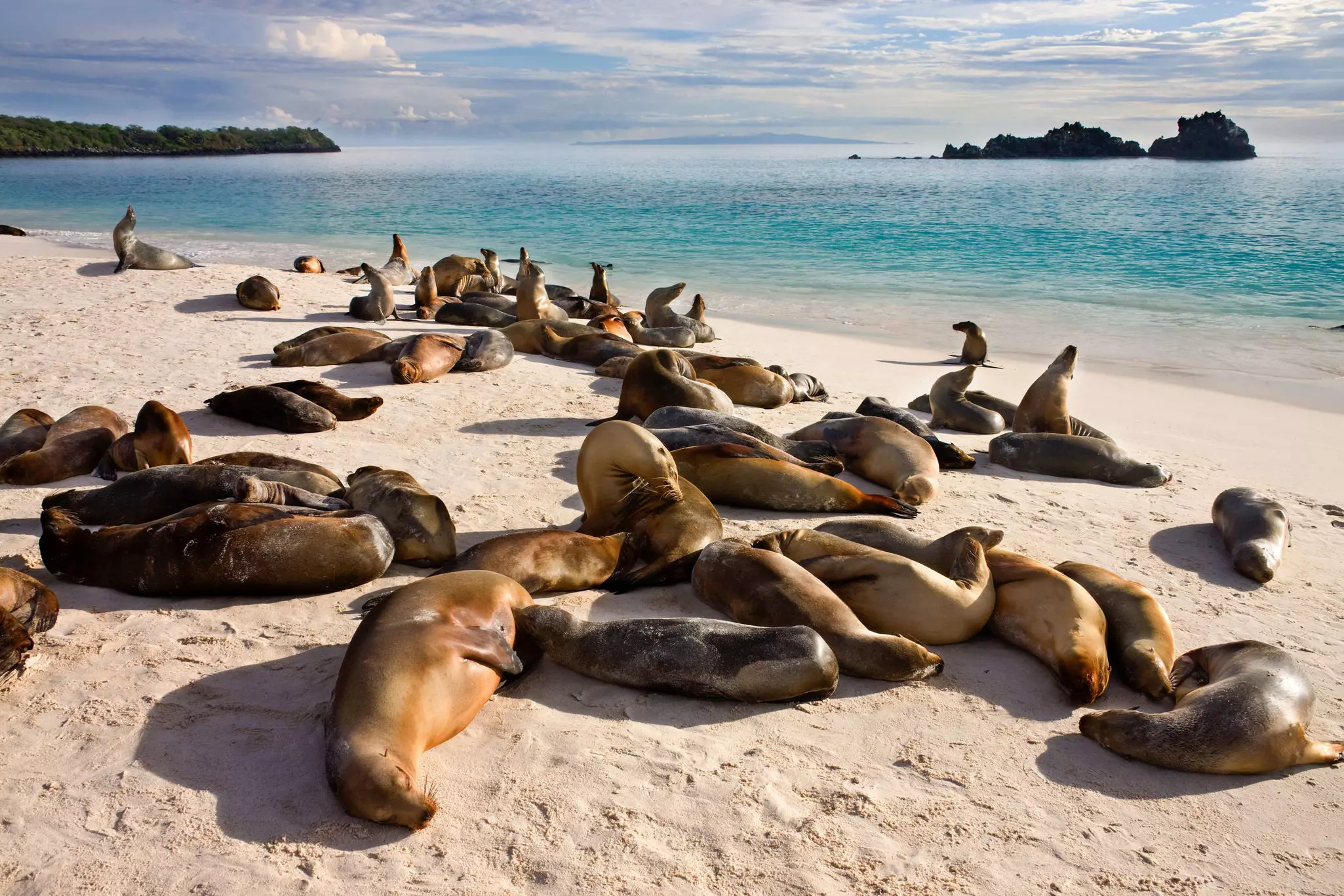
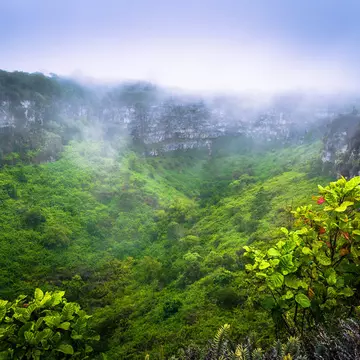
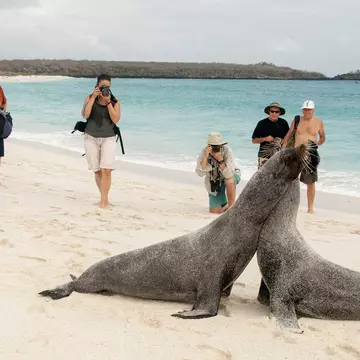
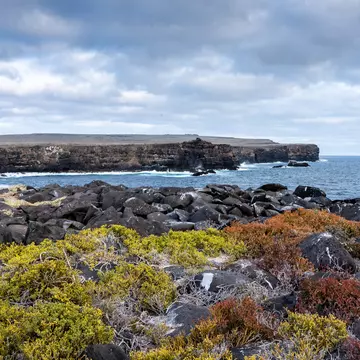
There is nowhere quite like the Galápagos. It represents the ultimate natural paradise. Today, 98% of the the archipelago is a National Park, where you can see the very creatures that inspired Darwin to formulate the theory of evolution. This makes it one of the top natural tourist destinations in the world. But the Galápagos' delicate ecosystem is easily disrupted and conservationists say they have now reached a critical point in the biodiversity crisis.
You might also like:
First-timer's guide to the Galápagos Islands
The trip that changed my life: The Galapagos Islands
Book your Galapagos Islands trip with Lonely Planet Journeys
See Galapagos Islands how it's meant to be seen
Planned by local experts and tailored to you, Lonely Planet Journeys handles the logistics so you can just enjoy the trip. Tell us what you want and we'll build your Galapagos Islands itinerary from scratch, or browse our bookable trips to get inspired.

Explore related stories