Sep 30, 202616 min read
Cruising in CroatiaSep 30, 2026
16 MIN READ

Writer
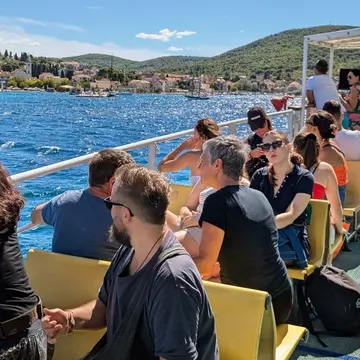
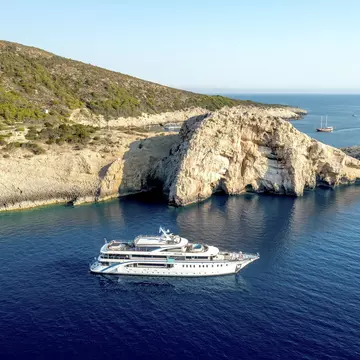
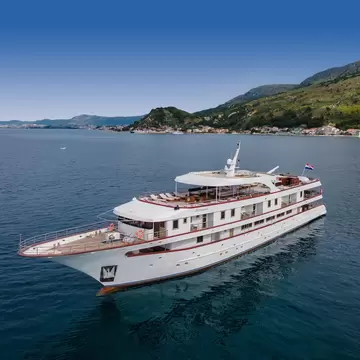
Sailing on small cruise ship is the best way to see Dalmatian Coast in Croatia © Unforgettable Croatia

Writer
Lonely Planet may earn a commission from affiliate links on our site. All recommendations and reviews reflect our own independent opinions.
When it comes to Croatia, particularly the eastern Dalmatian coast, it’s safe to say the secret is out. Once heralded as an under-the-radar destination, a place to avoid the crowds and maybe even save a coin or two, is now an official European hotspot (Blame Mama Mia 2).
Truthfully, the stunning, clear blue waters of the Adriatic Sea, the centuries-old structures and rugged coastlines weren't going to stay a hidden forever.
The warmer months (aka the high season) bring crowds (including Croatians on vacation) and higher prices. But to really enjoy the beauty of the Dalmatian coast, this is the best time to come. One way to temper the onslaught of visitors is to take a cruise.
Cruising in Croatia gained popularity over the last 15 to 20 years. The numbers have steadily grown every year, some influenced by the beloved behemoth TV show Game of Thrones, others just word of mouth - a friend of a friend or a cousin and his wife loved it, and so the numbers grow.
And the increasingly popular way to see the country is on one of the more intimate, smaller cruise ships instead of the gigantic cities on the sea.
According to the Croatian Bureau of Statistics, in the fourth quarter of 2025, 4.8 million passengers embarked or disembarked in Croatian seaports.
The top port is Dubrovnik, which had 557 visits in 2025, followed by Split (315 visits) and Zadar (222 visits).
The cruising season in Croatia runs from May through mid-October. The busiest times are July and August. What you lose to crowds and peak pricing, you gain with fantastic weather (though a little steamy) and calmer, warmer waters. Looking to avoid the crowds, try booking in May, June or September.
During the busy season, all the shops and restaurants are open and open late. That number decreases gradually during shoulder season and drops sharply during low season, when most businesses are shuttered.
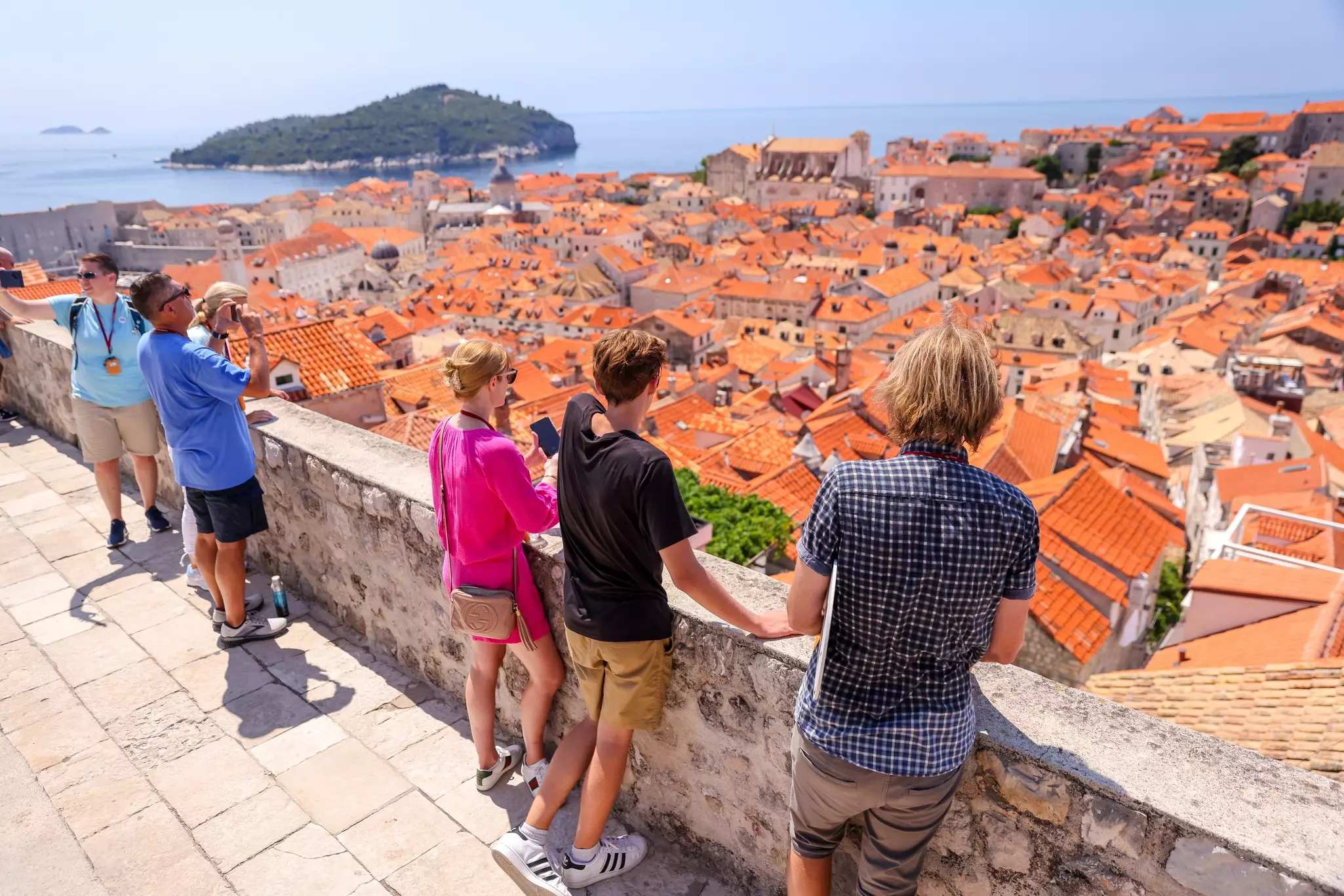
It’s hard to believe, as you bob and weave your way through crowds in Old Town Dubrovnik, but Croatia remains well behind popular European cruise destinations like the Greek Isles, which recorded 8.42 million cruise passengers across 6,139 ports of call in 2025.
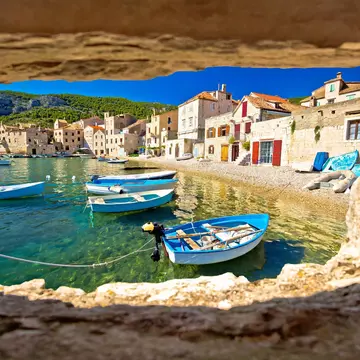
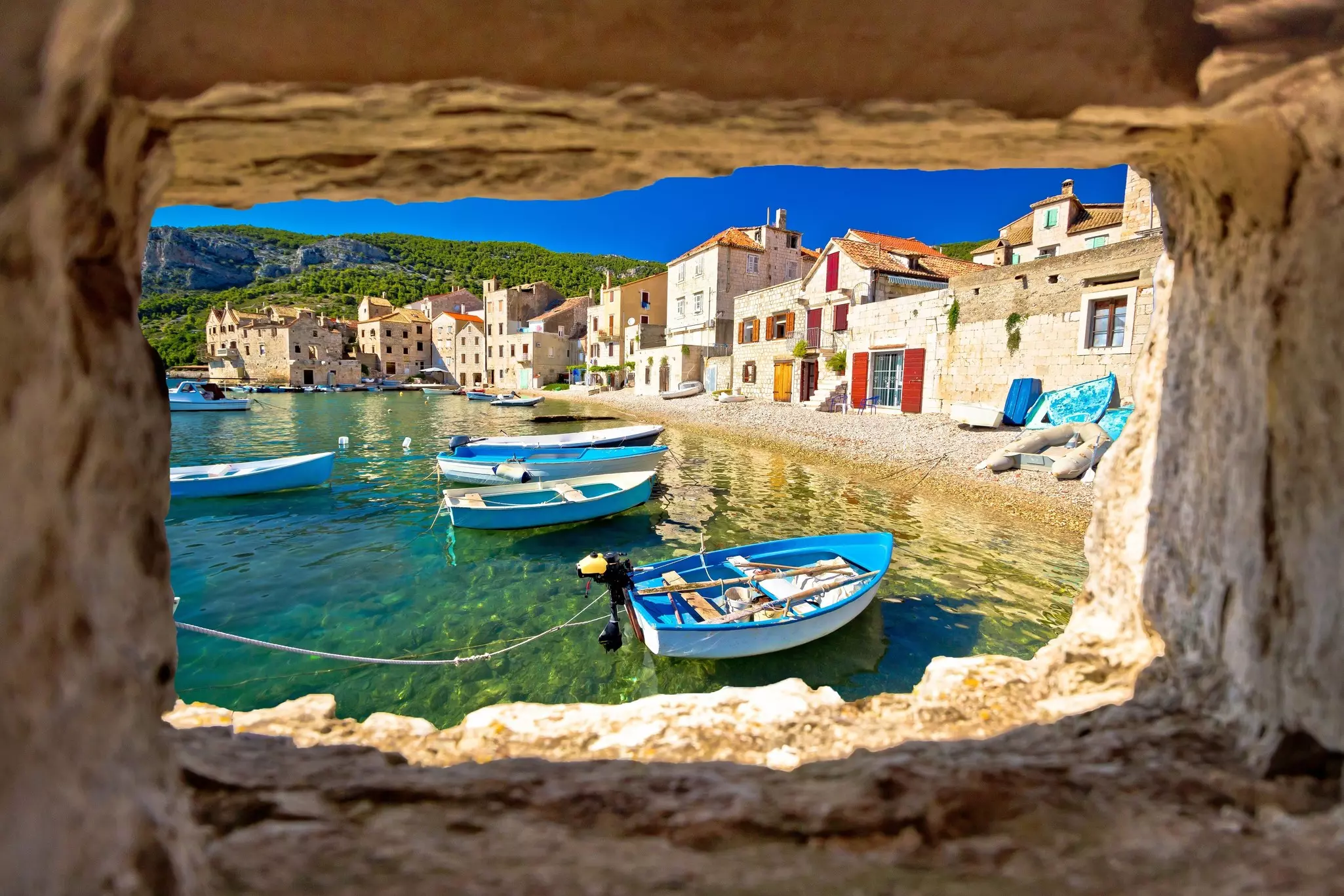
Smaller ports and smaller towns like Korčula and Vis offer visitors a glimpse into the quieter side of the coast. Long before tourism took shape.
Each cruise will have a different itinerary, but typically, they all involve the same islands - just different routes and different planned activities.
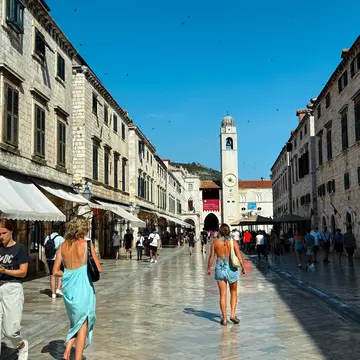
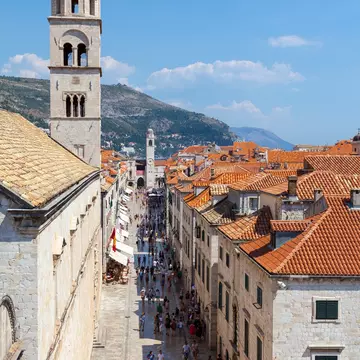
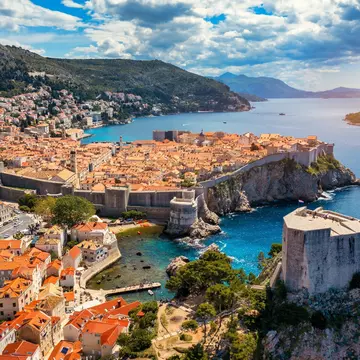
The smooth paved stone streets and narrow alleyways in Old Town Dubrovnik are incredibly romantic. Could you lose your bearings and wander the alleys forever? Possibly.
But in summer months, the sheer number of people means you’re never truly alone.
The best advice for handling the crowds is to go with the flow. Maybe you have to wait a few extra moments to get a photograph with no people or simply accept there will be strangers included in all those shots of cathedrals and fountains.
Many cruise lines will book a tour of Dubrovnik, where you’ll hear about the incredible history of the “Pearl of the Adriatic Sea,” or you can visit any number of museums in town.
And yes, this is where a few scenes of Game of Thrones were shot. Behave accordingly.
Where I ate: Restaurant Dubrovnik - Open-air and quiet restaurant located at the end of an alley. I ordered the crunchy ravioli and the pistachio-crusted lamb.
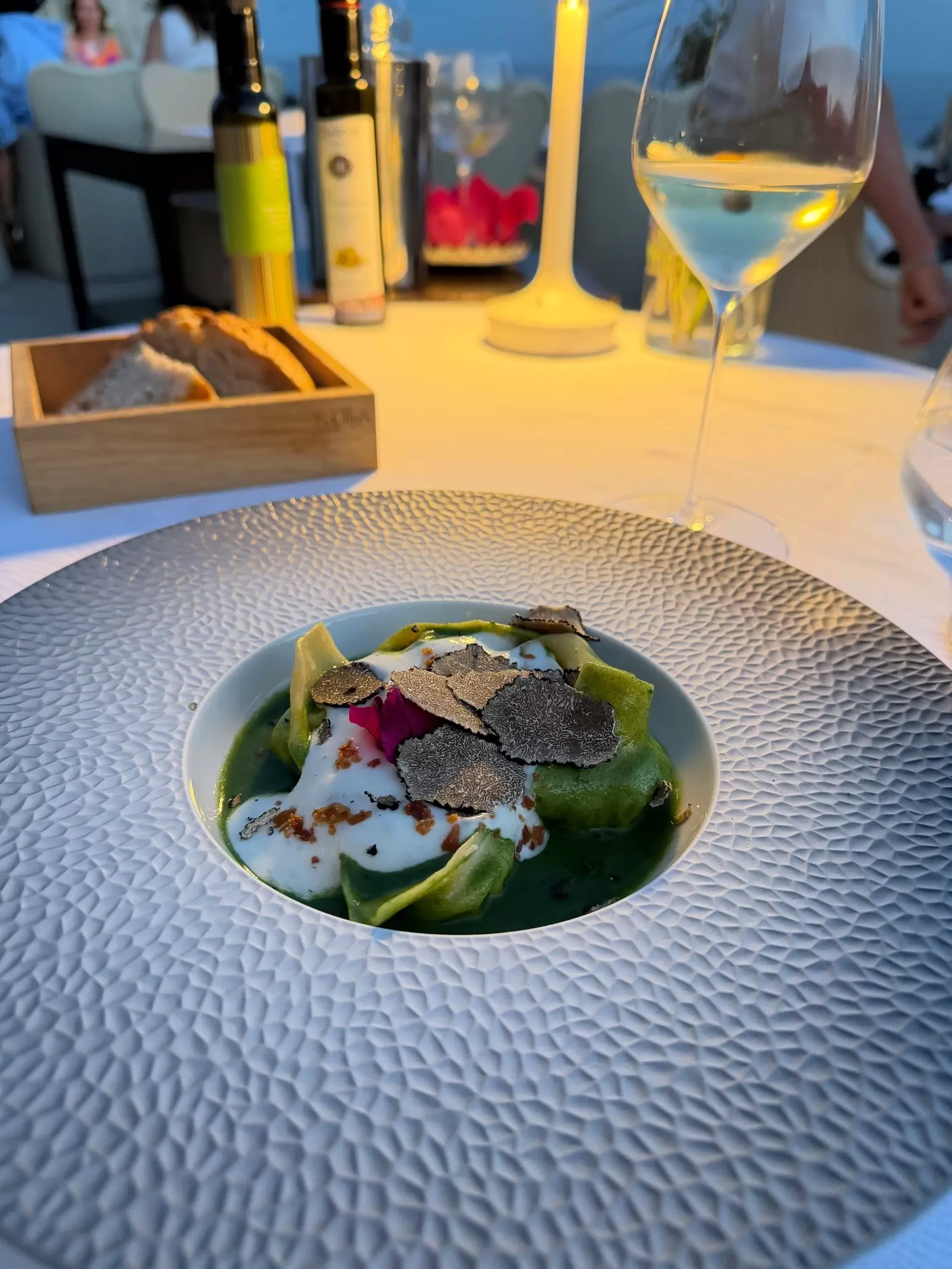
Nautika Restaurant - ultra-fancy, fine-dining eatery (I hear NBA legend Magic Johnson loves it here) with top-notch ingredients and impeccable white-glove service. I ordered a gin & tonic (the best one of my life), cream of zucchini soup, tortellini and Dalmatian-style lamb with eggplant cream, potatoes, shallot mayonnaise and tomato. And for dessert, Hazelnut caramel (incredible).
Other places to try: Marco Polo Restaurant, Stara Loza, Konona Bonaca.
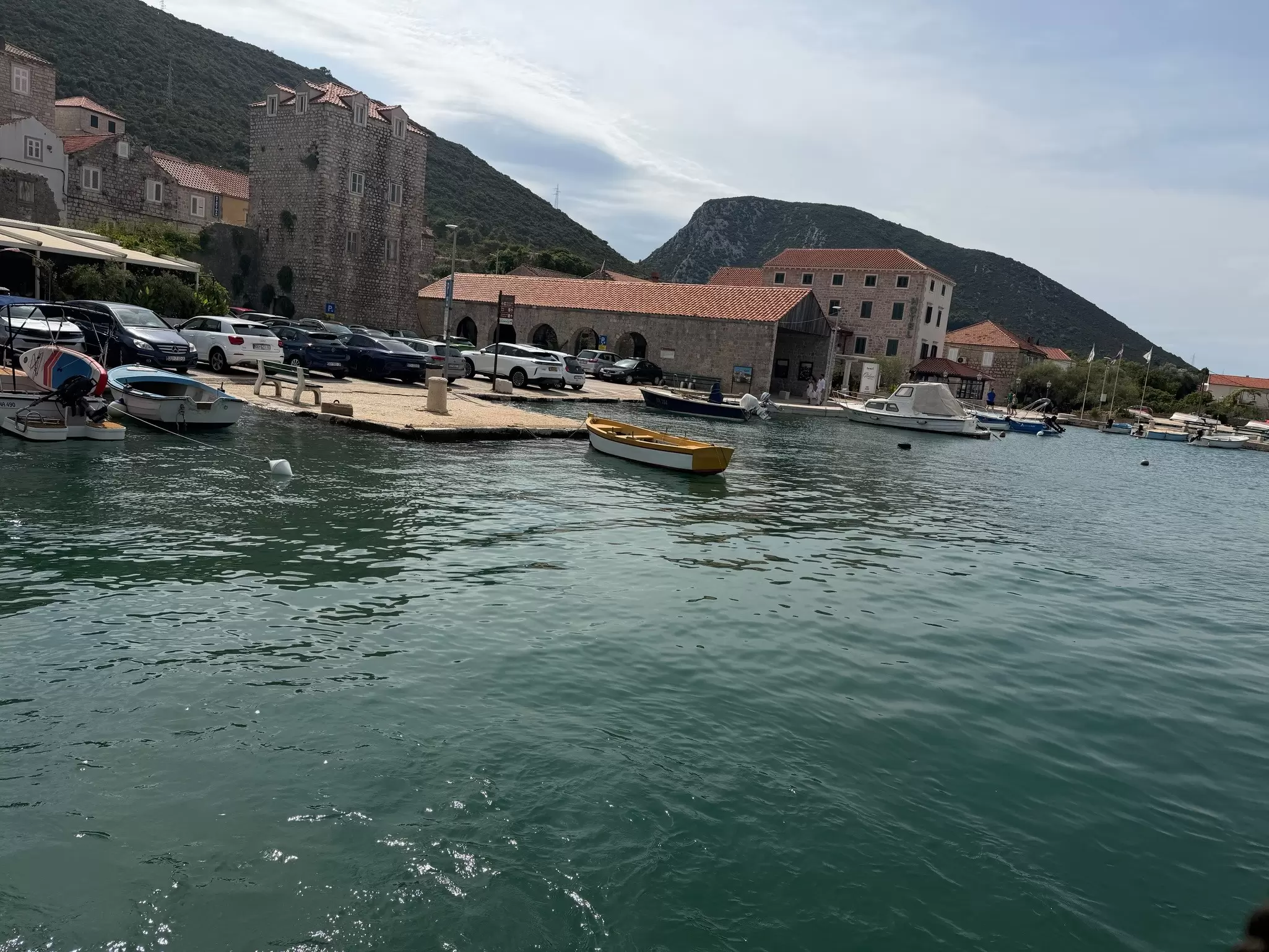
The one-two punch of this pair of small fishing villages (Slano's population is 600) makes the perfect day-trip excursion. Wander the quiet streets of Slano, buy some locally produced and renowned salt and have lunch at a seaside restaurant.
Mali Ston is known for its oysters, which are cultivated in Mali Stone Bay. I'm not a huge oyster fan, but even I enjoyed the freshness. Your cruise will book a tour that includes a 25-minute boat ride to indulge in flat Mali Ston oysters and steamed mussels.
For a bit of greenery and a chance to move your muscles, Mljet National Park is a popular day trip cruise excursion.
The main attractions are a pair of saltwater lakes – Malo Jezero (small lake) and Veliko Jezero (big lake), and St. Mary Island - an islet in the middle of the big lake which houses a Benedictine Monastery and church, aptly called St. Mary, which dates back to the 12th century.
There's a small ferry that runs about every 30 minutes (you'll need a ticket) and takes visitors to marvel at the stunning structure and grounds.
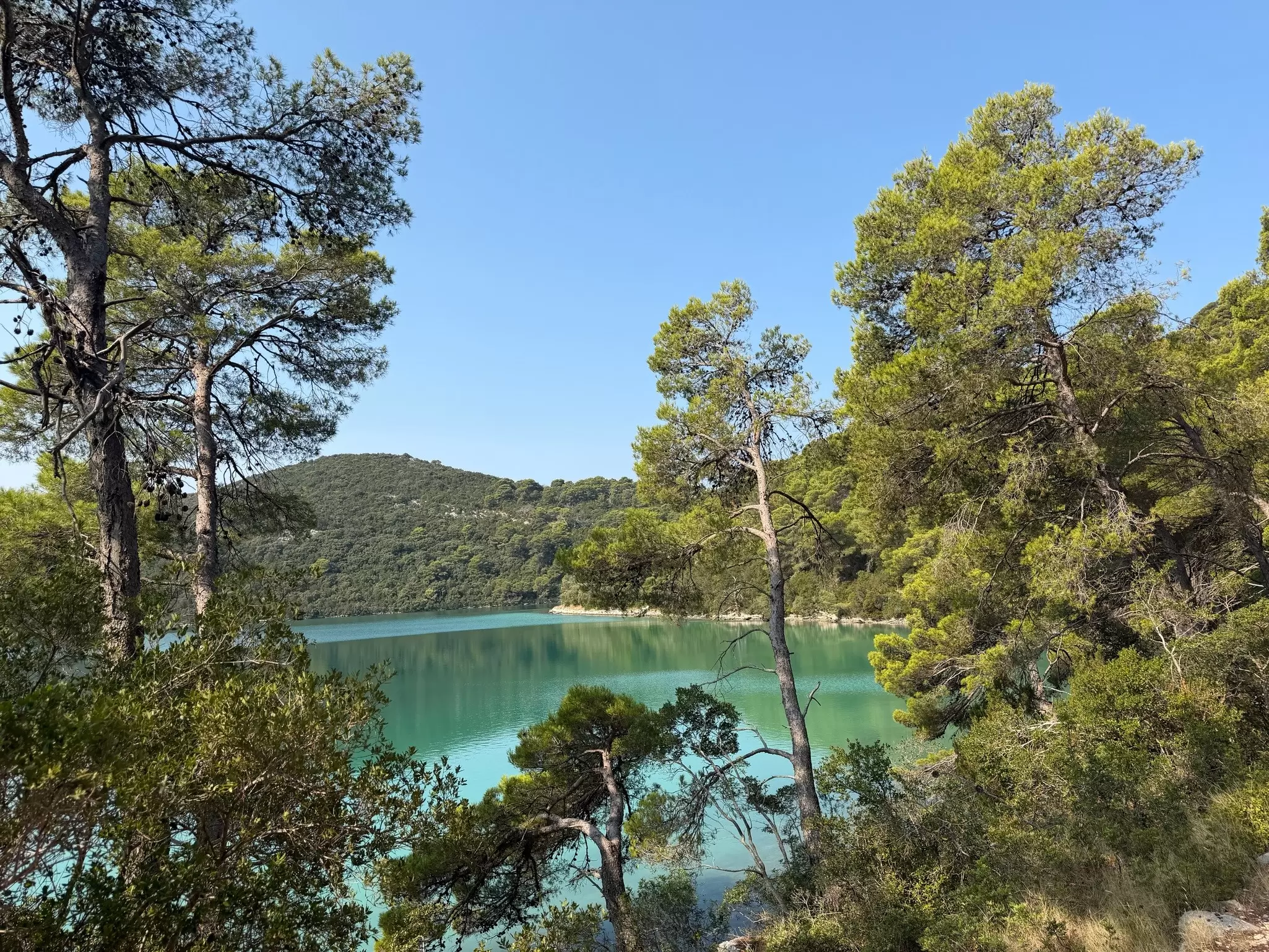
The largely paved paths allow visitors to walk or rent bikes and tour either Malo Jezero (approximately 3km) or Veliko Jezero (approximately 9km).
Looking to keep it water-focused? Rent a kayak and paddle between the two salt lakes, or throw on a swimsuit and take a refreshing dip in the lake. There's a stream that connects to two lakes; all you need to do is lift up your legs and let the current guide you.
Tickets from the Pomena location cost €25.
Traveler tip: Unless you plan on taking on one of the more rugged hikes on the island, you can get away with a pair of strappy sandals that have a good grip and can go into the water.
A favorite among Croatians. This seaside town, with its labyrinthine alleyways, will spark comparisons to Dubrovnik, but Korčula is its own experience. Enjoy a local tour for a brief glimpse into the town's interesting history, including the island's connection to the explorer Marco Polo.
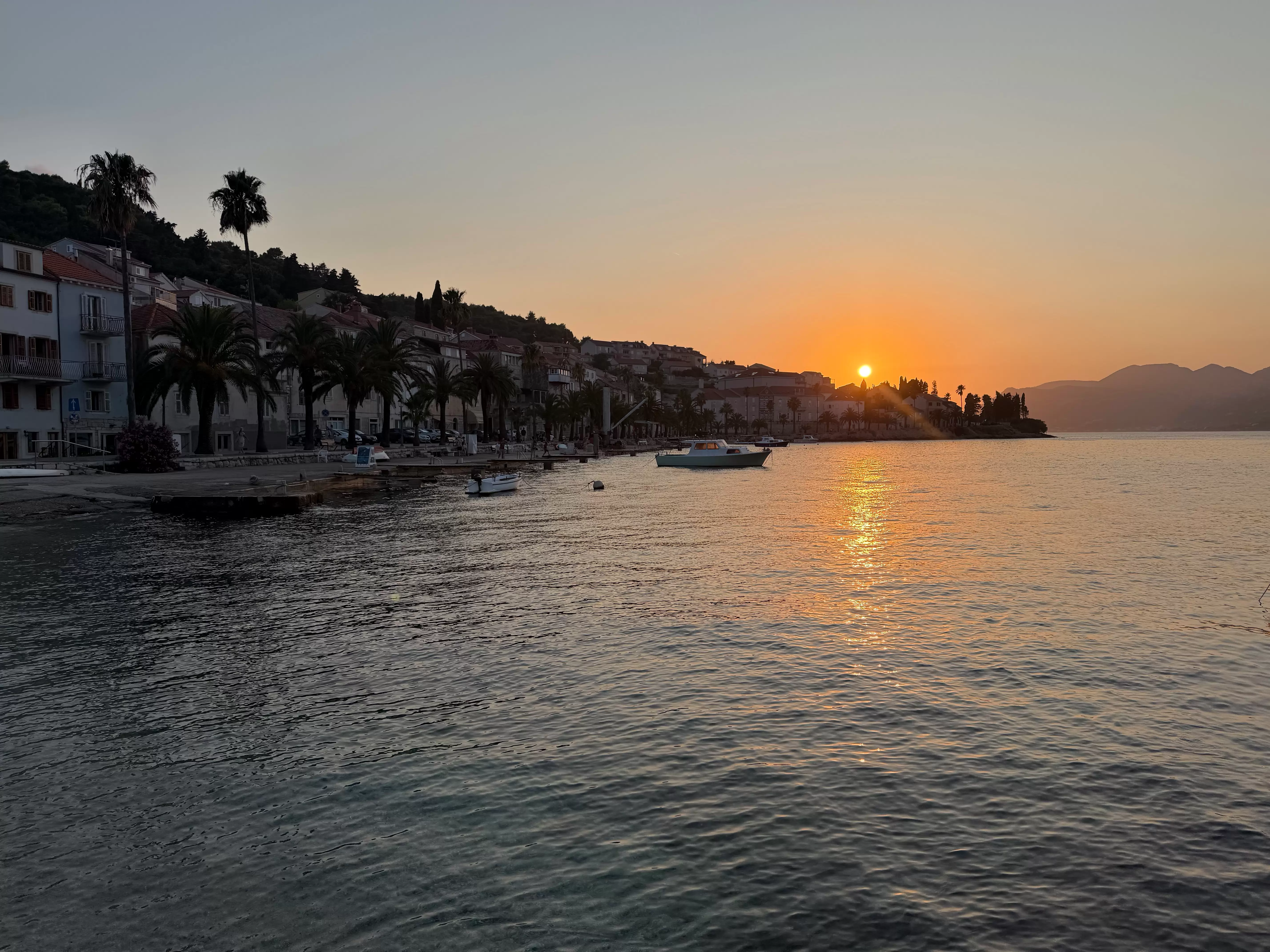
Snap golden hour photos by the Adriatic Sea or shop for colorful linen dresses (I bought three) and red coral (harvested from the Adriatic) from one of the local boutiques and shops flanking the smooth paved stone steps.
From April to October, visitors can enjoy a Moreška Sword Dance performance at the Korčula Summer Theatre. A tradition observed in the town since the 17th century. The show features a small chorus of women singing Croatian songs a cappella.
The show tells the story of a Black king, Moro, who kidnaps Princess Bula. The princess happens to be in love with the Red King, Osman. Osman arrives with his army, and the two sides battle.
The sword dance is more of a showcase of stamina rather than graceful movements. Two groups of men coordinate sword strikes (so strong that sparks fly) as they rotate in smaller circles within a larger circle.
The pace isn’t breakneck, but it’s consistent (that's where the stamina comes in), with short breaks between. There’s a small orchestra accompanying the dance. It's an incredible sight to see.
Tickets can be purchased online. The show starts at 9pm, but arrive earlier, as seats are first-come, first-served, the theater will be packed.
Where I ate: LD Garden Bistro & Wine bar, an upscale spot located right above the water. From the tasting menu, I ordered Wagyu & Truffle (A5 Kagoshima, Black truffle and mushroom; venison, quail, plums and rock samphire. For dessert, and a frozen orange (lime, hazelnut and mint).
Other places to eat: Konoba Belin, Restaurant Fundamentum, Pepper & Choco.
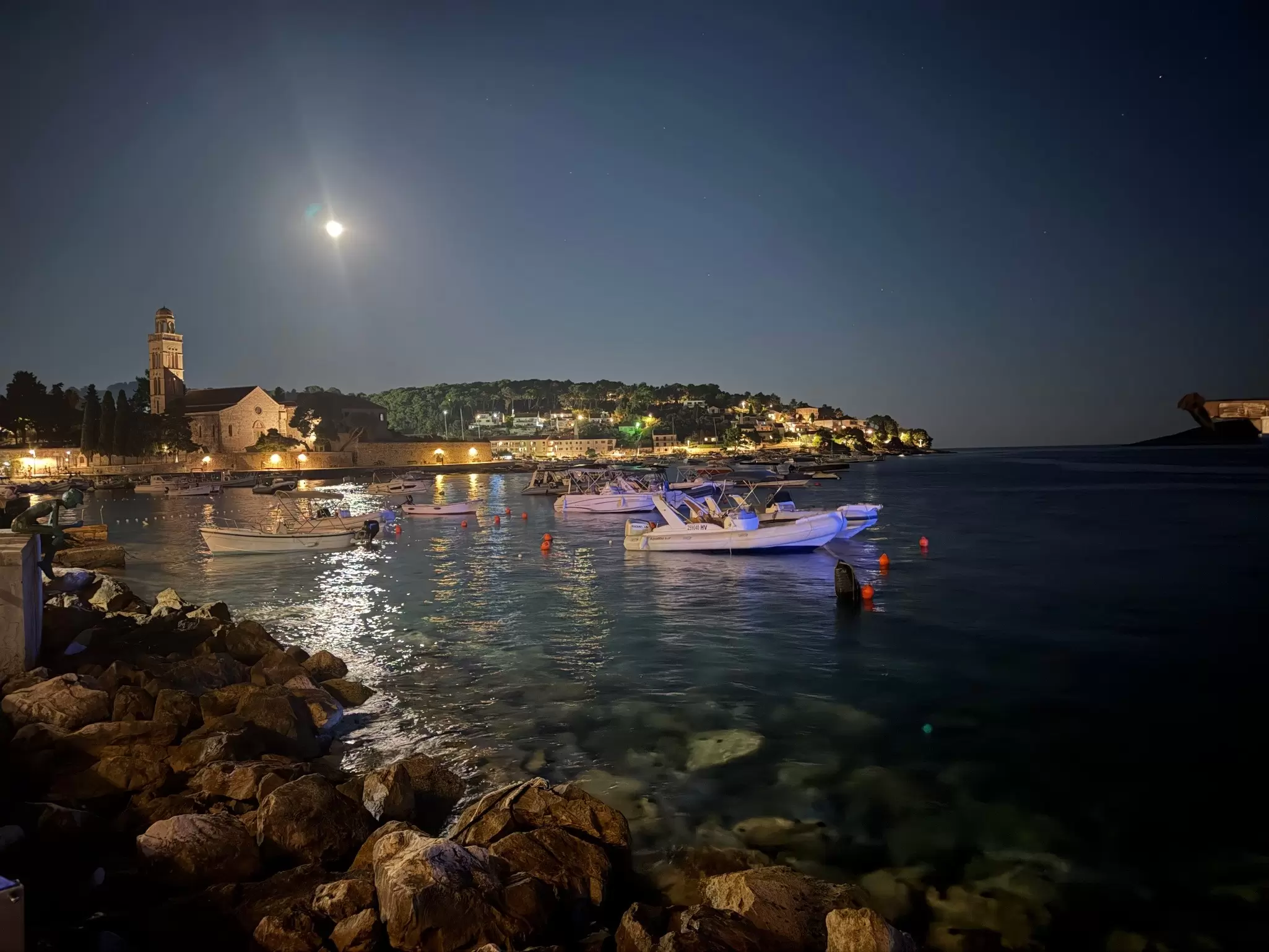
It might be hard to tell during the day, but once the sun sets, there's a buzz and electricity that only comes from young people looking for a good time. Do they find it? Can't say, but the thrill of the chase permeates through Hvar Town's smooth paved stone streets.
But it isn’t all vibing to hip-swaying music at a lively bar; visitors can travel outside of the town for a more leisurely activity. Nothing quite embodies slowing down like wine tasting.
There are numerous options for sipping dotted along the coastline.
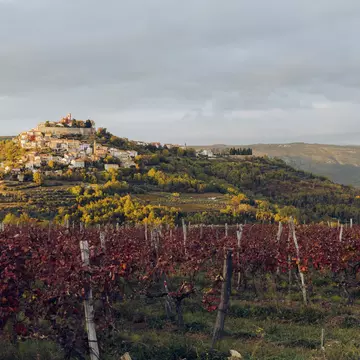
Wine in this region dates back to the 4th century when the Greeks planted the first vines. Nowadays, there are enough wineries dotted around the hilly coastline to make St Martin (the patron saint of wine and winegrowers) very happy.
Most cruise lines will arrange for transport to and from a winery. The only hiccup is that the decision will be based on their relationships with local wineries.
A few favorites include:
Vina Tomić: holds tastings in an impeccably crafted recreation of an ancient Roman dining hall 6m underground.
Pavičić Vina: a family-run operation with a wine cellar in the family home, specializing in varieties native to Hvar.
Duboković Winery: sip natural wines in the candlelight cellar.
Zlatan Otok: a winery known for its award-winning whites and located on the southern slopes of Hvar. The Bilo Idro tasting room is over 70m underground under the sea.
Traveler tip: Hvar was once a major producer of lavender oil, and though interests have shifted towards tourism, you will still find lavender everywhere. From the fields as you head out of Hvar Town to being sold at one of the many vendors on the street, or the faint scent wafting out of boutiques. The flower is forever linked to the island and the culture.
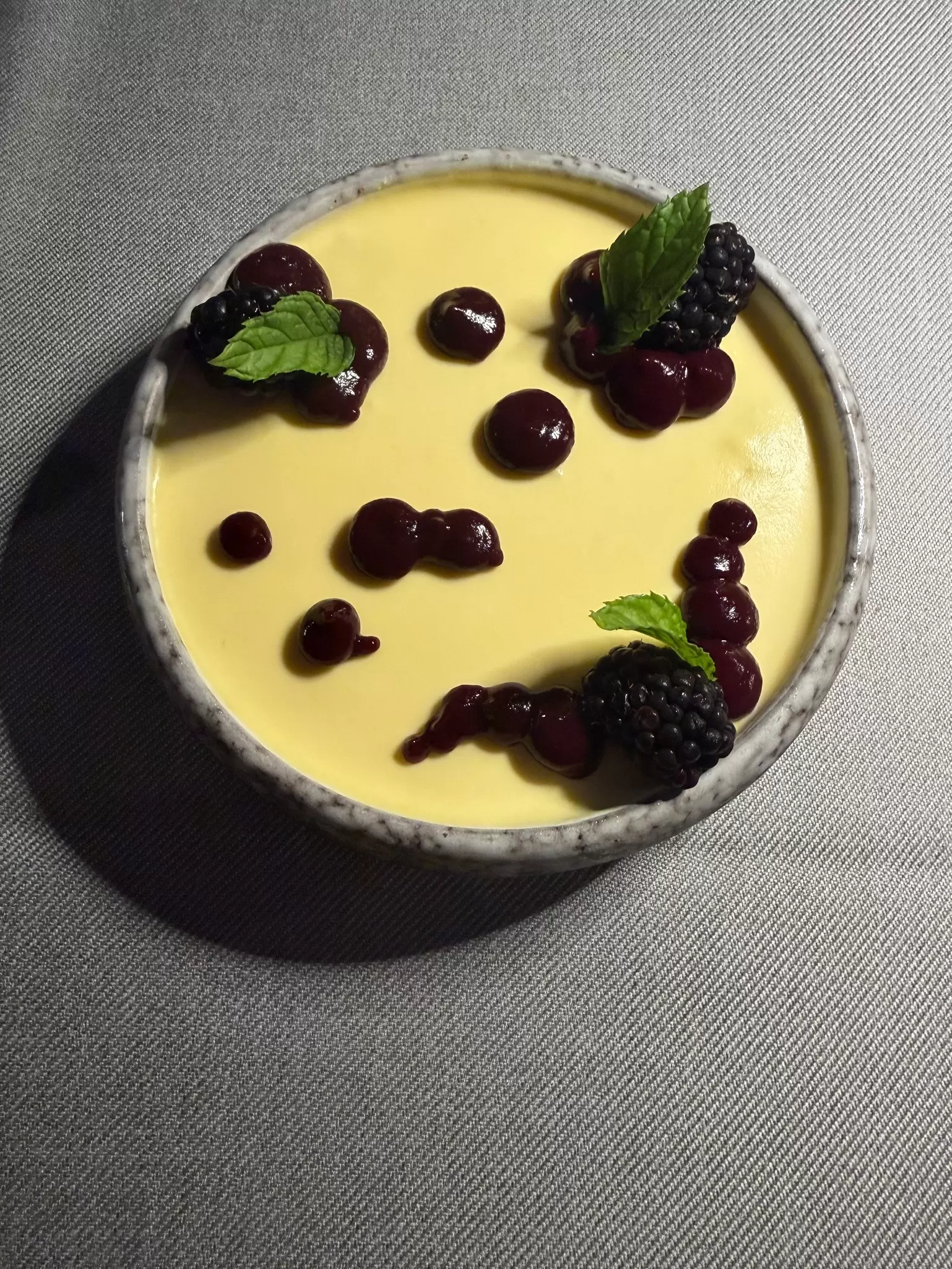
Where I ate: Black Pepper, a cool restaurant nestled on a flight of smooth paved stone stairs. I ordered oxtail rolls, confit duck leg with sweet potato cream, Gochujang mayo, feta, quinoa and zucchini balls. And for dessert, lavender tiramisu.
Other places to eat: Restaurant Dalmatino, Štajun and Giaxa.
The Blue Cave is located on Bisevo Island, about 5km off the coast of Vis. Most cruises will take you straight there, but only when they get the go-ahead from the folks on the ground.
This natural feature is wholly dependent on water levels. If the levels are too high (maybe due to a storm), no small boats (which you line up for at the dock) can enter, so there’s no guarantee of seeing the Blue Cave on the day your cruise docks.
Once you enter (usually by ducking at the mouth of the cave), that’s when the magic begins. A vibrant blue light radiates from beneath the water's surface, creating an ethereal sight within the dark cave.

There’s no smoke and mirrors; the color is due to the sunlight. But that does little to lessen the otherworldly feeling. Be warned, this is a popular sight and there are multiple small boats zipping in and out of the cave, so the moment may not be as intimate as you may have imagined. And it’s quick.
Tickets during the high season are 24€.
The island of Vis has all the hallmarks of other Croatian islands - smooth paved stone streets, narrow alleyways and the gentle breeze off the Adriatic Sea.
But somehow, life seems a little slower and calmer here. Despite the relaxed atmosphere you’ll find now, Vis Island was once the Yugoslav naval base and off-limits to visitors.
The island gained notoriety when Mamma Mia 2 used Vis Island as a stand-in for the fictional “Greek” island of Kalokairi. There are lots of small shops for trinkets and treats and seemingly, a large number of gelato shops (maybe it's just me).
And, if you’re lucky, they’ll be playing that very movie at Ljetno Kino Hrid, an outdoor cinema next to the sea in Vis Town. Book as soon as your cruise ship docks - this sells out quickly.
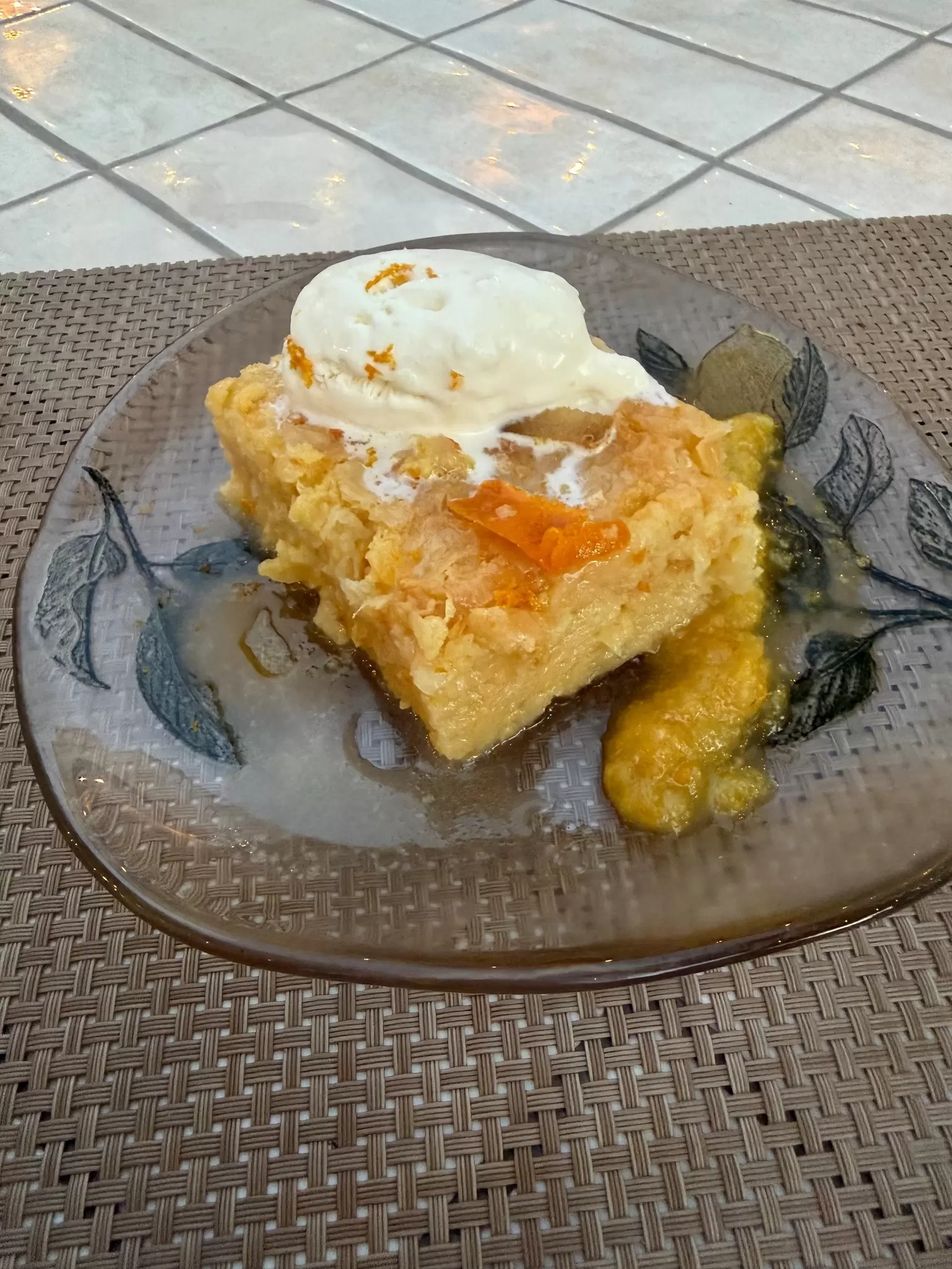
Where did I eat: Lola (in Vis Town), a vibey, Mediterranean courtyard spot filled with trees and local greenery. The music selection was elite. I ordered zucchini carpaccio, lamb-stuffed peppers and for dessert, a moistened orange cake topped with vanilla ice cream (I still think about it).
Other places to eat: Peškarija, Konoba Roki Fire (call ahead to order peka (traditional Croatian dish).
About a 30-minute drive from the city of Split, Trogir’s origins date back to the 3rd century when it was a Greek trading settlement. To this day, you can see Venetian, Croatian, and a bit of Renaissance influences in the architecture.
The visual impact once your ship docks is immediate, as leafy palm trees flank the seaside promenade, sprinkled with restaurants and small shops. The crimson-tipped bell tower of St. Lawrence's Cathedral looms over the town.
Personally, this was my favorite view all the islands.
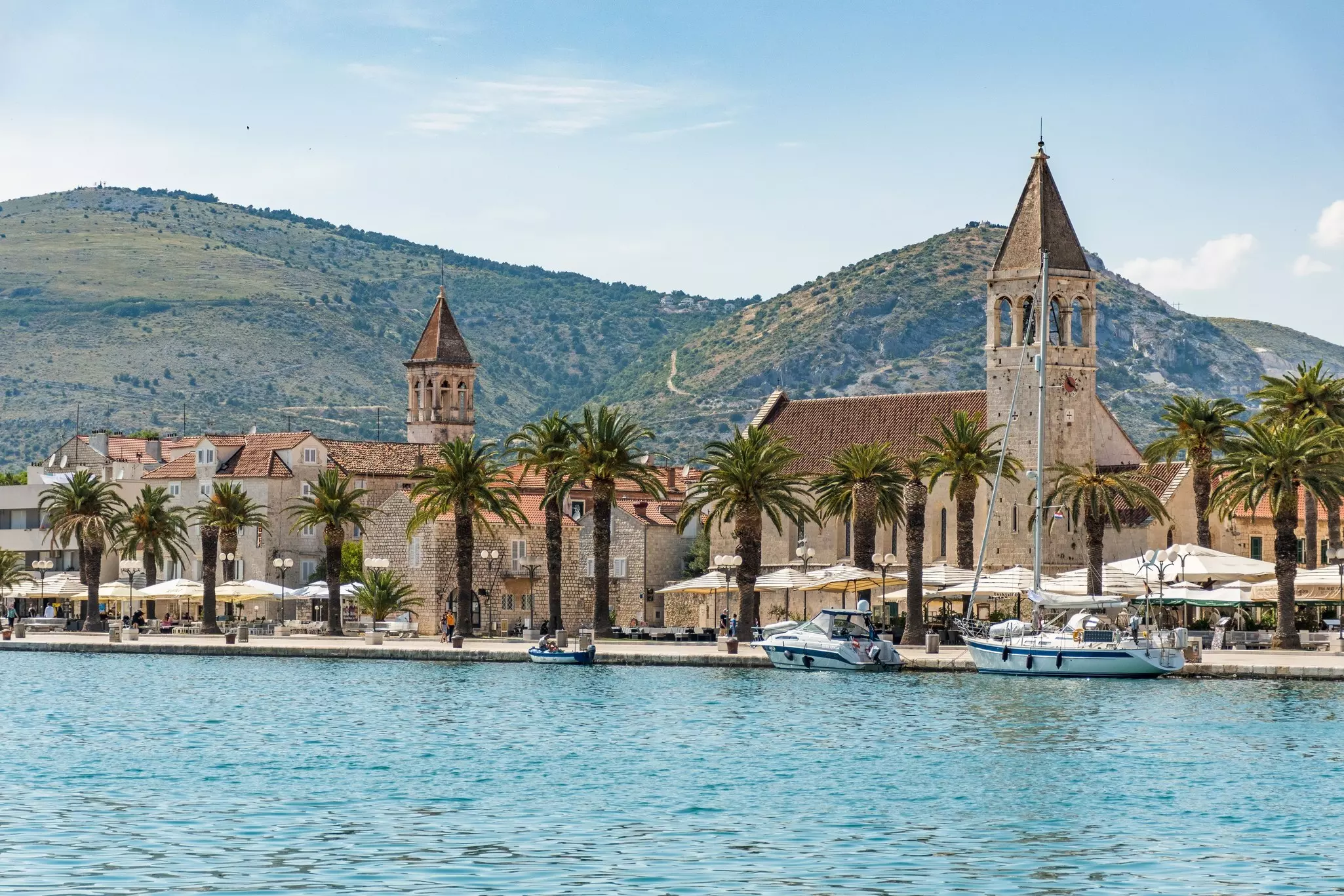
The southwest section of the island (you can walk to on the paved promenade) is Kamerlengo Castle, a 15th-century Venetian structure for defense. Nowadays, the fortress hosts open-air concerts.
Trogir’s Old Town is filled with beautiful structures like Saint Sebastian’s church clock in John Paul II square and the Town Loggia (a place for legal proceedings and public gatherings).
After you’ve had your fill of history, indulge in a traditional Dalmatian treat called a Rafioli. The crescent-shaped pastries (that will remind you of ravioli) are filled with ground almonds and other ingredients like fig, chocolate, hazelnut or white chocolate.
The outer shells come in different colors like green, light brown or pink - some are sprinkled with sugar. The best spot in Old Town is Dovani.
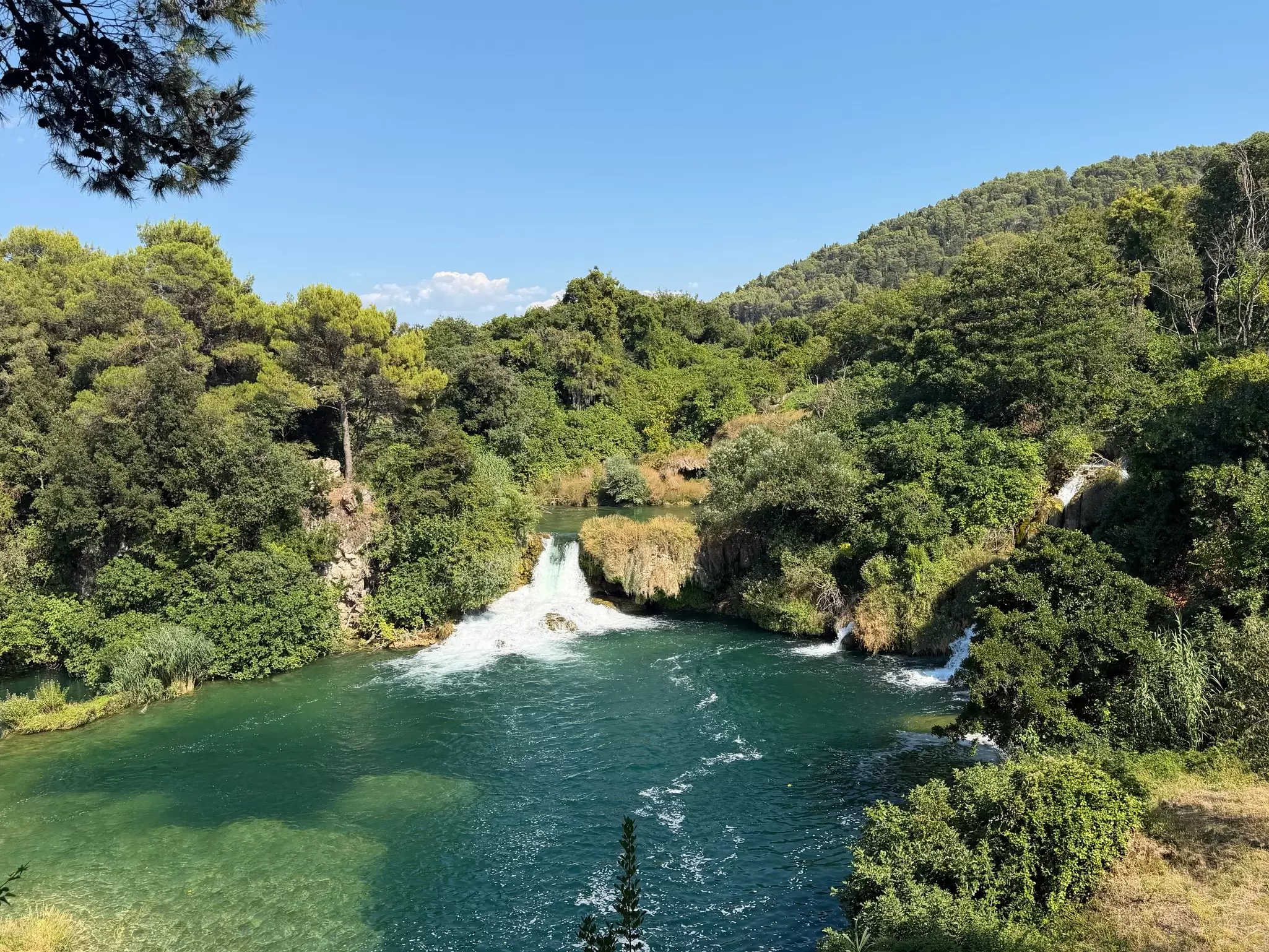
About a 20-minute bus ride from the Šibenik bus station (your cruise line will set this up for you) is Krka National Park. Croatia’s second-most visited national park got its official designation in 1985.
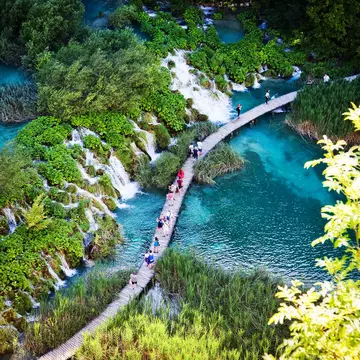
Among the 109 sq kms are seven waterfalls, 10 entrances, 388km of bike trails, 47km of hiking trails and a large collection of mammals, fish, birds, amphibians, insects and reptiles.
Of the seven waterfalls, the headliner is Skradinski buk. To reach the waterfall, it’s a 1.2-mile walk, largely over wooden elevated planks, through a shaded forest. There is a set of steps along the way.
But keep in mind, there’s a point of no return, so make sure you can make it the whole way. The final push on the trail is a set of 150 stairs. There are no handrails, but the steps are well constructed.
In terms of footwear, closed-toe shoes are likely best. But you can get away with a pair of sturdy sandals, preferably with ankle support.
Tip: Everyone thinks the trick to avoiding the crowds at Krka National Park is to go early. Nope! The best time to go is in the middle of the afternoon. But, truthfully, there will still be crowds.

To some, the original views of the boat docks in Šibenik aren’t as pretty as the other ports. But for those who enjoy the charm of brutalist architecture with a splash of communist influences, Šibenik’s initial salutation won’t be so disappointing.
Don’t worry, Old Town makes up for it with its Renaissance churches, paved marble streets and a host of fantastic places to dine, drink or shop.
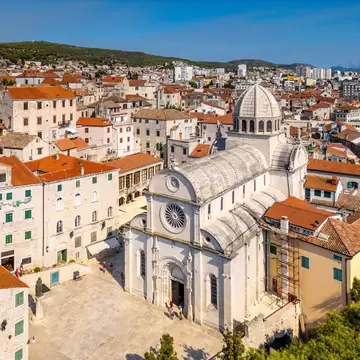
The big draw is the Cathedral of St James - completed in 1536 (work began in 1431) and combines Gothic and Renaissance styles thanks to the number of architects and builders on the project.
It’s the only European cathedral constructed entirely from stone quarried on Brač, Korčula and Rab islands. But it’s Croatian sculptor Juraj Dalmatinac’s 71 faces carved on the exterior of the church that draws visitors from all over the world to this day.
It also doesn’t hurt that Old Town and the Cathedral of St James were the backdrop for the city of Braavos in Game of Thrones (yep, it's back!).
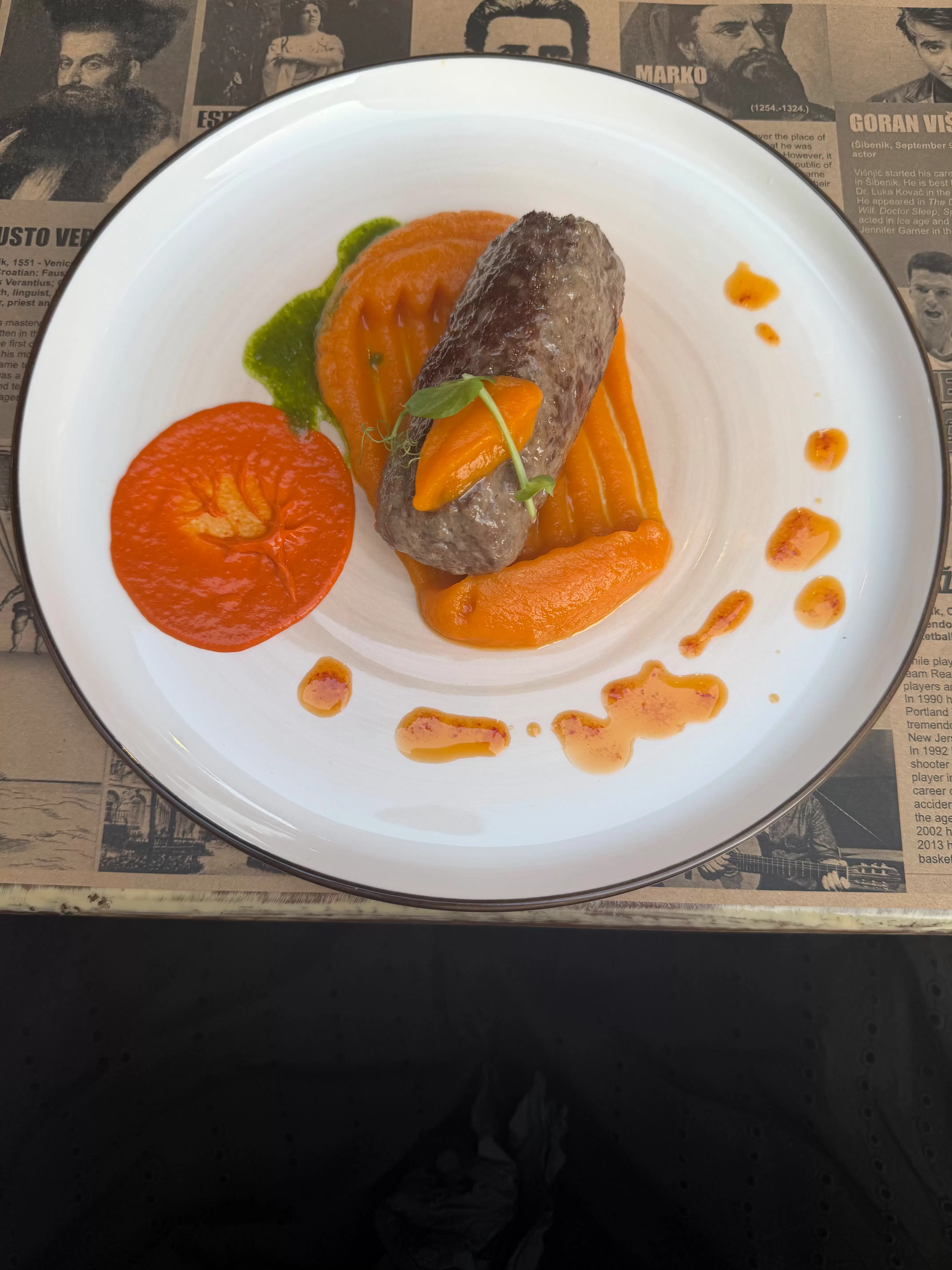
Where I ate: Konoba Nostalgija, a cozy, tucked-away eatery that’s more like an unorthodox tapas restaurant. I ordered prosciutto and olives, bacon-wrapped polenta medallions and slowly roasted lamb in a sweet potato puree.
Other places to eat: Bistro Luce & Brigita, Bronzin, Ona, Peperoncino and Neegrena.
I was a guest with Unforgettable Croatia, aboard the Bellisma, a 170ft cruise ship with 19 cabins and a capacity of 38 passengers. The staff / crew on this ship were either related or grew up together, which created a familial atmosphere. All of the sailing takes place in the early morning hours, and the boat docks at night.
Though most shops and restaurants take cards (except American Express), it's best to have cash handy for those instances when they don’t. There are plenty of ATMs dotted around the islands, but not all ATMs are created equal. It’s best to stick to ATMs affiliated with official banks: OTP, HPB, Privredna banka (PBZ), Erste, RBA, Zagrebačka banka and Adikko bank.
Always select ATM transactions in the local currency. In Croatia, that’s Euros.
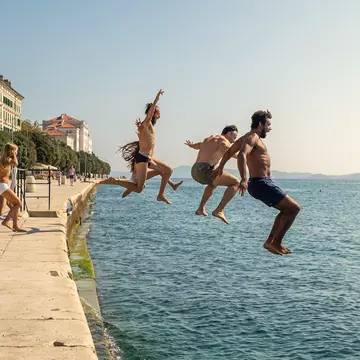
Pack more bathing suits than socks. There is always an access point to the water; the term "beach" is used very loosely (bring boat shoes), but the water is always refreshing and rest assured, there will be lots of folks enjoying it.
Comfy shoes are always a good idea because you'll be walking and climbing steps, but wear shoes with a grip. The smooth paved stone streets in the old cities are slick (especially after rain), and for fighting chance, opt for a shoe with grooves.
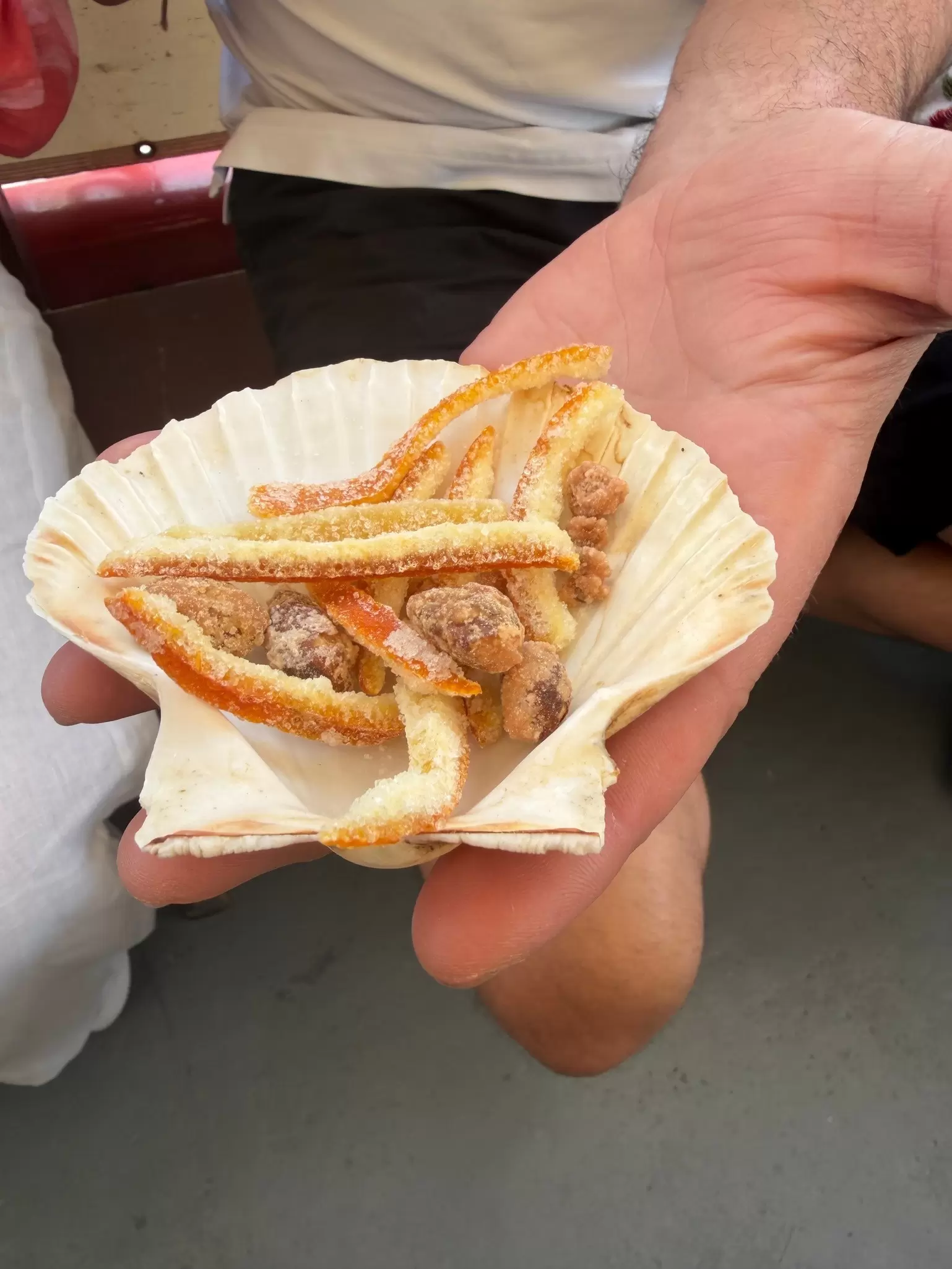
Make sure to snag a few of these treats / dishes:
Pašticada: slow-roasted braised beef served with gnocchi
Peka: meat or octopus cook under the iron grill
Čevapi: grilled minced meat served in bread
Sarma: minced meat and rice stuffed in cabbage leaves
Black Risotto: seafood darkened by squid ink
Rožata: similar to flan
Rakija: strong alcoholic drink
Fritule: small fried dough
Kroštule: fried crunchy pastry
Rožata: similar to flan,
Sugared orange/lemon peels
Alicia Johnson traveled to Croatia with support from Unforgettable Croatia. Lonely Planet contributors do not accept freebies in exchange for positive coverage.
Explore related stories