Oct 25, 20265 min read
5 Reasons to Visit ZanzibarJan 21, 2021
4 MIN READ

Writer
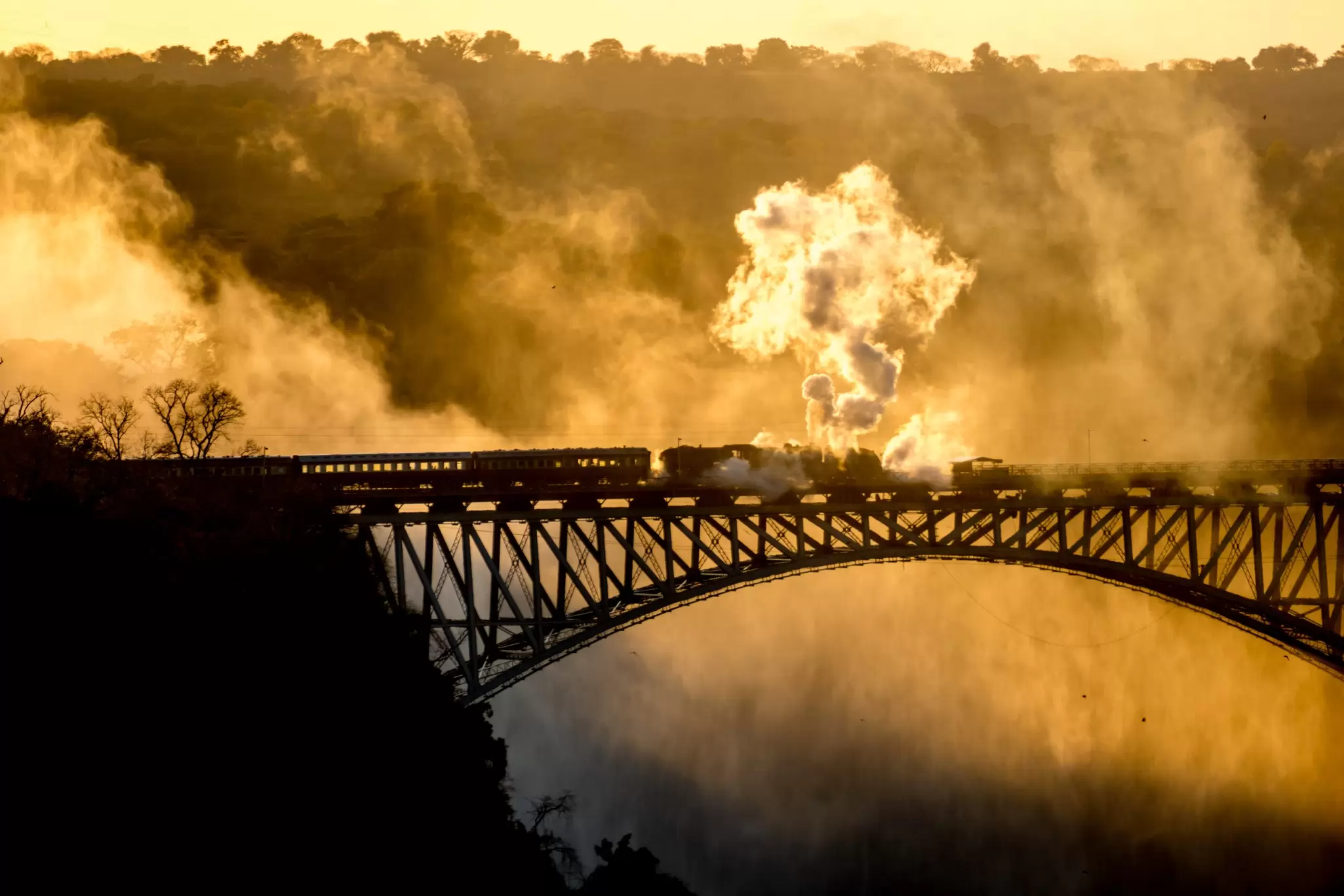
The train journey from Bulawayo to Victoria Falls is an experience of a lifetime ©Rikus Visser/Shutterstock
Writer
Lonely Planet may earn a commission from affiliate links on our site. All recommendations and reviews reflect our own independent opinions.
Despite the final destination’s designation as one of Africa’s biggest attractions, the train trip from Bulawayo to the thundering vapor of Victoria Falls is far from a touristy experience. Travelers who choose to shoot this route by rail – instead of flying or squeezing into a cramped bus – will find most of their fellow passengers are locals, with the train becoming a veritable village on wheels.
During holiday season, boarding in bustling Bulawayo can be lively, as families and passengers peruse the carriages. The train is a long, serpentine beast, though, which easily swallows its colorful human cargo, and the service sets off close to the advertised departure time of 7.30pm most evenings. From Zimbabwe’s second city, which sits at 4455ft (1358m) above sea level, the lackadaisical loco meanders across the Matabeleland plateau, chugging first through the agricultural areas where maize and peanuts are grown by the Bantu-bantering Ndebele. However, even at the height of the southern summer, the sun sets shortly before 7pm and the last vestige of twilight evaporates within the hour, so much is left to the imagination as the train rolls into the deepening night. The air is fresh at this altitude, and with windows down to feel the evening breeze, extra layers are often required before bedtime.
Unless you opted for the really cheap seats (an uncomfortable and unnecessary option, given the modest price of 1st-class travel), you’ll be slumbering in a sleeping car built in Britain in the 1950s, complete with wood paneling if you’re really lucky, but most likely featuring more contemporary (but less charismatic) Formica frills. Note the ‘RR’ logos on windows and mirrors, historic reflections of Rhodesia Railways, which once operated some of the largest and most powerful locomotives in the southern hemisphere – including a rampaging gang of 200-tonne Garratt steam engines. The paintwork on carriages retains the old colonial company’s colour palette too, but the hue of the experience has changed considerably since 1980, when the country secured independence and changed its name, and the insignia of the National Railways of Zimbabwe (NRZ) was emblazoned on the newly nationalized industry’s equipment.
Overnight the train puffs from plateau to savannah, skirting the eastern edge of huge Hwange National Park and rat-a-tatting across one of Africa’s longest stretches of straight railway. As dawn approaches, the first fingers of light start coloring in the Lowveld bush, and ephemeral curtains of morning mist part to reveal evocative valleys. By daybreak, the train is trespassing through the wilderness of Zambezi National Park, with real-time safari scenes playing out on the widescreen portal that is your window.
While the train maintains its somnambulant pace, passengers rub the sleep from their eyes and scour the msasa, mopane, baobab and sausage trees, hunting and hoping for a flashing glimpse of wildlife, including giraffes, impalas, springboks and baboons. Mischievous monkeys occasionally climb on the carriages, and sometimes elephants will stray onto the line, causing delays. Pachyderm problems aside, by breakfast the journey’s finale fast approaches, with the train following the flow of the mighty Zambezi, rolling along just a few hundred metres from the banks of the beautiful river, where the water is seconds away from plunging over the edge of the abyss between Zimbabwe and Zambia.
At Victoria Falls Station, Mosi-oa-Tunya (‘The Smoke That Thunders’, as the Tonga call the falls) dominates the senses. The roar – created by over 35,000 cubic feet (1000 cubic meters) of water rolling over a 324ft (108m) chasm every second – resonates right around the town, which is veiled by a delicate mist rising from the impact zone in the gorge below. ‘Scenes so lovely must have been gazed upon by angels in their flight, ’ is how Livingstone famously described the Zambezi during his approach to the falls on 16 November 1855, shortly before he became the first known European to clock the cascade. It had taken the explorer, already maimed by a lion attack, two years to bash through bush and negotiate crocodile-infested rivers to reach this point – which makes 13 hours on an overnight sleeper train seem somewhat luxurious, even if the lights in the 1st-class coupé don’t all work.
Where will the magic take you? Be inspired to see the world by train with these incredible trips from our title, Amazing Train Journeys.
You may also like:
Explore related stories