Jun 23, 20269 min read
3 Unique Safari Experiences in Africa (Beyond the Big Five)Jun 23, 2026
9 MIN READ

Writer
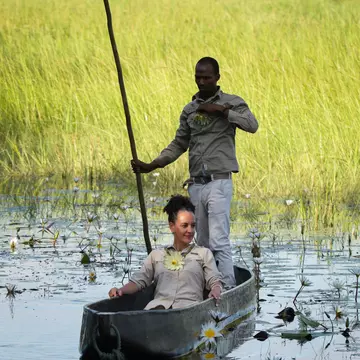
Bianca Bujan in a mokoro in Botswana. Heléne Ramackers for Lonely Planet

Writer
Lonely Planet may earn a commission from affiliate links on our site. All recommendations and reviews reflect our own independent opinions.
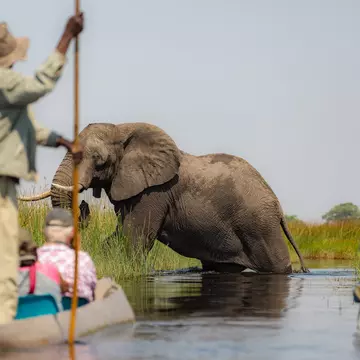
I watch as an African jacana (a tropical wading bird) lifts from the river’s surface and glides into the air, barely leaving a ripple behind. Around me, everything is quiet except for the croaking of reed frogs and the distant hoot of a Verreaux’s eagle-owl hidden in the leadwood trees. I’m drifting along the Khwai River in a pole-propelled mokoro, a traditional dugout canoe long used in Botswana’s Okavango Delta for navigating its shallow channels.
This is not what I had pictured when I imagined an African safari. Before my first safari in Africa, I pictured what many people do: bumping along dusty tracks in a safari vehicle, dressed in beige, binoculars in hand, scanning for the “Big Five”: lions, leopards, elephants, rhinos and buffalo. But after traveling through three very different African countries over the past two years, I discovered that safari is far more varied than I had thought.
Africa is made up of 54 countries, with more than half offering wildlife viewing. Beyond the Big Five, there are unique species to see and immersive cultural experiences that connect visitors with the people who call the land home – often the most memorable part of the journey.
Across the continent, the offerings are as varied as the landscapes. Here are three very different ways I’ve experienced safari, and how to decide which might be right for you.
Best for birdwatching and spotting swimming elephants
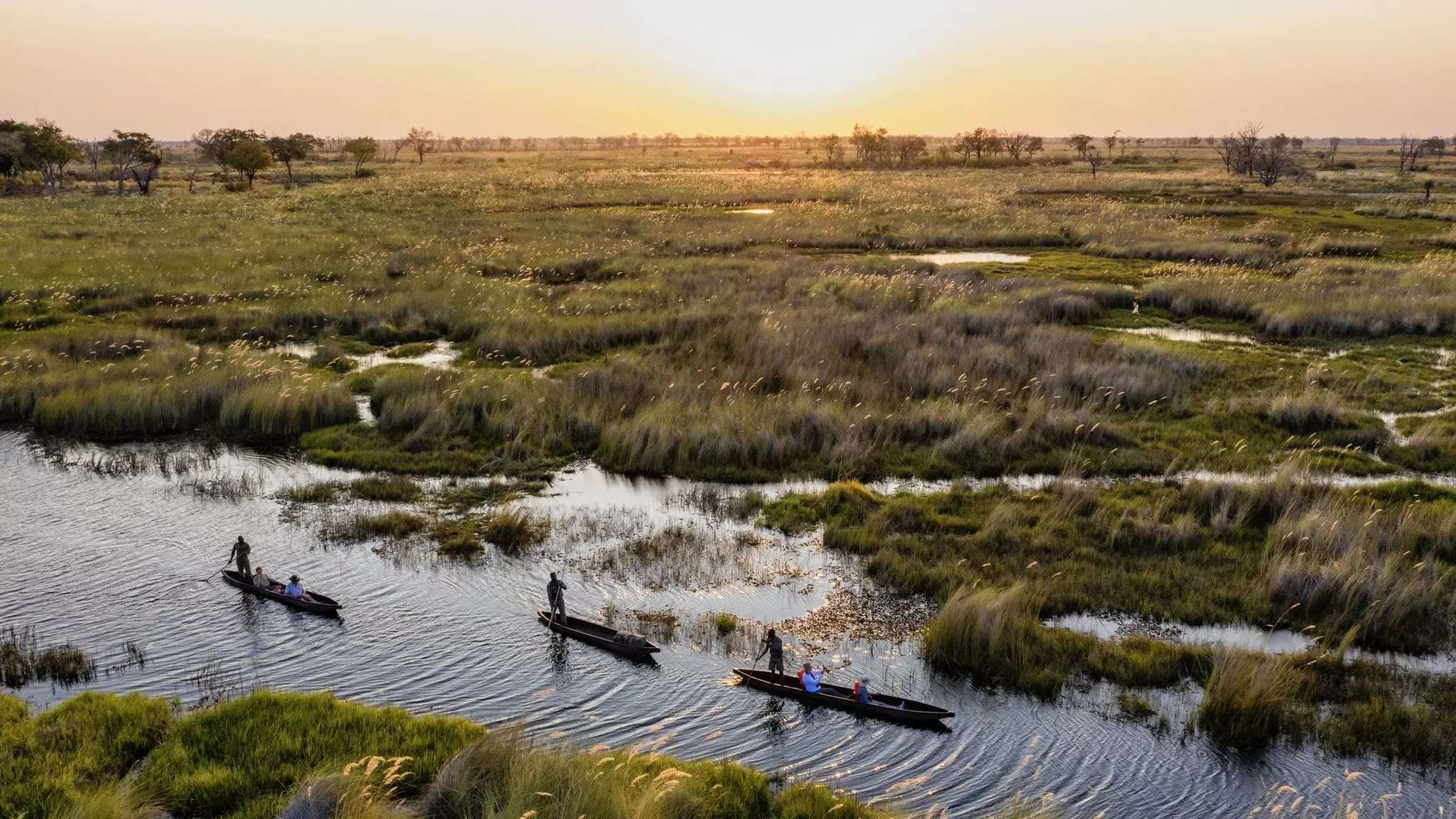
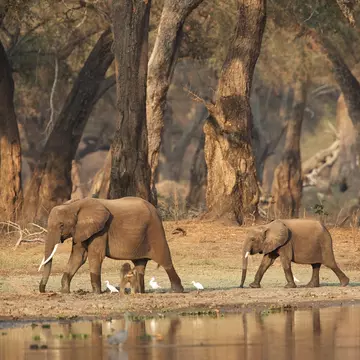
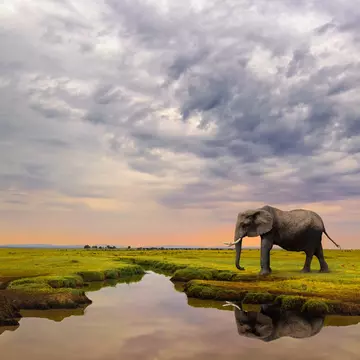
My most recent visit to Africa took me to Botswana, home to the world’s largest concentration of African elephants, where a weaving network of rivers, floodplains and channels makes water a constant stage for wildlife. Here, you can watch elephants swim, splash and spar in the river, while hippos and crocodiles break the surface and more than 600 bird species fly overhead. Along the riverbanks and at scattered watering holes, animals gather to drink, turning the water’s edge into one of the most reliable places to watch wildlife in motion.
In the Okavango Delta, a UNESCO-listed inland delta, mokoro excursions are the quietest way to experience a water-based safari. Guided by skilled local polers, you glide through narrow channels at eye level, surrounded by reeds, papyrus, lilies and long grass. It’s serene, intimate, and rich in birdlife, with colorful species like bee-eaters, kingfishers, and lilac-breasted rollers. This region is part of the newly-developed Great Kavango Zambezi Birding Route – Africa’s first cross-border birding initiative. Without engine noise, birds aren’t startled and sightings feel more intimate.
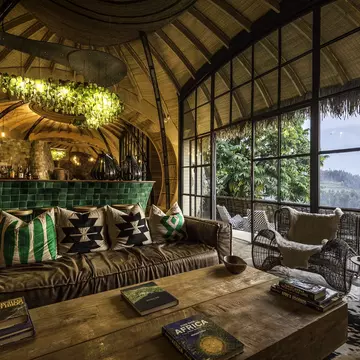
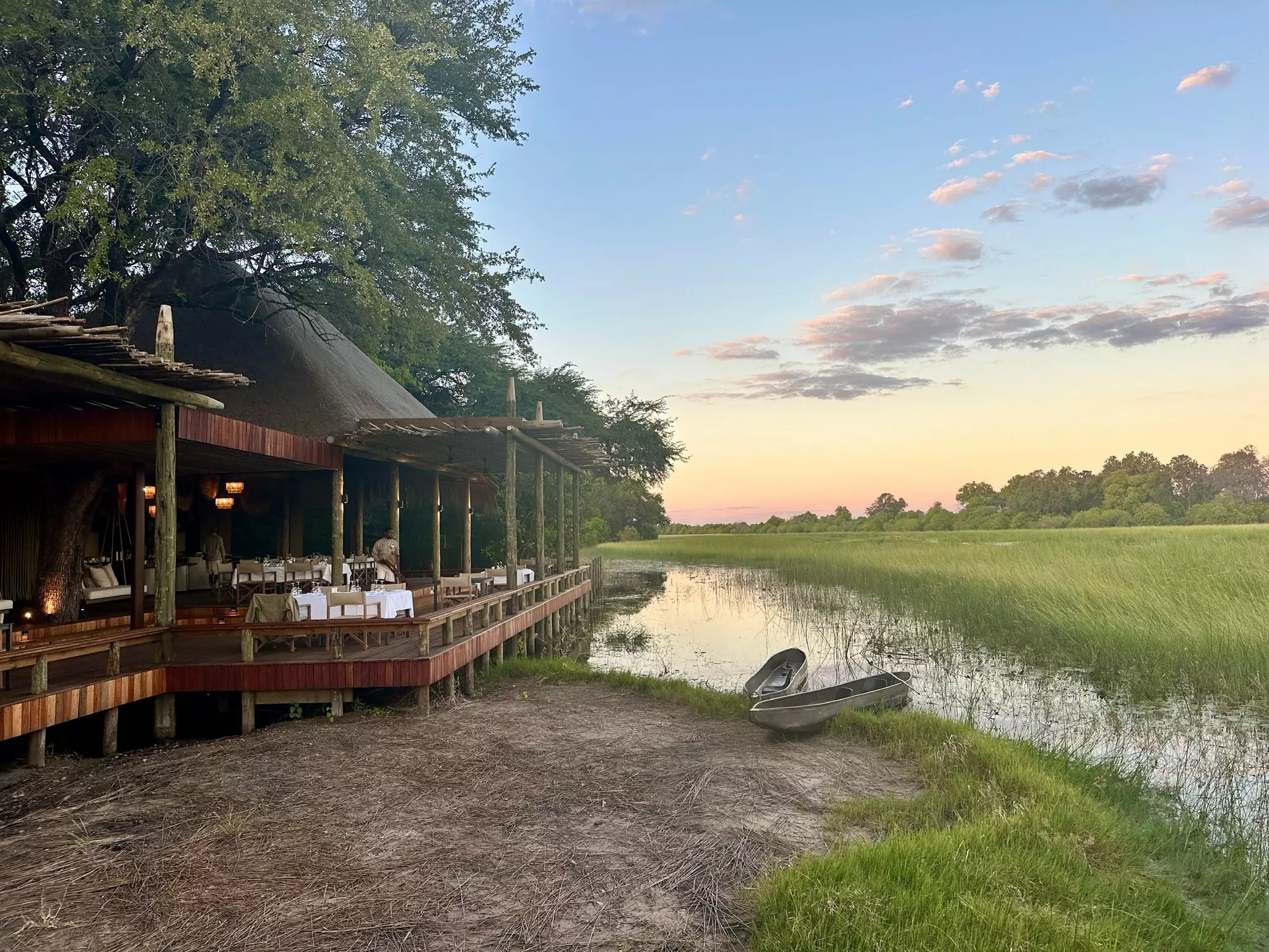
A stay at lodges in the Kwai region, like the new Sediba Sa Rona property, which sits right at the edge of the Kwai river in a community-owned concession, often pair these mokoro trips with game drives, night safaris and helicopter tours.
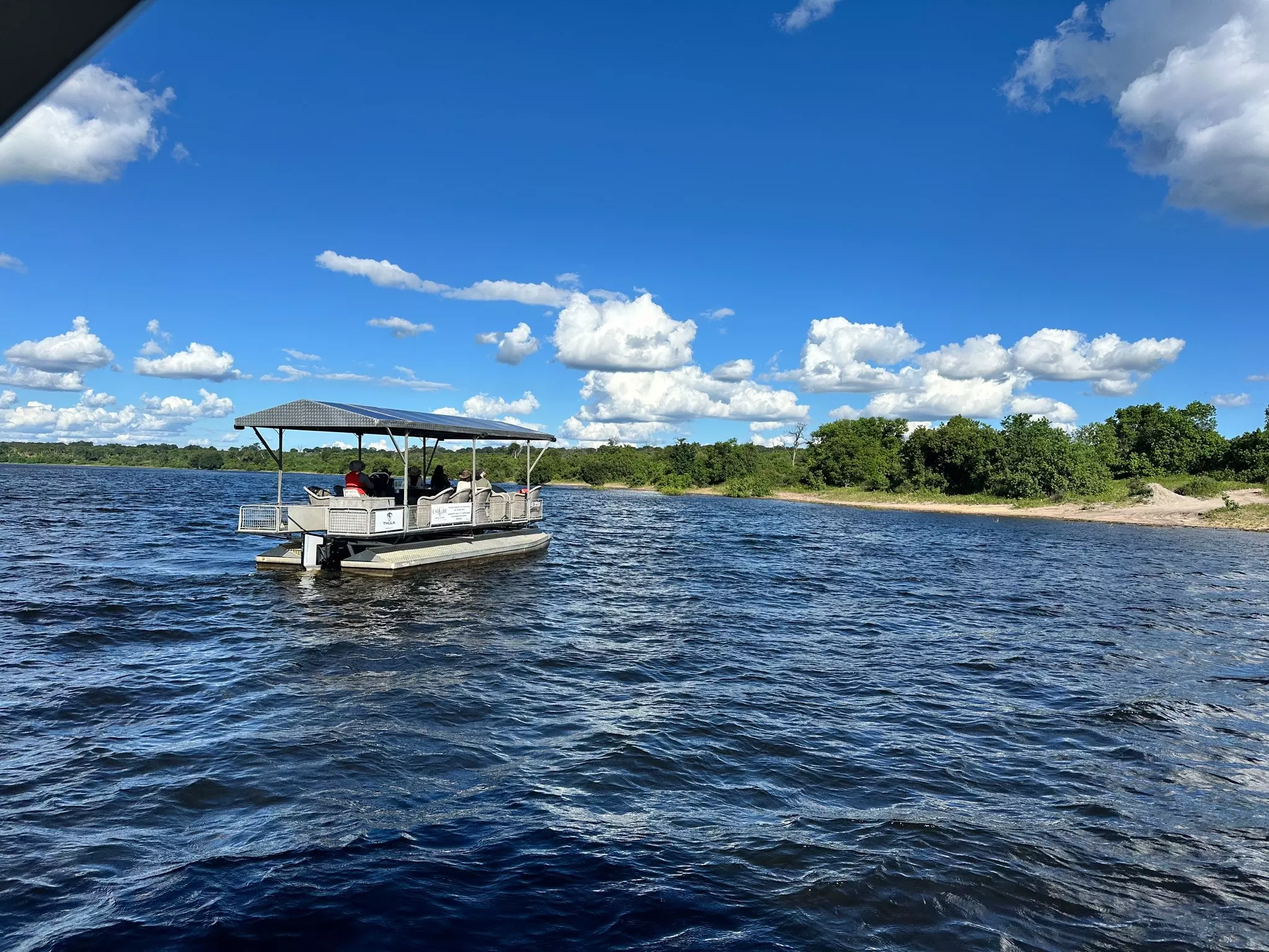
As Botswana’s first and largest designated national park, Chobe National Park is a top pick for wildlife viewing. The park has the highest concentration of African elephants on the continent, and at Chobe Game Lodge, you can enjoy a sunset safari cruise on a solar-powered boat, guided by a member of the Chobe Angels – Africa’s first all-female guiding team. From the boat, you’ll see an endless number of elephants swimming in the water, plus curious hippos and crocs as you quietly cruise by.
Make it happen: Desert & Delta Safaris owns and operates nine properties across Botswana, including those listed above. All of their properties are managed by local citizens, with a commitment to supporting local communities and protecting Botswana’s wildlife.
Best for gorilla trekking, cultural immersion and city stops
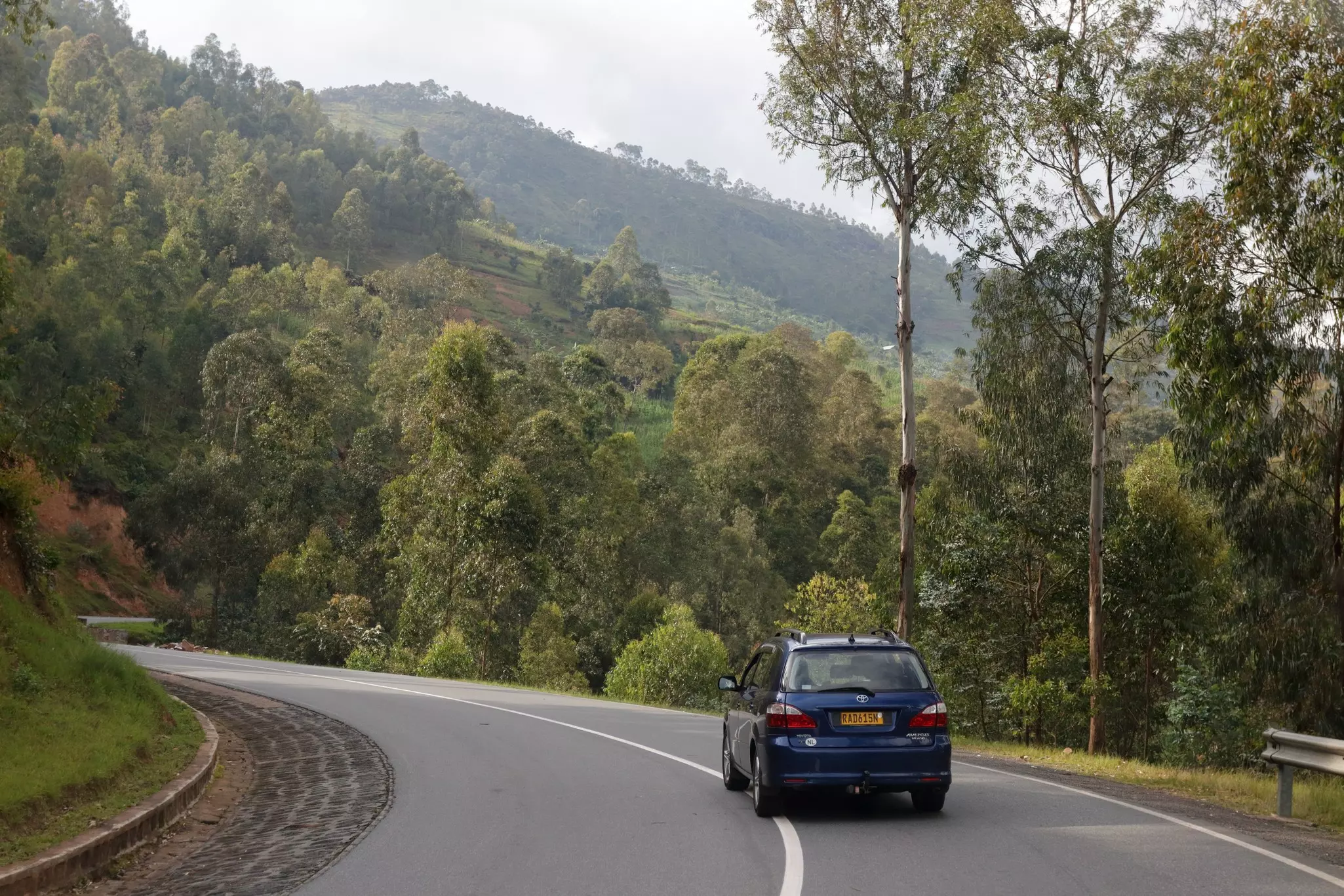
My first-ever visit to Africa was a road trip through Rwanda, one of the continent’s smallest countries. Road tripping makes it easy to move between national parks and city sites–no bush planes required. Despite being called the “Land of a Thousand Hills,” the roads are well-maintained and easy to drive. Exploring with a guide opens up a fuller picture of the country, combining wildlife encounters with cultural experiences. One of the most memorable wildlife moments of my travels was trekking through misty hills, following in the footsteps of American primatologist and conservationist Dian Fossey to see mountain gorillas in the wild. It’s also worth spending time in Kigali before heading into the bush.
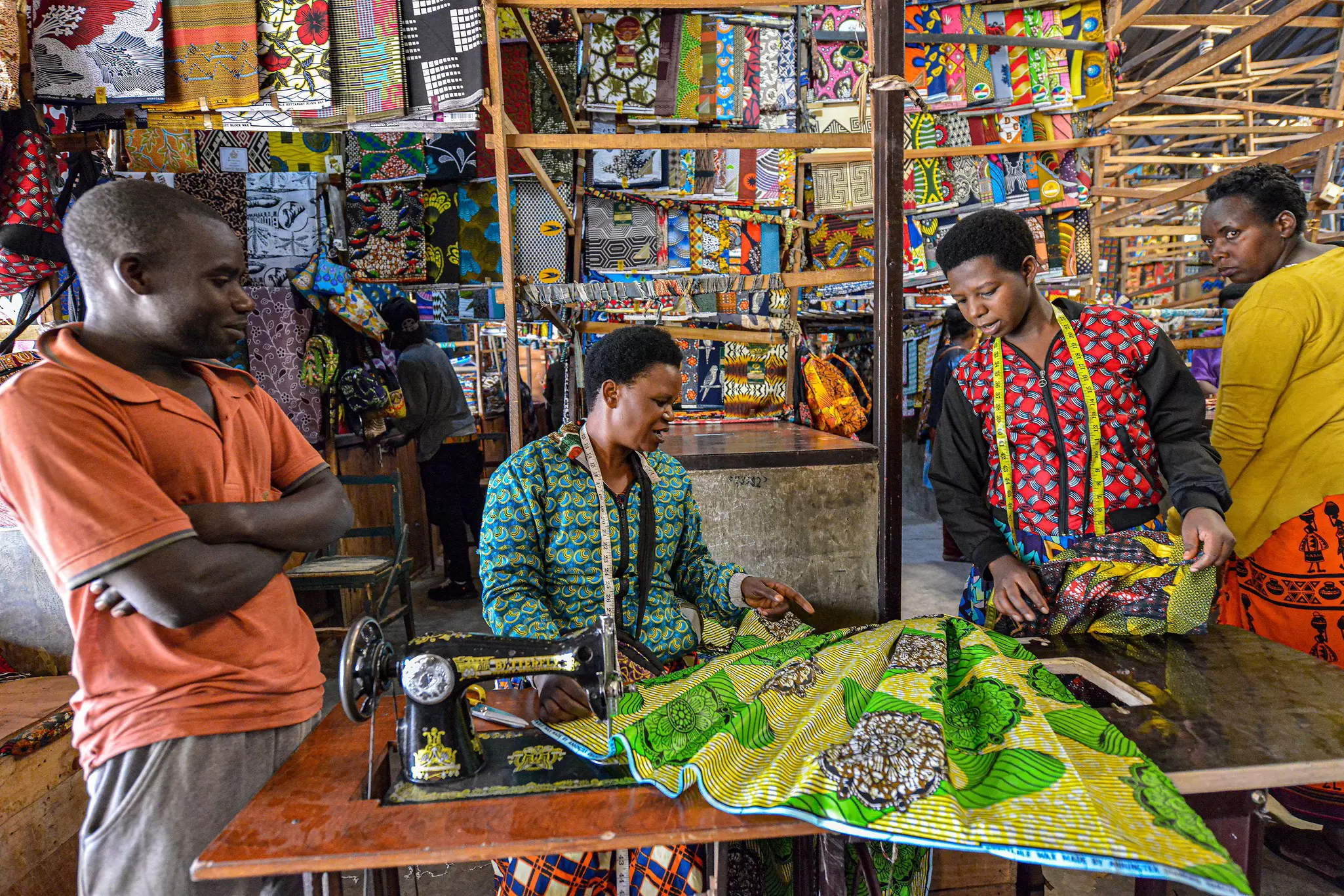
Before you hit the road, take some time to explore Kigali, Rwanda’s capital. The Kigali Genocide Memorial documents the events of 1994 through exhibits and survivor testimonies, while the Ethnographic Museum provides context on cultural history and traditional life. Markets such as Kimironko offer a look at local life, with large indoor halls filled with produce, textiles and household goods. Kigali will give you a great introduction to the country before moving on to its national parks.
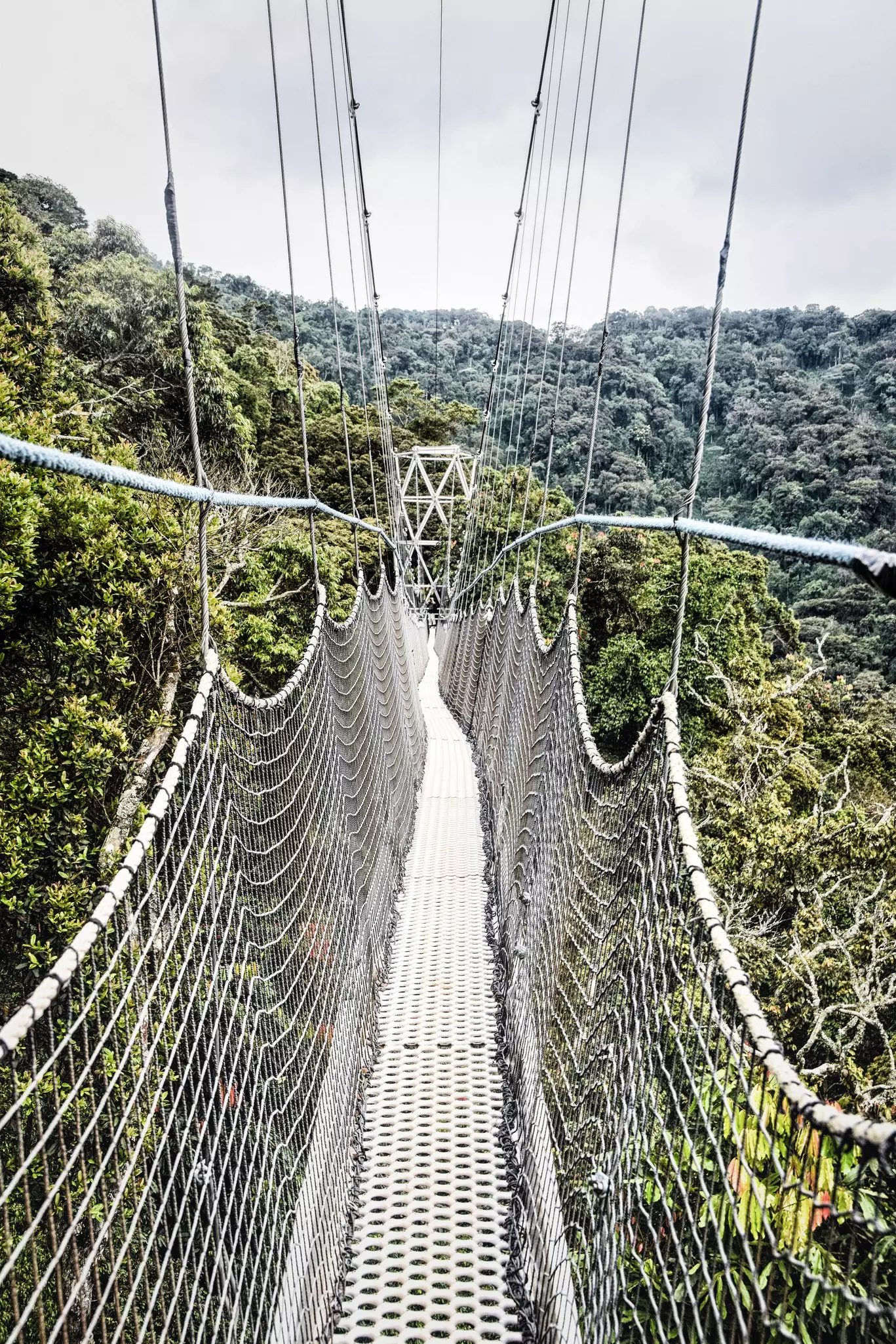
From Kigali, head to Nyungwe Forest National Park, one of Africa’s oldest and largest Afro-montane forests. Guided walks follow established trails through dense vegetation and across suspension bridges that dangle above the forest canopy. More than 300 bird species can be spotted at the park, as well as several primate species (you can try chimpanzee tracking here). Most wildlife viewing in Nyungwe takes place in the canopy rather than on ground.
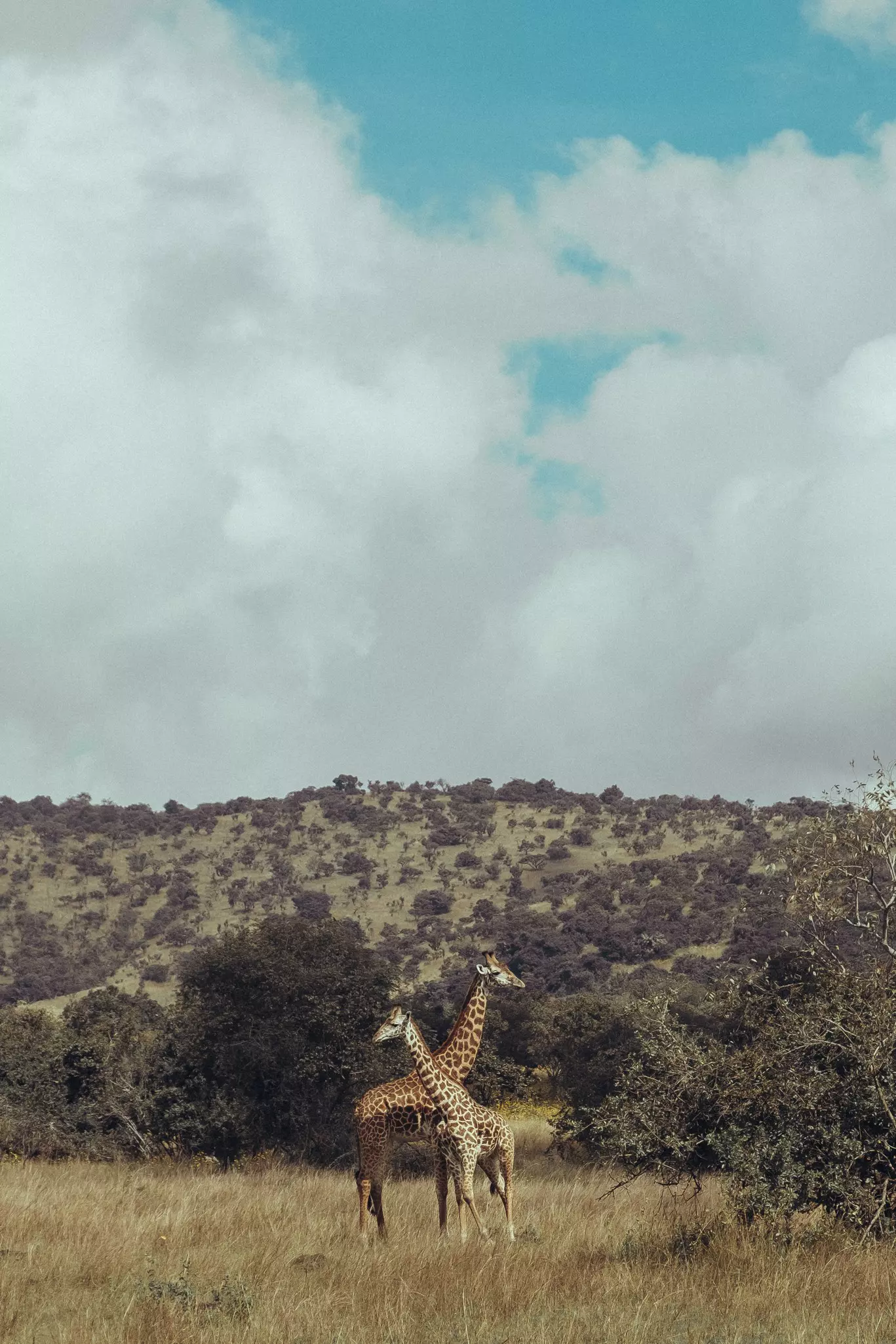
Heading east, the landscape opens into a savannah and wetland in Akagera National Park, Rwanda’s only Big Five park. Game drives cover open plains, lakes and wooded areas where elephant, buffalo, giraffe and antelope are commonly seen, along with a growing predator population as conservation work continues.
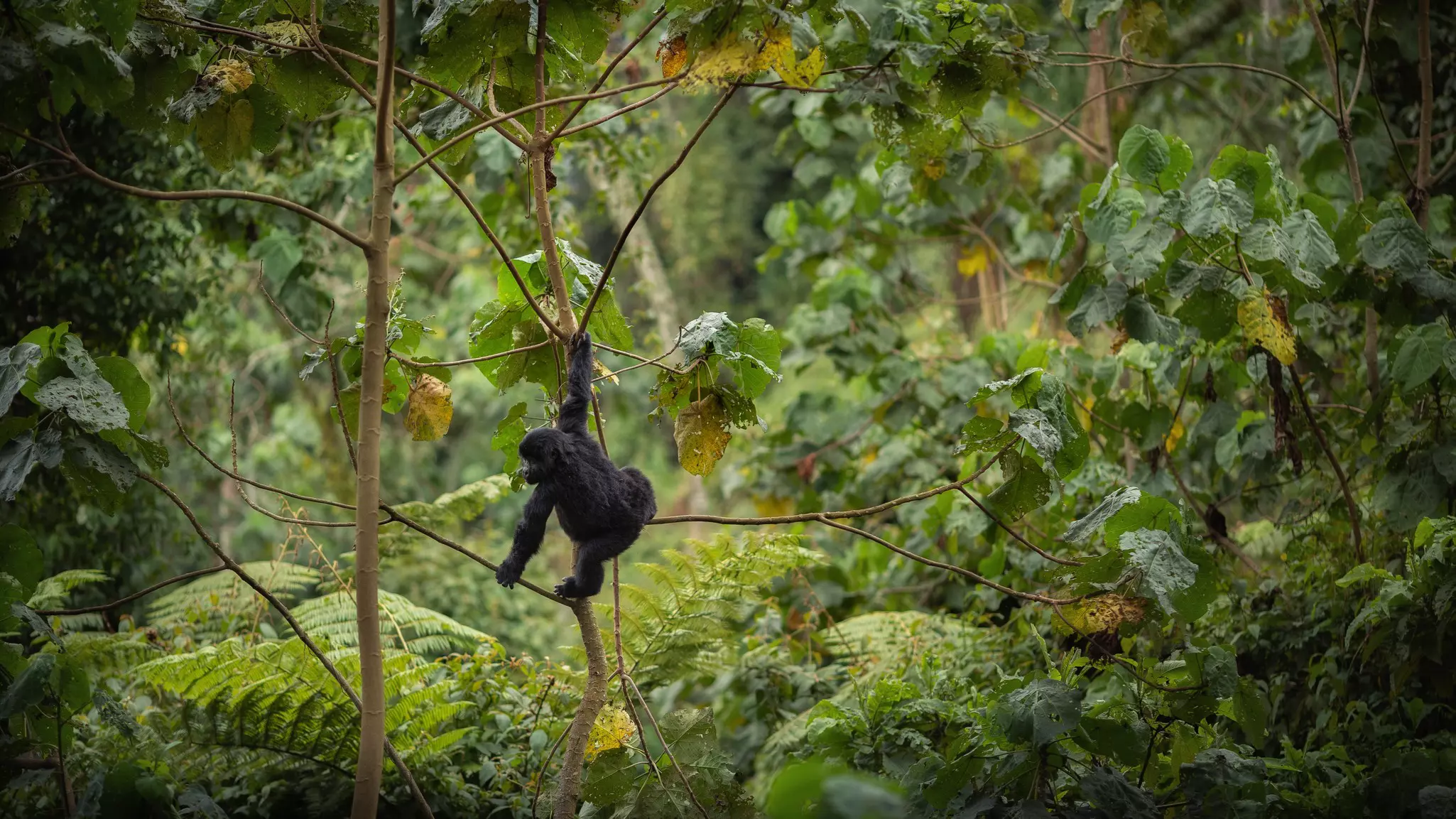
End the journey in the misty mountains of Volcanoes National Park, where guided treks move through dense rainforest on the slopes of the Virunga Mountains. There, accompanied by trackers, guides and park rangers, observe mountain gorillas up close. For your allocated time, watch in silence as a gorilla family feeds, plays and grooms, seemingly unbothered by human presence. Their interactions feel strikingly familiar, and the rare, unforgettable wildlife encounter will stay with you long after you leave.
Make it happen: Rwanda is easy to navigate, but you’ll still want a local guide as there can be language barriers and some areas can be hard to navigate. National parks also require guides, especially for gorilla trekking. Book drivers, guides and tours through Visit Rwanda.
Best for spotting rare wildlife, rhino tracking and walking with Maasai guides
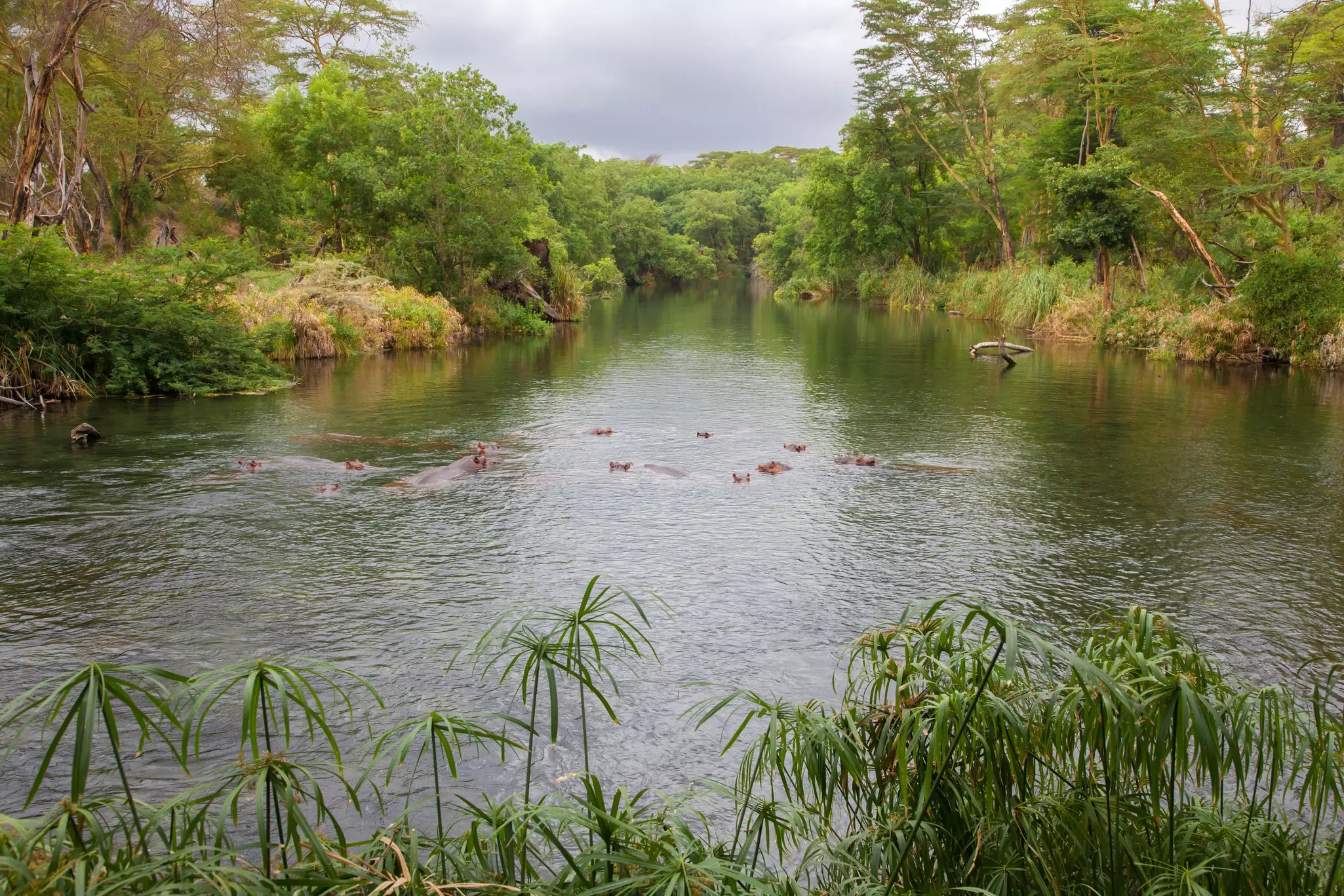
My visit to Kenya quickly showed me why the country is considered one of the best places in Africa for safari. Its extensive network of protected areas supports an exceptional concentration of wildlife, and in places like the Maasai Mara, open savannah landscapes and high predator densities make wildlife viewing especially rewarding. But there’s far more to see beyond the Big Five. In the northern region of Samburu, rare species found almost nowhere else on Earth share the landscape, with opportunities for immersive wildlife encounters that are most thrilling on foot.
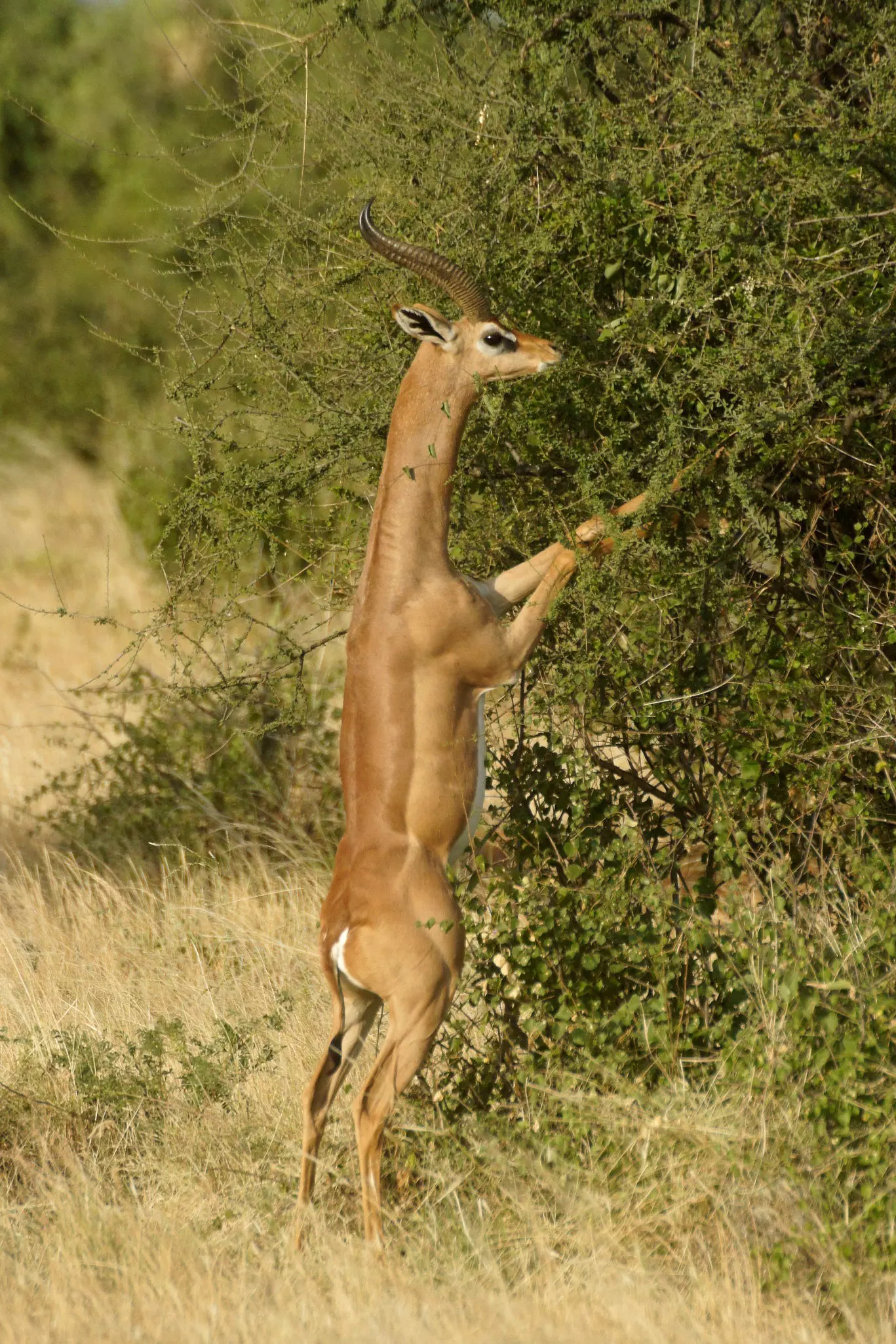
While many visitors come to Kenya hoping to spot the Big Five, Samburu offers the chance to see a different set of sought-after species found almost nowhere else. Known as the Samburu Special Five, they include the Grevy’s zebra, reticulated giraffe, beisa oryx, gerenuk and Somali ostrich–animals uniquely adapted to the region’s arid landscapes. The gerenuk is perhaps the most unusual, often standing upright on its hind legs to feed from trees, while the reticulated giraffe stands out for its striking geometric markings. Lions, leopards and elephants are also regularly spotted here, making Samburu one of the few places where iconic safari wildlife and rare endemic species can be seen on the same game drive. While many sightings happen from a vehicle, guided walking safaris provide a unique opportunity to search for the Samburu Special Five on foot, accompanied by expert local guides.
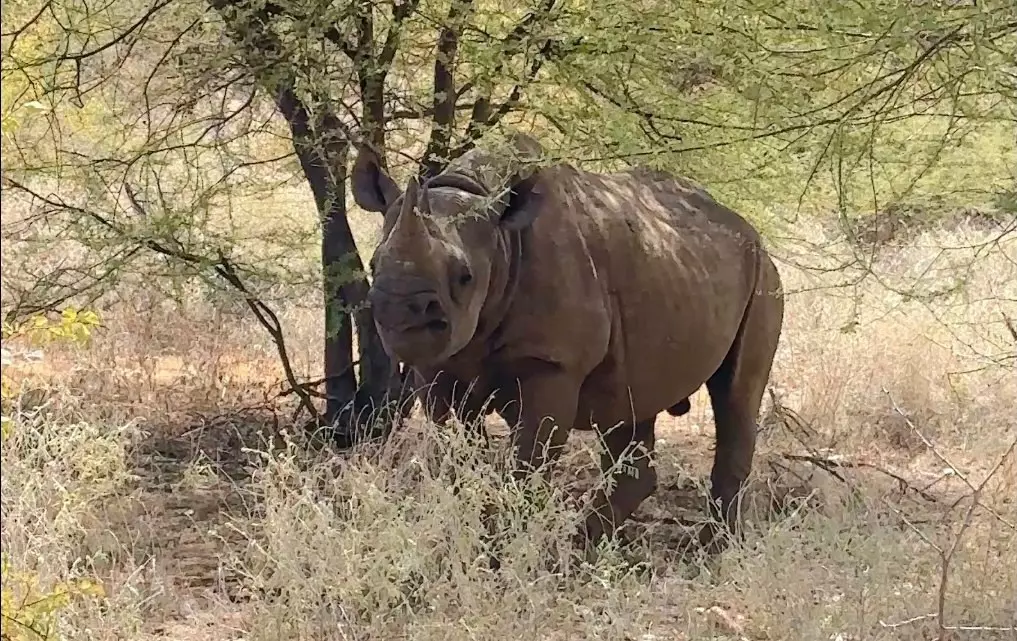
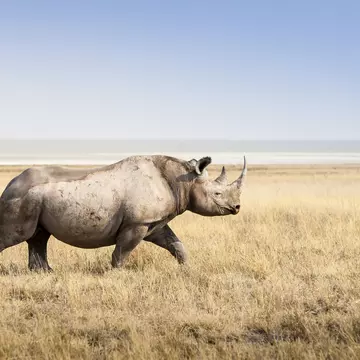
At Sera Conservancy, the first community-owned conservancy in East Africa to reintroduce rhinos to the region, track black and white rhinos on foot. Guided by expert trackers and armed rangers, follow fresh tracks through the bush, reading signs in the landscape and moving quietly through terrain where rhinos now roam. The experience requires patience and focus, and every step builds anticipation. Coming face-to-face with a rhino while hiking is equal parts exhilarating and humbling, and the experience will give you a deeper understanding of the conservation efforts that help protect one of Africa’s most threatened species. A stay at Saruni Rhino –the only safari lodge located within the Sera Conservancy–offers exclusive, guided, on-foot rhino tracking, included with a two-night stay.
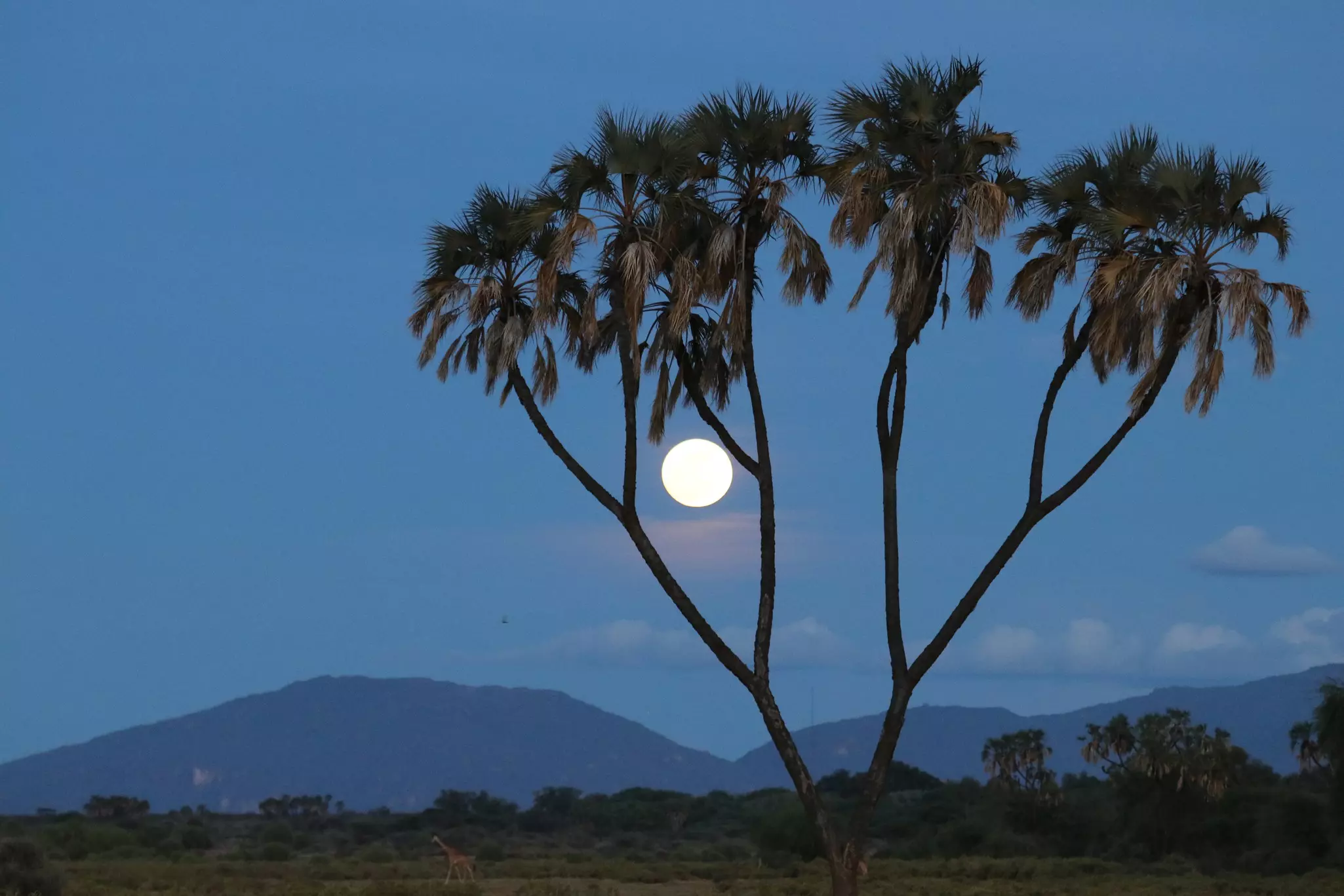
Basecamp Samburu offers a unique excursion: searching for scorpions on foot at night. After dark, a guide leads small groups into Samburu's rocky landscape armed with a UV flashlight, revealing a species that is nearly invisible by day. Scorpions suddenly appear glowing against the ground, tucked between rocks and sandy crevices. Searching for scorpions at night may sound intimidating, but the experience is fascinating.
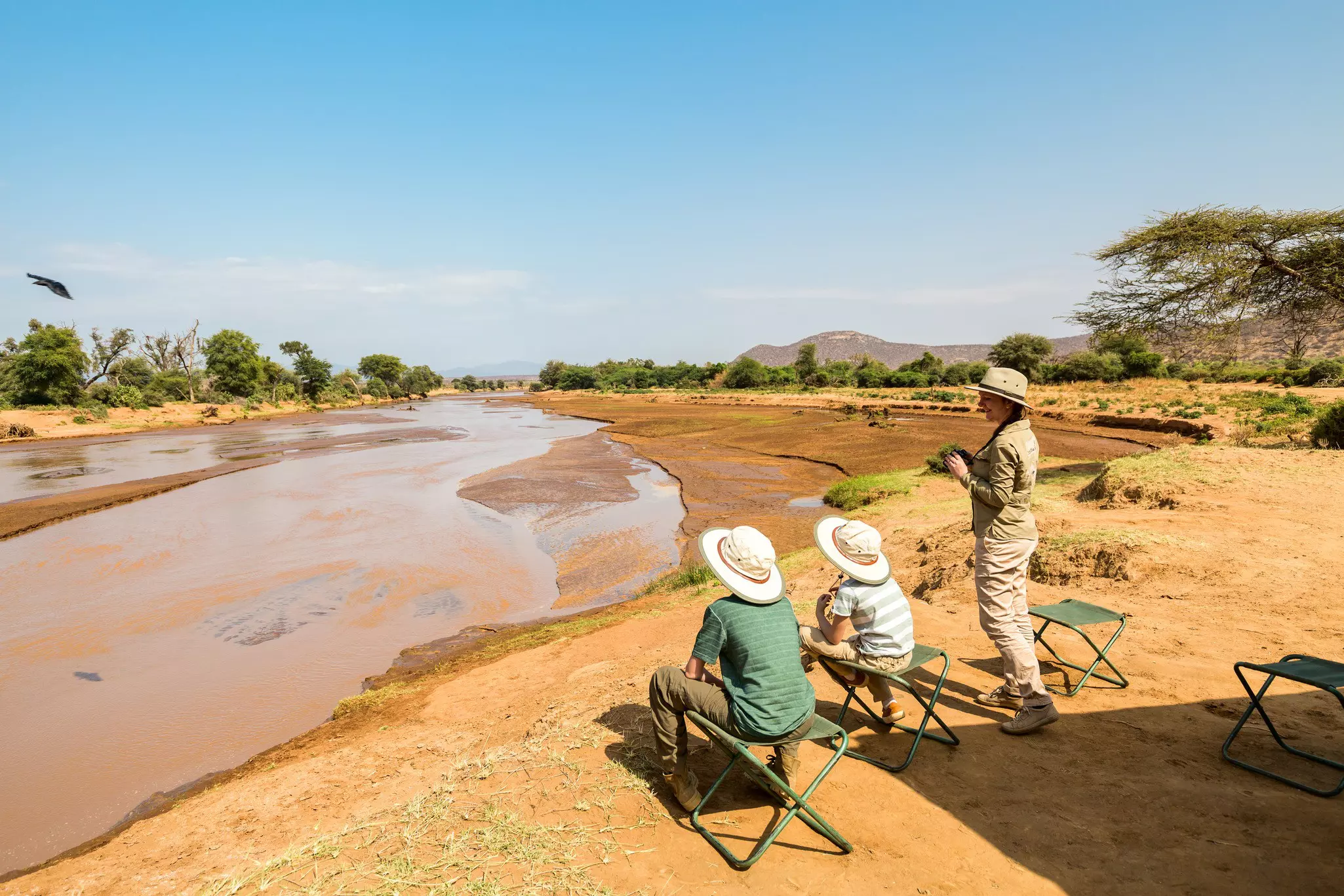
For a closer connection to the landscape, swap the safari vehicle for a guided bush walk in Kalama Conservanc y. Led by experienced guides and accompanied by trained rangers, these walks focus as much on the smaller details as they do on the wildlife itself – from native plants and animal tracks to traditional Samburu knowledge of the land. Wildlife sightings are possible, but the real draw is seeing the bush at ground level from the perspective of the people who call the land home.
Make it happen: Saruni Basecamp runs a collection of 13 camps across Kenya, with most staff hired from nearby local villages. Their model keeps tourism dollars in the community, funding jobs, education, healthcare, and wildlife protection, including anti-poaching and conservation work.
Explore related stories