Sep 20, 202611 min read
A Cultural Guide to Abu DhabiSep 20, 2026
11 MIN READ
Writer
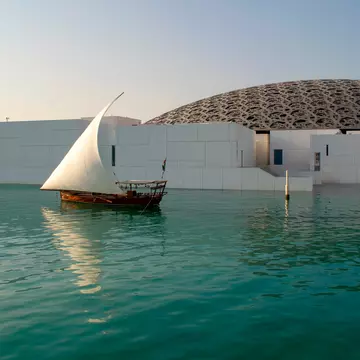
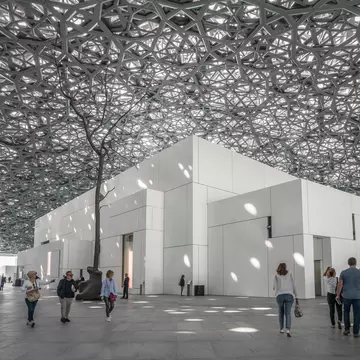
The latticed dome of the Louvre Abu Dhabi museum. Oleg GawriloFF/Shutterstock

Writer
Lonely Planet may earn a commission from affiliate links on our site. All recommendations and reviews reflect our own independent opinions.
With its towering skyscrapers and air-conditioned shopping malls, Abu Dhabi is the vision of a modern Gulf State – rivaling Dubai as a showpiece for the remarkable transformation of the United Arab Emirates (UAE) since oil was discovered here in the 1960s. But this is also a city rich in culture.
Like Dubai and Doha, Abu Dhabi has taken great pains to bring its Arabic heritage to the fore, filling its downtown districts with architectural landmarks inspired by Islamic geometry, the desert, and the ocean that kept the pre-oil emirate supplied with fish and pearls.
Abu Dhabi has also opened its doors to international culture, with world-class museums affiliated with cultural powerhouses such as the Louvre in Paris. Alongside homegrown cultural institutions such as the Zayed National Museum and historic sites such as the Qasr Al Hosn fortress, the result is a city with depth; this is more than just a stopover on the way to somewhere else.
Abu Dhabi's culture, of course, extends to the many international workers who call the city home. Dining here is like a world tour of global cuisines – restaurants and food trucks serve Punjabi, Pakistani and Afghani kebabs, and Filipino seafood and Ethiopian injera (flatbread with sauces) take their place alongside Italian pizzas, five-star gastronomy and the traditional food of the Gulf.
If you're looking for a memorable Middle Eastern break, here's our guide to getting the best from a culture-focused visit to Abu Dhabi.
Even if you intend to spend much of your time inside museums and cultural institutions, consider the climate when planning your trip to Abu Dhabi. While you'll find air-conditioning everywhere, summer temperatures can exceed 42°C (108°F) and the high humidity can make things quite uncomfortable.
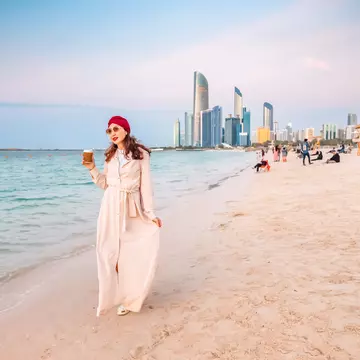
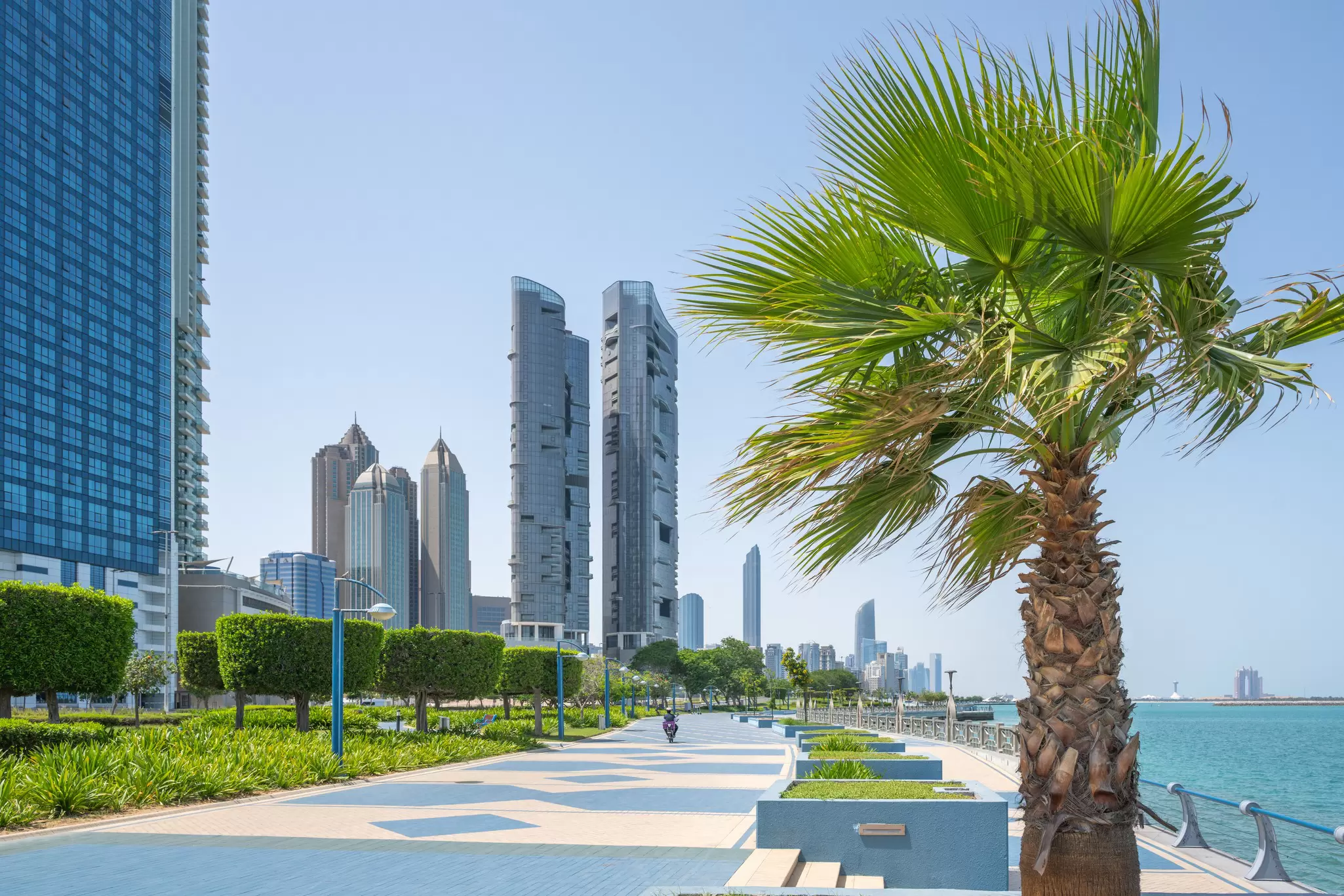
November to March is the best time to explore Abu Dhabi, both indoors and outside, though prices reach their peak. Temperatures are mild enough to enjoy time on the beach, promenade along the Corniche, and explore the boardwalks of Mangrove National Park, in between trips to the city's museums and monuments.
The shoulder-season months of March, April and October offer a good compromise – less humidity than the summer, and lower prices and smaller crowds than in winter. However, be aware that spring storms can sometimes cause problems – severe thunderstorms in April 2024 led to deadly floods in several parts of the UAE.
Many people spend just a day or two in Abu Dhabi as part of a layover while traveling between Europe and Asia or Australia, but if you're here for the culture, allow 3 days or more to enjoy the museums and sights. If you're only making a brief stop, local tour agencies offer layover itineraries that will zip you around the top museums and monuments before dropping you back at the airport.
Getting to Abu Dhabi is easy; hundreds of flights land daily at Zayed International Airport, the hub of Etihad Airways. It's also possible to travel to the emirate by road from other parts of the UAE, and Etihad Rail trains are due to start running to Dubai and Sharjah by early 2027.
On arrival, getting around is a breeze. From the airport, you can reach the center by taxi or rideshare (with Uber and Careem) or take the bus – route A1 goes to the Al Zahiyah neighborhood while route A2 goes to Sheikh Zayed bin Sultan St in the center. Abu Dhabi railway station is in Mohamed Bin Zayed City, about 31km southwest of the center; the MR1 and MR2 buses connect to downtown.
For sightseeing, inexpensive air-conditioned buses run across the city – see the Abu Dhabi Mobility website for schedules. Alternatively, you can take taxis, rideshares, or water taxis along the coast between the islands. A hire car isn't really needed in the center, but the local bikeshare scheme (bookable through the Careem Bike app) is handy for exploring the Corniche – if it isn't too hot!
Abu Dhabi has always been proud of its history as a center for shipbuilding, fishing and pearl-harvesting, but today, the city is also a rising hub for the arts. Here are our favorite cultural experiences.
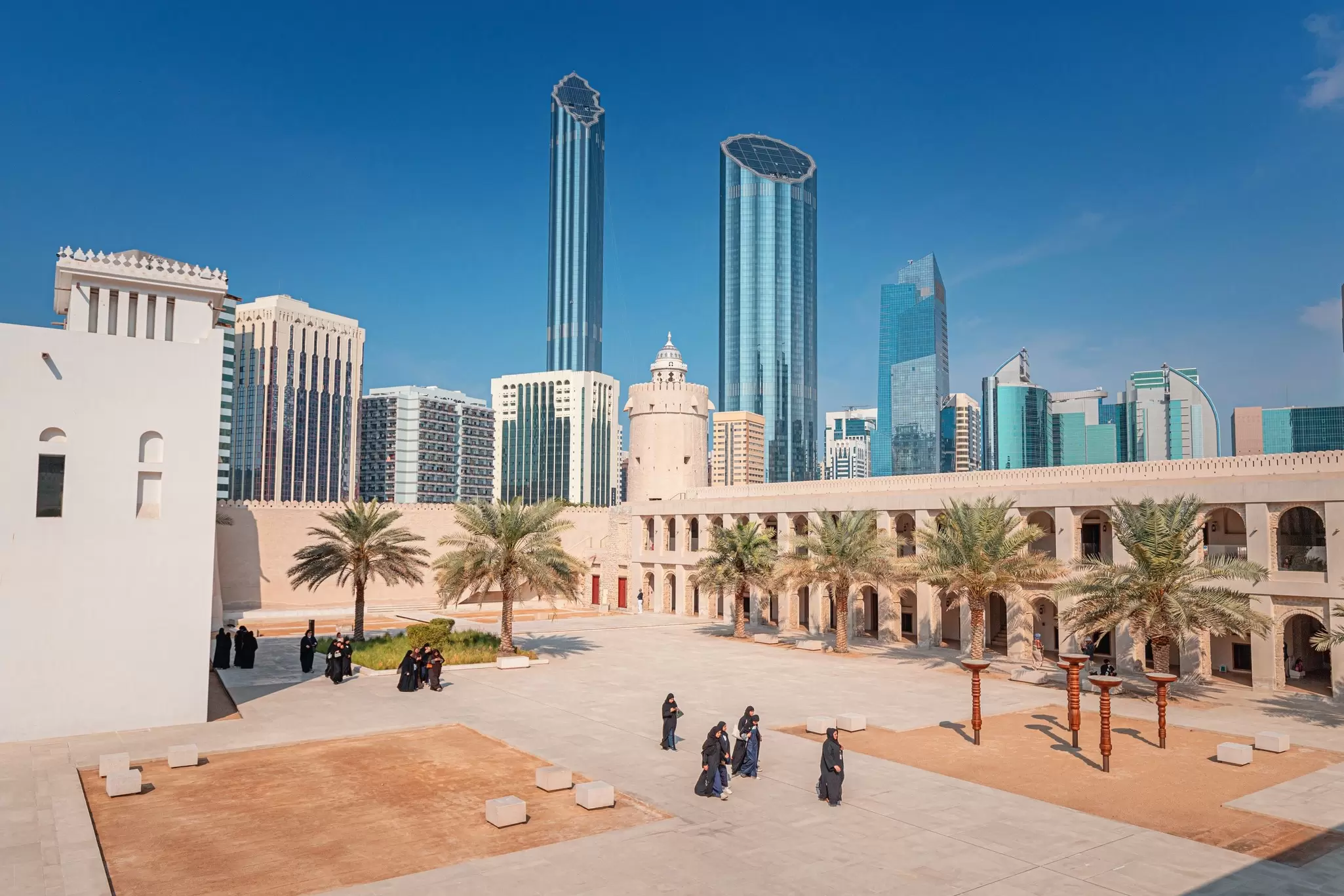
Abu Dhabi may be known for its glass towers, but the fortress of Qasr Al Hosn is where the city’s story begins. At its center is a stone watchtower built in 1760, which once guarded the island’s only freshwater well. Also here are the fortified former home of the ruling Al Nahyan family, a center for traditional Emirati crafts and a contemporary cultural center.
Be sure to check out the displays on influential Abu Dhabi women, the restored reception rooms of the royal palace, and the craft demonstrations, where Emirati women intertwine spools of thread to create silver talli (traditional embroidery). The attached Cultural Foundation hosts a busy schedule of performances and creative workshops.
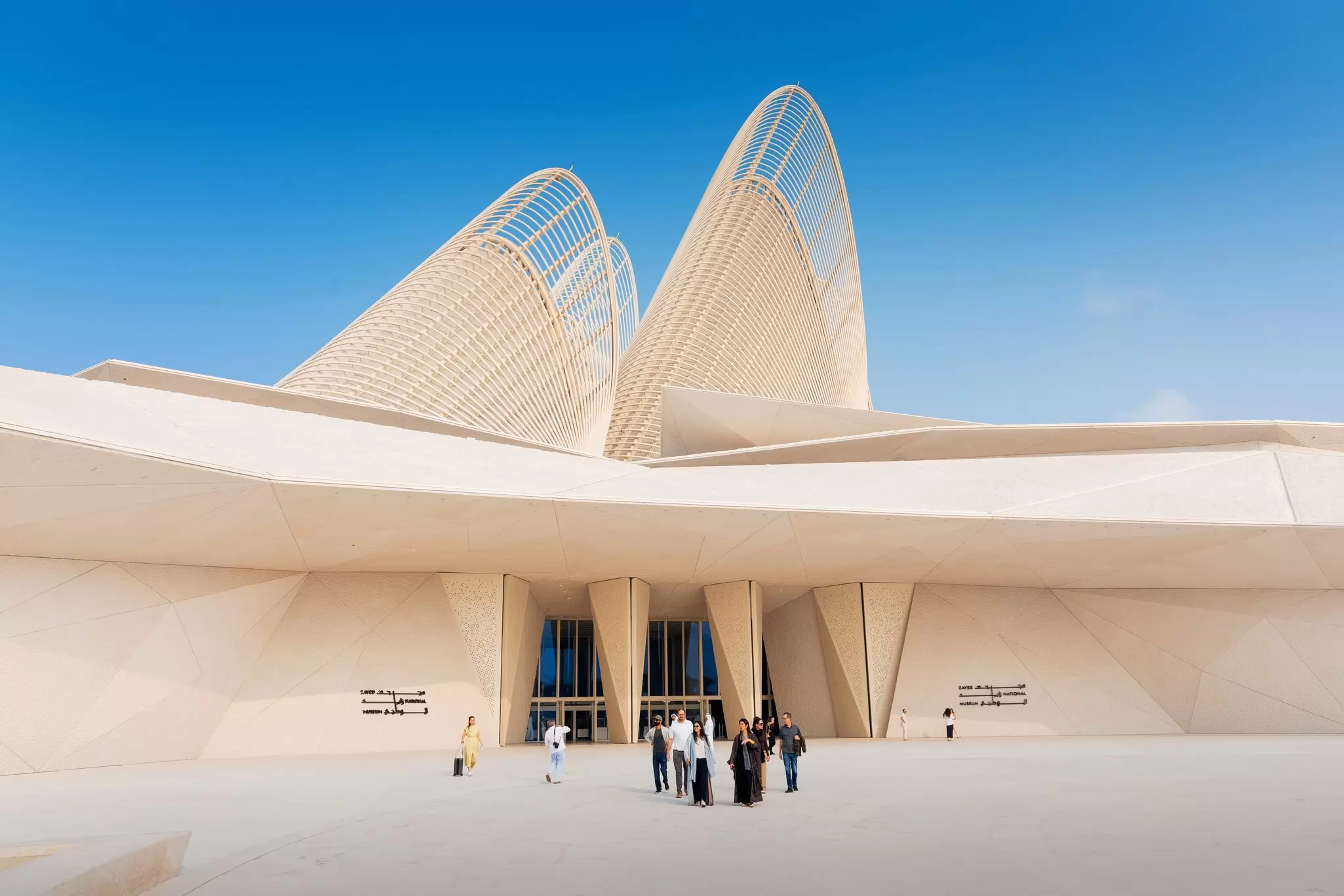
Opened in December 2025, the gleaming Zayed National Museum showcases the history
and culture of the UAE. Designed by Norman Foster, the falcon-winged building houses galleries tracing 300,000 years of human habitation on the Arabian Peninsula, along with the personal story of Sheikh Zayed, the country’s founder.
Start outdoors in the Al Masar Garden and learn about the emirate's ancient history, before exploring how Sheikh Zayed propelled this coastal oasis into the 21st century. As an added plus, the museum has a strong focus on accessibility, with tactile displays, sensory maps and sign language tours.
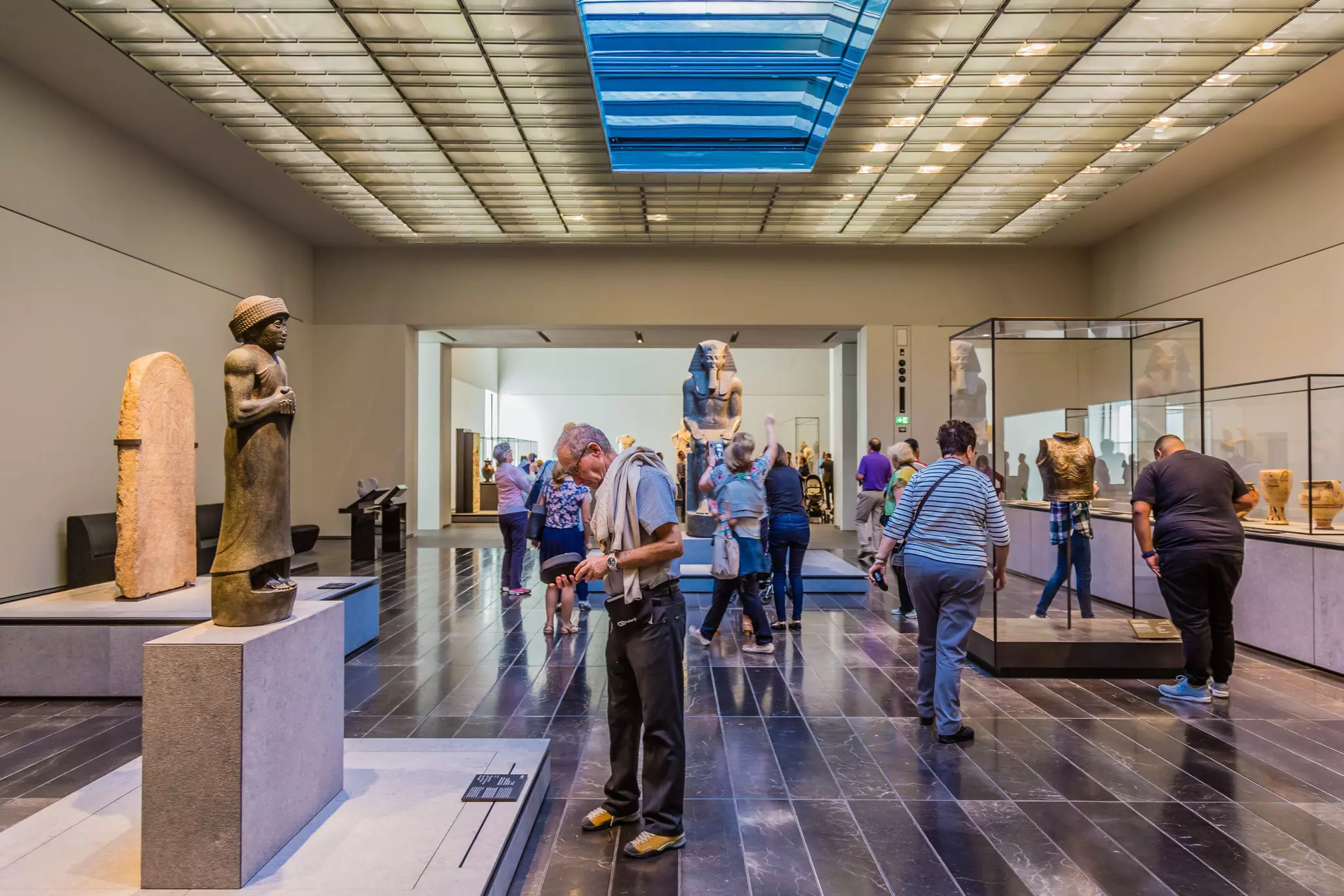
More than just a branch of the Paris museum, Louvre Abu Dhabi is an iconic work of contemporary architecture, with a 7600-tonne geometric steel dome designed by Pritzker Prize–winning architect Jean Nouvel. Inside, 23 galleries showcase cultural achievements from around the world, featuring art, artefacts, sculptures and manuscripts that span thousands of years of human history.
The permanent collection is supplemented by works on loan from the Musée d’Orsay and Centre Pompidou in Paris, and the Department of Antiquities of Jordan. Standout pieces include a serene Gandharan Buddhist statue from Pakistan, a Roman sculpture of the emperor Augustus, an intricate 18th-century brass astrolabe by Muhammad ibn Ahmad Al-Battuti and Rembrandt’s intimate Study of the Figure of Christ.
Inspired by the deserts that surround Abu Dhabi, the city's Natural History Museum traces 13.8 billion
years of planetary history from a distinctly Arabic perspective. The building, which resembles a wind-carved rock formation, rises from Saadiyat’s sandy coastline, displaying dinosaur fossils, meteorites and suspended whale skeletons.
The star of the show is Stan, one of the most complete Tyrannosaurus rex skeletons ever discovered, displayed mid-battle with a rival over a fallen Triceratops. But the museum's greatest strength is the space it gives to the region’s geology, biodiversity and climate.
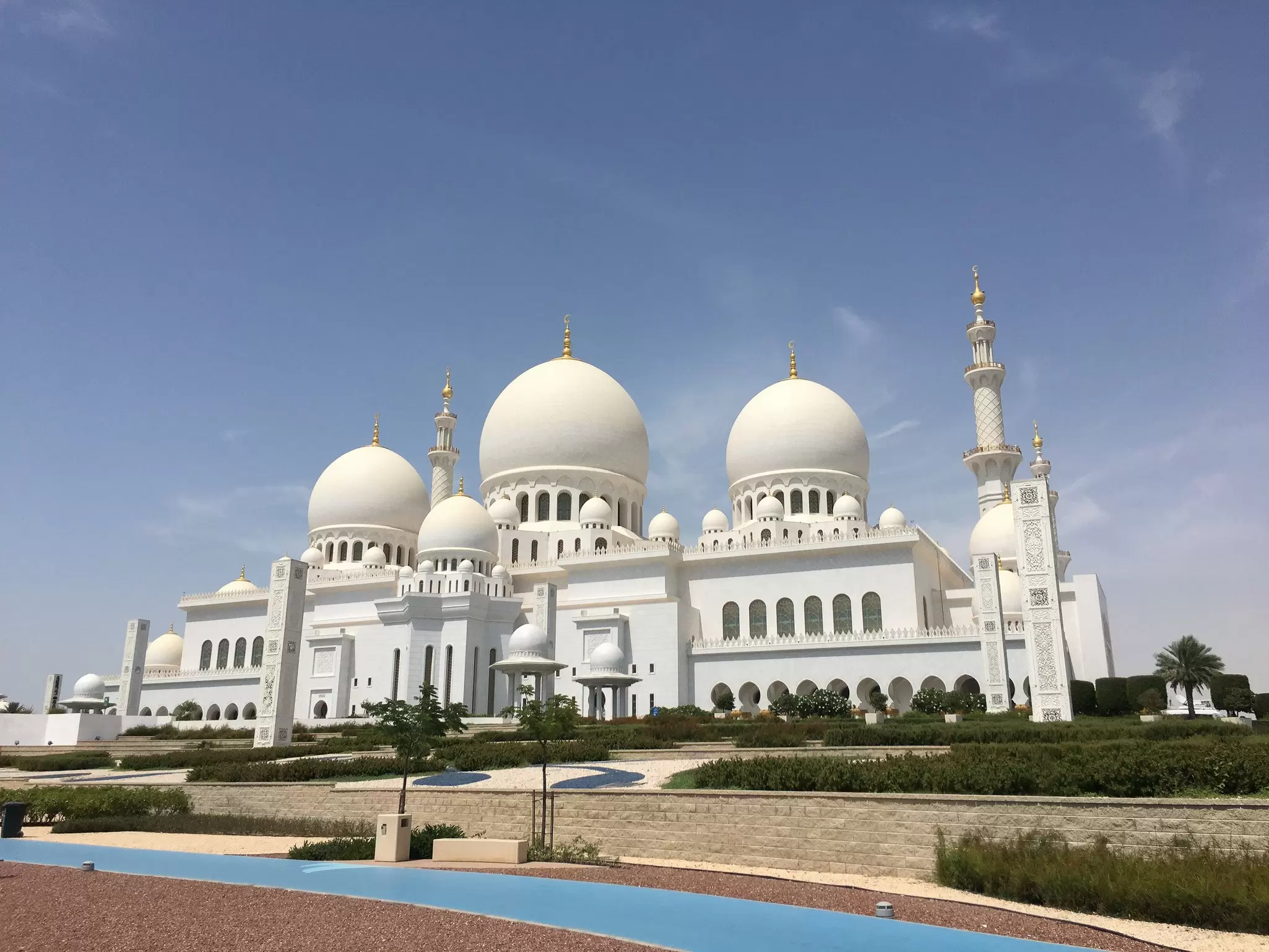
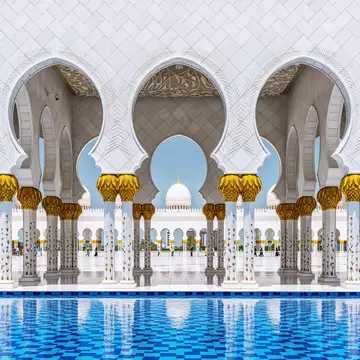
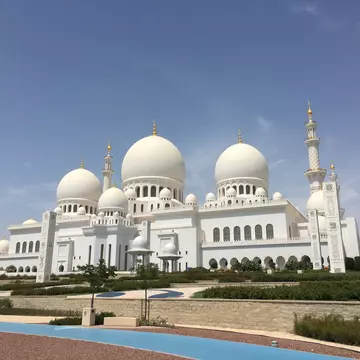
It’s easy to see why the Sheikh Zayed Grand Mosque is one of Abu Dhabi’s defining landmarks. The vision of the UAE’s founding father, Sheikh Zayed bin Sultan Al Nahyan, this treasured symbol of the nation is also his final resting place. Vast in scale yet intricate in detail, it's a space where Muslims gather for daily prayer. Visitors of all faiths can visit to observe the city's spiritual life.
You'll enter via an underground visitor concourse lined with exhibition panels explaining Islamic culture and mosque etiquette, before reaching the cavernous prayer hall with its intricate inlay work, car-sized chandeliers and enormous hand-knotted carpet. The vast scale of the Grand Mosque only lands once you step outside to view its 82 marble domes, 106m-high minarets and acres of gleaming white marble.
Founded in 2013 by Emirati collector Khalid Seddiq Al Mutawa and German-Syrian collector Mohammed Khalil Ibrahim, the Etihad Modern Art Gallery operates from a quiet villa compound in Al Bateen. It was one of the first independent galleries in the UAE to stage a large-scale exhibition overseas, showcasing the output of Emirati artists.
The gallery has six exhibition halls and runs rotating shows featuring works that include painting, sculpture, mixed media and photography by local creatives. The gallery also hosts regular workshops, poetry evenings and cultural talks – check the website to see what is on.
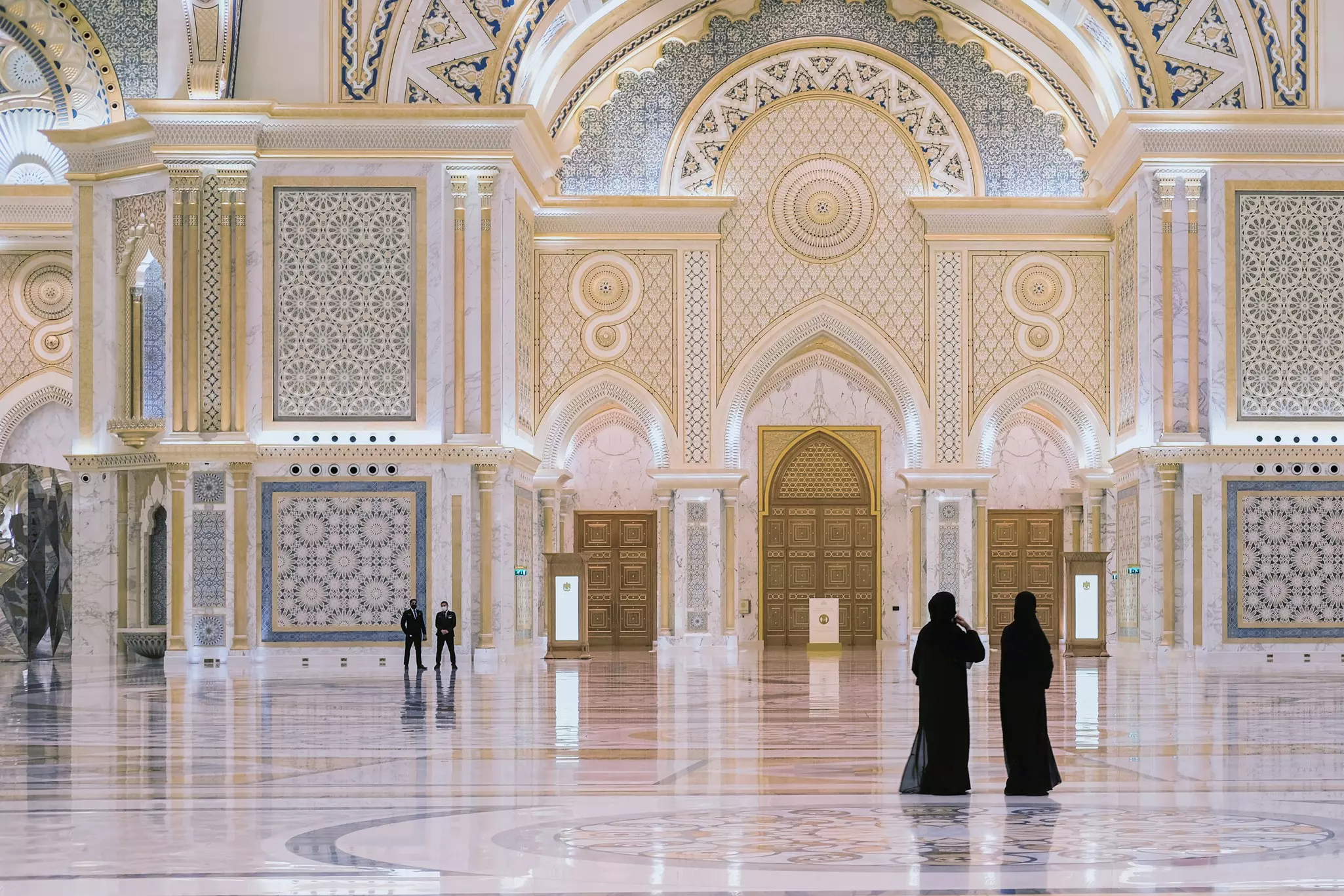
Set among landscaped gardens inside the 380,000-sq-metre Presidential Palace complex, the Qasr Al Watan (Palace of the Nation) was opened to the public for tours in 2019 to shine a spotlight on the achievements of the UAE. Touring this working palace offers a glimpse of how Abu Dhabi presents itself on the world stage
Visiting heads of state and dignitaries are greeted by vast meeting rooms and banquet halls full of gleaming white stone, soaring domes, dangling chandeliers and inlaid floors. It's a far cry from the days when early diplomats and emissaries to Abu Dhabi were received in the stone-walled fort, or in low-rise barasti residences made from mangrove poles and woven palm fronds.
Celebrating the shared beliefs of the great Abrahamic faiths, the free-to-explore Abrahamic Family House on Saadiyat Island brings together three houses of worship – a mosque, church and synagogue – in a single complex filled with religious symbolism, designed by Ghanaian-British architect Sir David Adjaye.
It offers a thoughtful introduction to the emirate's inclusive approach to faith. The Eminence Ahmed El-Tayeb Mosque faces Makkah (Mecca), while the vault in the St Francis Church faces east and the Moses Ben Maimon Synagogue faces Jerusalem. Visitors can explore independently, but the free guided tours provide architectural and theological context.
Note that the complex was temporarily closed in 2026 due to security threats from the conflict in Iran. Check locally to see if it has reopened. If you are able to visit, be sure to follow the guidelines on appropriate clothing.
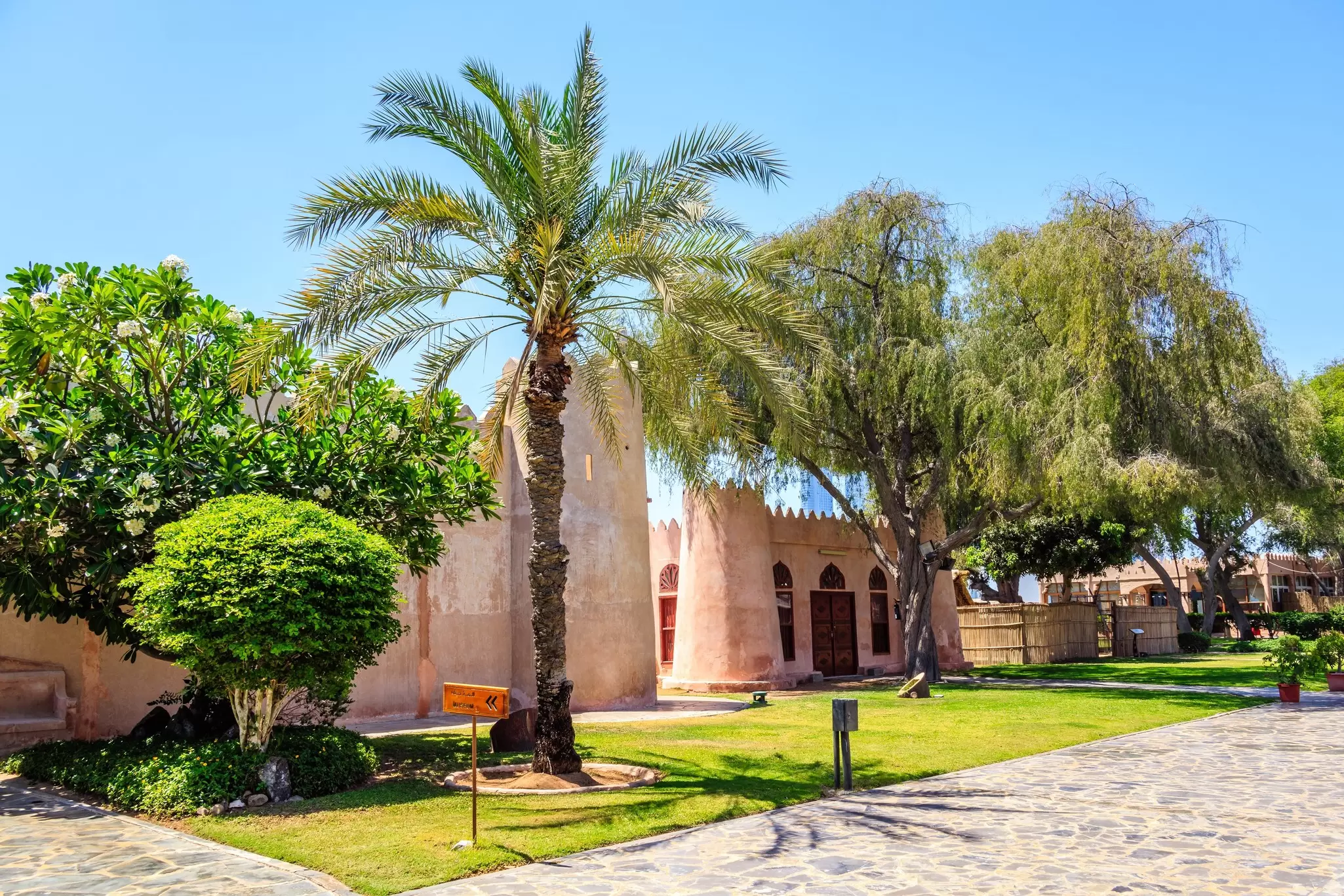
If you’re curious about life in the Emirati capital before the discovery of oil, a quick stop at the free-to-visit Heritage Village is worth your time. This reconstructed fortified village contains museums, exhibition spaces, a souq and a mosque, with displays of old photographs documenting life in the emirate, weapons, traditional clothing, footwear, silver jewelry, manuscripts, old coins and more.
Of particular interest are the traditional Bedouin tents woven from goat hair, and a reconstructed barasti home where you can experience the natural ventilation of this traditional style of Gulf architecture. Check out the views across the water, with glinting high-rises rising above a collection of pearl-diving dhows.
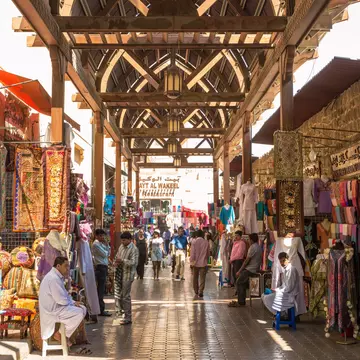
Shopping at the souq (market) is the embodiment of tradition in the Arabian Peninsula, but Abu Dhabi’s original central market was destroyed by fire in 2003. It's worth exploring its contemporary replacement – the World Trade Center Souk – to see how city officials have updated the traditional Arabic marketplace for the modern age.
Designed by British architect Norman Foster, the market's narrow corridors are lined with dark timber latticework and stained-glass panels, while rooftop perforations filter sunlight into shifting geometric patterns across the tiled floors. You'll still find people shopping for everything from frankincense and embroidered pashminas to jewelry, carpets and colorful jalabiyas (traditional kaftans worn in the Gulf).
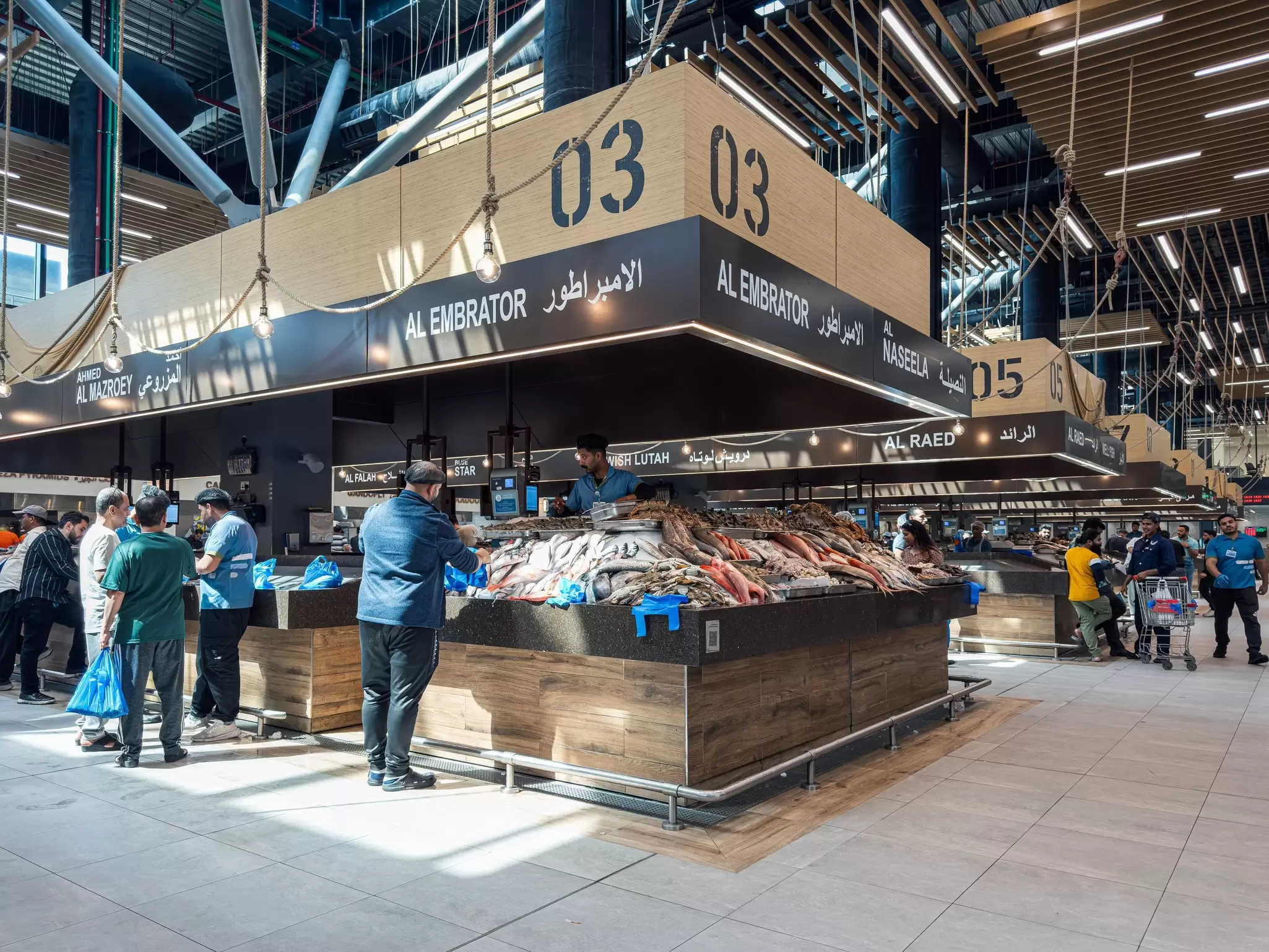
I pass through Abu Dhabi often en route to India and other parts of Asia, and I recommend dipping into the city's melting pot of culinary cultures. The South Asian food here is second to none, and you'll also find restaurants serving blisteringly authentic dishes from across Asia, Africa, the Middle East and beyond. Start grazing downtown around Hamdan bin Mohammed St and Hazaa Bin Zayed The First St (Defence Rd) – good spots for food from India, Pakistan, Egypt and Lebanon. The port area of Mina Zayed is also worth a visit for fresh-from-the-boats seafood – you'll find several excellent seafood restaurants near the fish market. - Joe Bindloss, Lonely Planet
Abu Dhabi is similar to other parts of the Gulf when it comes to travel costs. A budget of around 500 Emirati dirhams (Dhs) per day will be enough for a budget stay, covering hostel accommodation, local-style restaurants and museum entry fees. For mid-range accommodation and more upmarket meals, raise that to Dhs750 or more. Here are some typical costs in Abu Dhabi.
A double room at the Sheraton Khalidiya Hotel: from Dhs550
A dorm bed at Lunar Hostel: from Dhs90
A single bus ticket: Dhs2–5
A cup of coffee at Espresso Lab: around Dhs20
Chicken shawarma (grilled chicken in a flatbread) at Al Ajaweed: from Dhs8
An Emirati main course at Al Mrzab Traditional Restaurant: from Dhs65
A pint of craft beer at Adam's Beer Kitchen: around Dhs40
Entry ticket to the Louvre Abu Dhabi museum: Dhs70
Explore related stories