Nov 27, 202511 min read
The Ultimate 5-Day Jordan ItinerarySep 25, 2025
8 MIN READ

Writer
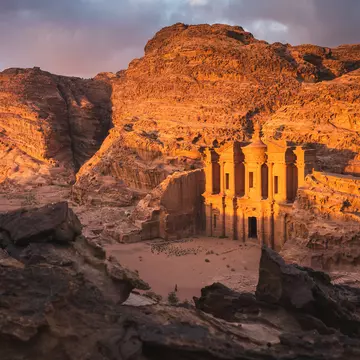
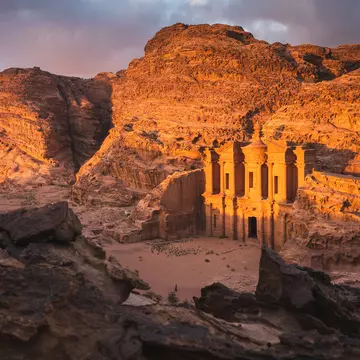
The ancient city of Petra at sunrise, Jordan. Punnawit Suwattananun/Shutterstock

Writer
Lonely Planet may earn a commission from affiliate links on our site. All recommendations and reviews reflect our own independent opinions.
Laid-back, easygoing, and generally ideal for taking the time to explore at your own pace, Jordan offers a wide variety of experiences to cater to any traveler. In particular though, if you’re a fan of expansive panoramas, and if you’re prone to hanging out in ancient ruins, Jordan might be just the place for you. Go from desolate deserts to canyons blooming with life and back via repurposed Roman ruins. Hike, dive, lounge, and fly all over the fantastically old, and always beautiful Jordan. Here are the country's best experiences.
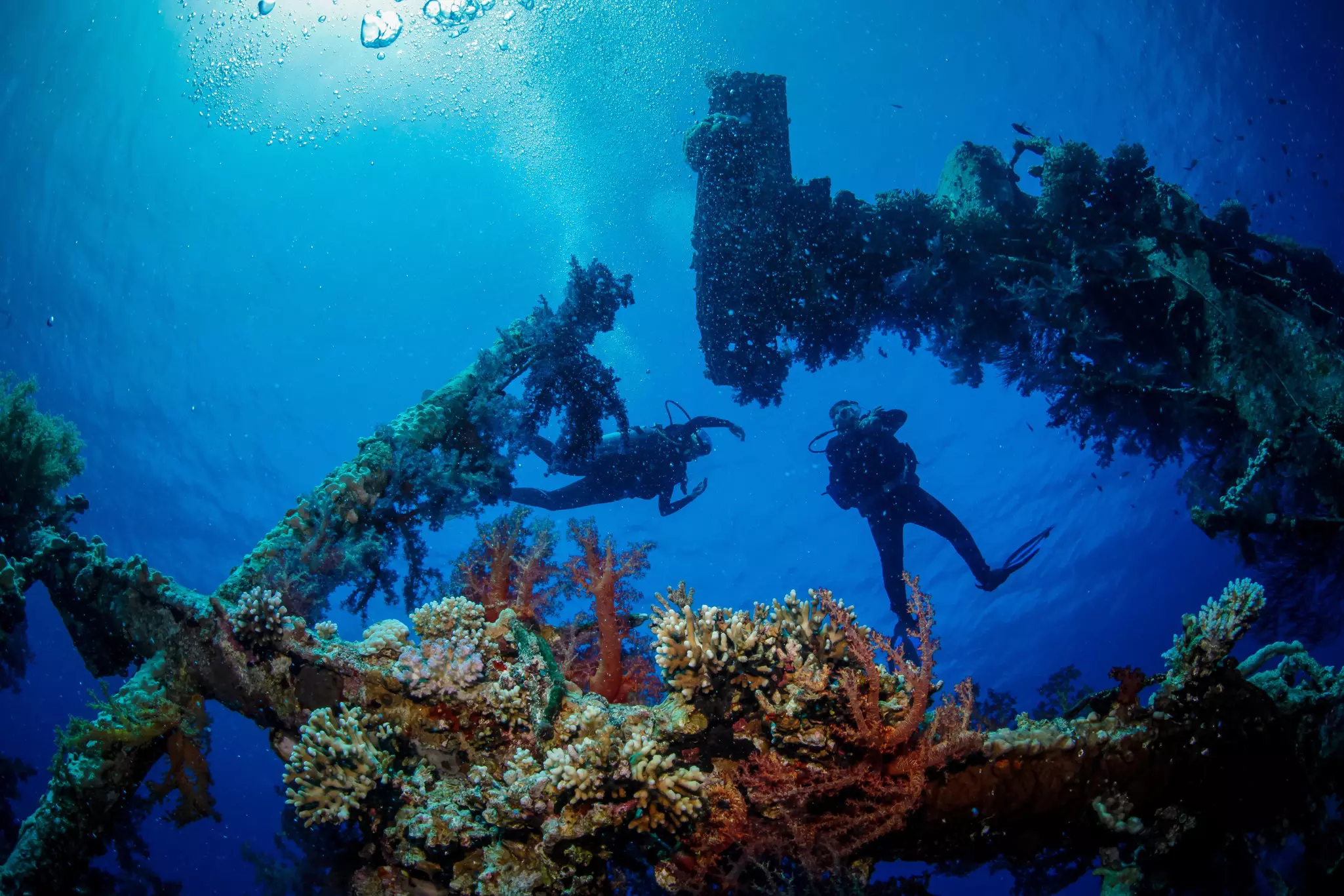
It’s hard to overstress how beautiful the Red Sea is, especially when viewed from the inside. Aqaba in particular has that ideal blend of visibility, warm waters, and diverse marine life that can really remind you why you got your dive qualification in the first place. Lucky divers can spot sea turtles, stingrays, and even whale sharks on shore dives, and even the unlucky ones will still be taken aback by the raw quantity of color along the coral reefs. If you don’t feel like banking on luck, though, go for the dive at Cedar Pride, a purposefully sunk wreck that’s been completely reclaimed by the sea. It’s awe-inspiring in every sense of the term. Snorkelers can enjoy it too as the tip of Cedar Pride can be free-dived.
Planning tip: The Desert Highway back to Amman has a lot of elevation, which may cause an onset of the bends. If you’re in a hurry, take the Dead Sea Highway or, better yet, give yourself 24 hours after diving before heading out.
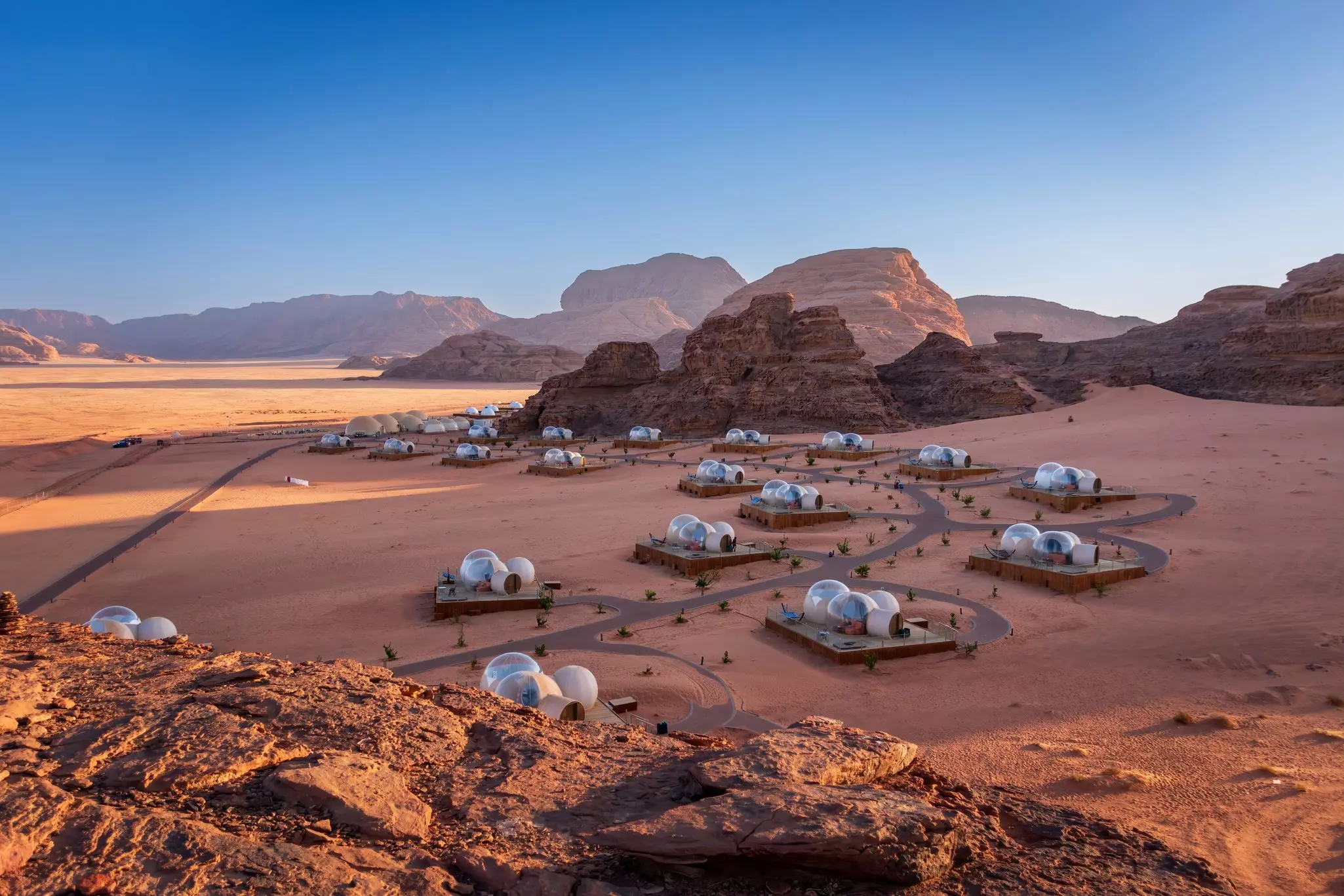
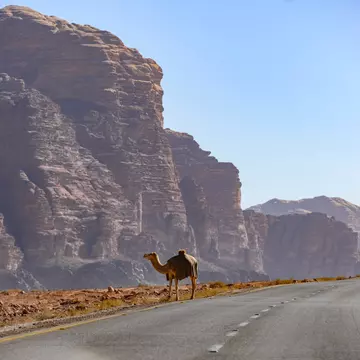
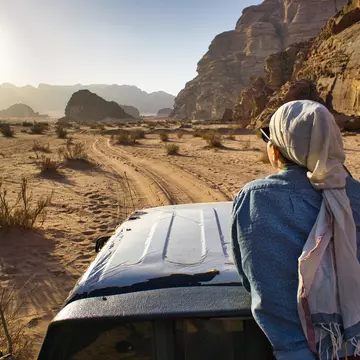
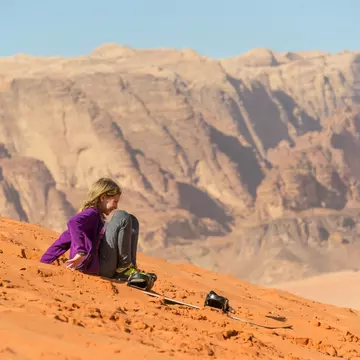
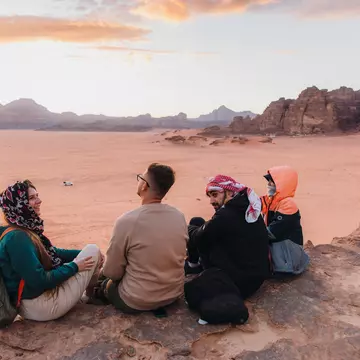
Pretty much every film that seeks to portray a Martian landscape is filmed in Wadi Rum, as well as plenty of movies that simply want some cool desert shots. It’s easy to see why from ground level, as the striking red sands and the wicked rock formations have a solemnity to them that’s truly breathtaking. It’s even easier to see why these filmmakers chose it when you see it from a hot-air balloon. Set out at 5am and watch the sunrise from the sky as it illuminates the rolling desert vistas and try, as hard as you can, to convince yourself that you’re still on planet Earth.
Planning tip: Wadi Rum is best known for stargazing, as the desert conditions, elevation, and lack of light pollution make it ideal for seeing the entire Milky Way, especially when there’s a new moon. Line up your stargazing evening to be followed by a hot-air balloon sunrise trip.
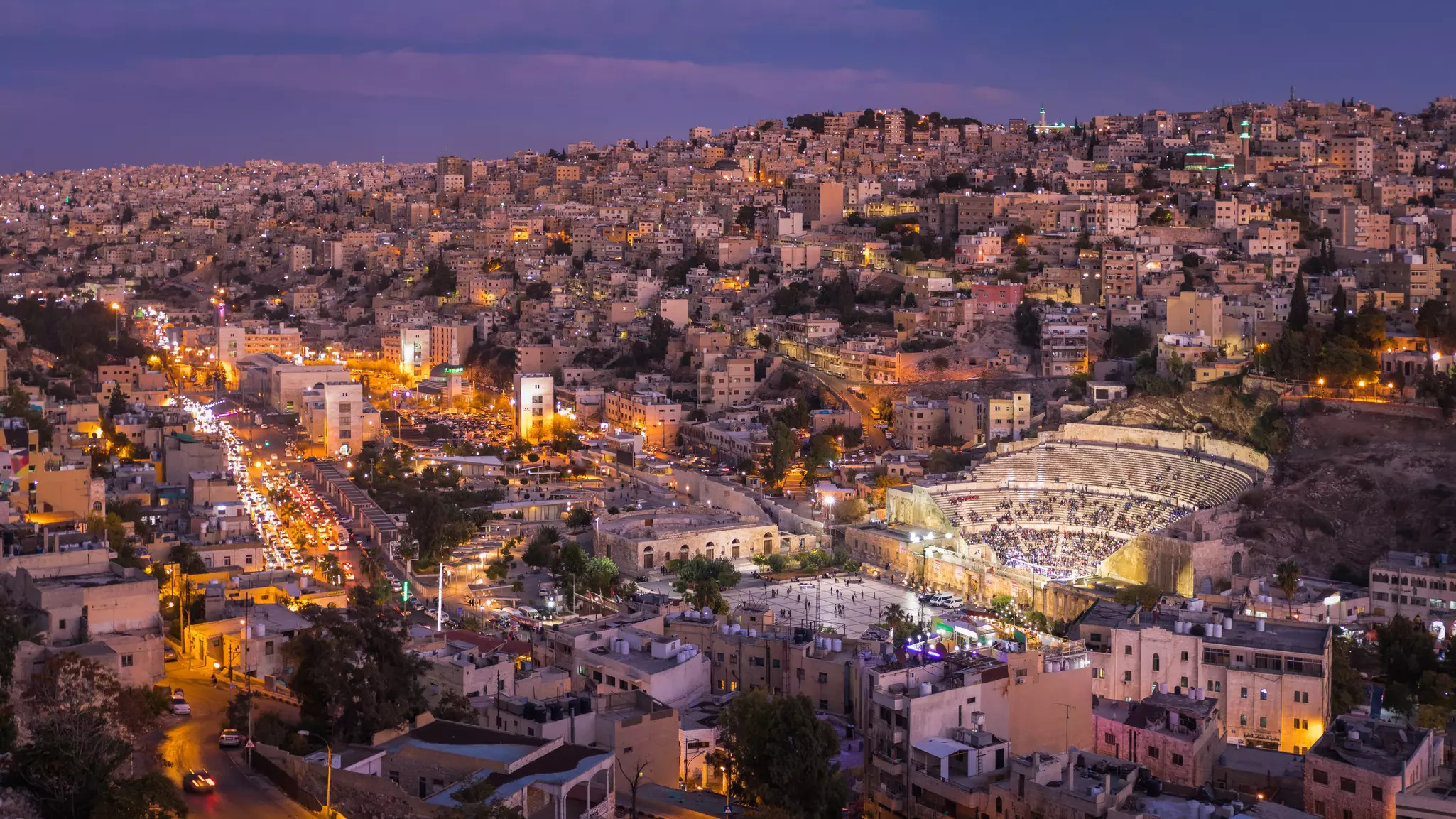
If you get the chance, go see a concert at the Roman Theatre in Amman’s Downtown. The 6000-seat theater is an amazing sight, and the Hashemite Plaza that houses it is a staple destination for local families, with kids sprinting between the paved plaza and the ancient ruins playing football. It takes on a whole other flavor, though, whenever there’s an event. Sit on those stones made smooth by millennia of use and watch this Roman ruin repurposed for today’s music, utilizing the acoustics of the space to produce and share art even to this day.
Local tip: The theater is smack-dab in the center of Downtown, so link this experience with an afternoon exploring this Amman neighborhood. Concerts usually take place in the late evening.
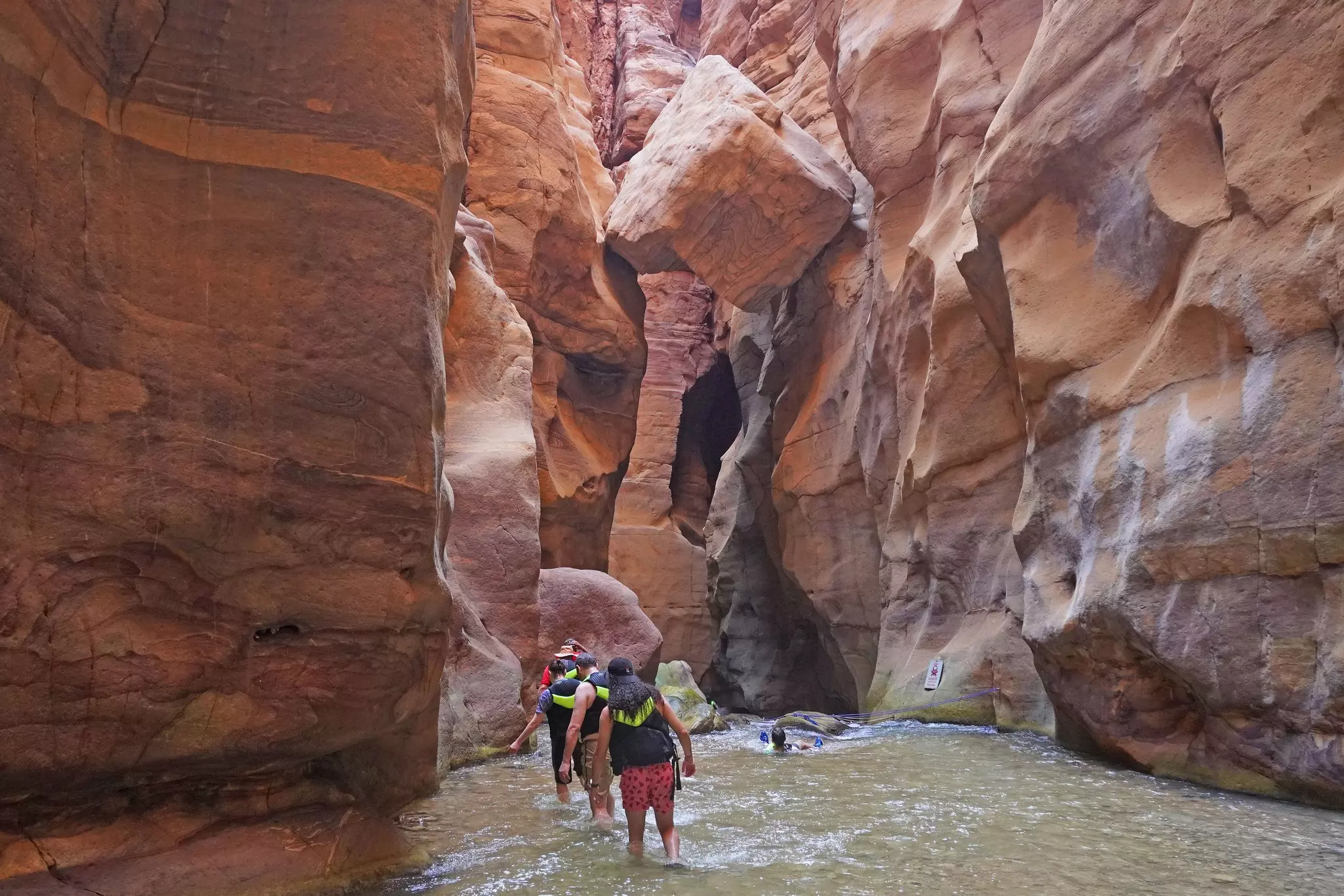
Whether it’s Jordan’s best hike is debatable, but whether it’s the most fun is not. Just off the Dead Sea the watery canyons of Wadi Mujib beckon, replete with waterfalls, wildflowers, and the occasional frog lounging in a stagnant pool. Parts of the trail have ropes to keep yourself from being knocked over by the current, and the hike requires a decent level of fitness, but clambering over the rocks and hopping between the roaring streams on a hot day in the early summer is a fantastic experience.
Detour: Hit up Mujib in the midmorning, or at noontime, then make your way over to the Dead Sea for some well-deserved R&R. If you have cuts on your feet, you will know about it the moment you enter the water.
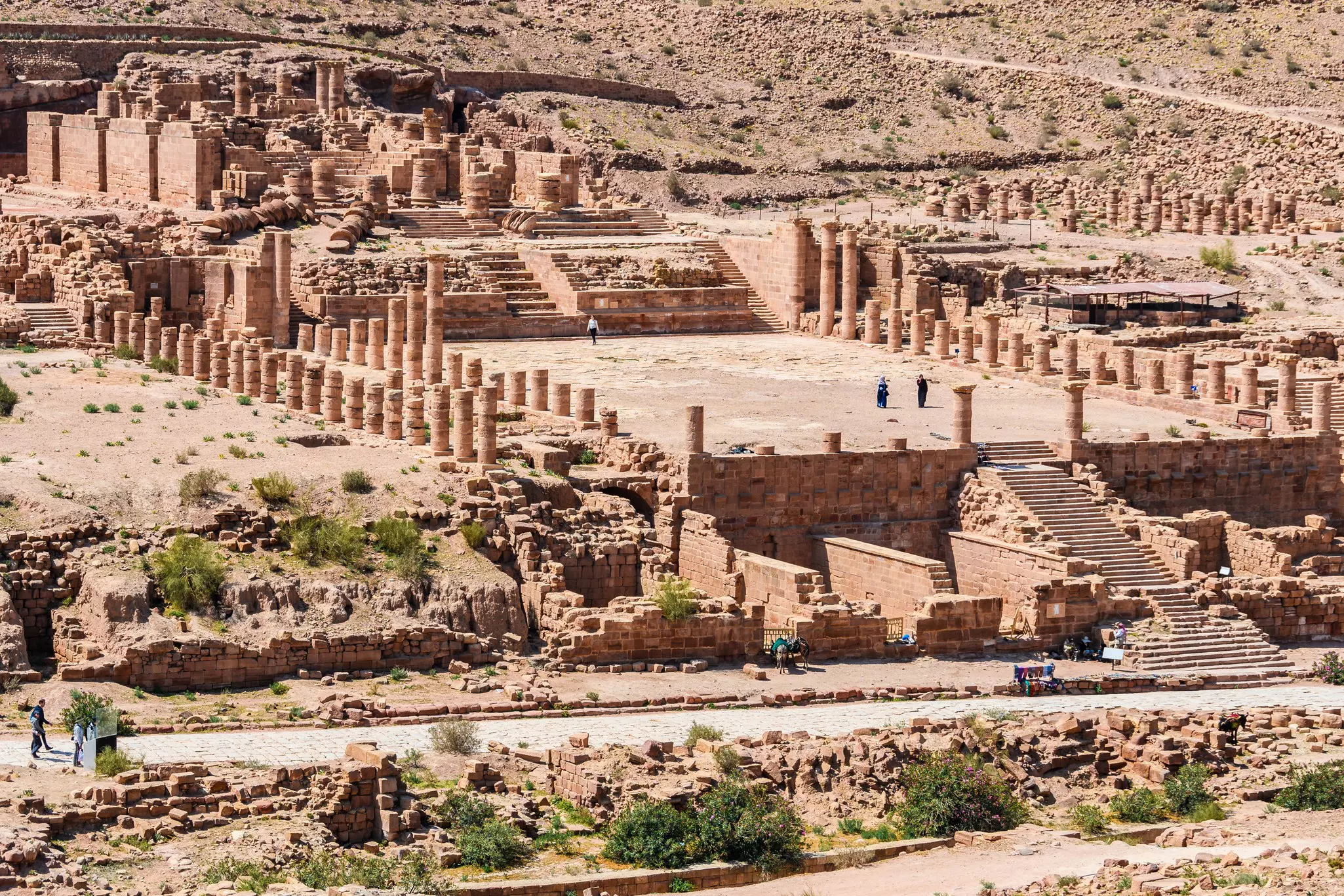
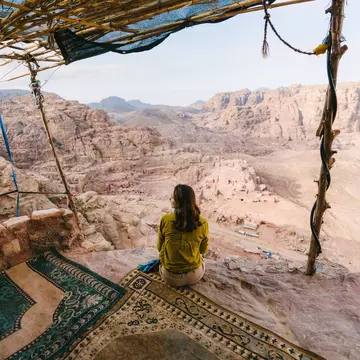
A visit to Jordan is simply incomplete without a trip to Petra. As cool as it may look in photographs, rest assured that it is infinitely cooler to walk between the sheer sandstone walls of the Siq and find yourself agog at the iconic Treasury carved right into the rock-face. The Treasury, by the way, is not the only remaining part of Petra. There is a whole ruined city which can take up to two days to explore, hidden in the desert. The tour guides like to embellish the history a touch with some tall tales, but they’re quite fun to listen to. Try to avoid the unfortunate camels and donkeys that are often mistreated and overworked to transport tourists.
Planning tip: Get the Jordan Pass if you intend to spend more than one afternoon in Petra, as it will essentially pay for itself with just this leg of the trip.
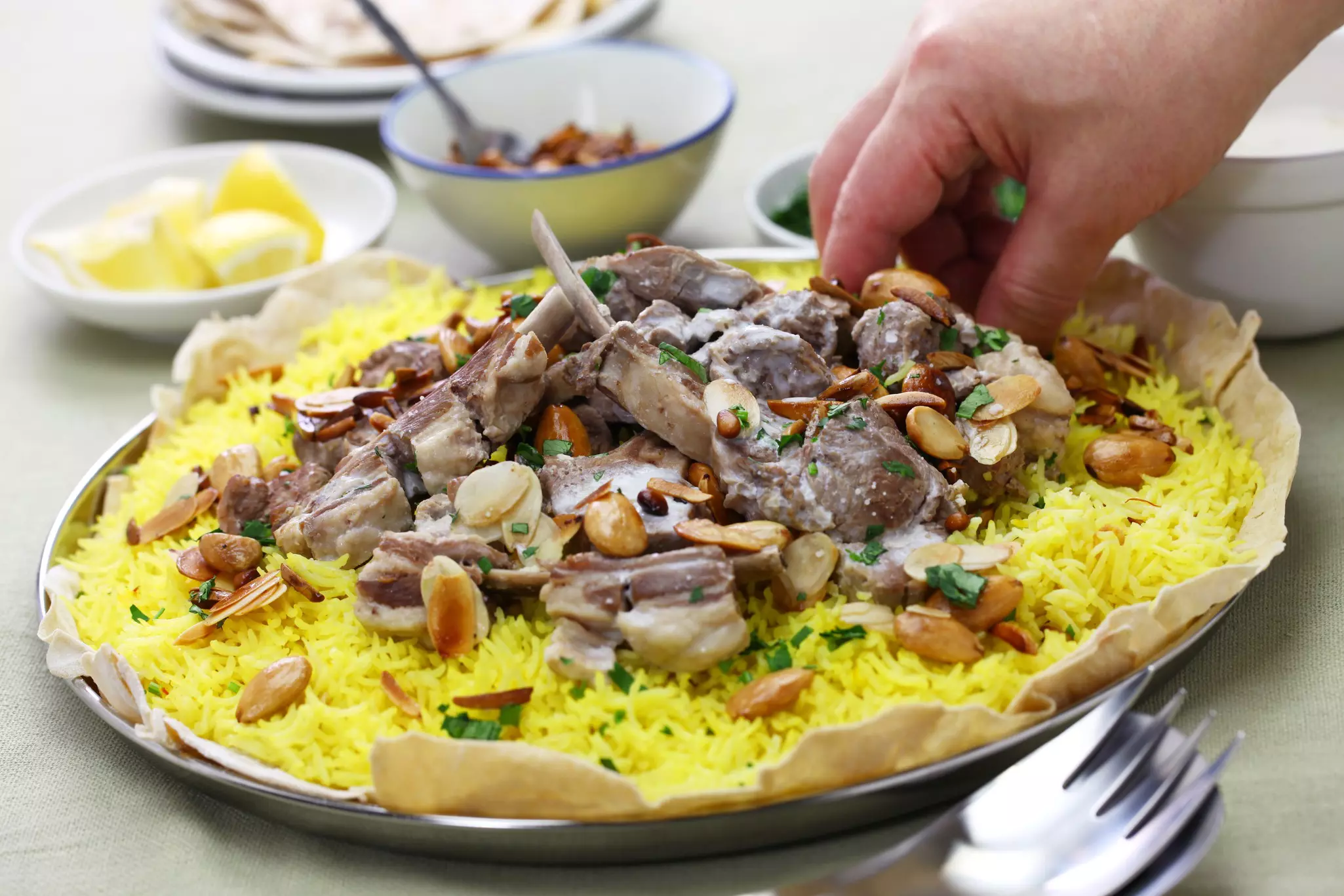
Don't miss tucking into one Jordan’s most popular local dishes, mansaf. It’s served in a large, shared platter covered in rice like a paella, though that’s where the similarity ends. The rice is often coated in samneh, a local spiced ghee which lends it a pale-yellow color, and is topped with chunks of lamb and sprinkled with pine nuts. The dish is then drizzled with jameed, a sort of ewe’s-milk yoghurt and eaten by hand. The best mansaf is found in Karak, and it’s usually even better in rural off-the-beaten-path spots. It’s strongly flavored, rich, salty with powerful umami. Follow your nose and you won’t be disappointed.
Local tip: When eating mansaf it’s traditional to try to roll the rice and meat into a sphere with your right hand (only your right hand). Nobody will judge you if you ask for a spoon though.
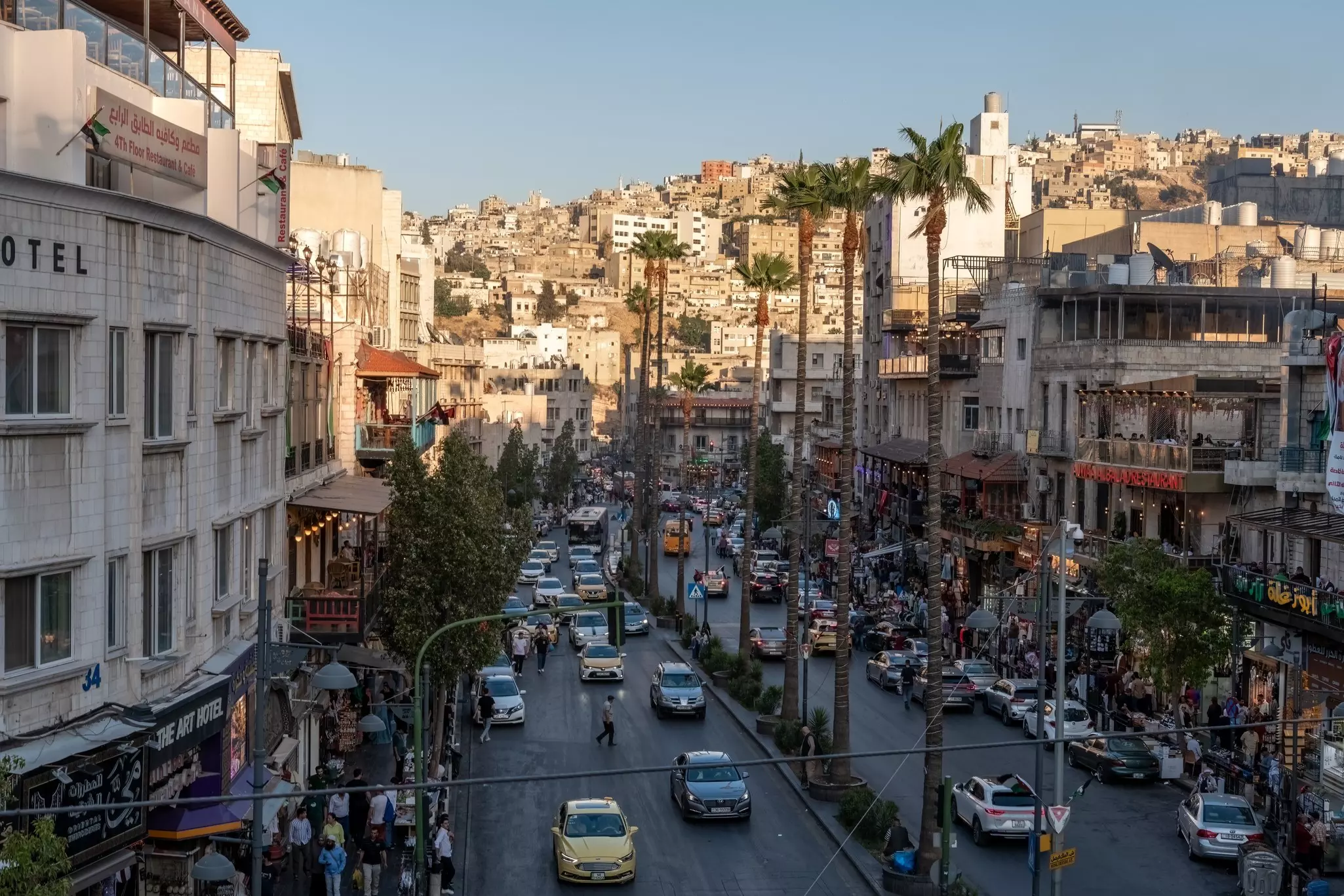
Cafes have been the place to relax, have a smoke, and discuss everything – from politics to whether the thing on Ahmad’s back is infectious or not – since the 18th century all over the Middle East, and Jordan is no exception. They stay open till late, offer shisha, and have an assortment of mostly-complete decks of cards and well-loved (read: partially destroyed) backgammon boards. Make a visit for the vibes and to really immerse yourself in the local Jordanian experience.
Local tip: Find cafes all over the country. In Amman, the neighborhoods of Jabal Amman and Jabal Lweibdeh have some of the cleanest and nicest cafes in the city, which remain local hangout spots. The Downtown cafes can be a touch touristy though.
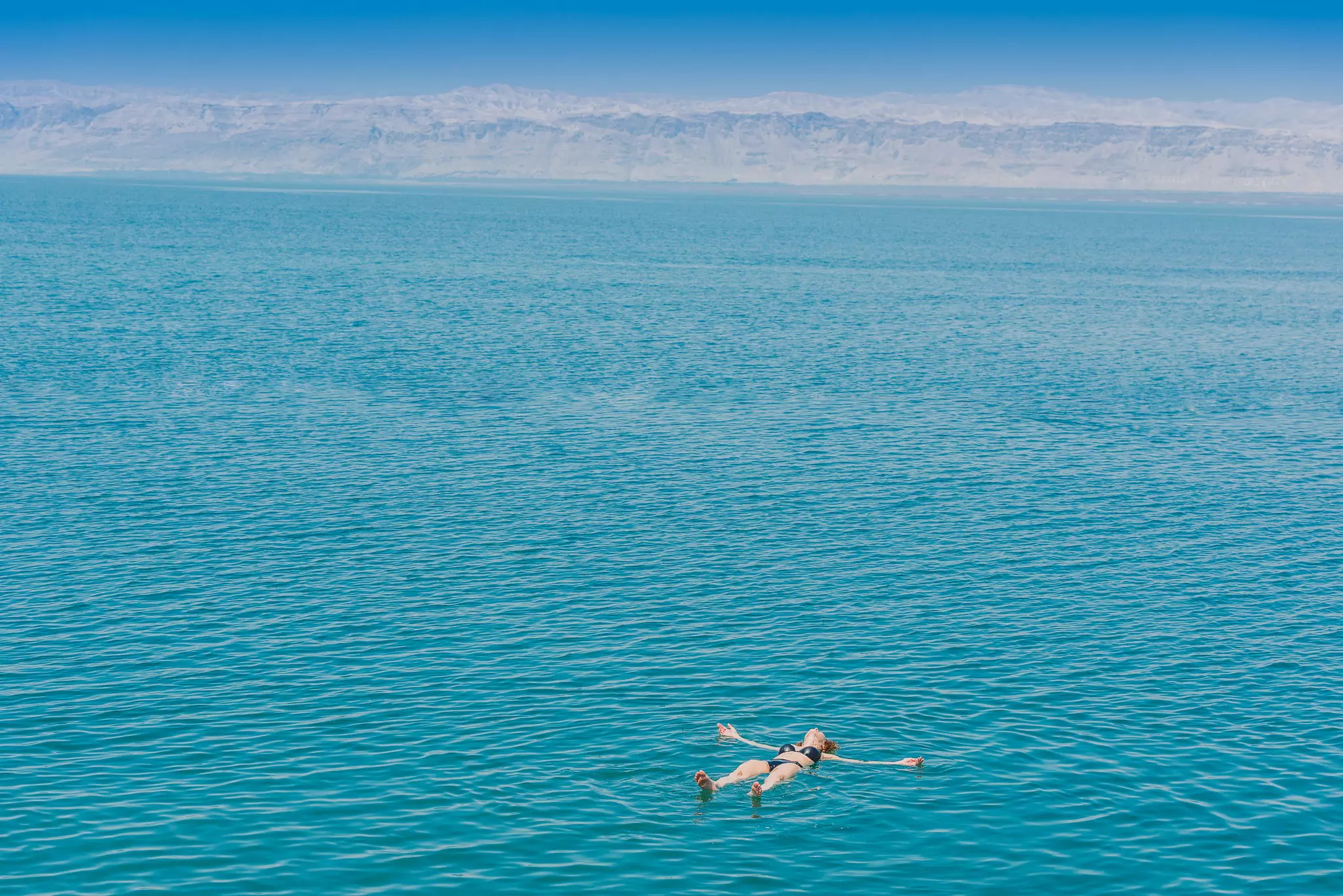
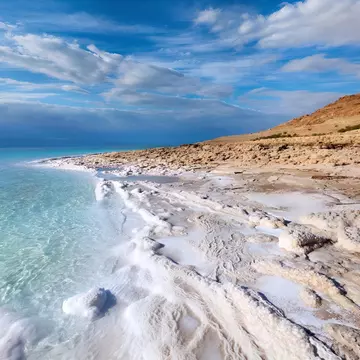
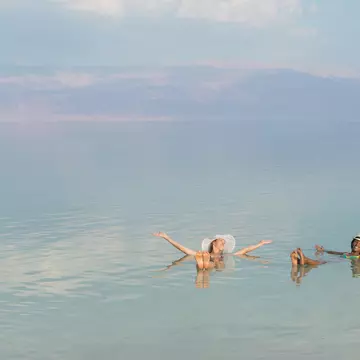
The Dead Sea is weird. There’s really no other way to describe this massive body of water that’s so salty it can make you feel like the cork of a champagne bottle, that tastes absolutely evil, and is believed to heal skin conditions like eczema. Whether you go for the resort experience or the local Salt Beach with its sharp, crystal formations and its pool of mysterious pink liquid, it’s absolutely worth visiting.
Local tip: Solo women travelers should avoid the Salt Beach, and conservative swimwear is strongly encouraged on the public beaches for both sexes. At the resorts, resort rules apply.
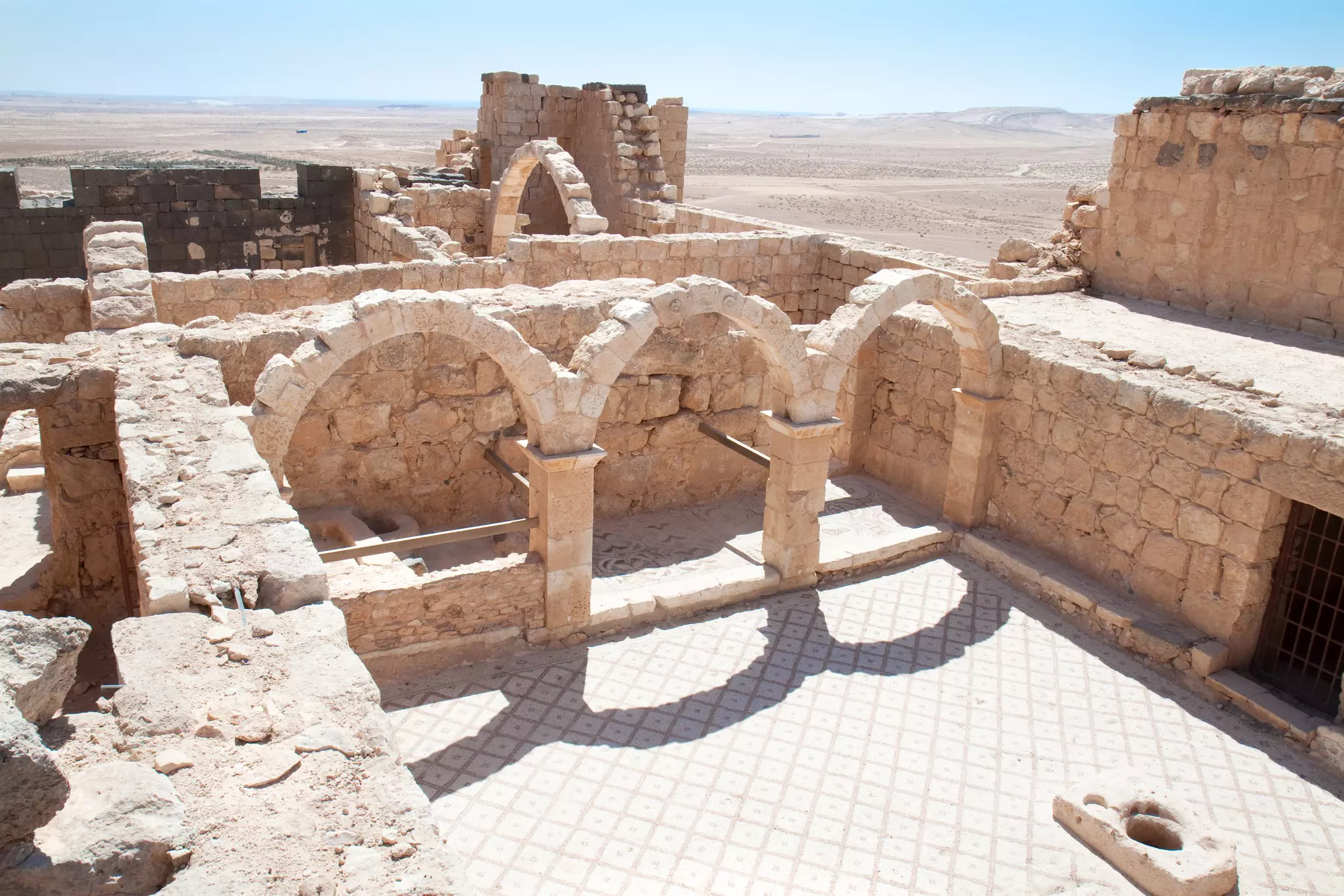
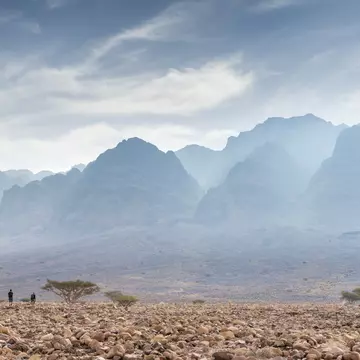
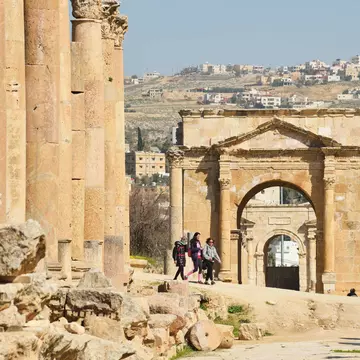
Jordan is chock full of castles, especially Umayyad and Crusader castles dating from 1200 and before. History buffs keep an eye out, there’s a fantastic trail of Desert Castles starting from Amman and going into the Eastern desert, each with their own stark and unique beauty, standing solitary against the desert landscape. The castles that are furthest east are very remote, meaning that they’re usually completely deserted (pun intended), giving you the opportunity to experience them at your leisure. Qusayr Amra and Qasr al Hallabat are particularly cool.
Planning tip: This is best experienced either as a completely off-the-beaten-path adventure with a rental car, or through a touring agency. There is no public transport to many of these sites.
Jordan has a massive second-hand scene, focused in and around Downtown Amman. Aside from stores in Downtown Amman itself – that sell everything from kitchen appliances, to games consoles, to leather jackets – there’s the pure sensory overload known as the Friday Market. Every week, from Thursday night to Friday evening, the largest second-hand and vintage clothing market in the country takes off with enormous crowds and practically unbelievable prices. For thrifters it is simply an opportunity that is not to be missed.
Local tip: This is a cash-only market, and most of the prices are in the single digits, so carry many small bills or be prepared to end up with more clothes than room in your suitcase.
Book your Jordan trip with Lonely Planet Journeys
See Jordan how it's meant to be seen
Planned by local experts and tailored to you, Lonely Planet Journeys handles the logistics so you can just enjoy the trip. Tell us what you want and we'll build your Jordan itinerary from scratch, or browse our bookable trips to get inspired.


Explore related stories