Jun 10, 202612 min read
The Best Beaches in Honduras, from the Caribbean Coast to the Islands May 8, 2025
8 MIN READ

Writer
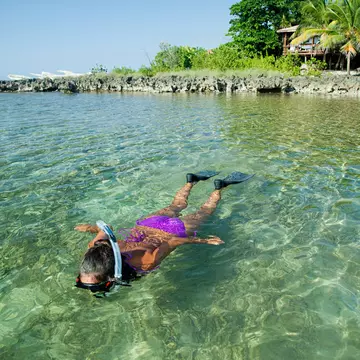
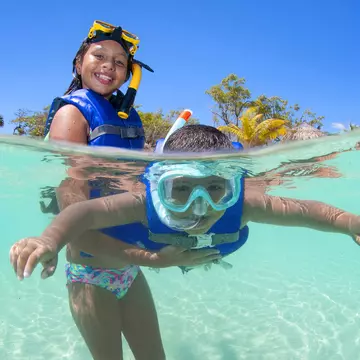
Honduras is world renowned for its snorkeling and scuba diving. Image Source/Getty Images

Writer
Highlights
Lonely Planet contributor Erik R Trinidad picks six things to do in Honduras.
Dive the Bay Islands for whale sharks or raft the Rio Cangrejal's Class III–V rapids.
Bird-watchers should head to Pico Bonito; history buffs will love Copán's Maya ruins.
Wander Tegucigalpa's El Centro, try a baleada and party in San Pedro Sula after dark.
Lonely Planet may earn a commission from affiliate links on our site. All recommendations and reviews reflect our own independent opinions.
The mighty rivers, lush mountains, Maya archaeological sites and Mesoamerican Barrier Reef scattered across Honduras beckon adventurous travelers from across the globe.
This Central American gem is a popular port of call for large cruise ships, and passengers often have to squeeze a handful of activities into an eight-hour window. But we recommend visiting Honduras on your own, taking the time to experience all this wonderful country has to offer.
Here are six of our favorite experiences in Honduras.
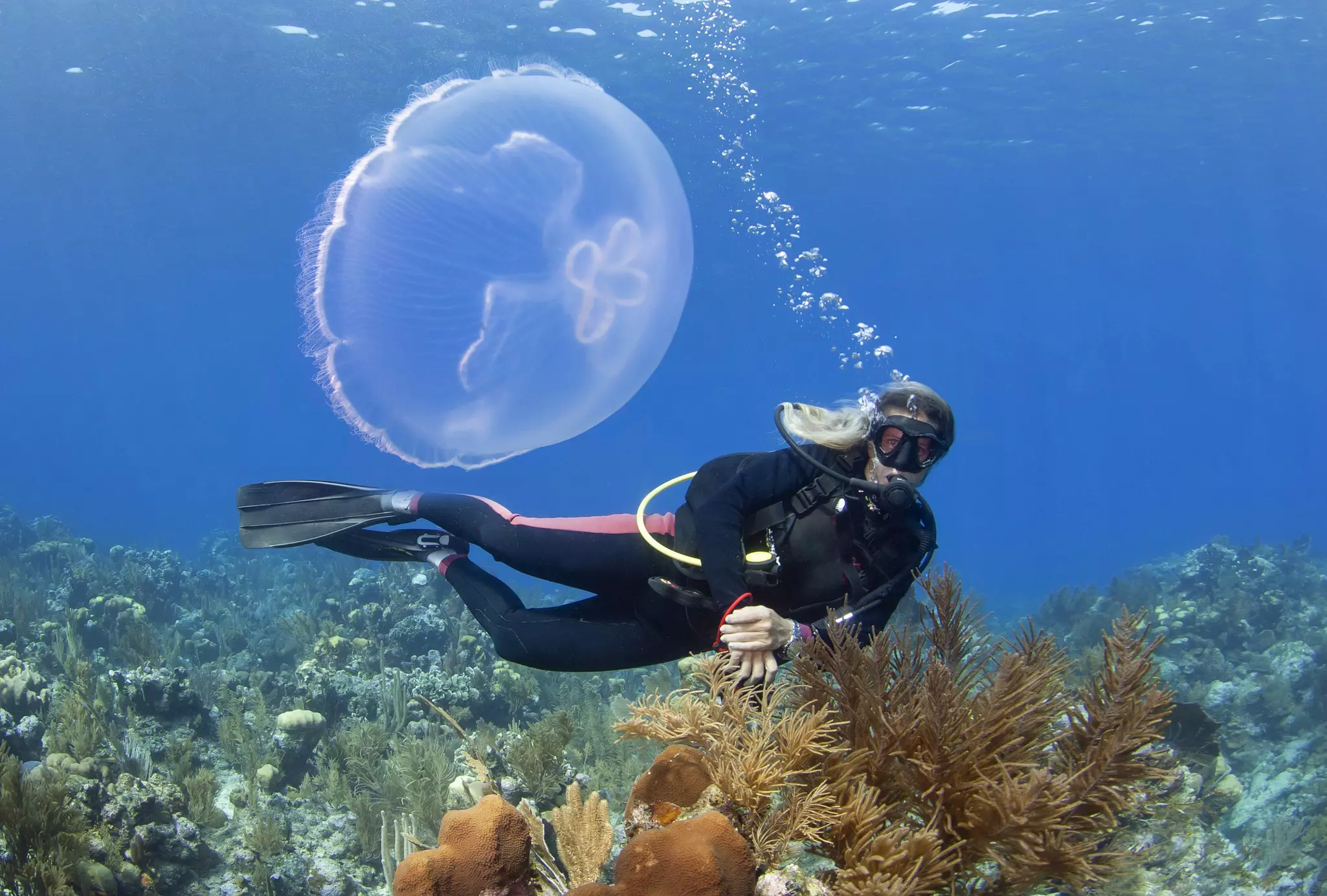
Many consider Honduras one of the world’s best snorkeling and scuba diving destinations. Roatán – one of the country’s three principal Bay Islands – has many spectacular dive sites within the specially protected waters of Roatán Marine Park.
On an excursion with a dive shop like West Bay Divers, it’s not uncommon to spot sea turtles, eagle rays or plenty of tropical fish. If you’re lucky, you may even encounter the elusive whale shark.
However, Roatán isn’t the only premier spot for diving in Honduras. The other two Bay Islands, Guanaja and Utila, along with the smaller Cayos Cochinos archipelago, also boast some of the best scuba dive sites in the world.
Utila is internationally known as a dive destination, both for its marine life and laid-back culture. At this enclave, backpackers often become certified PADI divemasters at dive hostels like Alton’s Dive Center and stick around much longer than they intended.
The zip-line canopy tours at Gumbalimba Park in Roatán can give you plenty of thrills and adrenaline spikes.
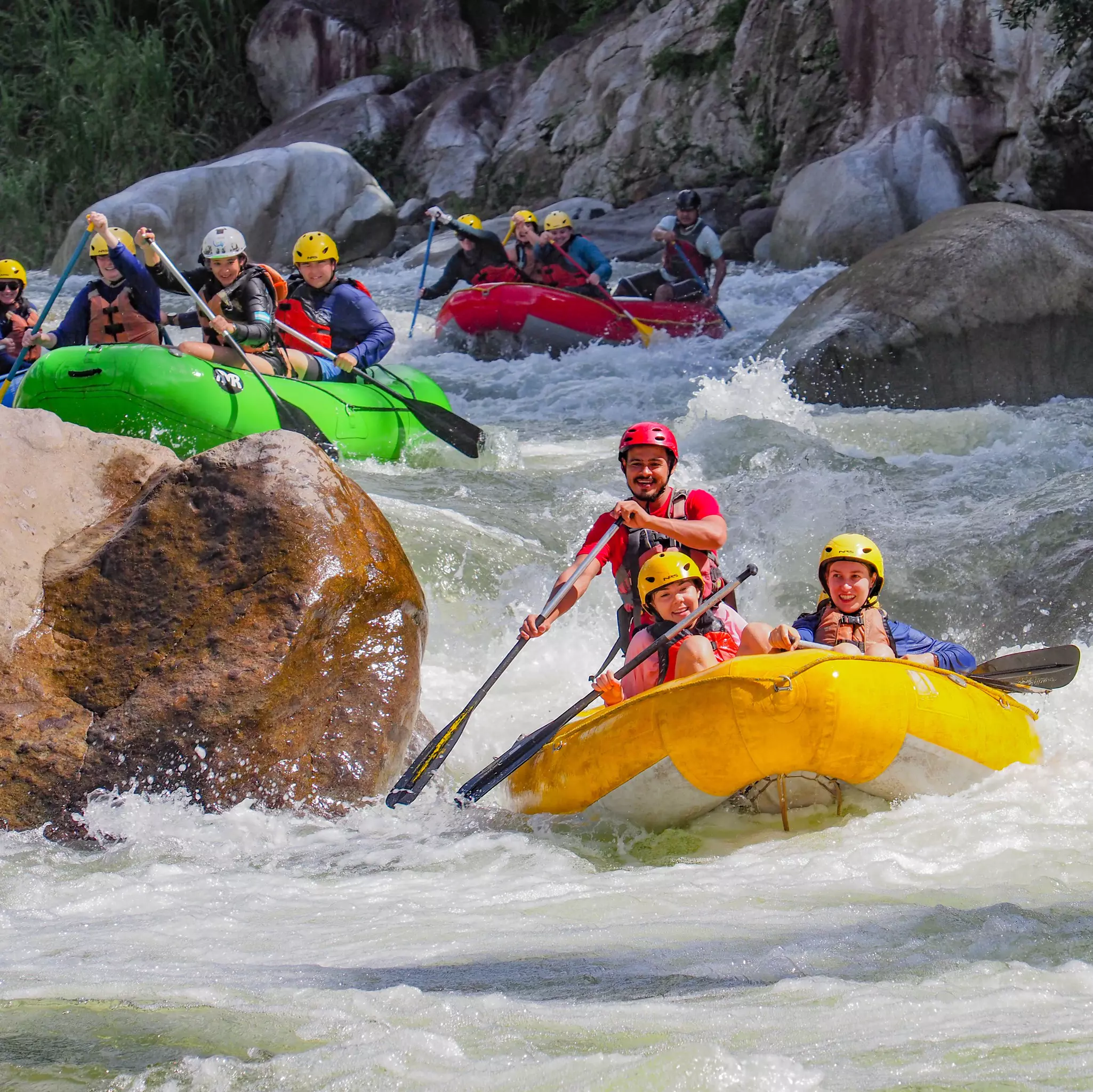
But if you want to go on a truly immersive adventure, head to the El Naranjo region of the Cangrejal River valley on the mainland, about 12km (7.5 miles) from the city center of La Ceiba.
Here, you can take a wild whitewater rafting ride on the Rio Cangrejal through Class III–V rapids that churn from the boulders rising up from the river bed.
Long-running operation La Moskitia Ecoaventuras offers rafting excursions with experienced guides to navigate the course. Trips can also be organized through the Jungle River Lodge.
Detour: Another freshwater adventure is canyoning with the guides at Las Cascadas Lodge, who’ll lead you on a jungle hike up the river gorge to rappel down a series of waterfalls. While not for the faint of heart, the slow and meticulous 15m (50ft) descent on a rope as the force of falling water pounds your body offers a rush you won’t soon forget.
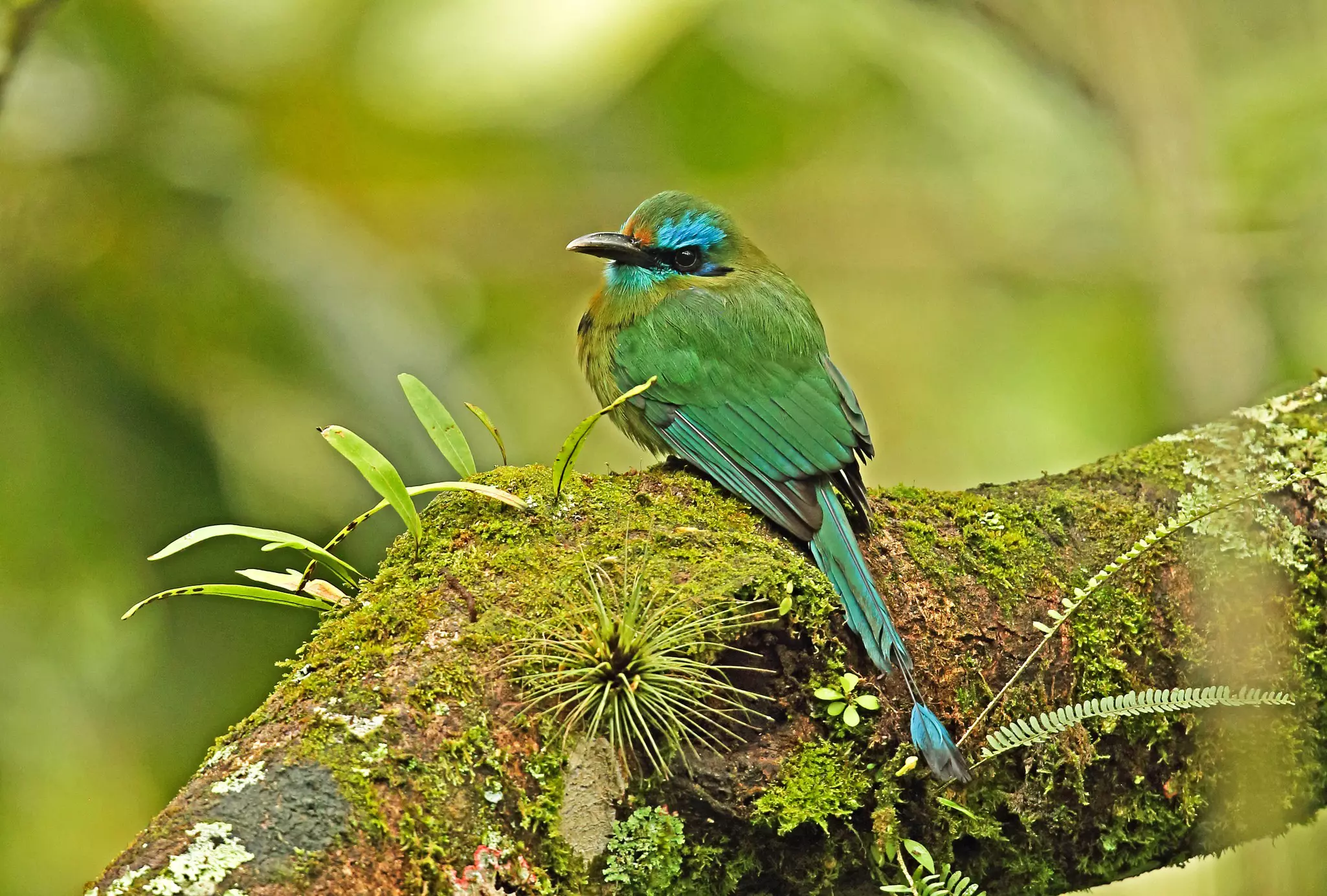
Bird nerds flock to Honduras with good reason – it’s the convergence point of over 760 species of North American and South American bird species.
Bird-watching is especially promising in Honduras’ national parks, where hiking trails let you explore a bit when you’re not standing still with your eyes glued to binoculars.
But you don’t need to be an expert to get excited about the wild toucans, hummingbirds and parrots you’ll spot on a rainforest hike through Pico Bonito National Park.
Cerro Azul Meámbar and Montaña de Santa Bárbara national parks, on opposite sides of Lake Yojoa in the western interior, are also worthy bird-watching destinations with great hiking trails.
Seven species of motmots, along with chachalacas, flycatchers and woodcreepers, create a polyphonic soundtrack as you trek through the cloud forest to caves and waterfalls. Panacam Lodge is a good place to base yourself in the area.
From here, bird experts lead hikes and inspire an appreciation of ornithology in even the most amateur of bird-watchers.
Whether you’re an experienced spotter or not, Honduras’ national bird – the majestic scarlet macaw – is certain to catch anyone’s eye.
The chances of seeing one in the wild are high in and around the Macaw Mountain Bird Park and Nature Reserve. Rather than a national park, it’s a rehabilitation sanctuary for macaws, parrots, toucans, cassowaries and other feathered creatures.
Planning tip: Each June, the scarlet macaw rehab program graduates deemed independent enough to survive without human intervention are released into the wild during a grand, media-blitzed ceremony.
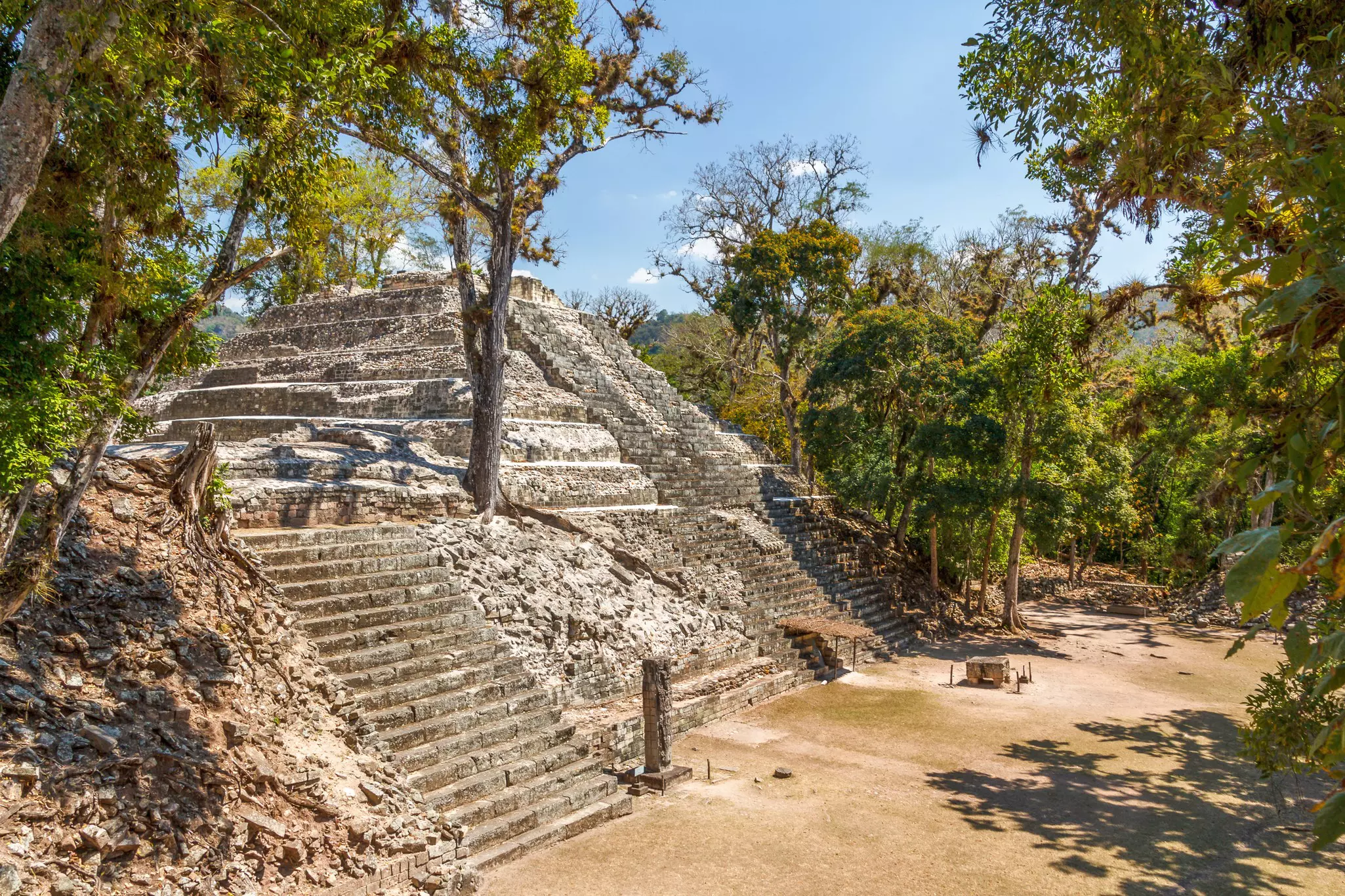
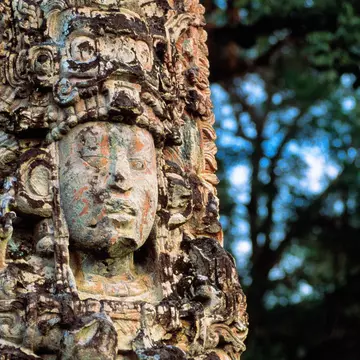
You may spot some scarlet macaws in the wild around the ruins of the Archaeological Park of Copán Ruinas, the site of a once-great Maya city dating back to 300 CE.
Since this former settlement didn’t have much gold, the Spaniards’ pillaging in the 16th century wasn’t as horrendous as at other Maya sites across the region. Accordingly, though the site is known for its “ruins, ” it has a high state of preservation.
Up Copán’s famous hieroglyphic stairway, the longest-known Maya text inscription depicts the stories of five Maya kings.
The staircase gained UNESCO World Heritage status in 1980, joining the roster alongside Guatemala’s Tikal. While the remains of Copán are in good condition, the red colors that once adorned its temples have sadly faded.
To see it in all its former crimson-hued glory, head to the Sculpture Museum of Copán, just across the parking lot from the main entrance. The highlight is the imposing Rosalila Temple, reconstructed to look as it did centuries ago.
Admission to the park is US$15, which doesn’t include a guide; written explanations are dotted throughout the site. Museum admission is separate from the park, at US$7.
Honduras’ two biggest cities, Tegucigalpa and San Pedro Sula, have less-than-stellar reputations when it comes to crime. Yet because they host the two principal airports in the country, a stopover may be inevitable.
Consider spending more than just a night – if you keep your wits about you, you’ll find the pair of cities as safe as any major metropolis and even filled with charm.
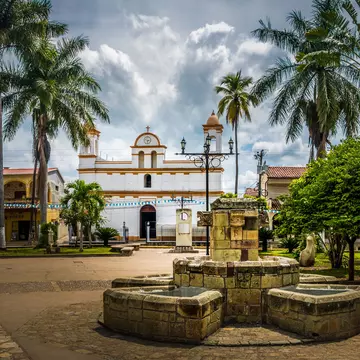
The capital city Tegucigalpa is the country's political hub, with government buildings and remnants of its Spanish colonial past. Most of the historical places of interest are in El Centro, the district surrounding the Plaza Morazán, named after the former Central American president Francisco Morazán (1830–39), immortalized in a statue at its center.
As you stroll among local families and a handful of tourists around this square, you’ll find shops, restaurants, and the city’s Catholic Cathedral of St Michael the Archangel.
Nearby, there’s also the Centro de la Cultura Garinagu, where you can learn about Honduras’ Afro-Indigenous Garifuna community. Several interesting museums lie in the vicinity; if you only have time for one, make it Museo para la Identidad Nacional.
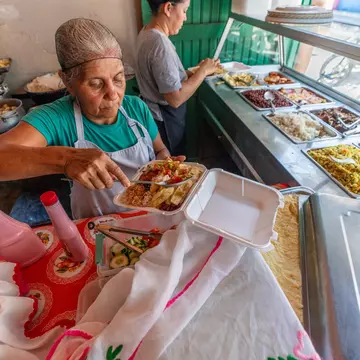
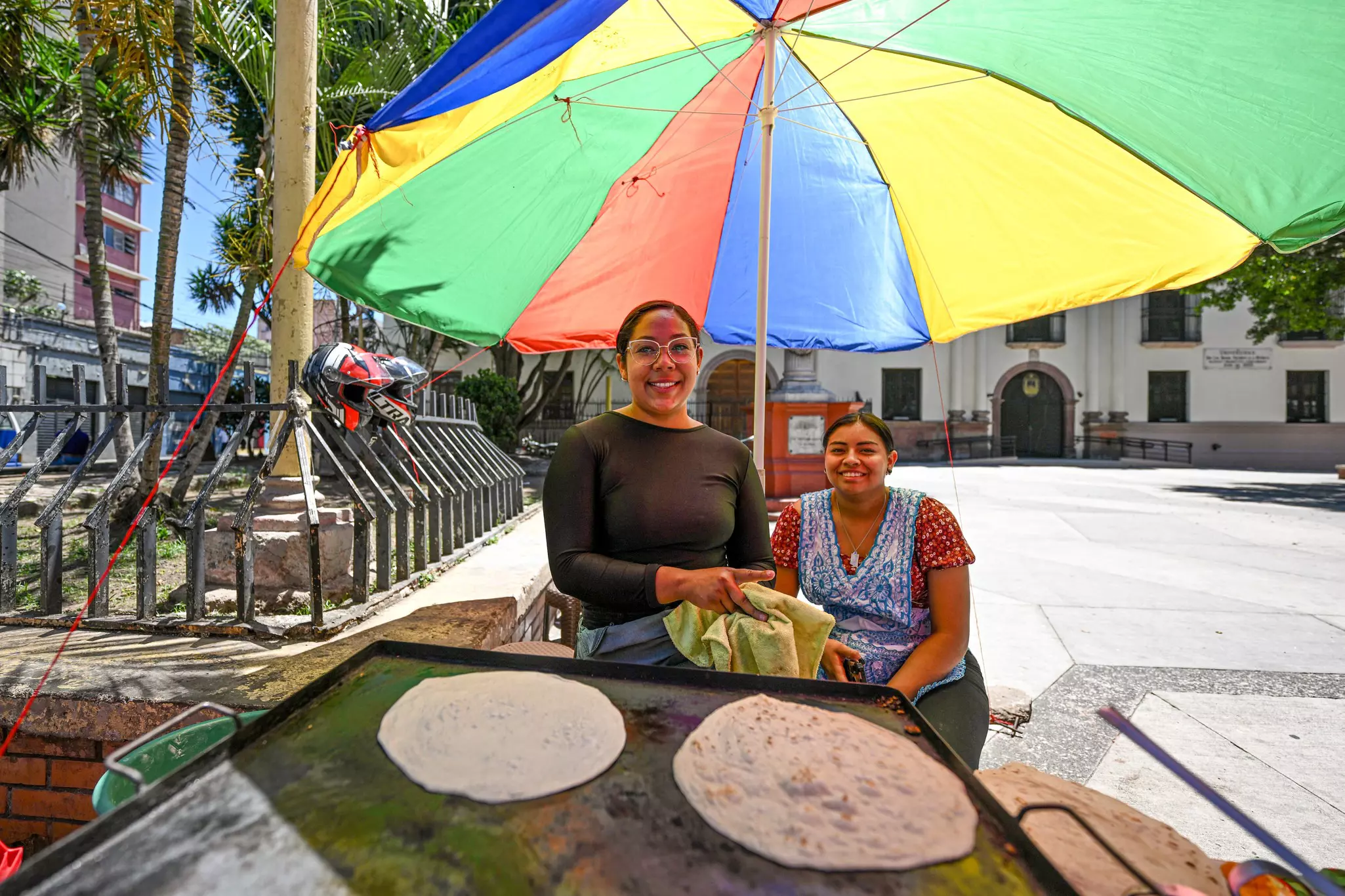
As you wander around you’ll find vendors selling baleadas, the Honduran delicacy of a flour tortilla filled with variations of the traditional mix of refried beans, cream and cheese. Try one and you'll discover why they're so popular.
San Pedro Sula is the country’s industrial and commercial center. Like the Hollywood sign in Los Angeles, tall letters spelling out the instantly recognizable brand Coca-Cola loom atop a towering green hill just east of the city.
From up there, you might be able to spot the other places worth checking out: Angeli Gardens, a cross between a botanical garden and an elegant restaurant; the main Cathedral of St Peter the Apostle at the Parque Central; and the Museo de Antropología e Historia, which offers exhibits on Honduras’ past.
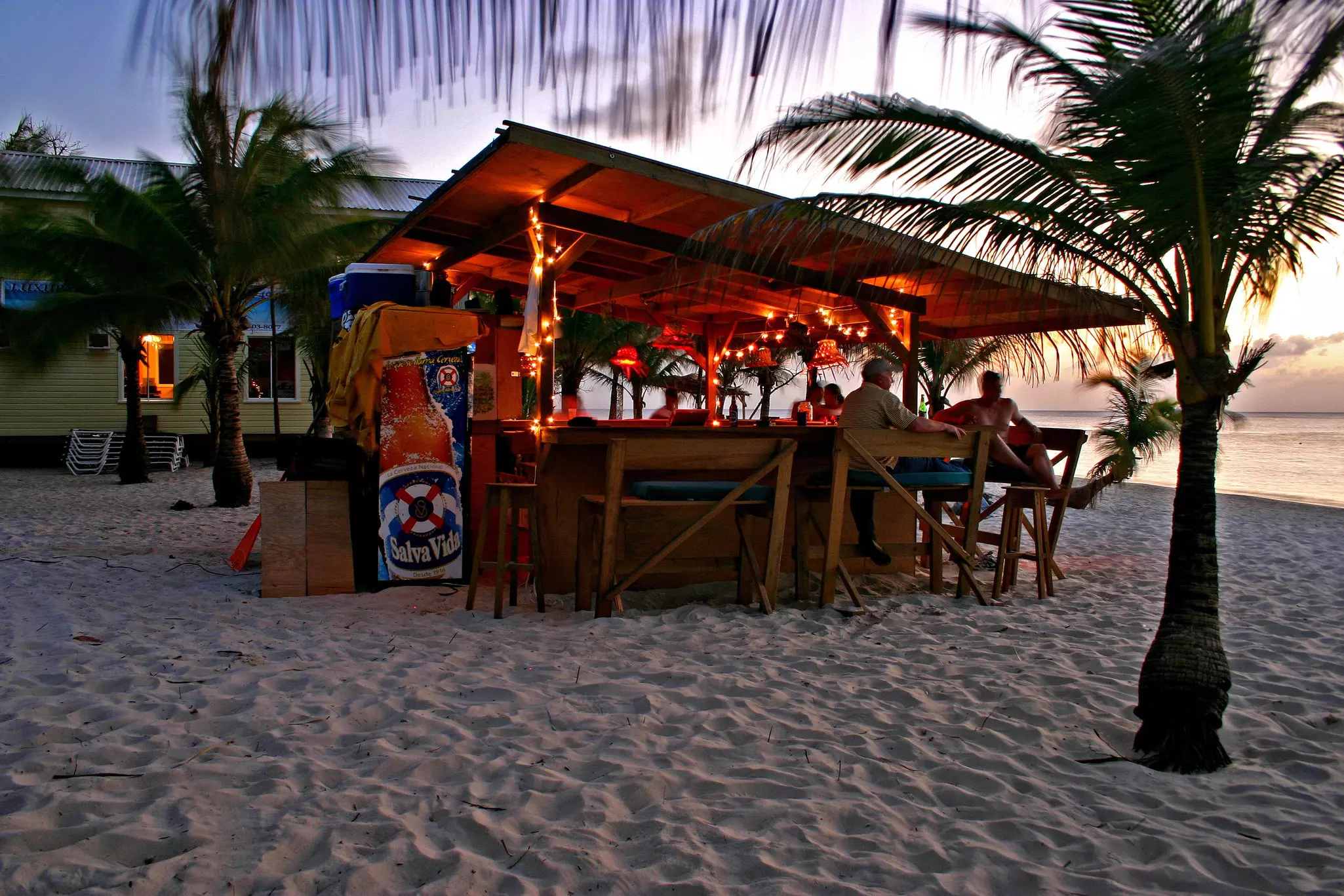
Across the country, Hondurans get the party started when the sun goes down. If you’re into craft beer, San Pedro Sula’s offerings include Alquimia Cervecera, which commands a crowd for its live music. For a night of dancing, head to Morena, an indoor/outdoor venue to eat, drink and meet young locals.
The capital city Tegucigalpa (known locally as “Tegus”) also has its share of nighttime hot spots. Head to Santé for live music that ranges from Coldplay covers to metal tribute bands.
If the club is more your scene, stop by the Vegas-inspired poolside DJ dance parties at Blu Bar, the rooftop venue of the Real Intercontinental Hotel.
While popular nighttime spots are spread out in the bigger cities, they’re more condensed – and therefore easy to hop between on foot – in smaller towns. La Ceiba’s nightlife is primarily in and around the waterfront area known as El Malecón, where bars are lined up next to each other.
At its eastern end is the popular beach bar La Casa del Jaguar. If you’re daring enough, order their signature yet diabolical cocktail shot, Semen del Diablo. (Yes, the translation is exactly what you think it is).
In the Bay Islands, nightlife is concentrated on the main drags of town. In Roatán, head to West End Road, lined with a string of bars. Sundowners and Blue Marlin are the go-to venues for live music, while pirate-themed Booty Bar has dance floors for DJ nights.
Utila’s main (and only) drag has a similar if younger vibe. If you’re looking to party like a college student, head to La Cueva, which has a killer karaoke night that lasts until the wee hours of the morning.
Explore related stories