Aug 9, 20268 min read
What to Know Before Visiting EcuadorOct 22, 2025
8 MIN READ

Writer
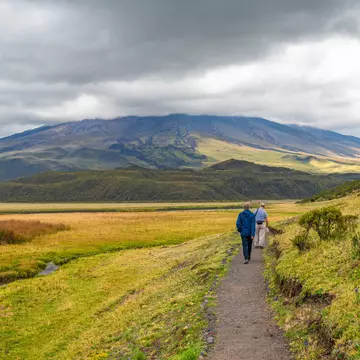
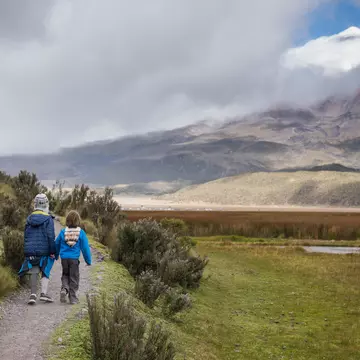
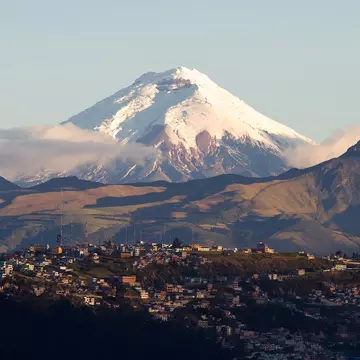
Cotopaxi Volcano National Park. SL-Photography/Shutterstock

Writer
Highlights
Writer Mayra Peralta picks 10 Ecuador experiences from the Galápagos to Andean volcanoes.
Snorkel with sea lions in the Galápagos or join community-based tours in Yasuní National Park.
Visit Quito's gilded colonial churches, then head south to Cuenca for artisan shops and limpias.
Hike the Avenue of Volcanoes to Quilotoa's emerald crater, then surf the Pacific at Montañita.
Lonely Planet may earn a commission from affiliate links on our site. All recommendations and reviews reflect our own independent opinions.
Outdoor adventures, incredible landscapes and diversity-driven culture place Ecuador high on any travel bucket list. Spanning altitude-high Andean cities, sun-kissed beaches and wildlife havens, the South American nation offers some truly epic experiences.
Upon arriving in Ecuador, travelers of all kinds will find themselves enticed by the wide range of options and activities available. Want to hike to the highest point on Earth, swim in the Galápagos Islands and taste one of the finest cacao varieties in the world? That’s all possible in Ecuador.
Buckle up, because you’re in for a ride. From exploring the Avenue of Volcanoes to strolling through UNESCO World Heritage Sites, these are the best things to do in Ecuador.
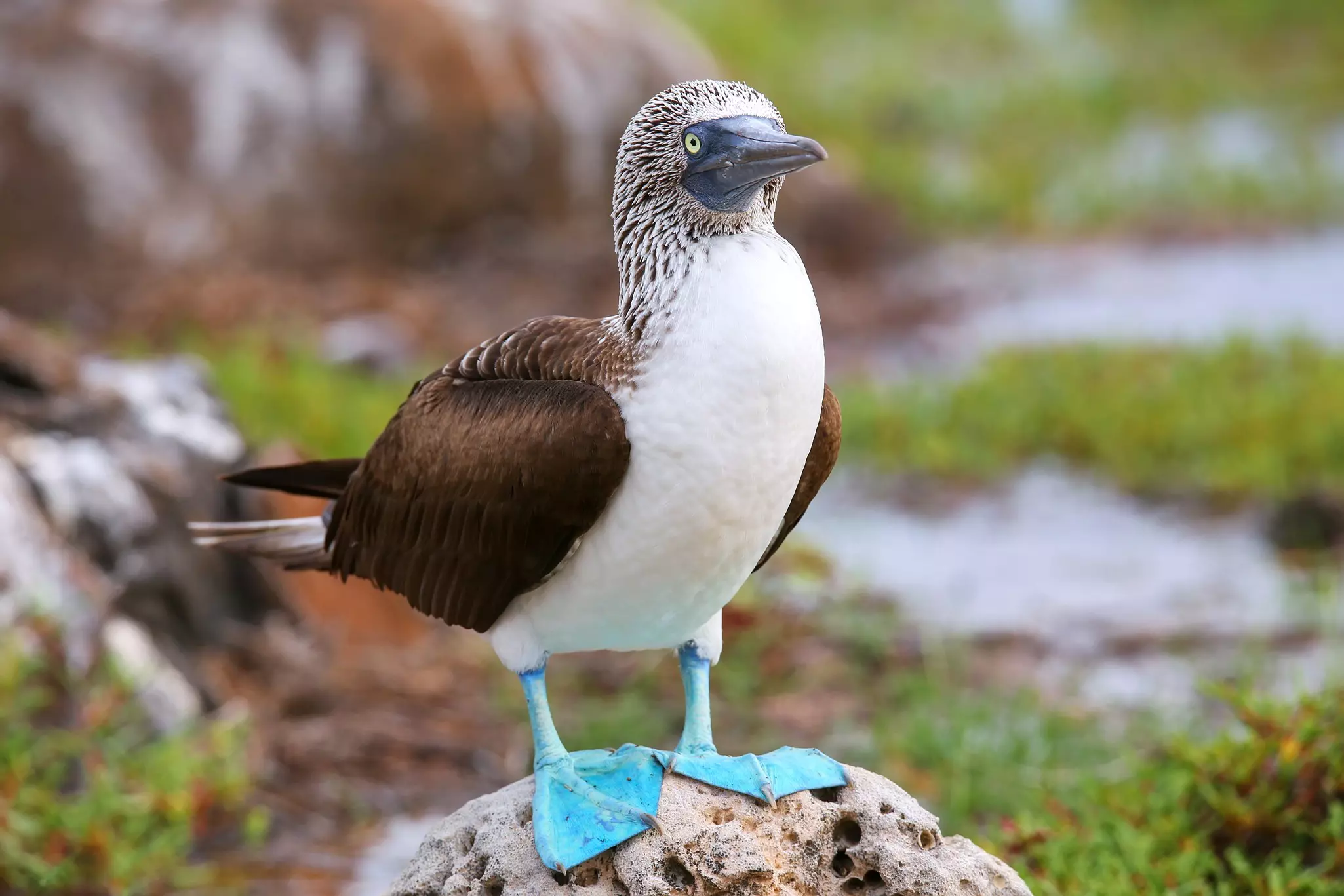
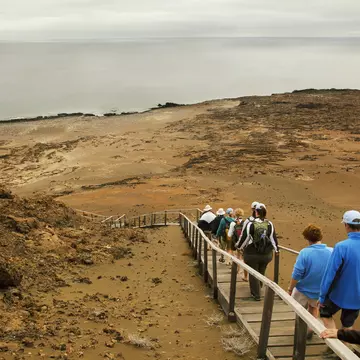
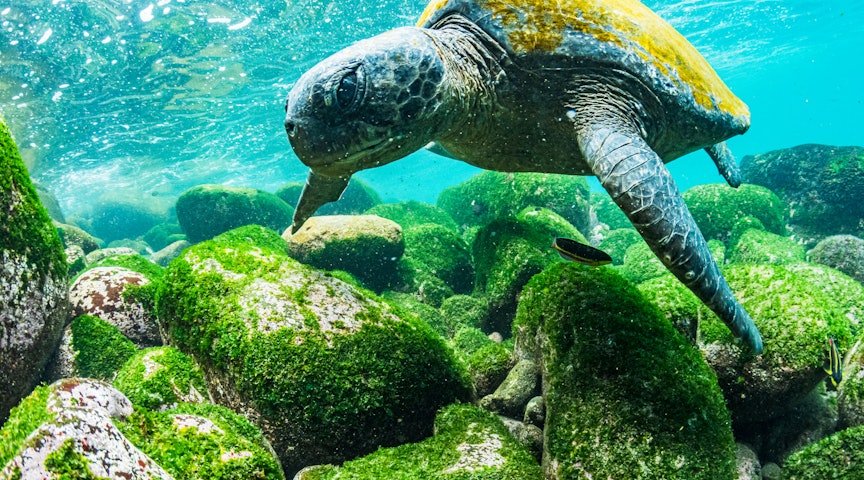
Embark on a journey to the Galápagos Archipelago to explore one of the best-preserved natural sanctuaries on the planet. Hop between islands to see the region's famous wildlife at places such as the Charles Darwin Station, Tortuga Bay, lava tunnels and Las Tintoreras Islet. Among the long list of species inhabiting the archipelago — some of which exclusively live in the islands — are giant tortoises, blue footed boobies, iguanas and the only penguins to live by the equatorial line.
Hike along trails untarnished by human activity and enjoy the breathtaking views. For an unforgettable next-level experience, venture on guided scuba diving or snorkeling excursions — encounters with sea lions, rare fish and turtles are guaranteed.
Planning tip: While many sports rentals and tourism agencies offer courses and provide equipment for underwater sports, if you can, bring your own wetsuit. Rental availability could be limited by size and demand.
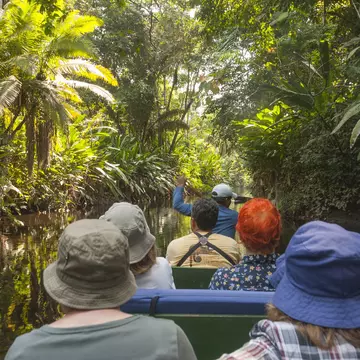
Communities across Ecuador have crafted sustainable economy initiatives and projects to promote community-based tourism. In the Amazon region, a network of hotels, reserves and guided tours are available thanks to villagers and Indigenous people.
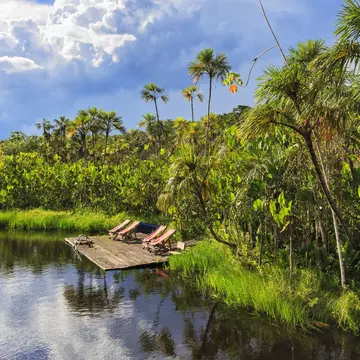
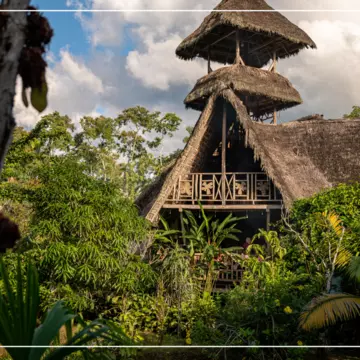
Explore the depths of the Amazon rainforest, learn about the lifestyle and traditions of Indigenous communities and marvel at the extraordinary wildlife at places such as the Sinchi Warmi community center in Puerto Misahuallí or Sani Lodge at the Yasuní National Park.
Known as Ecuador’s gateway to the Amazon, Puerto Misahuallí offers canoe sailing trips down Río Napo, guided tours to the rainforest and animal-watching experiences (spotting Capuchin monkeys at plazas will be free though). At Sinchi Warmi, the women of the Kichwa community introduce travelers to Indigenous rituals, traditional food and handmade crafts.
Deeper into the Amazon jungle, Yasuní National Park is an excellent spot for bird watching, wildlife photography trips and learning about the Indigenous communities protecting this ultra-diverse biosphere.
Whether you opt for a full-fledged, multiday trekking experience or you arrive by car from Quito, stopping by the Quilotoa Loop is nonnegotiable.
Located about 179km (111 miles) south of Quito, the Quilotoa Loop is a popular hiking destination that sits about 3910m (12,828 feet) above sea level at its highest point. With emerald-green waters and a stunning view of the Andean mountain range, this crater lake in the Andean Highlands is either the perfect destination for a hiking trip or an Instagrammable stop-off as you explore the Andean range.

Stay connected abroad with an eSIM
Holafly eSIM provides unlimited mobile data with no hidden fees, giving you peace of mind wherever you travel. Stay connected even after your plan ends with Always On. Use code LONELYPLANET for an exclusive discount.
Lonely Planet may earn a commission from affiliate links on our site. All recommendations and reviews reflect our own independent opinions.
Planning tip: Buses and transportation for day tours can take you straight to the crater, and they're bookable in nearby Latacunga. Catch a ride up and trek your way back to town, wrapping up your trip with a massive plate of chugchucaras, Cotopaxi’s star dish of deep-fried pork.
It might only take place once a year, but villagers of Pillaro, a town in Tungurahua, prepare all year for La Diablada Pillareña. Steeped in tradition, spirituality and a dose of irreverence, this festival perpetuates a quirky colonial-era tradition that originated as a way to defy oppression and exploitation from Spanish religious institutions: dressing up as the devil.
Richly decorated masks, bold costumes and loads of symbolism are at the core of this January celebration. Communities come together to dance the day and night away in the streets, following classic banda de pueblo (instrumental band) tunes.
Planning tip: La Diablada Pillareña takes place between January 1 and January 6. If you want to experience this colorful celebration, make it a day trip since finding a place to stay in Pillaro is difficult. For time-saving purposes, you can sneak a stop in as you explore the Central Highlands or travel from the closest urban city, Ambato.
While Quito is often overlooked as a top destination within Ecuador, the capital city’s UNESCO-recognized historical center deserves at least a day in your itinerary.
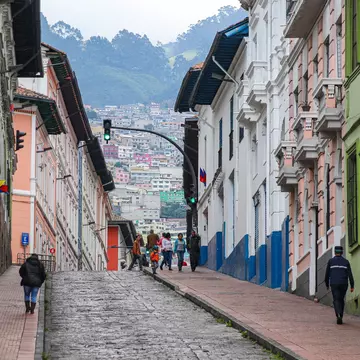
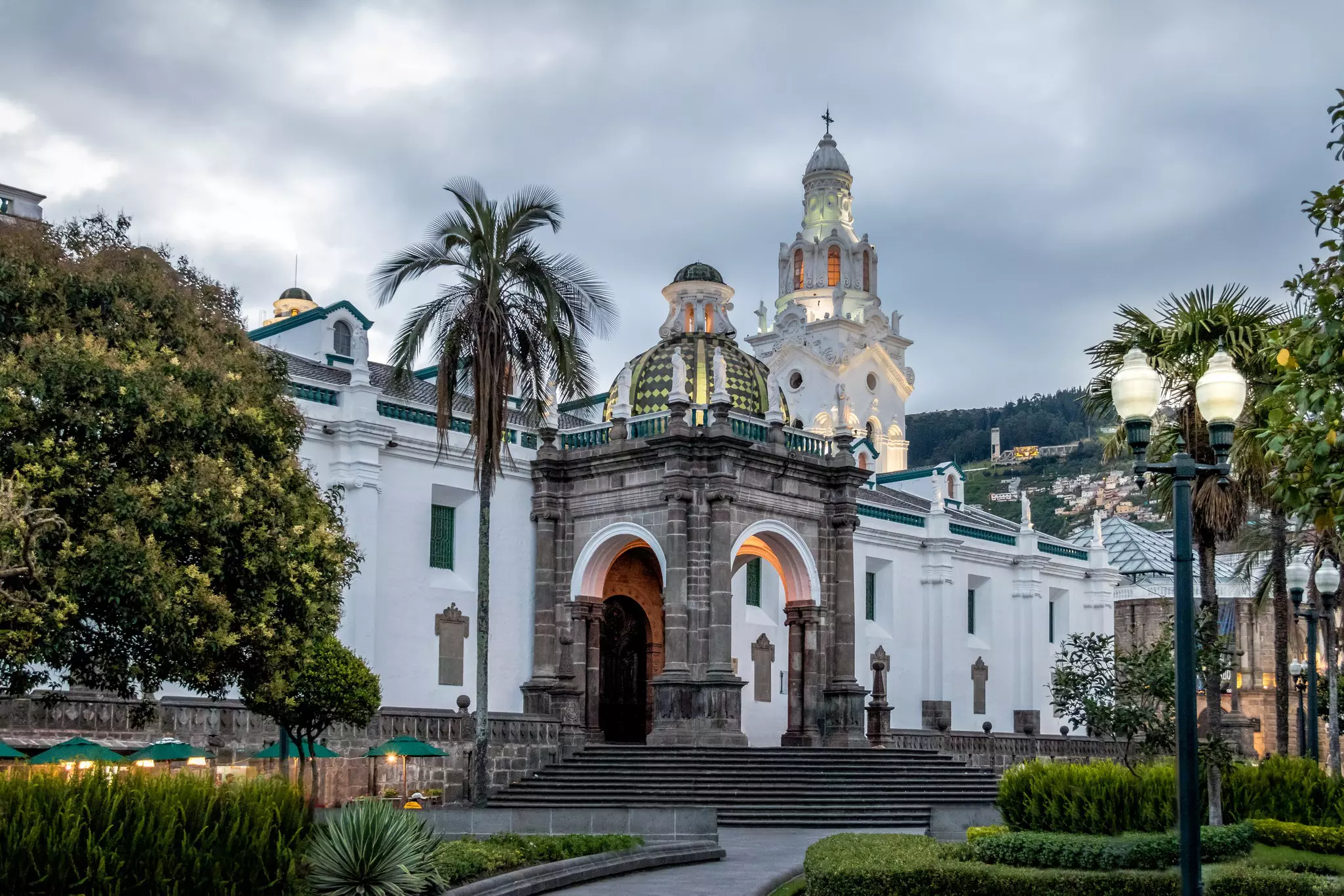
Admire the Spanish-influenced architecture as you walk the cobblestone streets, notice the gilded colonial churches and marvel at the art of mestizo and Indigenous masters from La Escuela Quiteña (Quito’s School of Art). Must-see landmarks include Iglesia de la Compañía de Jesús, Iglesia Convento de San Francisco and Catedral Metropolitana.
Local tip: Before heading elsewhere, venture into the cafe-lined streets or stop by the restaurants at Palacio Arzobispal for a taste of quiteños’ favorite treats.
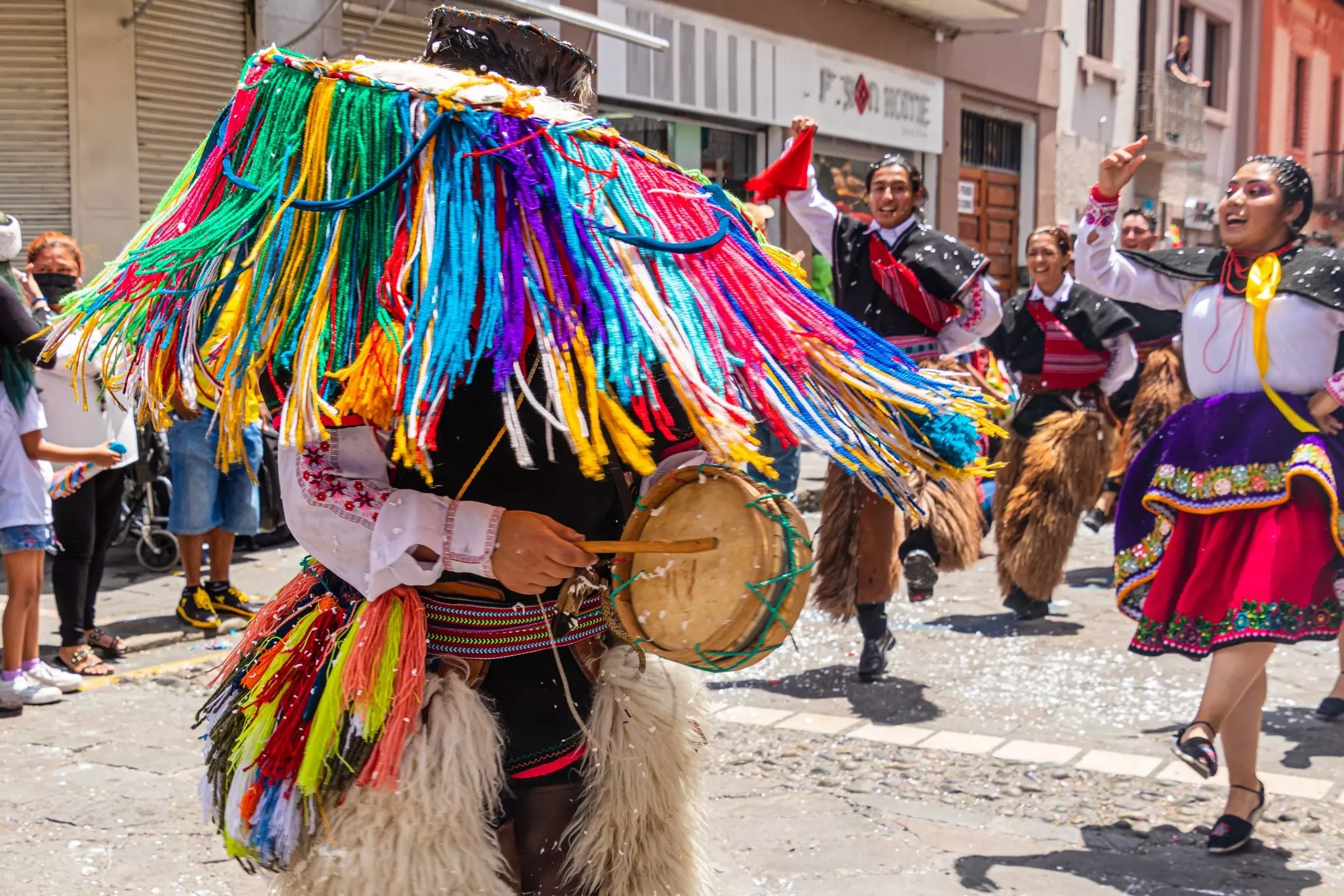
Boasting a slew of nicknames including “the Athens of Ecuador, ” Cuenca attracts tourists with picturesque streets, vibrant culture and cuencanos’ charming accent. Artisans shops, museums, modern cuisine restaurants and the uber-popular blue-domed cathedral are among the most popular attractions in the city.
Cuenca also serves as the perfect point of departure to nearby national parks and archeological sites, as well as a good starting point for a trip around southern Ecuador.
Local tip: If you’re online, you’ve probably come across viral videos of energy limpias (cleansings) in Cuenca. Rooted in Indigenous tradition and syncretism, limpias are popular rituals throughout Latin America. The idea is that curanderas (healers) clean your energy and spirit as they rub herbs like eucalyptus, rue and rosemary all over the body. For the full experience in the city, hit a local market, and for this traditional herbal cleanse Mercado 10 de Agosto, Mercado 27 de Febrero and feria libre (open market) are some of the most trusted spots for a limpia in Cuenca.
Though Indigenous music and dance are prevalent across communities of the Ecuadorian serranía (highlands), Andean music tradition is particularly strong in the northern province of Imbabura. Visitors can immerse themselves in Indigenous culture at artisan workshops, local music stores and festivals.
In the city of Otavalo and neighboring communities, Indigenous-owned establishments like Taita Gundo Casa de Música Andina and Taller Ñanda Mañachi offer a peek into music instrument creation and traditional performances.
Festivals and religious celebrations such as Inti Raymi and Fiesta de San Juan also serve as an opportunity for tourists to enjoy and learn about Indigenous folklore.
Planning tip: If you want to get a glimpse of some of the biggest festivities in the Northern Highlands, plan your trip during the summer. Celebrations commemorating Inti Raymi, San Juan and San Pedro y San Pablo take place between June 21 and June 28.
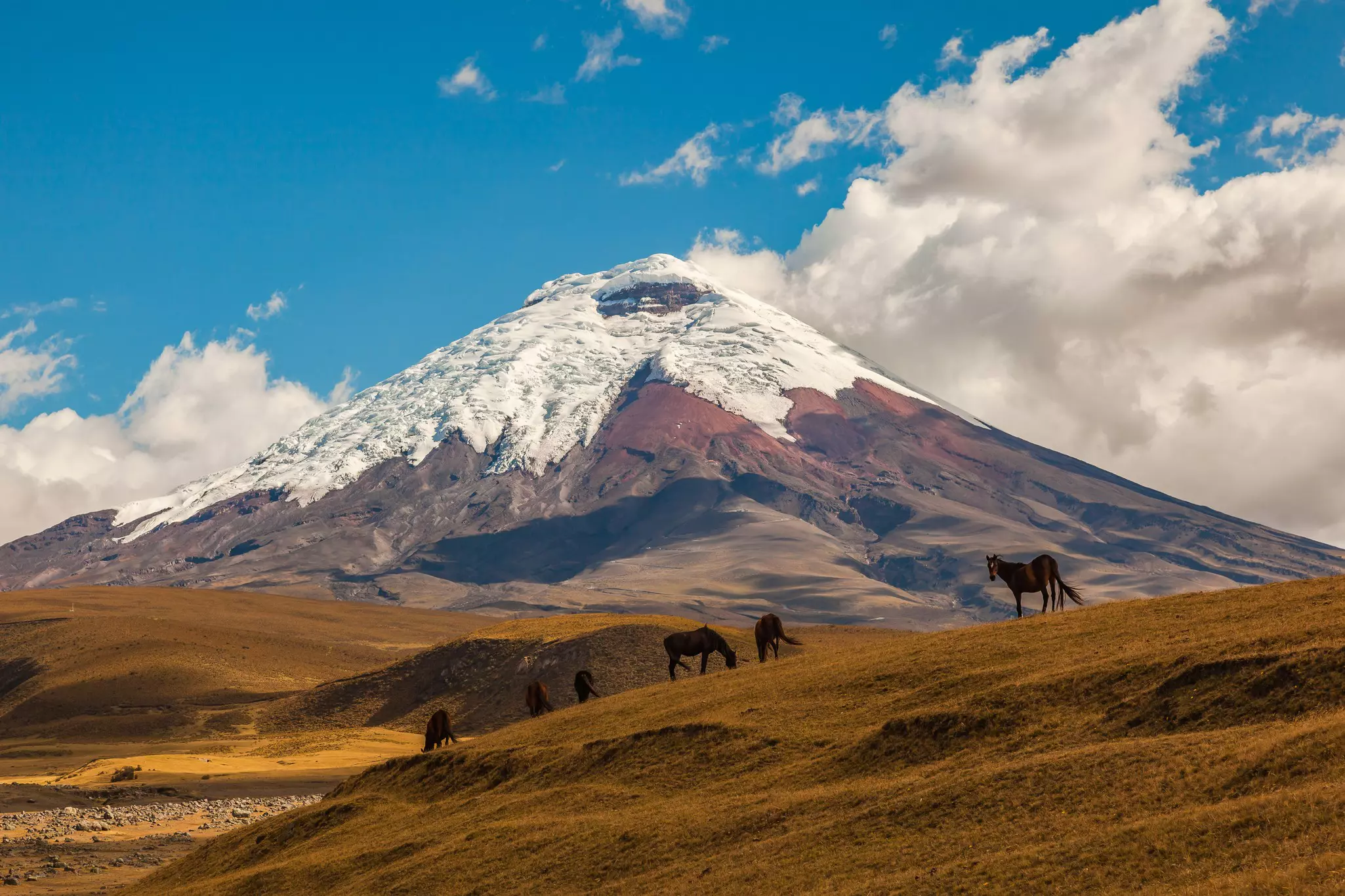
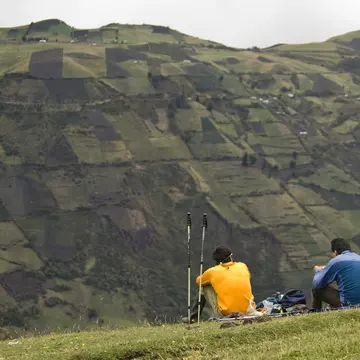
Nature lovers and outdoor enthusiasts can’t skip the chance to tour the Andean Highlands as they follow the Avenue of Volcanoes — the name given to a segment of mountain range that divides Ecuador into regions.
Stretching about 350km (217 miles), this route encompasses well-loved volcanoes and snow-capped hiking destinations, including Mount Chimborazo, Volcán Cotopaxi and the Quilotoa Loop. Tailor this experience according to your preferences, stopping by small towns of the Ecuadorian serranía, lodging at haciendas such as La Ciénaga or Abraspungo, joining trekking and hiking excursions or even opting for horseback riding tours with chagras (Ecuadorian cowboys).
Planning tip: Due to the high altitude of the mountain range, you could experience altitude sickness. Before embarking on this journey through the Andean region, let your body acclimate. Quito, sitting at 2850m (9350ft) above sea level, would be a great starting point.
Covering about one-third of the Pichincha province, the Chocó Andino is a biosphere reserve northwest of Quito. Spanning an extension of more than 2868 sq km (1107 sq miles), the mist-kissed hills and cloud forests are home to an impressive concentration of wildlife: rare birds, a wide variety of butterfly species, amphibians and the Andean Spectacled Bear inhabit this ultra-biodiverse, but endangered area.
Bird-watching tours, wellness retreats at spas surrounded by lush forests, wildlife photography experiences and trekking are some of the options for those wishing to visit this protected haven.
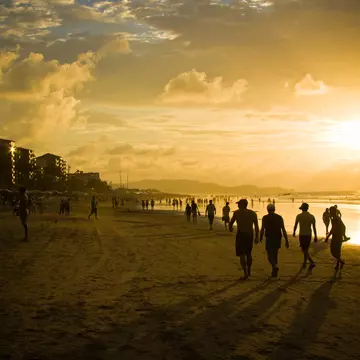
Spanning five provinces, Ecuador’s coastline is a playground for all sorts of tourists, and the different types of swells converging in Ecuador make Montañita, Canoa and Ayampe prime surf destinations.
Meanwhile, National Park Machalilla is the go-to spot for nature-loving individuals hoping to catch a glimpse of unique wildlife. (Pelicans, albatrosses, boobies and humpback whales all make appearances.) Secluded beaches like Los Frailes, Playa Tortuga and Playa Rosada, on the other hand, are ideal for relaxed retreats, given these beaches have calm water and few hotels.
The common thread uniting all these destinations will be the fantastic gastronomic offerings, from Ecuadorian ceviche (brothy seafood marinated with citrus juices and served with fine herbs, onion and tomato) to coconut-based beverages.
Planning tip: Humpback whales migrate every May to Puerto López in Manabí, attracted by the warm waters of the Machalilla National Park. The whale-watching season runs from June to September.
Book your Ecuador trip with Lonely Planet Journeys
See Ecuador how it's meant to be seen
Planned by local experts and tailored to you, Lonely Planet Journeys handles the logistics so you can just enjoy the trip. Tell us what you want and we'll build your Ecuador itinerary from scratch, or browse our bookable trips to get inspired.

Explore related stories