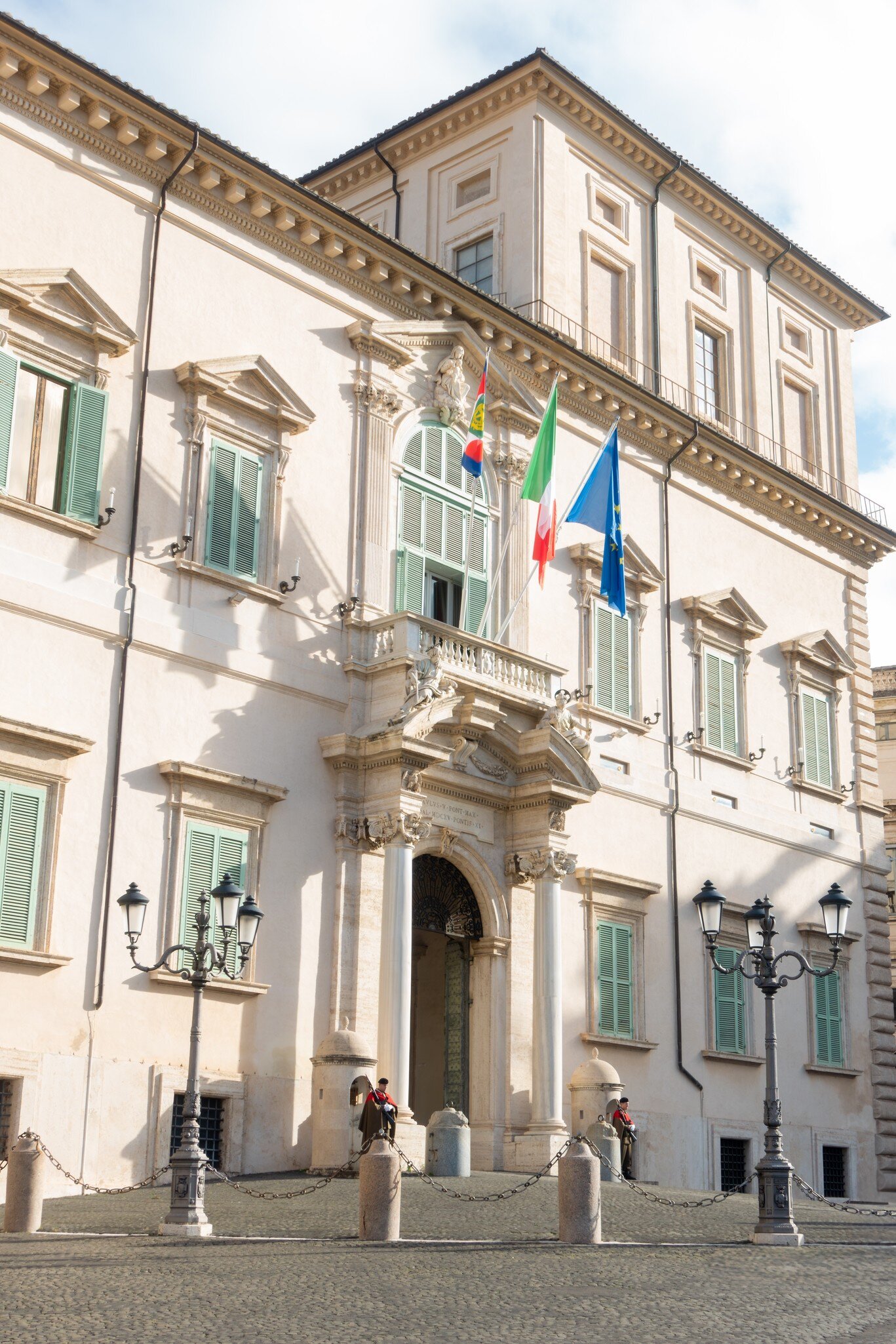
While the name of the hill is technically Quirinale Hill and the palace’s full name is actually Palazzo del Quirinale, to many Italians "the Quirinale" is enough to indicate the official residence of the President of the Republic, one of the true pulsing hearts of the country’s political scene as well as a place filled with incredible history.
The Palace
The Palazzo del Quirinale was originally built to act as the pope's summer residence, higher than the rest of Rome and so offering some respite from the heat and the smells of the city. In 1870, its keys were handed – not without some tensions – over to the Savoys, who had just become the royal family of unified Italy. Once the monarchy was abolished in 1946, the Quirinale became the official residence of the President of the newly formed Republic. With its sprawling halls and gardens, the Quirinale is actually the second-largest presidential residence in the world – second only to Ankara’s Presidential Complex.
Institutional Halls
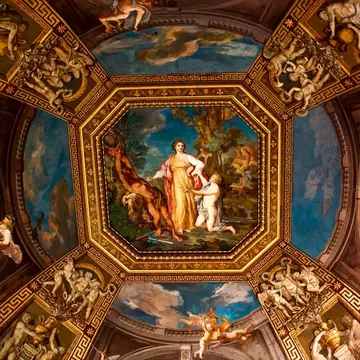
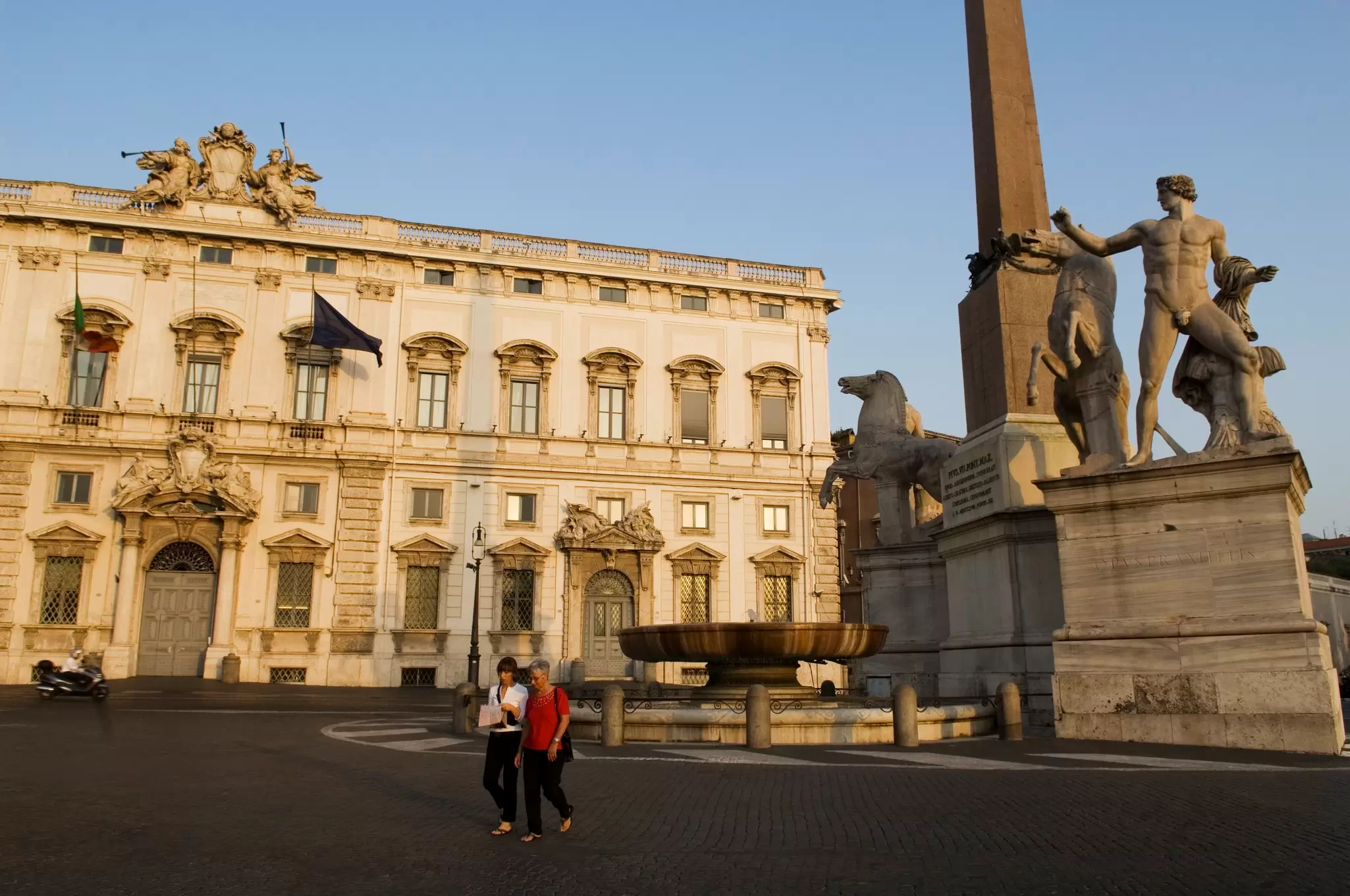
Many of the halls inside the Quirinale are well known to Italians, who watch the events of their country’s political life happen inside them. The Courtyard of Honor is where visiting foreign delegations are received, while the Great Hall of the Cuirassiers is where several award ceremonies are usually held. The Great Hall of Banquets is where members of a new government are sworn in and where – as the name suggests – state banquets are set up. While not an institutional hall, one more room that deserves your attention inside the Quirinale is the Pauline Chapel, taking its name from Pope Paul V, who ordered its construction. It might not seem like it, what with the different decor, but this chapel is structurally identical to the Vatican’s more famous Sistine Chapel.
The Gardens
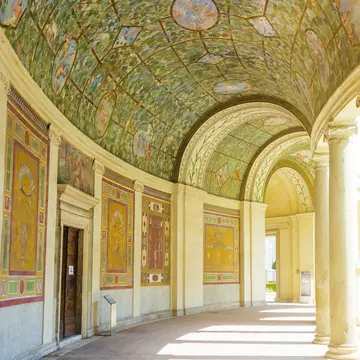
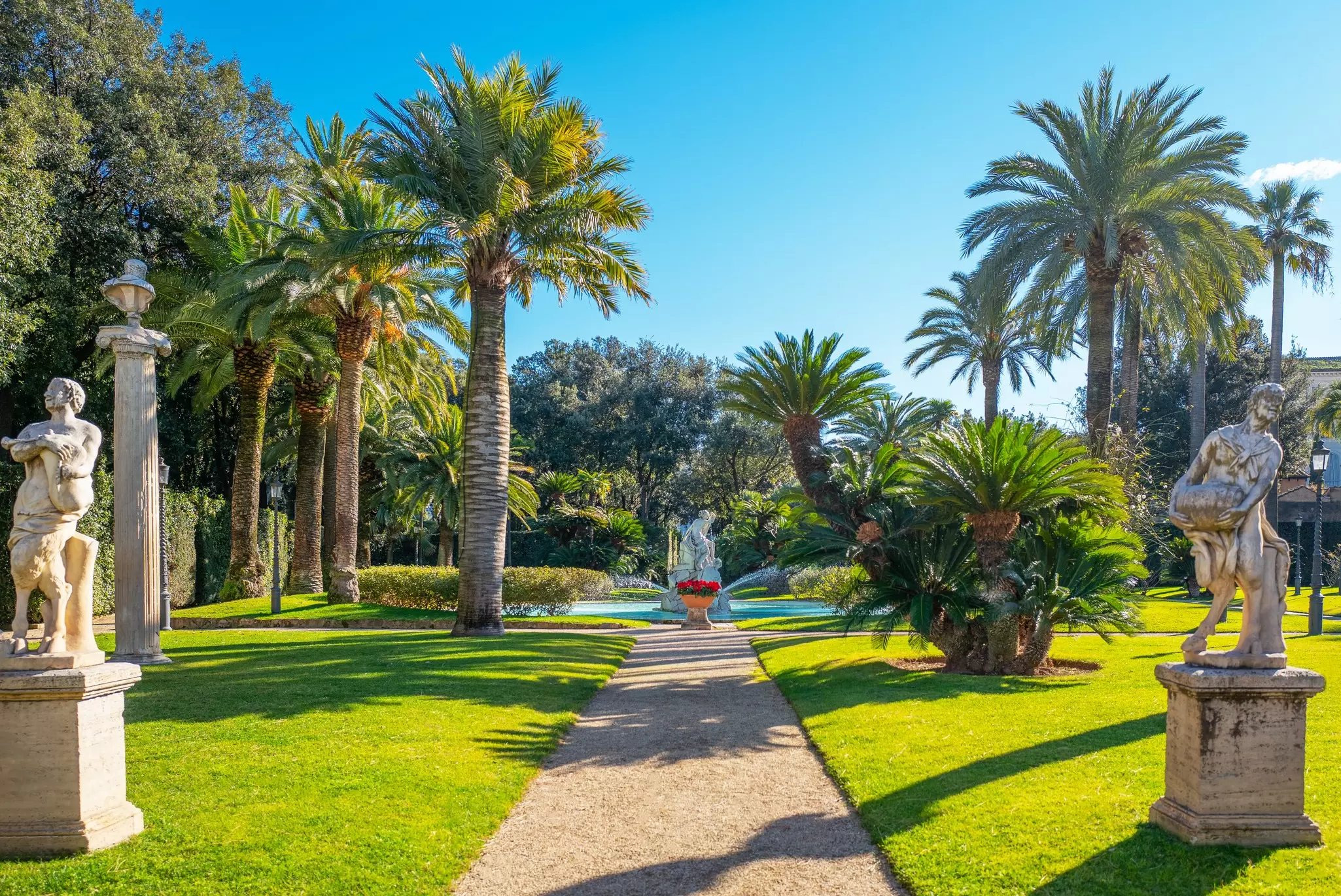
The magnificent gardens are one of the palace’s many treasures. Popes, kings, presidents and many more – from poets to sports champions – have walked their almost 10 acres, arranged in both the Italian and the English style. While visitors are not allowed to roam freely through the gardens, even those sections that are included in the tour are enough to enjoy this unique island of quiet right in the heart of a bustling city like Rome.
The Stables
The Scuderie del Quirinale were the palace’s former stables, which have been restored and are now used to host art exhibitions of all kinds – usually of the sort that brings in major pieces from abroad. Recent exhibits have been dedicated to Picasso, Raphael and Matisse. A section of the Scuderie also houses a collection of more than 100 carriages that were used by the Savoys during their time as Kings of Italy.
The Guards
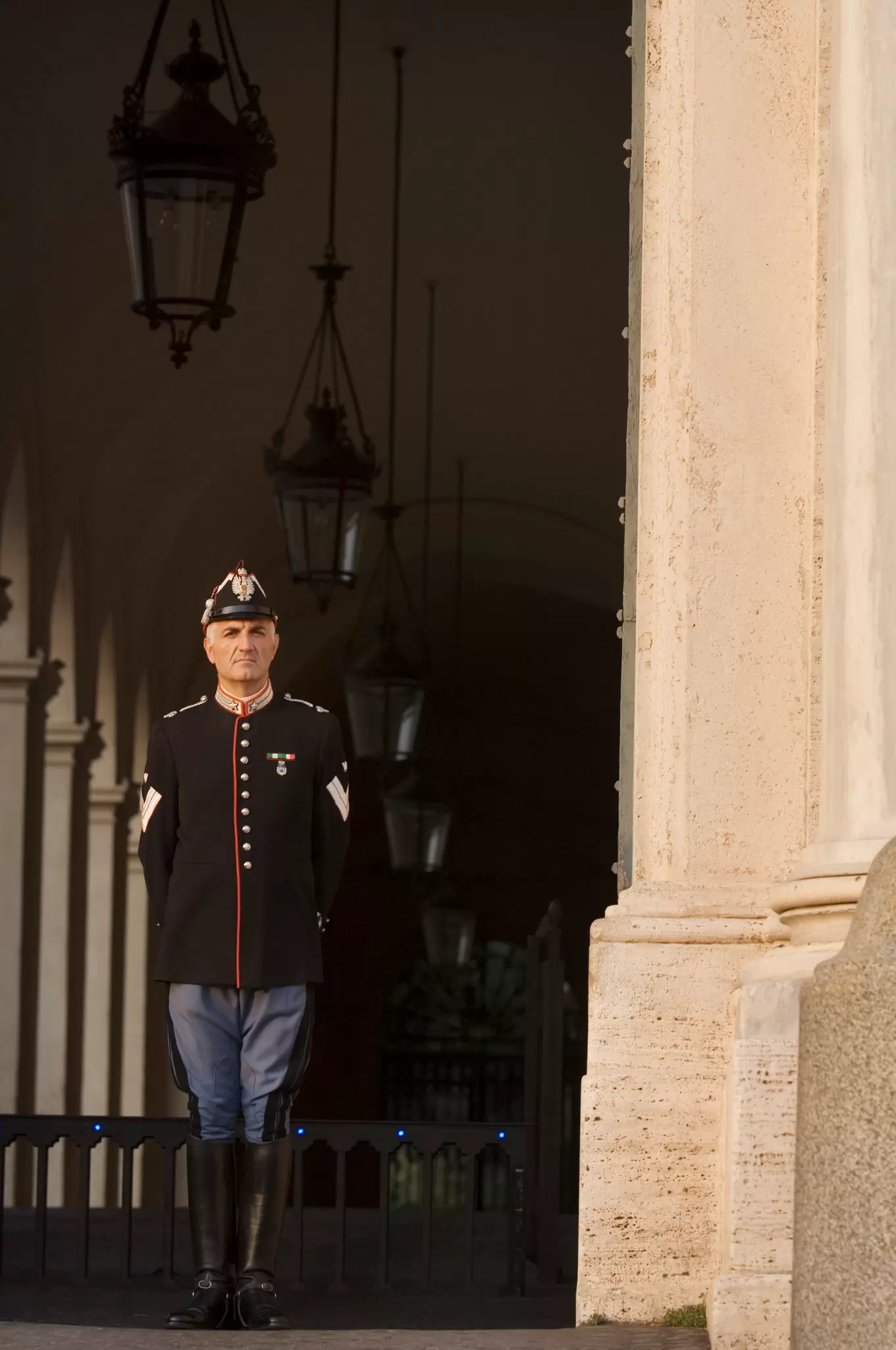
If there’s one thing that every Italian knows you can find in the Quirinale, that’s the corazzieri. A separate regiment of the carabinieri, the corazzieri (or 'cuirassiers') are the guard of honor of the President of the Republic and escort him to all his official appointments, as well as mount guard at the Quirinale while he’s present in the palace. Famously, the corazzieri are required to be at least 190cm (or 6’ 2’’) tall in order to join and are also expected to be good horsemen, since the regiment is traditionally a mounted one.