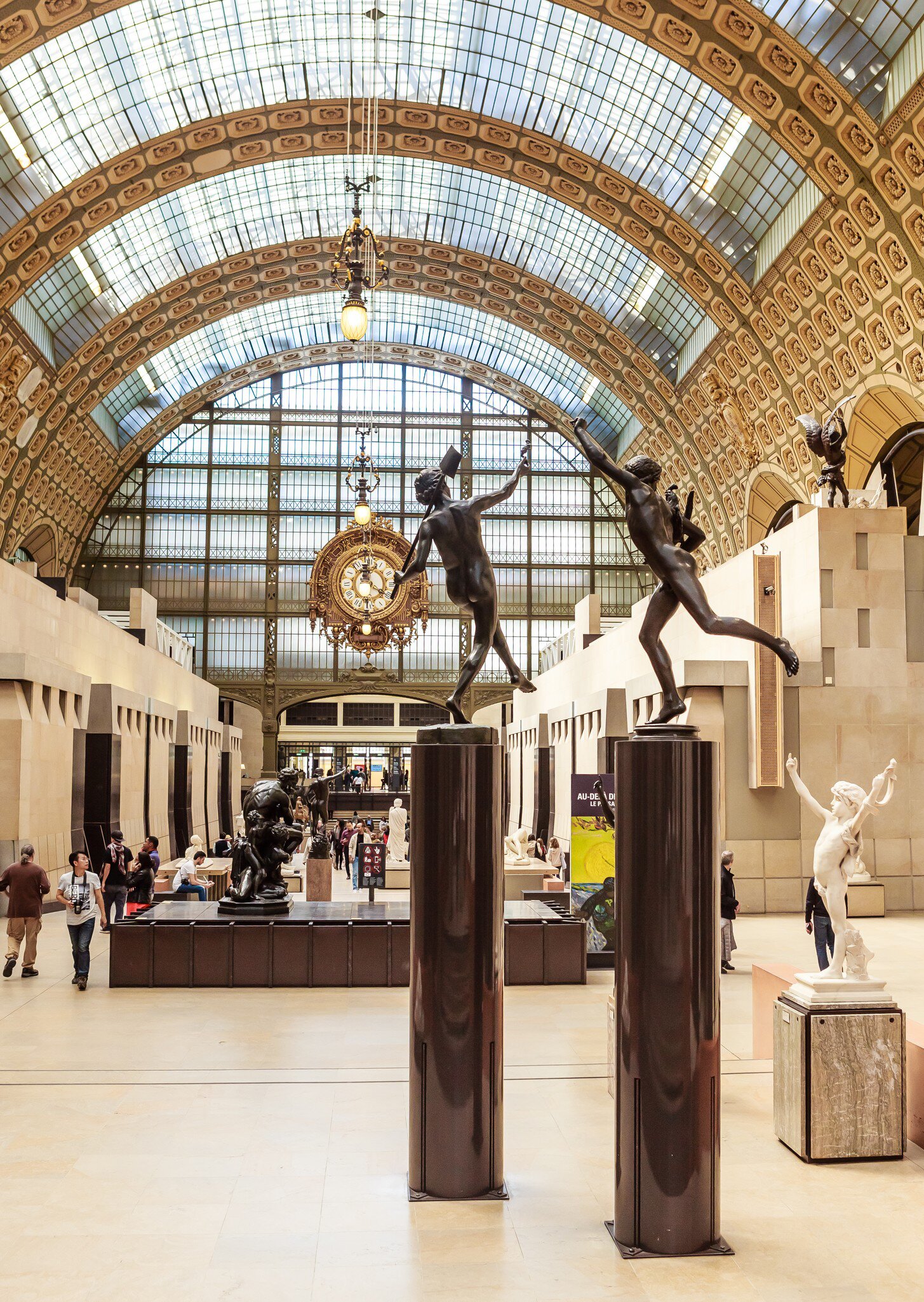
The second-most-visited museum in France after the Louvre, the Musée d’Orsay is housed in a former railway station and contains one of the most important collections of impressionist and postimpressionist works in the world. With its sublime architecture and masterpieces from the likes of Monet and Cézanne, plan on spending at least half a day here immersing yourself in modern French art history.
A Living History of Architecture
As you enter the Musée d’Orsay, take a pause to notice the layout of the ground floor, with sculptures in two straight rows, and small galleries annexed along the outer edges of the space. It was organized to mimic the layout of the original railway station within which it is housed. Given the sheer significance of the encasing building, it was decided from the outset that the Musée d’Orsay would elevate the history of architecture to the same revered rung as that of the history of art. Accordingly, galleries dedicated to the museum’s impressive collection of architectural drawings by the likes of Gustave Eiffel and Viollet-le-Duc interject those allocated to fine art.
At the end of the ground floor is a space dedicated to the history of Paris’ urban development. Look below you and you’ll notice an intricate scaled model of the city as it stood in 1914 when the museum first opened.
The Impressionists
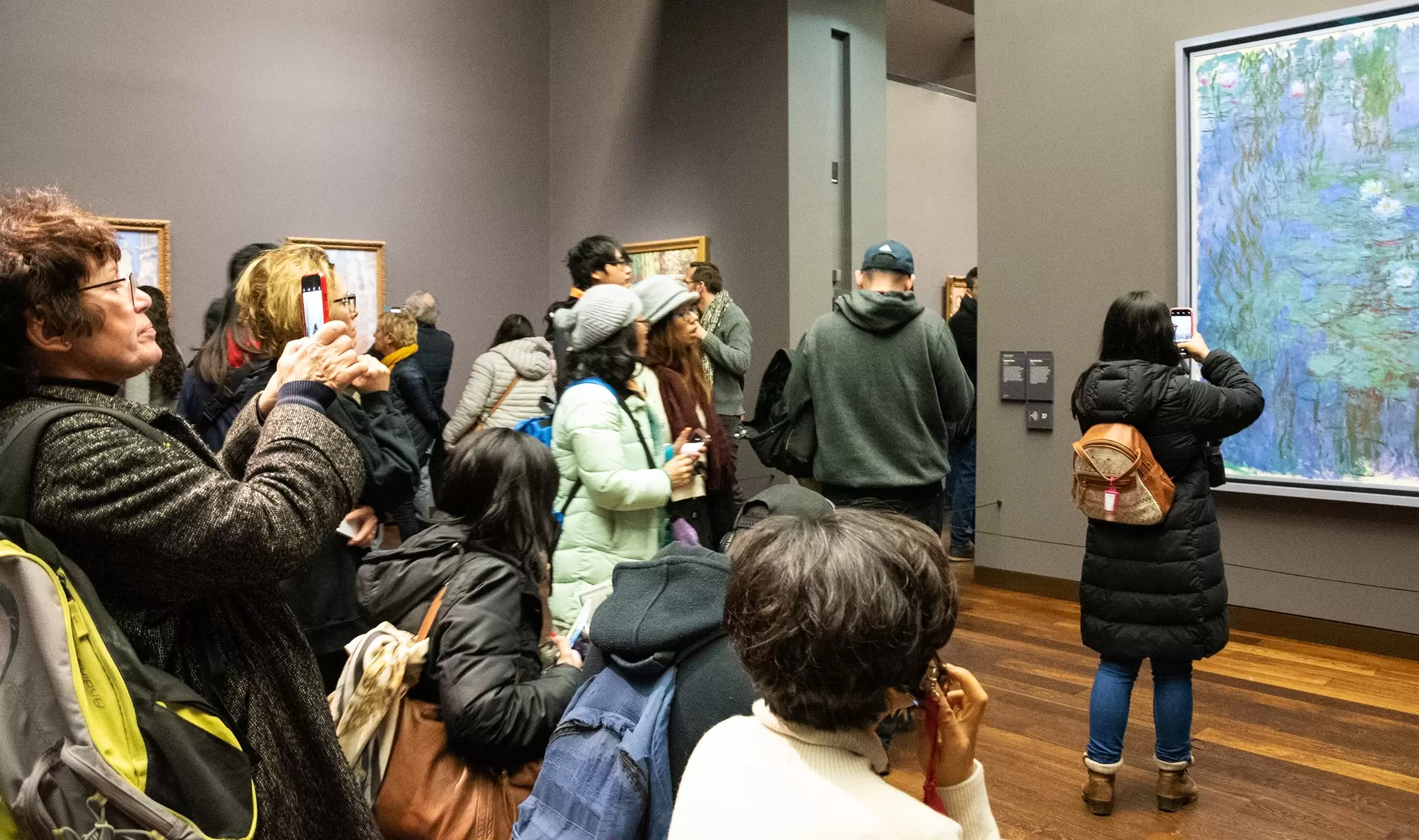
Most people visit the Musée d’Orsay for its collection of impressionist works and rightly so: the 5th floor of the museum is largely dedicated to the movement. By tracing the galleries in a clockwise direction you’ll get a fairly comprehensive overview of the development of the movement from impressionism to postimpressionism to neo-impressionism. Here is where the movement’s masterpieces, such as Monet's Londres, le Parlement, Van Gogh's Starry Night Over the Rhône, and Edgar Degas' sculpture La Petite Danseuse de Quatorze Ans are exhibited alongside other fabled modern works like Cézanne's Nature morte series.
Cinema as Art
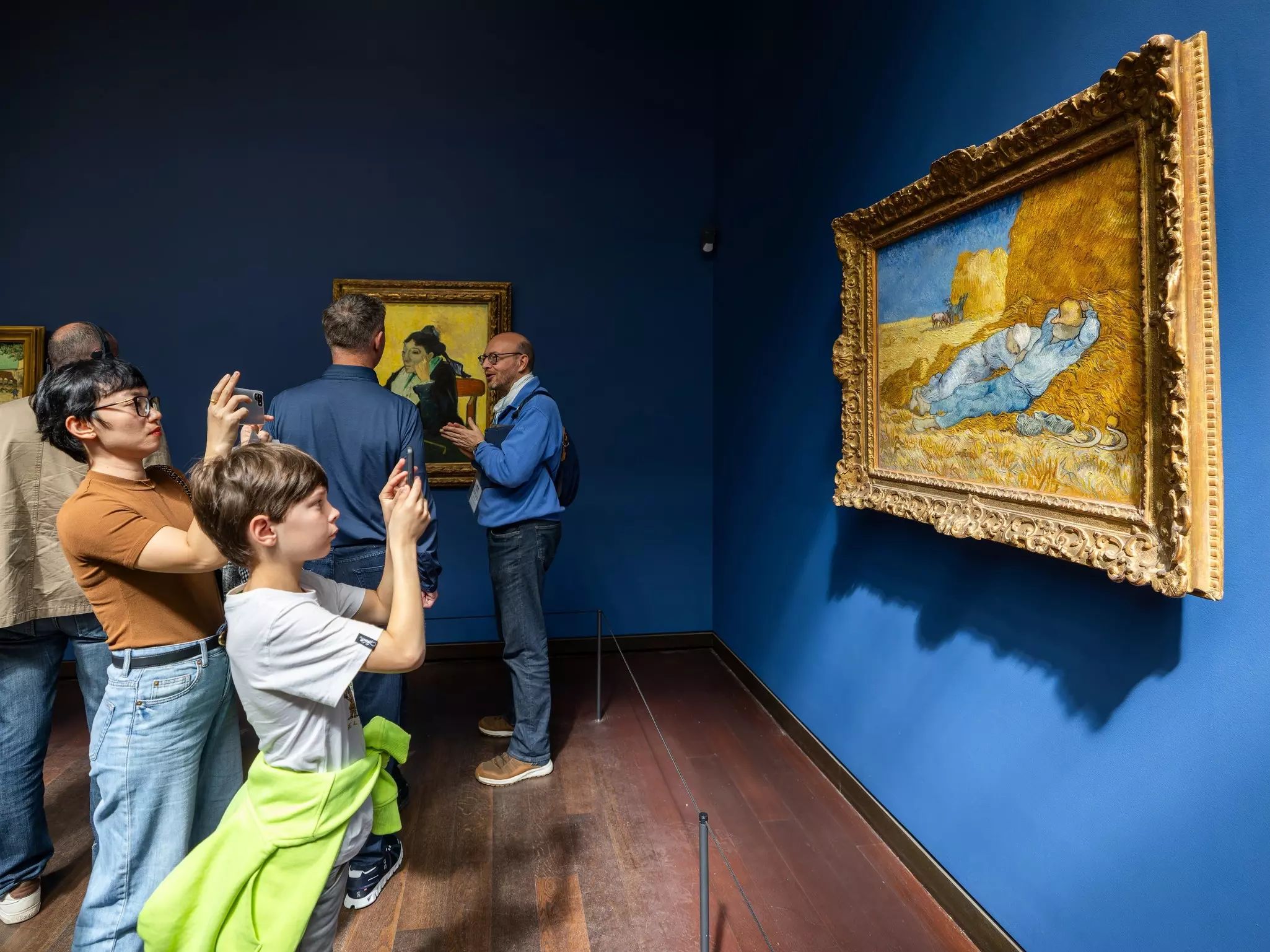
Few people know that from its beginnings the Musée d’Orsay has devoted one of its sections to the history of cinema and cinematography, innovating an approach that considers film as art, and not simply as technique or entertainment. On the 5th floor, tucked away alongside the impressionist collection, is a gallery tracing the medium’s history and technical developments, with projections of short clips from pivotal films in the medium's history. To complement this venture, the Musée d’Orsay often holds screenings in its auditorium of some of the most important works of cinema from the early 20th century. Check the official website for a schedule.
History Through a Contemporary Lens
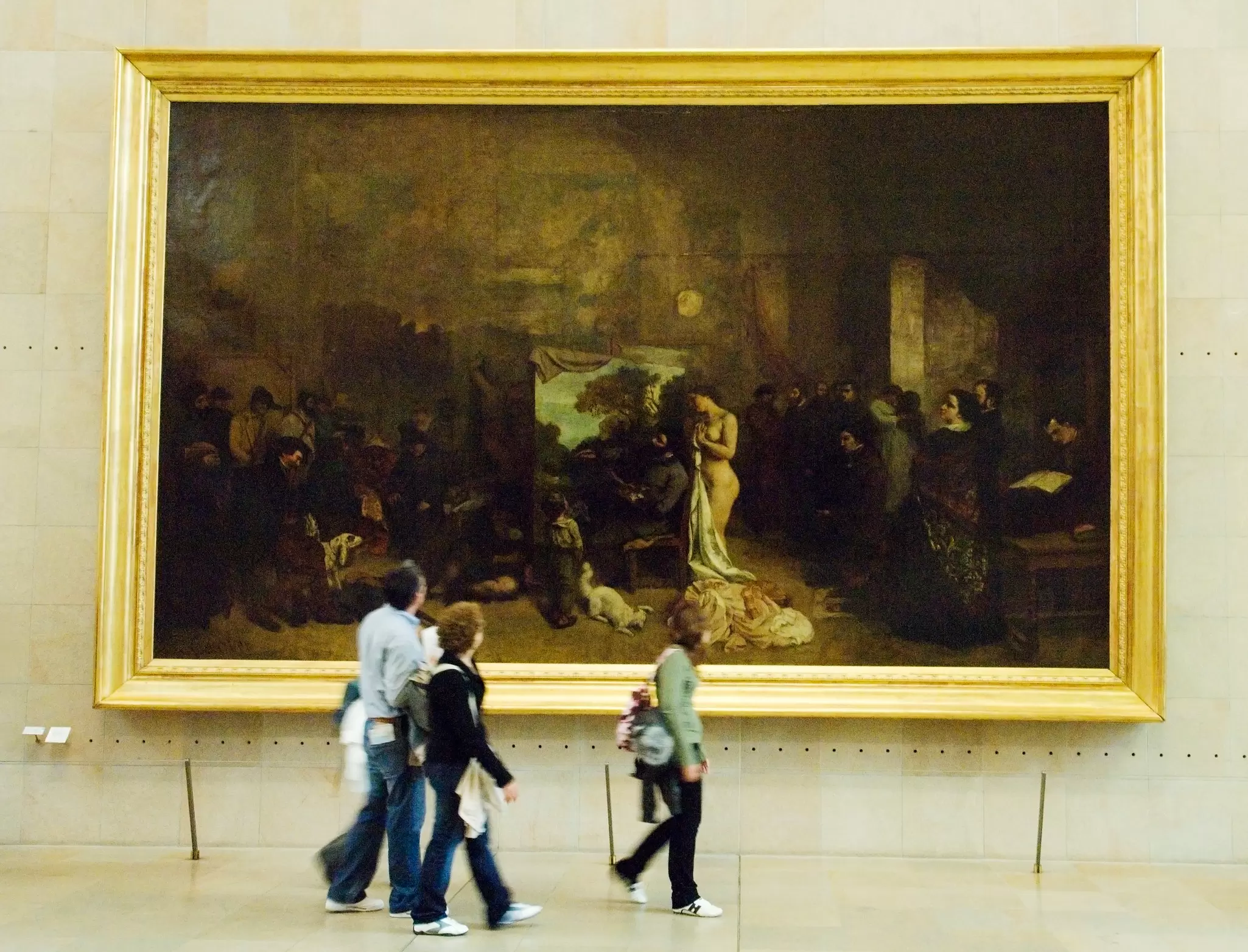
Although the focus of the Musée d’Orsay is modern art from the period between 1848 and 1914, several times a year the museum invites the biggest names in today’s contemporary art scene, such as Jean-Philippe Delhomme, Marlene Dumas and Peter Doig, to curate exhibitions featuring their own works interwoven with selections from the permanent collection. By placing contemporary art in direct dialogue with historical masterpieces, it urges us to consider the works with a fresh perspective while emphasizing their enduring importance. On one Thursday evening per month, the museum also hosts "Curious Thursdays," when young artists from other creative worlds (like dance and music) are invited to perform among the art. Check the website for schedule details.