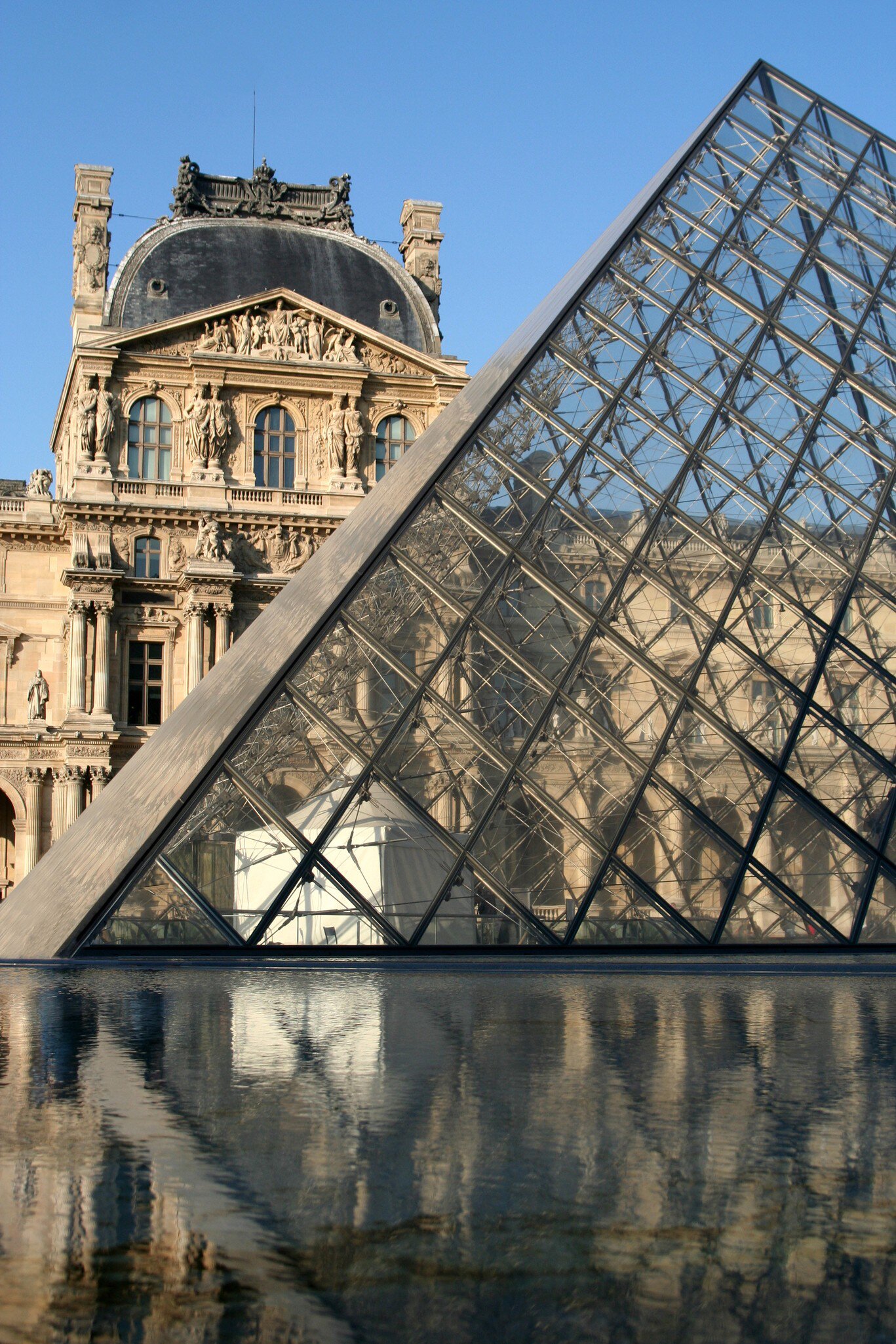
The Louvre is undeniably Paris’ pièce de résistance, boasting 35,000 works of art on display, including iconic masterpieces, spread across three multifloor wings. Glancing at each piece for a mere minute would take 24 days without sleeping, not to mention the time needed to appreciate the museum’s grand surroundings. With careful planning, you can fully experience the world’s largest art museum, without getting sidetracked in one wing alone.
When to Go to the Louvre
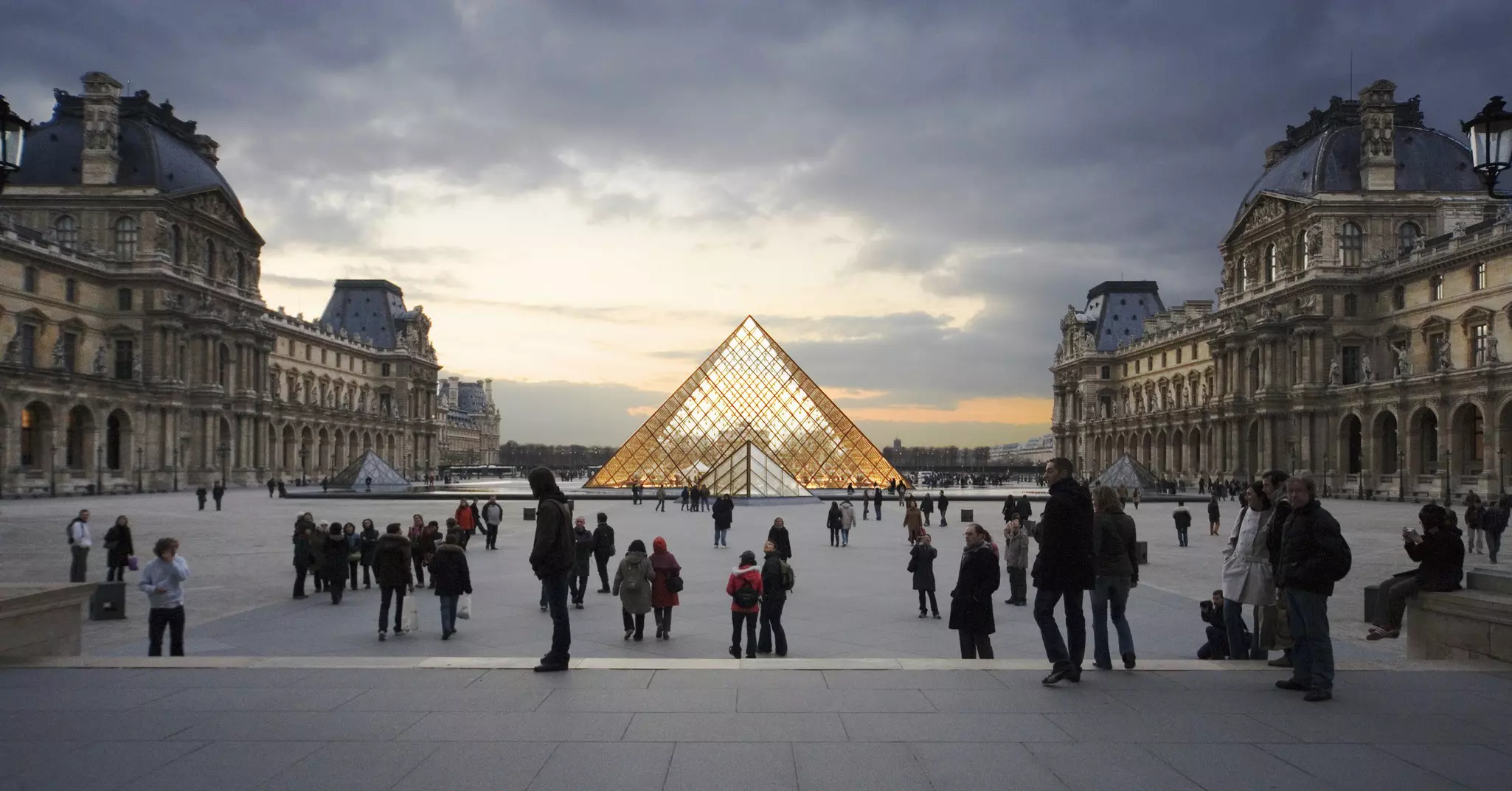
It’s almost tired to advise arriving early if you want to beat the crowds, since that’s true of every major sight in the world. Timed tickets are supposed to prevent overcrowding, but – yes – getting there early will mean fewer people and more time to see as many galleries as you want. Book your admission slot as soon as possible to get the best (and ideally earliest) time that works for you.
If you’re more of a evening person, the museum is open until 9pm on Wednesdays and Fridays; normal opening hours are 9am–6pm, except Tuesdays, when it’s closed. The last entry is an hour before closing, yet rooms start to get cleared 30 minutes before closing, which leaves very little time to see anything.
What to See at the Louvre
Entering the museum for the first time can be intimidating. The key to approaching the vast collections to consider them from two significant perspectives: Western art, spanning from the Middle Ages to the mid-19th century; and the art of five ancient civilizations that preceded and influenced Western art.
To navigate the museum, just remember that it consists of three wings: the Richelieu (North), Denon (South) and the Sully Wing (East).
Possibly the best way to visit it is to allow yourself to choose, explore and be pleasantly surprised. Don’t worry about seeing every masterpiece the Louvre has on display – enjoy the experience itself.
Ancient Civilizations
The antiquities department showcases pieces dating from the Neolithic period to the decline of the Roman Empire. Tracing the treasures of ancient civilizations chronologically will primarily lead you through the ground floor, with additional areas dedicated to Egyptian antiquities on level 1. Begin your journey in the Richelieu Wing, exploring Mesopotamian art (from what is considered the earliest human civilization). Continue to the Sully Wing to descend into the Sphinx's Crypt and uncover Egyptian art. Proceed to the Denon Wing to see Greek, Etruscan and Roman art.
Gardens of Sculptures
Sculpture enthusiasts should not miss the Cour Marly and Cour Puget, on level -1 of the Richelieu Wing. These indoor courtyards bathed in natural light house French masterpieces created under Louis XIV. The Cour Marly provides an atmospheric setting reminiscent of its original location in one of the king's residences. Interestingly, in an arrangement that may seem counterintuitive, ascending to the sculptures on upper level will transport you to medieval France. Moving through the Richelieu Wing on the ground floor, you'll encounter more sculptures from the 17th to the 19th centuries.
European Masterpieces
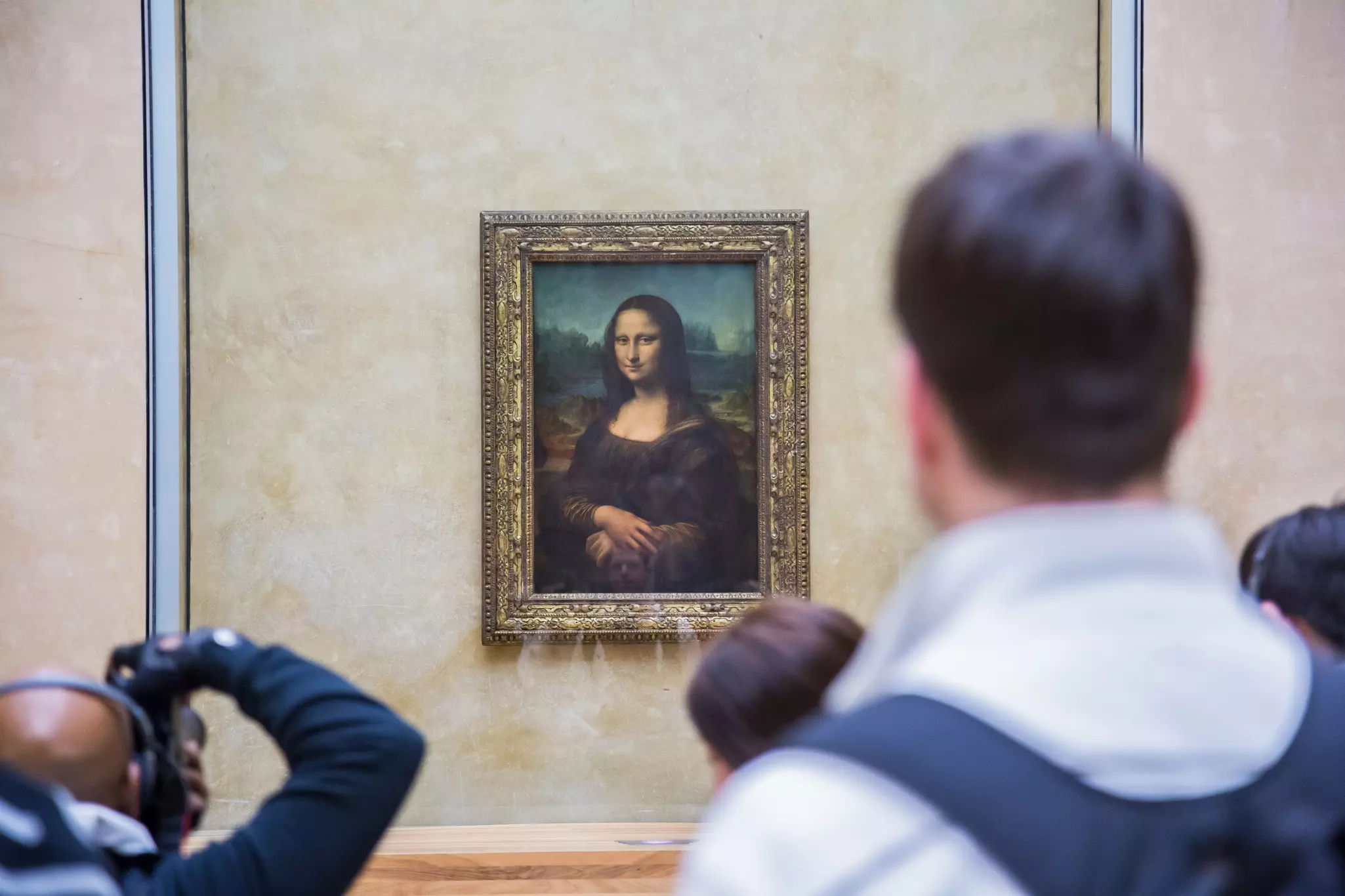
The top floors showcase European paintings and decorative arts from the Middle Ages to the mid-19th century. Many visitors explore these floors toward the end of their visit, following the sequential order of the rooms. If you're a painting enthusiast, however, it's advisable to prioritize these floors. They are must-visit areas for iconic artworks like the Mona Lisa, as well as monumental paintings such as The Wedding Feast at Cana and The Raft of the Medusa. Don't miss the impressive Great Gallery, the historic Salon Carré (the precursor to exhibition salons) and the opulent Galerie d'Apollon, adorned with stunning murals and golden embellishments, and home to the French royal jewels.
Around the World
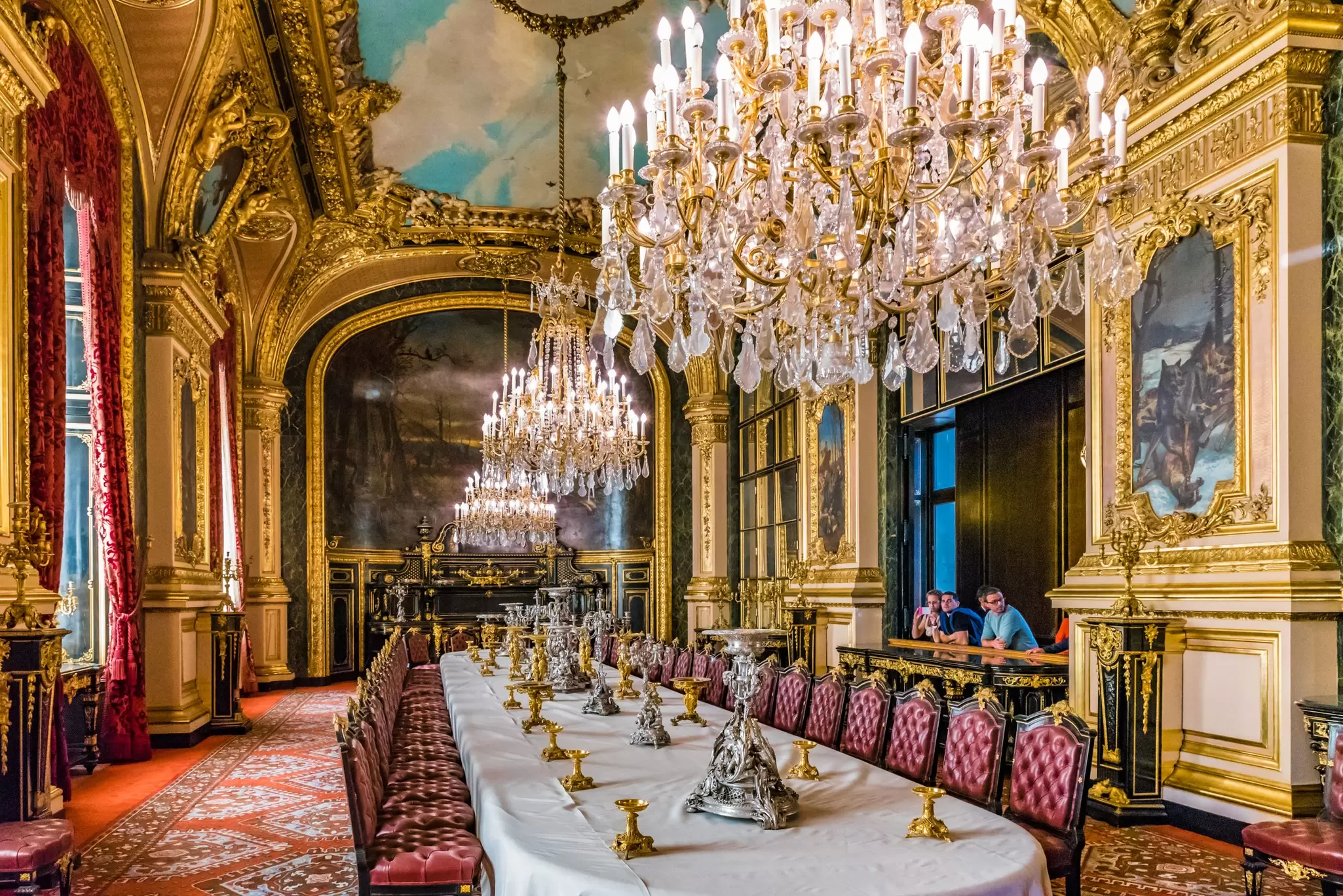
Like no ordinary museum, the Louvre takes you on a journey to different eras and continents. The Napoleon III Apartments, almost untouched for nearly 150 years, sit at the end of the Richelieu Wing on level 1. For a broader cultural experience, explore the small section dedicated to American, African, Asian and Oceanic arts, situated in a remote part of the Denon Wing (access through level 1).
How Much Time to Spend at the Louvre
How much time have you got? Here are some itinerary ideas to make the most of your time.
A Couple of Hours
If you’re short on time, you can approach the Louvre by focusing on certain major pieces. Start with a face-to-face with the Great Sphinx of Tanis, and explore the Egyptian antiquities in the Sully Wing. On level 1, view the Seated Scribe statue (room 635), then proceed to the lavishly decorated rooms rooms 600–622, highlighting the 18th-century royal court lifestyle.
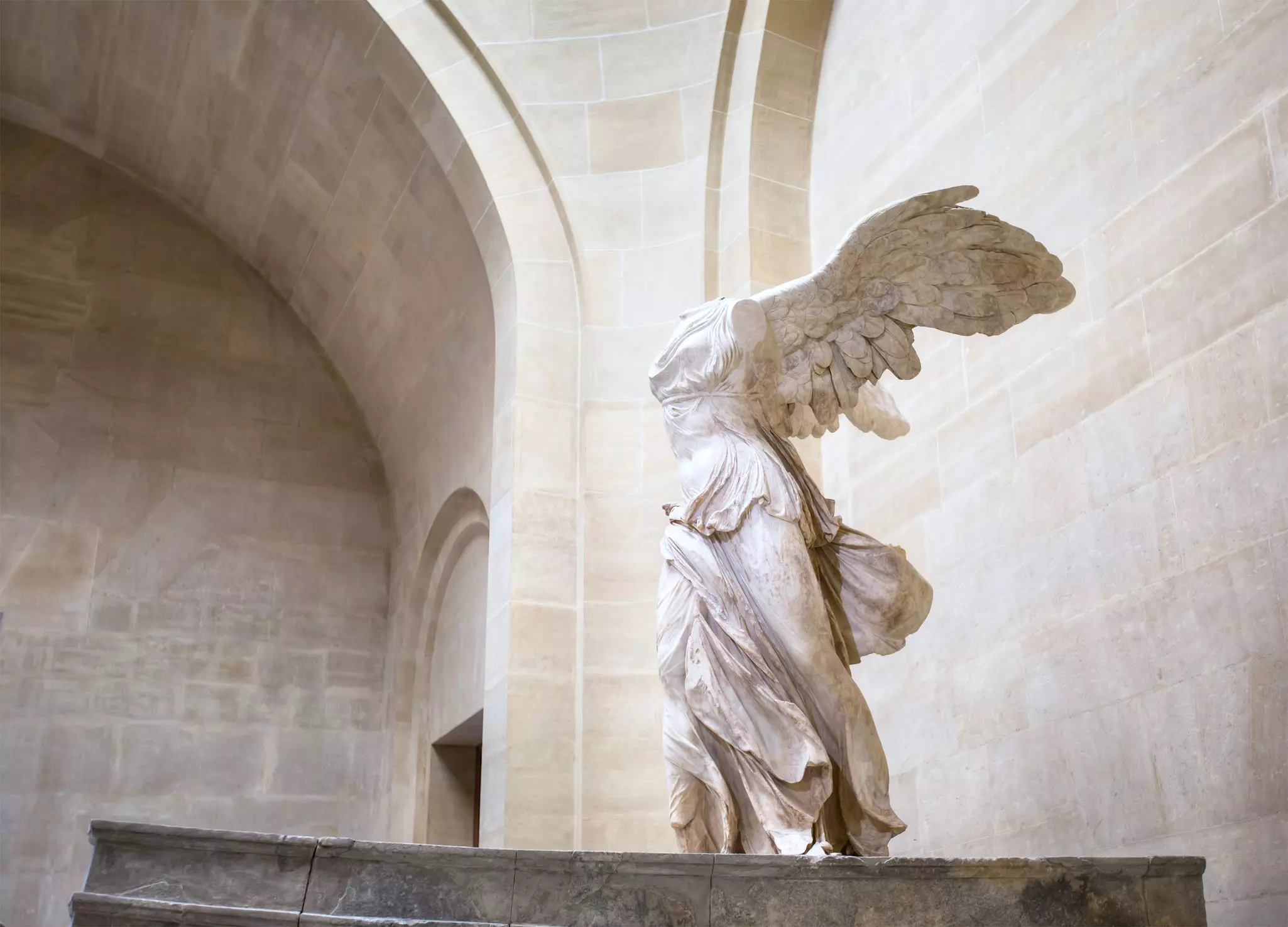
Head to the ground level using the central staircase, and go directly to Room 345 to admire Venus de Milo. From there, make your way up via the magnificent staircase, where the Winged Victory of Samothrace awaits.
Back on level 1, continue your journey through the Denon Wing. Glance at the golden Galerie d’Apollon (room 705) before immersing yourself in the painting galleries. Start with the Salon Carré (room 708), which leads to the Great Gallery, featuring masterpieces by renowned Italian artists, including Leonardo da Vinci’s Mona Lisa (room 711), at least until it is moved to a dedicated room.
If you have extra time, visit the Cour Marly and Cour Puget in the Richelieu Wing to bask in the light and marvel at their imposing sculptures, including the Marly horses.
A Half Day
With additional time, you can further explore the remarkable surroundings of the former palace and appreciate the architectural additions made by successive residents over the centuries.
In the Renaissance sections of the southern wings (Sully and Denon), attributed to Henri II and Henri IV, you can explore Greek and Roman antiquities displayed across the Ballroom and the Salle du Manège. These rooms flaunt imported style from Italy, with notable features like a gate supported by caryatids, originally designed for hosting musicians – Molière himself performed in front of King Louis XIV in this very space a century later.
Ascend the grand Mollien staircase to level 1, where you’ll find the red-walled galleries housing masterpieces by French artists, including Delacroix’ Liberty Leading the People (room 700).
For a refreshing break, head to the Mollien Café, which offers a splendid view of the Carrousel du Louvre from its terrace.
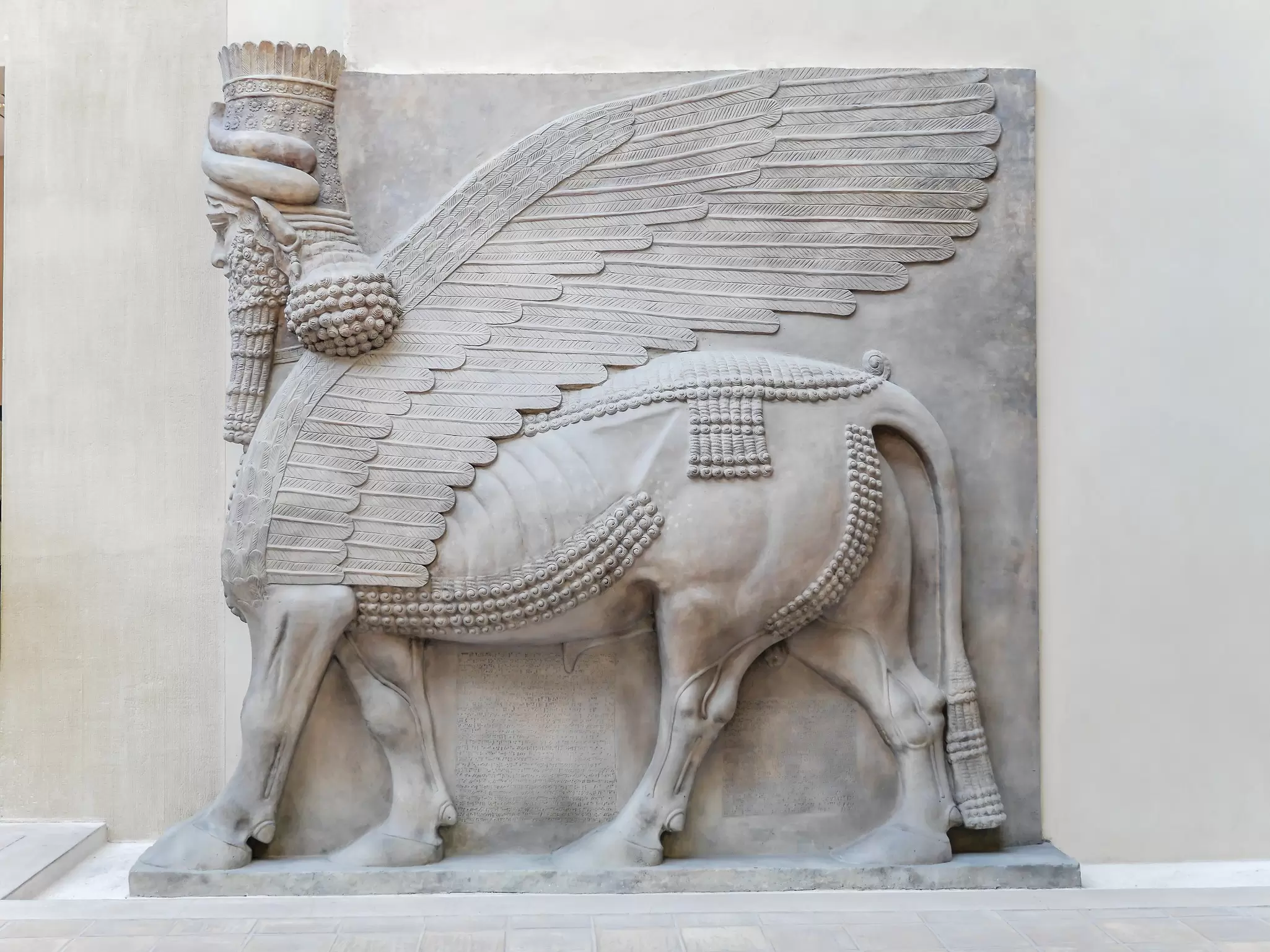
To end your visit, go through Cour Khorsabad (room 229 in the Richelieu Wing), where the monumental vestiges of the Assyrian city and palace of King Sargon II at Dur-Sharrukin (now Khorsabad) are presented.
A Full Day
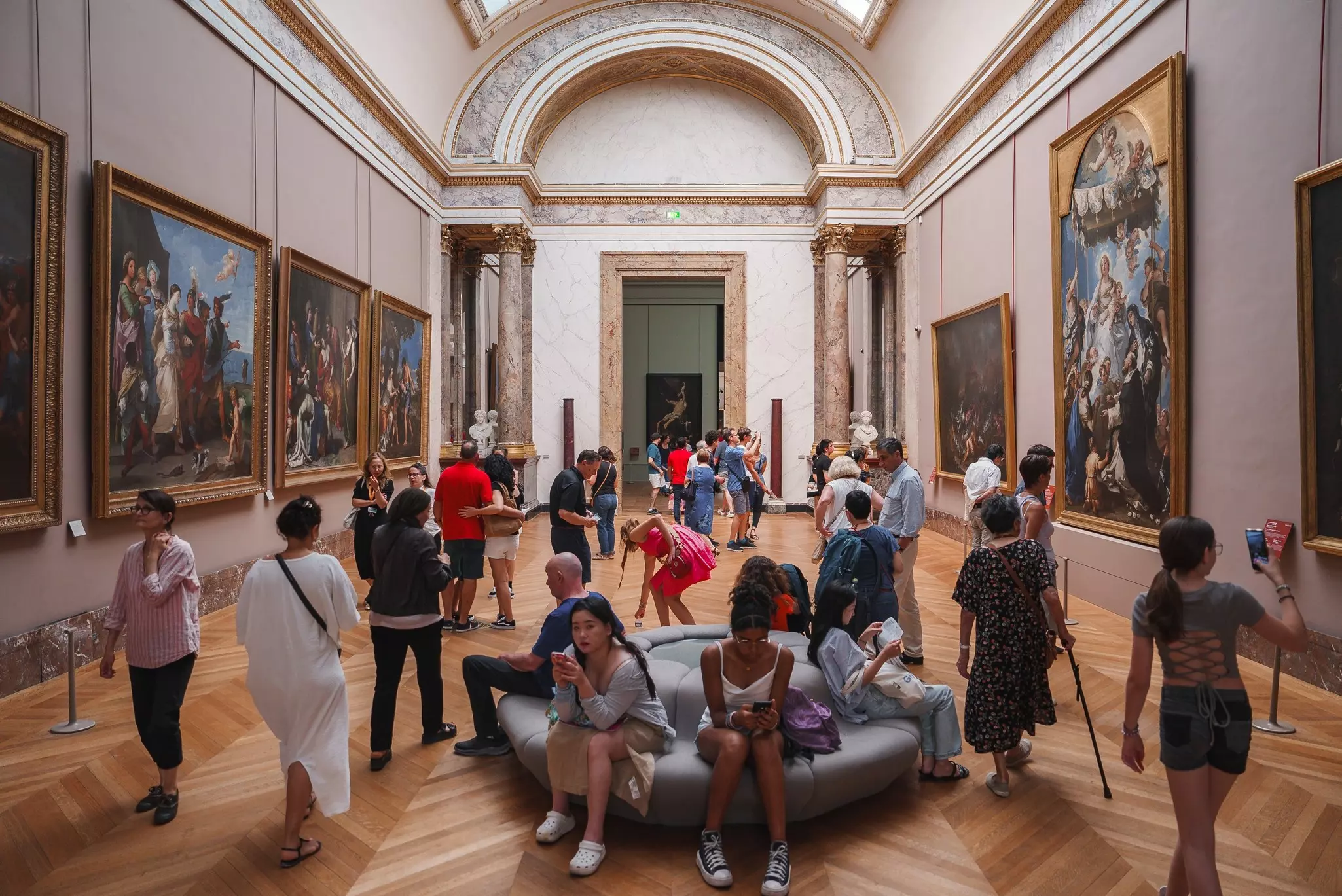
If you’re up for a more extensive exploration, you can delve deeper into the historical layers of the Louvre.
Entering from the Carousel, you may have already seen some of the complex’ medieval remains, dating back to 1190, when King Philippe-Auguste decided to build a fortress. Descend beneath the Cour Carrée to admire the surviving elements of the original moats and drawbridge, and realize the complexity of the former palace’s architecture.
Make a jump in time, exploring the well-preserved apartments of Napoléon III in the Richelieu Wing (rooms 535–49) for a taste of lavish Second Empire style.
If you need a refueling stop, visit Café Richelieu/Angelina for a meal, or sample the famous hot chocolate.
Art enthusiasts shouldn't miss the top floor of the Sully Wing, exhibiting two centuries of European and French masterpieces. But if you’re more into decorative arts, you will prefer to spend time wandering the Richelieu Wing galleries on level 1.
Alternatively, discover a small collection of artworks from Asia, Africa, Oceania and the Americas in a more intimate section (rooms 424–33).
Where to Eat Near the Louvre
With an abundance of options for eating and drinking at the Louvre, you won’t go hungry. You can grab a light meal from takeaway counters under the Pyramid on the Denon Mezzanine, or book a proper sit-down meal at Café Marly on rue de Rivoli, opposite the Pyramid.
There are also a host of takeaway options outside, like the Eric Kayser bakery truck at the Jardin du Carrousel entrance (by the Arche du Carrousel).
How to Get to the Louvre
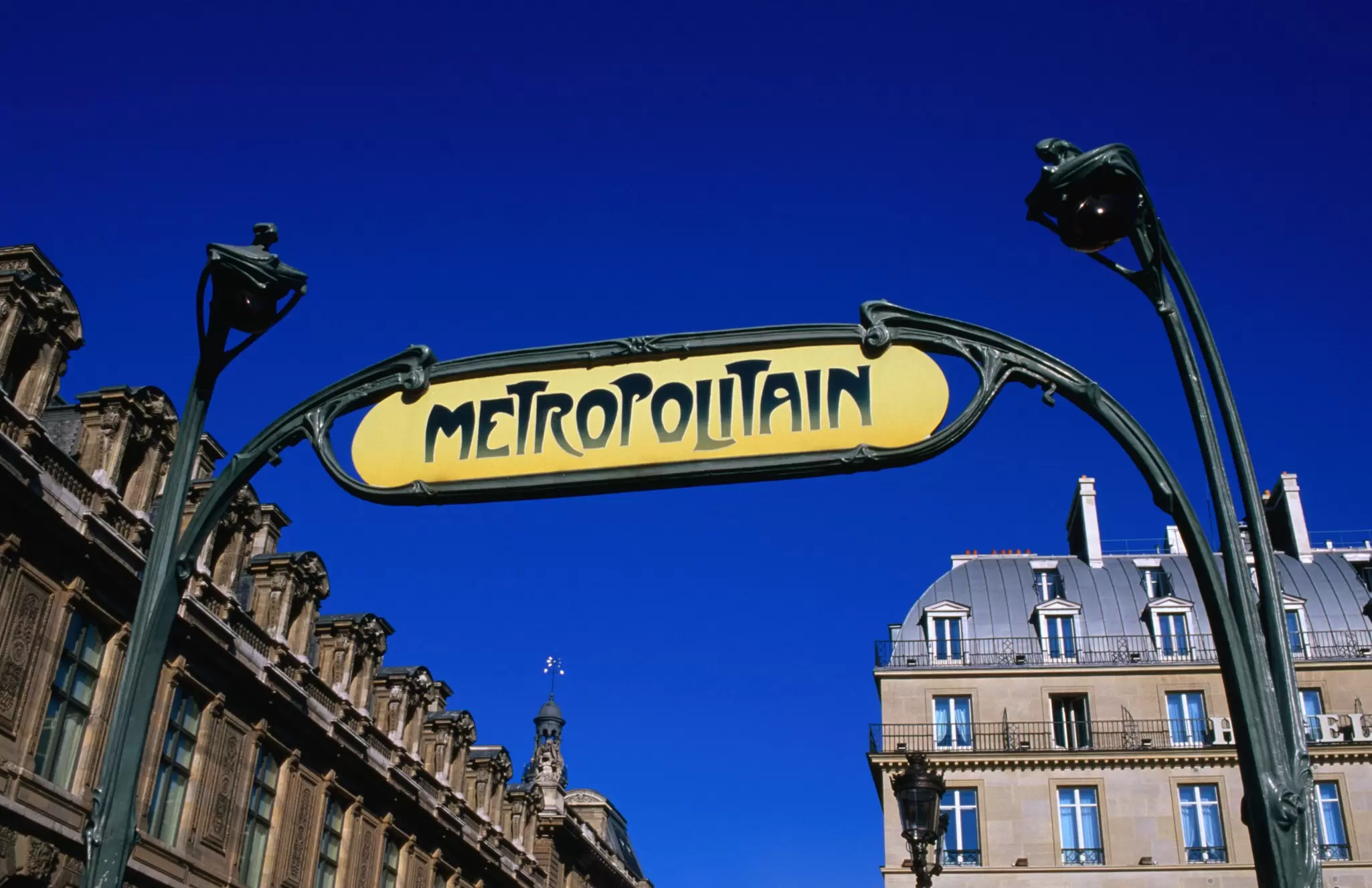
Walking and cycling are excellent ways to get around Paris. If coming by metro, get off at Palais-Royal–Musée du Louvre (lines 1 and 7) or Pyramides (line 14). Arriving by boat? You‘ll alight at Quai François-Mitterrand. There are also myriad bus routes that will drop you nearby.
Is the Louvre Accessible?
Yes. Visitors with disabilities as well as their carers are admitted for free and given priority entry if there’s a queue. It’s best to get in touch before your visit as you still need to book ahead to guarantee entry during peak periods.
The Louvre is not only accessible for people with mobility issues, it also makes people with invisible challenges feel welcome, with foldable chairs available to borrow for free, plus sensory bags to borrow with noise-canceling headphones and other useful items.
Pick up a pamphlet from the visitor information desk, which will help you locate quieter rooms, benches, elevators and restrooms for a more relaxed experience.
Planning Tips for Visiting the Louvre
Book your ticket online in advance, so you won’t need to line up at the museum desk – or worse, miss out entirely.
The Louvre website is a valuable resource for finding inspiration and planning your visit, with thematic itinerary ideas.
Wear comfortable shoes – you may end up walking through 403 halls and nearly 15km (10 miles) of corridors.
If you're visiting with children, take a break at the Studio (level 1 in the Richelieu Wing), which provides creative materials for little ones to enjoy.