May 8, 202613 min read
The 14 Best Things to Do in NormandyMay 8, 2026
13 MIN READ

Writer
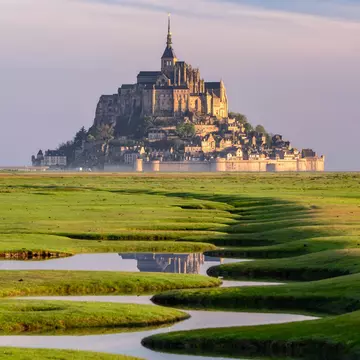
Mont St-Michel in Normandy, France. Achim Thomae/Getty Images

Writer
Highlights
Writer Cyrena Lee rounds up 14 Normandy experiences from coast to cheese country.
Visit Mont St-Michel early; wander its narrow alleys before the crowds arrive.
History lovers should tour Rouen and Omaha Beach; the Bayeux Tapestry reopens in 2027.
Gouville-sur-Mer's bright beach huts turn the coast into a postcard.
Lonely Planet may earn a commission from affiliate links on our site. All recommendations and reviews reflect our own independent opinions.
Normandy is known for bucolic countryside, impossibly long beaches, four protected varieties of cheese and, of course, Mont St-Michel, a surreal Gothic abbey set on an island that appears to float like a mystical dream during high tide.
This region in northwest France can be divided into two main sections. There’s La Normandie Haut (Upper Normandy), aka the Parisians’ Normandy, accessible by train and dotted with beachgoers and casino gamblers in Deauville and Trouville. Then there’s La Basse Normandie (Lower Normandy), which is much further from the country’s capital and offers sights and tastes a bit more off the beaten track.
Across upper and lower, the best things to do, eat and see in Normandy still leave you wanting to come back for more.
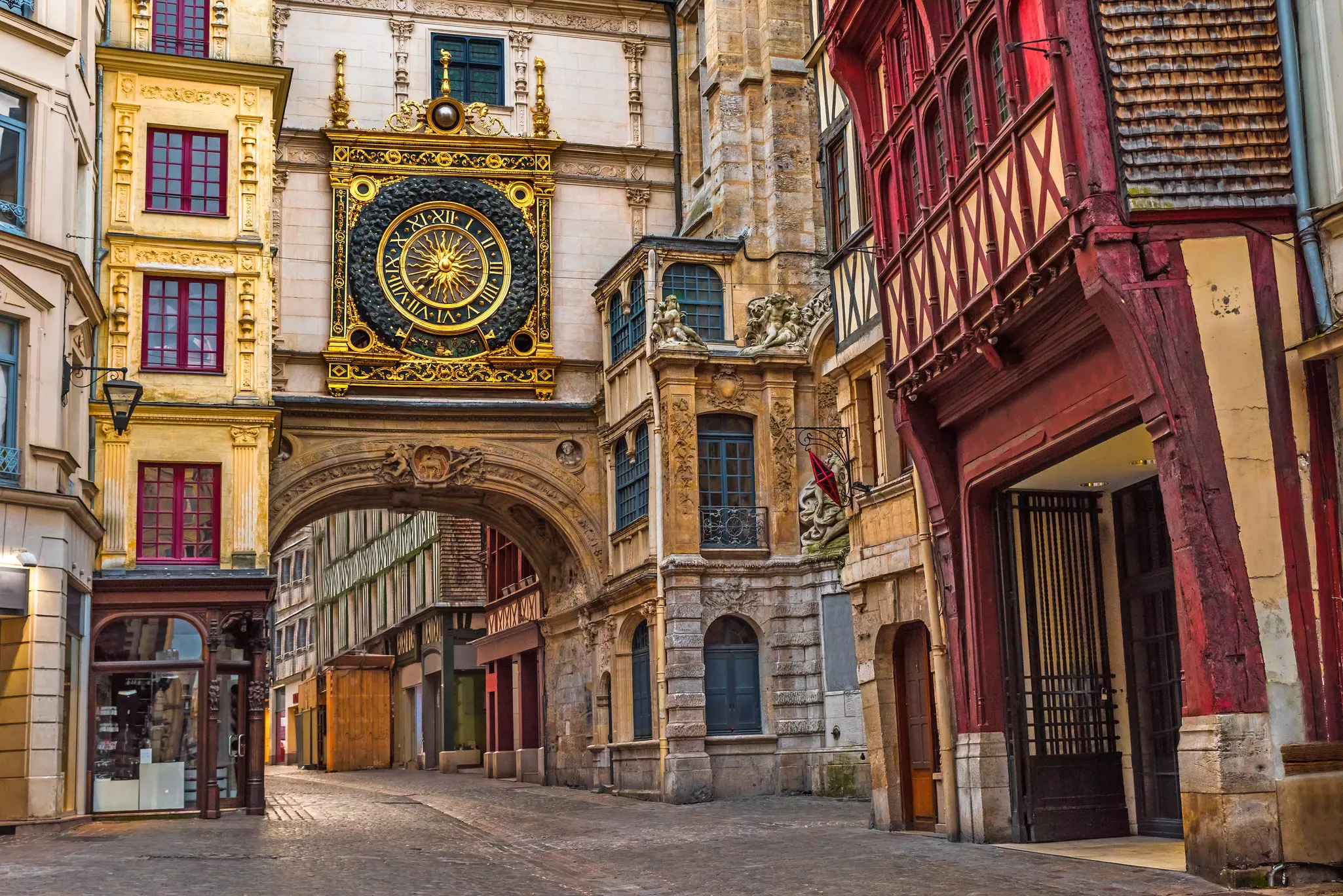
Like other port cities in Normandy, Rouen has endured since Roman times and is brimming with medieval architecture. You'll be in awe underneath the 14th-century astronomical clock in the city center as the bells ring. A guide is available to explain the intricate detailing of the clock, for a fee.
Art aficionados will particularly appreciate the Musée des Beaux-Arts' range of idyllic landscape paintings, homages to ecclesiastical greatness and impressionist masterpieces. Best of all: admission to the permanent collection is free. If contemporary art is more your speed, Rouen is also known for its street art – follow the map to urban art in this ancient city.
Planning tip: Rouen, Caen, Cherbourg, Granville and Le Havre are easily accessible by direct trains from Paris. Reaching more isolated areas of Normandy involves more logistics, with buses required to get to the D-Day landing beaches and Mont St-Michel.
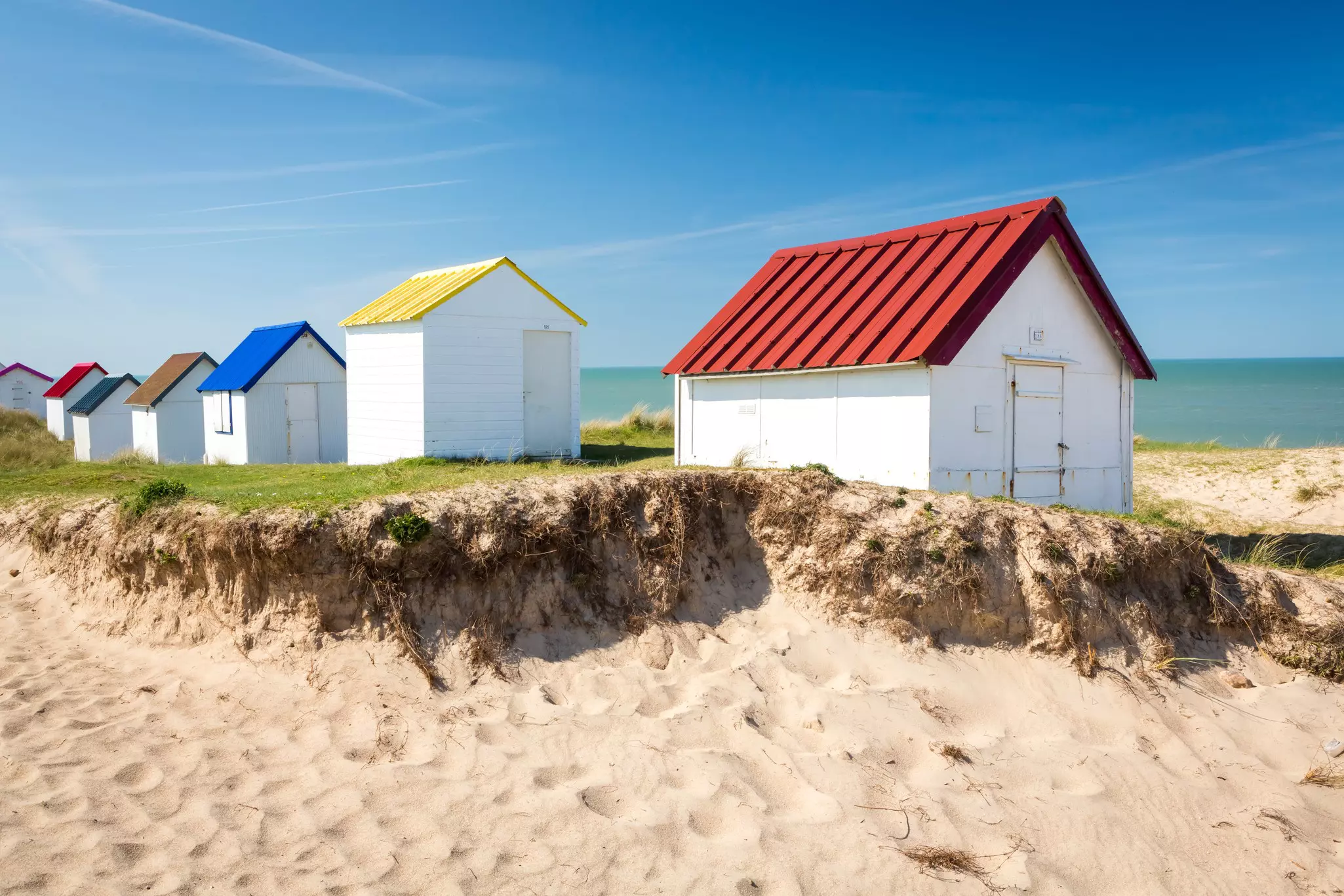
Sometimes the most beautiful sights are unexpected and unassuming. Take refuge in the pleasing line of roughly 70 white beachside changing cabins in Gouville-sur-Mer. Topped with bright roofs in red, yellow and blue, they turn the natural landscape into a postcard picture you can walk right into. Nearby, the friendly staff at L’Azac serves unpretentious and delicious food at affordable prices.
Detour: Coutances is a 15-minute drive from Gouville-sur-Mer and home to one of Normandy’s best crêperies, Crêperie Le Râtelier, which has been around for over 20 years. Call ahead to reserve a table, because it's often fully booked. Ask for the soubise, a simple crepe of confit onion and butter.
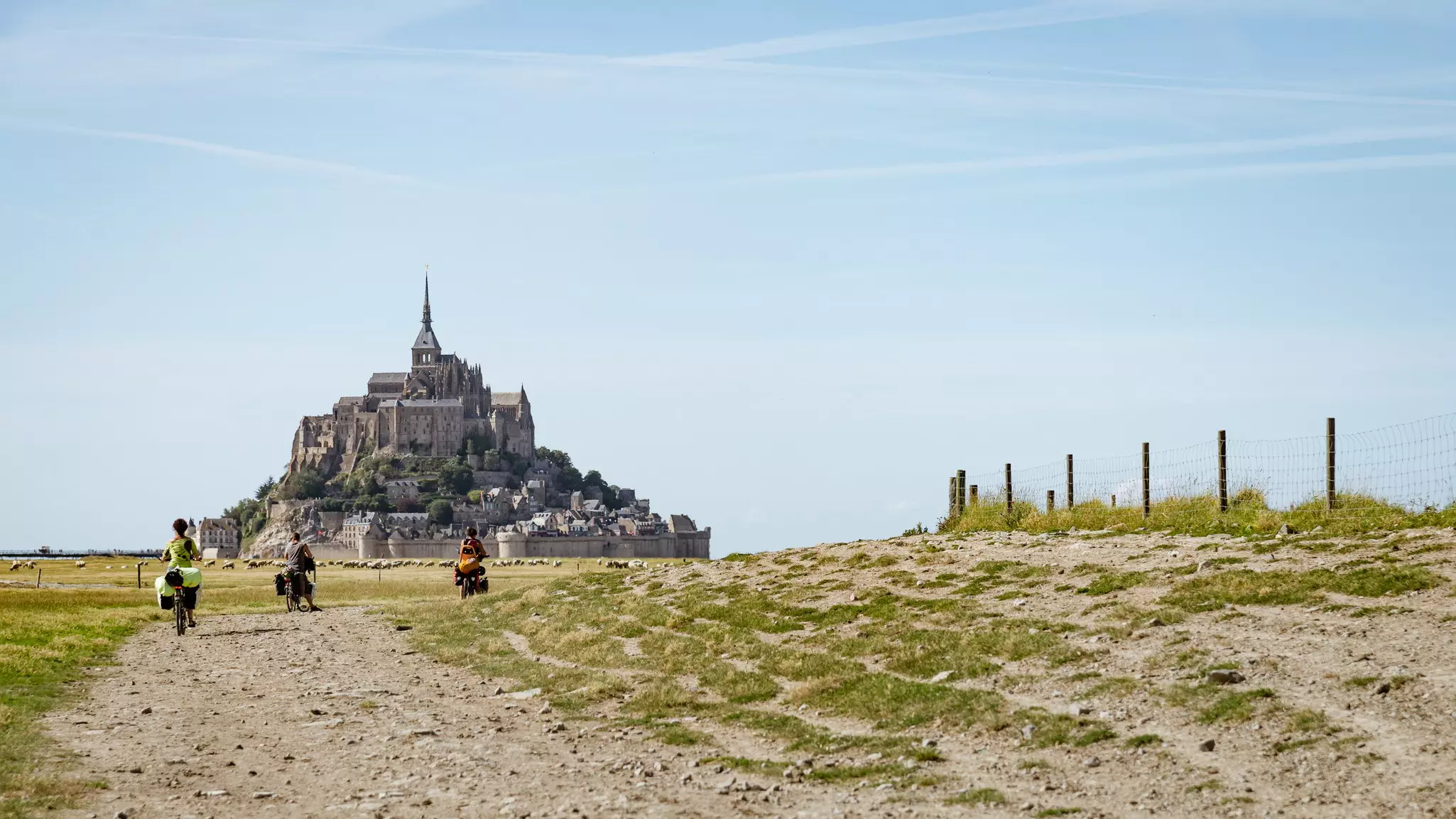
It’d be impossible to talk about Normandy without mentioning Mont St-Michel. The sight of the 13th-century abbey is even better when you aren’t fighting for boardwalk space. Get there as early as possible (or late) to avoid crowds, and if you can walk, skip the free shuttle (it’s usually packed with tourists and has long lines).
The best way to discover the island is to simply wander into the tiny crevices and narrow alleys. The abbey itself is beautiful, with chimneys as big as some modern living rooms. Trekking around barefoot in the surrounding bay is also quite an experience, and the cool sand relieves worn feet, but due to quicksand and a fast-rising tide, you should only attempt it with a seasoned guide, such as Ludo, who was raised in the area.
Detour: While the local specialty, the soufflé-like omelette de la mère Poulard, looks impressive, it’s quite pricey and not a good value. Drive instead to the Auberge Sauvage, an incredible modern French restaurant that offers six- or eight-course meals made with locally grown fruits and vegetables – humble carrots are transformed into glazed edible sculptures that are nothing short of art.
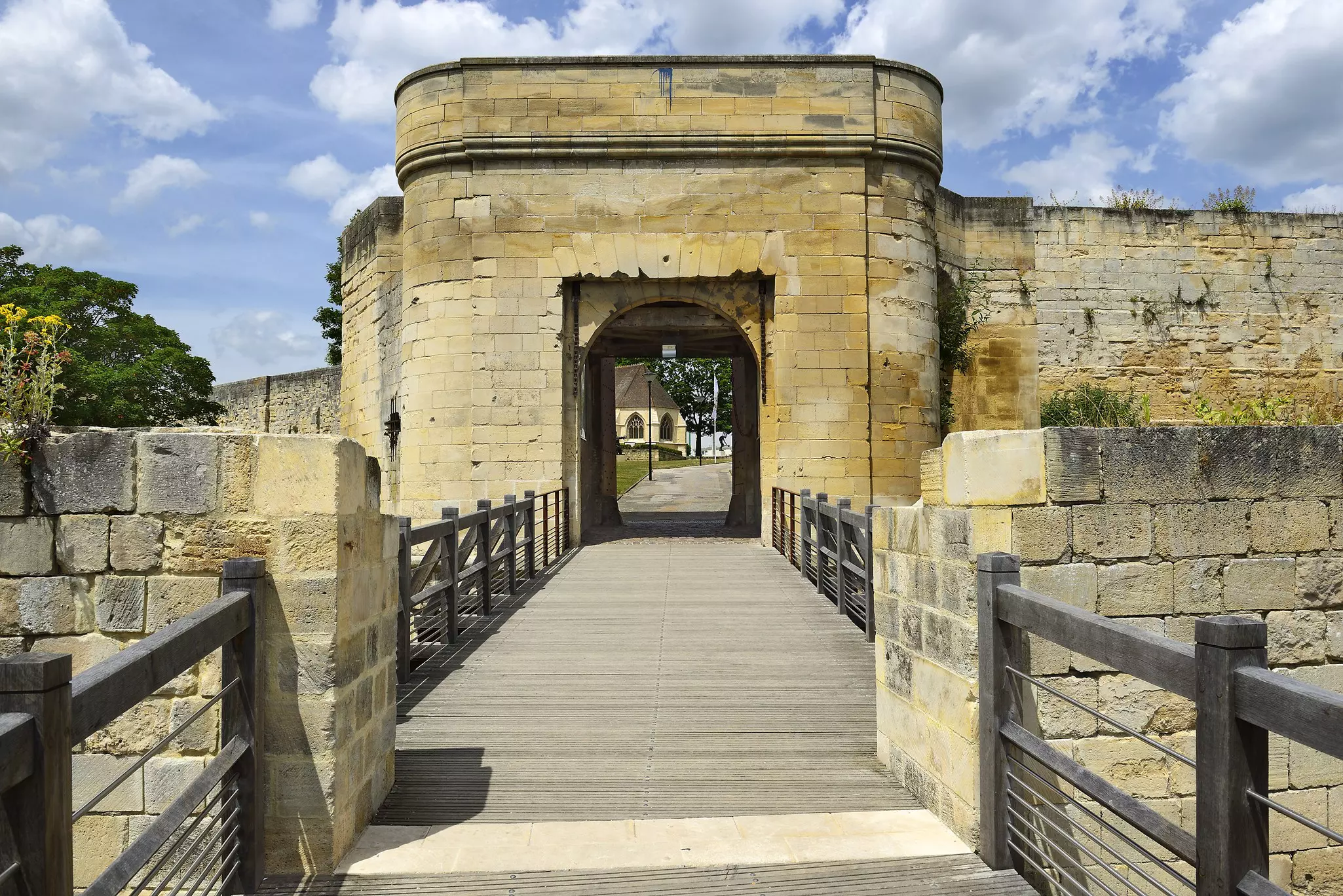
Caen is the capital city of the Calvados department of Normandy, and its history goes back to the ancient Romans. You can still spot stone houses from the Middle Ages in the Vaugueux neighborhood. History buffs should check out this tour with Viking specialist Laurence, available in both English and French; you’ll visit the castle, town hall and both the men’s monastery (L’Abbaye-aux-Hommes) and the nunnery (L’Abbaye-aux-Dames).
On rainy days (chances of that are high, so bring an umbrella), you can head inside to the Caen Memorial Museum, which sits atop an old German bunker. Among the most visited memorials by the French, this sprawling museum covers an immense amount of ground (plan at least 3 hours). Despite the breadth of information, there is an intimate glimpse of the past through artifacts like shoes and uniforms that belonged to soldiers, newspapers and propaganda of the day, and even a wartime wedding dress made from a parachute.
Once you’ve worked up an appetite, head to Le Bouchon du Vaugueux for traditional dishes of the terroir, made from locally sourced and seasonal products in a snug and convivial space – hone your French skills by eavesdropping on neighboring conversations.
Planning tip: Despite a deceptively grand entrance, the museum can get really crowded in the mornings with tour groups. Visit in the afternoon for more breathing room.
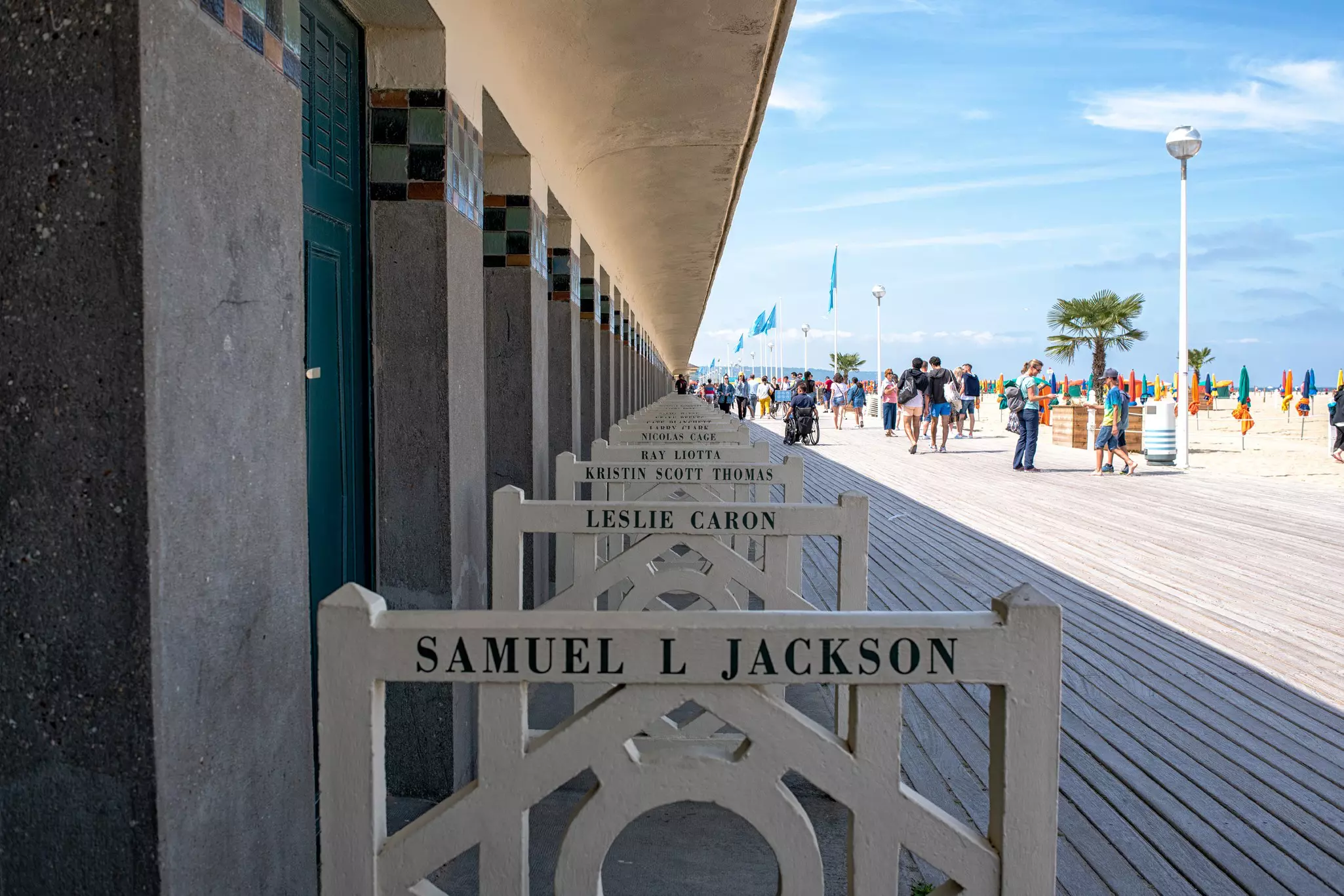
With just a 2-hour train ride, those with busy schedules or packed itineraries who still want to carve out a weekend in the fresh sea air can get from Paris to the calmer and more relaxed shores of the Côte Fleurie. One popular destination is the glamorous beachside town of Deauville, where locals with sunglasses on and sleeves rolled stroll in loose linen outfits that perfectly match the white-sand beaches dotted with colorful umbrellas. Along the shore, Les Planches, the 1920s art deco changing cabins, bear the names of Hollywood stars who’ve attended the town’s yearly fall American film festival.
Planning tip: There’s a long and leisurely walk along the harbor from Deauville to Trouville. Or during high tide, you can take an inexpensive, quick and bumpy boat ride. At low tide, a third option reveals itself: a footbridge that connects the two cities.
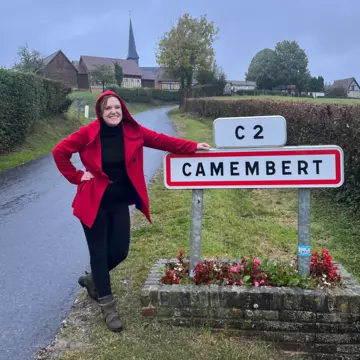
The French saying “En faire tout un fromage” essentially means to make a big fuss, or cheese, out of something. While it is used in a chiding manner, let’s be real: French cheese deserves a big fuss. Normandy doesn’t lack in the cheese department, and each of its fab four – Camembert, Livarot, Pont l’Evêque, Neufchâtel – has a hometown you can visit.
Camembert is creamy and soft. Livarot is a soft and stinky cheese made from the local breed of cows. Pont l’Evêque is a square and soft cheese that reached the height of its fame during the 14th century and tastes subtlety of hazelnuts. Neufchâtel, another soft cheese, is made from raw milk and has the honor of being the oldest cheese from the region; it usually comes in a heart shape. All are worth a taste, but a visit to the Fromagerie Réo in Lessay merits a visit above the rest. Tour the factory (with an English-speaking guide) to see firsthand how Camembert is made. Best of all, at the end, you get to sample the cheese.
Planning tip: A car is your best bet to really explore every nook and cranny of the wider Normandy region. To the north, many old tractor routes have been turned into zigzagging roads that lead to unexpected surprises, like leather workshops or an escargot farm.
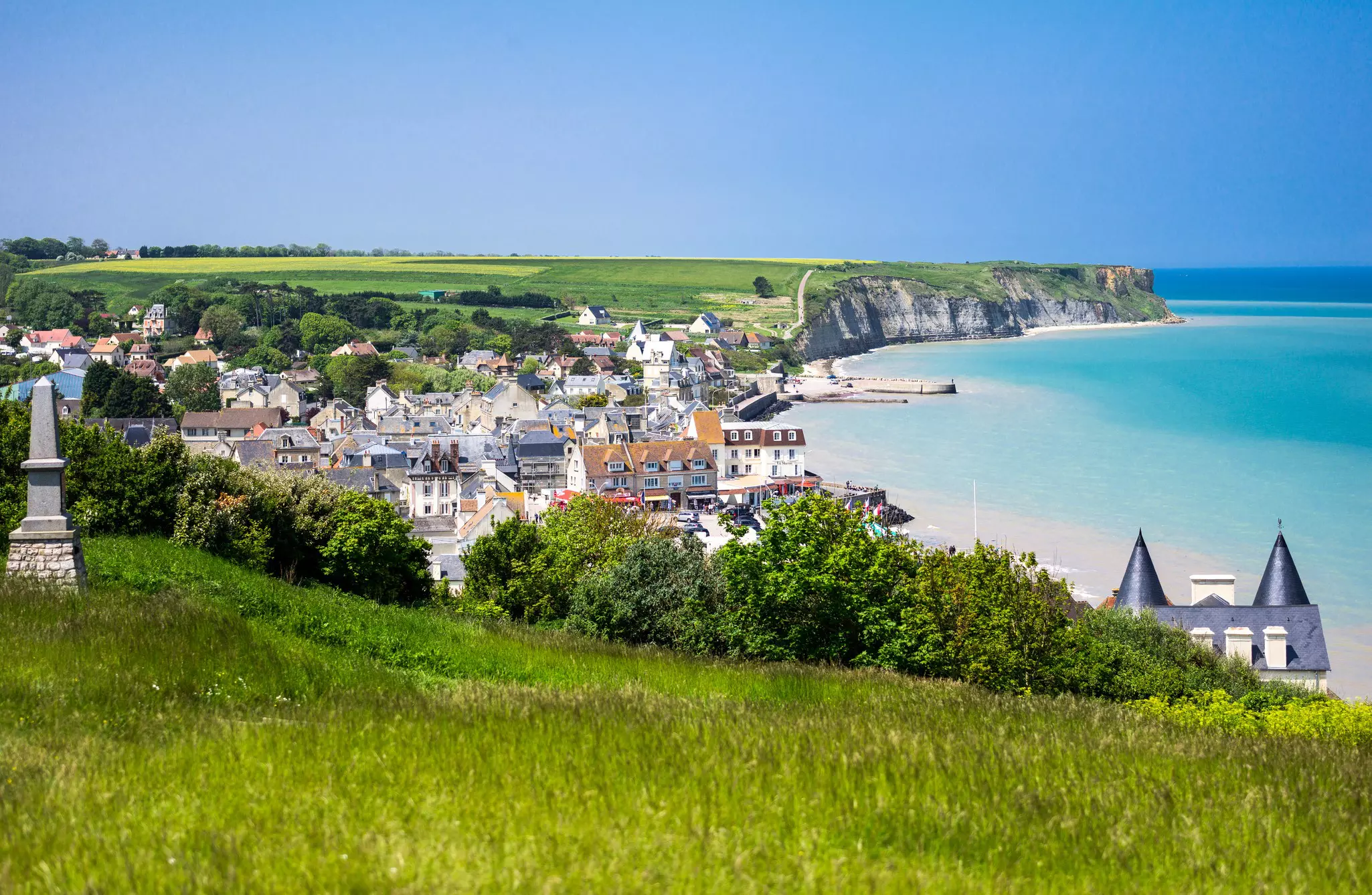
About 22km from Bayeux is Omaha Beach, one of the key locations of the D-Day landings. Little evidence of the events of 1944 remains, except for the harrowing American cemetery, concrete German bunkers and an impressive Memorial Museum. At very low tide, you can see remnants of the Mulberry Harbor, a huge temporary port off the coast. Otherwise, it's a tranquil golden stretch with dunes and summer houses. Look out for the yellow stripes marking the Circuit de la Plage d’Omaha, a self-guided tour along the beach.
Detour: Find some of the creamiest and best ice cream of your life at La Ferme de la Haizerie in Vaux-sur-Aure. It’s a tiny and unpretentious ice cream shop that offers local flavors such as Calvados and teurgoule (a Normandy rice pudding) made from fresh farm milk.
For the French, prendre l’air (to get some fresh air) is fundamental to good health, and there’s no better way to do that than on a long stroll on a Normandy beach. Clear your mind in Barneville-Carteret, a town that won’t be teeming with tourists. You can even find fresh oysters in the water to eat if you can shuck ‘em by hand.
Easier to eat – but still fresh and free – are calyptraea chinensis, also called Chinese snail hats, which are often found clinging onto the sides of the jagged rocks poking out of the shore. All you need to do is pop them off, and you can eat the flesh immediately for a taste of the Normandy sea. Keep walking north past a row of blue-and-white cabins until you see the ruins of an old church, then look for Le Russel, a cozy and intimate bar à vins with comfort foods like quesadillas and large wedge fries. Wash everything down with a perfectly mulled wine on cooler nights.
Detour: Pick up dessert at La Maison du Biscuit, a family-run business for artisanal cookies, which you can take with a coffee in the tea salon.
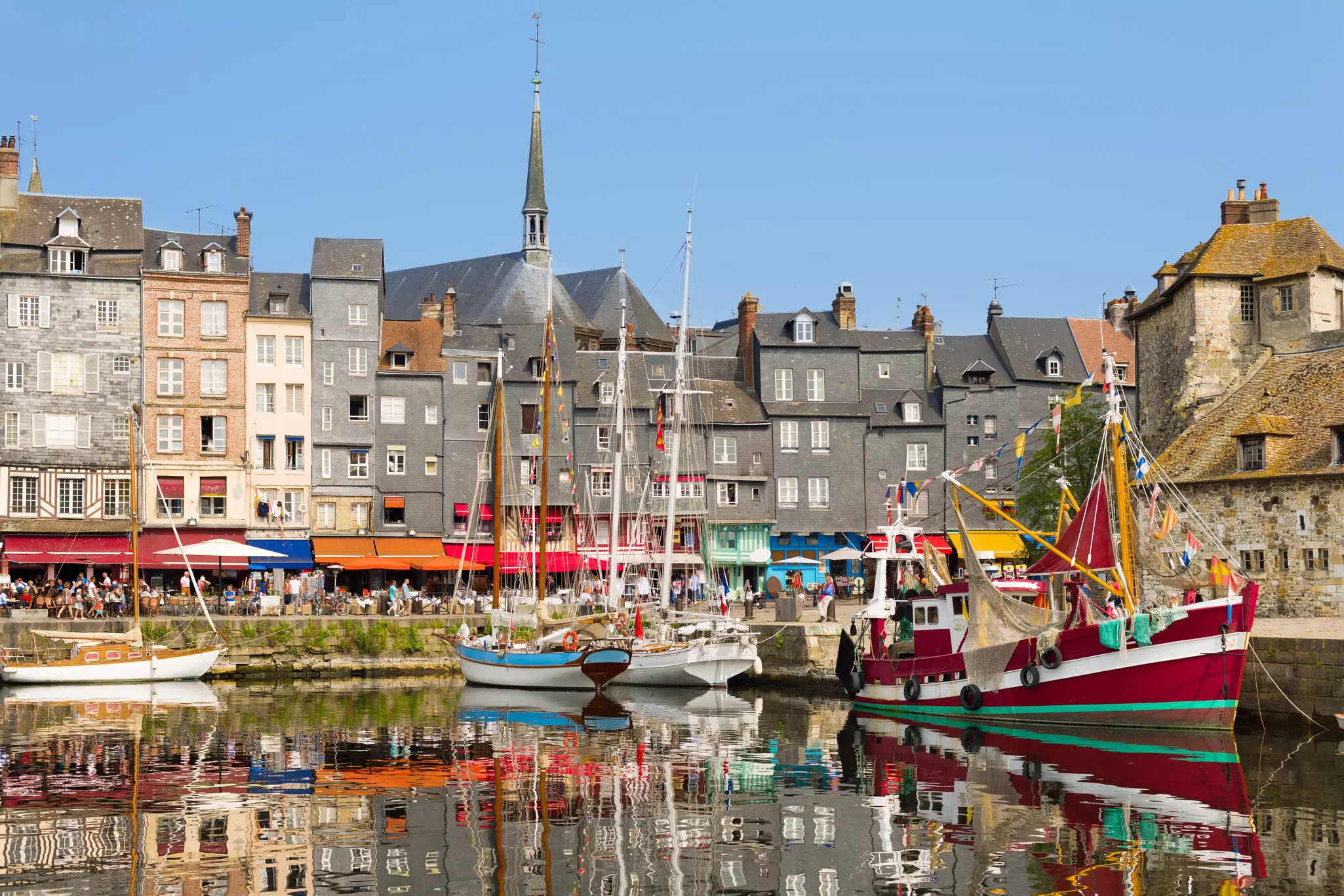
An Upper Normandy port village of cobblestone streets and houses made of timber, Honfleur has been around for over a millennium, but unlike many other Normandy port cities, it is situated at the end of the Seine, which means it’s at the edge of the sea and riverside. Along the harbor, tall and narrow slate-roof houses are reflected in the water, lined with boats by day and glowing with amber streetlights by night.
Meander toward the town hall, where a decadent carousel from 1900 remains frozen in time; lions, giraffes, horses and old-world glamour carriages spin around and around as the sailboats drift by. From the historic center, it’s a nice uphill hike to the 17th-century chapel, where you can see model ships, an ancient organ and views of the sea and the Pont de Normandie. (The path may be difficult for young children or those with mobility issues.)
Detour: From Honfleur, it's a 25-minute bus ride to the neighboring port city of Le Havre. Famously a source of artistic inspiration, Le Havre is where the Impressionist painting movement was born, thanks to Claude Monet. Cinephiles may recognize the city as the backdrop to more than 100 films, including the 1959 French classic The 400 Blows.
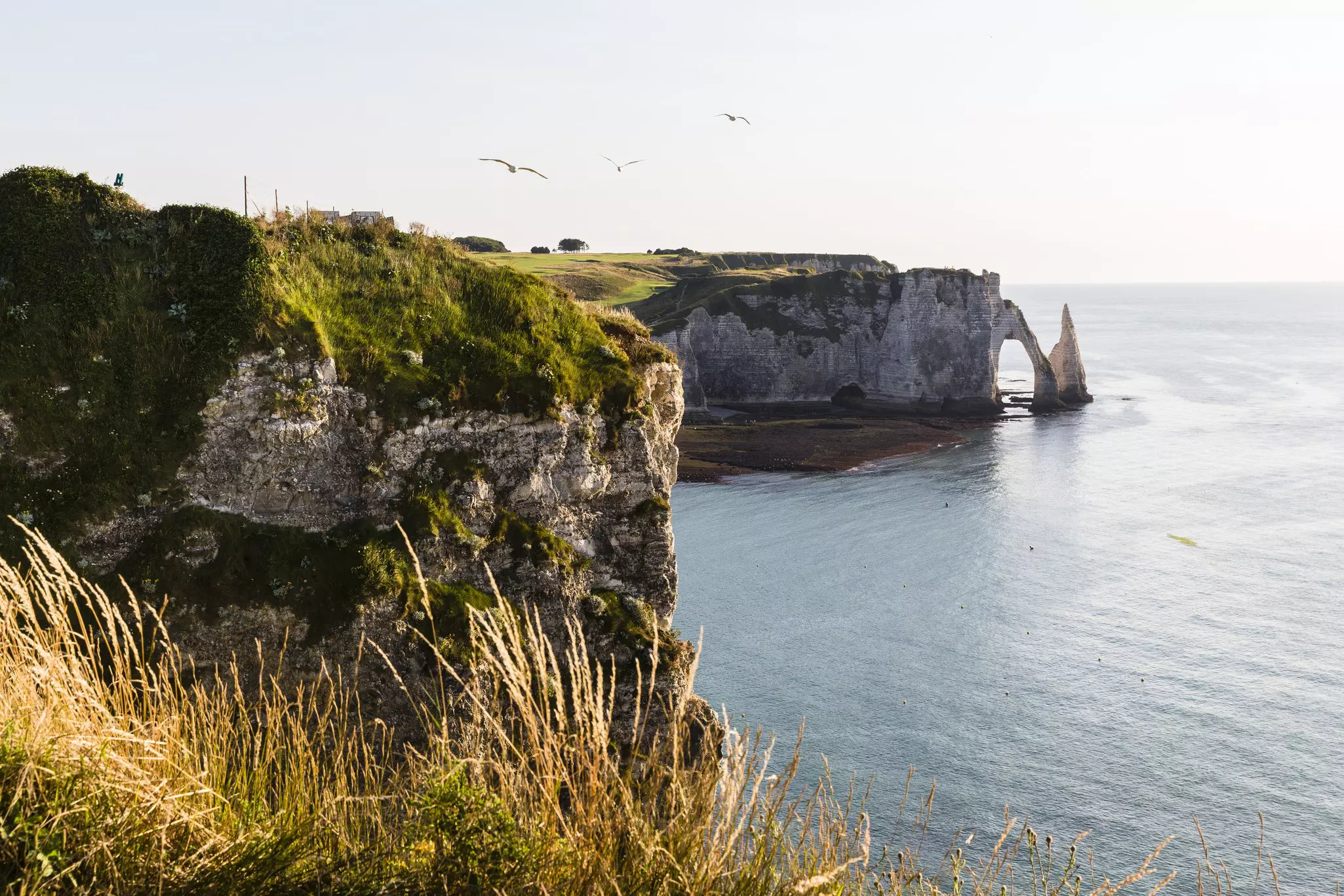
For a contact high with nature, head straight to the falaises (cliffs) of Étretat. The dizzying chalk cliffs, made up of porous limestone, inspired the likes of painters Monet and Gustave Courbet. Due to the fragile nature of the stone, walking underneath is not allowed, but there are numerous hikes in the area for those who want to take in the natural splendor of the rocky arches. The 6km Porte d'Amont loop begins at Chemin de Criquetot and is suitable for walkers of any fitness level. For more hardcore hikers, the 14km Roc Vaudieu loop provides incredible views of the massive cliffs emerging from the water.
Detour: Aspiring writers may want to visit La Guillette, a villa built by short story writer Guy de Maupassant after he achieved publishing success. You can see the house where Maupassant worked on Bel-Ami and Pierre et Jean; contact the association to visit inside.
Part immersive theater, part history lesson, kids and adults alike will giggle and delight in the poetic and playful adventure-meets-spectacle at Le Manoir du Tourpe in La Hague. This 16th-century manor covers local history, legends and origin stories through characters that quite literally come to life. Atop a tranquil and lush countryside where the grass stretches for miles, this free museum also offers craft workshops for children, temporary exhibitions, the cafe-hotel-restaurant Auberge des Goubelins, a library, guided hikes and even a seed and plant library, where you can swap seeds and plant cuttings.
Planning tip: La Hague is at the tip of the Cotentin Peninsula, an area with a particular tradition for roast meat. On Sunday mornings, carts of juicy rotisserie chickens and massive lamb legs patrol the streets of nearly every town – get in line for your lunch and take it to the nearest beach for a seaside picnic.
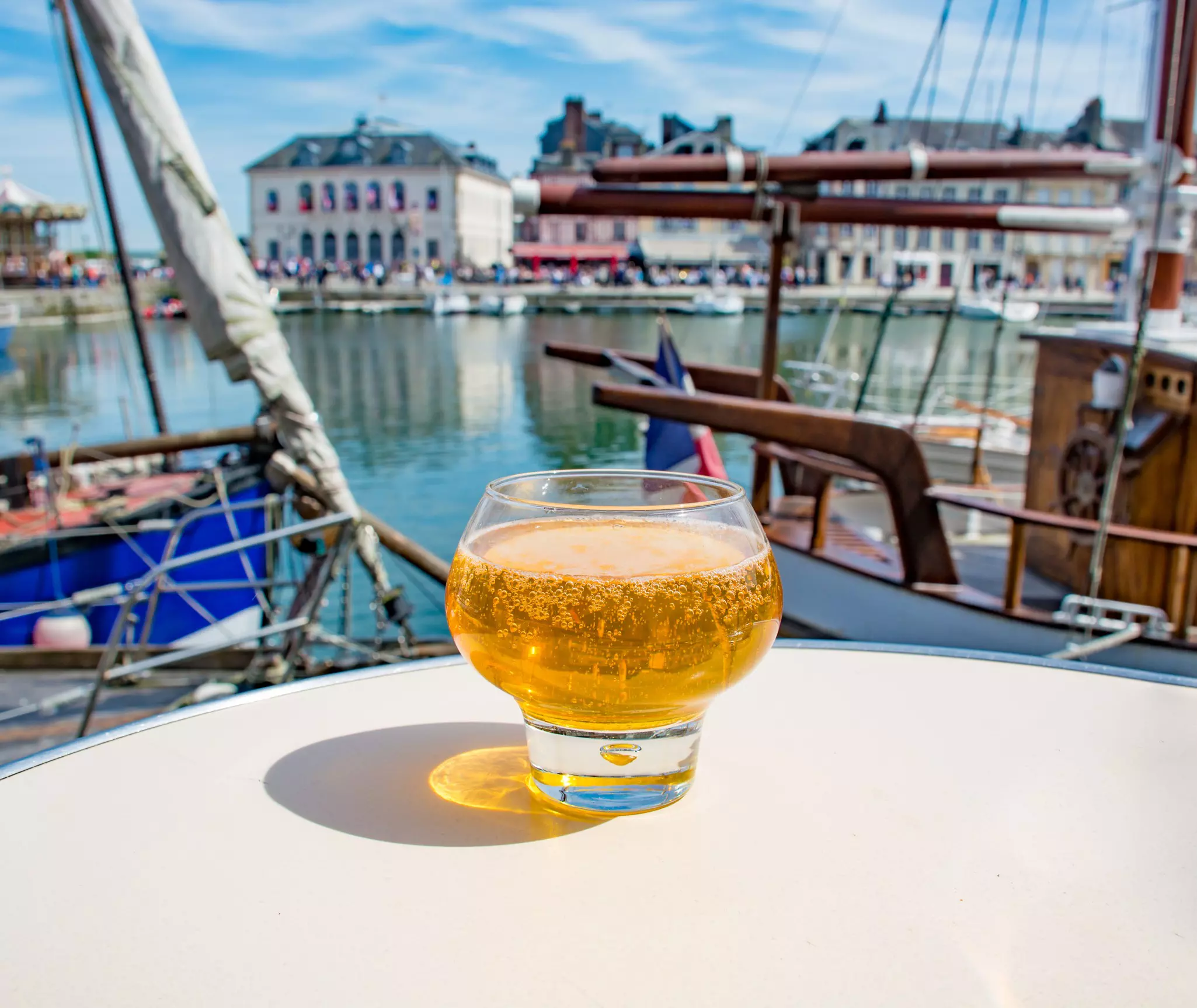
Apples are abundant in Normandy, and with the plentiful harvest, the locals have turned the fruit into liquid gold. Calvados is a brandy that must be made in Calvados to merit its AOC status (Appellation d’Origine Protégée). Get a taste and tour at Calvados Roger Groult, a family-run distillery that’s been distilling apples over wood fires for over five generations. The estate is impressive, and the tour is infused with passion without being overly sales-y – and the tasting at the end works its own magic.
A 2-hour drive west is Ciderie Claids, a cidery that’s been around since 1992. A visit here is a full-body apple trip; you smell them first, then the fizzy flavors dance on your tongue. You can even take home a bottle that’s been made in a certain year, just like wine.
Planning tip: Tuck away a bottle (or four) to bring back to the coast for the highly anticipated Diner Sur La Digue in Cabourg. At the height of summer, a dinner table stretches 4km along the seawall and accommodates thousands of guests. If you can snag a reservation, dress up in Belle Époque fashions and bring your own picnic and drinks, or grab a meal from one of the vendors.
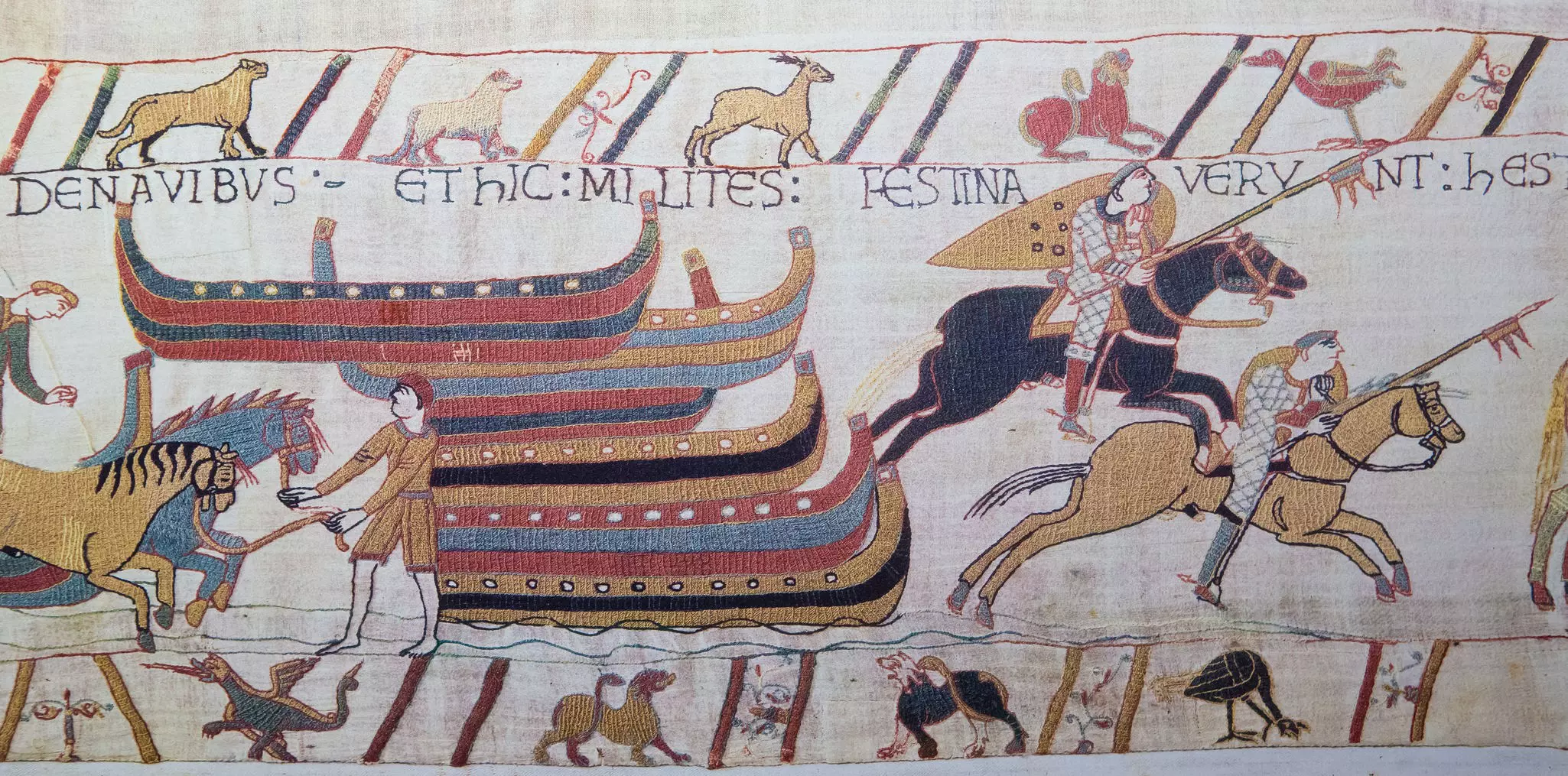
Before Netflix, there was the Bayeux Tapestry, a 70m-long hand-embroidered linen scroll that tells the story of the Norman conquest of England. Commissioned shortly after William the Conqueror’s victory at the Battle of Hastings, the emotions of the time were captured in wool thread by those who witnessed the events. And incredibly, this rare piece of 11th-century art is as mesmerizing as it ever was.
Planning tip: The Bayeux Tapestry is undergoing restoration and will not be visible to the public until October 2027.
Clichés of French style include a beret paired with a horizontally striped sweater (cigarette and baguette optional), and one of the classic brands for French knitwear, Saint James, is also a charming village. The most famous export, the striped shirt, has a long history: they were uniforms for the navy, and the original 1858 design has 21 stripes for each of Napoleon Bonaparte’s victories in war. For a firsthand look at how the sweaters are made, you can get a tour of the Saint James atelier and then leave the shop with your own Breton striped sweater or shirt.
Detour: Some 30km away, at the far end of Saint-Jean-le-Thomas, a shoreside compound houses several workshops – aptly titled Les Ateliers du Bout de la Mer, meaning Workshops at the End of the Sea. Among them are the ceramics workshop of Célline Faille, Marie Blanche Pron’s graphic design studio and the engraving workshop of artist Mathilde Loisel.
Explore related stories