Sep 20, 202610 min read
A Guide to Astana, KazakhstanAug 28, 2026
3 MIN READ

Writer
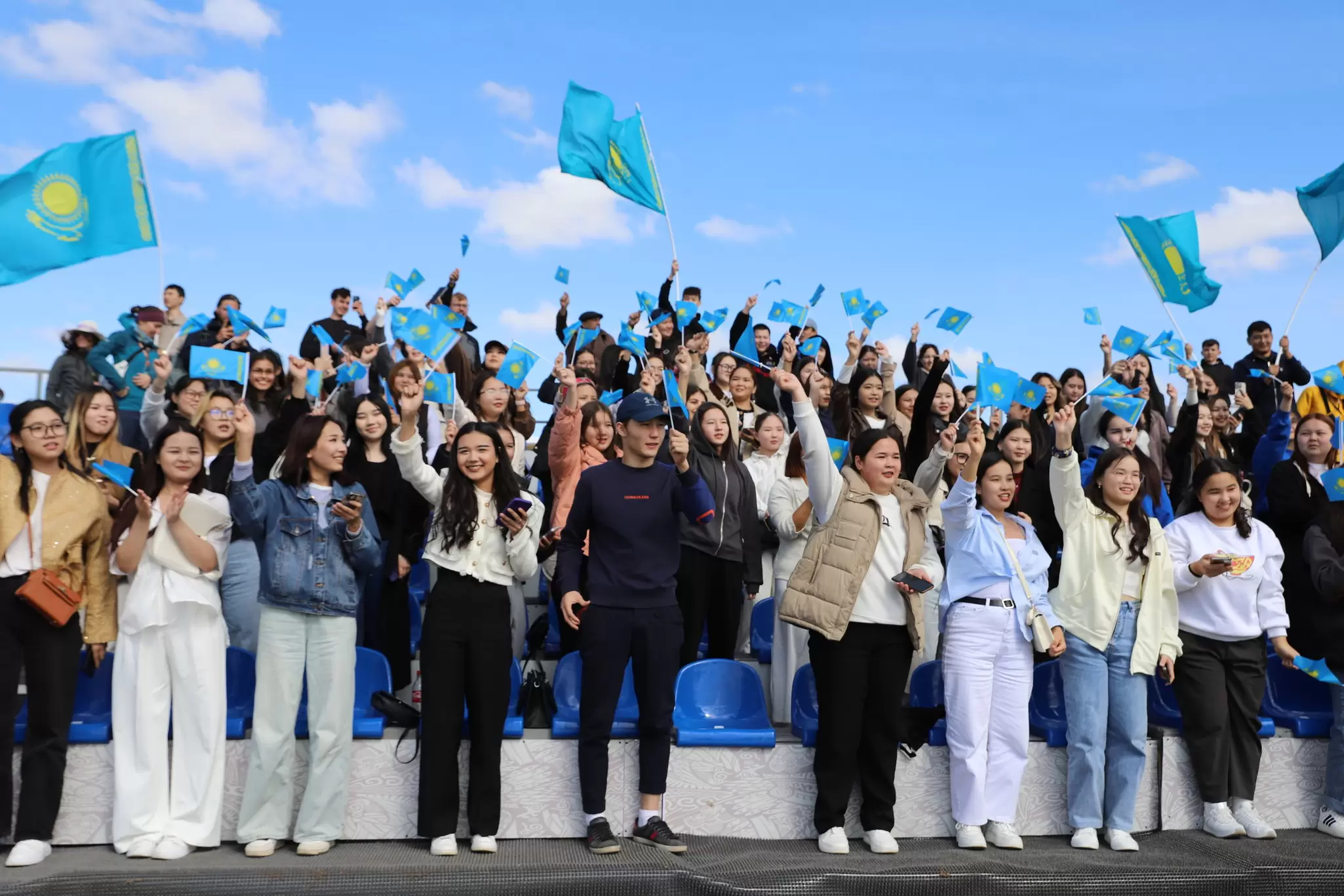
Cheering crowds at the 2024 World Nomad Games in Kazakhstan. Deepa Lakshmin for Lonely Planet
Writer
Lonely Planet may earn a commission from affiliate links on our site. All recommendations and reviews reflect our own independent opinions.
Many travelers go their entire lives without hearing about the World Nomad Games, an international sports competition celebrating Central Asia’s traditional folk practices. Colloquially known as the Nomad Olympics, it attracts athletes and spectators from around the world and takes place every other year.
Kyrgyzstan is currently gearing up to host the sixth event, kicking off with an opening ceremony in capital city Bishkek, from August 31 to September 6. Yet true to their nomadic heritage, the Games stay on the move and rotate through different host countries, with each destination adding its own local touches.
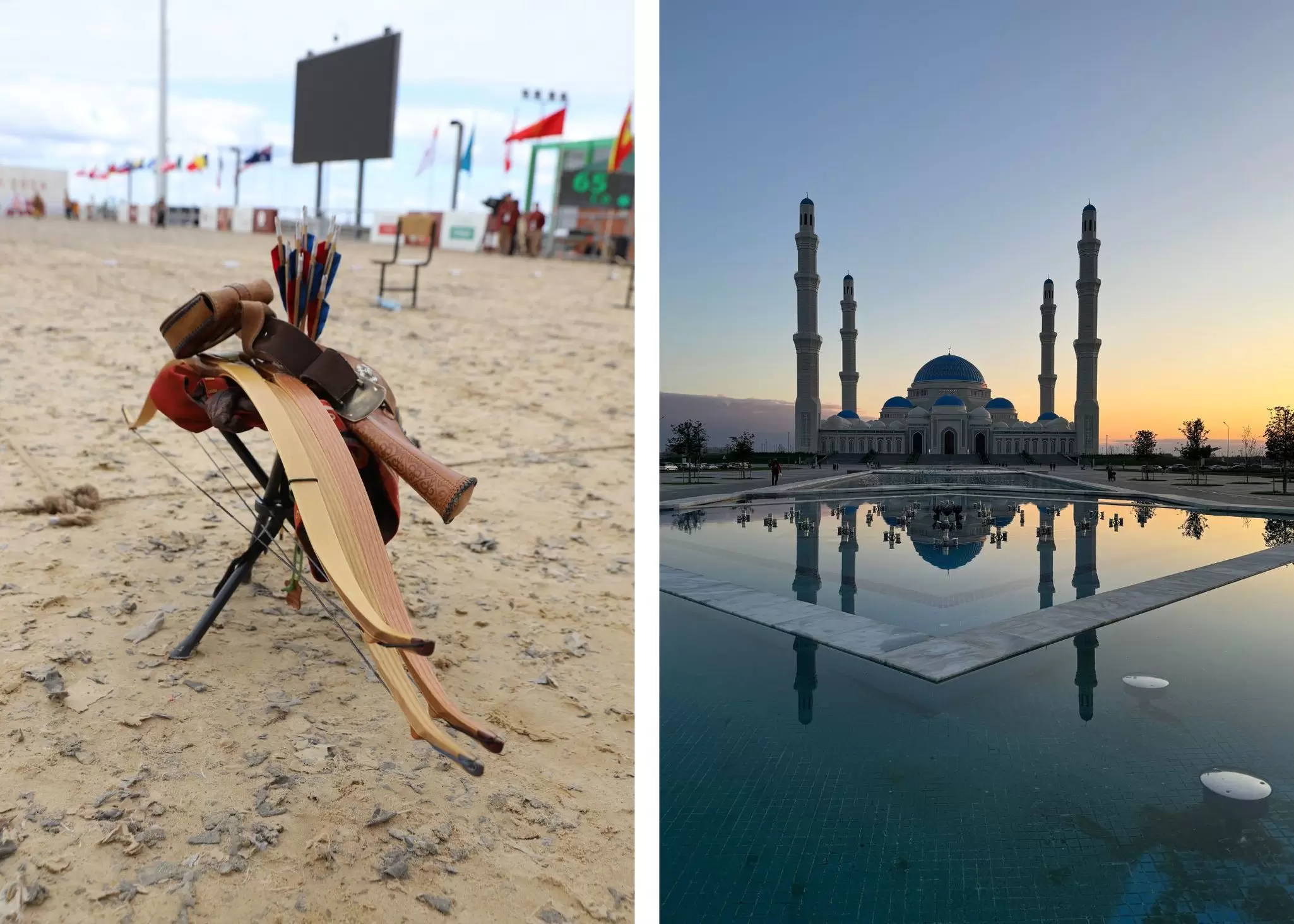
That honor went to Nur-Sultan (Astana), Kazakhstan in 2024, when Lonely Planet's Head of Social Media and Video, Deepa Lakshmin, traveled to document the country’s first time hosting the Games. She wasn’t the only one curious to learn more; over 80 countries, including countless foreign journalists, were represented on the ground.
“No one really knew what to expect,” said Deepa, who researched the Games in advance to prepare for her first trip to Central Asia. “Kazakhstan was a new environment to me and everyone was kind and welcoming. It was beautiful to see so many different cultures in one place.”
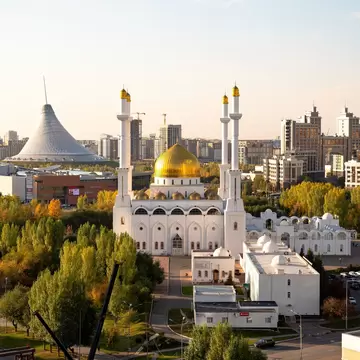
Astana’s futuristic architecture – like the tented Khan Shatyr Entertainment Center, a towering mall that emulates the shape of a yurt – was a wild contrast to the Games’ homage to the past. The featured sports are predominantly rooted in skills necessary for nomadic and indigenous survival. Think wrestling, brute strength, archery, horseback racing and the two-for-one combo of horseback archery.
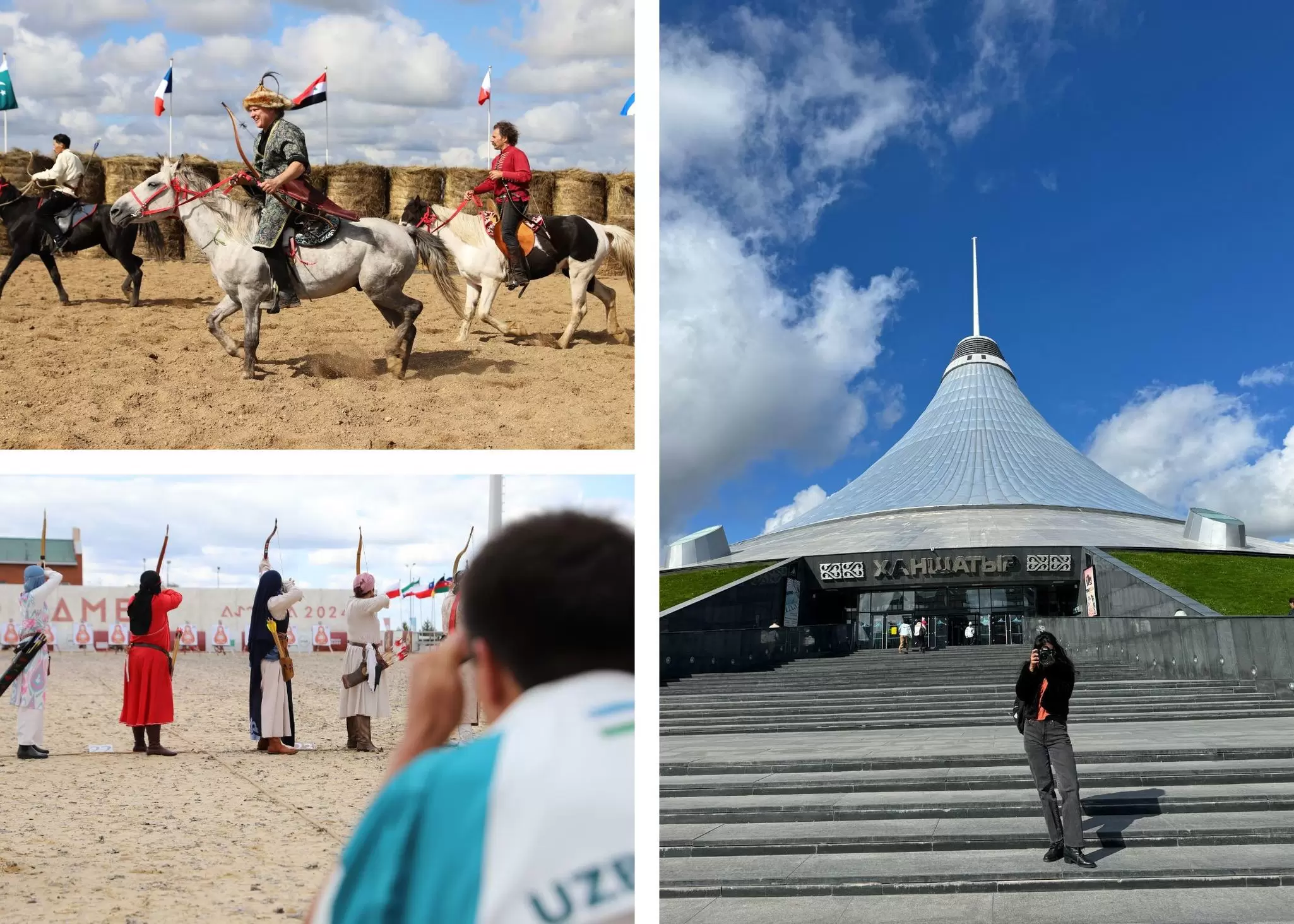
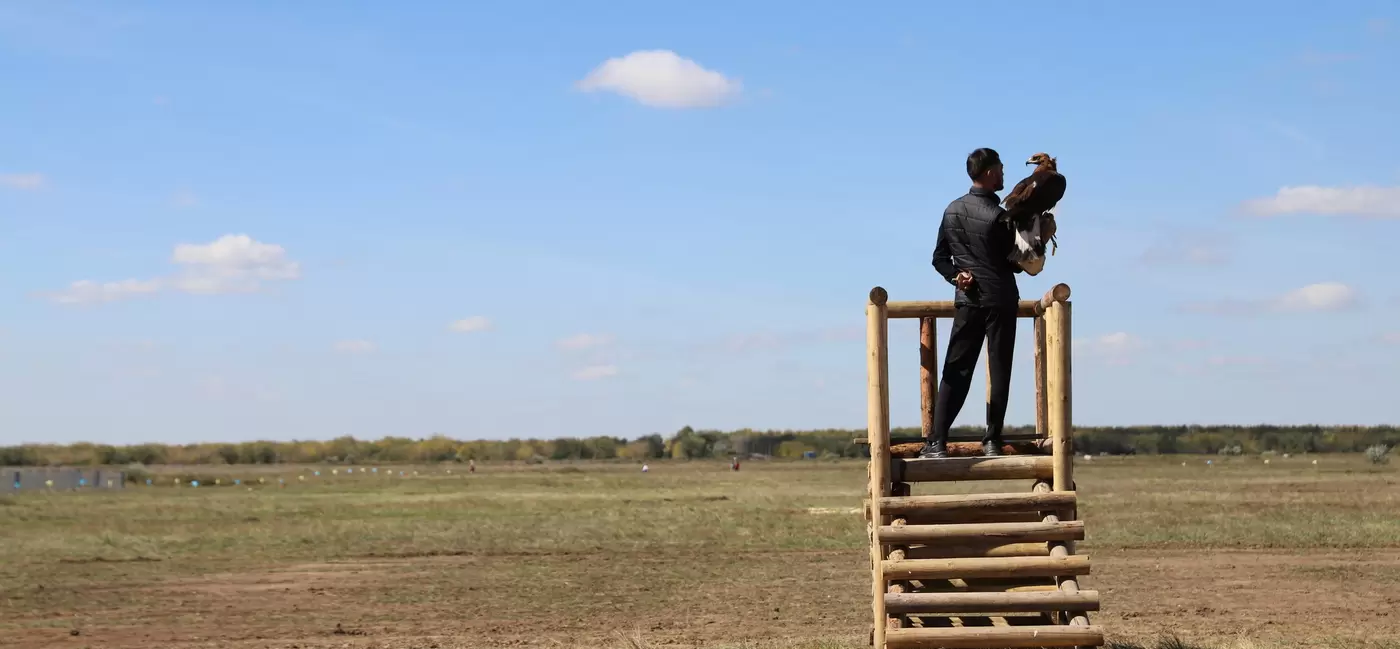
Kusbergi , for example, involves hunting with trained golden eagles, hawks and falcons. Kokpar, called kok boru in Kyrgyz, is an intense equestrian game somewhere between rugby and polo. Instead of a ball, players pass a goat carcass back and forth to score goals. “Fortunately, nowadays, they use a fake rubber goat instead of the real thing,” Deepa notes. “It’s grabbed, dropped and thrown around all over the field.”
The USA even sent its own kokpar team, donning matching letterman jackets and cowboy hats, to participate. “They got completely annihilated by Kyrgyzstan’s team, unsurprisingly.”
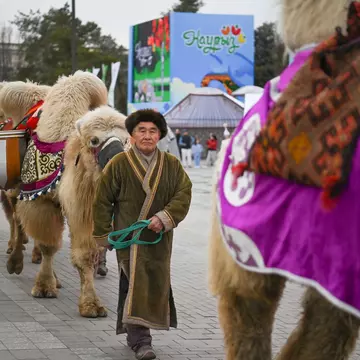
Deepa’s favorite part, however, was outside the stadium in the Ethno-aul, an ethno village with rows and rows of yurts showcasing different aspects of Kazakh culture: crafts, music, food, art and fashion. Locals and tourists alike danced in the streets, enjoying the sunny weather and crisp wind.
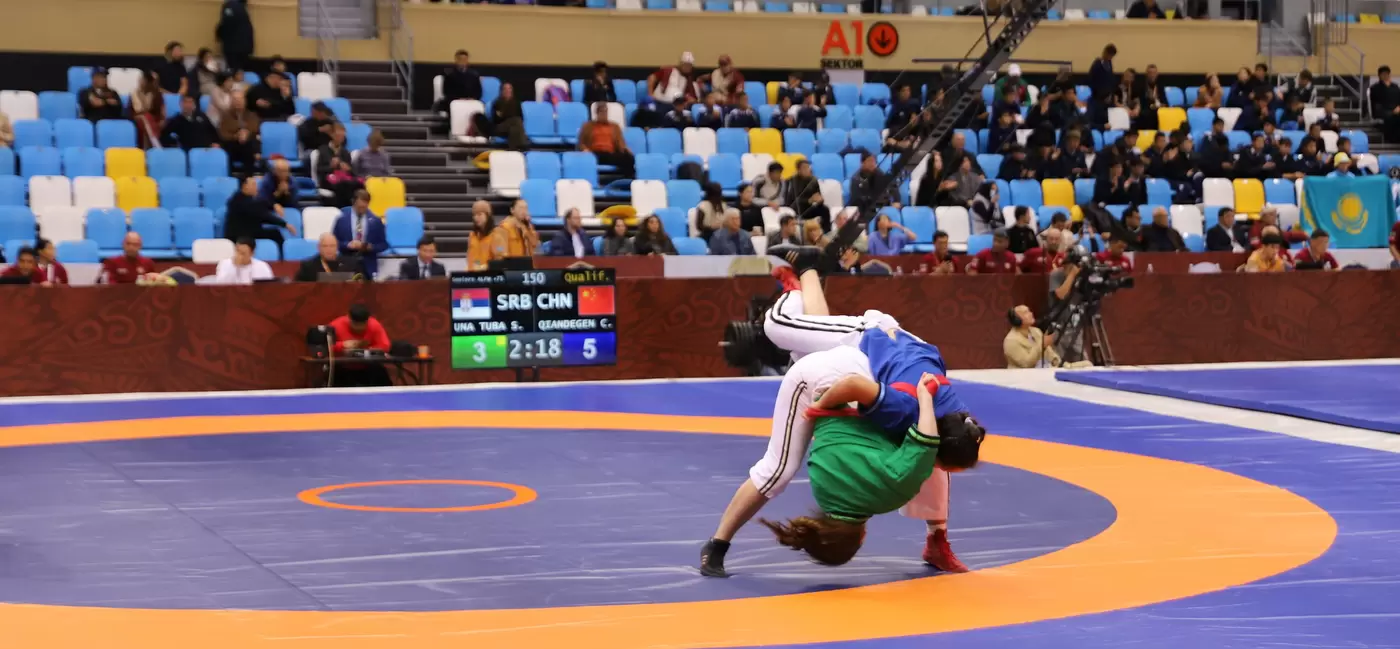
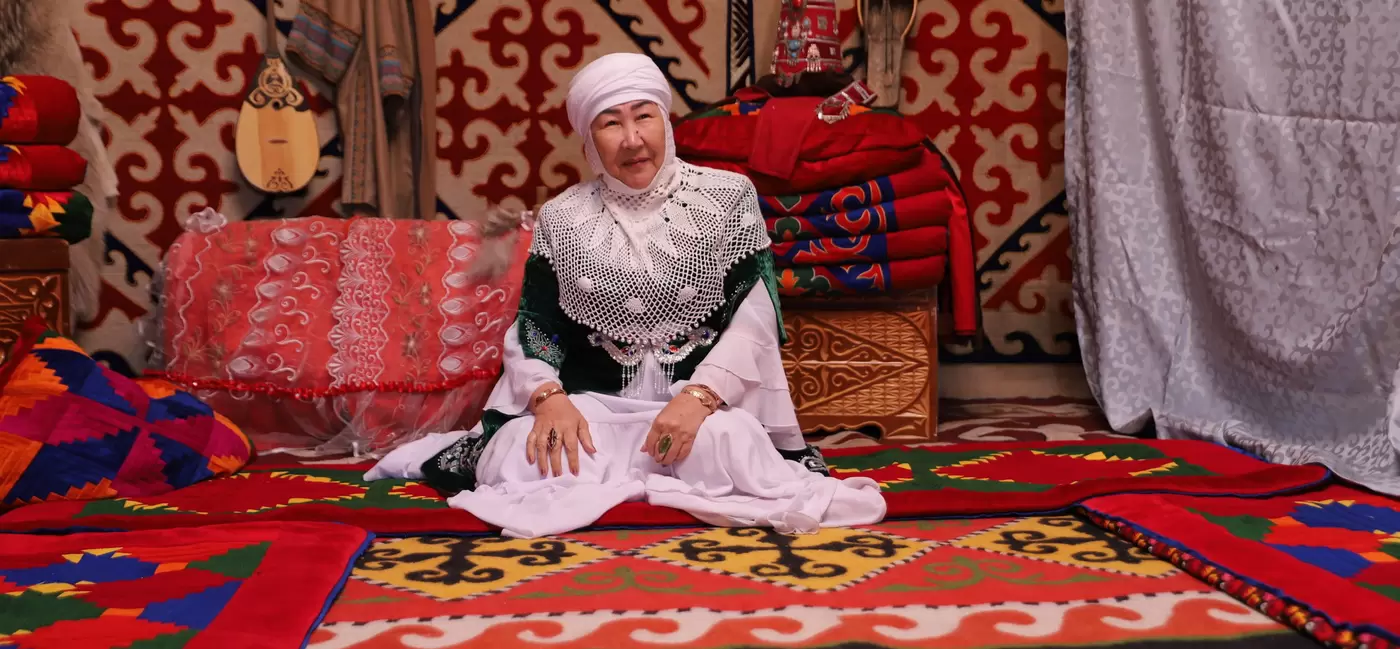
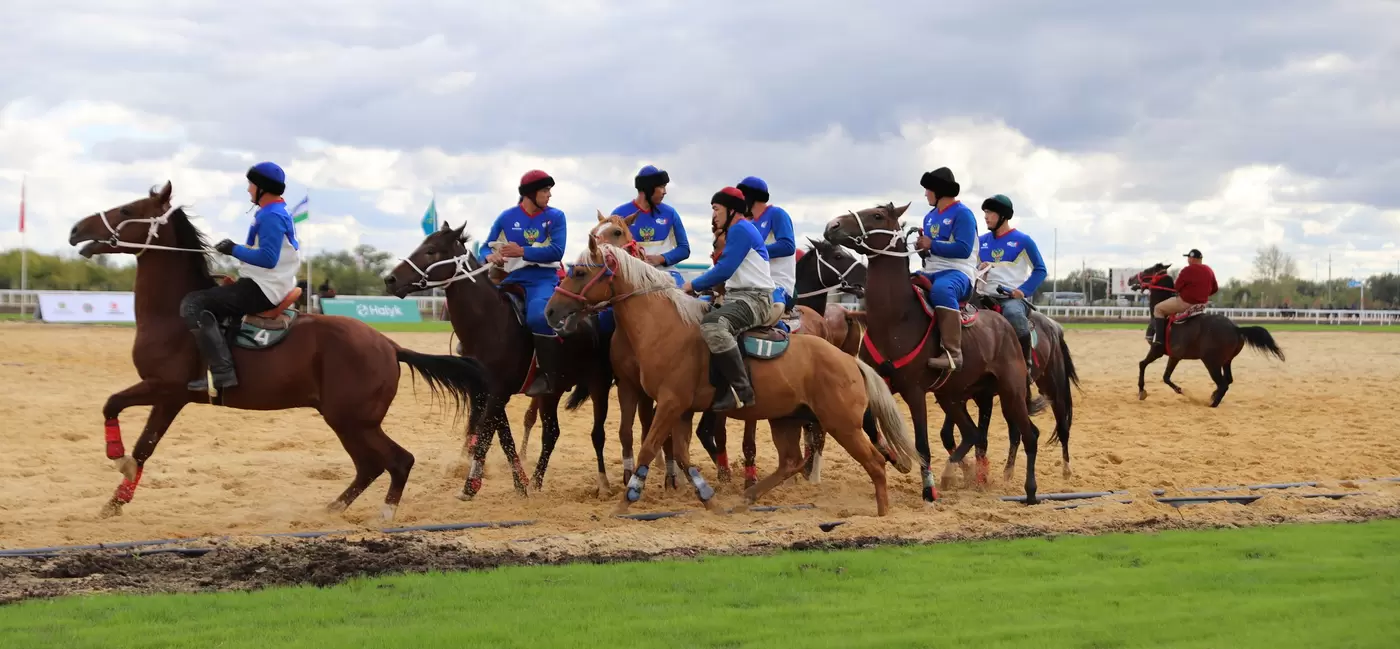
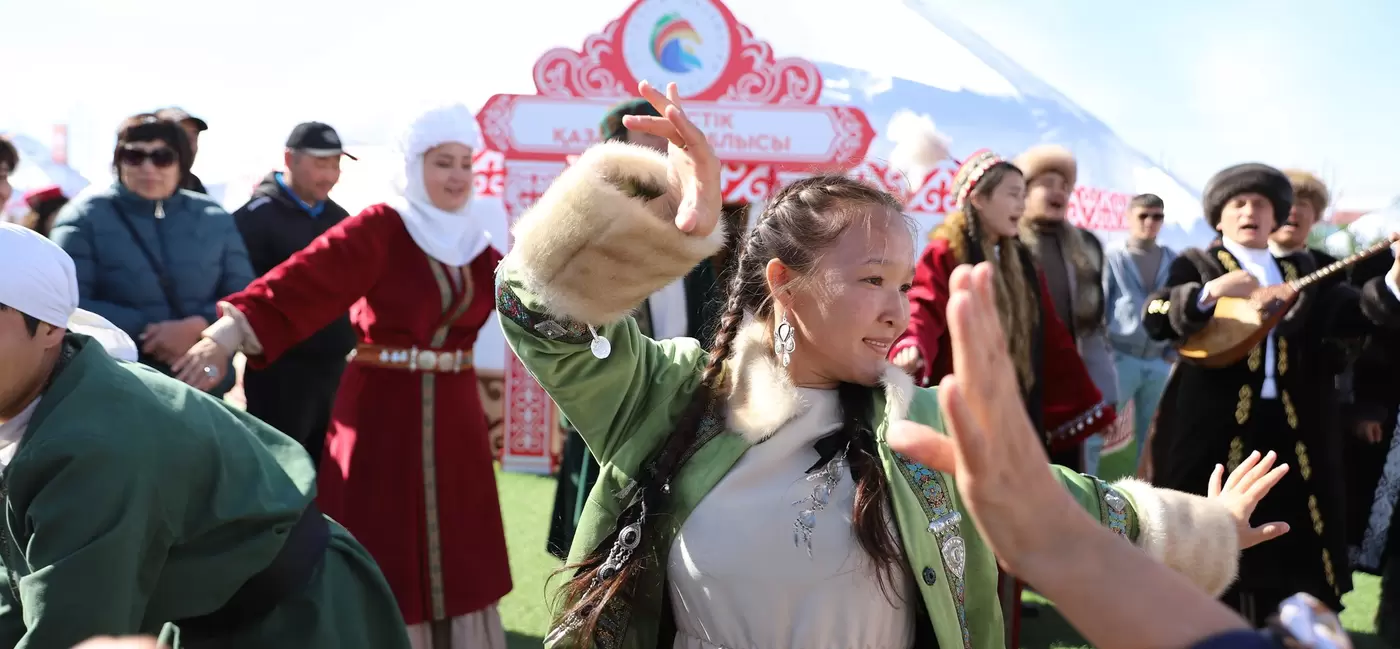
Wrestlers at the World Nomad Games
“Kazakhstan is the ninth largest landlocked country in the world; it’s massive,” Deepa explains. “So obviously, even within the country, there are different subcultures with their own stories and distinct customs. Though I was only able to visit the area around Astana, the capital, I got to meet people from across the region because they came from all over to see the Games.”
This year’s event is poised to be just as memorable in Kyrgyzstan, which hosted (and won) the very first Games in 2014 – then did it again in 2016 and 2018. If the Nomad Olympics had a home, this three-time winner would be it; over 4000 delegates from over 90 countries are expected to attend in September. With programming that covers not just sports but also live performances, creative exhibits, science forums and cultural exchange, the World Nomad Games go far beyond gold medals and trophies. They are a comprehensive model for preserving and experiencing local history at its richest.
All photographs are by Deepa Lakshmin.
Deepa stayed in Astana, Kazakhstan at the invitation of Kazakh Tourism. Lonely Planet staff members do not accept freebies in exchange for positive coverage.
Explore related stories