Oct 20, 202611 min read
13 of the World's Best Ski ResortsOct 20, 2026
4 MIN READ

Writer
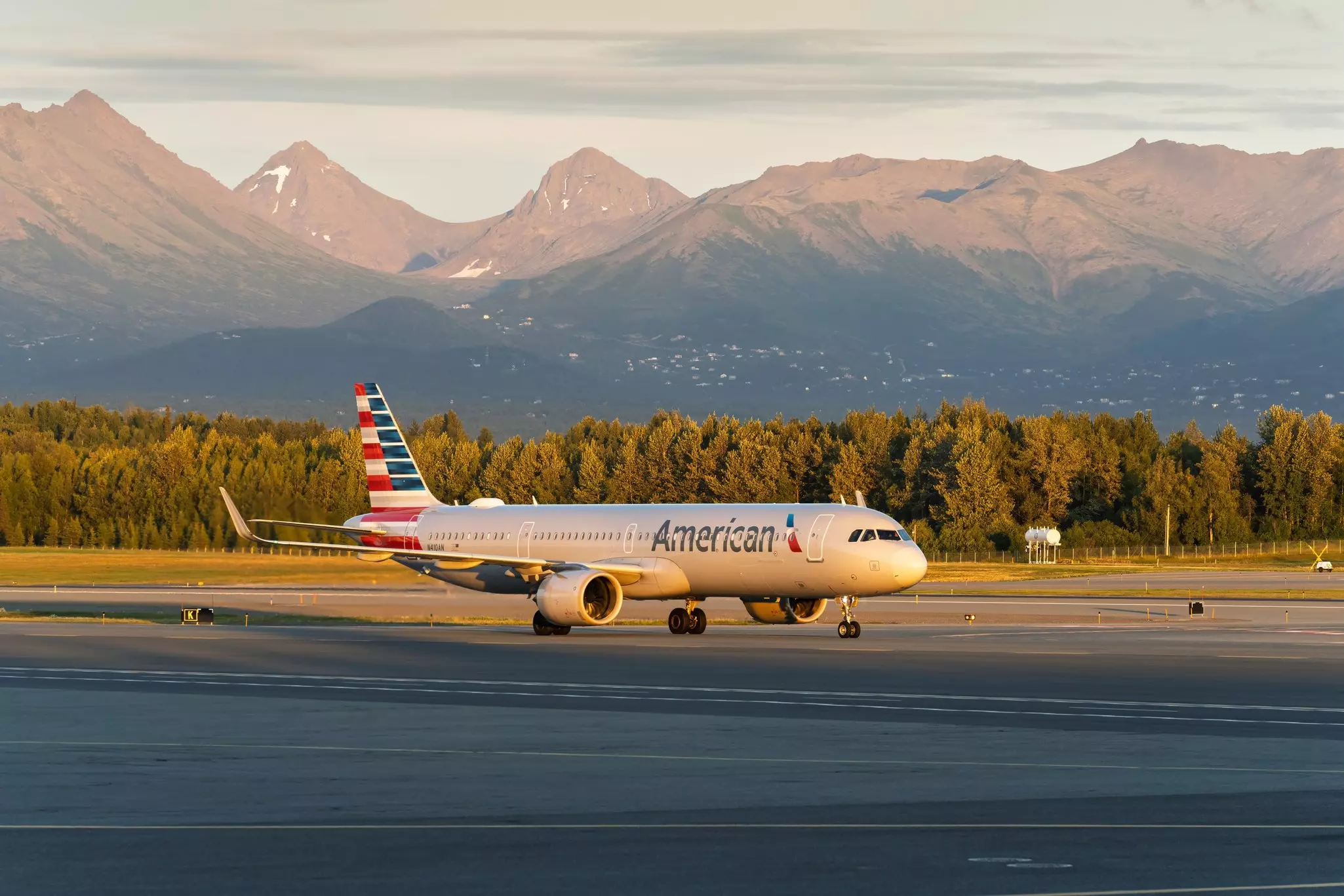
An American Airlines aircraft taxiing at Ted Stevens Anchorage International Airport. marchello74/Shutterstock
Writer
Lonely Planet may earn a commission from affiliate links on our site. All recommendations and reviews reflect our own independent opinions.
We encounter all sorts of disruptions when we fly: delays, cancellations, long security lines, turbulence, lost luggage – but one snag that few passengers account for is being kicked off, or bumped, from a flight.
Airlines will often overbook flights, and it’s completely legal. It’s rare – in 2025, the US Department of Transportation (DOT) reported one in 36,000 passengers were involuntarily bumped – but there’s always a chance it could happen. Here’s why, and what you can do if it happens to you.
An airline’s number-one goal on every flight is to fill it. To do this, some airlines overbook flights to account for predicted no-shows, which vary by route depending on its history of no-shows. There are two types of bumping, otherwise known as “denied boarding”: voluntary and involuntary. Voluntary denied boarding happens when passengers accept compensation from the airline to give up their seats, often in the form of money or vouchers. This may be done via the airline’s app before arriving at the airport (check your email!) or at the gate while waiting to board. Involuntary denied boarding occurs when an airline forces a passenger to give up their seat, typically because not enough people voluntarily switch flights.
It’s rare that you’ll get bumped from a flight, but if you want to avoid it, here’s what to be aware of.
There are a few airlines to watch out for that most frequently bump passengers; it’s a worldwide practice, though the US was the only country we found that publishes this data by airline.
According to DOT data, the airline with the highest rate of involuntary bumps in 2025 was Frontier, with an average of 2.51 involuntary bumps per 10,000 enplaned passengers. American Airlines was the second most frequent, with a much lower rate of 0.72 passengers per 10,000 – though, due to there being significantly more American flights, it’s important to note that it accounted 60% of total bumps in the US in 2025. The next-highest bump rate was Spirit (which ceased operating in May 2026) at 0.20. Delta had zero involuntary bumps in 2025; over 126,000 Delta passengers accepted compensation to voluntarily swap flights. Allegiant also reported zero involuntary bumps.
It is up to the airline to determine which passengers will be involuntarily bumped, a decision that may depend on a variety of criteria, such as when the passenger checked in for the flight, what they paid for the flight, what class they booked or if they have status with the airline. Airlines must ensure this decision is nondiscriminatory; for example, they may not base it on race or ethnicity. They must also give bumped passengers a written explanation of why they were involuntarily denied boarding. Once you’ve scanned your boarding pass and boarded the plane, you can’t be removed due to overbooking.
If you’re in no rush to get to your destination, it could be nice to get some extra cash or another type of reward for switching to a later flight. The DOT advises that passengers may negotiate with the airline, and there’s no cap on the compensation it can offer. Compensation may include:
Cash
Flight vouchers
Free or reduced-rate tickets
Gift cards
Free hotel stays
Meal vouchers
Lounge access
Flight upgrades
If you accept the airline’s offer, be sure to ask the gate agent to answer these questions:
When is the next flight to my destination, and do I have a seat on it?
If the flight is the next day or many hours from now, will you provide a hotel for the night, free meals and transportation to and from the airport?
How long do I have to use the ticket or voucher? What are the other terms, ie, can I use it for international flights?
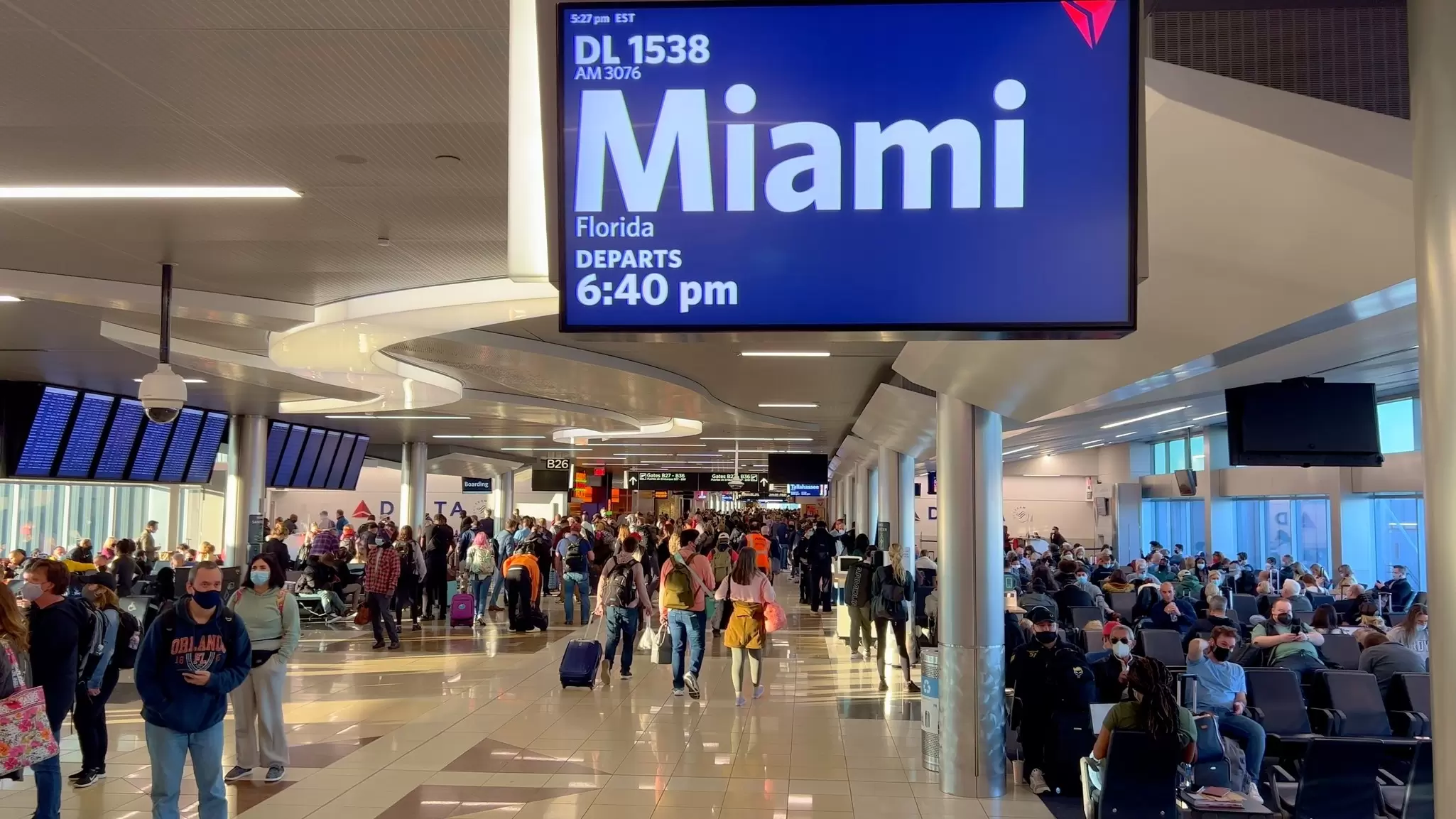
If you’re one of the unlucky few who are involuntarily denied boarding, you may also be eligible for additional compensation. However, according to the DOT, certain circumstances would result in no additional compensation. Examples include switching to a smaller aircraft for mechanical or safety reasons (a part wasn’t working, for example) and meeting weight-and-balance requirements.
However, if you are departing from a US airport, check in to your flight and arrive at the gate on time, and the airline can’t get you to your destination within an hour of the originally scheduled time, you are most likely eligible for denied boarding compensation (DBC). The amount depends on your ticket fare, the length of your arrival delay and whether your flight is domestic or international. Airlines may place limits on the value of your DBC. For example, if your new domestic flight arrives over 2 hours after the scheduled arrival of your initial flight, you’re entitled to 400% of the one-way fare, though airlines may cap it if that amount exceeds $2150.
Whether voluntary or involuntary, our number one piece of advice is to check your airline’s policy as soon as you book your flight, so you can stay prepared for the (highly unlikely) event of getting bumped.
Explore related stories