Oct 5, 202610 min read
11 Best Things to Do in Nara, JapanOct 5, 2026
6 MIN READ

Writer
Passengers at Portland International Airport in Oregon. Antares_NS/Shutterstock

Writer
Lonely Planet may earn a commission from affiliate links on our site. All recommendations and reviews reflect our own independent opinions.
I’m used to tiny airports and small planes when visiting family. Usually, these planes have so few rows of seats that first or business class is not so different from economy; we’re all squished together in 20 or so rows, and most of us have to gate-check our rolling suitcases when the plane runs out of space in the overhead bins.
It’s annoying to wait for your bag on the jet bridge or – heaven forbid – at baggage claim, but it's easy to understand why this happens on smaller flights, and I usually don’t mind it. I’d rather hand my bag to staff than have to walk too far past my seat to find a space for it.
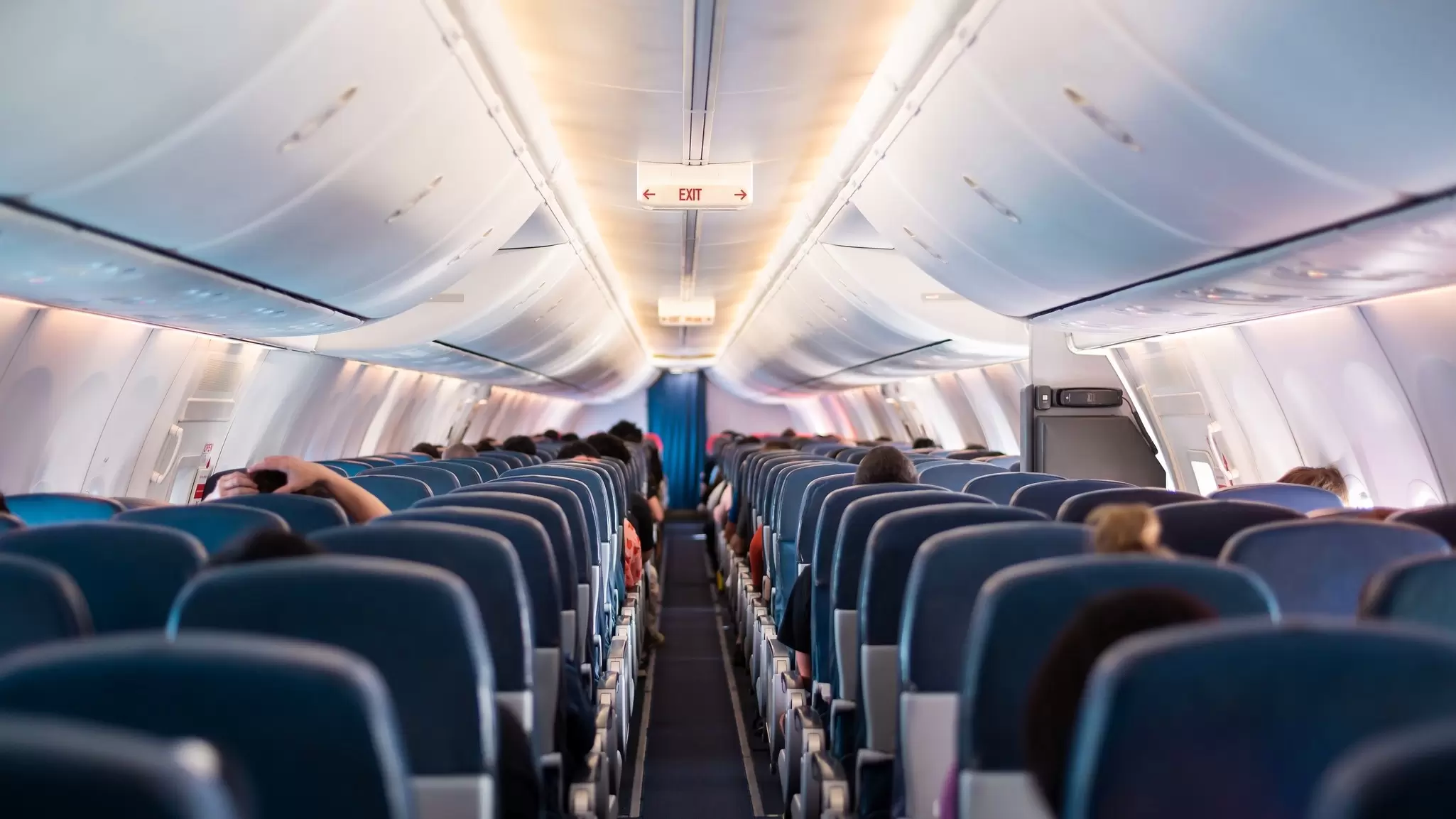
On a recent, much roomier flight to New York City, the gate agents asked many folks to check their bags free of charge. And yet, as I walked down the aisle of the plane, I spotted plenty of overhead bins that were completely empty. So what was going on?
Contrary to popular belief, this isn’t because airlines underestimate the amount of overhead space on larger flights. Here's the lowdown on why airlines make you gate-check your bag and what you can do to avoid it.
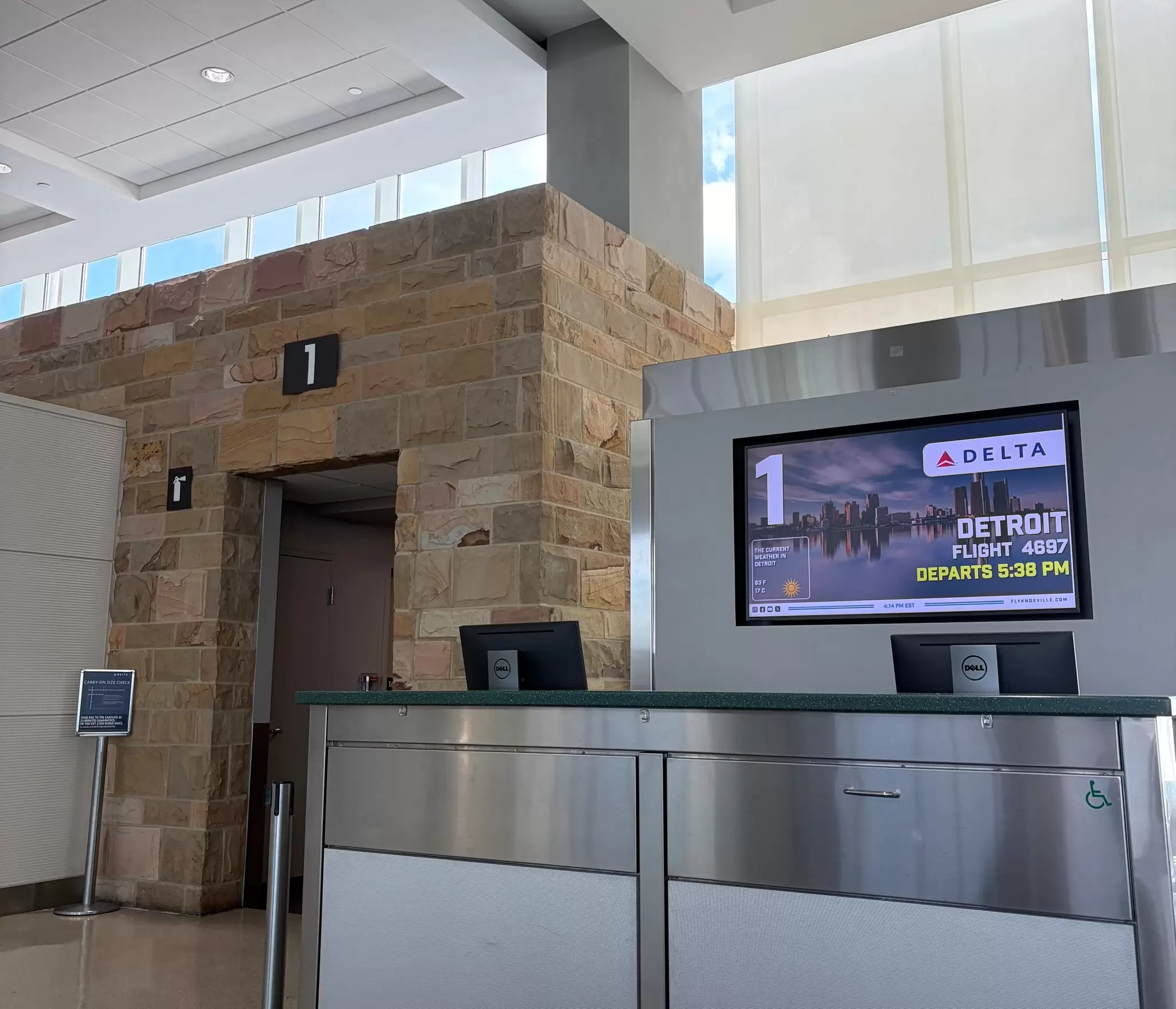
It saves time. That’s it. That’s the reason.
On a small regional flight, it’s usually possible to board within the typical 30–40 minute window without too much difficulty. But on bigger aircraft, or even on some single-aisle planes with three-seater rows, it’s easy to go over time, and that's something airlines want to avoid.
There are good reasons boarding can take longer than planned. Some people need extra assistance getting to their seats. Some need help lifting heavy carry-ons – I'm guilty of that one. And people in aisle seats need to get up to let people seated by the window into the row. But if it leads to a delayed departure, that costs the airline money, and that's something they want to avoid.
According to a spokesperson from Delta Airlines, “Across the industry, boarding is the most consistent barrier to an on-time departure, and the boarding process can be slowed down by customers needing extra time to store their bags due to lack of overhead storage.”
Many airlines, like Delta, are reducing the number of gate checks needed by offering customers more options to check their bags earlier in the process. “[Delta uses] optimization tools to predict when overhead storage will be full. While sometimes customers are required to check their bags at the gate, it is always a last resort.”
As a traveler, this won't necessarily cost you money. If your flight is predicted to be completely full, airlines such as Delta will allow customers to check their bags at airport lobby kiosks for no additional charge. Gate-checking is also typically free, but check your airline's policy.
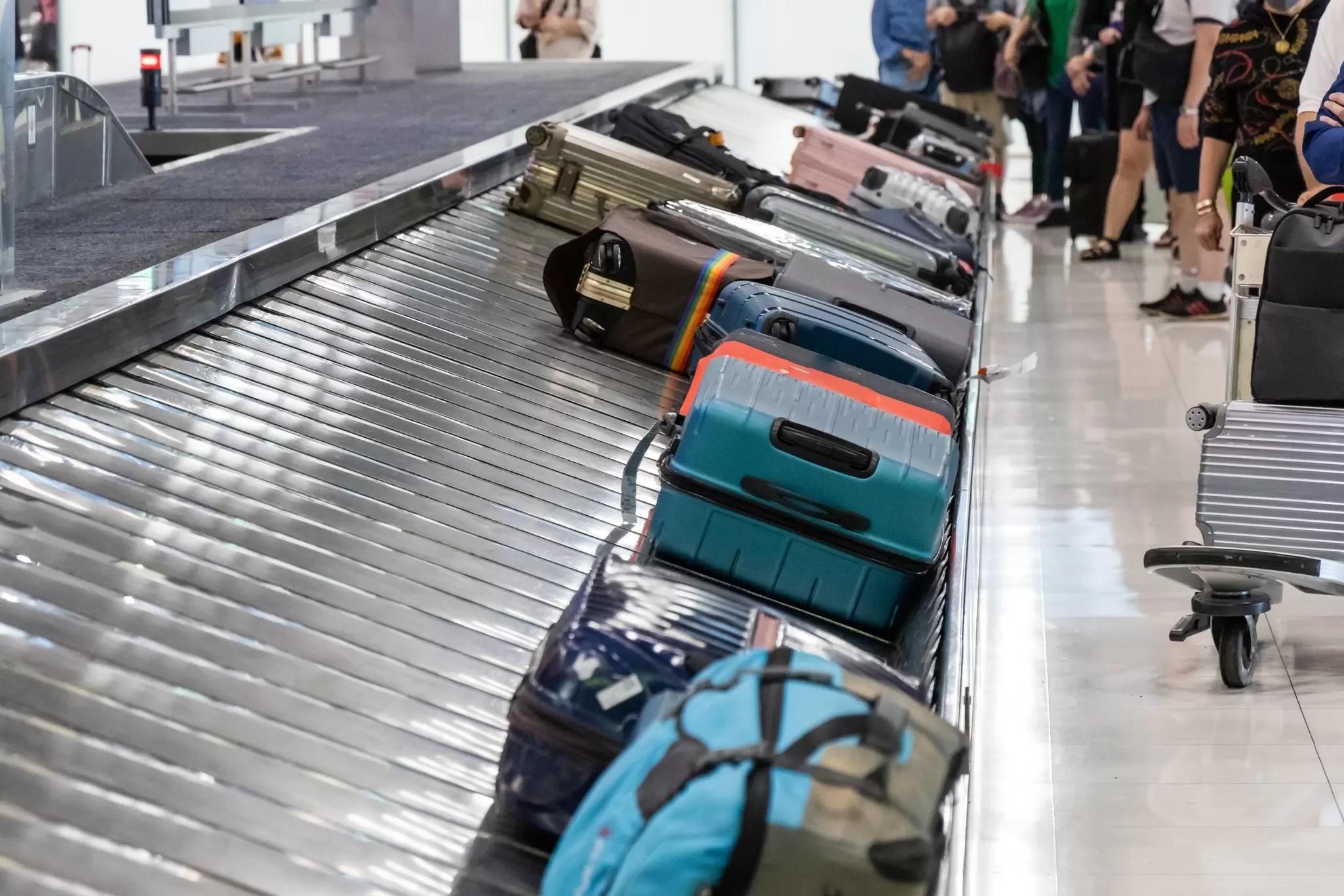
This depends on the airline and the type of plane, but there are two possibilities. Generally, smaller regional flights have passengers pick up their bags on the jet bridge (don't forget to pick yours up on your way out, or an airline employee will have to retrieve it for you).
On larger commercial flights, you'll likely have to pick up your bag at your flight's baggage claim carousel, which can add to the time it takes to get through the airport on arrival.
If you have a connection, the airline will often check your bag all the way to your destination. If you're unsure, ask a flight attendant what the plan is for your flight; they'll also announce it before or right after landing.
Remember, once your bag goes into the hold, you can't get to it, and some items are prohibited from the hold completely. Should your bag get gate-checked, ensure you don't have any problem items or things you might need packed away in your carry-on. Airlines always recommend that medications, valuables and travel documents are best kept on your person or placed in the small personal bag that you are usually permitted to carry as well as your main cabin bag. You never know if you might need them in an emergency or (as happens on rare occasions) get separated from your carry-on.
Items to consider include:
Medications
Emergency medical supplies
Passport
ID
Wallet
Keys
Electronics, such as laptops, cameras and tablets
Power banks (not allowed in checked bags at all)
Lithium batteries (not allowed in checked bags at all)
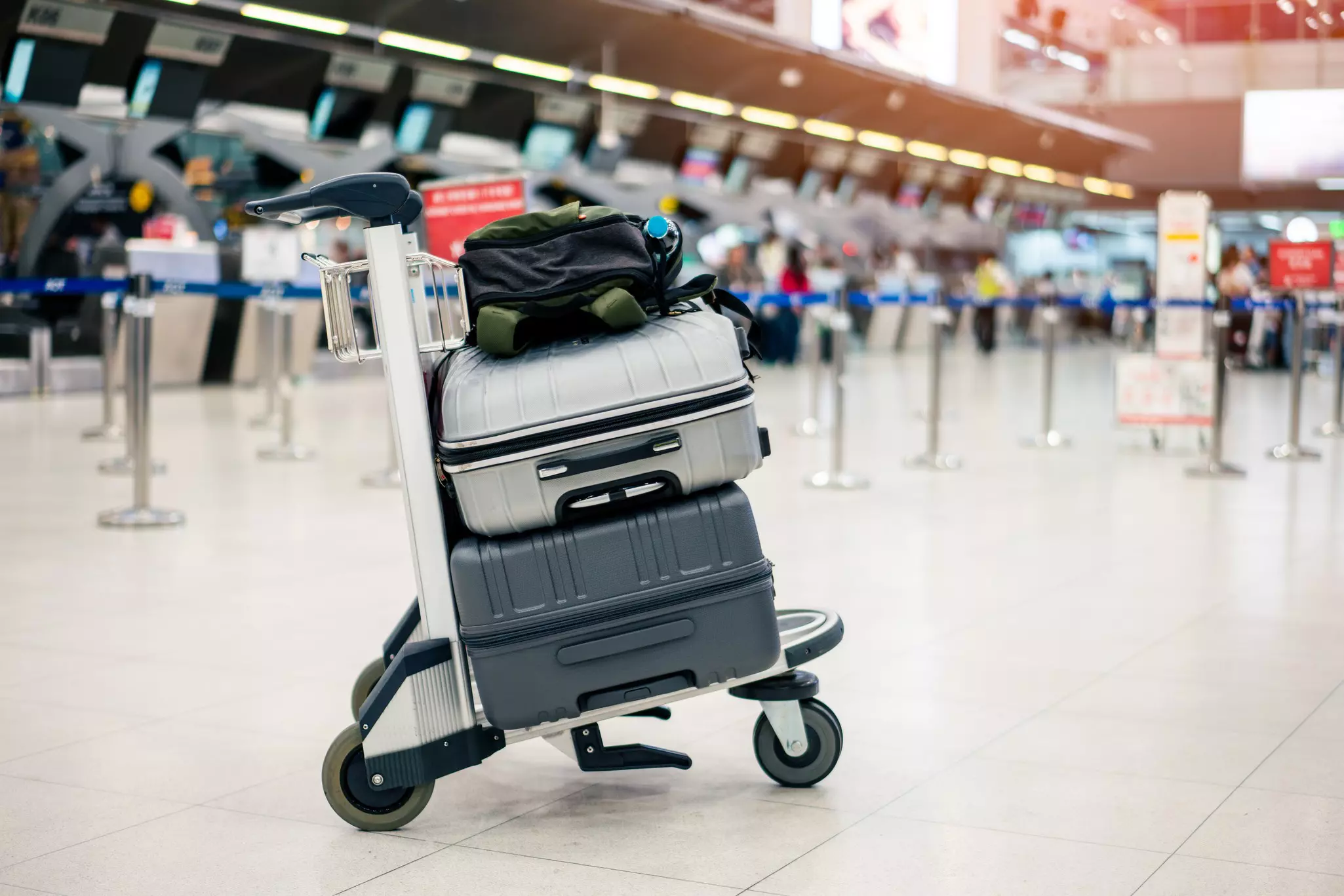
On the (again, extremely rare) chance your bag is damaged or lost, airlines are legally responsible for reimbursing you for the bag and, if lost, its contents. In the US, this right is guaranteed by a Department of Transportation regulation, and international flights are covered by a separate similar treaty.
For domestic US travel, what's covered varies by airline, so check what yours will reimburse – some omit certain categories like electronics and cash. It's never a bad idea to photograph the contents of your bag before you close it, so you have evidence of what was in your bag in the event of a claim.
If you're nervous about your bag's status while flying, some airlines, like Delta, will share updates in their apps (so you'll know when your bag has boarded and when it's en route to baggage claim). Another option is to place an Apple AirTag (or a similar location device) into your bag that you can track using your phone.
If your bag is missing or damaged after a flight, contact the airline ASAP (meaning before you leave the airport) and stay in touch with them as they try to track it down. The stickers placed on your bags and provided to travelers at check-in include codes that allow the bag to be tracked anywhere in the world, and bags very rarely go completely missing.
If your bag just failed to make it onto the flight or was misrouted, the airline will reunite you with it as soon as it reaches the correct airport. Provided you have filed a report form with airline staff, your bag can often be delivered to your hotel.
My favorite packing hack is to use a soft-sided, carry-on-sized duffel instead of a rolling suitcase, especially if you’re just traveling for a few days. It will squeeze into smaller spaces, and airline staff are less likely to demand that it be checked.
This won’t guarantee you’re in the clear, though – if your bag is especially stuffed, some airlines may ask you to place it in a bag sizer to verify it meets their dimension requirements. However, especially on domestic flights in the US, I've found it to be a workaround almost 100% of the time.
Another method, if you can swing it, is to book a seat in a class above economy. Passengers in business class, first class or even premium economy will have prioritized baggage space since they board earlier when the bins are empty – but for me personally, that's never been reason enough to sway me to pay more.
At the end of the day, it's not the end of the world if you have to gate-check my bag. But it's less frustrating once you understand why, and know some tricks to avoid the inconvenience!
Explore related stories