Oct 3, 202610 min read
12 Best Things to Do in the Swiss AlpsOct 3, 2026
10 MIN READ

Writer
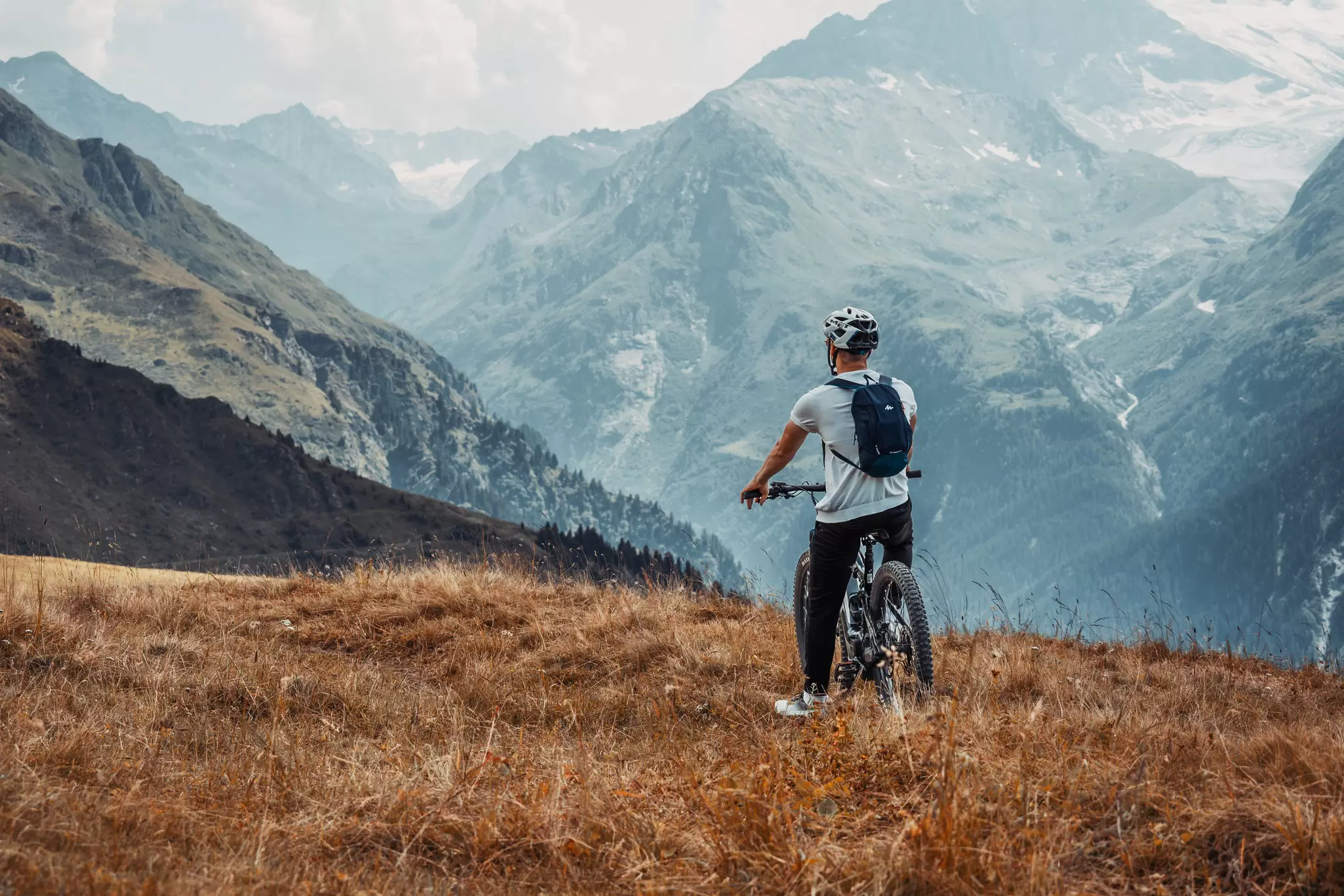
Verbier, Switzerland. Ian Kalbermatten for Lonely Planet
Writer
Highlights
Writer Caroline Bishop picks 12 activities in the Swiss Alps, from hiking to spotting wildlife.
See the Matterhorn from Zermatt’s Five Lakes Trail; car-free Mürren frames the Eiger trio.
Hike the Gemmi Pass, or ride the VerticAlp funicular to the Emosson dam.
Mountain bikers should make for Verbier; wildlife watchers should try Swiss National Park.
Lonely Planet may earn a commission from affiliate links on our site. All recommendations and reviews reflect our own independent opinions.
On a single trip to the Swiss Alps, you can hike the historic Gemmi Pass, ride a century-old funicular to the Emosson dam, spot ibex in Swiss National Park and spend a night at 2681m on the Faulhorn. It can be hard to know where to start, such is the region's abundance of unmissable scenery, exhilarating activities, nerve-shredding mountain roads and high-altitude accommodations that make you feel like you're sleeping in a cloud.
Yes, you'll want to see the Matterhorn and the Eiger – and you absolutely should – but make time for some lesser-known sights and activities, too (like the ancient bisses of Valais or the view over Lake Geneva from Le Grammont), and you'll come away with a well-rounded picture of Switzerland's magnificent natural playground. Read on for 12 of the best things to do in the Swiss Alps.
To continue planning your trip, download the Lonely Planet app, or check out our Switzerland guidebook.
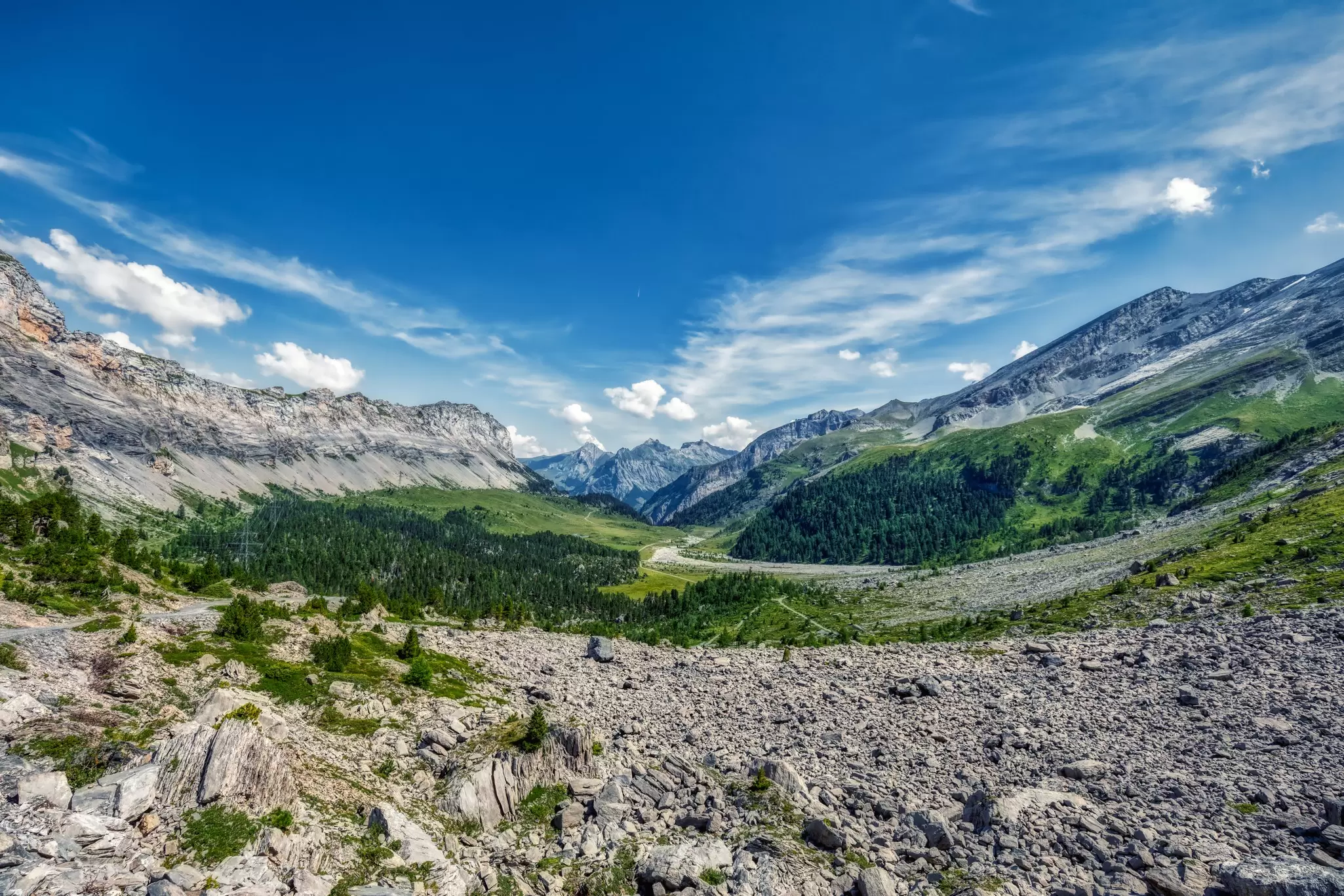
There’s something hallowed about a mountain pass – an Alpine route established centuries ago by traders, pilgrims and farmers – and the Gemmi Pass is among the most accessible. It became a tourist draw in the 19th century, when Thomas Cook brought his first-ever package tour group here, and famous visitors such as Jules Verne, Pablo Picasso and Mark Twain have all trodden its path.
Follow in their footsteps by hiking up from Leukerbad to the start of the pass, or – much easier and faster – take the leg-saving Gemmibahn cable car. From there, it’s a 3-hour hike to Sünnbuel, where another cable car whisks you down to the Kandersteg Valley. Along the way, you’ll pass barren peaks, turquoise lakes, flower-laden meadows and the Hotel Schwarenbach, dating from 1742, where you can stop for a restorative drink.
Detour: Make time to explore the villages on either side of the mountain pass. Don’t miss the mountain view from the warm waters of Leukerbad’s thermal baths or the jewel-like Oeschinensee, a lake accessible by cable car from Kandersteg.
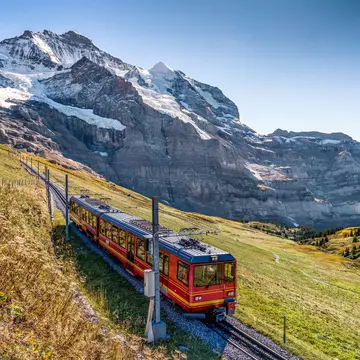
Around half of Switzerland’s electricity comes from hydropower, and Emosson is one of the most interesting dams to visit because getting here is part of what makes the experience so special. From Martigny, take the Mont-Blanc Express to Châtelard, where you jump on the VerticAlp funicular, built 100 years ago for workers constructing the original dam. At the top, a toylike mountain railway trundles along a cliff edge to the base of the concrete behemoth, from where a smaller funicular takes you up to the level of the reservoir.
Take time to gawp at the sheer expanse of the dam, the vast volume of water it holds back and the dizzying views over the edge, before hiking up through tranquil scenery to a second, older dam, the Vieux Emosson, where a mountain hut offers snacks, drinks and souped-up views.
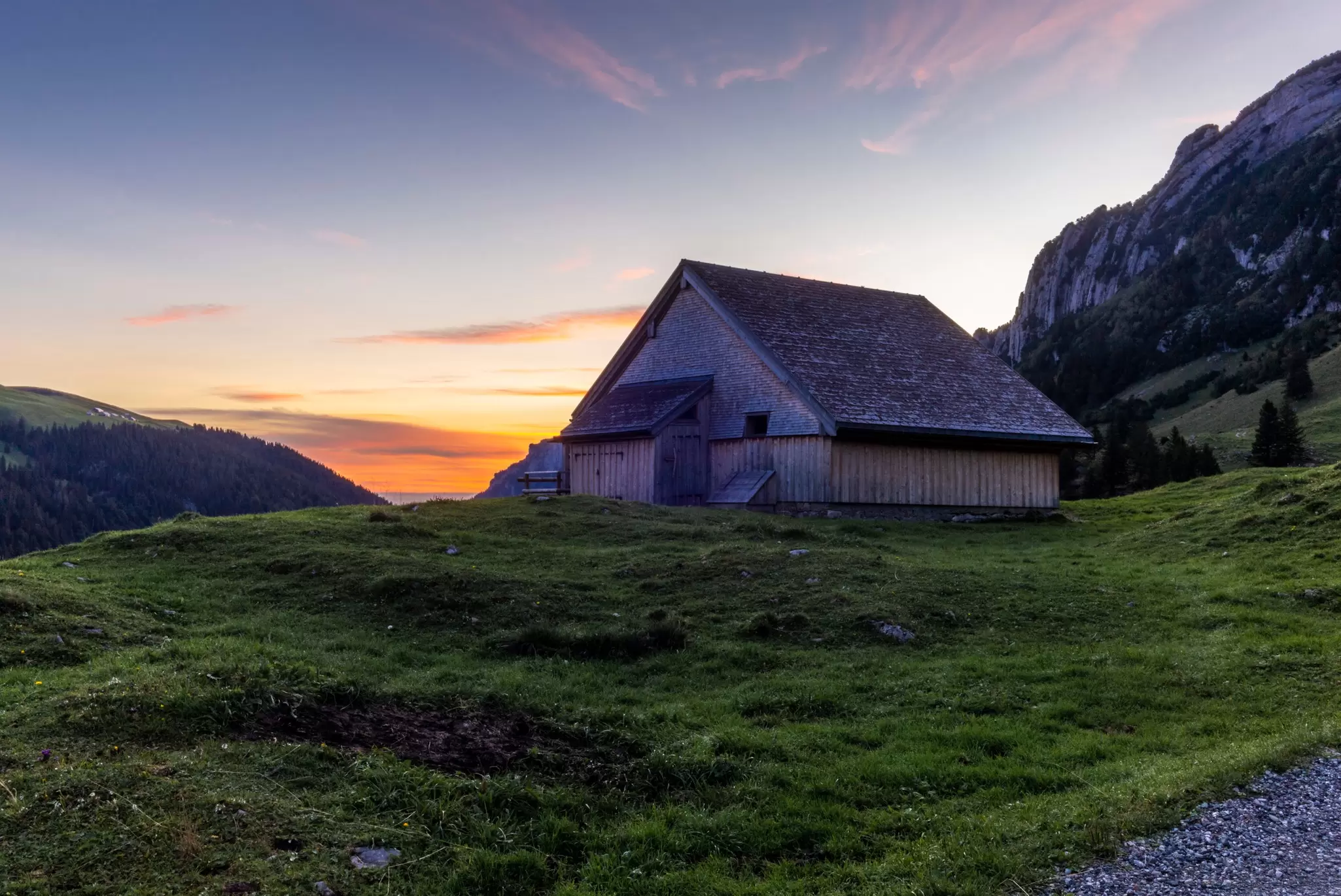
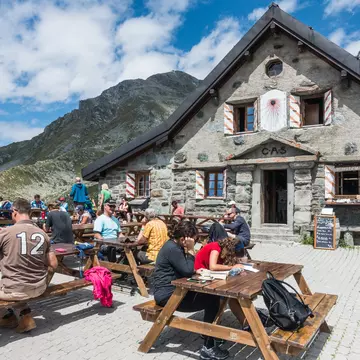
Switzerland’s mountains are strewn with overnight cabins in such amazing places – on mountaintops, overlooking glaciers, in remote spots hours from anywhere – that it’s hard to imagine how they were built in the first place.
Hiking from one to another on a multiday expedition is a classic Swiss experience. Book cabins through the Swiss Alpine Club, or choose an established hut-to-hut itinerary such as the Tour des Muverans, a magnificent 33km circular route, which suggests overnights at Cabane Rambert and the Refuge du Lac de Derborence.
Planning tip: Cabins are very popular and tend to get booked up in high season, especially on weekends, so always reserve in advance (you can usually call to cancel if the weather doesn’t play ball). Swiss Alpine Club huts are open to nonmembers as well as members.
You could spend days – weeks – exploring the Bernese Oberland, one of the most beautiful Alpine regions in Switzerland and a major tourist draw, thanks to its big three peaks: the Eiger (ogre), Mönch (monk) and Jungfrau (maiden). But if you only have time to visit one place in the area, please make it Mürren.
This car-free village on the slopes above the Lauterbrunnen valley was made famous by the 1969 James Bond film On Her Majesty’s Secret Service (the Schilthorn summit station, high above the village, stood in for Blofeld’s lair in the film), but it has thankfully retained its sleepy Alpine charm.
Hiking on the area’s network of trails is blissful: you’ll pass cow-grazed meadows, tranquil lakes and sun-darkened wooden barns, while marmots chirp and the trio of peaks loom large right in front of you.
Detour: If you’re brave enough, challenge yourself to the via ferrata route that starts in Mürren and descends sheer cliffs to the hamlet of Gimmelwald.
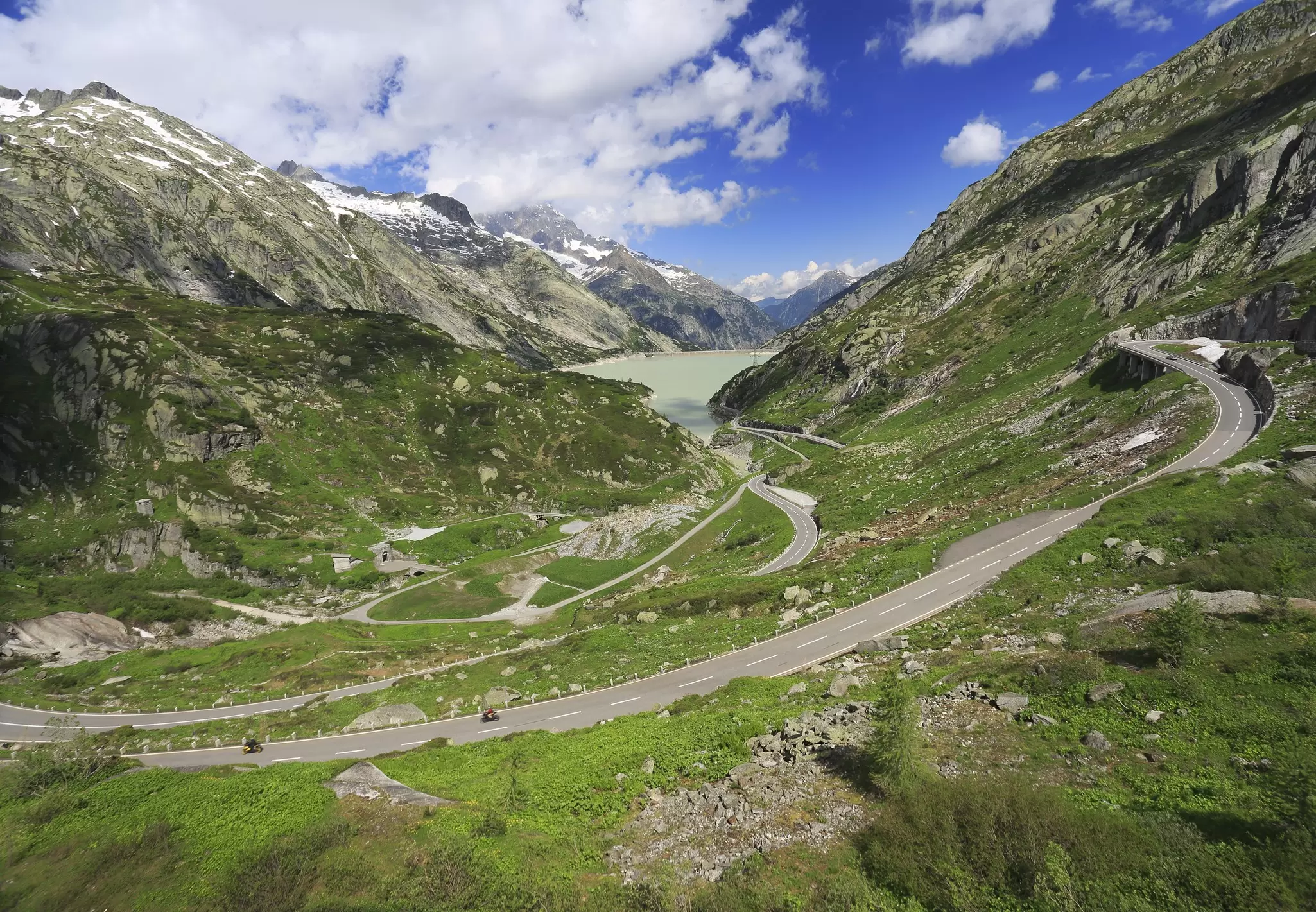
With their snaking hairpins and otherworldly landscape, Switzerland’s mountain passes are a sight to behold and a thrill to navigate. Experience three in one go by driving or cycling a circular route that takes in the Grimsel, Furka and Susten passes.
The scenery – and the air temperature – changes constantly as you climb and descend the switchbacks, while passing lakes, craggy peaks and glacial tongues. There’s plenty to explore en route too: the Gelmerbahn (Europe’s steepest funicular) up to the Gelmer lake; the foot of the Rhône glacier; the (now closed) Hotel Belvédère on the Furka pass, which is recognizable from the 1964 Bond film Goldfinger; and the Grimselhospiz, a hotel since the Middle Ages, where you can spend a tranquil night after the day-trippers have gone home.
Planning tip: If you don’t want to drive and your legs (quite understandably) can’t hack the cycle, take the bus instead. Switzerland’s trusty yellow PostBuses navigate this route daily.
Particular to the canton of Valais, the bisses are ancient irrigation channels, once used to transport water across Alpine meadows and grazing pastures, which have been restored and repurposed into excellent hiking trails. Mostly flat but occasionally vertiginous, these paths follow the trickle of water across fields, through woods and sometimes along the edge of a cliff.
One example of the latter is the Bisse du Torrent Neuf, which clings to the rock face above the Rhône valley and includes sections of wooden walkway pinned against the sheer mountainside. It’s all perfectly safe, but those with vertigo may want to stay away.
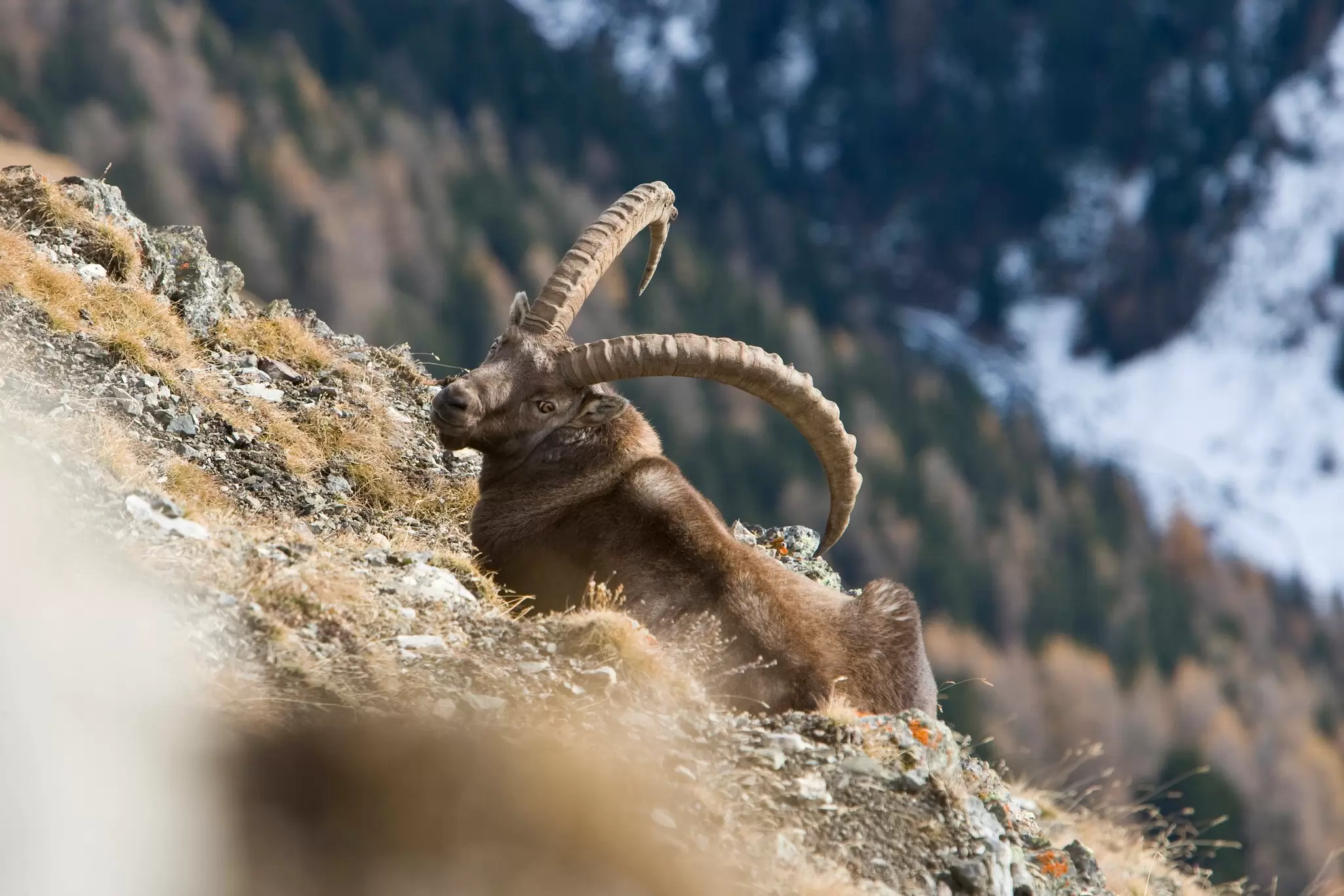
Switzerland’s only national park, which is located in the eastern Graubünden canton, is a true wilderness and works hard to keep itself that way. The flora and fauna are left to their own devices (tree felling, flower picking and hunting are not permitted), while visitors aren’t allowed to camp or make fires, nor can they do anything but hike.
Thankfully, the designated trails (which you can’t stray from) are worth all the rules, offering rock formations and untouched forests you won’t see elsewhere on the planet. Keep your binoculars handy for potential sightings of chamois, marmots, red deer and ibex; the park’s big four animals.
Planning tip: The only places to stay overnight in the park itself are Hotel Il Fuorn and the rustic Cluozza hut, both built before it gained national park status. Otherwise, stay in nearby Zernez and come in for day hikes.
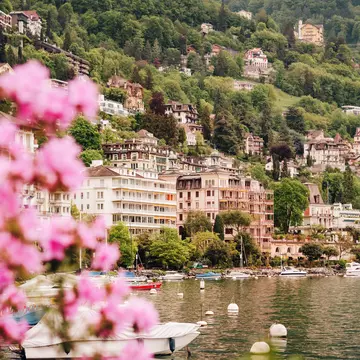
The croissant-shaped Lake Geneva (Lac Léman) is truly vast, stretching for more than 70km from Geneva in the west to Villeneuve in the east. To really appreciate its scale, make sure you get up high. A popular and easily accessible spot is Rochers-de-Naye, a 2042m-high mountain accessed via cogwheel railway from Montreux.
But for something even more spectacular – and less frequented – get the bus or drive to Le Flon in the Valais and hike via Lac de Taney up the simple but steep trail to Le Grammont. With the glittering blue expanse of the lake spread out far below, a mountainous skyline stretching into the distance, and usually a fair gust blowing, you’ll 100% feel like you’re standing on top of the world.
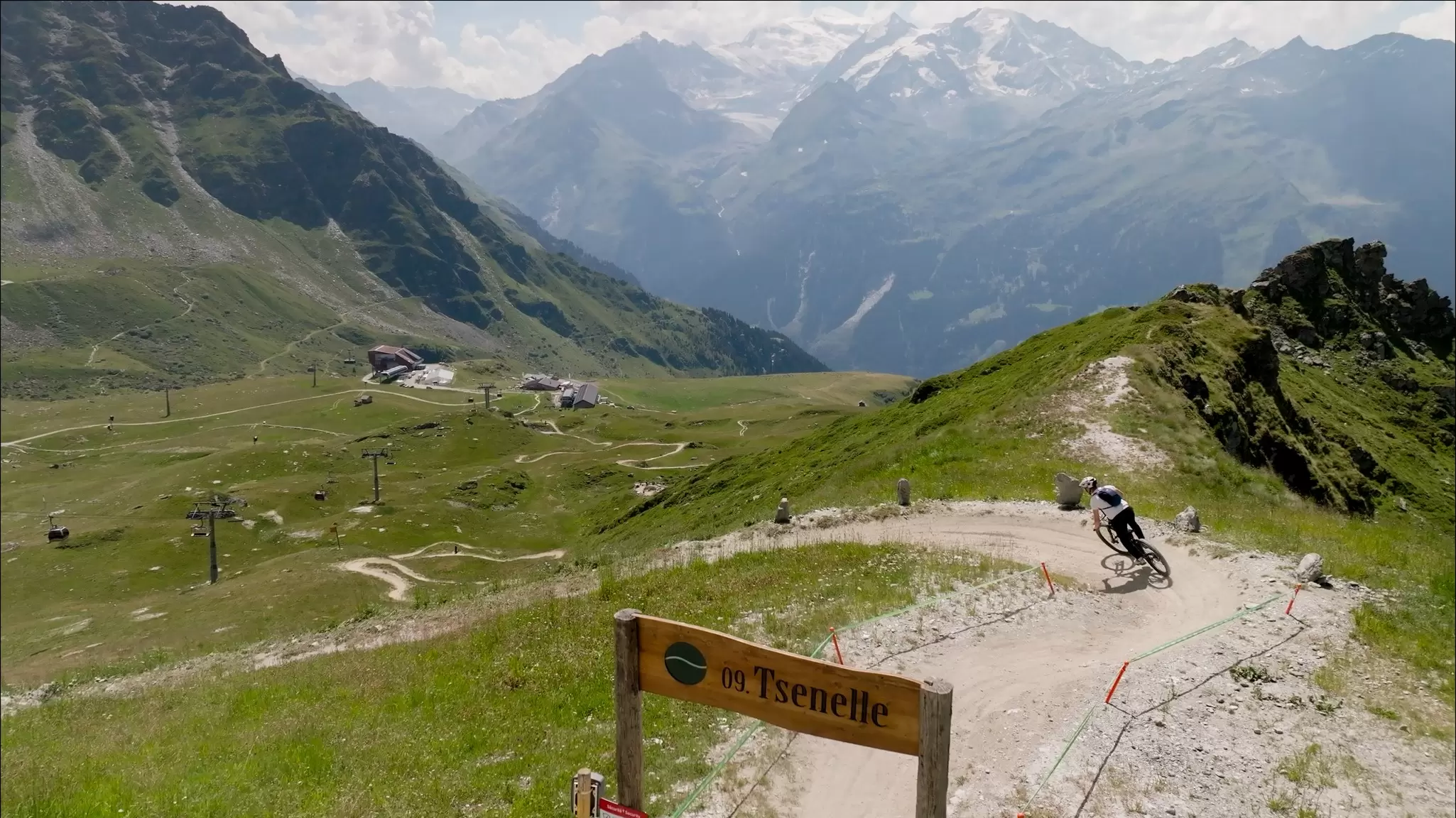
Fans of mountain biking – or vélo tout-terrain as it’s known in these parts – will love Verbier, which transforms itself from skiing paradise in the winter to biking nirvana across summer. The bike park offers 19km of downhill trails for thrill seekers, while cross-country and enduro routes for cyclists of all levels meander far and wide.
Planning tip: If you’d like some battery assistance, don’t worry, Verbier is big on e-biking – in fact, there’s an e-bike festival in August, e-bikes for hire in rental shops and charging points all over the area.
The longest glacier in the Alps, the 20km-long Aletsch snakes its way through the mountains straddling the cantons of Valais and Bern. Most visitors ride the epic mountain railway from Grindelwald to the Jungfraujoch to see it, a memorable but pricey experience you’ll usually share with tons of other people playing human Tetris.
Instead, head to the Aletsch Arena and take the cable car up to the ridge overlooking the glacier for what is arguably a better panorama of this mighty river of ice. From there, numerous hiking routes skirt its edge, and you’ll often be completely alone with the view.
Planning tip: The Aletsch is beautiful in all seasons, but in autumn, the larch forests on its flanks come alive with color, which is in striking contrast to the monochrome glacier.

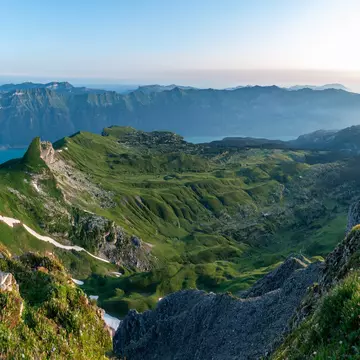
One of the oldest mountain hotels in Switzerland, the Berghotel Faulhorn sits on the Faulhorn mountain in the Bernese Oberland, overlooking the twin lakes of Brienz and Spiez far below. To get there, take the mountain railway from Wilderswil to Schynige Platte and hike the 10km trail to the hotel, perched atop a scree-covered slope.
Your reward is a night at 2681m altitude with the biggest starry skies, hearty homemade food and a comfy bed in a wood-paneled bedroom that has been welcoming guests since 1830.
Planning tip: The hotel is shut in the winter, but the snow-laden path from its front door down to Grindelwald turns into the world’s longest toboggan run. To ride the 15km path, take the cable car to First and tug your sled up to the Faulhorn, about a 2-hour walk. It’s worth the effort for the exhilarating descent.
Yes, it’s a touristy thing to do, but you can’t come to the Swiss Alps and not see the Matterhorn, the iconic mountain that looms over the village of Zermatt. One of the best views is from the top of the Gornergrat mountain train, where you’ll get a 360-degree panorama of the Swiss-Italian Alps and access to tourist attractions, including a VR experience of paragliding over the Matterhorn.
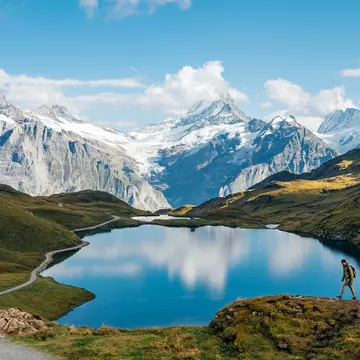
However, if you want to leave the crowds behind (at least a little – it’s rarely quiet in Zermatt) take the gondola to Blauherd and hike the Five Lakes Trail. Gazing at the reflection of the Matterhorn in three of those five lakes, you’ll understand why this famous peak, with its distinctive crooked top and relative isolation on the skyline, is considered so special.
Book your Switzerland trip with Lonely Planet Journeys
See Switzerland how it's meant to be seen
Accommodations, activities and ground transportation all taken care of, so you can focus on the fun part. Tell us what your dream trip to Switzerland looks like, and our local experts will build it from scratch. Or start with one of our itineraries and make it your own.
Explore related stories