Sep 20, 20268 min read
Guide to the Caribbean Island of MontserratSep 20, 2026
8 MIN READ

Writer
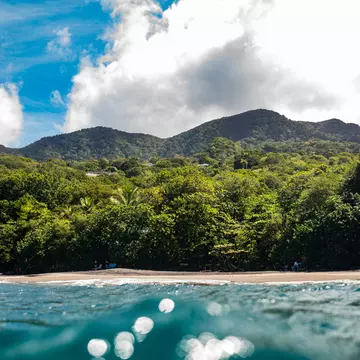
Woodland’s Beach on Montserrat. Nancy Borowick for Lonely Planet

Writer
Lonely Planet may earn a commission from affiliate links on our site. All recommendations and reviews reflect our own independent opinions.
Montserrat is one of those destinations so far off the tourist radar that many people won’t know where you’re headed. Slightly bigger than Manhattan but home to fewer than 5000 people, it’s a place where strangers wave as they pass and a visit can feel more like dropping in on family and friends.
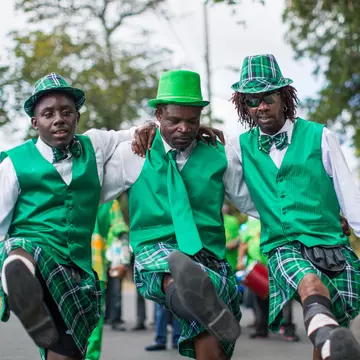
A British Overseas Territory, Montserrat is known as the “Emerald Isle of the Caribbean” for its lush, mountainous landscape and Irish connections, still evident in local surnames and place names. Although more than 90% of Montserratians are of African descent, Montserrat celebrates St Patrick’s Day, not to honour the saint but the enslaved who attempted a rebellion on that day in 1768.
The Soufrière Hills Volcano transformed Montserrat after eruptions devastated the capital, Plymouth, nearly 30 years ago. Life was rebuilt in the north with many other nationalities now calling the island home.
Visitors today will find a place shaped by that history but not defined solely by disaster. You can trace family connections, learn about volcanology, hike forest trails, swim from quiet beaches, kayak along the coast and hear stories from people who witnessed the eruptions and helped the island begin again.
Visible from neighboring Antigua, Montserrat brings together the beauty and drama of nature with the humour, creativity and resilience of a community that has repeatedly reinvented itself.
Montserrat is warm year-round, although storms are possible between June and October. Its annual festivals offer four very different ways to experience the island.
Time your visit for St Patrick’s Festival in March, and you’ll discover that one day is not enough. The island turns green during a fortnight of music, food, history, and community events leading up to March 17. July’s Calabash Festival moves at a gentler pace. The week-long celebration brings together traditional arts, storytelling, food and locally made products, with an annual expo that offers a chance to meet the people behind the island’s creative businesses.
Book lovers should visit in mid-November for the Alliouagana Festival of the Word, named after the Indigenous name for Montserrat. Authors, poets and thinkers from Montserrat and beyond gather for readings, conversations and workshops.
The year ends with Montserrat Carnival, which begins before Christmas and builds towards the New Year’s Day Grand Parade. Expect calypso, costumes, pageantry and plenty of opportunities to join the celebration rather than watch from the sidelines. Note: For the latest on volcanic and seismic activity ahead of your visit, check the Montserrat Volcano Observatory.
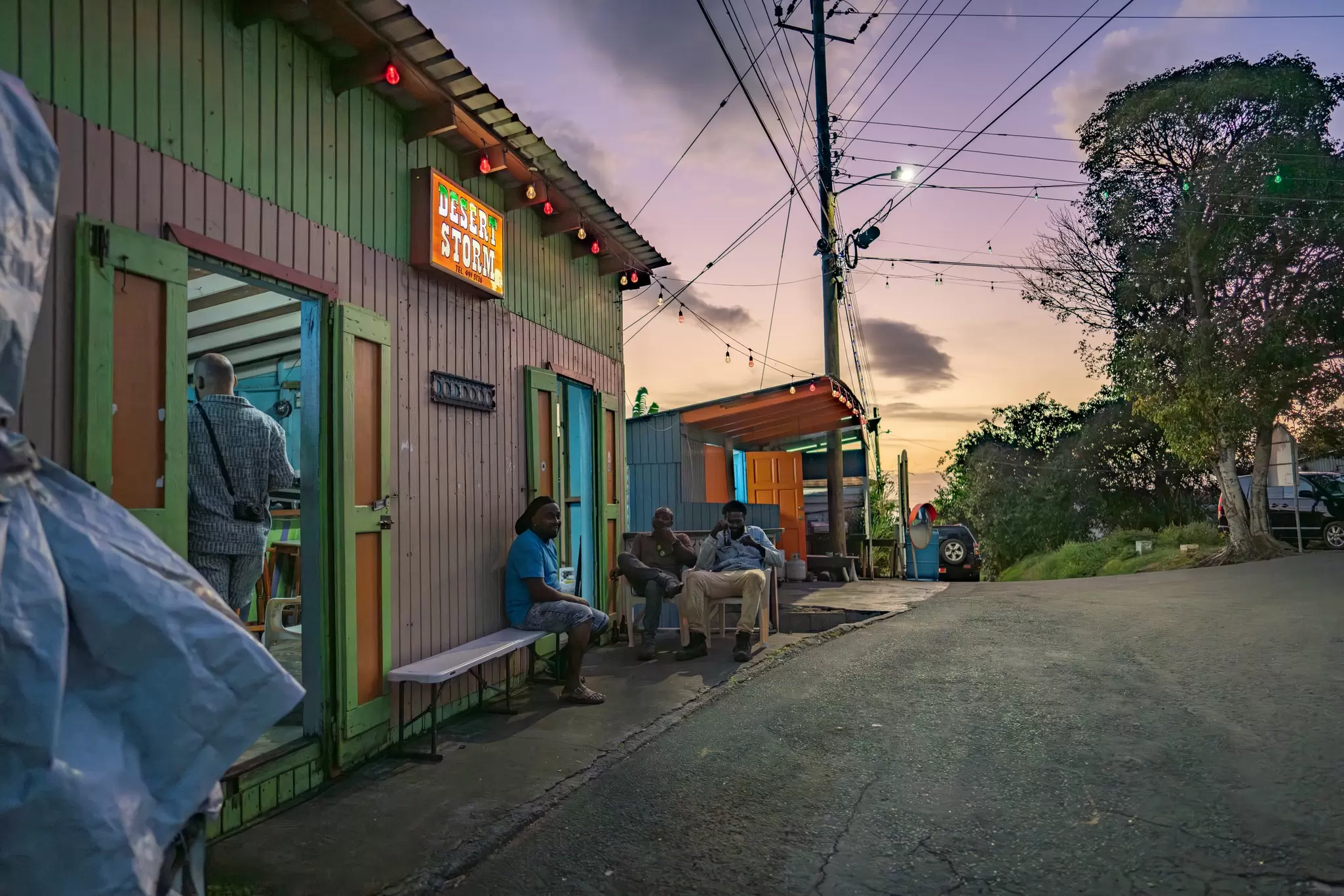
You can see some of Montserrat on a day trip, particularly if you book a guided tour in advance. But the island rewards travellers who stay a little longer. Allow at least 3 nights to explore and settle into the island’s unhurried rhythm. Staying overnight also gives you time for the unscheduled moments that often become the most memorable, whether that is a conversation over lunch, sampling bush rum at a roadside bar, or an evening watching the sun disappear beyond the Caribbean Sea.
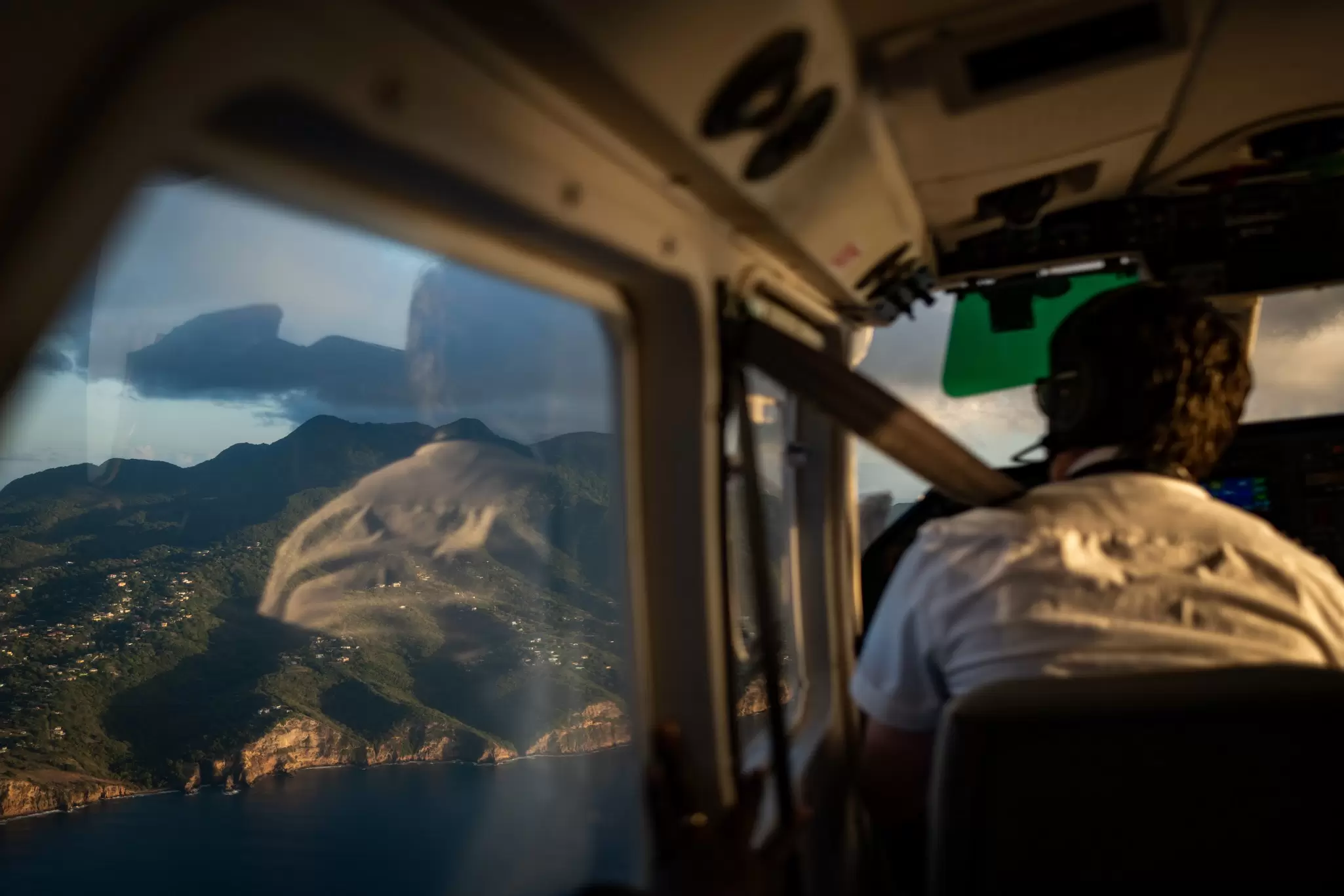
Travel by air is the most efficient way to visit Montserrat from nearby Antigua or St. Maarten. Both routes are a short hop to John A. Osborne Airport, where the small terminal offers a fittingly relaxed welcome to the island. Ask your accommodation host to arrange an airport pick-up. Minibuses travel along the main road and can be hailed as they pass. Taxis and guided tours, including Jeep tours, are also available. If you want to hire a car, Montserrat Tourism lists local operators online. Driving is on the left, and the speed limit is 20mph because of the island’s steep terrain and winding roads. Sound your horn at hairpin turns. There are no traffic lights.
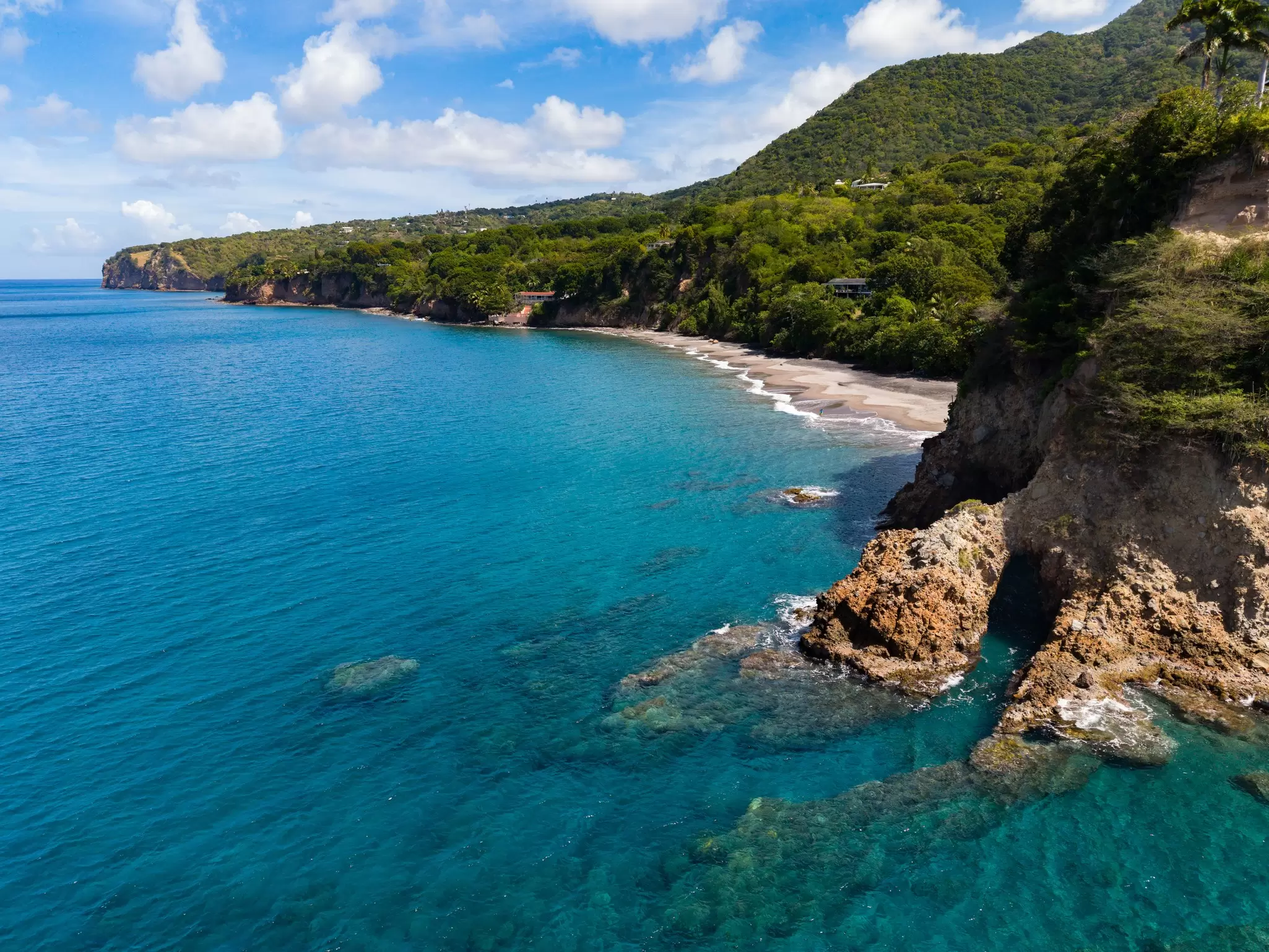
Montserrat’s lone white-sand beach, Rendezvous Bay can be reached only on foot or from the water. Arrive by kayak or hiking trail, and you may find that the beach is yours for the morning.
The rest of Montserrat’s coastline comes in shades ranging from sparkling black to silvery grey. Little Bay is popular with locals for a midday swim, meeting friends and relaxing at one of the nearby beach bars. For hiking, swimming and snorkeling, Woodlands Beach is another top beach to spend the day.
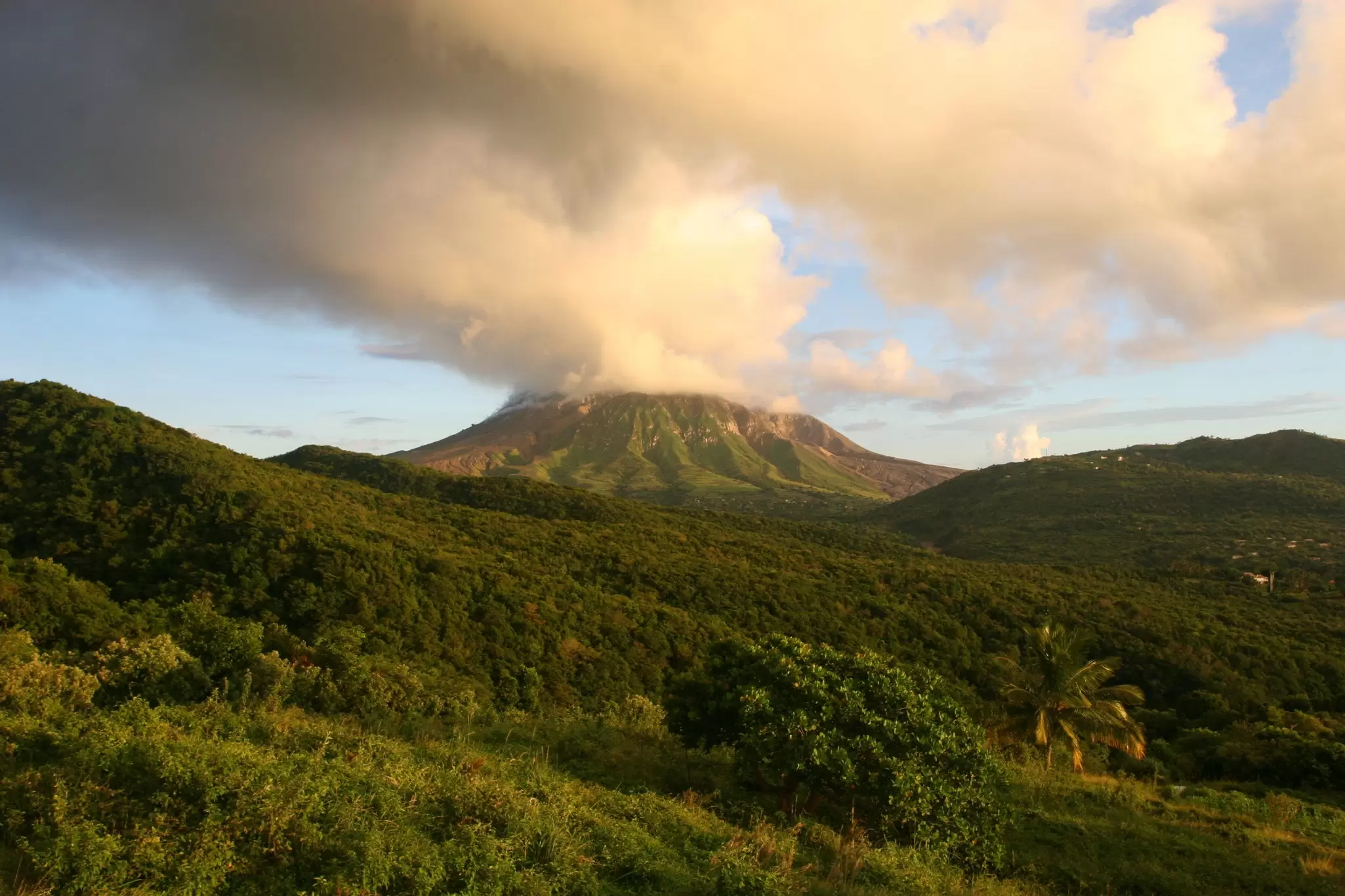
Few places reveal the power of nature as dramatically as Montserrat’s Exclusion Zone. When the Soufrière Hills Volcano awoke in 1995 after 400 years, ash falls, pyroclastic flows and mudflows destroyed Plymouth, neighboring villages and farmland. Around 11,000 residents were evacuated. Some resettled in northern Montserrat, while others moved to the UK, North America and islands nearby.
The eruptions continued intermittently until 2010. Since then, Soufrière Hills has remained largely quiet, but the buried buildings of Plymouth remain a haunting sight.
Access is controlled, so book an approved guided tour to see the area on foot or from the water. Helicopter tours provide another perspective. You can also get great views of the Exclusion Zone, and watch a stunning documentary on the eruptions at the Montserrat Volcano Observatory.
Begin at the National Museum of Montserrat in Little Bay. The compact museum traces the island’s history and culture from its earliest indigenous communities until today. Displays include archaeological finds, musical instruments, WWI history and photographs of Plymouth before the eruptions.
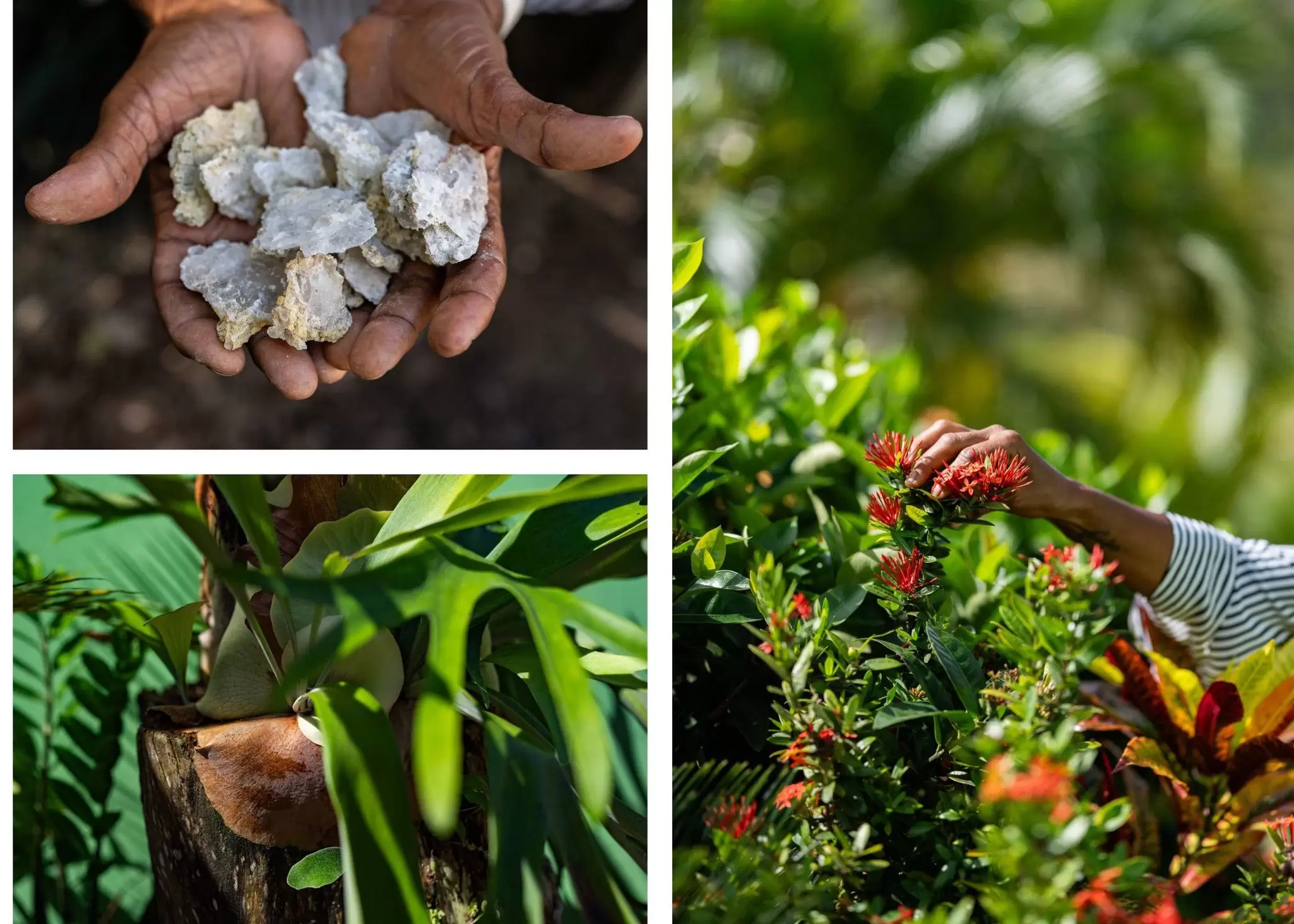
Continue to the Montserrat National Trust and Botanical Gardens in Salem. Wander through the herbal and medicinal gardens, visit the orchid house and browse the gift shop for locally made books, crafts and keepsakes.
The Trust is within walking distance of Runaway Ghaut, where legend says that anyone who drinks the cool spring water is destined to return to Montserrat.
Hilltop Coffee House & Family Center in St Peter's is part cafe, part museum, part art gallery and part community gathering place. Its walls are filled with volcanic artefacts, photographs and memorabilia from Sir George Martin’s AIR Studios, where some of the biggest names in music recorded, including Dire Straits, The Police, Elton John, and The Rolling Stones.
Saturday waffles are a local favourite, best enjoyed on the breezy veranda. Order coffee, tea or fresh juice and spend time looking through the collection. You might catch a live band on the weekend, watch David Lea’s documentary about the eruption or hear stories from someone who remembers Montserrat before the volcano changed everything.
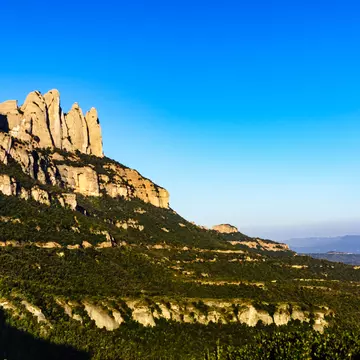
Volcanic eruptions destroyed around 60% of Montserrat’s forest ecosystem, making the Centre Hills the island’s refuge for native flora and wildlife. Trails wind beneath a dense canopy, where the sound of birds and tree frogs provides the soundtrack. Look out for the endemic Montserrat Oriole as well as the elusive Montserrat galliwasp.
The hills are also the natural habitat of the critically endangered mountain chicken, one of the world’s largest frogs. The island is also home to three species of sea turtle, along with a snake and a tarantula found nowhere else in the wild. The Montserrat National Trust arranges turtle-watching treks during nesting time in August and September.
Double room in top-end hotel: from US$175
Guesthouse: from US$50-120
Bus fare: US$1.25
Helicopter tour: US$350
National Museum of Montserrat: US$5-10
Guided Exclusion Zone Tour: US$90
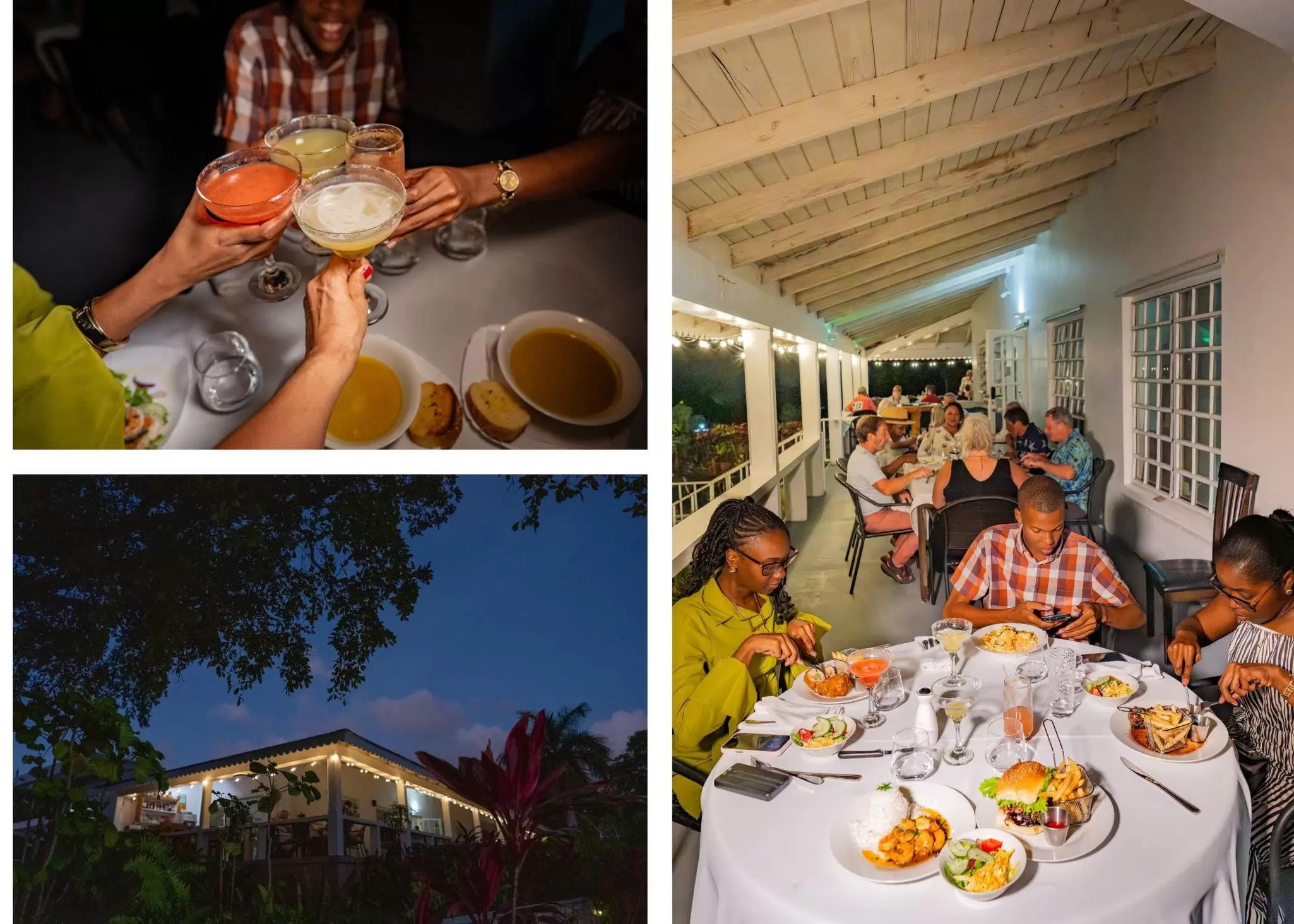
Three-course dinner with wine: US$50-80
Montserrat’s quiet pace makes it an ideal place to do very little, preferably while someone else takes care of you. Book a massage, facial or other treatment at one of the island’s intimate day spas. Blyss Day Spa is tucked away in the peaceful residential community of Drummonds, while Oasis Spa in Olveston offers another relaxing retreat.
You do not need to travel to a designated lookout for stargazing in Montserrat. With little light pollution, the night sky is visible from any part of the island. On a clear night, the stars can feel startlingly close.
Montserrat’s transport connections are limited, and weather or operational issues can disrupt flights and ferry services. Purchase comprehensive travel insurance that covers delays, cancellations, missed connections, medical care and additional accommodation.
Most travellers reach Montserrat through Antigua. Depending on flight schedules or delays, you may need to spend a night there before continuing your journey. Leave some flexibility in your itinerary and be ready to pay for a hotel, meals and transportation if your connection does not go as planned.
Small aircraft have strict weight limits. During busy periods, all checked luggage may not travel on the same flight as its owner. Pack medication, travel documents and other essentials in a small cabin bag. Clearly label your checked luggage with your accommodation details and local contact number.
Credit cards can be used at many shops, restaurants and accommodation providers, but local ATMs do not accept credit cards for cash withdrawals. Bring cash for minibuses and small businesses that may not accept cards.
Cash may also be available through an over-the-counter transaction at the national bank or as cashback from some supermarkets. But make sure you check any fees and requirements with your home bank before you depart.
Explore related stories