Sep 20, 20266 min read
A Guide to Gombe National Park, TanzaniaSep 20, 2026
6 MIN READ

Writer
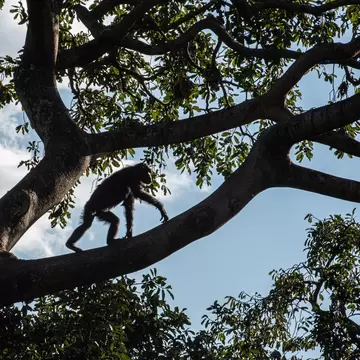
A chimpanzee in Gombe National Park, Tanzania. Paco Forriol/Shutterstock

Writer
Lonely Planet may earn a commission from affiliate links on our site. All recommendations and reviews reflect our own independent opinions.
In Tanzania’s far west, where the savannahs of East Africa yield to the dense rainforests of the continent’s interior, Gombe National Park reveals the magical relationship between the human species and our chimpanzee cousins. The park’s story begins with a young researcher named Jane Goodall and a study that transformed our understanding of the natural world – and ends with you walking through the forest, coming eye to eye with compelling chimpanzees in the wild.
This legacy is now open to all, with visitors permitted to visit Gombe National Park (sometimes called Gombe Stream National Park) and see where Jane Goodall worked, as well as meet the descendants of the great apes who so inspired this icon of the conservation world.
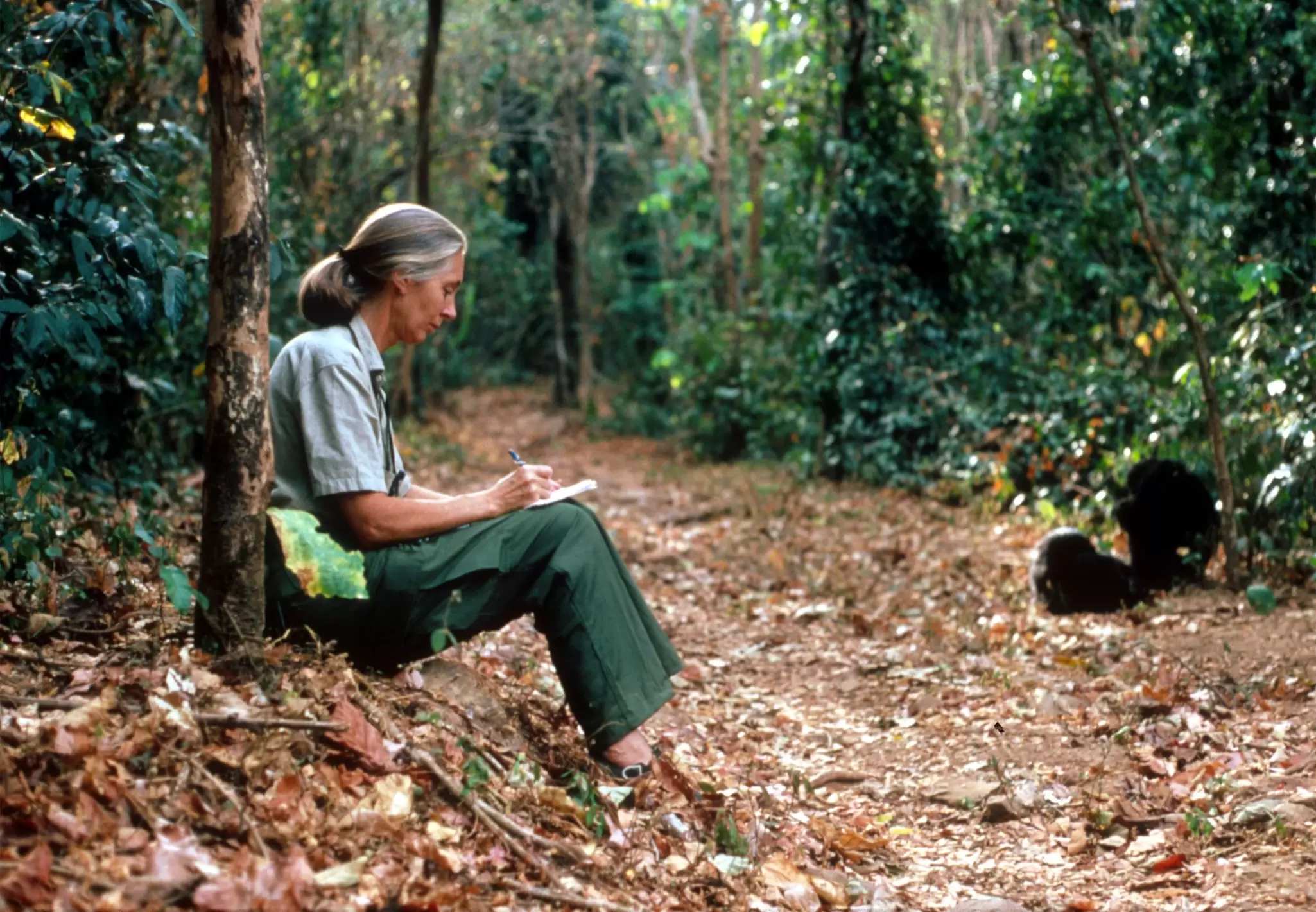
In 1957, Jane Goodall was a 23-year-old student in England with a dream of working with animals in Africa. After traveling to Nairobi, in what was then British East Africa, she managed to secure an audience with renowned paleontologist Louis Leakey. Impressed by her enthusiasm, Leakey took her on, first as his personal assistant, later as a researcher studying chimpanzees in the rainforests of western Tanzania.
Goodall arrived in Gombe in 1960 and began observing the chimpanzees as they went about their lives in the forest. Realizing that she could learn little from a distance, Goodall became a presence in the chimpanzees’ lives, observing them at close quarters until they became habituated to her – and, therefore, to other human beings. This hands-on, up-close approach subsequently became a model for the study of wildlife across Africa and elsewhere. Indeed, her research revealed never-before-seen behaviors in chimpanzees, from their violet clashes to their ability to use tools. (Until Goodall observed the latter behavior, humans were thought to be the only species capable of it.)
Gombe became a Tanzanian national park in 1968. Seven decades later, it is widely considered to be the best place on Earth to observe chimpanzees.
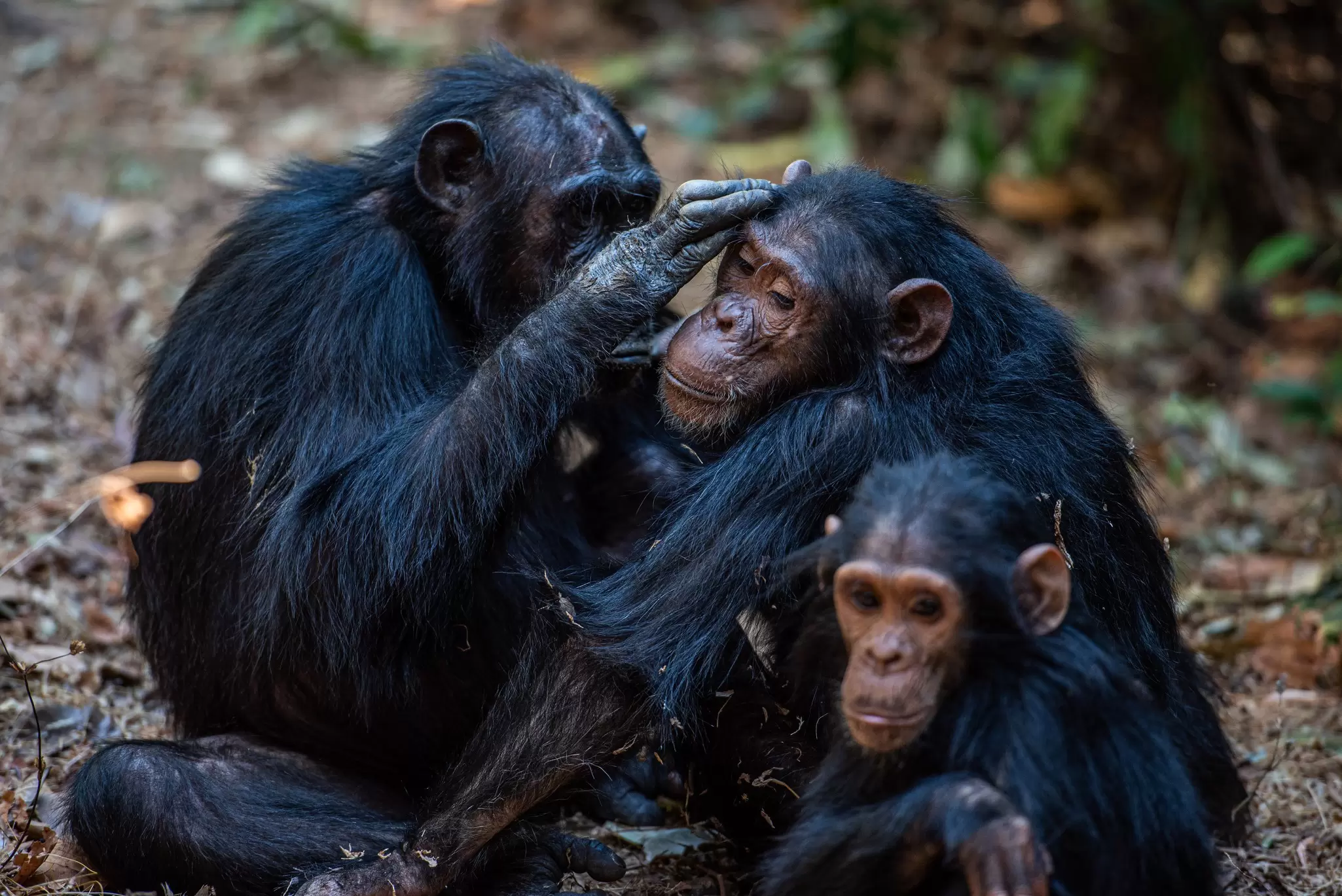
The morning of any visit to Gombe is always ripe with anticipation. Under the direction of a park ranger or guide, you’ll set out through the forest. As you proceed, your eyes become accustomed to the darkened conditions of a world of dense vegetation and towering trees; unfamiliar forest sounds only add to the excitement. You’ll also feel a deep sense of connection to Goodall and her work: just as the chimpanzees you’re hoping to see are relatives of those who first befriended Jane Goodall decades before, the rangers, too, are often direct descendants of Goodall’s original, highly trusted associates.
On your way into the forest, you’ll stop by the Kasekela Research Centre, where the work began back in 1960. While there’s not much to see today, the place has the aura of a site fundamental to the modern field of conservation.
From here, your quest to find Gombe’s chimps begins in earnest. Sometimes, you’ll find them within an hour of leaving the research station. One well-known human-habituated chimpanzee family has more than 50 members, who typically range close to Kasekela. At other times, it can take up to 4 hours to find one of the other two chimpanzee clans that are comfortable in the presence of humans.
As you walk through the forest, every sense is heightened as you strain to see or to catch your first glimpse. The rangers are highly attuned and alert for any twig crack or sudden silence in the forest that may signify that chimpanzees are near. On some visits, you’ll hear the chimpanzees before you see them, as they caterwaul through the forest. More often, they’ll appear all at once, and you’ll suddenly find yourself among them. Some stay up in the canopy, but more often it will take some getting used to that you are almost within touching distance of wild chimpanzees.
Stay still and passive, avoiding sudden movements or camera flashes. And then watch in wonder.
Although the national park remains open to visitors throughout the year, the best months are undoubtedly from June to October. This coincides with the dry season, ensuring better weather, more accessible trail conditions and a much better chance of finding and observing chimpanzees.
At other times of the year, rains are possible, beginning as early as mid-October. From November to April and into May, heavy rainfall can make for less-than-ideal conditions underfoot. More than that, the mixture of humidity and rains leaking down through the forest canopy can be an uncomfortable experience – quite apart from the fact that the chimpanzees are more likely to disperse to far-flung corners of the forest. In March and April, the park’s lodge is closed.
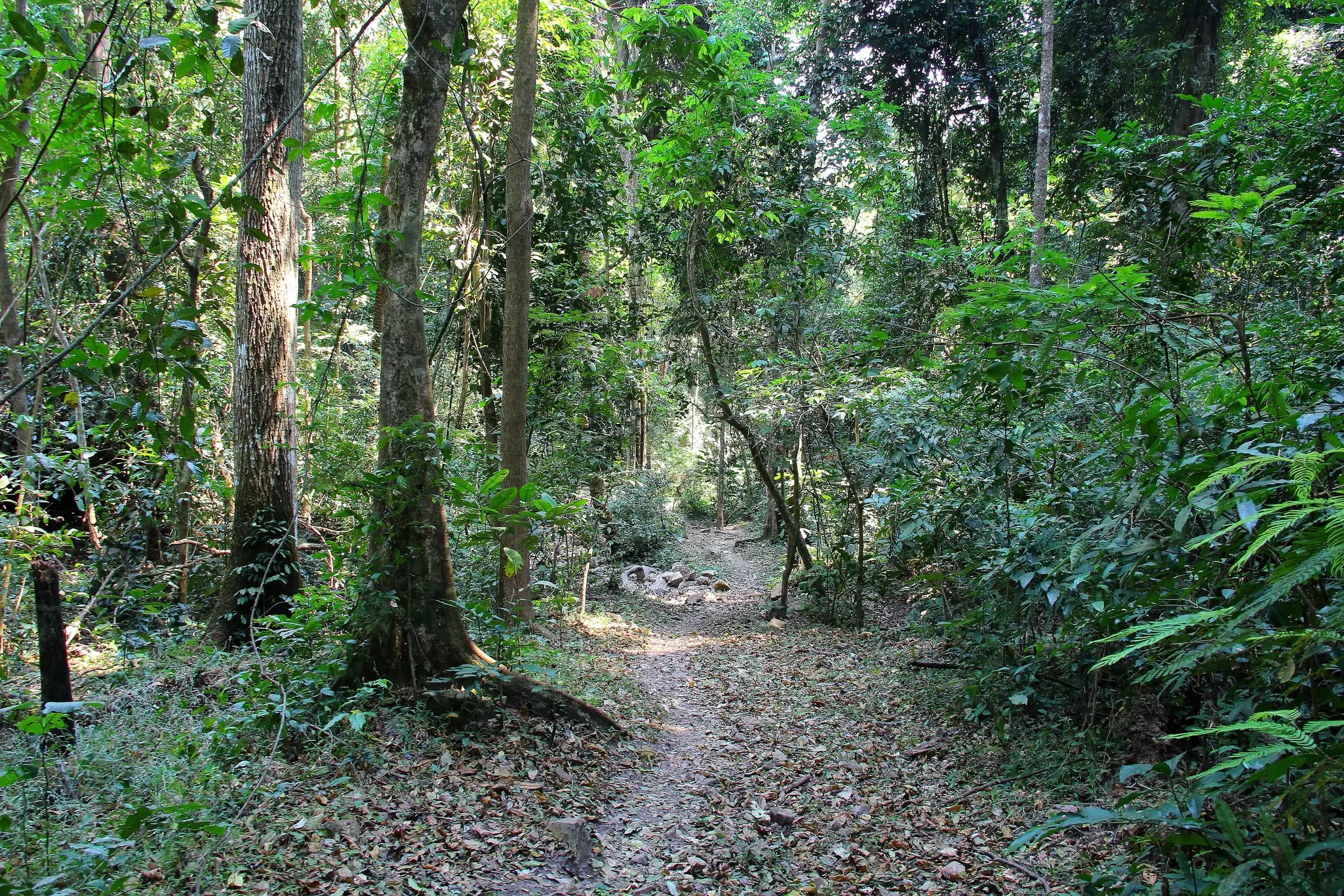
Visiting Gombe is very different from visiting most other national parks in Tanzania, not least because you’ll spend most of your time exploring on foot, far from any vehicle. Bring good walking shoes, preferably waterproof hiking boots with good ankle support: the terrain gets more difficult the further you get from Kasekela, and you might have to walk for long hours to find the chimpanzees. A hat of some kind will protect you from both rain and sun, and a waterproof outer shell is always a good idea given the steady risk of intense downpours. A decent set of binoculars is another must-carry, along with mosquito repellent and anti-malarial medications. We also recommend light, long-sleeve, loose-fitting clothing, both as protection against insects and scratches from forest vegetation.
Gombe is not the only place to see chimpanzees in the region. Rising from the shore of Lake Tanganyika south of Gombe, Mahale Mountains National Park has spectacular scenery but fewer chimps and less accessible terrain. Closer to Gombe and also on the lakeshore, the town of Ujiji is where, in 1871, Henry Morton Stanley finally found the famous Scottish doctor, missionary and explorer, Dr Livingstone, and is reported to (but may not) have said, “Dr Livingstone, I presume?” Ujiji has a Livingstone Museum that tells the Stanley’s story, as well as harrowing tales of the trade of enslaved people.
Unless you’re visiting these other attractions in Tanzania’s far west, Gombe is a very long way from just about anywhere. Air Tanzania offers four to five weekly flights between Dar es Salaam and Kigoma, the gateway town for Gombe. About twice a week, a Tanzania Railways Corporation train rumbles across the country, from Dar es Salaam to Kigoma, in an epic, nearly 2-day journey.
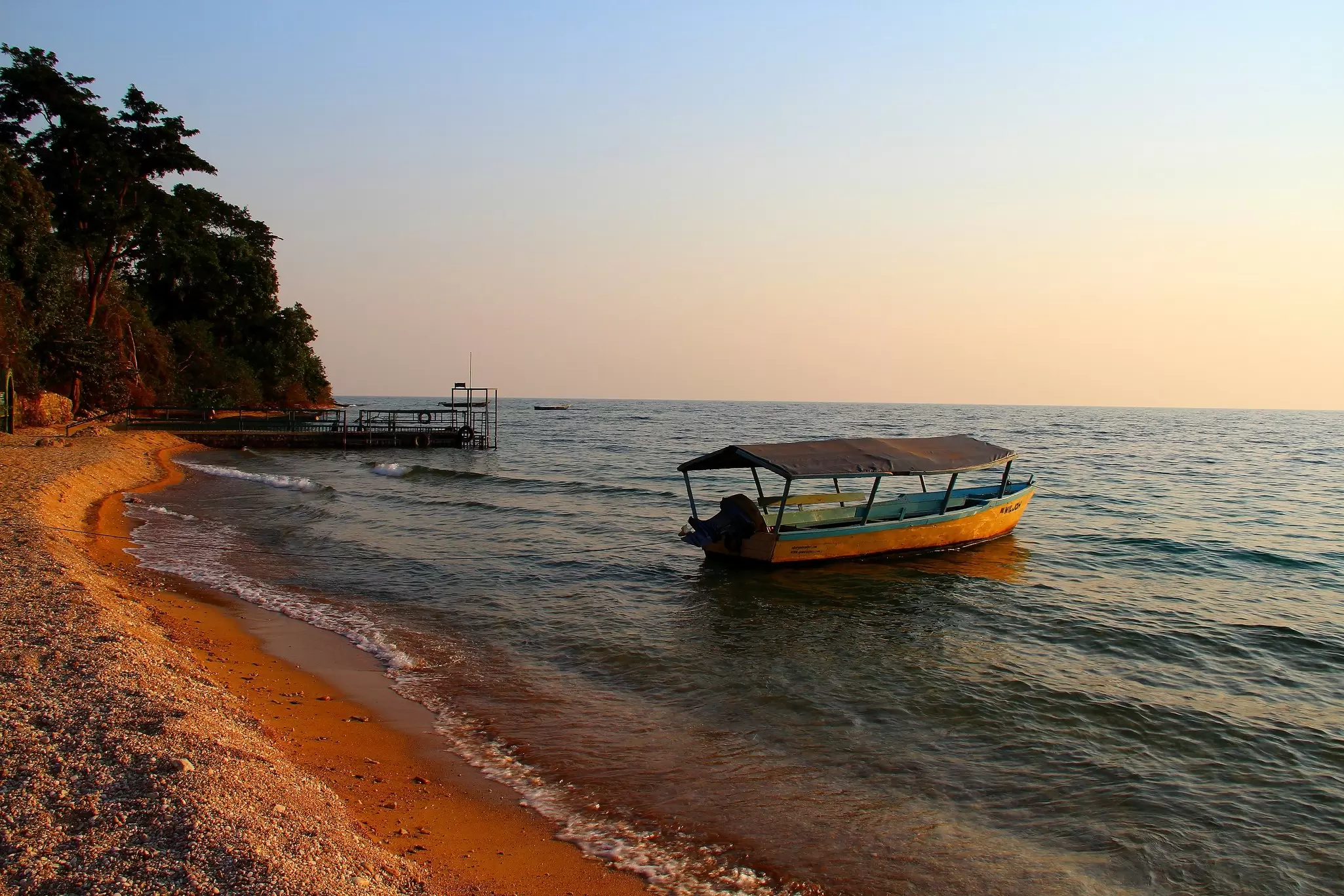
The really fun part starts after you arrive in Kigoma, 26km south of Gombe. The only way into the park is by boat (daily or by charter) from the fishing village of Kibirizi. If you’re not on a tour, make arrangements through the visitor information center in Kigoma.
The only accommodation inside the park is Mbali Mbali Gombe Lodge, which offers safari tents with en-suite bathrooms beneath the trees on the shore of Lake Tanganyika. Right at the main gate, the official Tanapa rest house has six simple rooms.
In Kigoma, opt for the simple Green View Resort or clifftop Jakobsen’s Guesthouse.
Book your Tanzania trip with Lonely Planet Journeys
See Tanzania how it's meant to be seen
Planned by local experts and tailored to you, Lonely Planet Journeys handles the logistics so you can just enjoy the trip. Tell us what you want and we'll build your Tanzania itinerary from scratch, or browse our bookable trips to get inspired.

Explore related stories