Sep 20, 20266 min read
A Guide to Gombe National Park, TanzaniaJul 17, 2026
7 MIN READ

Writer
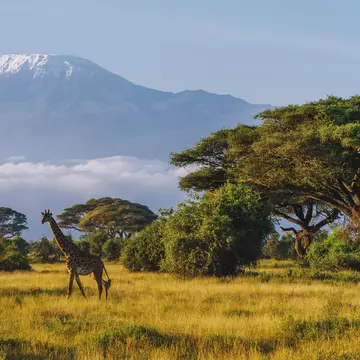
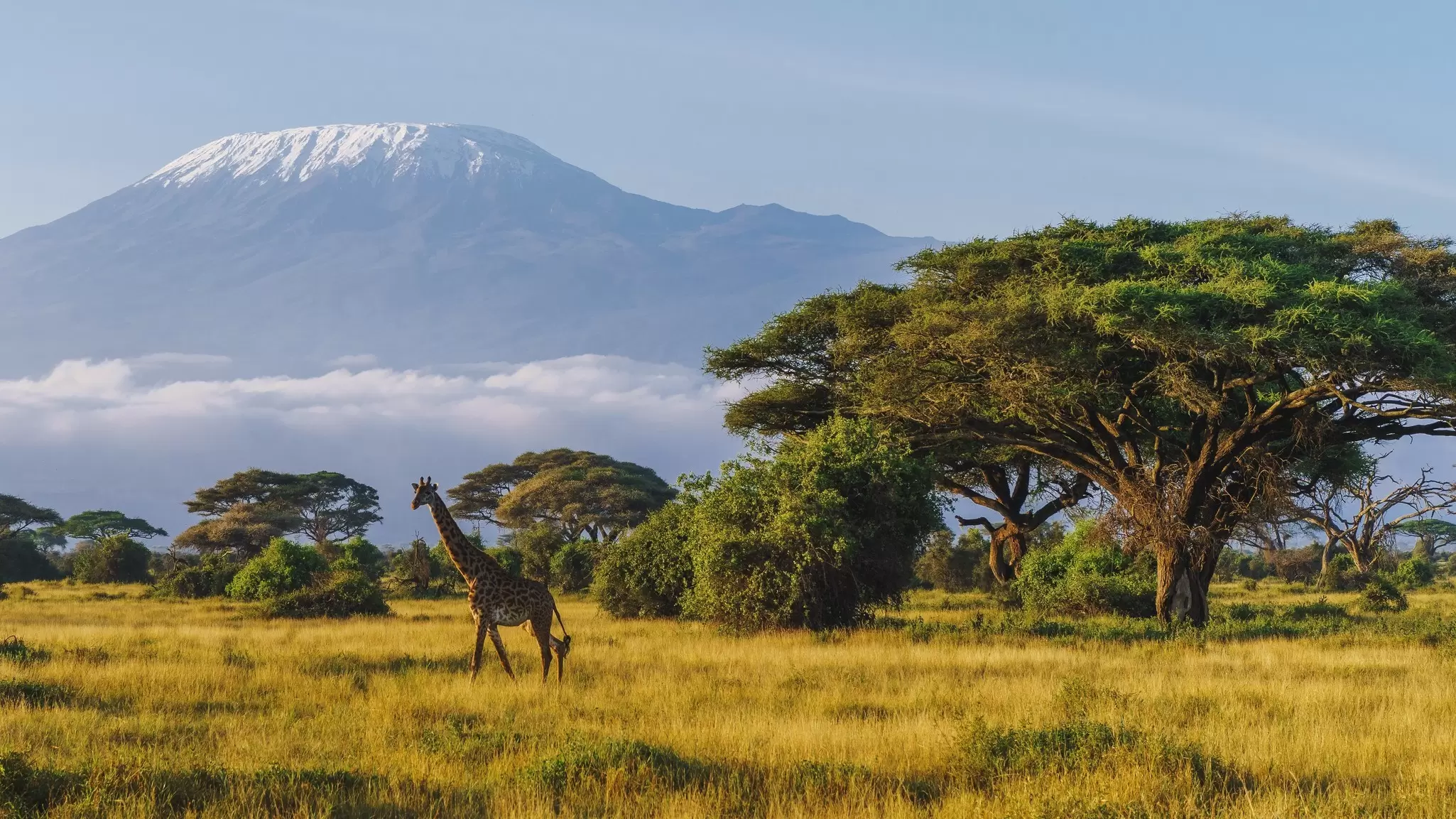
Maasai giraffe in front of Mt Kilimanjaro, viewed from Amboseli National Park, Kenya. pawel.gaul/Getty Images
Writer
Highlights
Lonely Planet writer Anthony Ham guides you through climbing Tanzania's Mt Kilimanjaro.
Climb during the dry season – late June to October, or late December to February.
Seven routes reach the summit; Lemosho is arguably the best for scenery and acclimatization.
Budget US$1500–2000 with a reputable operator; base yourself in Moshi or Arusha.
Lonely Planet may earn a commission from affiliate links on our site. All recommendations and reviews reflect our own independent opinions.
Climbing the 5896m-tall Mt Kilimanjaro in Tanzania is one of the great experiences of African travel. It's an iconic challenge – one that combines accessibility (this is not a technical mountain climb) with astonishing views and the genuine cachet of having climbed to the roof of Africa.
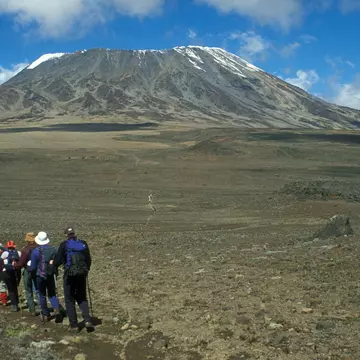
Mt Kilimanjaro stands at the heart of the national park that bears its name. In addition to being the continent's highest peak, it's also one of the world's tallest volcanoes and the highest free-standing mountain on earth. It rises from cultivated farmlands on the lower slopes, through lush rainforest to alpine meadows, and finally across a lunar landscape to the twin summits of Kibo and Mawenzi.
Whether you come to climb or gaze in awe of this remarkable, snowcapped equatorial mountain, drawing near to Mt Kilimanjaro is a soulful, memorable experience. This guide covers what you need to know before you go: when to climb, which route to choose, what it costs and where to base yourself.
Mt Kilimanjaro can be climbed year-round, though weather patterns are notoriously erratic. The best months to climb are during the dry season, from late June to October, and from late December to February or early March. At other times, rain is always possible, which can affect both trail conditions and visibility.
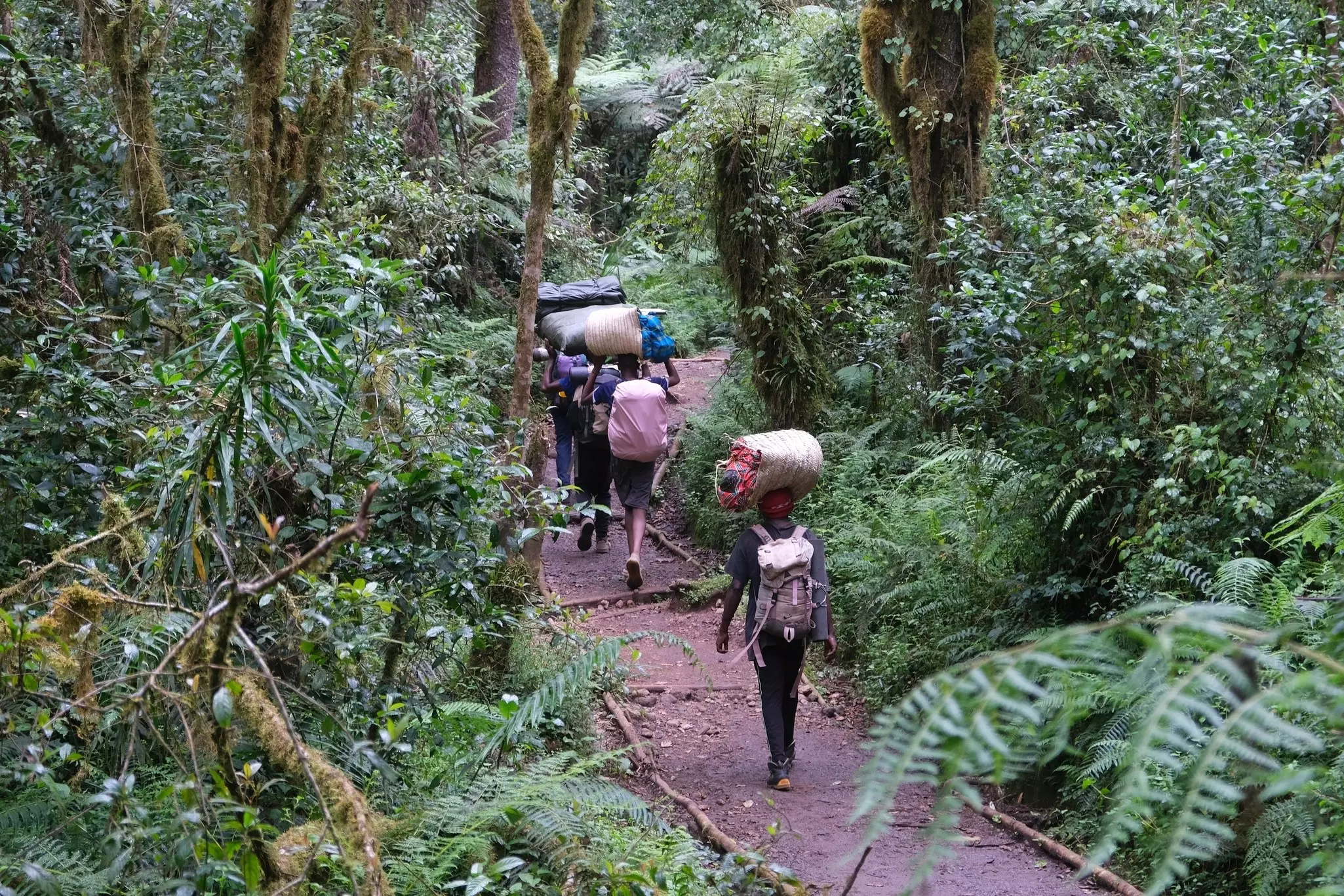
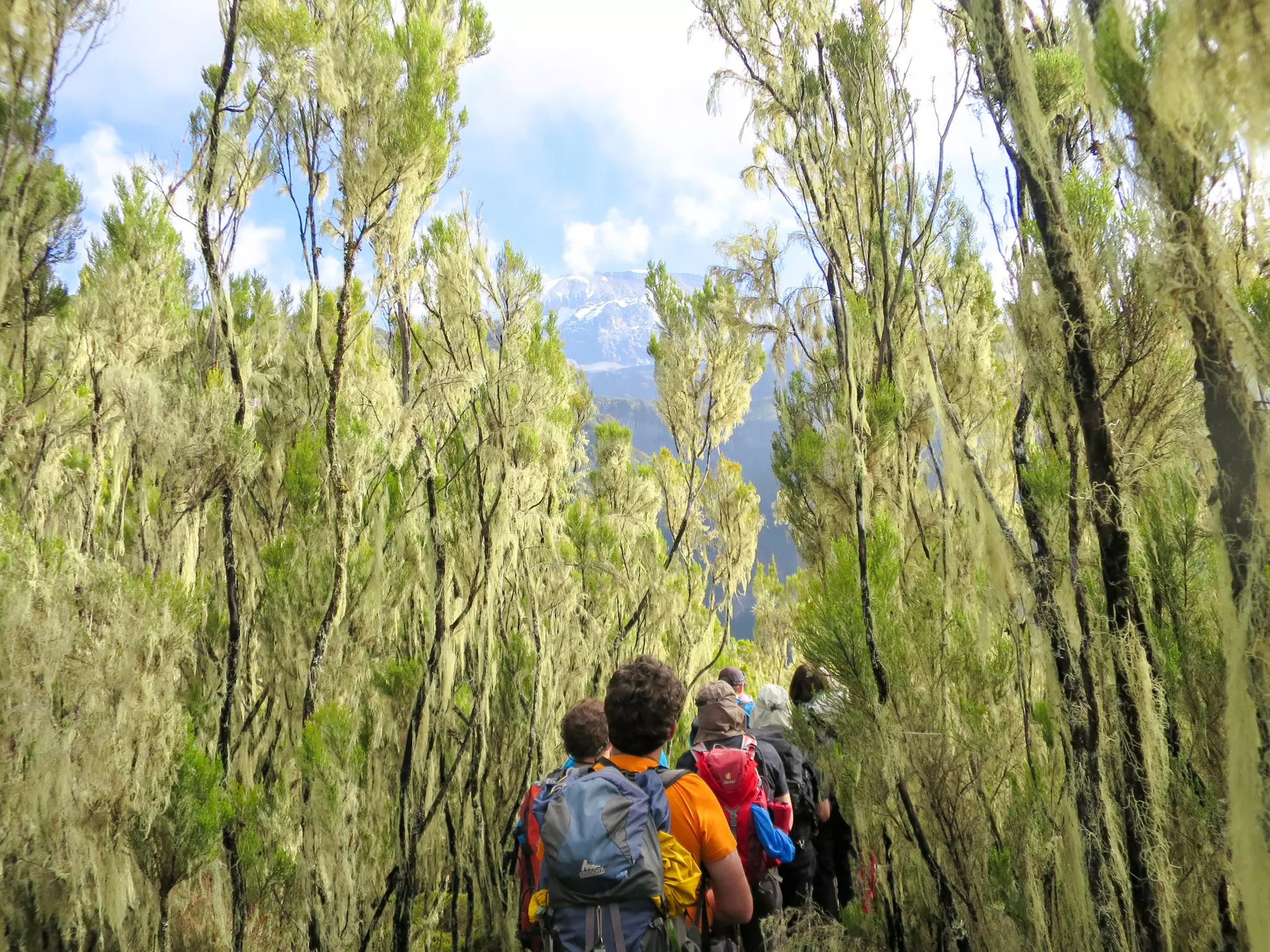
All of the climbing routes rise through alpine rainforests – home to buffaloes, elephants, leopards and monkeys, although most animals keep their distance. As you move beyond the treeline, the air begins to thin, as does the vegetation, but the sense of anticipation only grows as you catch glimpses of the summit.
One of the more memorable side effects of the climb is the camaraderie that grows between those on the trail: more than any other activity in Tanzania, you'll experience a shared sense of a common goal, with everyone encouraging each other. Many travelers end up making lifelong friends on this climb.
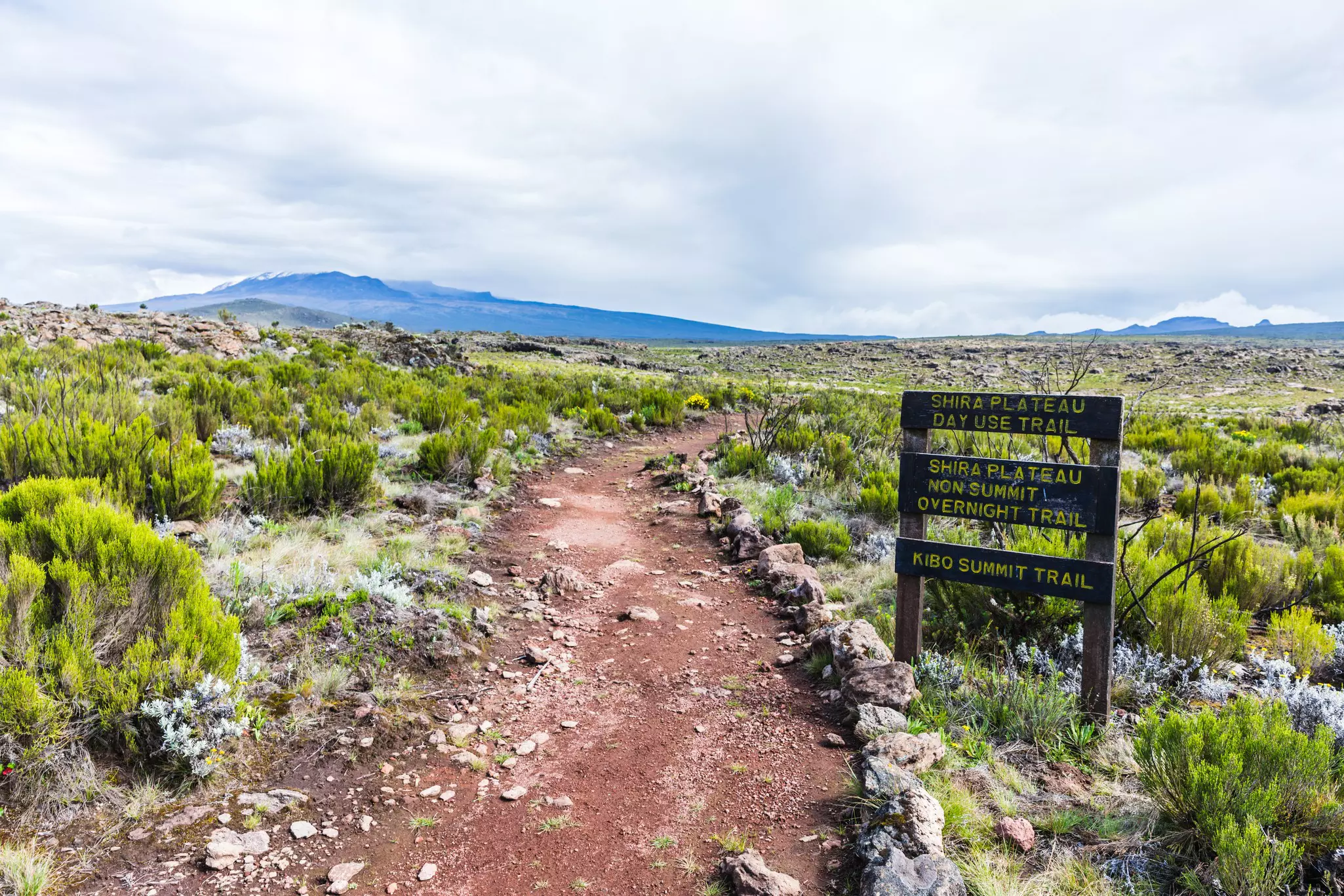
Remember, too, that it's not essential to reach Uhuru Peak (the top of Kibo summit and the highest point of Mt Kilimanjaro), and that you haven't "failed" if you don't. If you don't think you can reach the top, consider trekking to an area such as the top of the Barranco Wall or the Shira Plateau to appreciate the magnificence of the mountain without the slog.
However, don't be fooled by the number of people who climb Kilimanjaro. While many thousands of trekkers reach Uhuru Peak without difficulty, many more don't make it because they suffer altitude sickness or aren't in good enough shape. And every year, trekkers and porters die on the mountain.
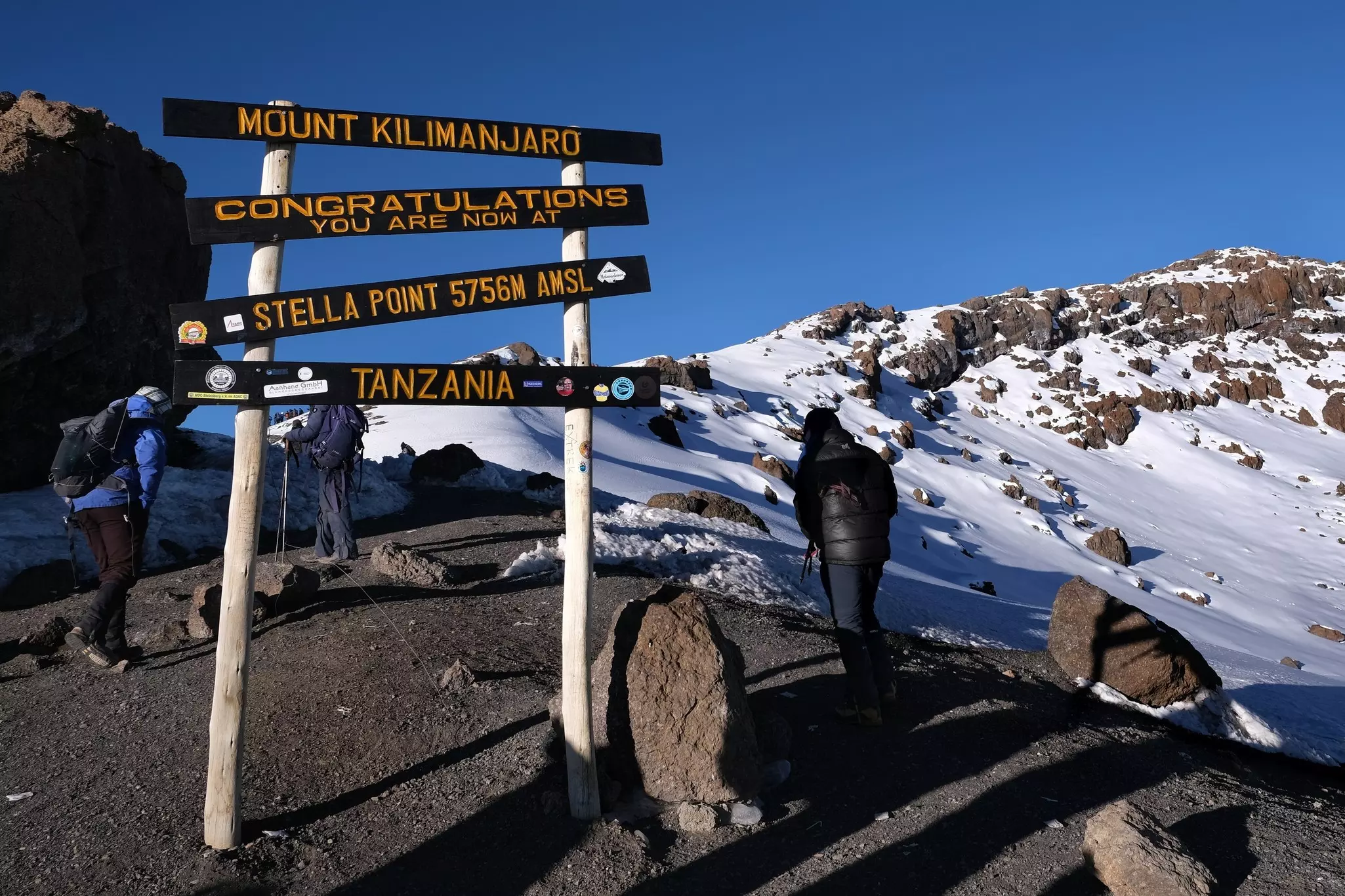
There are seven trekking routes to the summit. Trekkers on all routes except Marangu must use tents. Officially, a limit of 60 climbers per route per day is in effect, but it's not always enforced, except for Marangu, which is self-limiting because of maximum hut capacities.
Marangu Route: A trek on this route is typically sold as a four-night, five-day return package, although at least one extra night is highly recommended to help you acclimatize, especially if you've just flown into Tanzania or arrived from the lowlands.
Machame Route: This increasingly popular route has a gradual ascent, including a spectacular day contouring the southern slopes before approaching the summit via the top of the Mweka Route. This is usually a six- or seven-day return trip.
Umbwe Route: Steeper and with a more direct way to the summit, this is a very enjoyable route if you can resist the temptation to gain altitude too quickly (aim for at least a six-day return trip). Although this route is direct, the top, steep section up the Western Breach is often covered in ice or snow, which makes it extremely dangerous and sometimes impassable. Many trekkers who attempt it without proper acclimatization are forced to turn back. Only consider this route if you're experienced, properly equipped and traveling with a reputable operator.
Rongai Route: This popular route starts near the Kenyan border and goes up the northern side of the mountain.
Shira Plateau Route: This route is scenic and good for avoiding crowds, but can be challenging for acclimatization, as it begins at 3600m, at the Shira Track trailhead. To counteract this, an extra day at Shira Hut is recommended. This route generally takes around six or seven days return.
Lemosho Route: On the western side of the mountain, this is arguably the best route for scenery and acclimatization. It starts with two days in the forest, at Londorosi Gate, before crossing the Shira Plateau and then joining up with the Machame Route. It's normally done with an 8-day return.
Northern Circuit Route: This route – the longest (eight to 10 days) – follows the same path as the Shira Plateau Route but goes around the northern side of Kilimanjaro before tackling the summit via Gilman's Point.
Appropriate footwear and waterproof cold-weather clothing and gear are essential. You'll need a quality sleeping bag (which you can rent from trekking operators) and a dry bag to waterproof your gear.
If you organize your trek through a reputable operator (which is recommended), a no-frills trek starts at about US$1500-2000, depending on the route. This should include park fees (about US$70 per adult and US$20 per child per day), taxes, rescue fees (US$20 per person per trip), guide fees (roughly US$20 per day) and hut/camping fees (in the range of US$60 per person per night, or US$50 for camping). The more you pay, the better your guide, meals and equipment will be. Also, remember that an environmentally responsible trek usually costs more.
In terms of tipping your guides and porters, expect to contribute about US$10-15 per group per day for the guide; US$8-10 per group per day for the cook; and US$5-10 per group per day for each porter.
Licensed guides, and at least one porter (for the guide), are obligatory and are provided by the trekking companies. Although porters are generally used, you can carry your own gear on the Marangu Route. One or two porters per trekker are essential on all other routes. Porters will carry bags weighing up to 15kg (not including their own food and clothing).
All guides must be registered with the national park authorities; check that your guide's permit is up-to-date. On Kili, the guide's job is to show you the way, and that's it. Only the best guides, working for reputable companies, will be able to tell you about the wildlife, flowers and other features.
African Scenic Safaris: Well-organized Kilimanjaro treks.
Ice & Dust Tours: Well-regarded Kili climbs for budget travelers.
Just Kilimanjaro: A small, highly efficient operator offering expertly guided Kilimanjaro treks, led by Methley Swai.
Summit Expeditions & Nomadic Experience: Excellent Kili climbs organized by a Chagga–American couple.
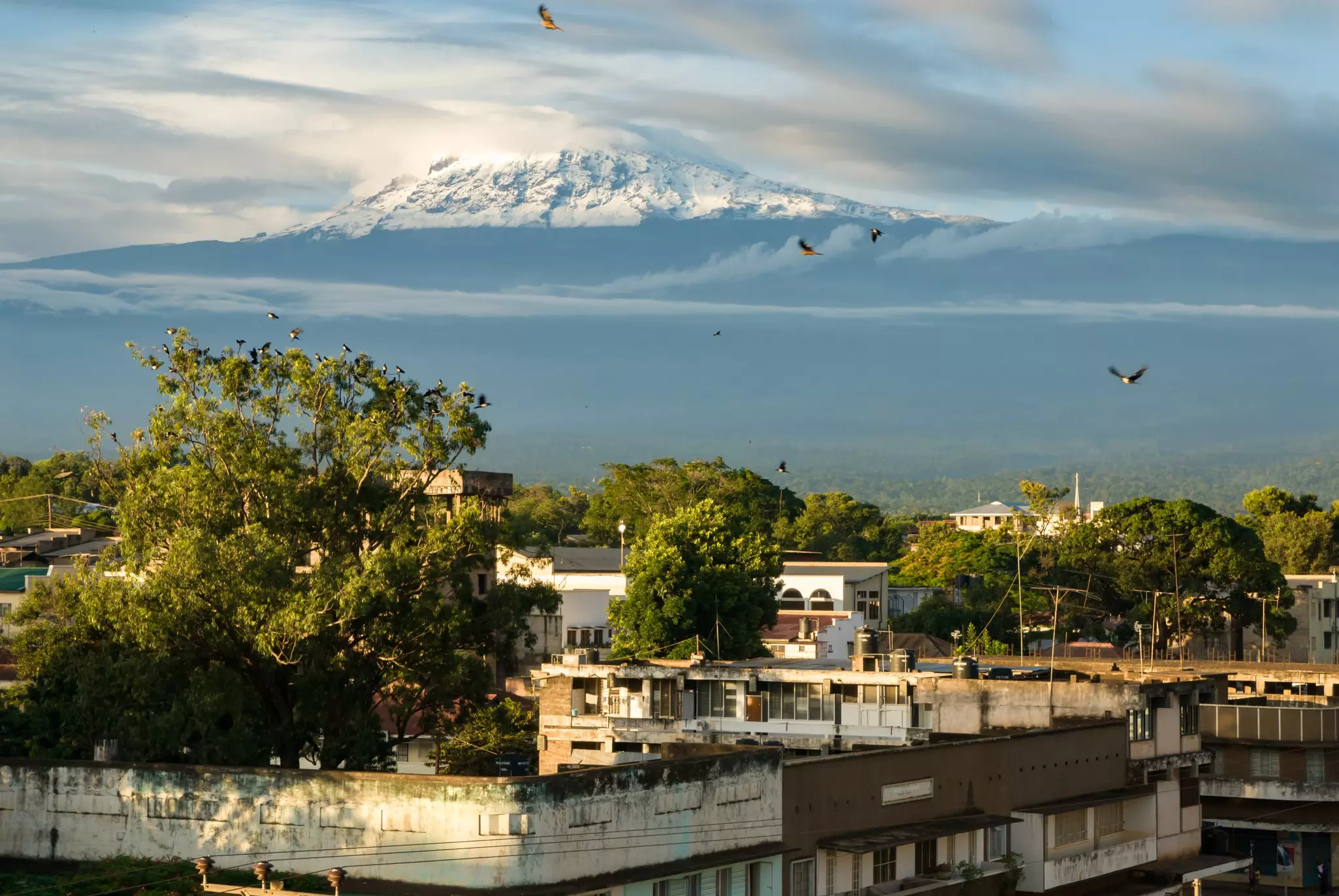
The main points for organizing Kilimanjaro treks are Moshi and Arusha, followed by Marangu. No matter where you organize your trek, transport will be provided to the trailhead. To minimize costs, choose a trailhead close to your starting point. It is also possible to catch a bus to Marangu or Machame and organize your trek from there, but this means losing valuable days making the necessary arrangements.
Coffee Tree Campsite: Expansive grounds, tents for hire and chalets of varying sizes.
Kibo Hotel: Old-world atmosphere that has drawn a who's who of guests, including Hans Meyer and Jimmy Carter.
Babylon Lodge: Friendly, with clean, straightforward rooms clustered around small, attractive gardens.
Kaliwa Lodge: At 1300m, with a contemporary Bauhaus style and restful cube-like structures.
Marangu Hotel: Old-world ambiance, pleasant rooms, flowering gardens and a campground.
Kilimanjaro Mountain Resort: A stately building with rooms, a museum and a restaurant, west of Marangu.
Haria Hotel: A friendly, switched-on spot with simple, spacious rooms and a rooftop restaurant-bar with mountain views.
AMEG Lodge: Attractive rooms in manicured gardens with palm trees and frangipanis, a short distance northwest of the town center.
Book your Tanzania trip with Lonely Planet Journeys
See Tanzania how it's meant to be seen
Accommodations, activities and ground transportation all taken care of, so you can focus on the fun part. Tell us what your dream trip to Tanzania looks like, and our local experts will build it from scratch. Or start with one of our itineraries and make it your own.

Explore related stories