Sep 20, 20266 min read
A Guide to Gombe National Park, TanzaniaJan 8, 2026
9 MIN READ

Writer
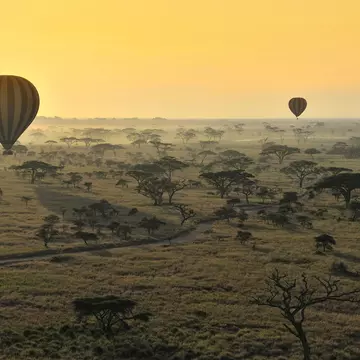
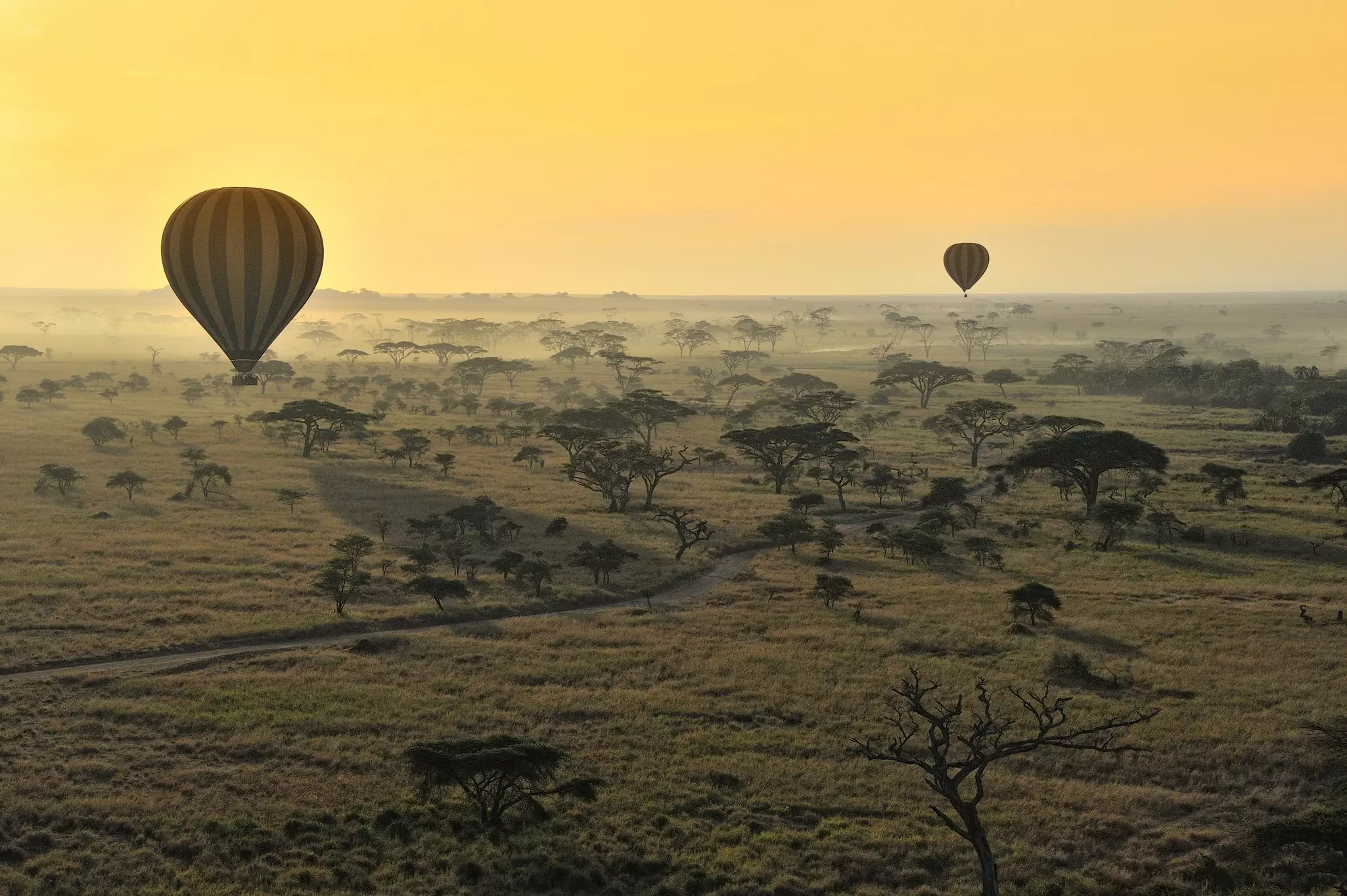
A hot-air balloon ride over the Serengeti is an unforgettable safari experience © Diana Robinson / 500px
Writer
Highlights
Contributor Jabulile Ngwenya picks 14 Tanzania experiences from Kilimanjaro to Zanzibar's reefs.
Watch the Great Migration from a Serengeti balloon, or summit Kilimanjaro's Uhuru Peak.
Dive Zanzibar's reefs, graze Forodhani Night Market and visit the Slave Market Exhibit.
Swim with whale sharks on Mafia Island, or spot elephants and lions at Tarangire.
Lonely Planet may earn a commission from affiliate links on our site. All recommendations and reviews reflect our own independent opinions.
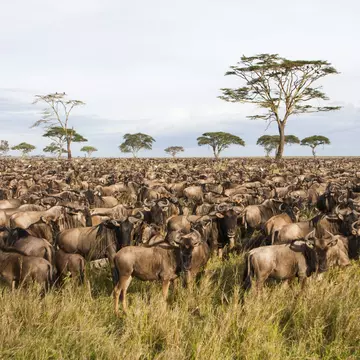
Though many people's first introduction to Tanzania is gazing open-mouthed at footage of huge numbers of wildebeest and zebra moving through Serengeti National Park, there is so much more to see and do in this beautiful nation.
There are several national parks that are scattered like jewels across the country, and they boast the largest concentration of wildlife in Africa. Tanzania's coastline is dotted with stunning beaches, and its paradise islands are renowned for their beauty, lapped by the Indian Ocean and the teeming wildlife underneath the waves.
In the bustling cities, the buildings tell stories of battles and conquest, depression and victory. It would take a lifetime to see everything on offer, but start your to-do list now with these 14 top things to do in Tanzania.
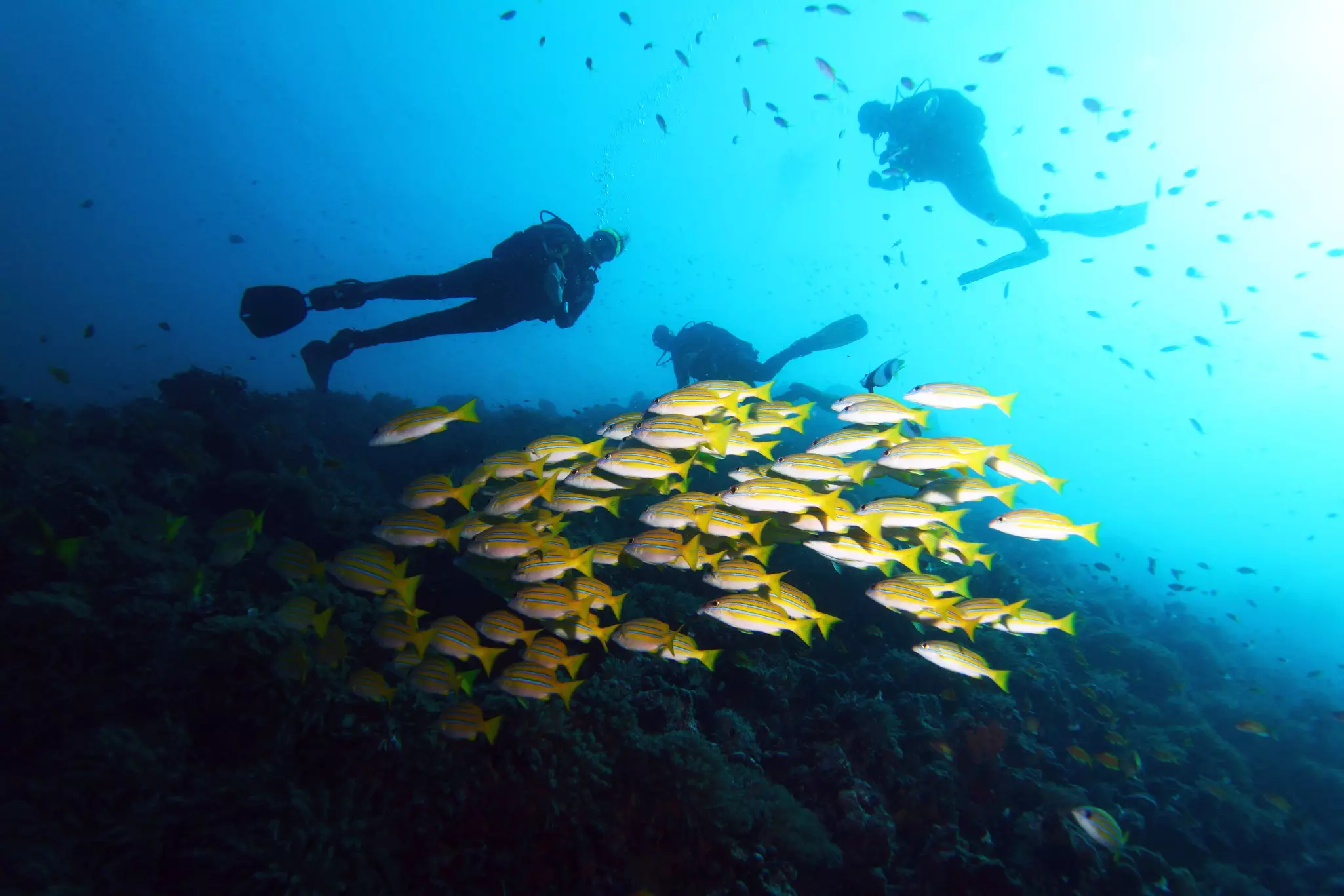
Zanzibar is Africa’s paradise, with warm sky-blue waters gently lapping shores of fine white sand that stretch for miles – the stuff dreams are made of – but wait until you explore what lies beneath. Schools of colorful fish, frolicking bottlenose and spinner dolphins, and majestic whale sharks deftly glide in and around the captivating, kaleidoscopic coral reef.
Planning tip: The waters around Mnemba Island and Kizimkazi Beach are the best places on the archipelago for aquatic adventures, although any of the numerous beaches offer wonderful opportunities.
Very little on earth speaks magic like surveying the endless plains of the Serengeti. The Maasai people have called this region home for centuries, and they have lived side by side with an extraordinary array of fauna and flora unlike anything else in the world.
At dawn, when the hot-air balloon is fired up, the sun surfaces slowly into view and the balloon rises to greet the color-streaked clouds. Below, thousands of antelope, warthogs, zebras, lions, rhinos and elephants wander about as they start their day.
Planning tip: The Great Migration takes place from May to September, and this might just be the perfect place to watch it. Book well in advance as this is the busiest tourist season of the year.
The Manta Resort's Underwater Room is a wooden structure anchored on the Indian Ocean floor, just off the coast of Pemba island. In the midst of calm cerulean waters, this edifice almost appears lonely as it seems to float at its own whim. But rest assured all is secure.
On the deck, you can catch the kisses of the sun by day and at night gaze into the eyes of a million stars. When you’re ready, take the stairs down to a small modern underwater bedroom surrounded by glass walls, in which you'll meet the majesty of the ocean. You'll pay for the privilege, but it's thrilling just thinking about what awaits you each night.
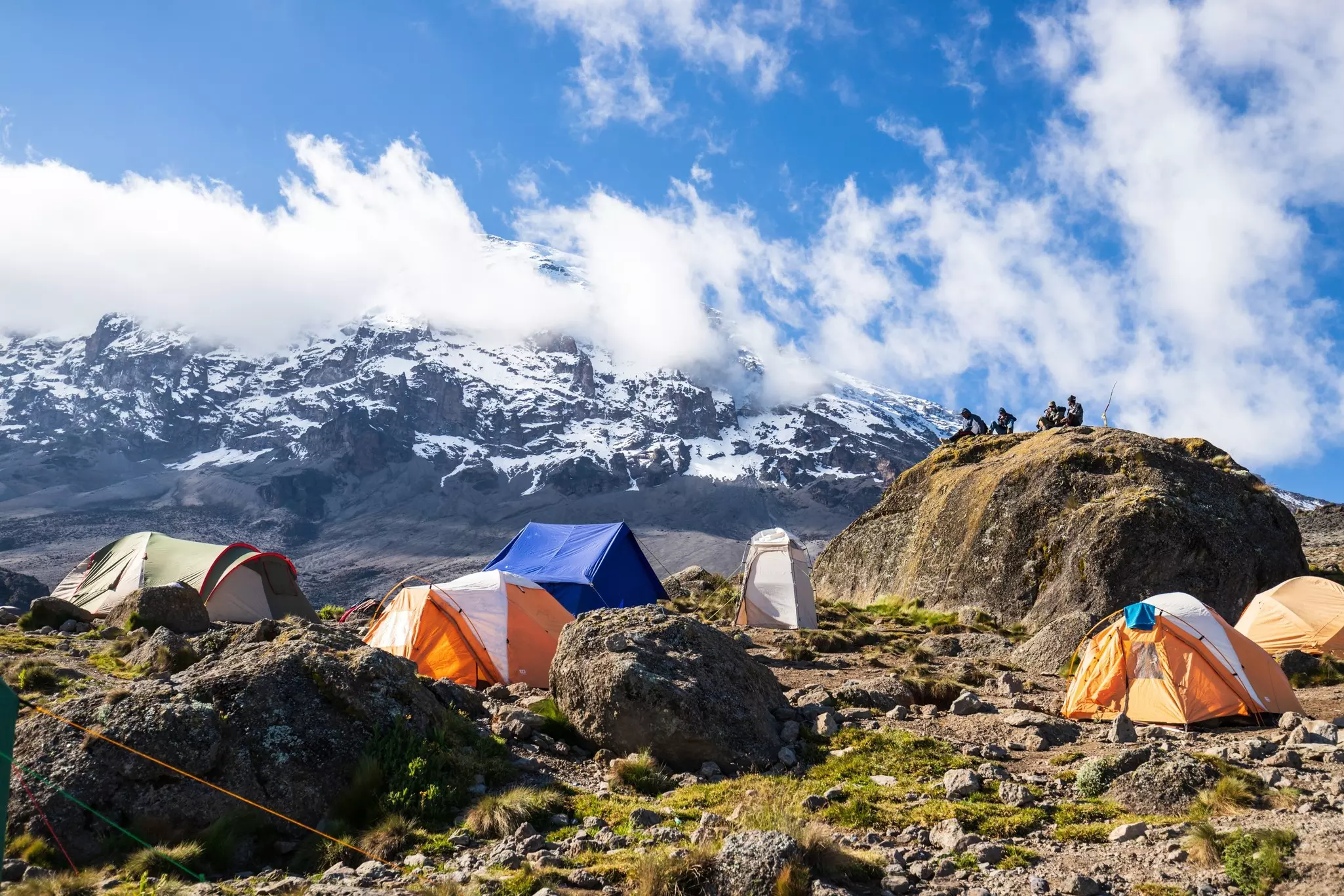
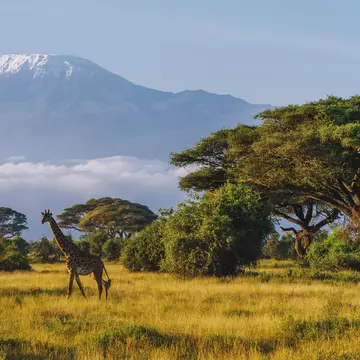
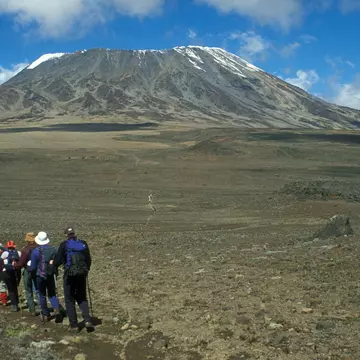
Mt Kilimanjaro is Africa’s tallest mountain and a thirst trap for adventure seekers. There’s truly nothing more exciting than making your summit at Uhuru Peak (uhuru means "freedom" in Kiswahili), which stands at 5895m (19,340ft) on Kibo’s crater rim.
Planning tips: The average summit duration is 5 days, although some routes may take a few days longer depending on terrain, foot traffic and stops to take in the scenery. There are approximately eight possible routes to Uhuru Peak, Marangu and Rongai being the easier ones. Machame, Shira and Lemosho are considered more difficult, but there’s little else that shouts victory quite like planting your feet on Africa’s highest point.
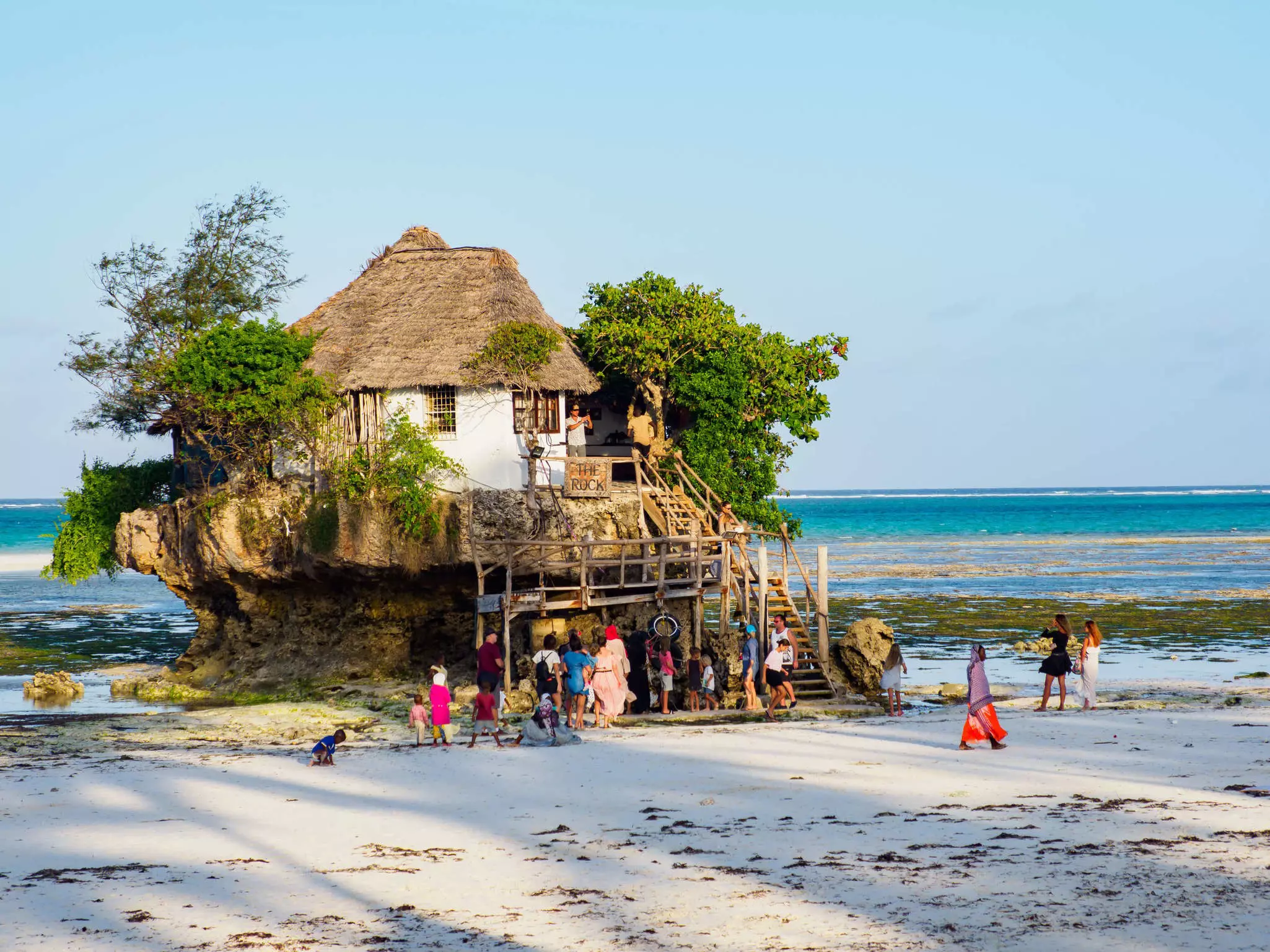
The Rock is a quaint restaurant built upon a bed of stone on Michamvi's Pingwe Beach, Zanzibar. In low tide, you can walk up the stairs and into this small boutique of incredible flavors and aromas, but during high tide it becomes its own island, and a boat must bring you to its doors – hence its nickname, Tidal Island.
The Rock experience more than satiates your physical appetite – it elevates it. While European-inspired, everything on the menu is a fusion of local ingredients (seafood, fruit and vegetables) and sultry spices – the perfect mixture of Asian and African influences. The grilled lobster served with scarab potatoes and salad is heaven’s gift to mere mortals.
Each day as the sun sets over the Forodhani Gardens, the frenetic pace of everyday life in Zanzibar decelerates. In its place, chefs in white jackets set up stalls to create a medley of Tanzania’s finest street food.
The tables are laden with falafel, cutlets of tandoori chicken, nyama choma (roasted meat), sizzling skewers of octopus, fish and other seafood, spicy samosas and coconut bread. Try the Zanzibar pizza, which is really an omelet of fried eggs, dough and diced veggies. Wash it down with cool sugarcane juice.
Mafia Island, also known as Whale Shark Island, is Tanzania’s best-kept secret. Like Zanzibar, it's an archipelago, but it has little of the traffic that flows to Unguja Island. The experience of swimming through the coral amidst smaller fish while watching the world’s biggest fish is one you’ll cherish – although enormous, they’re faster than you think.
The Whale Sharks Tour Operators Network of Tanzania has partnered with the World Wildlife Fund to develop sustainable standards across the industry, implement a code of ethics for swimming with the behemoths, and raise awareness about the need to protect them. This is why, as whale sharks have disappeared around the world, the numbers here have more than doubled since 2012.
Planning tip: Whale Shark Island welcomes these gentle giants from October to March.
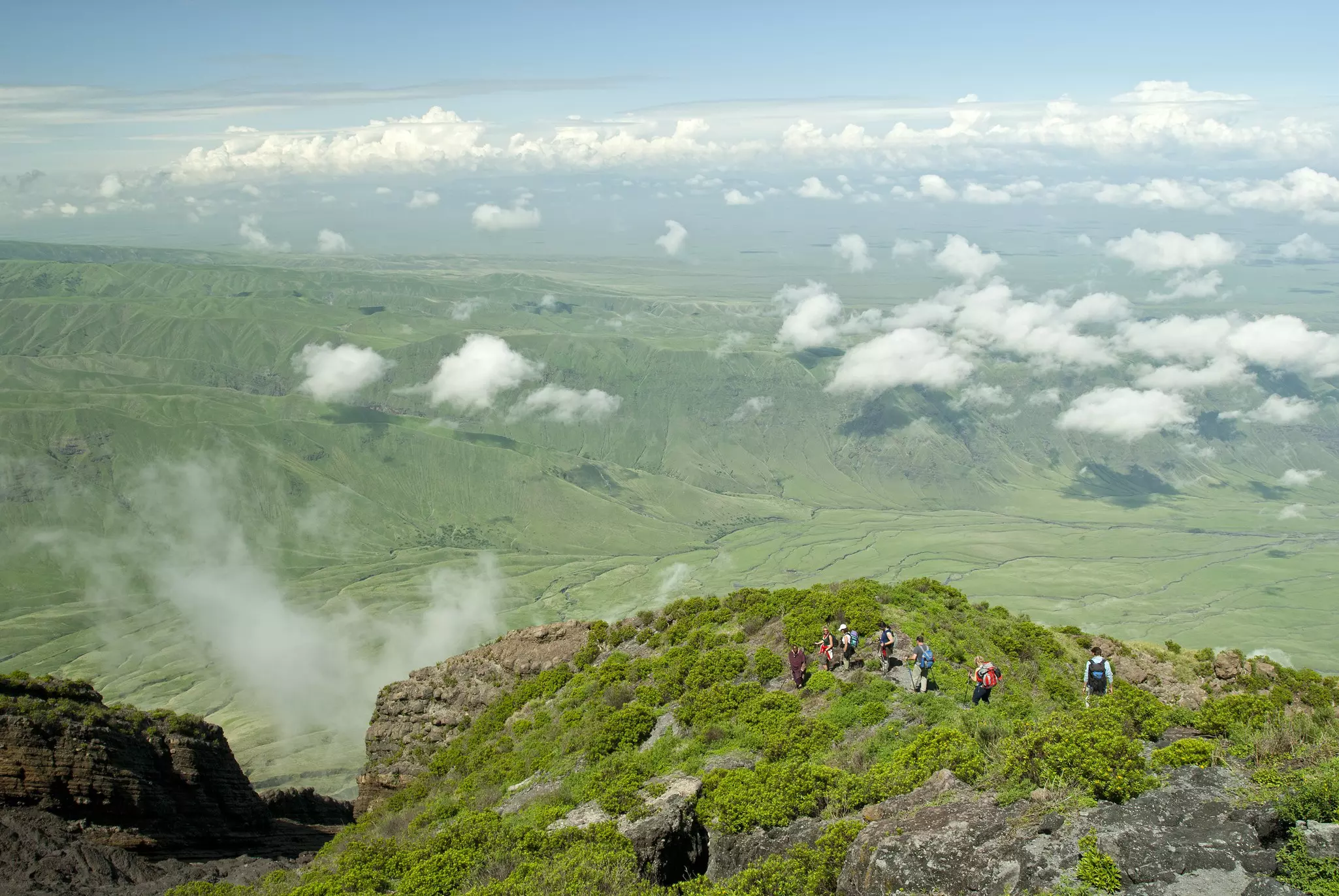
Ol Doinyo Lengai is an active volcano located on a continental rift zone in the Arusha region of Tanzania. Over the last century, there have been 16 eruptions with ongoing thermal activity. Geologists stay fascinated with this volcano because it emits the coldest black lava on the planet (510°C/950°F), which forms a white rock when cooled. The views from the crater rim are breathtaking – on clear days, you can see Mt Kilimanjaro, Mt Meru and the Serengeti.
Planning tip: Beware of the incredibly steep ascent, which takes about 6 hours to complete. Several avid mountaineers have climbed this mountain and a few didn't finish it.
From 1698 until 1897, Zanzibar was home to one of the world’s most notorious markets for trading enslaved people. Tippu Tip was the region’s most scandalous and wealthy trader, and his house is now a museum open to the public.
The Slave Market Exhibit begins with a journey to a sculpture of chained enslaved people – using the original chains – created by Clara Sörnäs, with help from students at Bagamoyo College. In 1873, after the abolition of the trade of enslaved people (the act of trading was abolished but enslavement itself remained legal in Zanzibar until 1897), missionaries built the Anglican Cathedral over the original market. Today you can explore two of the 15 dark, dank, cramped chambers in which enslaved people were held underground.
Tanzania is home to more than 100 ethnic groups who offer cultural tours, including the widely known Maasai in the northern highlands, the Chagga in the Mt Kilimanjaro and Mt Meru regions, and the Hehe people of Iringa in southern Tanzania. The Hadzabe people live on the coast of Lake Eyasi, and they are one of the last hunter-gatherer peoples of Africa, not unlike the San of Southern Africa (although no known connection exists).
Planning tip: A cultural tour with the Hadzabe people can be booked locally through accommodation providers. It includes joining them on a game hunt, a frenzied yet rewarding activity in which the men go in search of bushmeat and the women gather roots and berries. A day offers nonvoyeuristic insights into daily life, rituals, beliefs and ceremonies.
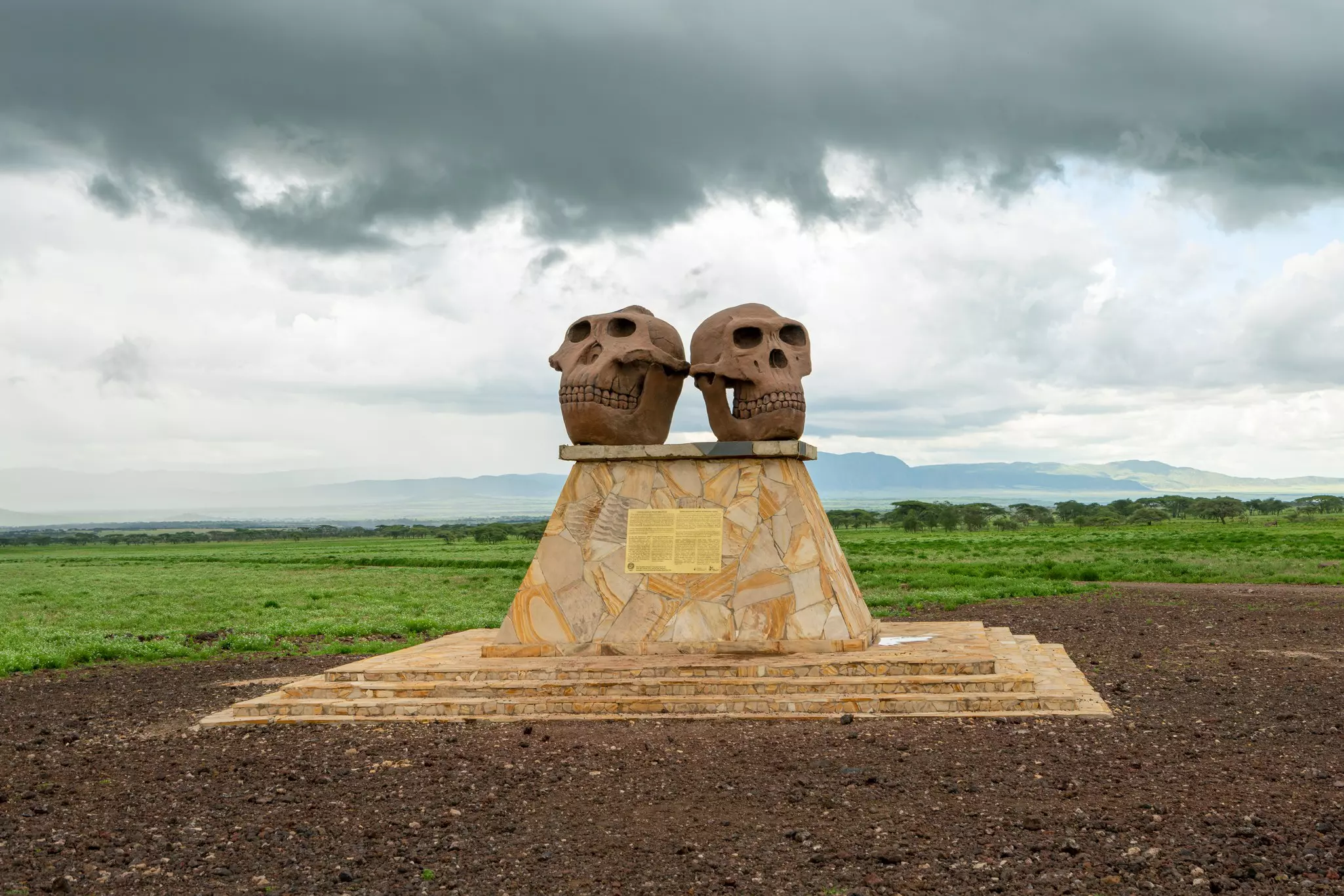
Two million years ago in the Ngorongoro Conservation Area, some of the first human ancestors called this region home. After paleoanthropologist Mary Leakey’s discovery of hominid fossils made international news in 1959, it became known to the wider world as well.
On the fringe of Olduvai Gorge, Olduvai Museum holds telltale remains of early life in East Africa, as well as outlining the area's history. Go on a journey filled with awe and wonder, and don't miss the chance to see hominid footprints that are at least 1.6 million years old.
If you have money to burn, then make your stay off the Indian Ocean coast a luxurious one. Thanda is a private island dedicated to the conservation of marine life, where you can swim with whale sharks, go deep-sea fishing or dive in the largest protected marine reserve on the Indian Ocean.
Planning tip: Going all out? For several thousand dollars more, there's a private helicopter to take you to the reserve, as well as a luxurious yacht for idyllic ocean delights.
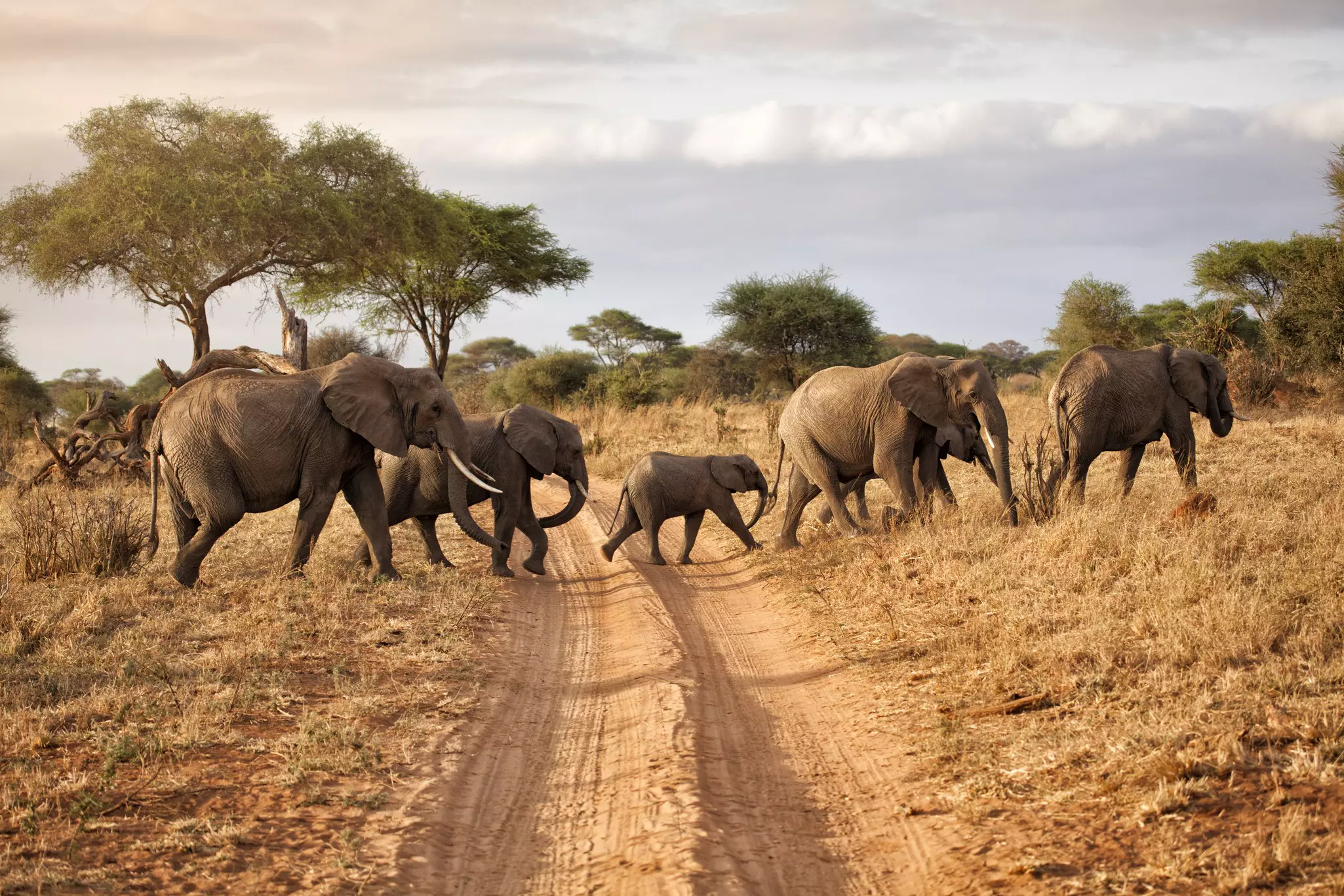
Tarangire National Park is a place where elephants dot the plains like cattle and the roars of lions fill the night. Although it’s an important stop on the northern safari circuit, it receives fewer visitors than the other parks, meaning solitude is easier to come by. Above all, the park is known for its giants – namely the baobabs and elephants that bring gravitas and wonder to all who witness them. There’s also a revolving cast of wildlife characters to track down, including all three of the big cats, who hide amongst those towering baobabs, riverine woodlands, swamps and pockets of open grasslands.
Planning tip: Remember that in addition to the park fees, you must also factor into your budget the night fee of US$40/10 per adult/child per night if you choose to stay inside the park.
Central Dar es Salaam is congested, atmospheric and full of hidden corners to discover, like the Kivukoni fish market. At dawn, this market comes alive as fishing dhows offload their catch at the beach and the day’s excitement begins. The entire experience, with its clamor and noise, slippery floors, piles of freshly caught seafood and lively vending, is fascinating and full of color. Across the road you can have your fish fried in large vats or buy ugali and other accompaniments. Back across the road, beyond Zone 2, are a few waterside tables to enjoy it all.
Planning tip: Start in Zone 1, where auctions are held throughout the day. Zone 3 is the place to go to buy fish by the kilo, while in Zone 2 you can have your purchases cleaned and deboned.
Book your Tanzania trip with Lonely Planet Journeys
See Tanzania how it's meant to be seen
Accommodations, activities and ground transportation all taken care of, so you can focus on the fun part. Tell us what your dream trip to Tanzania looks like, and our local experts will build it from scratch. Or start with one of our itineraries and make it your own.

Explore related stories