Oct 7, 202612 min read
15 Best Things to Do in MalaysiaJul 22, 2026
9 MIN READ

Writer
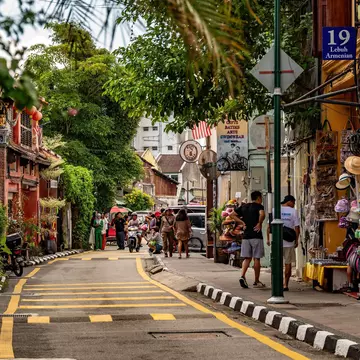
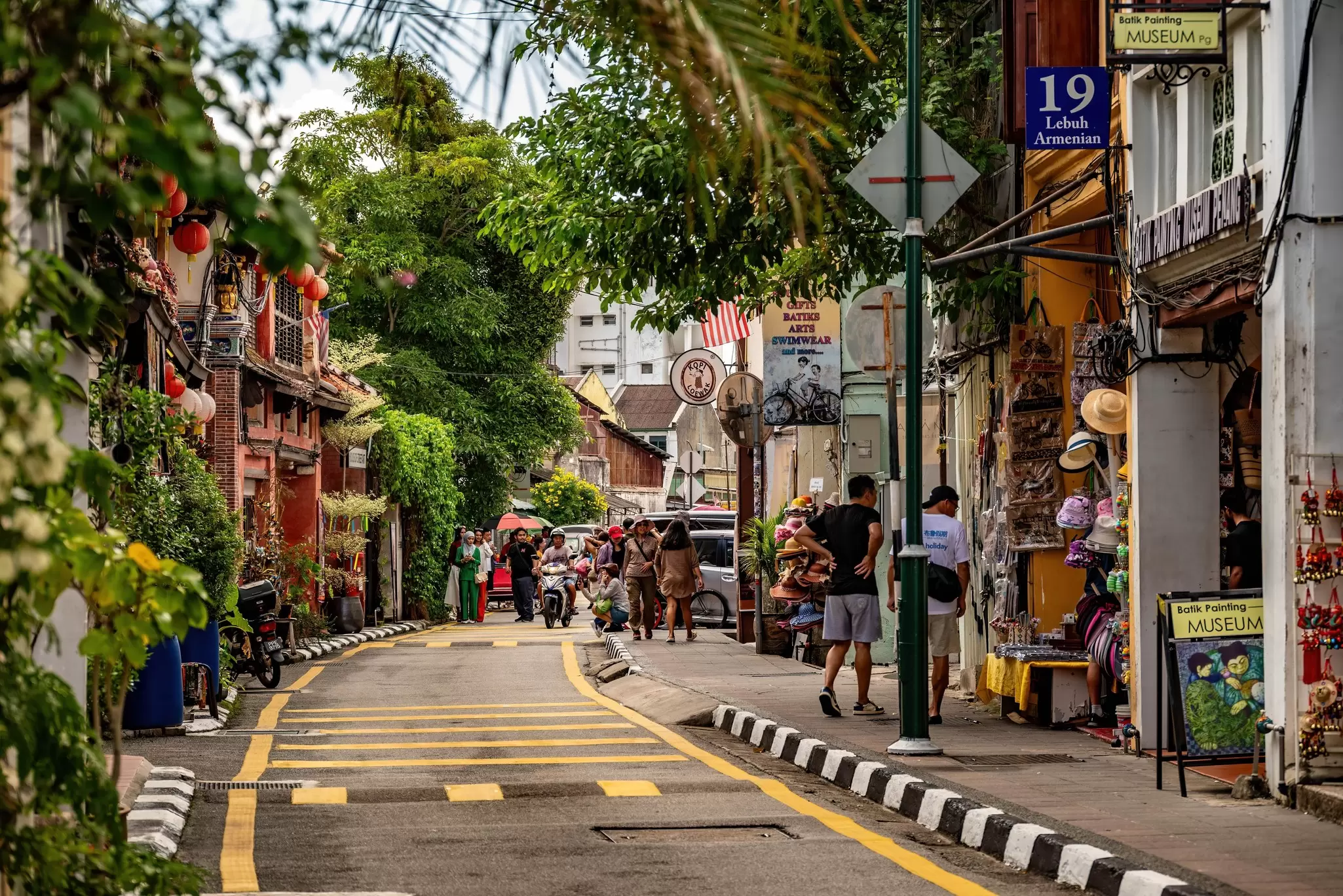
Lebuh Armenian, George Town, Penang. Paul Harding 00/Shutterstock
Writer
Highlights
Writer Samia Qaiyum guides you through George Town, Penang's UNESCO-listed capital.
Try asam laksa, char kway teow and cendol at George Town's storied hawker stalls.
History seekers start at Pinang Peranakan Mansion; street art fans walk Lebuh Armenian.
Escape to Penang Hill by funicular, or try yoga and forest bathing at Tropical Spice Garden.
Lonely Planet may earn a commission from affiliate links on our site. All recommendations and reviews reflect our own independent opinions.
Rather than sweeping sandy beaches and clear blue waters, the tropical island of Penang lures visitors with its amazing array of food and multicultural heritage.
Located off the northwestern coast of Peninsular Malaysia, this small state has a rich blend of cultures – especially in its capital of George Town. Here, Chinese, Malay, Indian and Peranakan communities exist side by side in clusters of commercial buildings, homes and religious sites. The result is a layered living heritage that remains unparalleled – and one that’s earned the city a UNESCO World Heritage designation.
Penang’s long history as a port is rightfully credited for these dynamics; Captain Francis Light established the island as Britain’s first trading post in Southeast Asia back in 1786. Today, Penang state, spans two distinct regions separated by a strait: Penang Island (Pulau Pinang) and Mainland Penang (Seberang Perai). The island part remains the draw for travelers, however – especially the capital city. Here’s everything you need to know when visiting George Town for the first time.
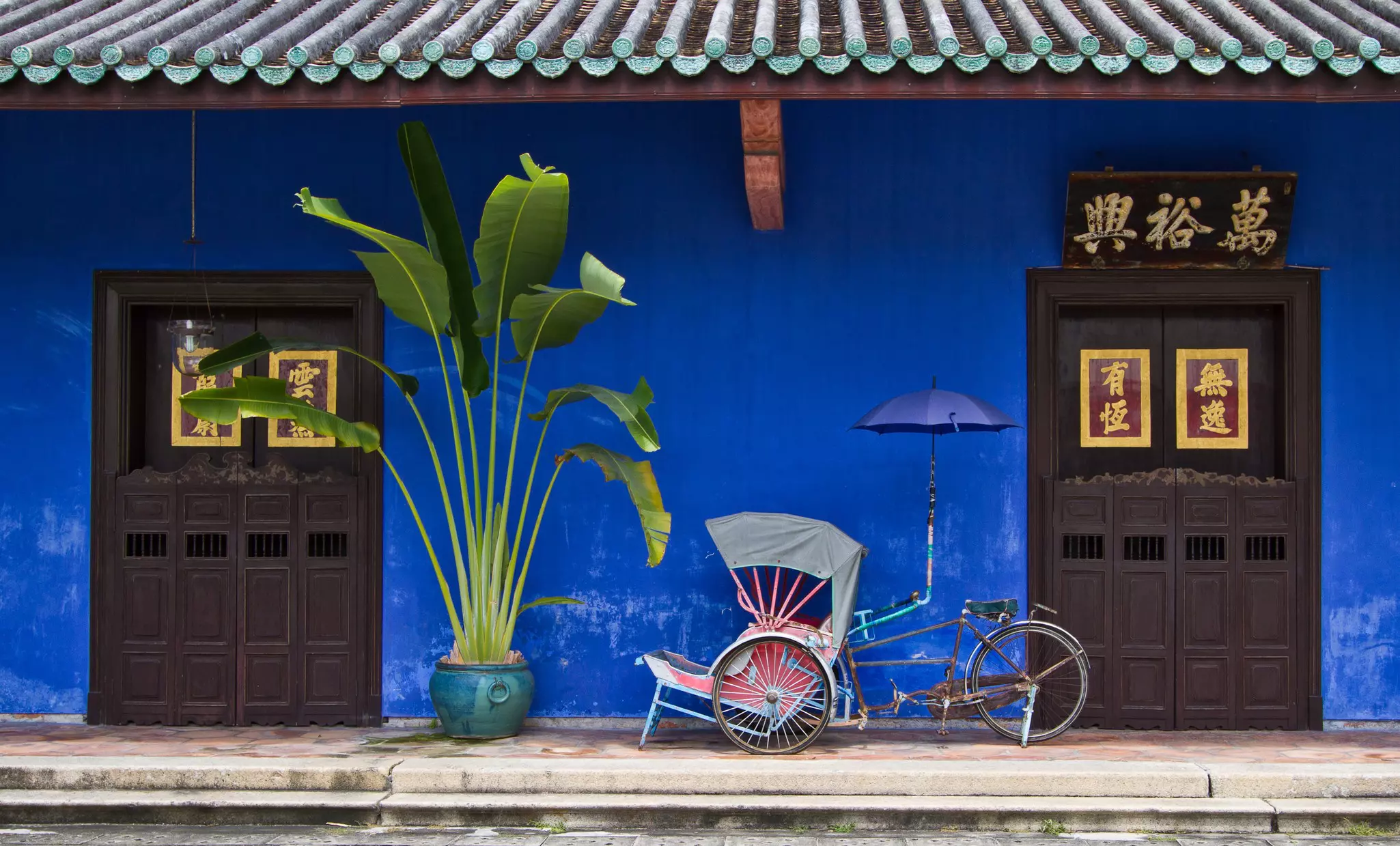
Since temperatures stay between 24ºC (75°F) and 32ºC (90°F) all year round, picking when to visit Penang becomes more about steering clear of its wettest months: October and November. Once you’re here, sporadic rain showers are to be expected, regardless of season – it is a tropical locale, after all. The upside of such downpours is that they’re brief, rarely exceeding an hour.
For those on a culture quest, visiting during Chinese New Year is fantastic. The events calendar during this 15-day festive period is packed with everything from parades and lion-dance performances to pop-up markets and extravagant fireworks displays, culminating in a whimsical lantern festival known as Chap Goh Mei. Brace yourself for the pitfalls of peak season, though: peak pricing, large crowds and long wait times are practically guaranteed as tourists from Singapore, Indonesia and China flock to the island for the annual spectacle.
In theory, a weekend is enough to cross off the George Town essentials: spotting a handful of street art installations, discovering the inimitable appeal of Penang’s culinary traditions, and soaking up the ethnic and religious pluralism that never fails to fascinate. Such a checklist, however, won’t accommodate the element of surprise. For the truest way to uncover the city is to wander without a plan, stumbling upon under-the-radar spots. Kool Kongsi, for example, is a Japanese-style listening bar that allows for hushed conversations to a soundtrack of vinyl records. Elsewhere, Lean Giap Arts & Crafts is a treasure trove stocking everything from vintage tiffin carriers and old-timey clocks to delightful kitsch trinkets.
A 4-day trip will allow you enough time to both notice the details that enrich George Town’s cultural tapestry and venture further afield. Slower travelers can take a week or more to get immersed in Penang’s tropical beauty at national parks and nature reserves, which most visitors overlook entirely.
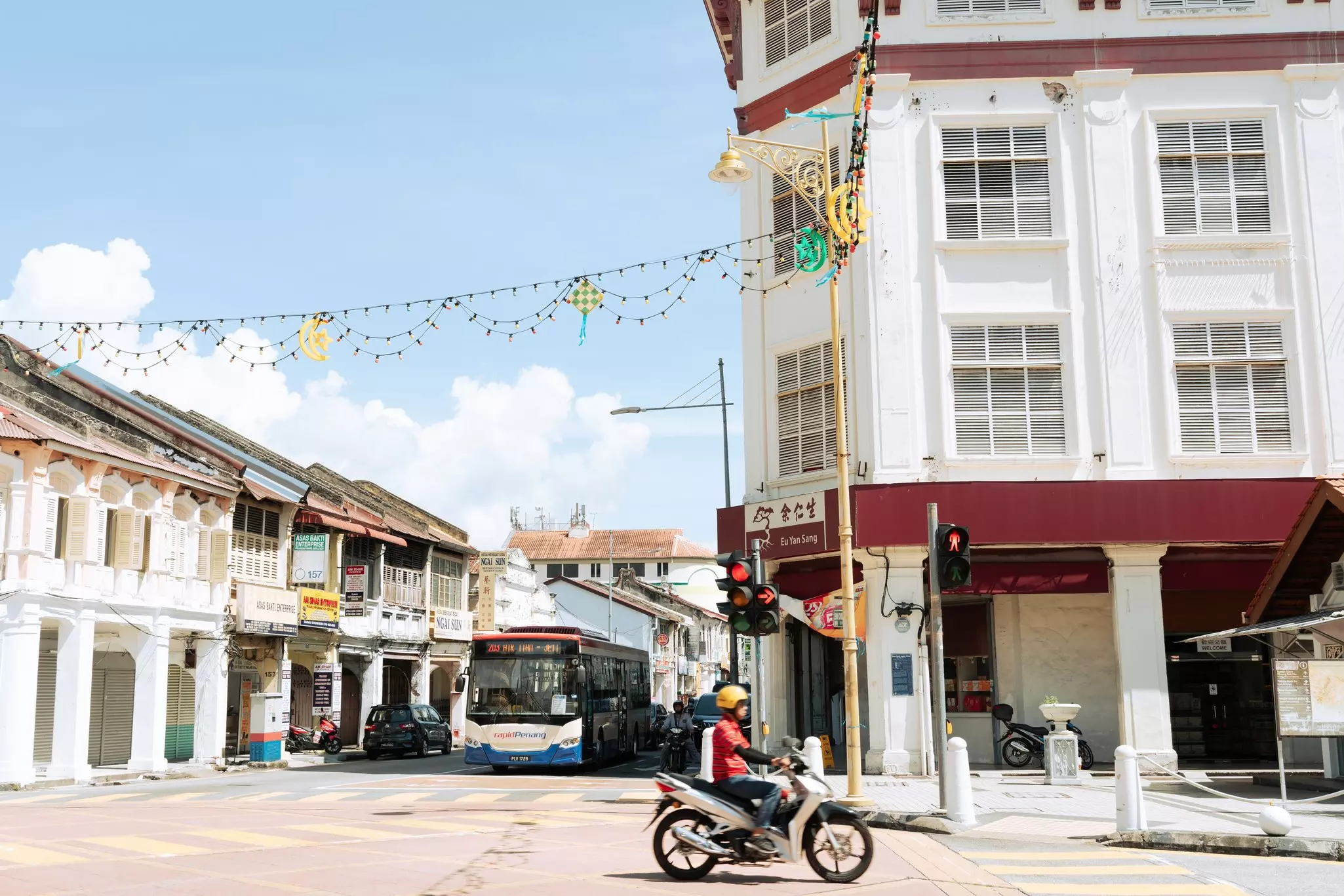
Penang International Airport, located at the southeastern tip of the island, connects with all major cities in Southeast Asia, though chances are that Kuala Lumpur will be your first port of call in Malaysia. Domestic flights take just over an hour, with prices as low as 56 Malaysian ringgit for one-way tickets. A more scenic alternative is to take the KTMB ETS train from KL Sentral station to Butterworth, the city center of Seberang Perai. The journey can take up to 4 hours and 30 minutes, depending on your chosen route.
From here, hail a ride using the Grab app or walk to the nearby Penang Sentral and catch the rapidFerry to cross the strait. It’s worth knowing that between motorbikes speeding through dense traffic and drivers making last-minute lane changes, Penangites have a bit of a reputation when it comes to their driving. Stick to using Grab across the island instead of testing your reflexes – it’s affordable and reliable, and operates around the clock. Luckily, George Town is decently friendly for pedestrians, provided you’re equipped with an umbrella or a handheld fan to deal with the humidity.
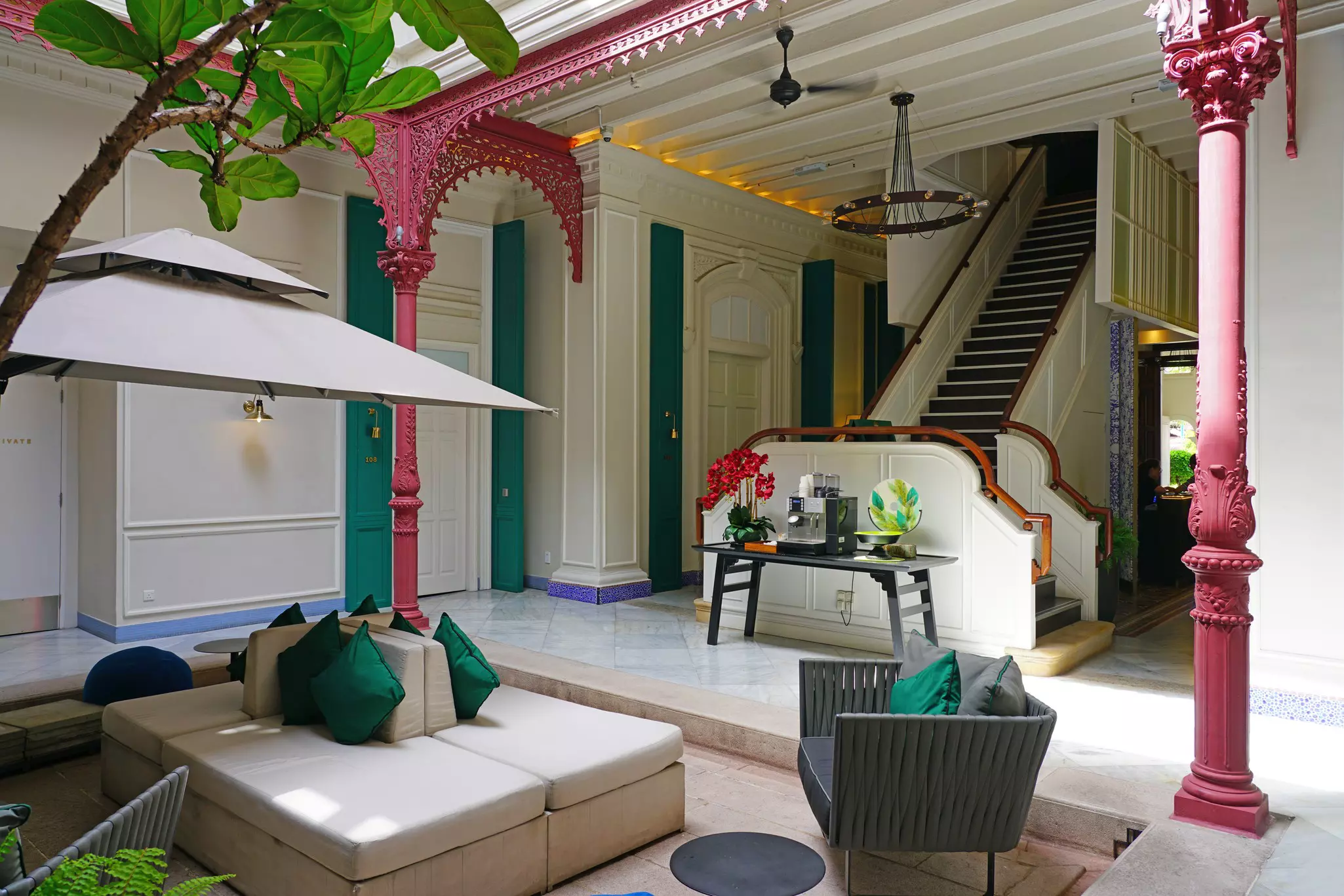
The eclecticism of George Town’s architecture makes the city a delight for first-timers – and its beautifully preserved hotels are a wonderful example of this design tradition. At the famed Cheong Fatt Tze Mansion, louvered shutters maximize cross-ventilation while adding an element of privacy. Aayu’s portfolio of restored shophouses, meanwhile, repurposes geometric Peranakan tiles into stylish backsplashes. And the elegant facade of The Edison, a boutique property that was once the mansion of tycoon Yeo Wee Gark, conveys grandeur.
It’s not just the smoky scent of wok hei that accents George Town’s alleys. It won’t be long until you encounter a handful of tourists attempting the perfect selfie alongside one of the many murals and steel-rod sculptures that have put Penang on the street art map. You’ll inevitably end up on Lebuh Armenian, where Lithuanian artist Ernest Zacharevic’s playful Children on a Bicycle has become a phenomenon. (Perhaps too much of one, I’d add.)
A lot less noticeable – but just as evocative – are the tiny figures dotted across the area by Spanish sculptor Isaac Cordal, part of his global Cement Eclipses series. Collectively forming a scavenger hunt of sorts, these 15cm-tall “little people” are placed on ledges, within nooks and atop brackets to symbolize the “imperfect construction of our society” – hence their somewhat melancholy demeanor.
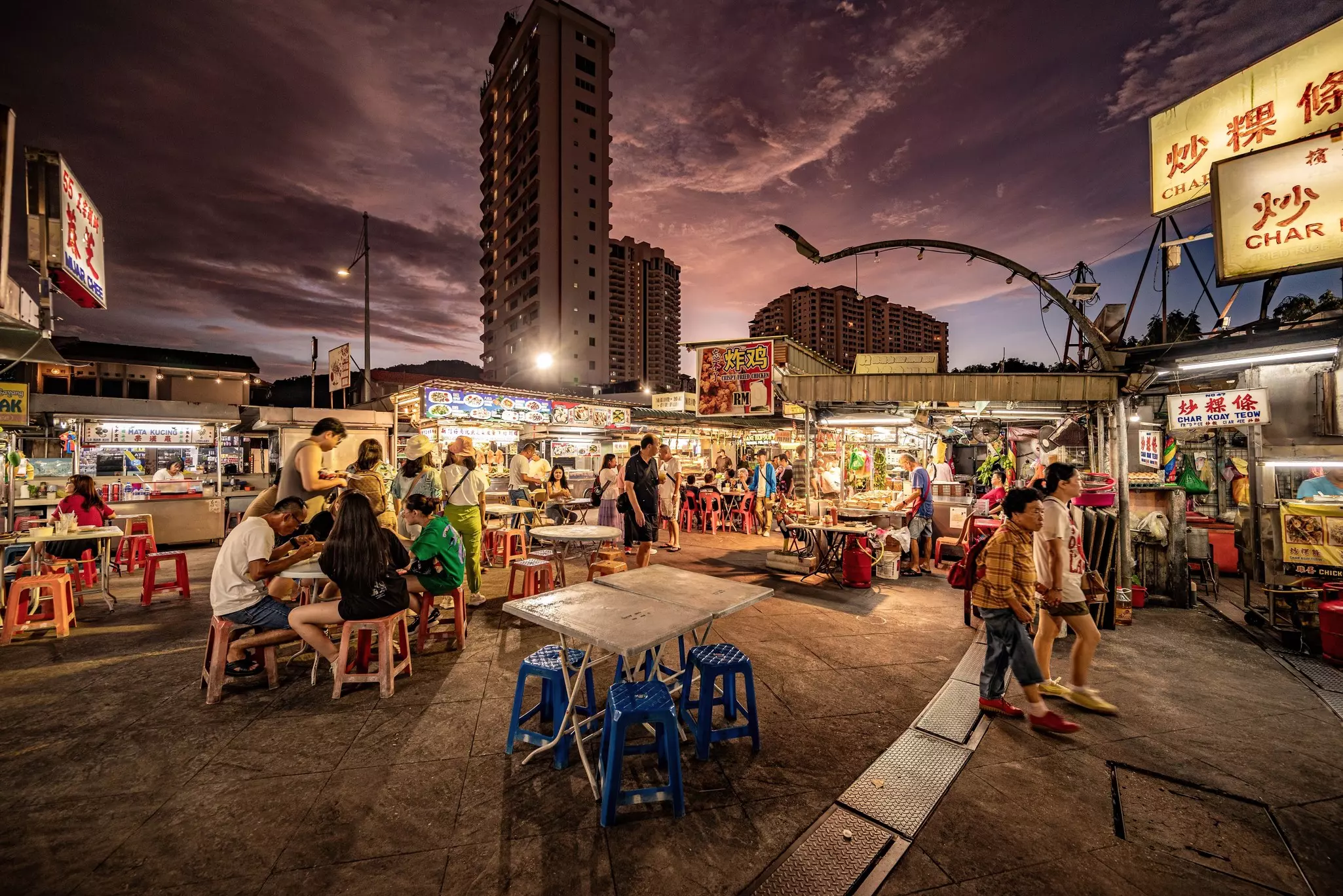
To say Penangites take food seriously is an understatement. In fact, a common local greeting in the Chinese dialect of Hokkien, “Chiak pah ah boi?” literally translates to “Is your stomach full?” Beyond its reputation as Malaysia’s culinary capital, Penang repeatedly ranks among the leading street food cities in the world, winning over skeptics with the likes of cendol (jelly noodles over shaved ice), char kway teow (wide stir-fried noodles), nasi lemak (coconut rice), asam laksa (spicy fish soup) and brothy prawn mee (noodles). Each is best sampled at the ubiquitous hawkers who have mastered their craft, tirelessly working long hours in all conditions.
Perhaps unsurprisingly in such a diverse place, the food scene is downright dizzying in its scope and breadth, so expect to feel overwhelmed at first. When all else fails, park yourself at the nearest kopitiam (coffee shop) for a modest yet beloved combination that fuels the masses: roti bakar (charcoal-toasted bread with coconut jam and thick slices of cold butter) served with soft-boiled eggs on the side.
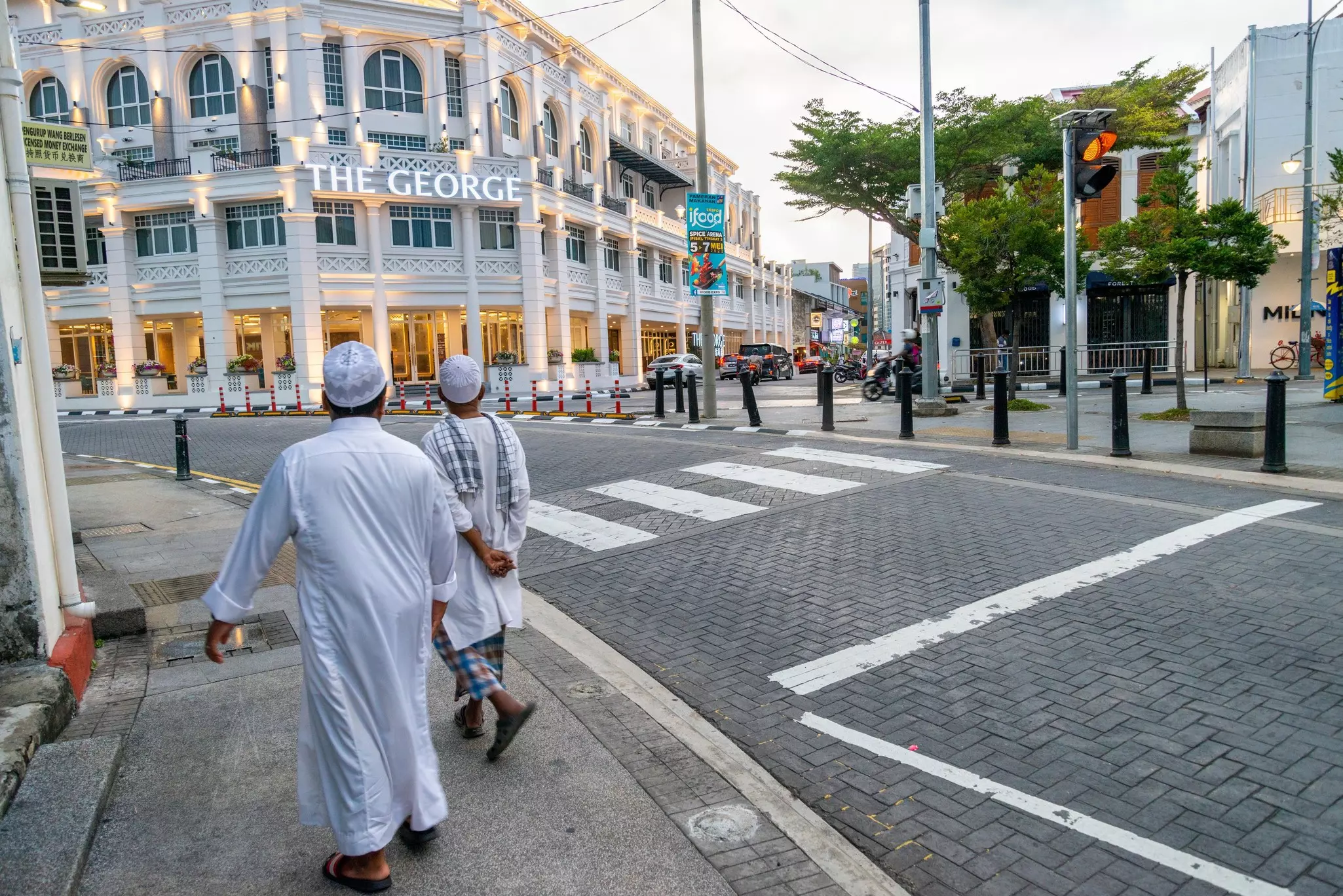
It took over 240 years’ worth of colonialism, maritime trade, migration waves and ethnic intermingling to shape the cultural mosaic that is current-day Penang. George Town’s seemingly random tangle of mosques, mansions, temples, churches and clan houses can be inscrutable to newcomers. That’s where the right excursion comes in.
Rooted in heritage, the free walking tour listed on GuruWalk and led by Uncle Eskay is always engaging, and covers just the right amount of ground in George Town. Over 3 hours, he’ll lead visitors past 15 points of interest, adding historical anecdotes and a dose of humor to give context to the city. Carry cash for tips; tourism etiquette dictates at least RM40 per person.
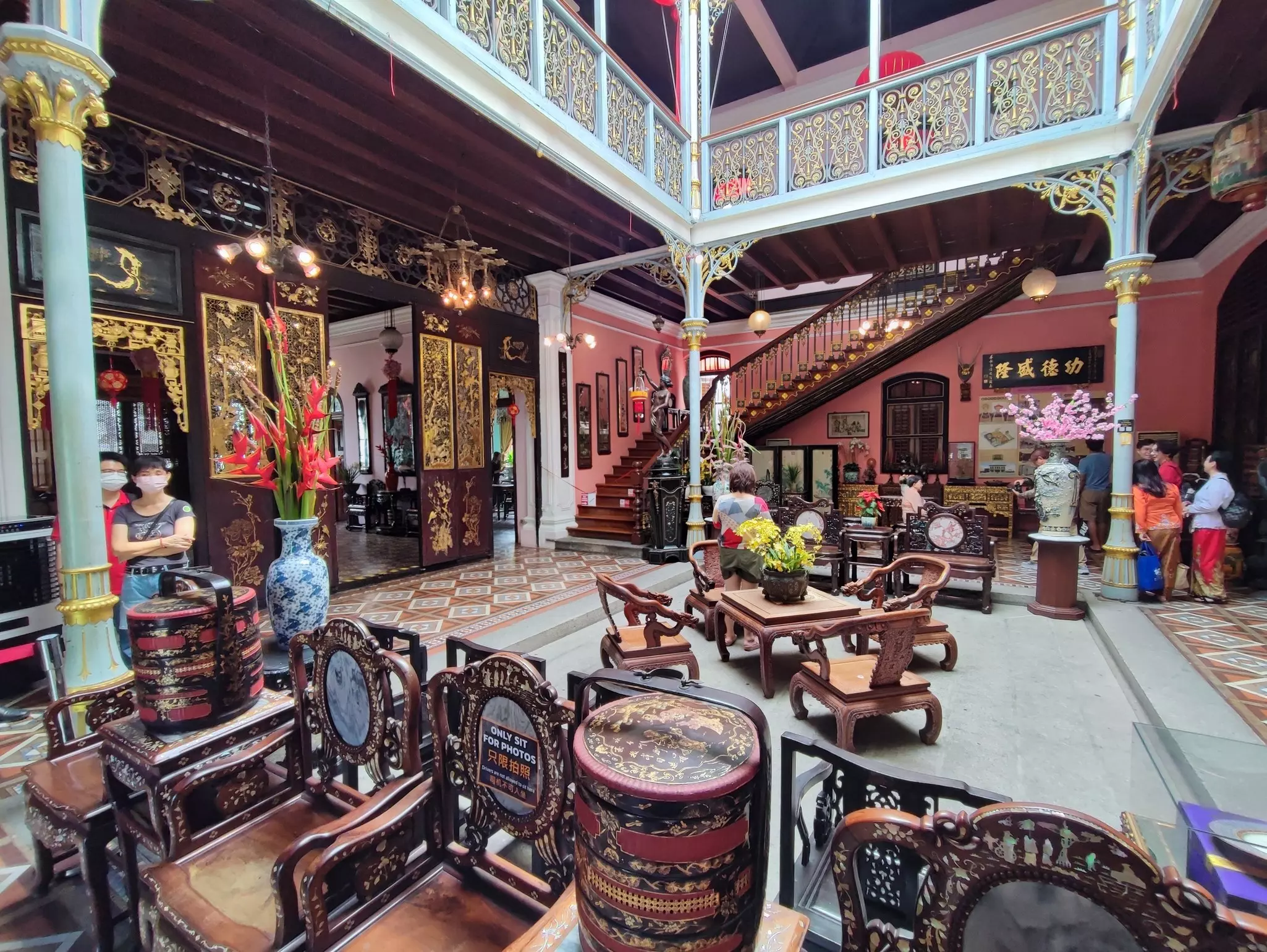
Hidden in plain sight across George Town are facets of the Peranakan community. This unique “third” culture organically took shape over centuries, thanks to the Chinese traders, laborers, sailors and other settlers who arrived in Penang from Fujian as early as the 18th century. This arduous journey was made almost exclusively by men, who went on to marry Malay women and adopt everything from regional spices to symbolic motifs.
Today, their descendants, the Babas (men) and the Nonyas (women), proudly preserve and showcase their heritage at boutiques, themed hotels and other sites. Visitors can begin with a guided tour at Pinang Peranakan Mansion for a glimpse into the opulence once enjoyed by wealthy Peranakans, before sampling the complexity of Nonya cuisine at Michelin-endorsed eateries like Sifu and Bibik’s Kitchen. Moh Teng Pheow is another essential stop, this one for the bite-sized, brightly colored desserts known as nonya kuih.
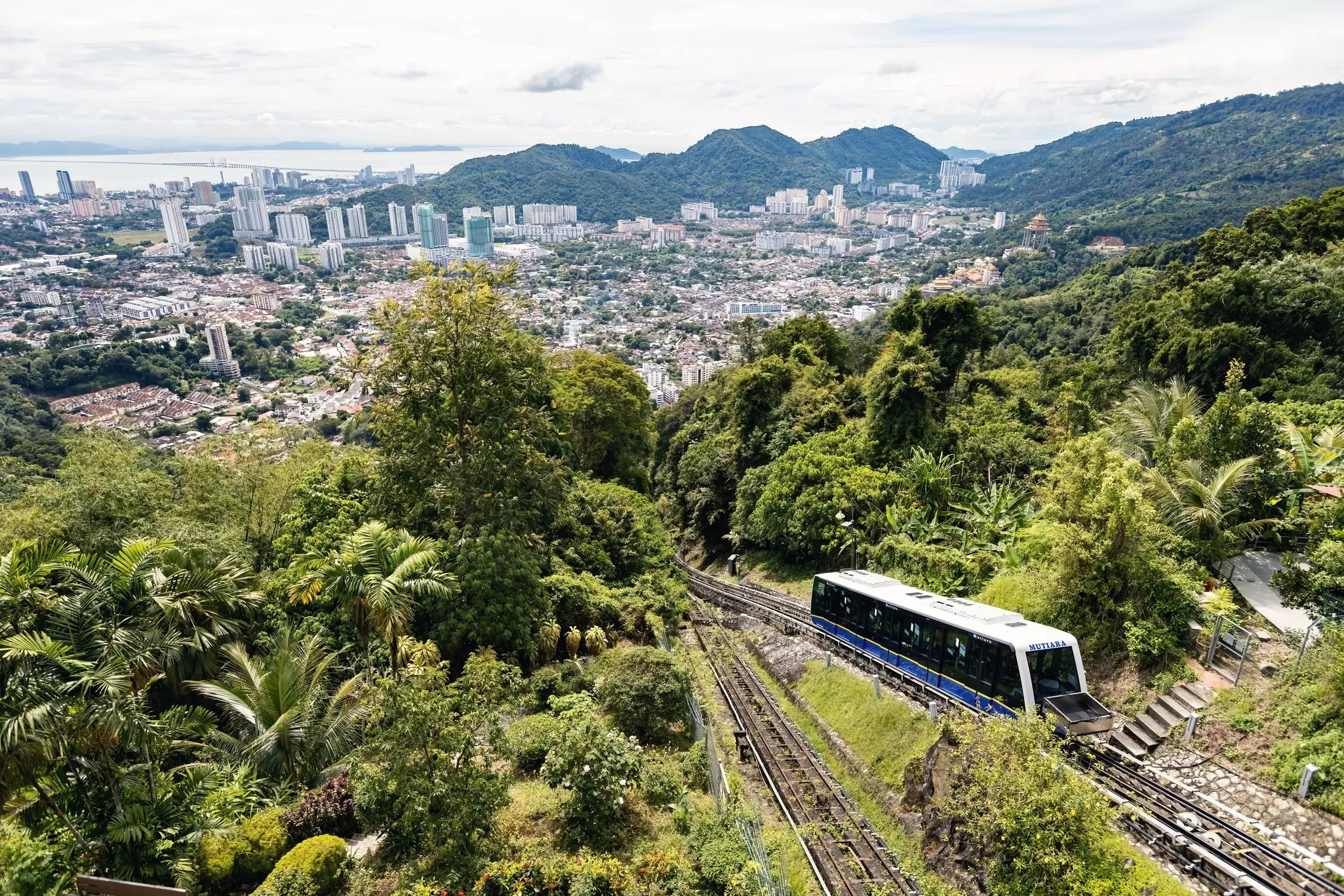
George Town may be my happy place, but escaping to Penang’s many pockets of nature in the early hours of the morning is always a treat. When time allows, I’ll ride the funicular all the way up to the top of Penang Hill for coffee and a slice of ondeh ondeh cake at Kopi Hutan, shrouded in lush greenery 730m above sea level. Closer to the coast, Tropical Spice Garden has yoga and forest bathing sessions at a former rubber plantation. The small but surprisingly scenic beach across the road, complete with wave-polished boulders, is an added bonus.
Malaysia overall is a budget-friendly destination, even more so in comparison to neighboring Singapore. What’s more, Penang’s cultural attractions and street food joints don’t generally cater to tourists, making for a level of affordability that takes most by surprise. Debit and credit cards are widely accepted, but Touch ’n Go reigns supreme – the convenience and sheer reach of this Malaysian e-wallet app is hard to beat.
Night at an Aayu heritage guesthouse for two: from RM120
Standard Grab ride within George Town: RM7–20
Ticket to a cultural attraction like Straits & Oriental Museum or Khoo Kongsi clan house: from RM17
Kopi and roti bakar for two at Roti Bakar Hutton Lane: RM9
Dinner for two at Spice & Spicy Nasi Lemak: RM30–50
Explore related stories