Sep 20, 202610 min read
A Guide to Astana, KazakhstanSep 20, 2026
10 MIN READ
Writer
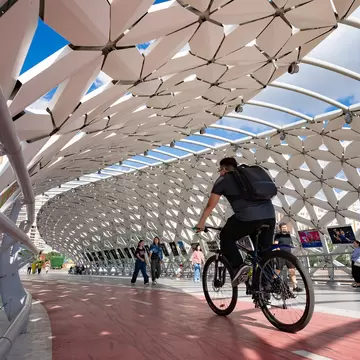
A cyclist on the Atyrau Bridge in Astana, Kazakhstan. Sembi Production for Lonely Planet.

Writer
Lonely Planet may earn a commission from affiliate links on our site. All recommendations and reviews reflect our own independent opinions.
Kazakhstan’s dynamic capital, Astana is a showpiece for how Central Asia has changed over the centuries. Founded in 1830 as a fortified Russian outpost on the Kazakh steppe, the city has been repeatedly reinvented. In its time, it has been called Akmola, Akmolinsk, Tselinograd, Aqmola and even Nur-Sultan from 2019 to 2022, when the city was briefly renamed to honor the former Kazakh president.
Today, it is simply Astana, which translates to “capital city” in the Kazakh language. But it’s quite the capital – from a wooden fort, the city has grown into a futuristic metropolis, home to more than 1.3 million inhabitants. Astana's skyline becomes more fantastical every year as new landmark buildings, many of them by leading international architects, sprout along its wide boulevards.
Visually, Astana is a fascinating jumble of Asian, Western, Soviet and futuristic ideas – all funded by Kazakhstan’s wealth of oil, gas and minerals. While it lacks the rich history of cities such as Almaty and Tashkent, it’s hard not to be impressed by the concept and realization of this “Singapore of the steppe.”
As the main gateway to northern Kazakhstan, Astana is well worth exploring before heading on to other highlights at this end of the country, such as lake-strewn Burabay National Nature Park, bird-filled Korgalzhyn National Park, or Semey and the Altai Mountains. This guide to Astana will tell you everything you need to know to plan your visit.
Though its summers are hot and dusty and its winters are characterised by blasts of icy wind from the steppe, Astana is well set up to deal with the challenges of its climate, with ample heating in winter and cool air-conditioning in summer.
The most comfortable travel windows are from April to June and September to October, when you’ll avoid extremes of temperature, as well as the summertime crowds. Spring is the season for birding in Korgalzhyn National Park, as thousands of flamingos arrive, alongside many other migratory birds.
While summers are hot, this is the peak time to visit Kazakhstan for trekking at higher elevations, and the cultural calendar is busy, with Capital Day on July 6 filling Astana with concerts and fireworks. Winter is a quieter time in Astana, as temperatures drop to −15°C (5°F) and people stay inside to escape the icy winds.
Many people heading to Kazakhstan focus on the southern part of the country, flying into Almaty and exploring the Charyn Canyon, the Aral Sea and other sights close to the border with Uzbekistan. But Astana is definitely worth 2 to 3 days of your time, particularly if this is your first port of arrival in Kazakhstan.
This will give you time to see Central Asia’s largest mosque and the impressive National Museum of the Republic of Kazakhstan, and admire some of the city’s spectacular modern architecture. If you plan to take day trips (or overnight excursions) to visit Burabay National Nature Park, Korgalzhyn National Park or the thought-provoking Soviet-era labor camps at Akmol and Karaganda, plan on a stay of 5 days or more.
Astana is linked to other cities in Kazakhstan (and key hubs in neighboring countries) by air, rail and road, and you’ll find it easy to get around on arrival. The city has an excellent bus network, and you can use the Astra Bus app to plot your route and track buses in real time, and pay fares using the Avtobys app on your phone.
Licensed taxis are also easy to find, or you can use Yandex Go, Kazakhstan’s inexpensive equivalent to Uber. The city’s new Tarlan Astana light rail network opened in 2026, providing a convenient route between Nursultan Nazarbayev International Airport and Astana-Nurly Zhol train station in the center. You can also use Tarlan Astana trains to reach the National Museum.
If the weather is right, cycling is another good way to get around. The city has a growing network of cycle lanes, and Astana Bike docking stations are found all over the city. When you’re ready to explore the wider area, long-distance buses to Karaganda, Burabay, Almaty and other destinations depart from Saparzhai Avtovokzal bus station, while trains depart from nearby Astana-1 train station or Astana Nurly Zhol.
While Astana lacks the layered history of Almaty or Turkestan, it amply makes up for this with its museums and modern architecture.
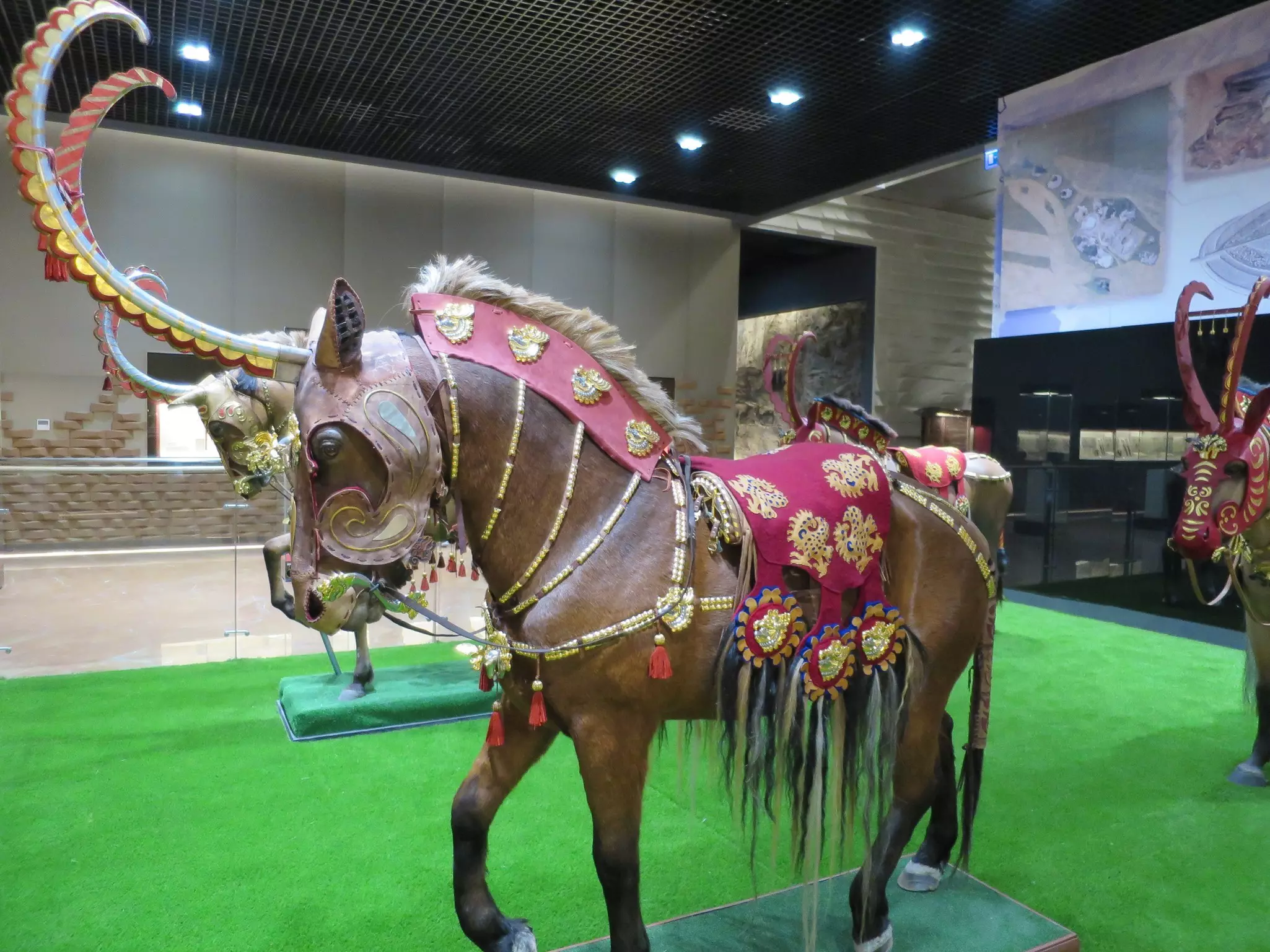
The vast, ambitious National Museum of the Republic of Kazakhstan does an excellent job of chronicling the history of the nation, from its Stone Age foundations and early civilisations to the rise of the Kazakh Khanate, Soviet Kazakhstan and the country’s achievements as an independent nation in the 21st century.
Spotlights shine on the country’s nomadic culture, collections of ancient jewellery and the futuristic national vision embodied by Astana. The Hall of Gold lives up to its name, with treasures gathered from ancient Kazakh tombs, while the Ethnography Hall will walk you through the country's nomadic traditions and the contemporary art collection reveals Kazakhstan’s modern creativity.
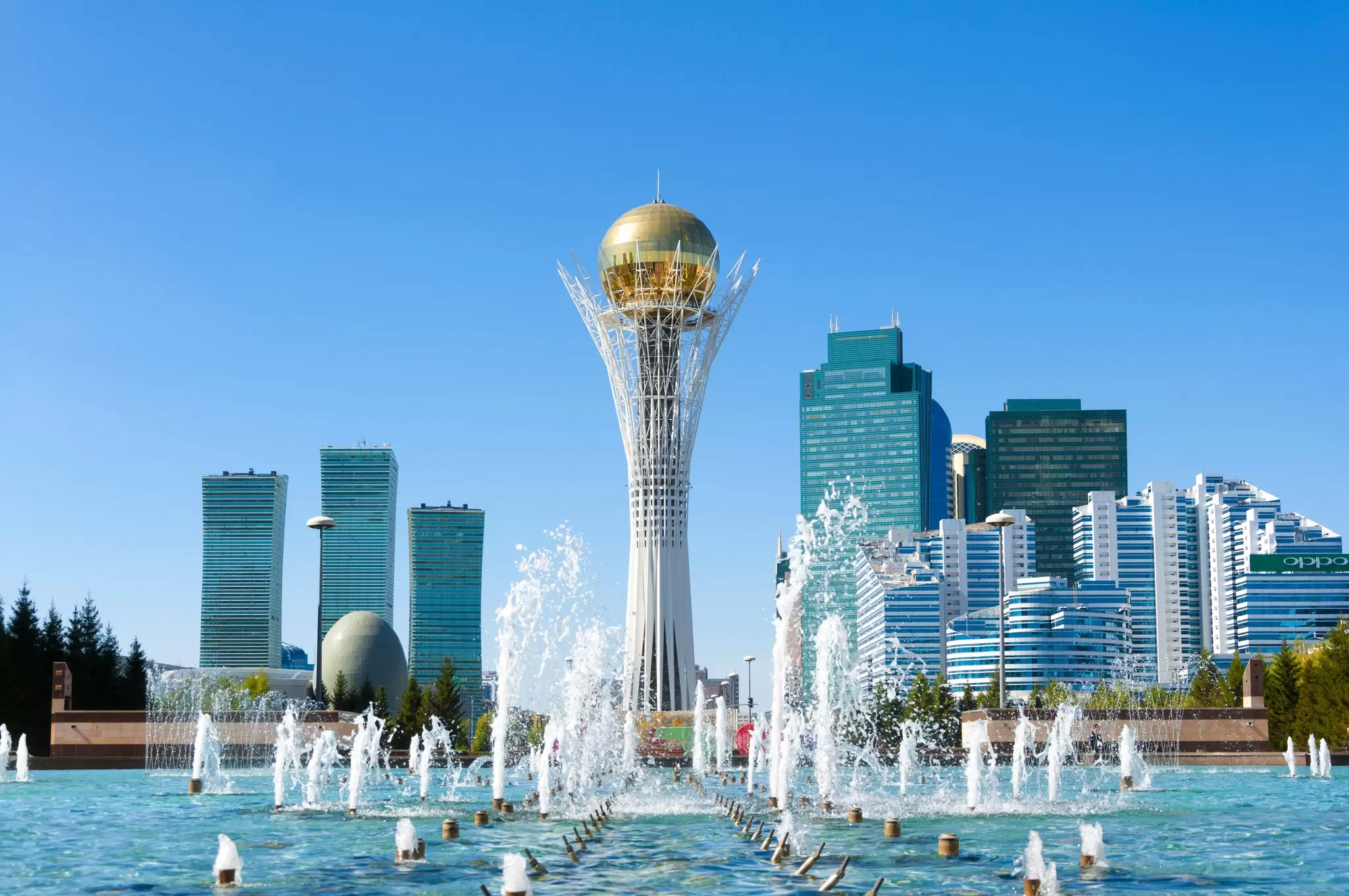
Astana’s most striking asset is its collection of modern buildings, which show Kazakhstan's startling transition from a nomadic society to a modern urban economy. Lit purple at sundown, the Khan Shatyr shopping complex resembles a giant, transparent wizard’s hat, and is perhaps the city’s most famous landmark.
Over on the Right Bank, tours will take you inside the glass, granite and steel pyramid that is the Palace of Peace and Reconciliation, designed by Norman Foster and opened in 2006 to host the triennial Congress of World and Traditional Religions.
Other landmark buildings to seek out include the golden-orb-topped Bayterek Monument, the slightly sci-fi Ak Orda Presidential Palace complex, Manfredi Nicoletti’s Kazakhstan Central Concert Hall, and the UFO-like Capital Circus.
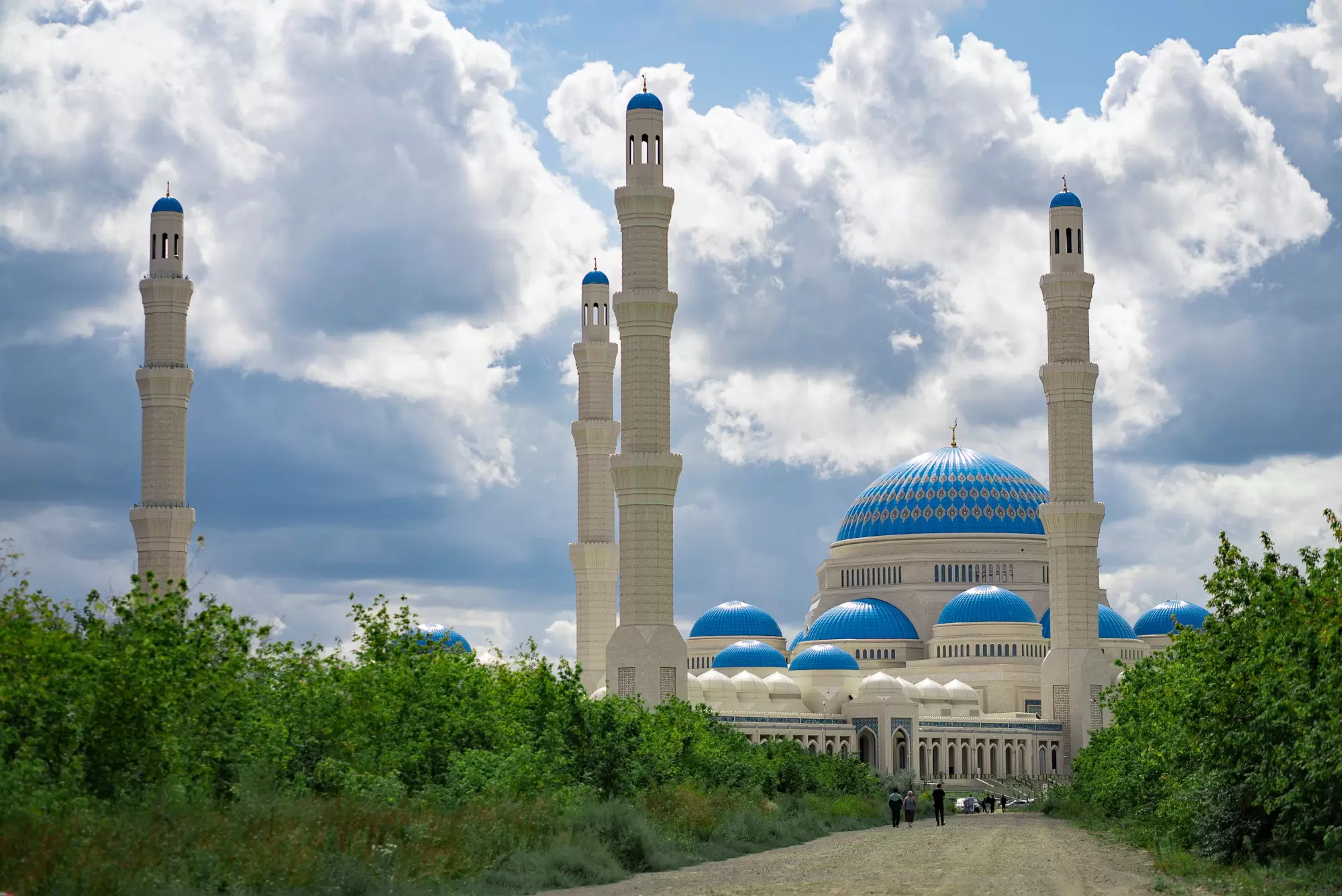
In 2022, the Astana Grand Mosque opened its African iroko hardwood doors to Sunni worshippers and visitors alike. Accommodating almost a quarter of a million faithful, the region's largest mosque is an impressive structure, with its sky-blue domes and blue-tipped minarets soaring above the steppe.
To visit, make sure you are dressed appropriately (including a head covering for women) and make your way along the marble hallways to the Big Hall, aka the men’s prayer room, where women are allowed outside of prayer times. Alongside a truly gigantic chandelier and the world’s largest handmade carpet, you’ll find a breathtaking space, filled with natural light. Don’t miss the glittering qibla wall, inscribed with 99 names for Allah, and the viewing deck atop one of the minarets.
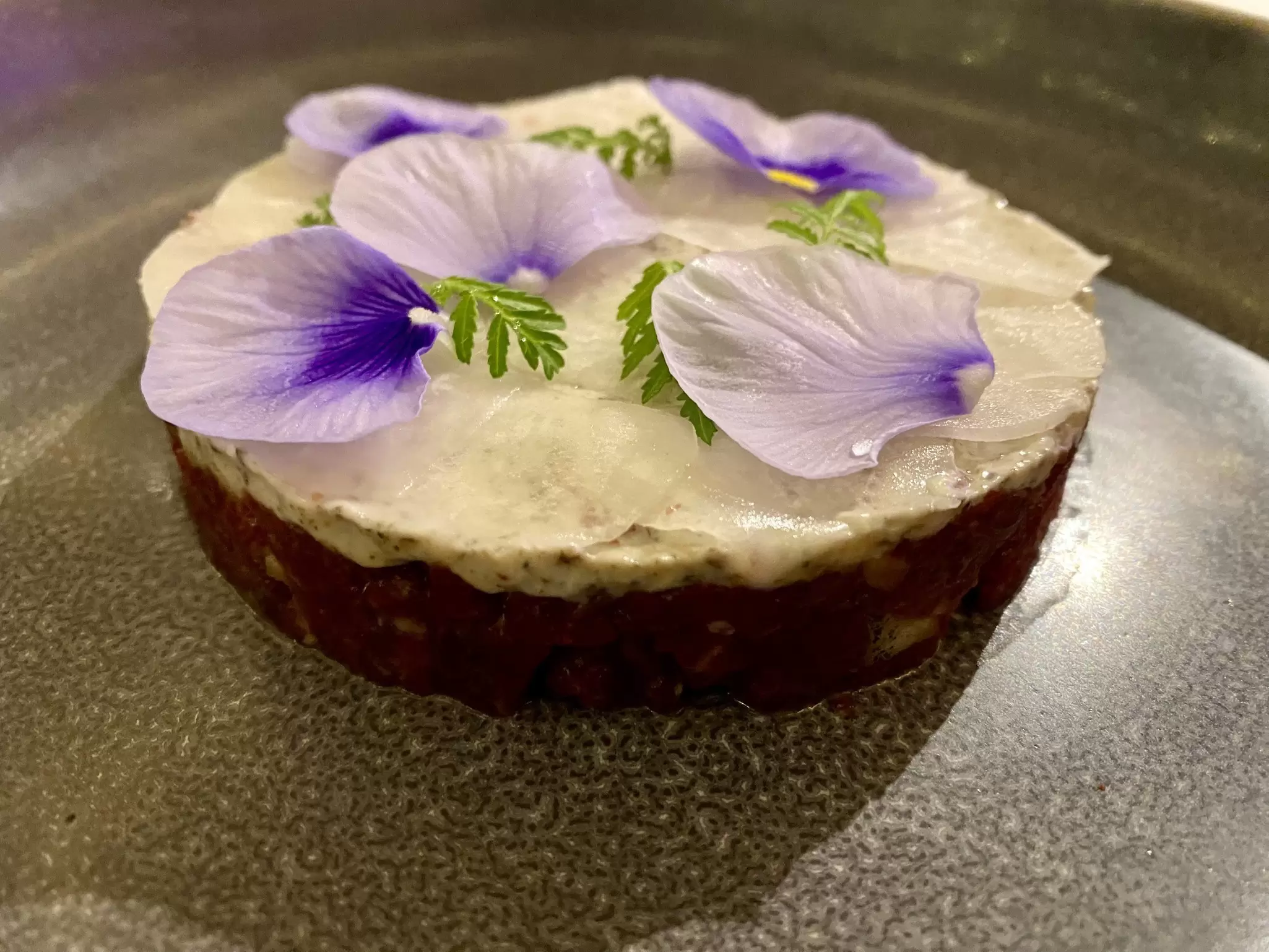
An electric dombra (lute) plays softly as you step into the domed dining room at Qazaq Gourmet, with its displays of historic artifacts and traditional costumes. Helmed by ambitious chef Artem Kantsev, who has made it his mission to preserve and transform Kazakhstan’s gastronomic heritage, Qazaq Gourmet is Astana’s most splurge-worthy dining experience.
Flawlessly presented dishes revolve around national produce, albeit with global touches. Begin with the delicately spiced horsemeat tartare with eel and edible flowers, then follow it up with hearty horsemeat and pumpkin, buckwheat and camel meat manty (Turkic dumplings), or sturgeon “fishbarmak” (a play on the traditional beshbarmak – boiled meat atop noodles with broth and onions).
Leave room for creative desserts and Kazakh sweets and sample Kazakh wines from the Almaty region by the glass.
Surrounded by landscaped parkland, the Museum of the First President of the Republic of Kazakhstan uses displays labelled in Kazakh, Russian and English to walk visitors through the emergence and rise of the Kazakh state, with a particular focus on Nursultan Nazarbayev, the first president of independent Kazakhstan.
There’s plenty of info on the workings of the Kazakh Senate, the Mazhilis (lower chamber of parliament) and the Supreme Court, but many visitors are more interested in the presents gifted to Nazarbayev by foreign governments, and the collection of fancy axes, cutlasses, dirks and daggers. There’s more fascinating militaria on display at the Museum of the Armed Forces in the old part of the city.
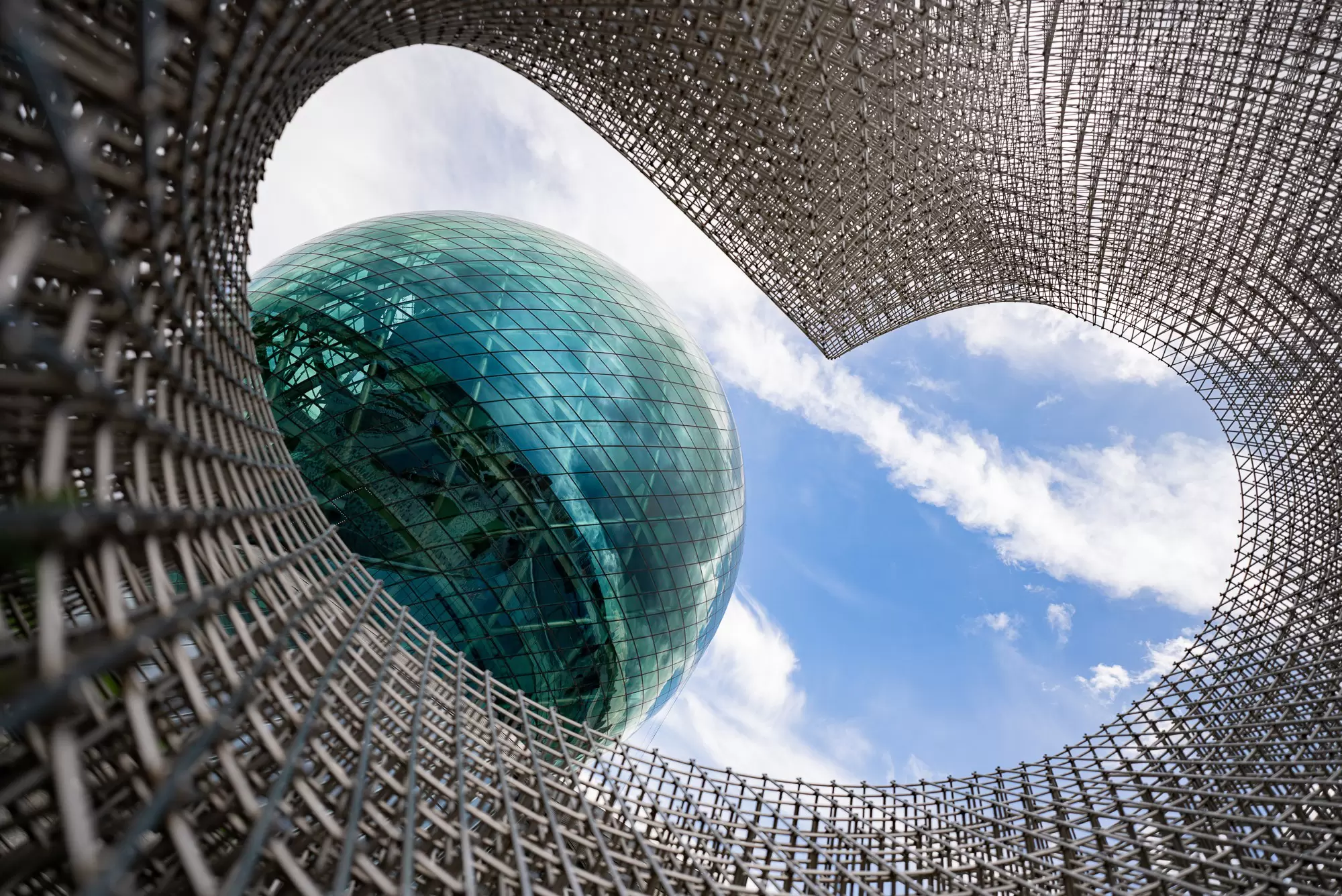
Housed inside a gleaming 100m-tall, 80m-wide sphere resembling Darth Vader’s Death Star, Nur Alem is one of Astana’s most recognisable landmarks, and the museum’s ambitious, visually striking, kid-friendly, multilingual displays explore the diverse ways Kazakhstan is harnessing natural energy as the country looks to move beyond fossil fuels.
Astana is a handy base for exploring the north of Kazakhstan. About an hour west of the capital, the ALZhIR Museum-Memorial Complex at Akmol offers a glimpse of the realities of Soviet rule. Some 18,000 women and children were held here in harsh conditions – many for the offense of having husbands or fathers deemed to be “betrayers of the motherland” – before the prison was closed in 1950.
If you don’t mind traveling a little farther from Astana, a more uplifting experience is offered by Burabay National Nature Park, about 3 hours north of the capital. Leave the weekend crowds behind in the town and head out on the walking trails that follow the shores of the park’s scenic lakes, or rent a rowboat to admire the Sphinx-shaped rock known as Zhumbaktas in Lake Burabay.
A similar distance southwest of Astana, Korgalzhyn Nature Reserve is home to 344 bird species, including the extremely rare steppe eagle, as well as vulnerable populations of demoiselle cranes, Dalmatian pelicans, Pallas’ sandgrouses, great bustards and the world's most northerly population of pink flamingos, which gather every spring and stay through the summer.

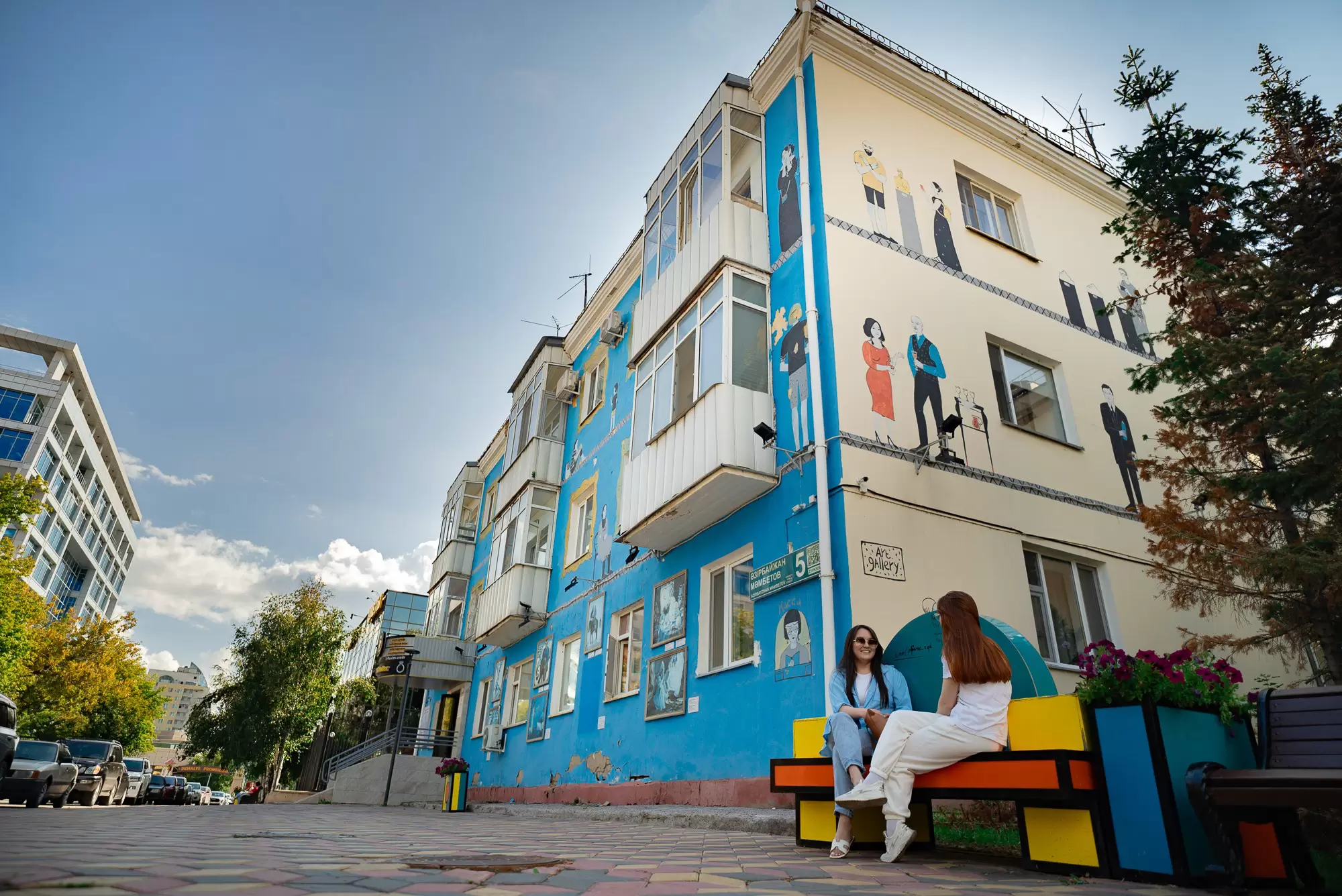
Be sure to contrast the futuristic, ultra-modern architecture of the Left Bank with the older, Russian-era city on the Right Bank. The districts north of the Ishim River reveal a more lived-in version of the Kazakh capital, with Soviet-built architecture – including a handful of striking patriotic mosaics – and busy local markets.
Get a taste by crossing the eye-catching, car-free Atyrau Bridge, then take a promenade along the section of Azerbaijan Mambetov St known as Arbat, with its public artworks, youth-oriented cafes, pop-up shops and Beatles statue – a curious tribute to the Fab Four, who have an enthusiastic following in Kazakhstan despite never having visited the country.
You'll find lots of young Kazakhs hanging out, showing off alternative fashions, posing for selfies, drinking coffee, playing guitars on benches and generally making the most of the thoroughly modern life on offer in 21st-century Kazakhstan.
As with many cities in Central Asia, the costs of traveling to Astana can be moderate or expensive, depending on the level of comfort you require. Staying in hostels and eating at local-style restaurants, you can get by on 30,000 tenge (₸, or KZT) per day. If you stay in mid-range hotels and eat at more upmarket establishments, raise that to ₸60,000 or more. At the top end of the market, the sky is the limit; rooms at the Ritz-Carlton cost from ₸140,000 per night.
Here are some typical costs of a stay in Astana.
Dorm bed at Hostel Forum on the Left Bank: from ₸5000
Double room at Elite Apart-Hotel: from ₸34,000
A single ticket for an Astana bus ride: ₸100
A cup of coffee at Coffee Boom on the Right Bank: around ₸1500
Draft beer at The Hop near Atyrau Bridge: from ₸1300
A sandwich at Khroshiy Den’ cafe: from ₸3500
Three-course meal at Qazaq Gourmet per person: from ₸20,000
Entry ticket to the National Museum of the Republic of Kazakhstan: ₸1000
Explore related stories