Sep 20, 20269 min read
The 6 Best Road Trips in MinnesotaSep 20, 2026
9 MIN READ

Writer
Fall foliage by the roadside at Caribou Lake in Minnesota. Dan Thornberg/Shutterstock

Writer
Lonely Planet may earn a commission from affiliate links on our site. All recommendations and reviews reflect our own independent opinions.
Celebrated as the Land of 10,000 Lakes, Minnesota is a joy to explore by car, with well-maintained highways connecting big cities, tiny towns, state parks and an abundance of wonderfully wild, remote corners.
Driving also gives you access to places you simply can't experience along the interstate: waterfalls tucked into ancient hardwood forests, wildlife-rich lakes, and scenic roads winding along Lake Superior and the Mississippi.
Driving Lake Superior's North Shore in early October remains one of my all-time favorite Minnesota road trips, thanks to the brilliant fall foliage, pleasant weather and the freedom to stop whenever a view – or cute bakery – caught my eye.
From routes starting right in the Twin Cities – as locals call the linked hubs of Minneapolis and St Paul – to scenic national byways and true wilderness adventures, road tripping through Minnesota will show off a side of the state you might otherwise miss. Here are my favorite Minnesota road trips.
Best for Lake Superior scenery and fall foliage
Start: Duluth
Finish: Grand Portage
Approximate distance: 154 miles
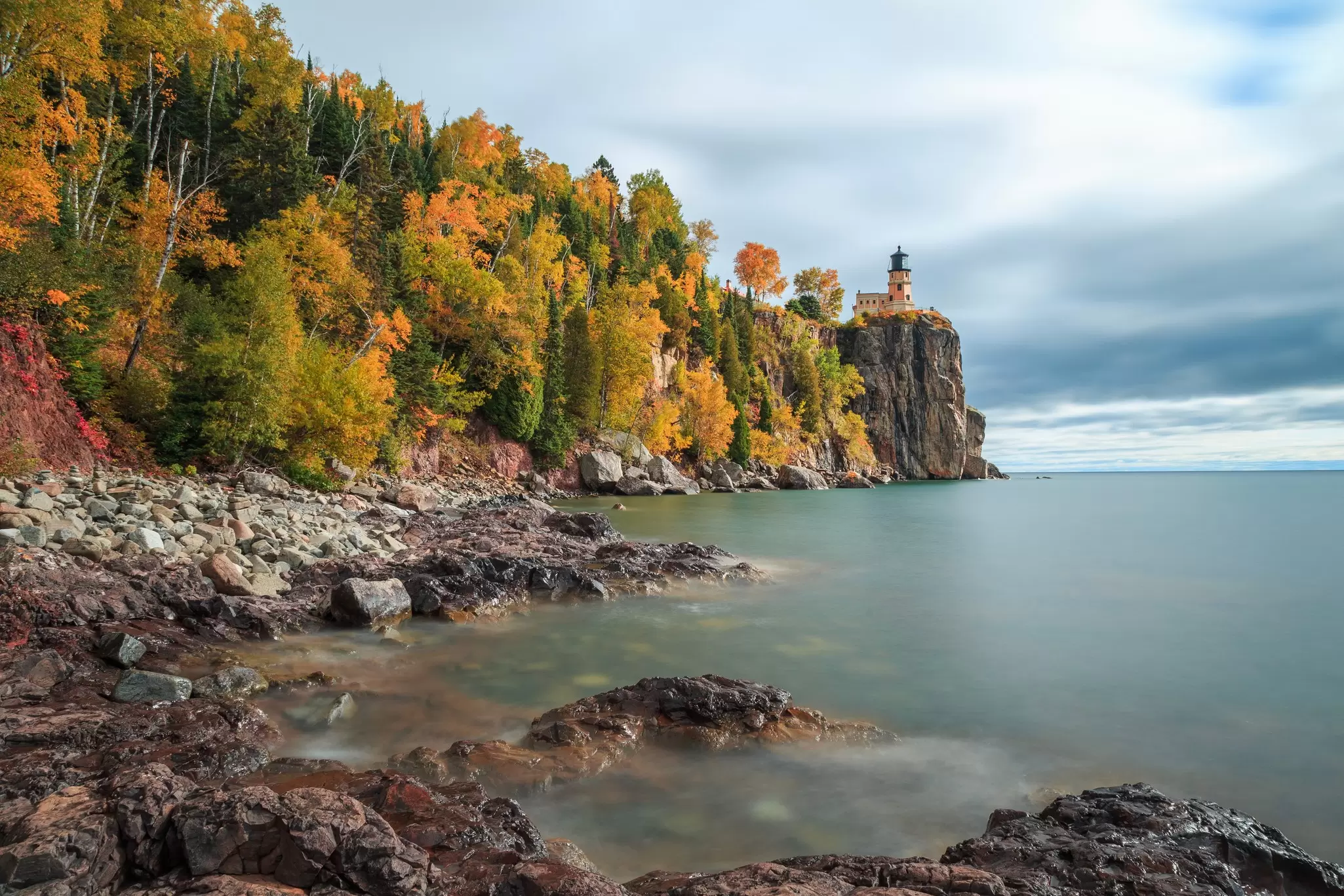
Minnesota's North Shore Scenic Byway follows the northern shores of Lake Superior, connecting gritty-but-chic Duluth, spectacular state parks and cozy small towns where stopping for smoked fish and pie is central to the itinerary. This is one of Minnesota's premier fall drives, with peak fall colors popping in the second and third weeks of October.
Start with a house-roasted coffee and salted chocolate chip cookie (one of the best I’ve ever had) at Duluth Coffee Company, or a relaxing soak at the Cedar and Stone floating sauna, then head north to Two Harbors. Give this stretch a full day – Split Rock Lighthouse, Tettegouche State Park and one of the only black “sand” beaches in the Lower 48 are all worthy stops.
Have lunch at Russ Kendall’s Smokehouse in Knife River and grab pie from Rustic Inn Cafe just down the road. Further north, artsy Grand Marais adds galleries, studios, bakeries and a romantic movie-esque harbor setting, before the route reaches Grand Portage. If time allows, detour to the Lutsen Mountains ski resort, home to a scenic gondola and alpine slide.
Planning tip: If you're arriving by air, flights and rental cars are generally easier to find and often far cheaper if you start from Minneapolis-Saint Paul rather than Duluth. Reaching the North Shore from Minneapolis-St Paul will add about 2.5 hours to the trip.
Best for a tour right across Minnesota
Start: Itasca State Park
Finish: La Crescent
Approximate distance: 565 miles
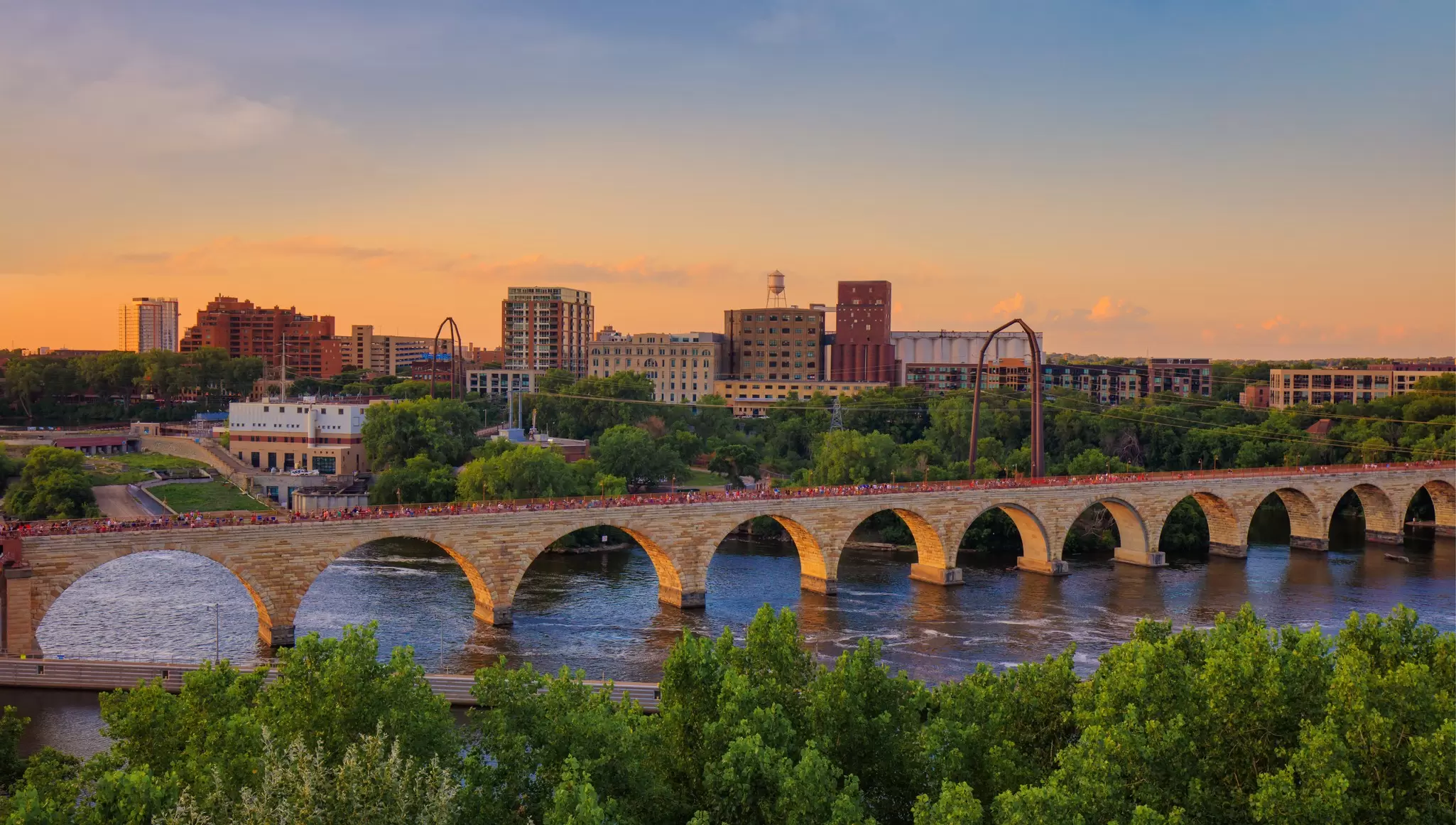
There's no better way to get a complete sense of Minnesota’s geographic diversity than by following the Mississippi River via the Great River Road. This route crosses 20 counties and 43 towns and cities, starting at the mighty river‘s surprisingly small headwaters in Itasca State Park and ending near the Iowa border.
Itasca is Minnesota’s oldest state park, and you can make a full day of it and hike, go boating or climb the Aiton Heights fire tower for a view. Set on Lake Itasca's North Arm, Itasca Sports rents bikes, kayaks, stand-up paddleboards, and even pontoon boats.
At Itasca, the mighty Mississippi is shallow and calm enough to wade in, but you'll see the river grow steadily in size as you wind through the Brainerd Lakes Area, St Cloud, the Twin Cities, and the rolling bluffs of southeastern Minnesota.
At the Great River Road’s southern end, before you reach La Crescent, Lake Pepin offers four-season recreation, while the small towns of Bluff Country make tempting detours (we’ll dive into those in the next road trip).
Planning tip: All visitors to Minnesota state parks must obtain a vehicle permit. These cost $7 for a day or $35 for a year, and the annual pass pays for itself quickly if you plan to visit several parks on your Minnesota road trip. Buy one ahead of time online, or pick one up at any staffed state park ranger station.
Best for small-town charm and outdoor adventures
Start: Minneapolis
Finish: Forestville
Approximate distance: 170 miles
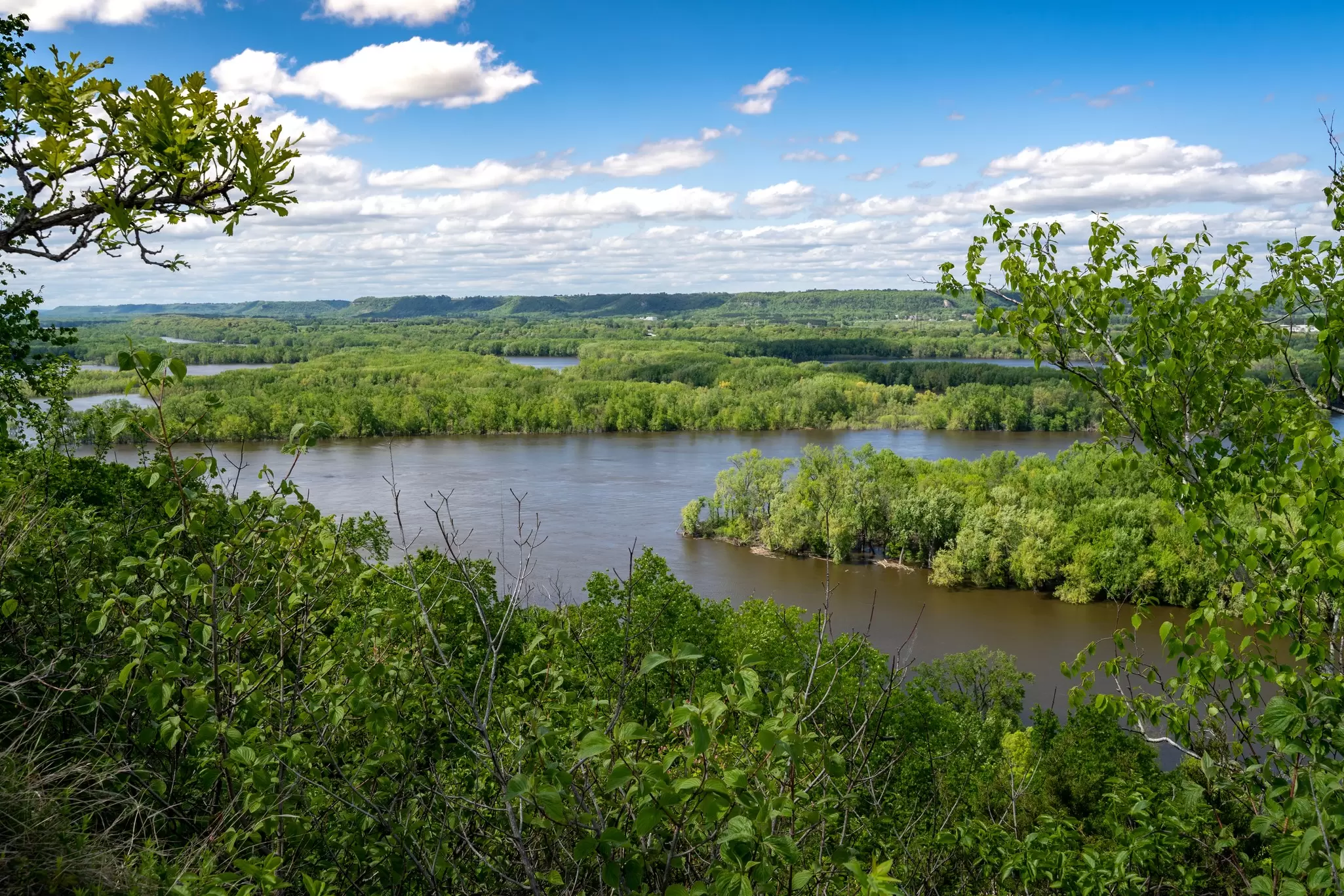
Southeastern Minnesota's Driftless Area escaped the landscape-flattening glaciers that shaped the rest of the state. Instead, glacial melt carved a striking landscape of limestone bluffs, bucolic areas of farmland and forested river valleys, made even more enticing by small towns with brick storefronts, offering genuine “Midwest nice” hospitality.
The first 120 miles of the route follows the Great River Road, making this an easy add-on to a drive along the Mississippi. Make your first stop at Red Wing, best known for its eponymously named boot company, before continuing to Wabasha and the National Eagle Center, showcasing these impressive birds of prey. In Winona, a lively college town, hike up Sugar Loaf Bluff for sweeping views of the Mississippi or pop into the Minnesota Marine Art Museum.
From there, head to Lanesboro, the “Bed & Breakfast Capital of Minnesota.” Explore all or part of the 42-mile Root River State Trail by bike, or float the Root River in a tube – the Little General Store rents both. Finish with a naturalist-led tour at Mystery Cave, the state’s longest.
Detour: If you time your trip so that you leave or return to Minneapolis on a summer Sunday, detour off the River Road to experience a Midwestern “pizza farm” at Squash Blossom Farm. The farm sources ingredients for its wood-fired pizzas onsite, and guests get to enjoy the week’s lineup of pizzas al fresco.
Best for checking off one of the most remote US national parks
Start: Duluth or Minneapolis
Finish: International Falls
Approximate distance: 170 miles from Duluth, or 305 miles from Minneapolis-St Paul
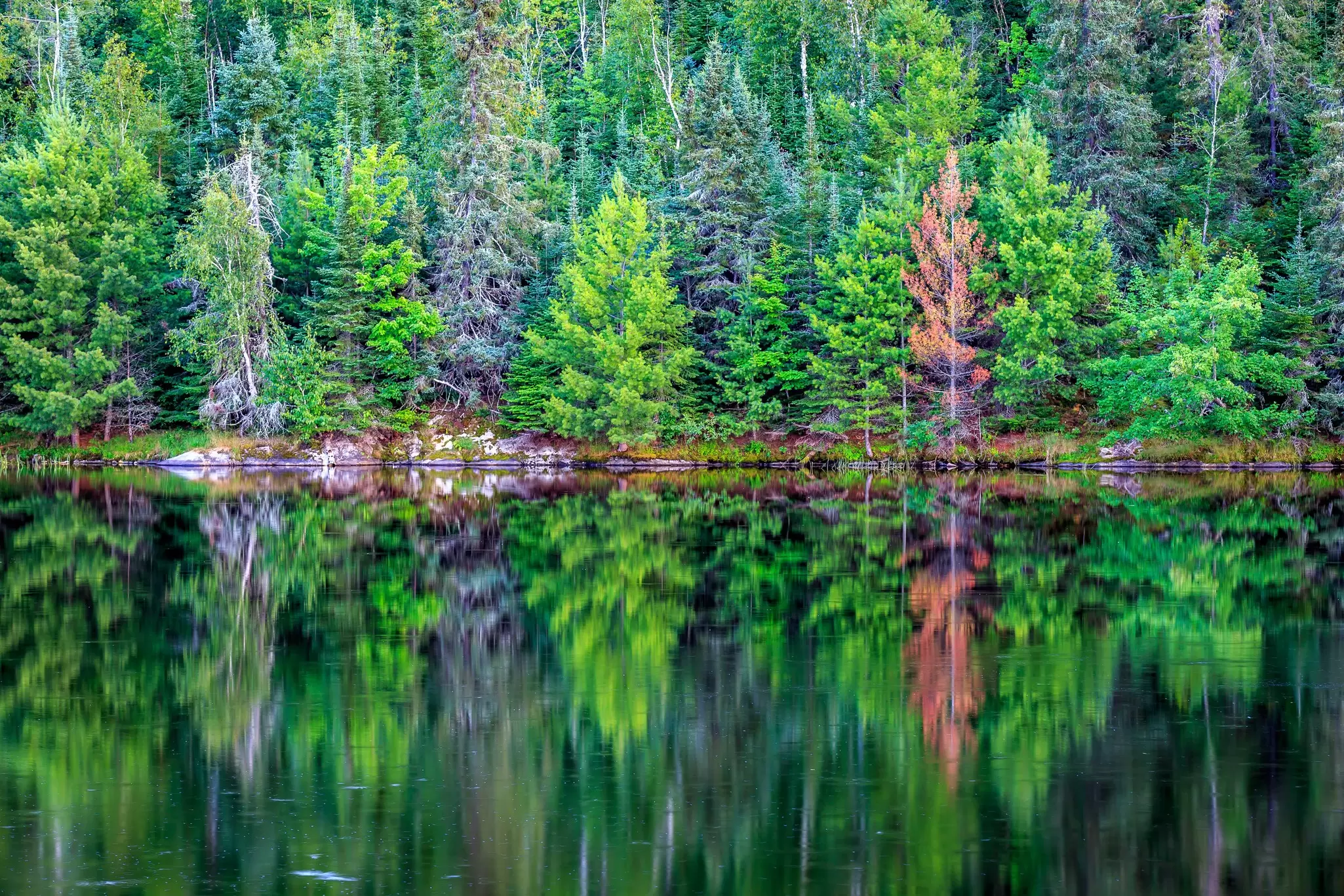
While you'll arrive by road, exploring Voyageurs National Park is almost entirely a water adventure. The majority of the park is inaccessible by car, so its remote lakes and islands are best explored by boat. It’s tempting to tackle the big water by kayak or canoe, but unless you’re an extremely experienced paddler, save that challenge for the Boundary Waters (our next road trip!).
Instead, drive north from Duluth or Minneapolis-St Paul and book a guided boat tour or rent a houseboat for a few days to enjoy the park. Rainy Lake is an approachable place to start, home to the park's main visitor center, boat tours, kayak and canoe launches and rental drop-offs, plus the short Oberholtzer Trail – one of the few hikes in Voyageurs accessible without a boat.
From the Ash River Visitor Center, you can take a boat shuttle to Kettle Falls, the park's only hotel and restaurant. As you explore, keep watch for moose, bears and wolves, especially on larger islands. September is one of the best times to visit, with long, warm days and far fewer biting insects.
Detour: If you have a few extra days, it’s (relatively) easy to combine a visit to Voyageurs with even more remote Isle Royale National Park. Many people board a ferry from Grand Portage, Minnesota, but you can also depart from Copper Harbor in Michigan. This option allows you to explore Michigan’s untamed Upper Peninsula and the Apostle Islands in Wisconsin.
Best for getting out onto the water and off the grid
Start: Duluth
Finish: Ely
Approximate distance: 108 miles
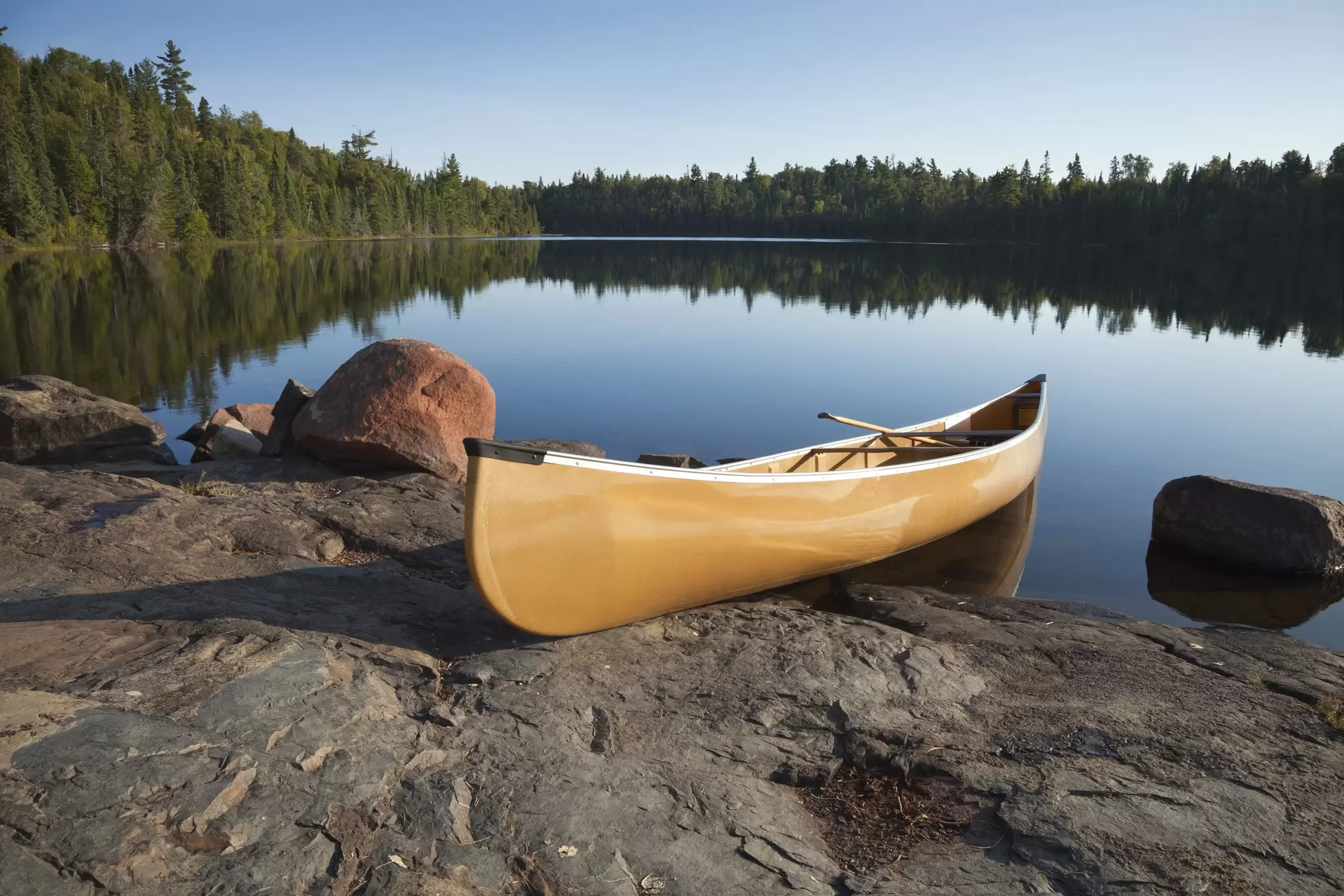
Lying east of Voyageurs, the vast, pristine Boundary Waters Canoe Area Wilderness (BWCAW) feels like a completely different world. Again, while you'll start with a drive north from Duluth, once you enter the reserve, you won’t find a single road or motorized boat. Instead, more than 1200 miles of canoe routes snake through one million acres of Superior National Forest, traversing rocky, forested shorelines and some 1100 lakes.
It’s strictly paddle-only, so the classic way to experience the BWCA is by canoe, following portage trails between lakes and camping at designated backcountry sites. If you're not an experienced wilderness paddler, outfitters in the town of Ely can arrange gear, routes or guided trips ranging from a single day to 2 weeks.
Make Ely your base before and after heading into the wilderness. Check out Northern Grounds, part coffee shop and part wine bar, and don't miss the International Wolf Center, where you can see "ambassador" wolves (socialized wolves, used by the center to break down preconceptions about this often misunderstood species) up close and learn about the role of wolves in the Northwoods.
If you visit outside of the spring to fall peak season, winter transforms the area into a playground for dogsledding, snowshoeing, Nordic skiing and ice fishing. Don’t forget to look up while you’re here – Boundary Waters is an International Dark Sky Park, so the sky is exceptionally clear and you have decent odds of spying the northern lights.
Planning tip: Self-issued permits are required for entry into the BWCAW year-round, whether you’re hiking or paddling. Overnight trips require a permit for a specific entry point and are only possible between May and September.
Best for chasing unexpected waterfalls
Start: Twin Cities
Finish: Redwood Falls
Approximate distance: 340 miles
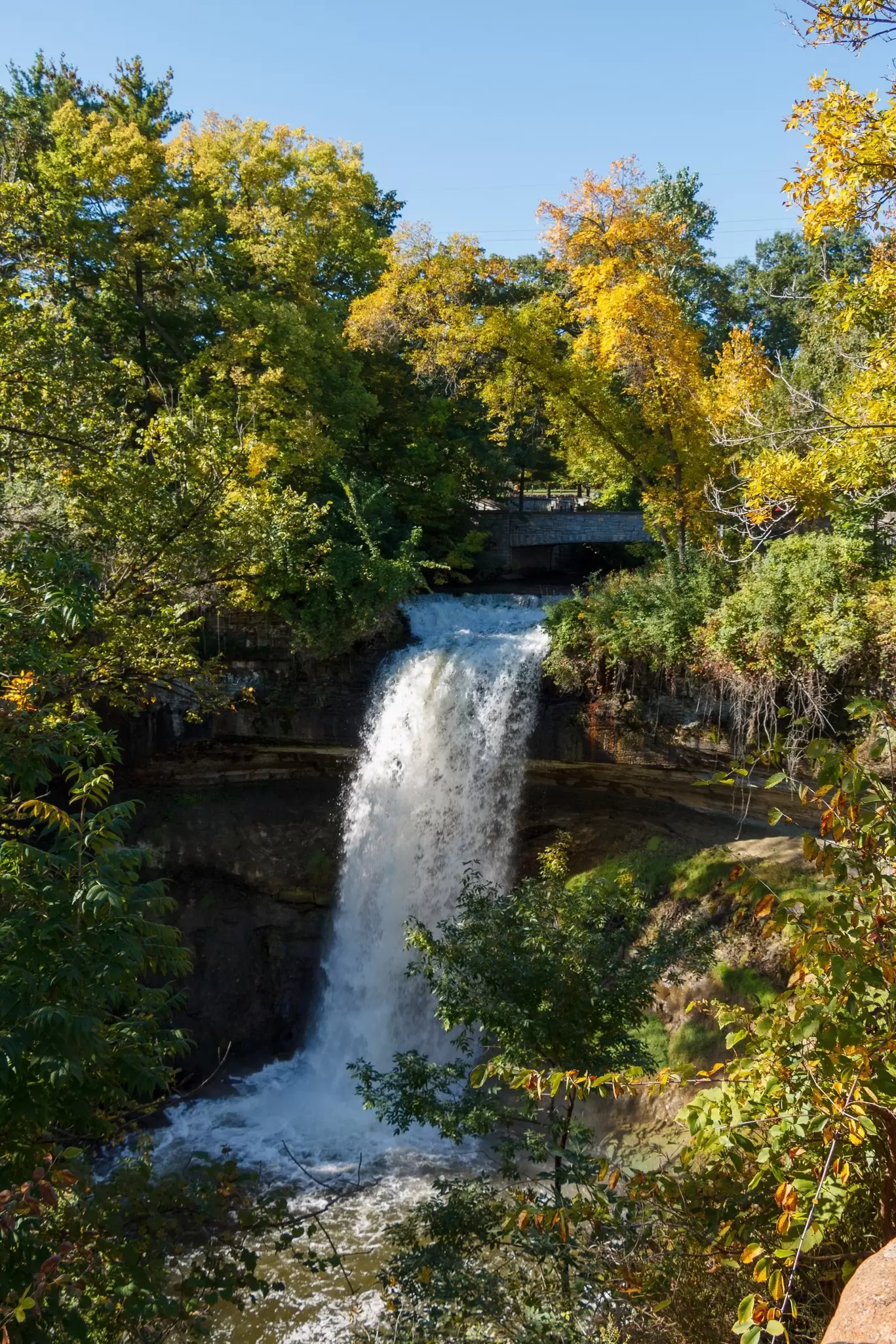
Most people imagine the North Shore of Lake Superior when they think of waterfalls in Minnesota, but the south of the state has plenty of impressive – and much less crowded – falls, too. Start with Minnehaha Falls in Minneapolis, one of the state's most popular and accessible cascades, then head south to Vermillion Falls in Hastings, where a quirky pedestrian bridge covered in love locks crosses the gorge.
Little-known Hidden Falls in Nerstrand-Big Woods State Park is a short, easy hike through hardwood forest. Caron Falls near Cannon City is another smaller cascade – the appeal here is that you’ll likely have it all to yourself. Minnemishinona Falls is a bit of a local secret, tucked away outside Mankato, plunging 42ft into a deep gorge. Nearby Minneopa Falls has two beautiful drops, plus a herd of about 30 bison; take the Bison Drive for the best viewing experience, and don’t forget binoculars.
The surprises continue at Red Rock Falls near Sanborn, where a rocky gorge and waterfall seem out of place amid prairie and farmland. Finish at Ramsey Falls in Redwood Falls’ Alexander Ramsey Park, the "Little Yellowstone of Minnesota.” Budget time to visit the small zoo, then turn back toward the Twin Cities.
Detour: Time your trip to arrive in teeny-tiny Jordan on your way back to the Twin Cities for dinner at Suzette’s. Cambodian-born, French-trained chef Banrith Yong serves up delicious European specialties such as beef Wellington and Chateaubriand, prepared using fresh ingredients. Equally impressive is Yong's journey to Minnesota – he escaped from Cambodia’s Khmer Rouge three times before starting a new life in the US.
Explore related stories