Oct 1, 20267 min read
The 5 Best Day Trips from TulumOct 1, 2026
7 MIN READ

Writer
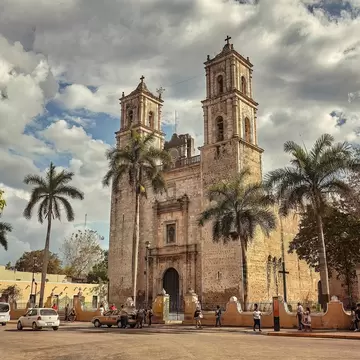
The Iglesia de San Servacio, Valladolid. Filippo Carlot/Shutterstock

Writer
Lonely Planet may earn a commission from affiliate links on our site. All recommendations and reviews reflect our own independent opinions.
With its glorious stretches of sand and eco-chic hotels, Tulum offers plenty of reasons for never leaving. Yet if you explore even just a bit beyond the town’s limits, you’ll quickly find that this is much more than a beach destination.
Tulum is a gateway to the remarkable riches of the Yucatán Peninsula, where towering Maya ruins, dense jungle forests, colonial-era towns and the world’s longest underground river system all just a short drive away. Discover it all with our list of the best day trips from Tulum.
Why go: To range around Maya ruins
Travel time: 45 minutes
How to travel: By car or colectivo (minibus)
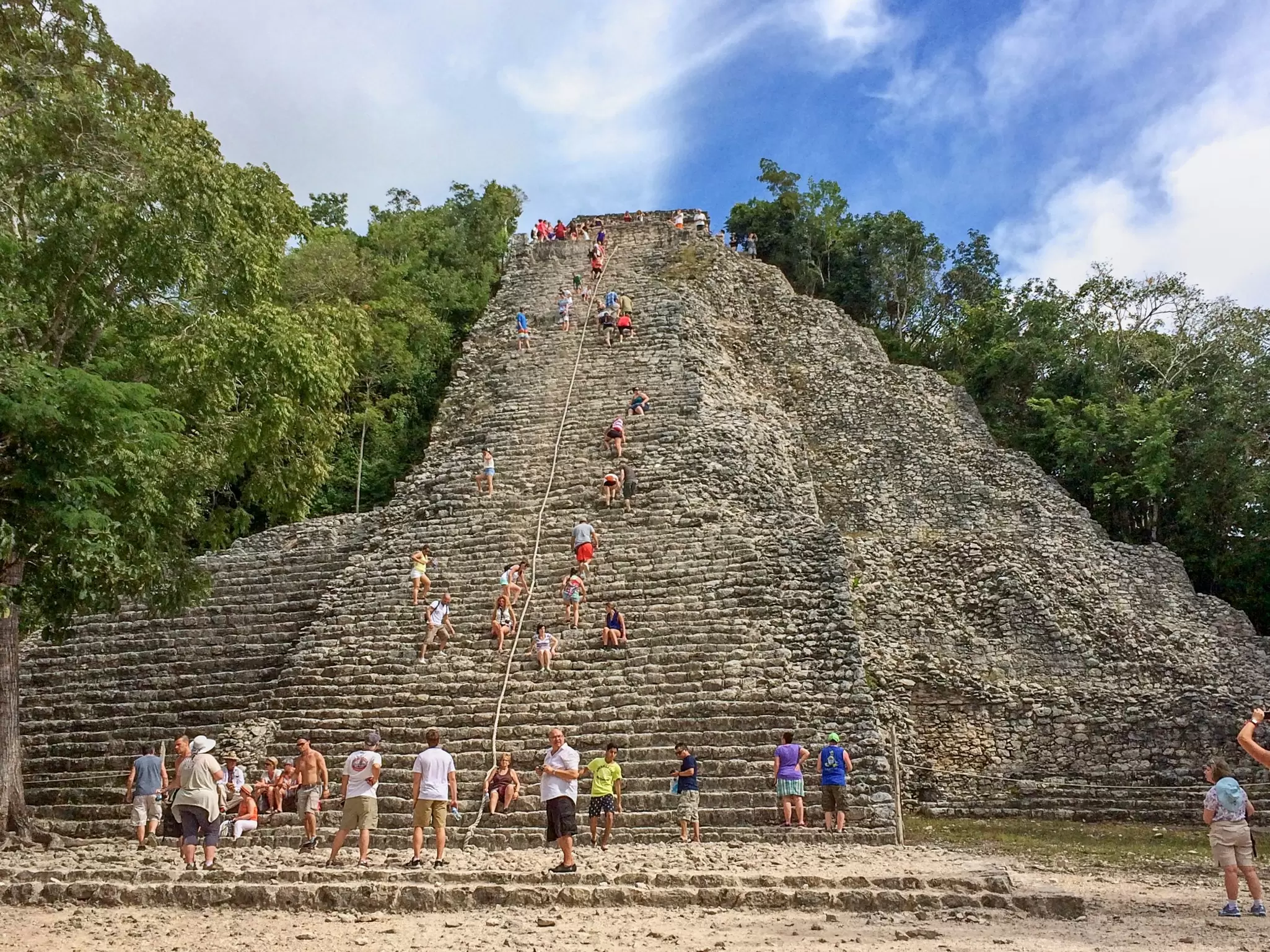
Entering the Cobá archaeological site, visitors will see racks of multicolored bicycles lined up for rent, and people straddling yellow triciclos (pedicabs). Whichever you prefer, rent one – it’s worth it. The archaeological site is spread across several square miles, and the heat and humidity make gently pedaling much more pleasant than walking. Cycling under the forest canopy, listening to the sound of songbirds, and stopping to check out long-abandoned Maya palaces and ball courts is an unforgettable experience indeed.
The star of the site is Nohuch Mul: at almost 14 stories high, it’s one of the tallest pyramids in the Maya world. Climbing the narrow stone steps as you clutch the thick rope that leads to the top is not for the faint of heart. But after the harrowing ascent, you’ll never forget the view: a stunning jungle expanse, ancient temples poking above the verdant tree line. Aim to arrive at opening so that you miss the tour groups and have the best shot at seeing wildlife – motmots and colorful toucanets, blue morph butterflies and, if you’re lucky, spider monkeys.
How to get to Cobá from Tulum: The Cobá ruins are a 45-minute drive from Tulum on a well-maintained road. Public buses and colectivos travel to Cobá town several times daily.
Why go: To take the plunge – underground
Travel time: 20 minutes (Cenote Dos Ojos); up to 30 minutes (others)
How to travel: By car or colectivo
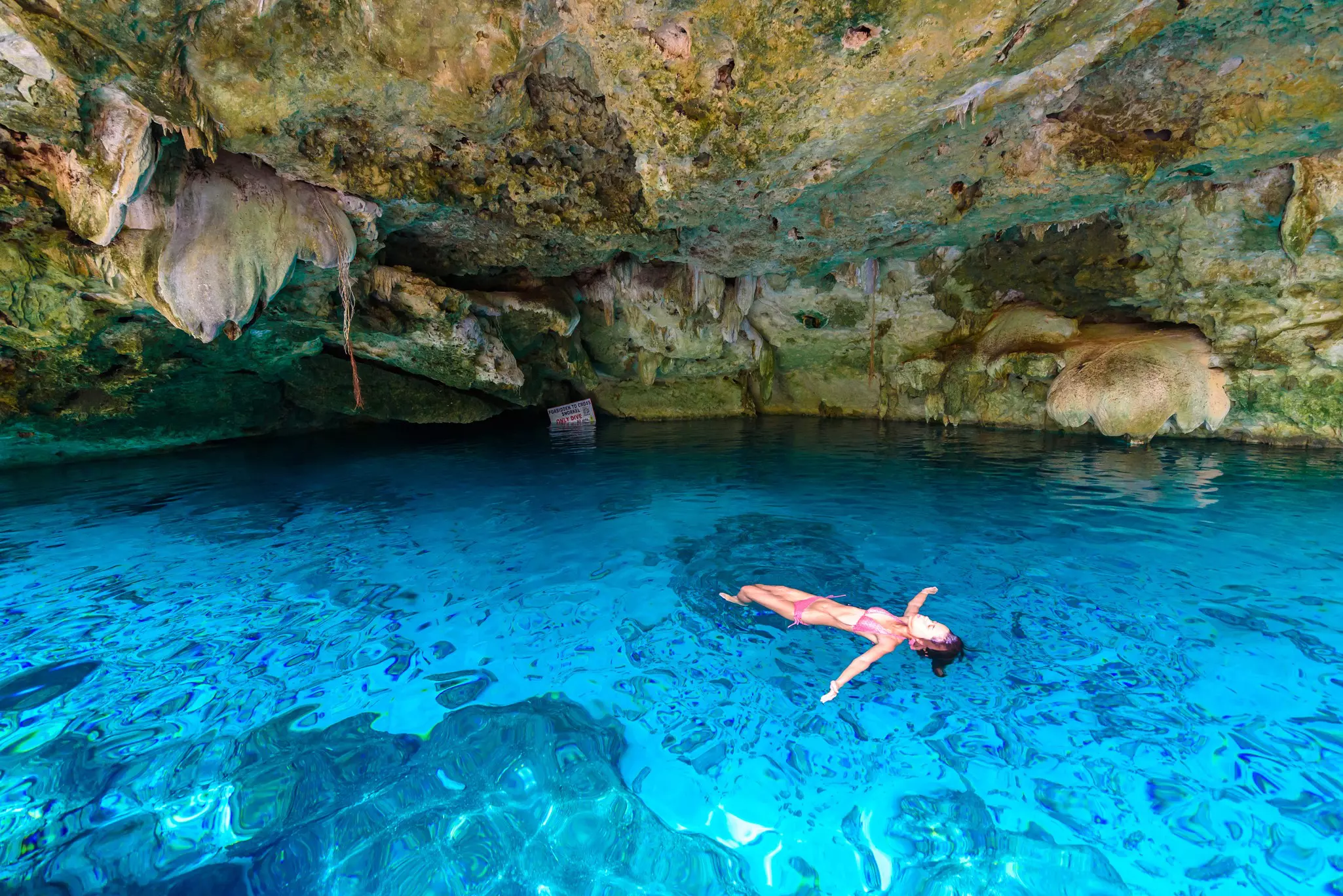
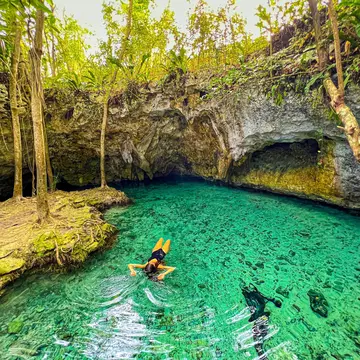
Any visitor’s first time at a cenote (sinkhole) feels like a descent into another world. One moment you’re relaxing on Tulum’s white-sand beaches – and the next you’re lowering yourself down a rickety ladder into a hole in the ground. Once underground, after your eyes adjust to the dark, you’ll see stalagmites and stalactites surrounding turquoise water that is so impossibly clear it looks bottomless.
Rather than pooling in streams, the water that falls in the Yucatán seeps through the peninsula’s base of permeable limestone. The result is an underworld of interconnected subterranean rivers and semi-submerged caverns – a unique geographical calling card that has spawned millennia of myths, and which continues to intrigue to this day.
Tulum is surrounded by some of the region’s most dramatic cenotes. Popular Parque Dos Ojos offers guided snorkeling tours of its labyrinthine underwater cave system; others, including Gran Cenote, are open-air caverns deep in the jungle, where you can swim with small fish and freshwater turtles. Still others, such as Cenote Angelita, are best suited for scuba diving – its wonderfully creepy waters capped by a foggy layer of hydrogen sulfide, making the outstretched branches of submerged trees seem like arms reaching for the surface.
How to get to the cenotes near Tulum: More than a dozen cenotes are located near Tulum, making cenote-hopping a fun way to spend a day. They’re found along the coastal highway and on the road to Cobá, all reachable by car in 10 to 30 minutes from Tulum’s town center. Colectivos stop at most.
Why go: To watch birds, iguanas and monkeys in the wild
Travel time: 30 minutes
How to travel: By car or organized tour
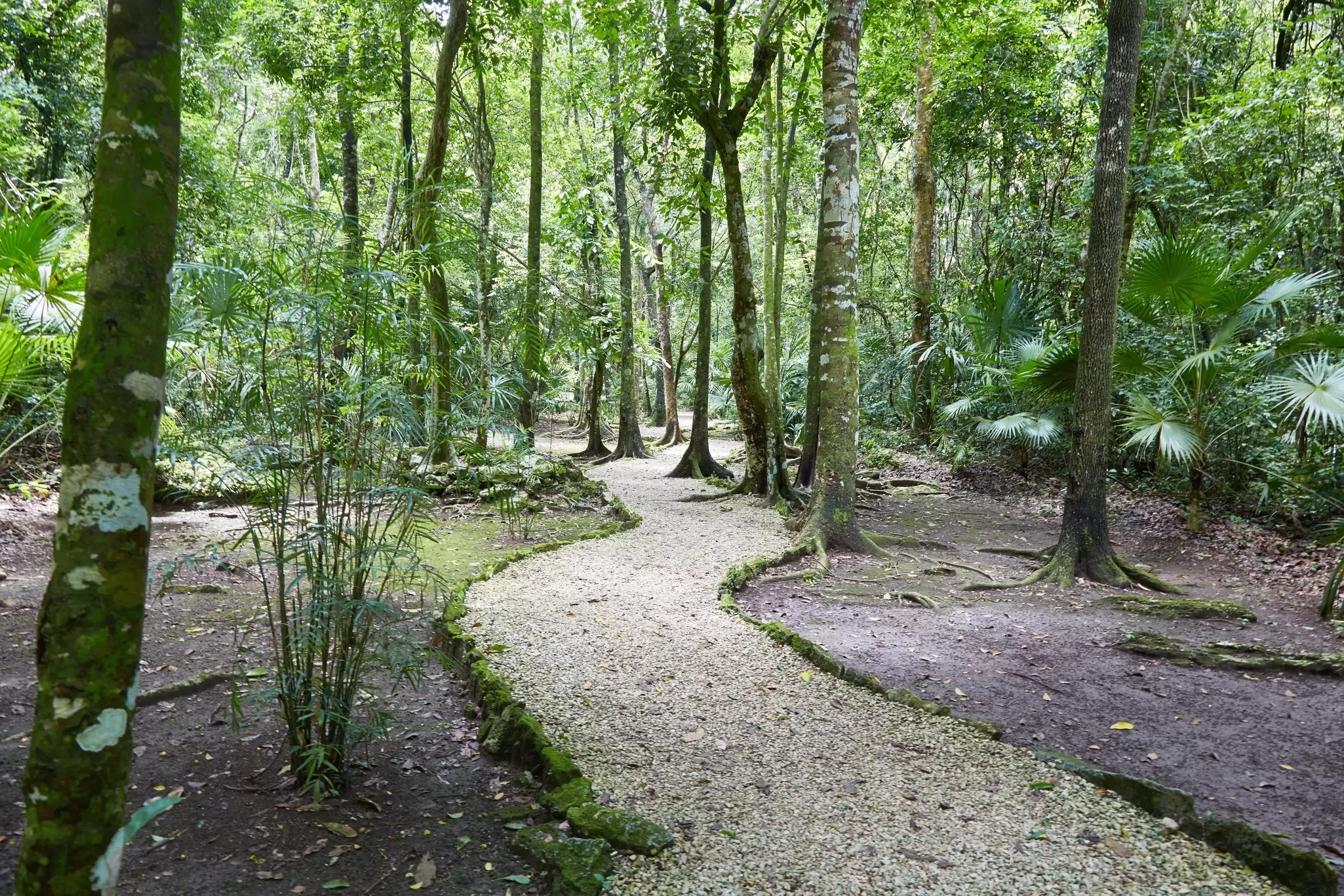
A rutted dirt road runs along the eastern edge of Sian Ka’an Biosphere Reserve, a 1.3-million-acre oasis of coastal forests and beaches, mangroves and lagoons. It’s slow going, but doable in most cars. Simple fences and thick vegetation line the road, with thatch-roofed homes appearing now and then. An occasional opening in the palm forest leads to gloriously empty beaches, revealing what Tulum must have looked like decades ago.
The reserve teems with wildlife, and a handful of community-based agencies run excellent trips. These include sunset kayak trips to bird-watch and listen to the haunting call of howler monkeys; tubing excursions down ancient canals, with beefy iguanas sitting atop long-forgotten Maya ruins; and snorkeling tours, where giant sea turtles glide past you like underwater birds and dolphins play in your boat’s wake.
How to get to Sian Ka’an Biosphere Reserve from Tulum: Sian Ka’an’s coastal road begins where at the southern terminus of Tulum’s beach road. From the Tulum town center, it’s about 30 minutes to the entrance of the reserve, which is marked with a huge arch. There is no reliable public transportation to Sian Ka’an, but organized tours include transportation.
Why go: To ponder the majesty of Maya monuments
Travel time: 2 hours
How to travel: By car or bus
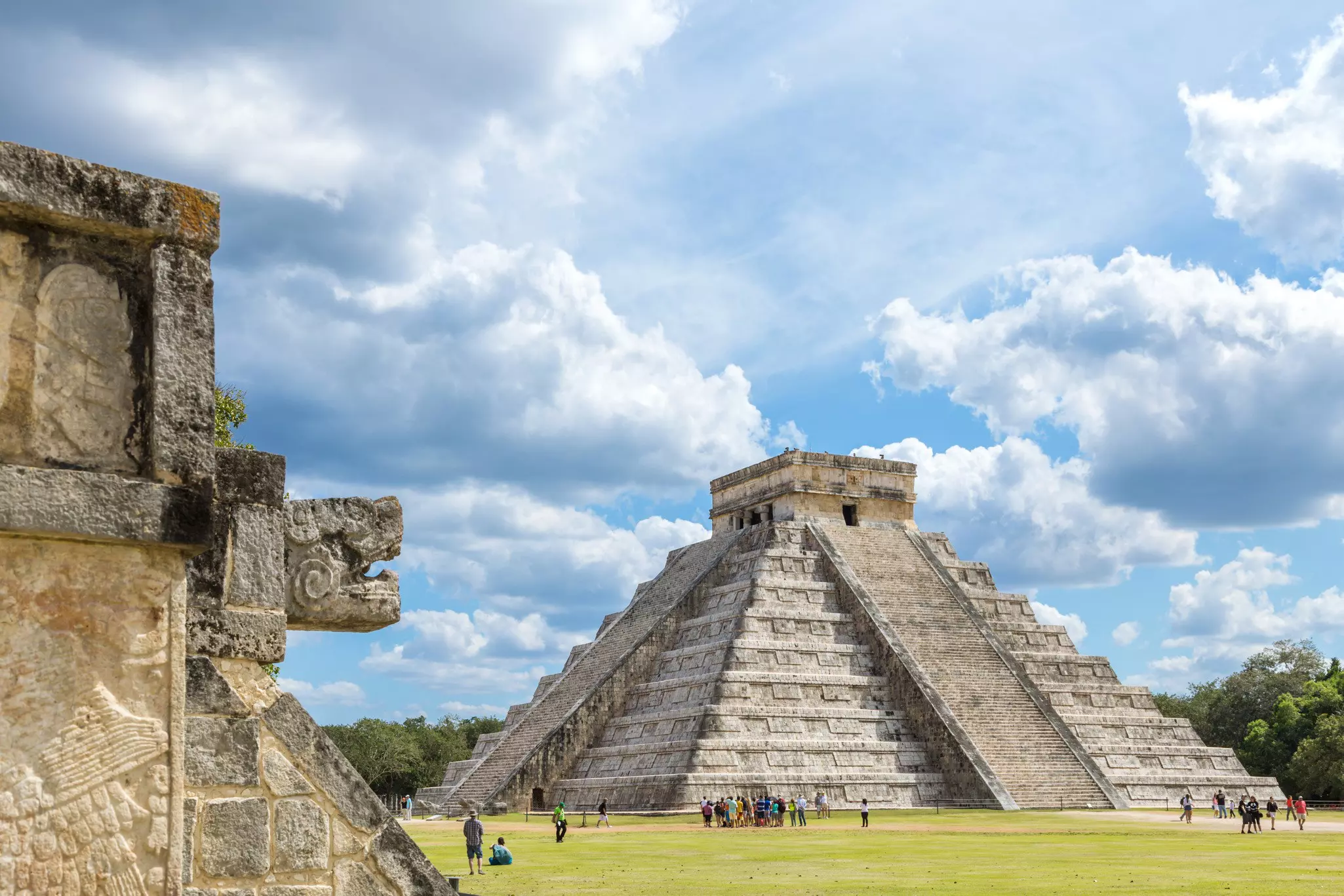
After navigating a wooded path lined with souvenir stands, the trees suddenly part to reveal a grassy plaza: at its center, El Castillo, Chichén Itzá’s tallest temple and an international cultural icon. Looking up, it’s not hard to imagine a Maya priest standing at the top, arms elevated to the heavens, thousands of people celebrating the shadow of a serpent descending the staircase on the autumnal equinox.
The site is filled with structures that convey the brilliance and power and the Maya. Arrive at opening to enjoy the structures before the tour groups descend on the site – then come back in the evening for the sound-and-light show. You’ll have the chance to walk through the ruins with the moon overhead, with the most prominent structures lit up in bright reds, purples and blues.
How to get to Chichén Itzá from Tulum: By car, it's 2 hours from Tulum to Chichén Itzá on paved roads that cut through the scrub forest and pass Maya villages. Public buses also make the trip from Tulum twice a day.
Why go: To wander character-filled streets
Travel time: 1 hour 30 minutes
How to travel: By car or bus
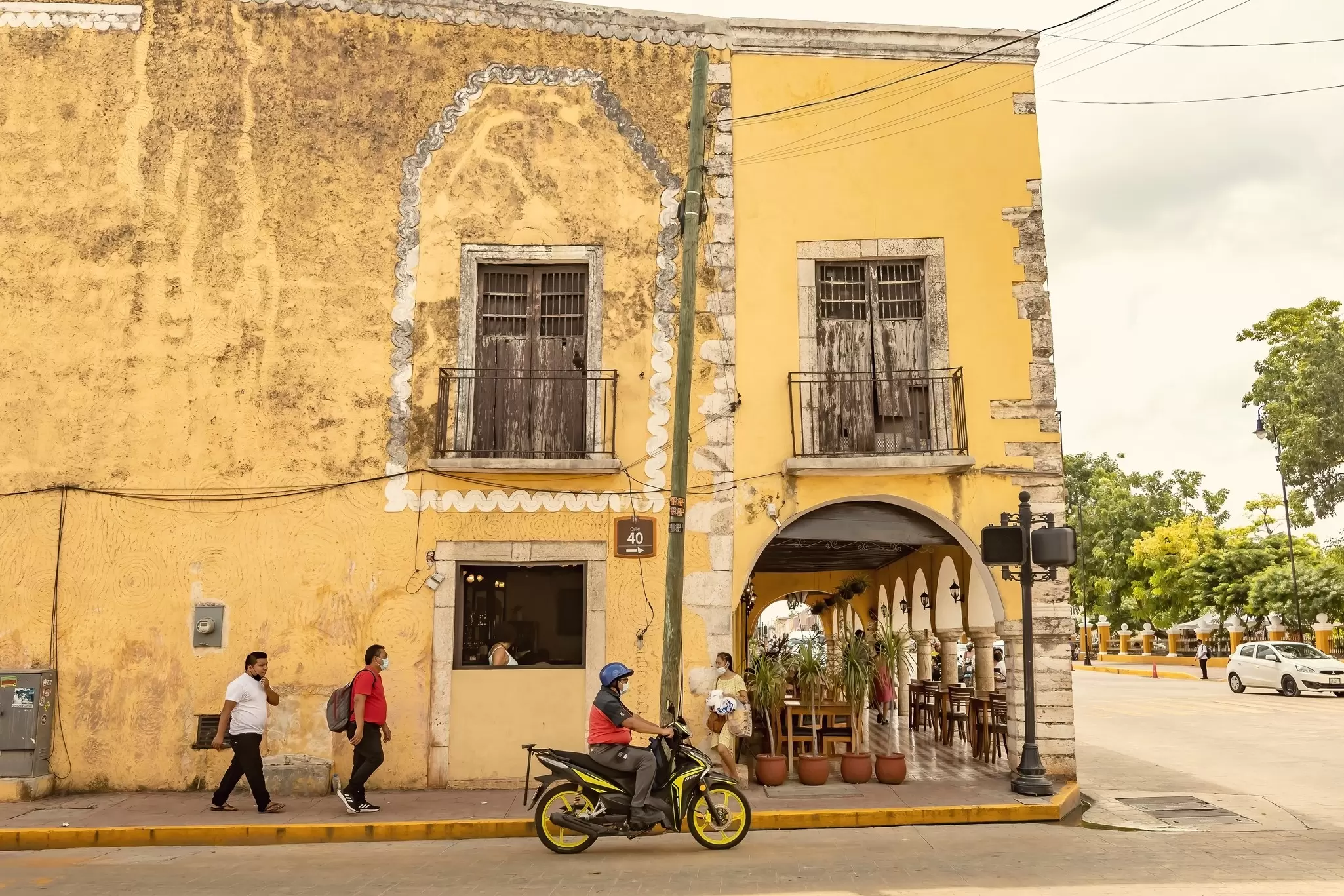
The cobblestone streets of Valladolid are lined with brightly painted buildings dating back to the Spanish colonial era. Vinttage VW Beetles are parked along the curb, and women dressed in huipiles (traditional Maya dress) buy mangoes from stands piled high with fruit. This is a slice of Yucatecan life.
Meander down Calzada de los Frailes, a street draped in bougainvillea and dotted with artisanal boutiques. When it’s time for lunch, order a plate of savory empanadas and a cool agua de jamaica (iced hibiscus tea) at the cozy Tresvanbien. The Templo de San Bernardino, an imposing Franciscan church, is nearby; a self-guided tour includes flaking 16th-century frescos and a cenote where a cache of weapons was uncovered.
As the afternoon heat subsides, Valladolid’s central plaza fills with locals out for a stroll and food carts offering tasty snacks, such as sugar-coated churros and chicharrones (crispy pork rind) doused in hot sauce. Stay until sunset, when folkloric dancers arrive to spin and smile, entertaining those on the pedestrianized street.
How to get to Valladolid from Tulum: Valladolid is 1.5 hours by car from Tulum on a well-maintained road that passes small towns and thatch-roofed communities. Nonstop bus service is also offered several times daily.
Explore related stories