Sep 21, 20268 min read
A Guide to Valle de Guadalupe, MexicoMar 1, 2024
6 MIN READ
Writer
Mark the spring equinox and longer days across the northern hemisphere © Jordan Siemens / Getty Images

Writer
Lonely Planet may earn a commission from affiliate links on our site. All recommendations and reviews reflect our own independent opinions.
Humans have marked the spring equinox for millennia.
A time of symbolic rebirth, its arrival in the Northern Hemisphere in March signifies warmer days and the start of crop preparation, as well as holding religious significance for many.
This equinox is one of only two days a year when the sun crosses the celestial equator, meaning that both day and night last 12 hours (the September equinox is the other).
In anticipation of the event, people throughout history have built sites that align with the springtime sun. Some erected vast stones that wouldn't cast a shadow during the equinox, while others built tombs that would only reveal their secrets when illuminated on the day.
Here are 12 incredible sites to experience the transition from the doldrums of winter to the freshness of springtime during the spring equinox.
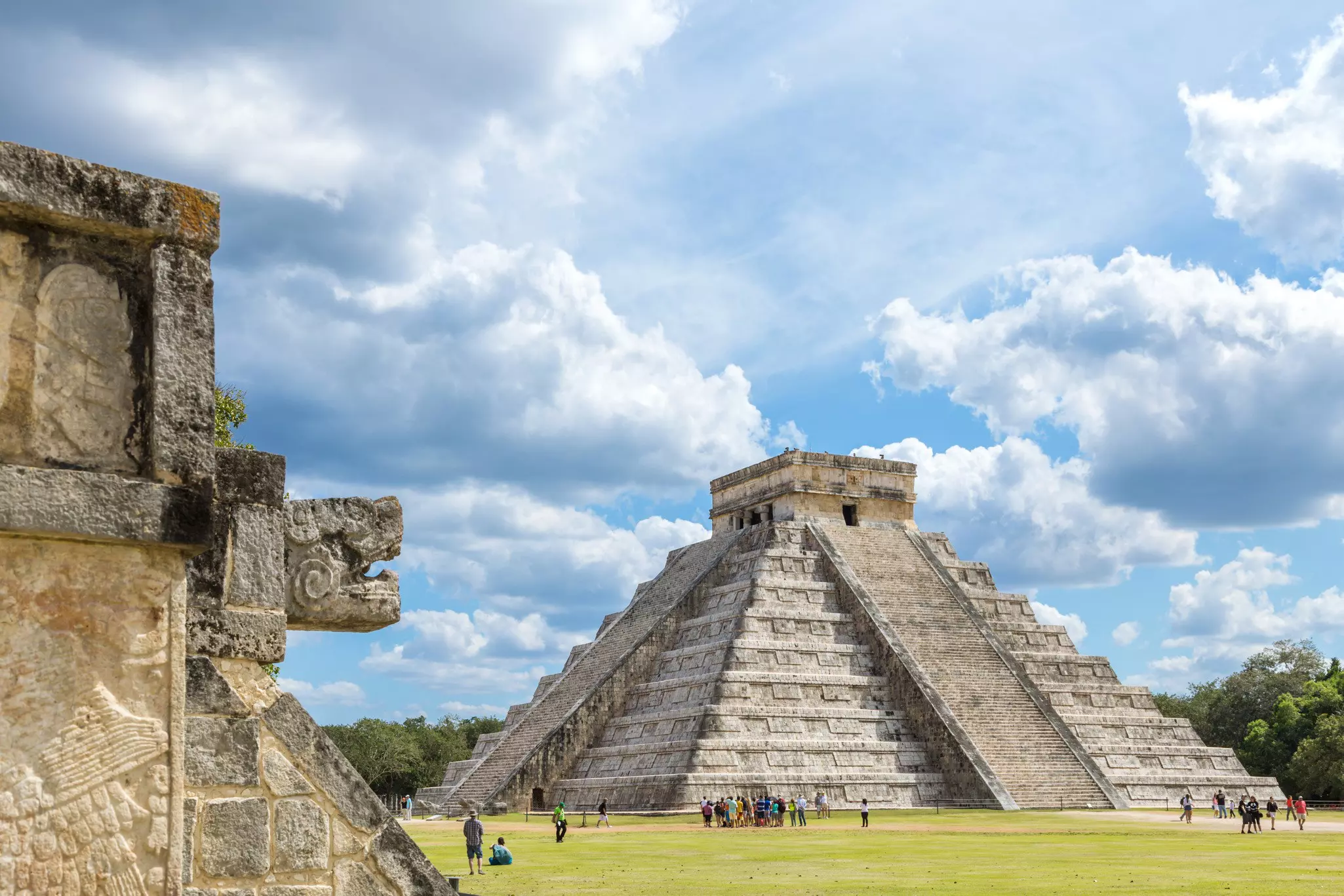
As the largest Mayan temple in the pre-Columbian city of Chichén Itzá, El Castillo (The Pyramid of Kukulkán) rises some 98ft-high (30m) above Mexico's Yucatán jungle. During the spring and fall equinoxes, a shadow slithers along the edge of one set of stairs, creating a 120ft-long (36. 6m) body of a snake whose head is carved in stone at the bottom. It's believed that this display is in honor of the feathered serpent god Kukulkán, who would grant its worshippers health and a good harvest.
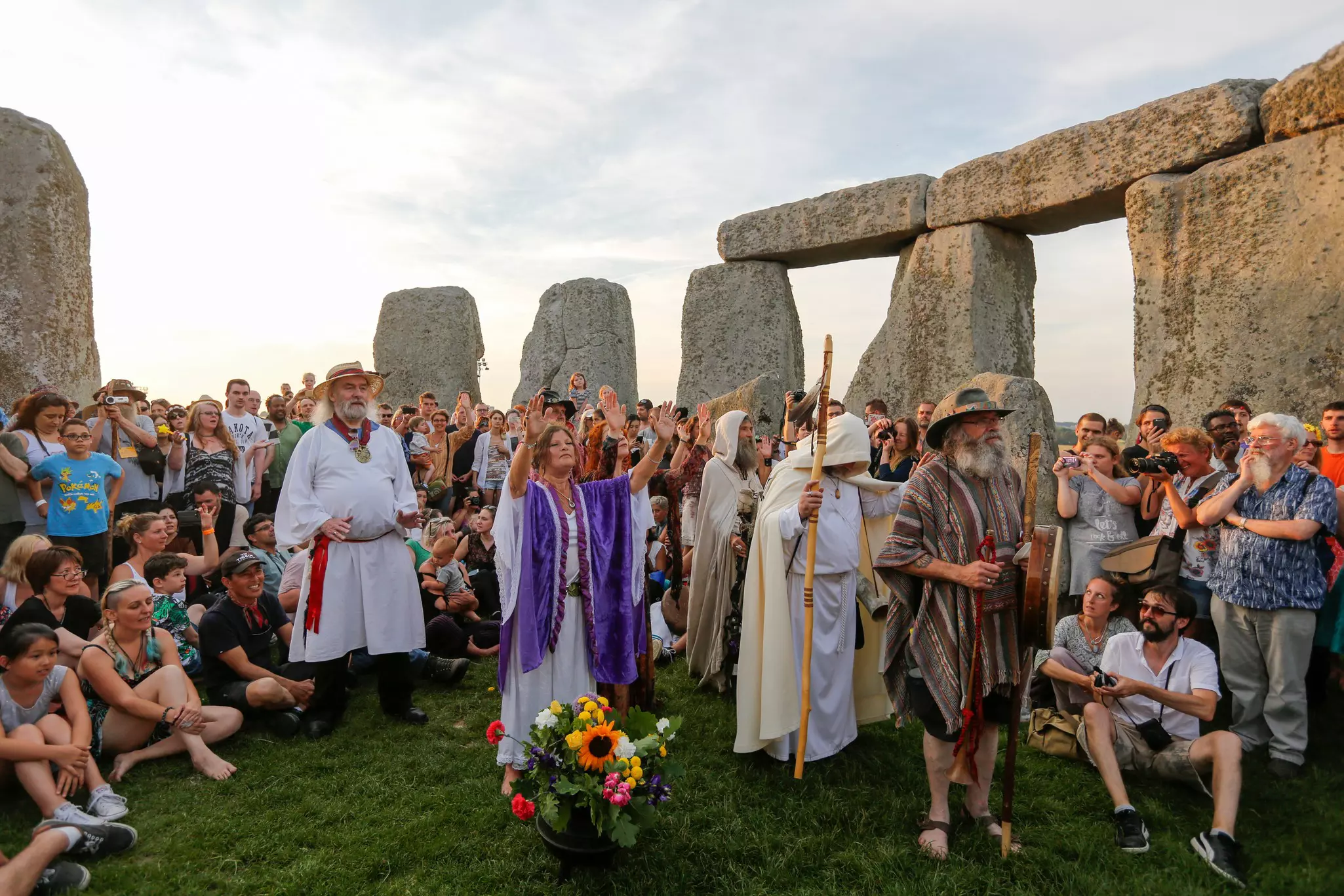
Hauled and dragged for more than 150 miles from Pembrokeshire's Preseli Hills in Wales during the neolithic era, the giant slabs of rock that make up Great Britain's most embolic stone circle still attract thousands of curious visitors each year. The sarsen stones at the center of the site carefully align with the movements of the sun,
Most tourists are unable to enter the inner grounds of this special celestial spot for preservation reasons (although special premium tours are available). However, during the spring and fall equinox and the winter and summer solstice, access to Stonehenge is opened up to the public for free (although you still pay for parking) to celebrate the sunrise. Local druids, pagans, Wiccans, and drummers welcome the new dawn with a rhapsodic cacophony.
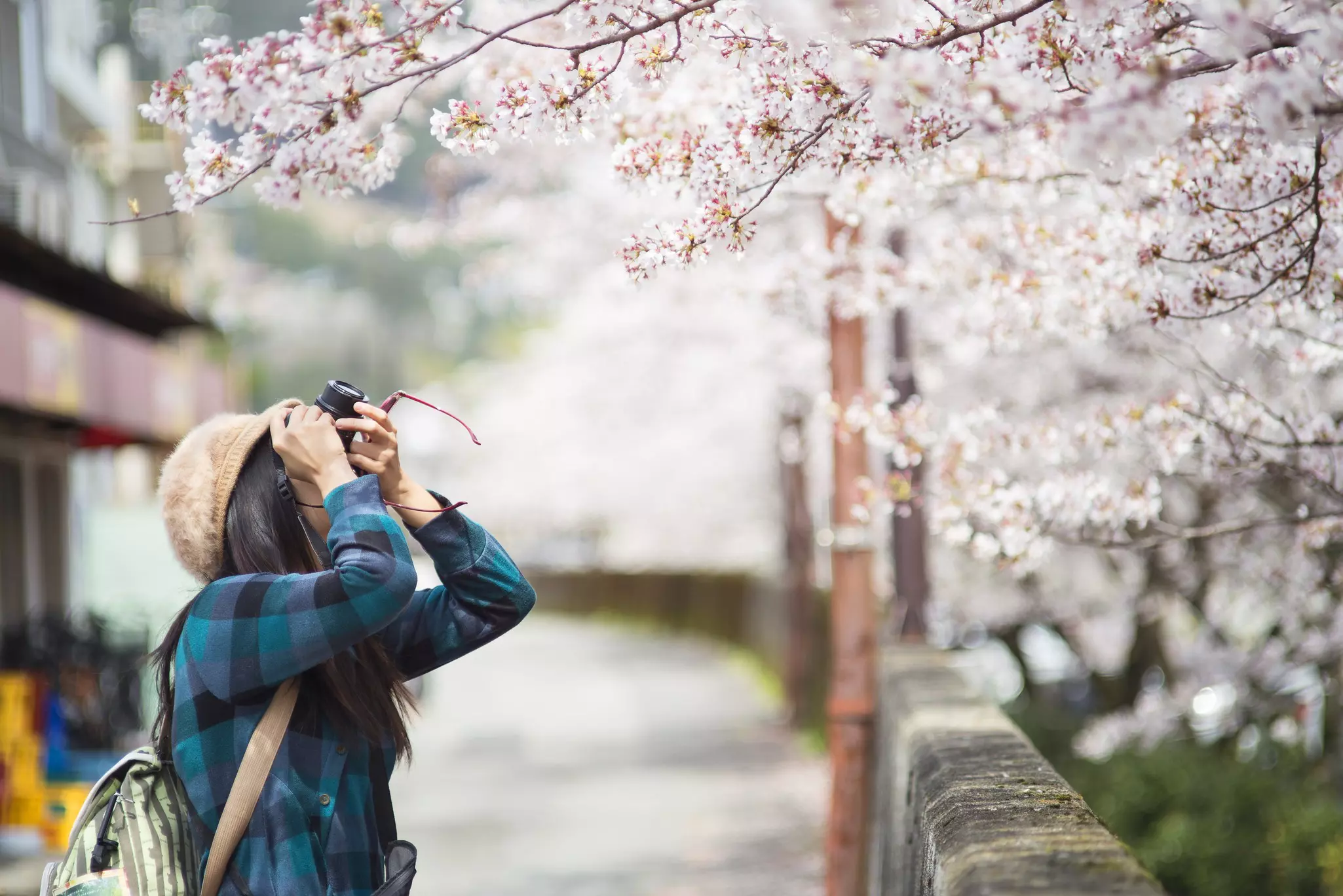
Spring is the season of the cherry blossom in Japan, and every year, the Japanese Meteorological Corporation publishes its predictions for when trees will bloom. In 2024, the season is expected to begin on the spring equinox in Nagoya, moving northward and hitting major cities like Kyoto and Tokyo later in March. Vernal Equinox Day (spring equinox) is also a public holiday in Japan, making it the perfect day to join a hanami (blossom-viewing) picnic.
Located in New Mexico's remote Four Corners region, Chaco Canyon National Historical Park houses a collection of massive structures dating to 850 CE that are considered to be the religious and governmental center of the Ancestral Puebloan world.
Several of the buildings mark significant astronomical events, the most impressive of which is Casa Rinconada, a large hilltop kiva (ceremonial and social chamber). During the spring equinox, the sun climbs the walls and shines through two aligned doorways and into a small niche in the wall.
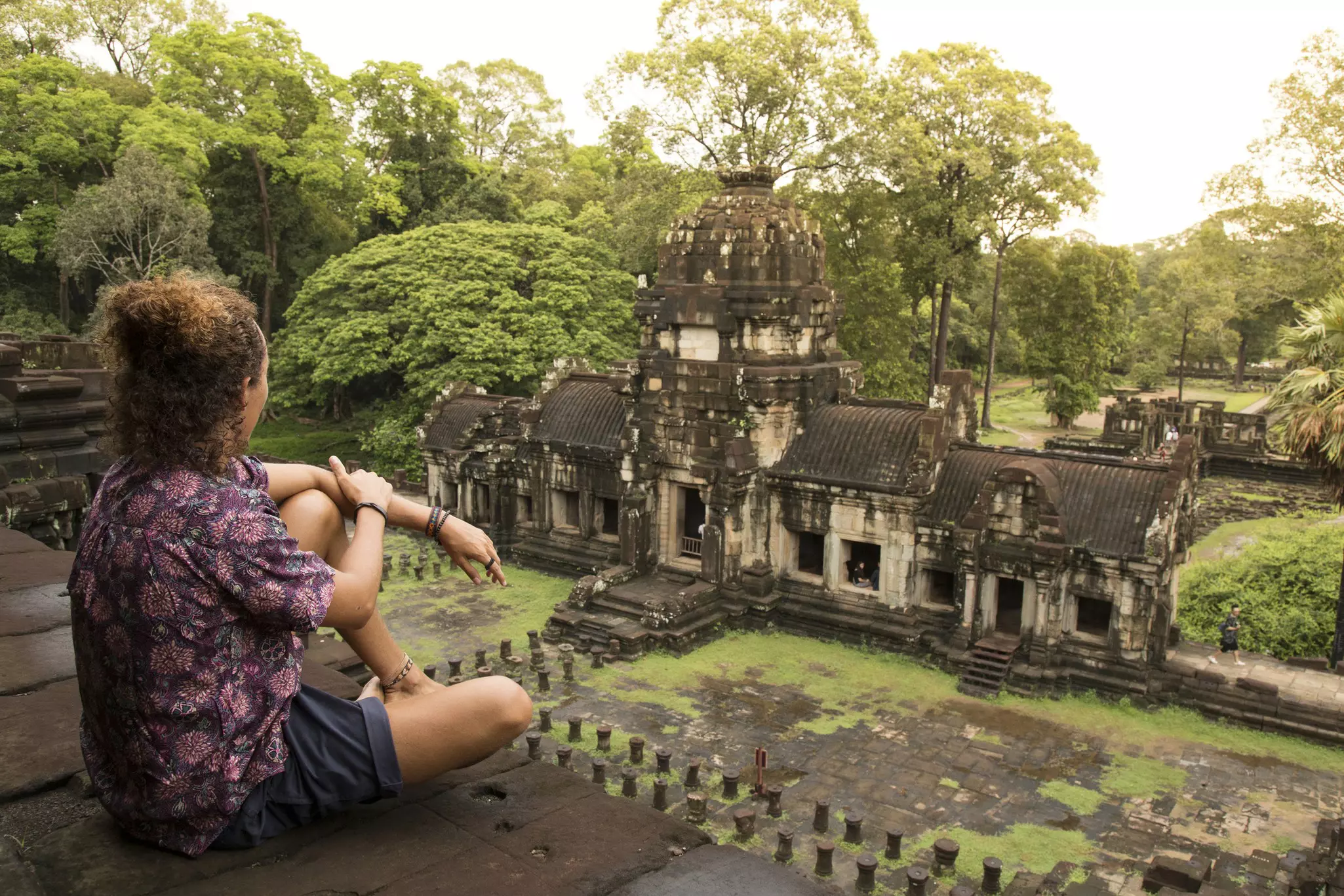
Built in the 12th century as a Hindu temple city and later dedicated to Buddhism, the 402-acre Angkor Wat temple complex is the world's largest religious site. At dawn on the spring equinox, the sun rises directly behind its 65m-high center tower and casts the entire temple in silhouette against the lightening sky.
Spiro Mounds Archaeological Center is an 80-acre site in rural Oklahoma near the Arkansas River that was a major political and religious meeting place for the Northern Caddoan Mississippian people between 700 and 1500 CE.
Large earthen mounds were burial chambers for those of high status, with remains and artifacts recovered during the 1930s excavations. On the spring equinox, the sun rises directly behind Mound No. 2 when standing at the main temple.
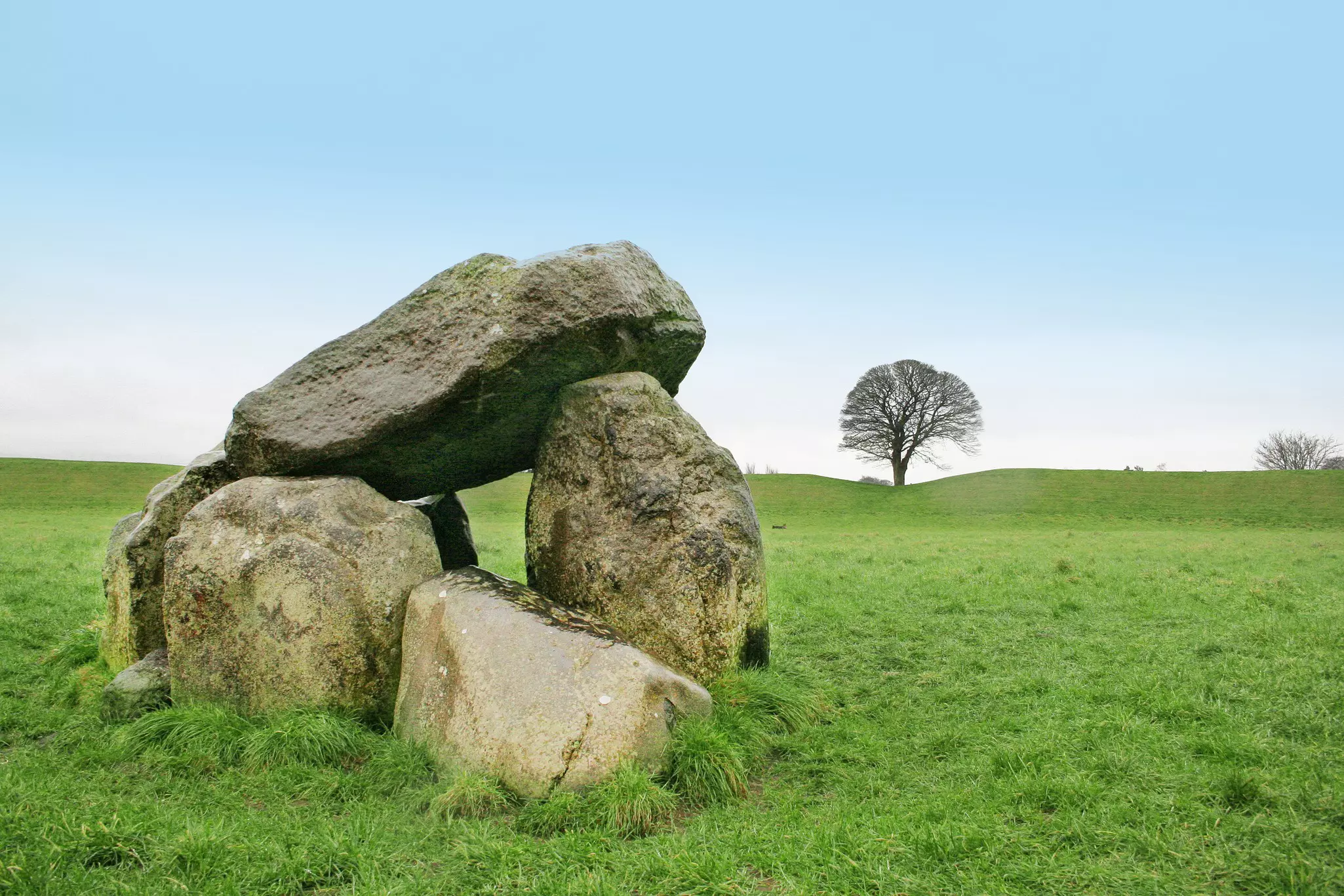
Located near Sligo town on the Cúil Íorra Peninsula, Carrowmore Megalithic Cemetery is Ireland's largest megalithic cemetery. Visitors can explore more than 35 passage tombs, many of which are nearly 6000 years old. During the spring equinox, the sun rises from behind a saddle in the Ox Mountains and illuminates the tombs which are oriented to the equinoxes.
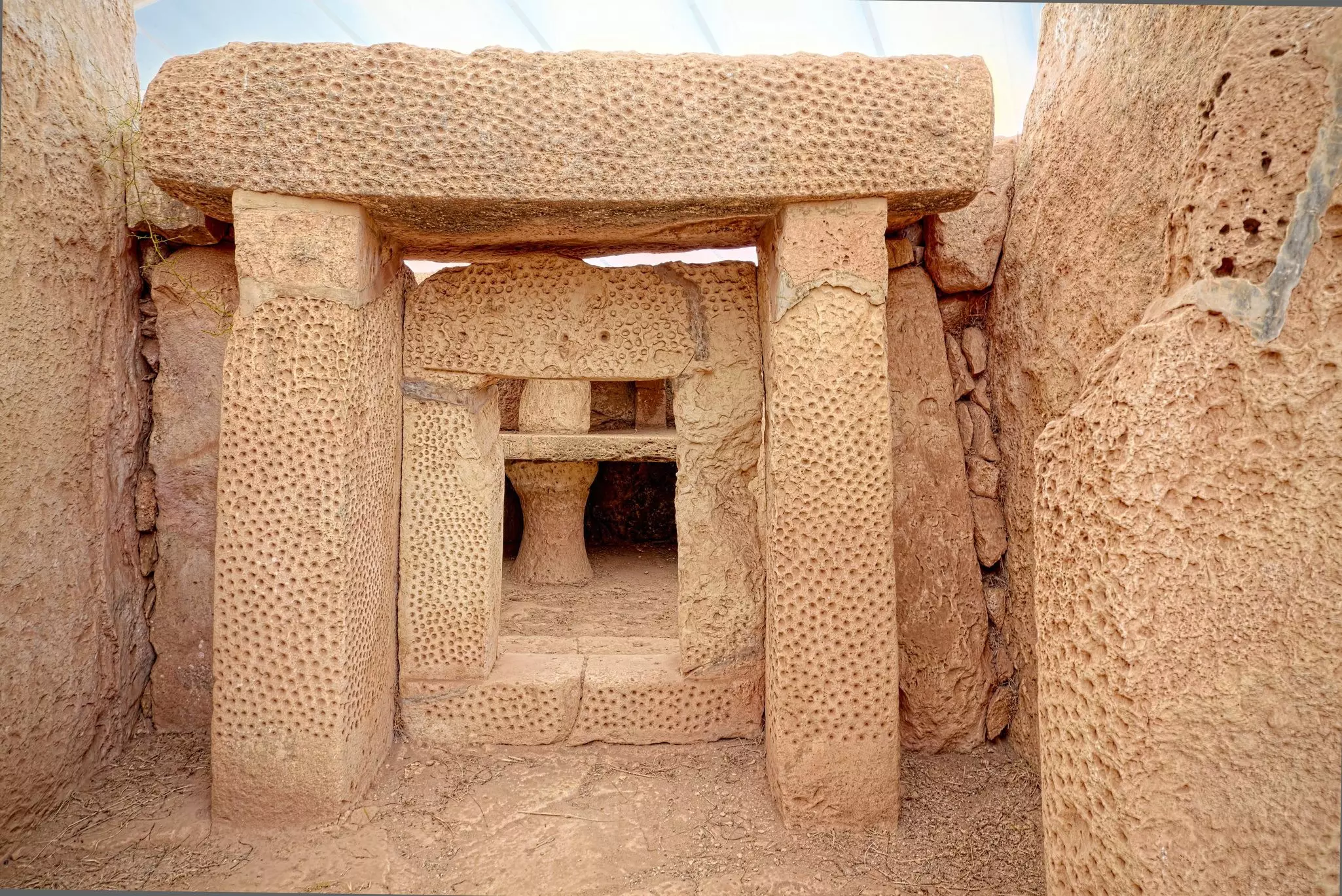
Mnajdra, a megalithic temple built circa 3600 BCE, sees the morning sun of the spring equinox shine directly through the main entrance down the length of the site and into a recessed shrine. This happens during the fall equinox as well, with sunlight during the solstices falling to the left or right of the shrine through the perfectly-angled placement of the entrance corridor.
At the Palace of Quetzalpapálotl in Teotihuacán, Mexico's biggest ancient city and likely capital of the country's largest pre-Hispanic empire, the morning equinox light casts a shadow that travels up a feature depicting solar and lunar symbols, such as owls. While you're no longer allowed to climb the Pirámide del Sol (Pyramid of the Sun), you can admire this sacred moment from the ground.
Cromlech of the Almedres consists of two stone circles and more than 95 granite boulders that date to 6000 BCE, making it among the oldest known megalithic sites in the world – thousands of years older than Stonehenge.
Situated on an east-facing hill slope 9 miles west of Évora, on the morning of the spring equinox, the sun rises along the axis of the monument, casting in-line shadows of the stones.
Basilica San Petronio in Bologna is not just Europe's sixth-largest church, but also one of the world's largest solar observatories. This 14th-century Gothic structure houses Cassini's Meridian Line, a 219ft, brass and copper rail in the floor of the church's left aisle. It was inlaid by astronomer Giovanni Cassini in 1655. A one-inch hole in the ceiling 88ft above allows a ray of sunlight through, and every day at noon, sunlight hits the line somewhere along its length, depending on the time of year.
At noon of the spring equinox, the light perfectly hits its mark on the floor. Considering that Easter falls on the first Sunday after the first full moon following the spring equinox, it was important to know exactly when the spring equinox took place. This served a religious purpose, but turning the cathedral into a solar observatory also greatly contributed to science.
At Loughcrew Cairns in County Meath, the spring equinox sun shines directly into the passage tomb known as Cairn T, illuminating a flat boulder covered in petroglyphs. While it's a popular day to visit, the spectacle lasts at least 45 minutes, so you should get a chance to see it from inside if you arrive before sunrise and join the queue.
Explore related stories