Mar 31, 20266 min read
8 Things to Know Before Traveling to BelgiumSep 15, 2025
12 MIN READ
Contributors
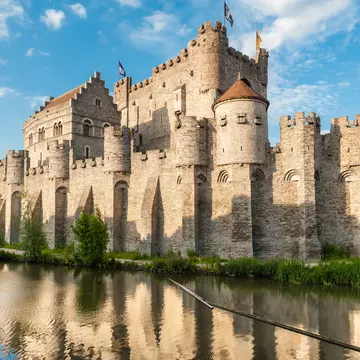
The Gravensteen medieval fortress once played host to the Ghent Altarpiece. Thomas Dekiere / Shutterstock

Contributors


Mélissa Monaco, Lonely Planet Editors
Highlights
Contributor Mélissa Monaco picks 13 Belgium experiences, from castles to Manneken Pis.
Taste 2000 beers at Brussels' Delirium Café, then try fine pralines and fresh waffles.
Art lovers should see the Ghent Altarpiece, then follow Brussels' comic-book mural trail.
Pedal Flanders' cycling routes, linger at Bruges' Markt or trace Brussels' art-nouveau facades.
Lonely Planet may earn a commission from affiliate links on our site. All recommendations and reviews reflect our own independent opinions.
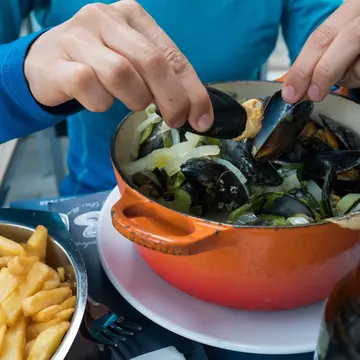
Think of Belgium, and you might think of golden beers, decadent chocolates and fluffy waffles. And though you should – this is a land of true culinary delights – Belgium’s charms extend far beyond the realm of gastronomy.
Sandwiched between some of Europe’s mightiest states, the country has a rich and complex history – one that has left it with more castles per square kilometer than anywhere in the world. Its art institutions hold their own with those of anywhere else in Europe. Yet in few other places can you find such quirky visitor attractions as comic-book murals and peeing statues.
Among all these options, we’ve whittled down this list of the very best things to see, to do and – crucially – to taste in Belgium.
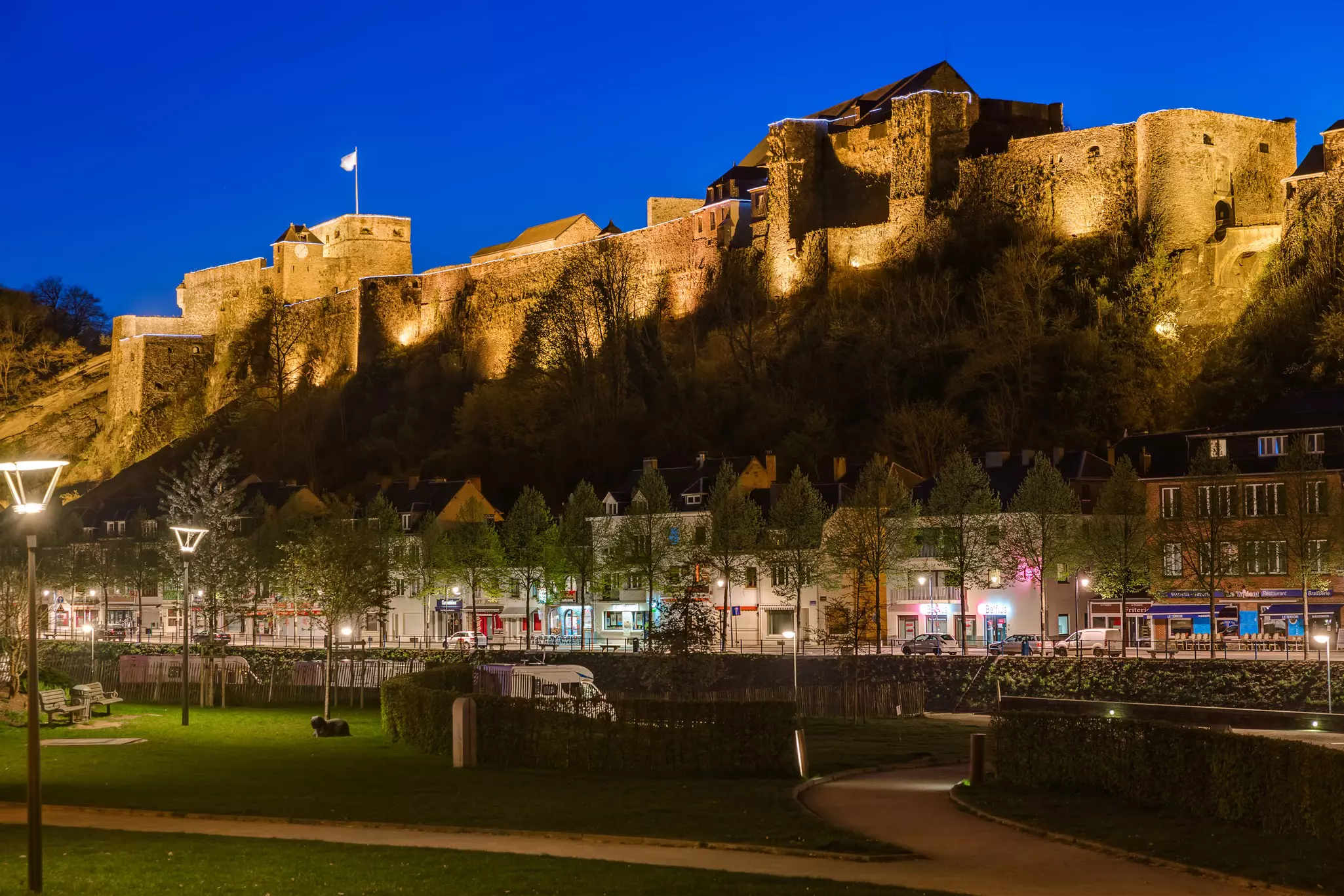
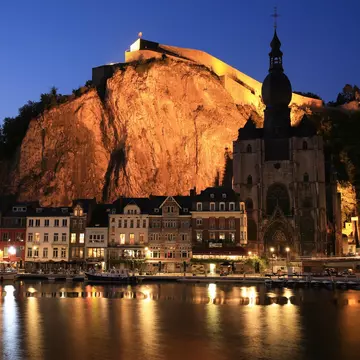
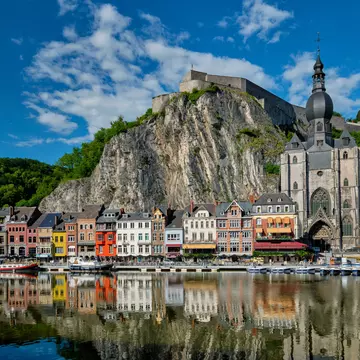
With examples dating from the Middle Ages to the early 20th century, Belgium is simply awash in castles. Bouillon Castle in the Ardennes is one of the oldest in the country, dating all the way back to 988. Ghent’s imposing Gravensteen, the onetime seat of the counts of Flanders, is another famous example of medieval Belgian architecture. And though the Citadelle de Namur was largely reconstructed in the 19th and early-20th centuries, it’s not hard to imagine the effect its original fortifications might have had on medieval invaders.
Yet nothing might beat the romanticism and grandeur of the Château de Beloeil in Hainaut. With its extensive French gardens and illustrious history, the château dates to the 15th century, and was beautified and rebuilt several times over the centuries by the de Ligne family, who still reside on site. The opulence extends to the castle’s numerous works of art (paintings, tapestries, a collection of antique Chinese vases, precious furniture...) and its 20,000-book library.
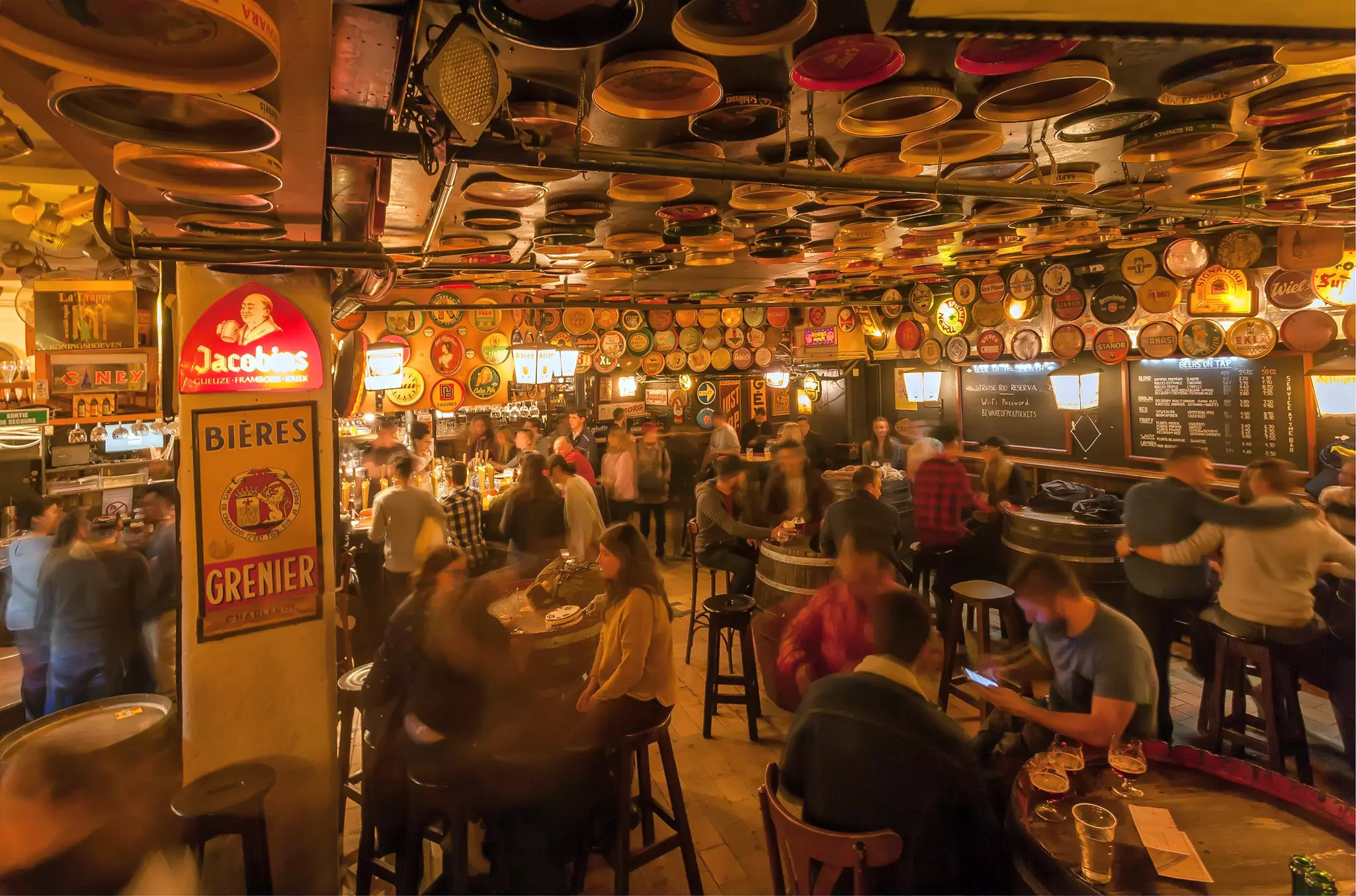
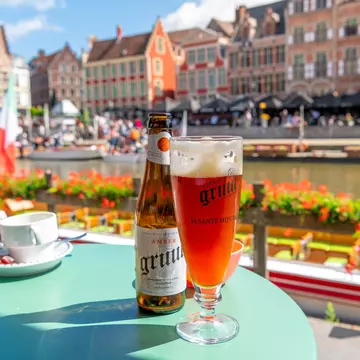
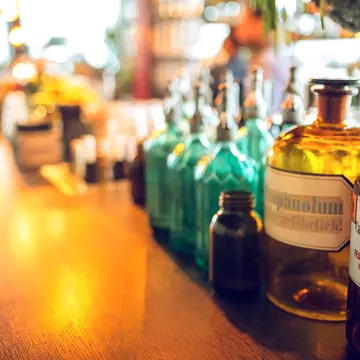
It’s a small country, yes – but Belgium boasts over 400 active breweries, crafting everything from monk-produced Trappist beers to spontaneously fermented sours like gueuze.
Since your first taste of Belgian beer will likely come at a bar, you can’t go wrong starting at the world-famous Delirium Café in Brussels, which offers over 2000 different beers for you to choose from.
You can enjoy a more intimate, more local taste of the country’s drinking culture at Le Coq, the Brussels version of a Flemish “brown cafe, ” a genre of watering hole defined by a cozy atmosphere and dark-wood paneling (hence the name). There’s nothing fancy here: just a long list of classic beers and an ever-changing addition of craft brews. Find a seat – preferably at the counter – among the locals, and you’ll start a conversation in no time.
Consuming dark chocolate is scientifically proven to help against depression. (Look it up!) Luckily, Belgians have perfected the science of chocolate making to an art.
In Antwerp, Dominique Persoone’s Chocolate Line will – to put things in purely technical terms – blow your socks off. Persoone didn’t earn his nickname of “punk chocolatier” for nothing: his skull-shaped Deadly Delicious pralines (cream or mousse-filled bonbons) mix forest fruits with hazelnut praline and violet feuilletine, while his homage to British culture, Peas and Mint, is a dark chocolate shell filled with chocolate ganache and sourdough infused with mint, then decorated with…peas.
Local tip: You don’t need to buy a whole box: just ask for a selection of chocolates by the piece.
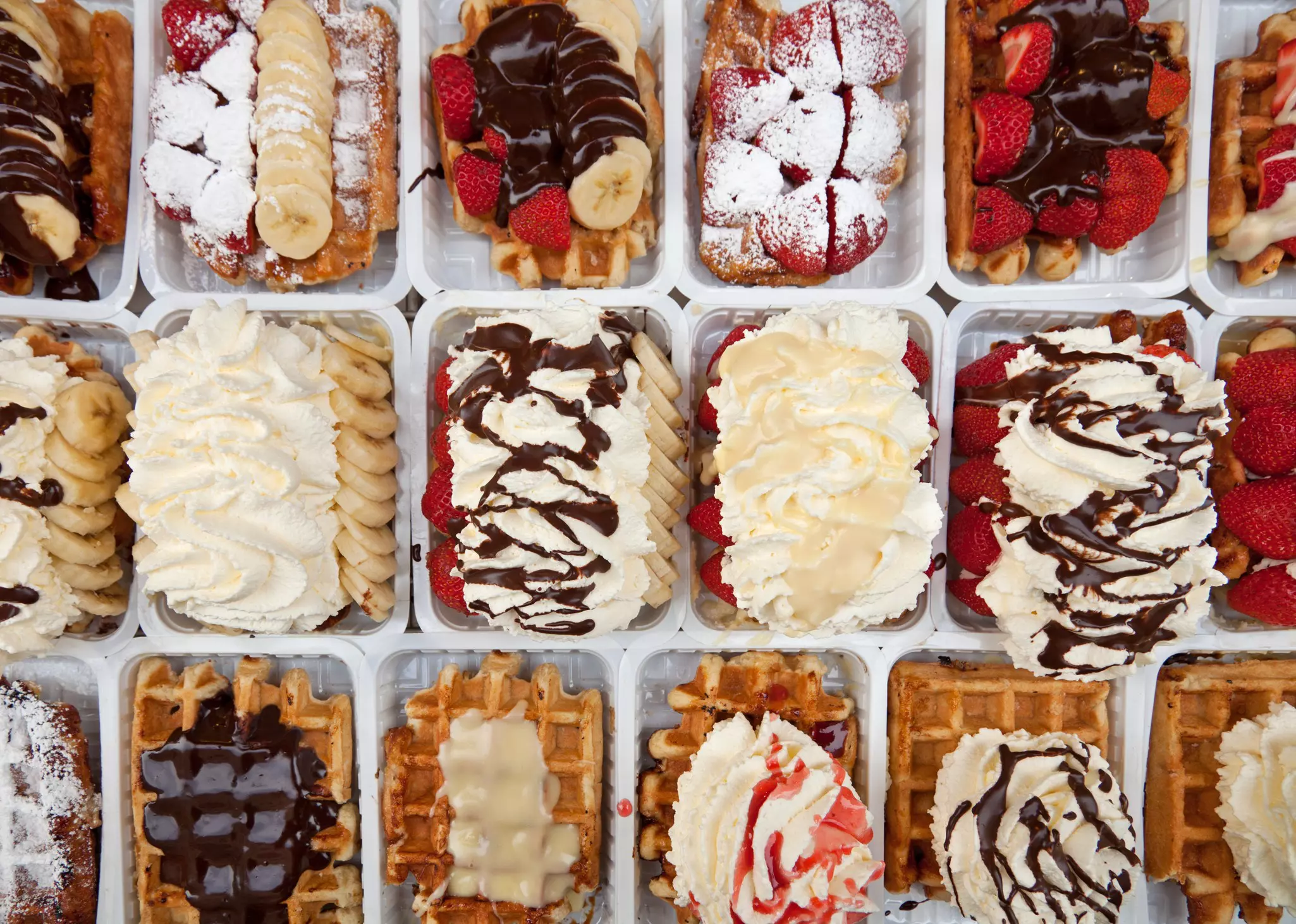
No roundup of Belgian gastronomy would be complete without waffles, of which there are two varieties. Round and heavy and made with caramelized sugar, the Liège waffle is commonly sold at snack stands or from food trucks, and comes with no toppings.
Rectangular, light and airy but slightly crunchy on the outside, the Brussels waffle has deep pockets that are perfect for toppings such as powdered sugar, whipped cream, chocolate sauce or pieces of fruit.
Local tips: In Brussels, Le Funambule is the place to go for Liège waffles. In the seaside town of Blankenberge, t’Koethuis makes perhaps the best Brussels waffles in the country, with a slightly caramelized outside and intense vanilla taste. Paired with thick homemade whipped cream, it’s sheer heaven.
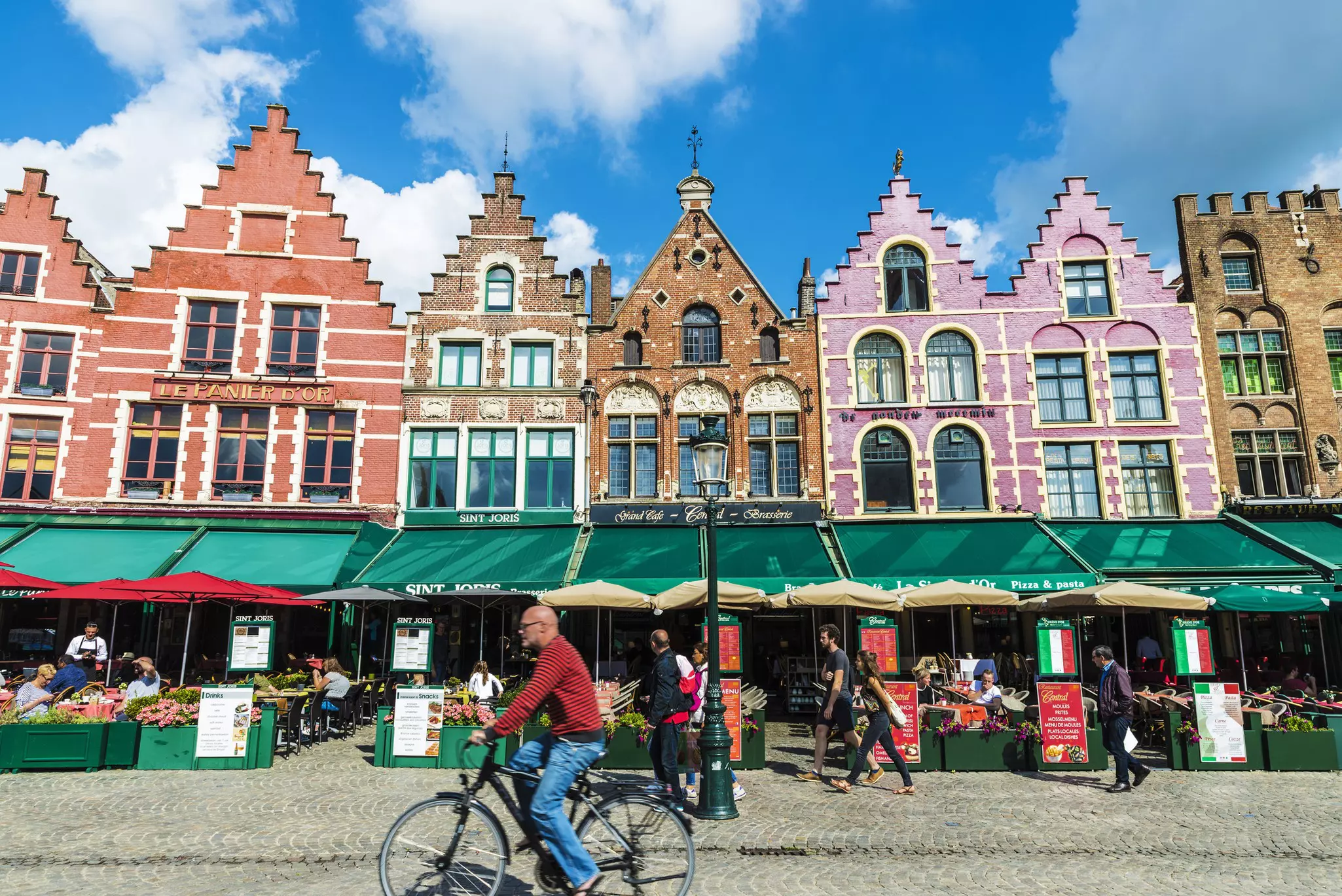
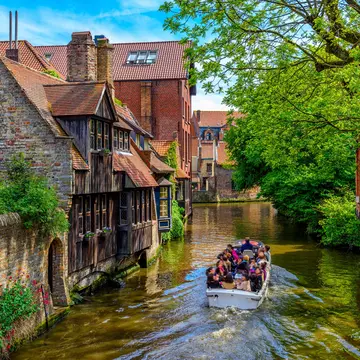
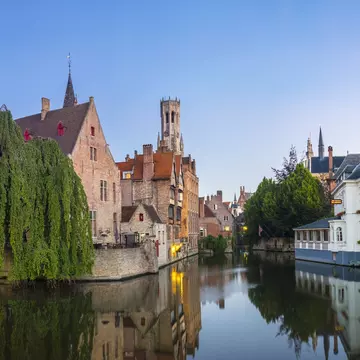
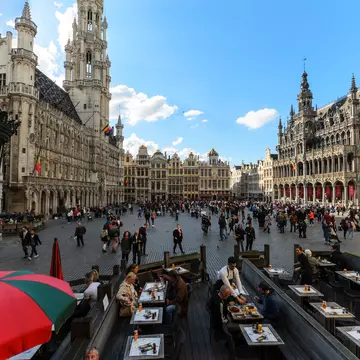
Markt in Bruges is a medieval masterpiece – and few European plazas outdo this glorious, car-free square for sheer good looks. A poster child for Belgium, Markt has a bit of Hollywood pizzazz to it – all tall, step-gabled guild houses, glinting neo-Gothic facades, and slow, clip-clopping horse-and-carriage rides. True, some of the buildings may not be as timeless as their restored glory suggests, but effectively little has changed about the space since the first market took place here in 958 CE.
It’s hard to miss the Belfort, in the northwest of the square. Finished in 1486, this 83m-high octagonal tower was the dominating skyscraper of its day – and so it remains. Grab a coffee from one of the nearby terrace cafes and admire it all.
Occupying a 30-acre former industrial site 30km east of Antwerp is one of Europe’s largest private contemporary-art initiatives. The Verbeke Foundation’s interactive, indoor-outdoor exhibits illuminate – then blur – the boundaries between art and science, in the context of humanity’s relationship to nature. The sheer volume and nature of the collection defies easy description; exhibits range from a larger-than-life fiberglass cat’s anus, which you can sleep in for the night, to “living” eco-art and commentaries on US presidents.
Local tip: Since one of the foundation’s mottoes is “copyright is for losers, ” you’re free to photograph whatever you like and are encouraged to share your experiences and reactions to this unforgettable, privately funded collection.
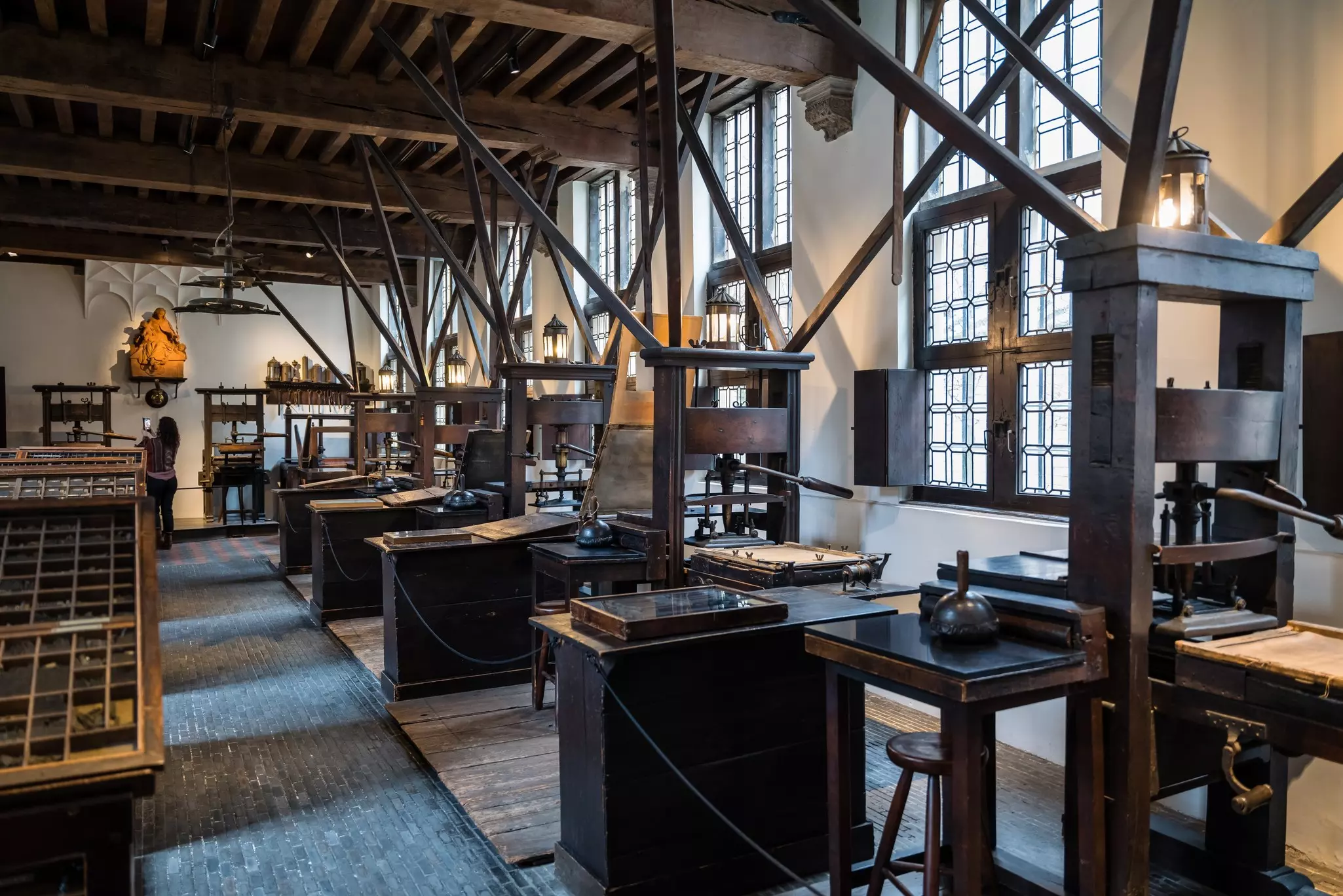
In the heart of Antwerp, this medieval building and courtyard garden from 1622 would be worth visiting for their harmonious beauty alone. Yet it's what lies inside – the world’s two oldest printing presses, priceless manuscripts and original type sets – that justify this museum’s UNESCO World Heritage status. A museum since 1876, the complex has other cultural highlights, too, including a 1640 library, a bookshop dating from 1700 and rooms lined with gilt leather.
Local tip: The valuable painting collection here includes works by Pieter Paul Rubens, a family friend of printer Jan Moretus. There are also fascinating examples of books published by Moretus with text by Philip Reubens and illustrations by his famous artist brother.
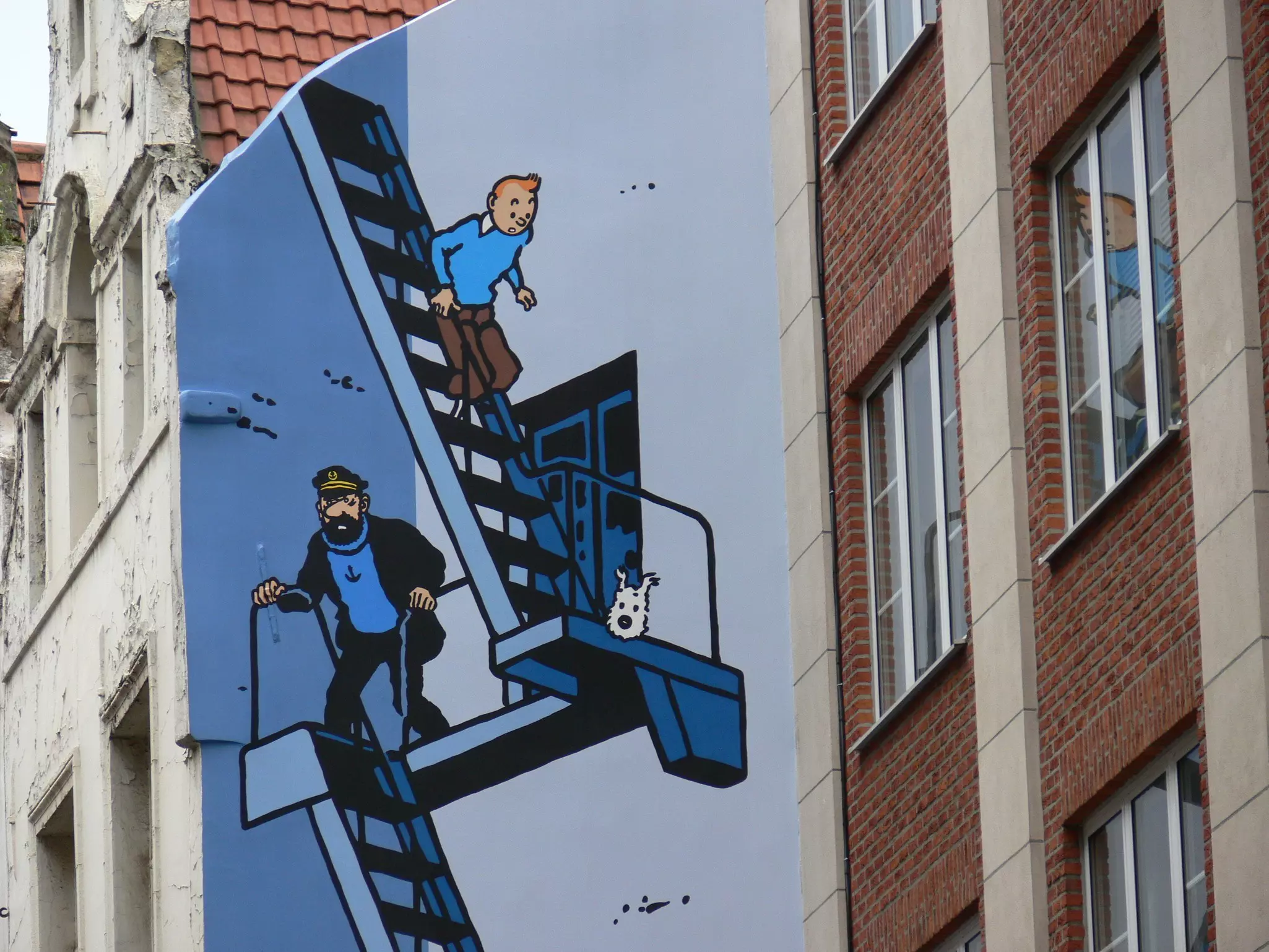
Since the birth of the medium, Belgians have had a passion for comic books, and the country has been a powerhouse of comic creation. Heard of Tintin and the Smurfs? Belgian comics go much, much further than these iconic characters.
In Louvain-la-Neuve, the inventive and touchingly nostalgic Musée Hergé celebrates Tintin’s multitalented creator through an engaging, inventive and extensive display. Highlights include numerous models, pictures and source materials assembled by the artist to ensure the accuracy of his sketches. (The museum’s unique architecture also stands out, with a central “light chasm” filling the multistory, geometric structure.)
In Brussels, you can see favorite comic characters in unexpected contexts during a self-guided comic-book walking tour, with different trails showcasing the city’s many eye-catching murals. If you’d like to delve deeper into comics culture, visit the Comics Art Museum, a celebration Belgian comic-book artists past and present housed in a stunning Victor Horta–designed building.
Local tip: At the Musée Hergé, look for the triptych portrait of the artist by Andy Warhol, who cited Tintin as an influence on his own pop art.
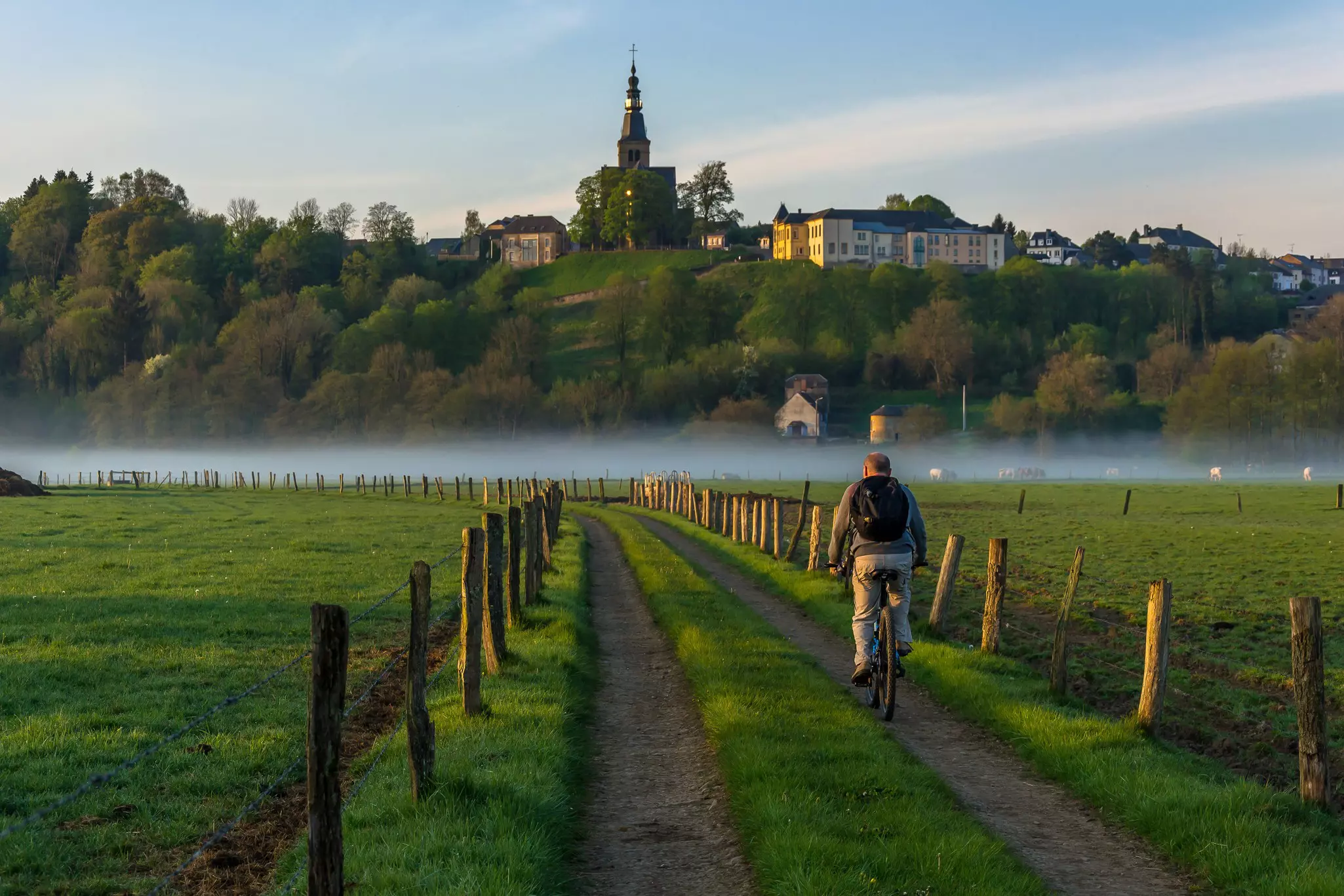
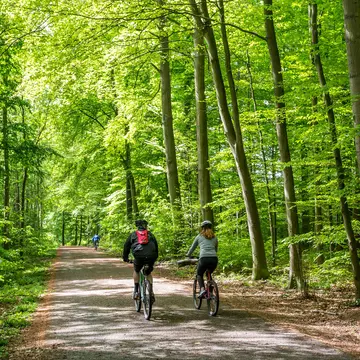
Gear up to hit the road in the homeland of cycling legend Eddy Merckx. Cycling is a real pleasure here, especially in Flanders, where the terrain is quite flat.
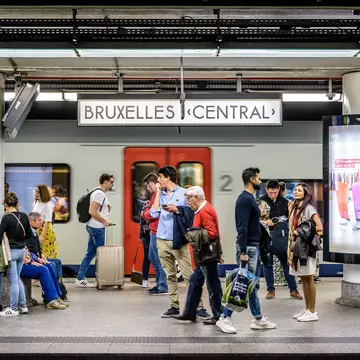
Whether you bring your own bike or rent one (major city train stations have a Blue Bike rental office), both Wallonia and Flanders are covered by a network of cycling “nodes.” This system of numbered junctions guides riders along safe and picturesque routes, allowing them to create their own journeys.
If you want to follow an established itinerary, a great option is exploring World War I sites with one of the 12 Flanders fields routes. Belgium saw some of the fiercest combat during that awful war, with over a million soldiers from 50 different countries wounded or killed in action.
Planning tip: The Legacy route passes through the site of the particularly brutal Battle of Passchendaele in 1917, as well as the Memorial Museum Passchendaele 1917.
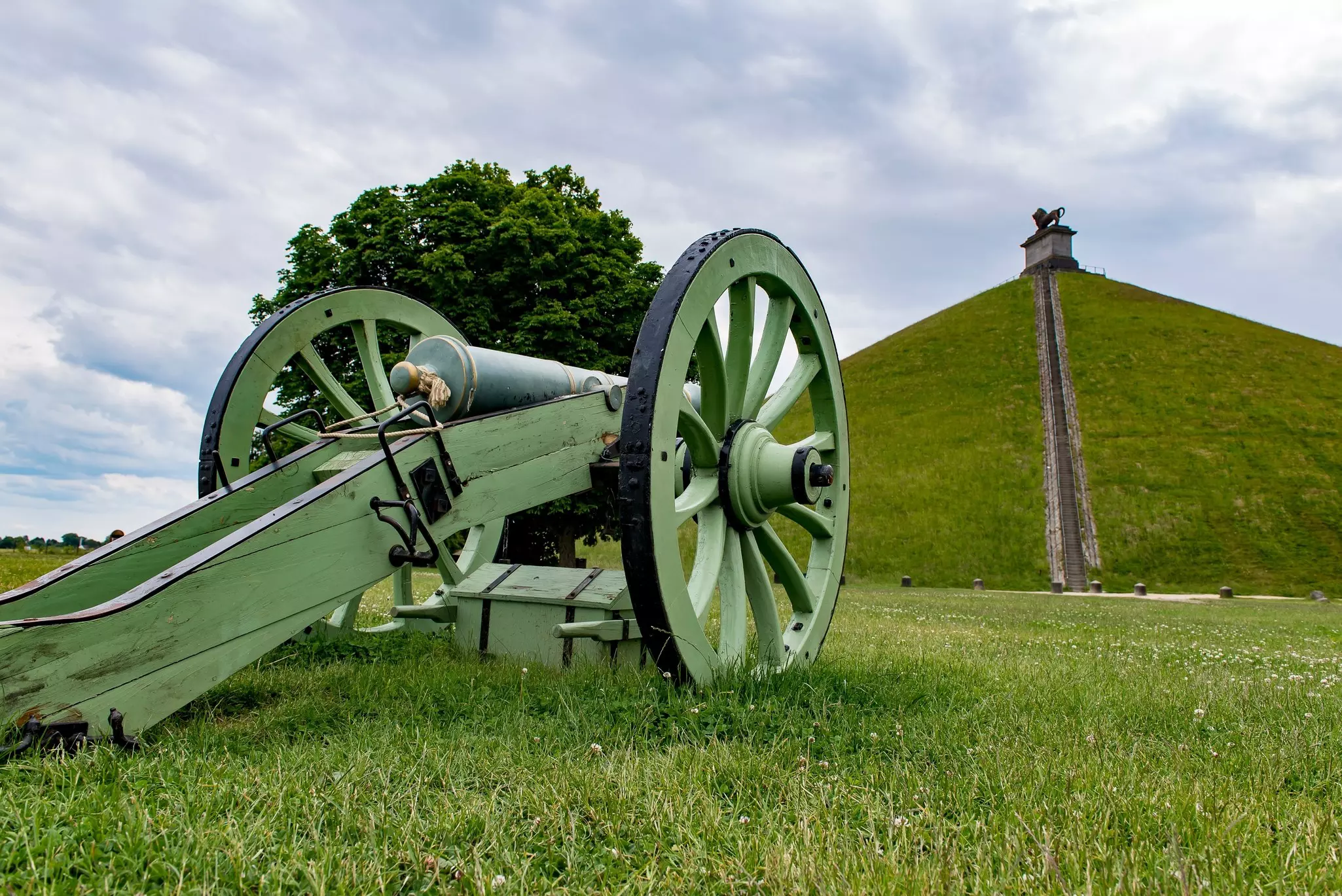
With its strategic location between central Europe and the ocean, Belgium was a key province of larger empires for centuries, with foreign armies having invaded, crossed over, conquered and fought over the country’s territory on numerous occasions. Sites across the country bring this rich and often tragic history to life in various ways.
Memorial 1815 is a showpiece underground museum and visitor center at the battlefield of Waterloo, with an impressive 3D film that sticks you right into the middle of the cavalry charges as Napoleon made his last stand. The superb Mons Memorial Museum covers that city’s experience of the two world wars, getting the balance just right between military history, personal testimony of civilians and soldiers, and thought-provoking items on display.
No museum gives a more balanced yet moving and user-friendly introduction to WWI history than the In Flanders Fields Museum, which combines soundscapes, videos, well-chosen exhibits, and interactive learning stations at which you “become” a character and follow his or her progress through the wartime period. And the Bastogne War Museum takes you into the heart of WWII, with an audio guide featuring four imagined voices of civilian and military witnesses/participants taking visitors through the Battle of the Bulge and defense of the region.
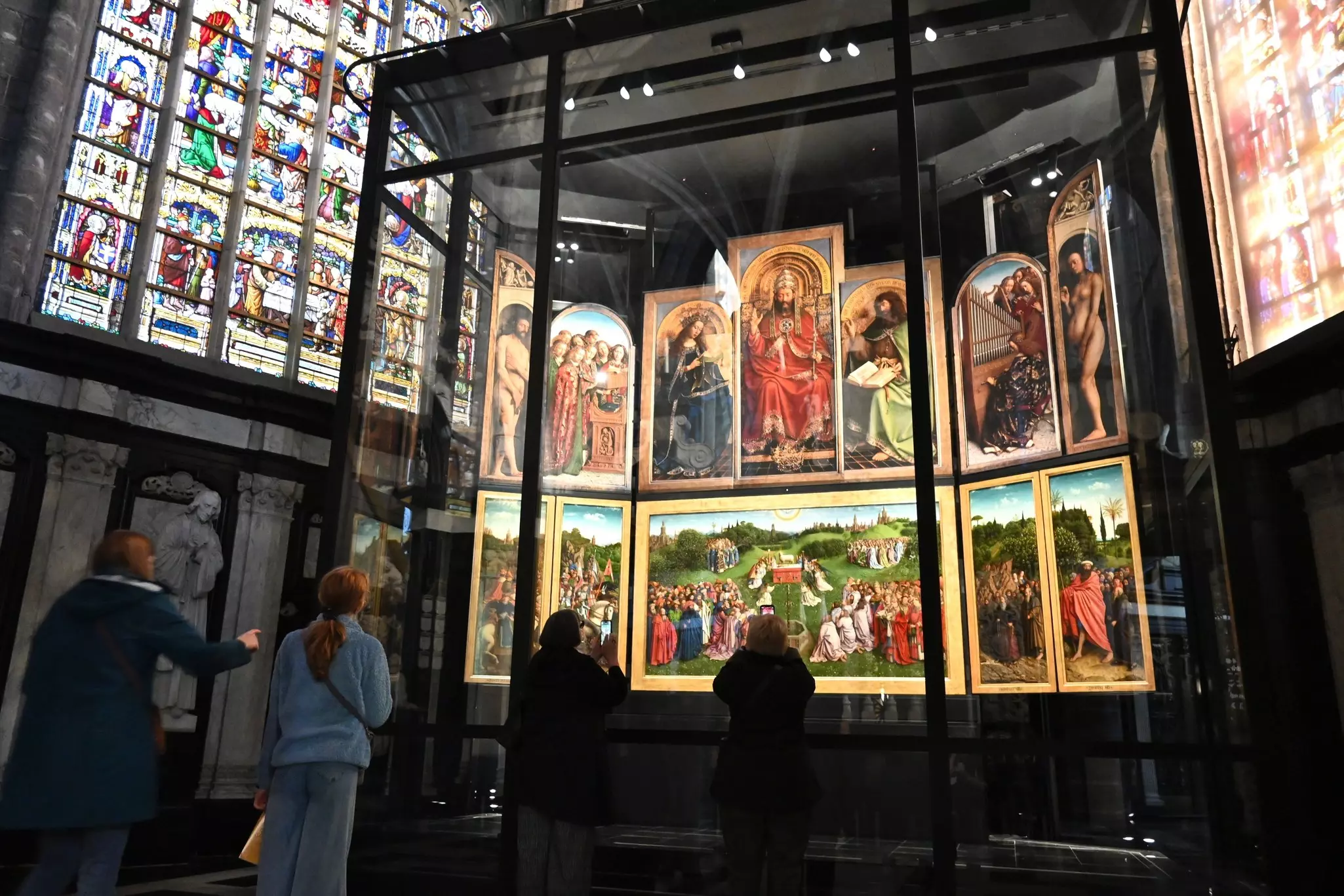
Art enthusiasts swarm Sint-Baafskathedraal in Ghent to glimpse The Adoration of the Mystic Lamb (De Aanbidding van het Lams God), an extraordinary masterpiece (better known as the Ghent Altarpiece) by Flemish artists and brothers Hubert and Jan van Eyck. Completed in 1432 and composed of a full 20 panels, the work is one of the world’s earliest known oil paintings – and a lavish expression of medieval religious thinking.
The work is packed with biblical allusions, allegorical motifs and representations of Christ, the Virgin Mary, John the Baptist, Adam and Eve, and dozens of other figures. Rich colors and realistic details can be seen in every square inch of the painting – and even a few minutes of admiring the work will help visitors understand why it’s so seminal in European art history.
Brussels’ most famous citizen is Manneken Pis (the “little peeing boy”). Originally a fountain, this bronze statue has graced the city’s streets since 1619 (although the one we see today is a replica, the original residing at the Brussels City Museum). The little imp even has its own wardrobe, with visitors having offered more than 1000 costumes on various occasions. No visit to Brussels is complete without paying him a visit.
Since Manneken is very close to the Grand Place, you’ll find the work surrounded by throngs of tourists (you won’t be able to miss it). But did you know he has a little sister? Just in front of Delirium Café, Jeanneke Pis squats in perpetuity to relieve herself, while Zinneke Pis depicts a dog urinating on a post.
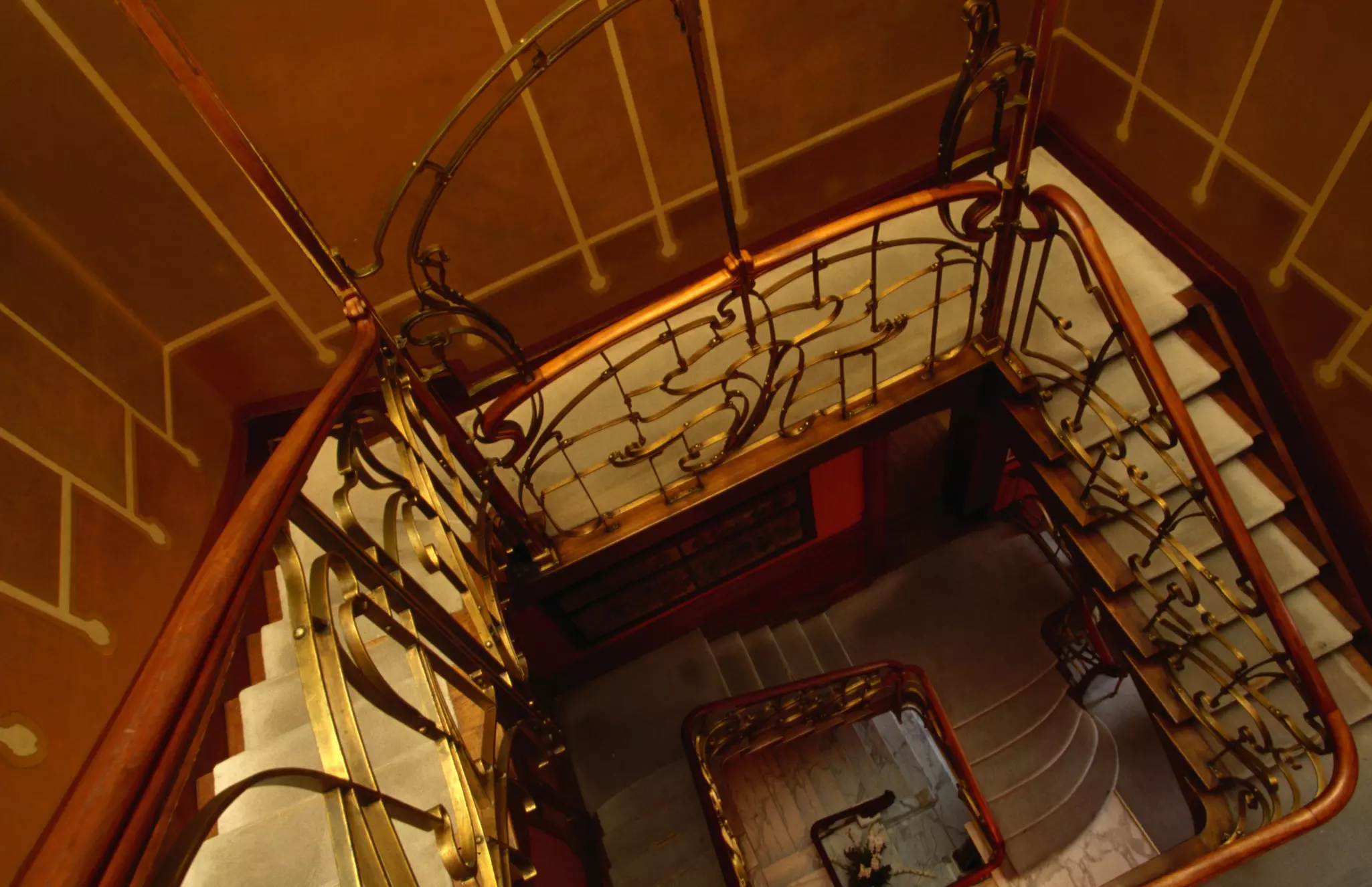
All curves, twisting steel vines and floral flourishes, art nouveau is hard to resist. And the late-19th-century movement may have reached its apogee in Brussels, where some of its best architectural examples continue to define the city’s style.
A onetime department store, the 1899 Old England Building features a black facade aswirl with wrought iron and arched windows. (You can access the building’s rooftop cafe and terrace thanks to its current tenant: the MIM music museum, which celebrates music in all its forms.) A short walk away is the Galeries St-Hubert, which opened in 1847 as Europe’s very first shopping arcade. Many enticing shops lie behind its neoclassical glassed-in arches flanked by marble pilasters, with several eclectic cafes spilling tables onto the gallery terrace, safe from rain beneath the glass roof.
Perhaps no one pushed art nouveau to more refined heights than Belgian architect Victor Horta. While its austere exterior doesn’t give much away, the master’s former home (designed and built 1898–1901) is an art nouveau jewel. The stairwell is the structural triumph of the house: follow the playful knots and curlicues of the banister, which become more exuberant as you ascend, ending at a tangle of swirls and glass lamps at the skylight, glazed with plain and citrus-colored glass.
Planning tip: Have the hots for Horta’s work? You can see his unmistakable hallmark on other buildings across the city, including the Hôtel Solvay, the Hôtel Tassel (Rue Paul Emile Janson) and the Hôtel van Eetvelde.
Book your Belgium trip with Lonely Planet Journeys
See Belgium how it's meant to be seen
Planned by local experts and tailored to you, Lonely Planet Journeys handles the logistics so you can just enjoy the trip. Tell us what you want and we'll build your Belgium itinerary from scratch, or browse our bookable trips to get inspired.

Explore related stories