Aug 19, 20268 min read
Guide to Lille, FranceJul 10, 2026
5 MIN READ

Writer
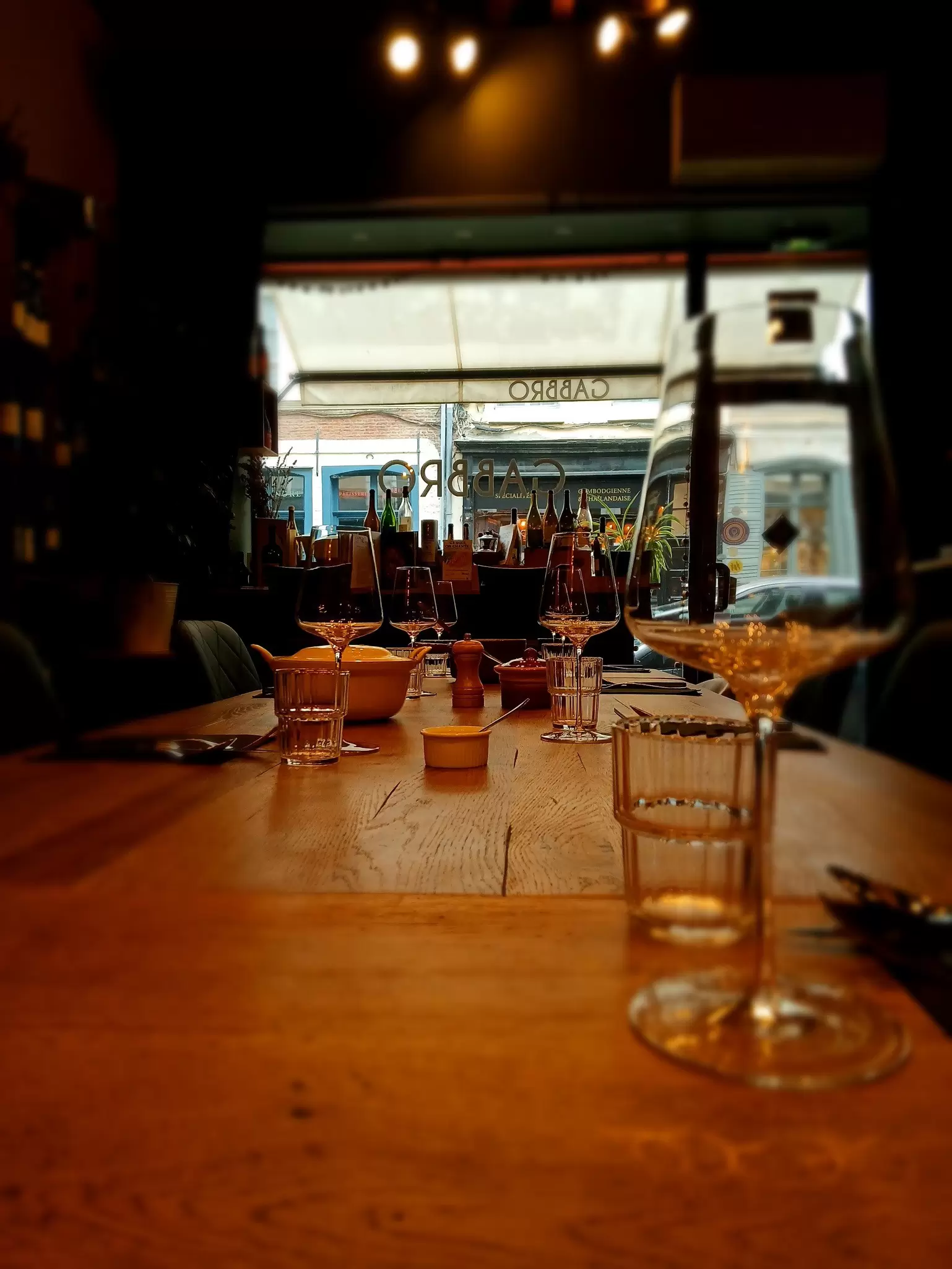
Inside Gabbro in Lille, France. Gabbro
Writer
Highlights
Writer Anna Richards picks five places to eat and drink across Lille, France.
Britney serves habanero ice cream; BierBuik has classics and neon-lit Barbie-pink walls.
Build a cheese board at L'Affinée or browse 400 Sunday vendors at Marché de Wazemmes.
Head to Gabbro for moody lighting, natural wine and a seasonal menu that changes regularly.
Lonely Planet may earn a commission from affiliate links on our site. All recommendations and reviews reflect our own independent opinions.
When I first visited Lille in 2022, I expected to eat heartily. The northeast of France is known for stodgy dishes. There’s a film set here that’s a cult classic in France: Bienvenue Chez les Cht’is (otherwise known by its English title Welcome to the Sticks), and it gave me the impression that 90% of the Lillois diet is French fries.
Having been back to Lille numerous times in the intervening years, I’m pleased to report that while the chips are among the finest I’ve tasted, especially washed down with a local IPA or stout, they’re merely an addendum to Lillois cuisine. The classics are a little stodgy, but that suits the atmosphere in Lille, which envelops you like a hug (people actually talk to you here, even on the Metro!). The Welsh, for example, have melted cheese and bread, like rarebit from its namesake across the Channel, but that’s where the similarity ends. The Lillois add ham, mustard and beer, before covering their pimped rarebit in even more cheese and baking it in the oven. Waterzooï best resembles a clam chowder, except with white fish instead of clams, and potatoes, turnips and leeks to bulk it out, and carbonnade is Flanders’ answer to beef bourguignon, a slow-cooked beef stew, but made with beer rather than wine. In a nutshell, it’s a good idea to go hungry to an estaminet (traditional restaurant).
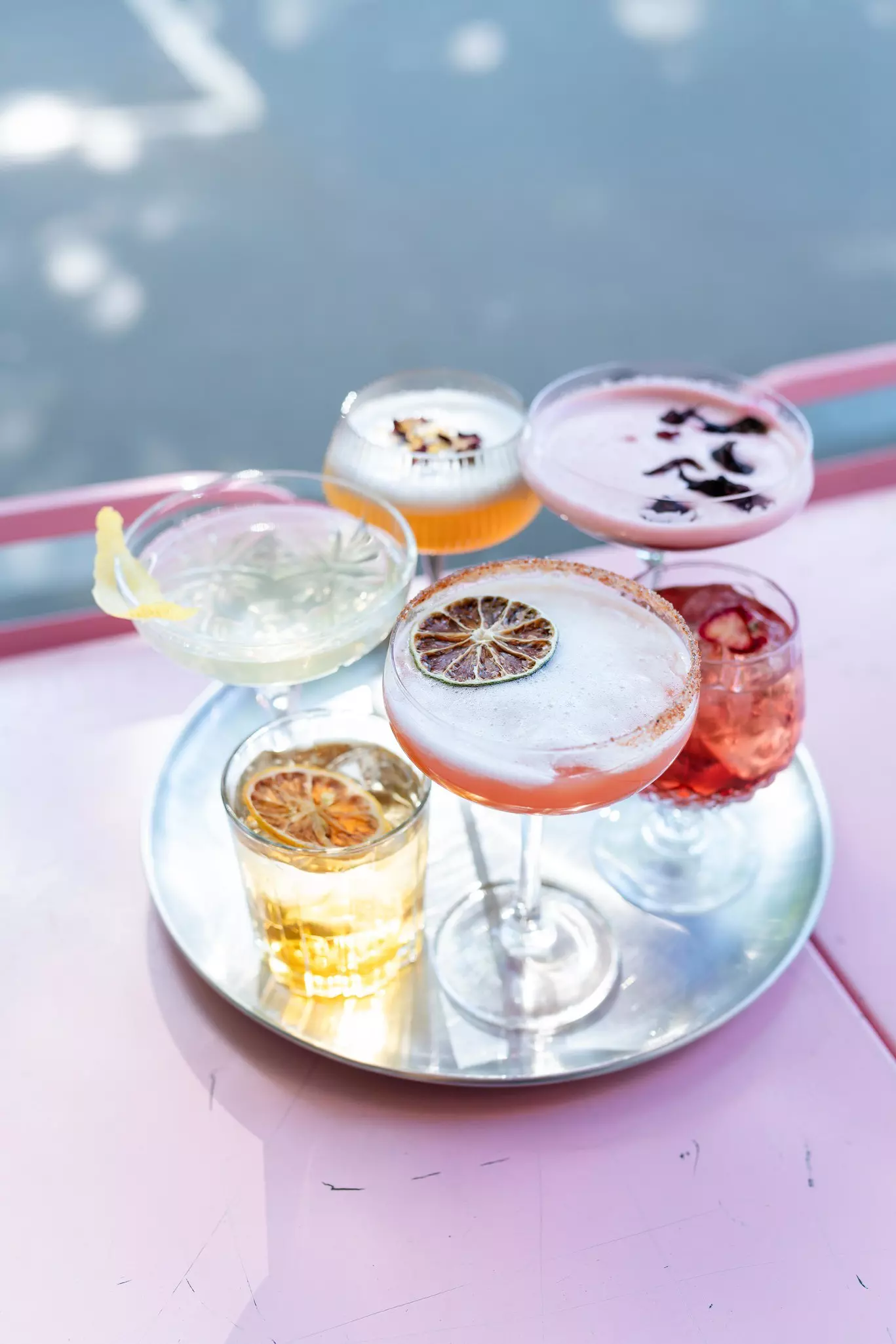
When a restaurant is called Britney, and the same brand also owns a pizzeria called Madonna, I expected 90s nostalgia, but this restaurant is decidedly futuristic. It looks like a school dining hall from an indie series, and the menu is displayed dish by dish on giant color swatches lined up along the shelves. The flavors push boundaries too: it’s a culinary adventure and a far cry from Lille’s meat and cheese classics. Think peanut and strawberry ice cream infused with Habanero chilli and pastis, or sea bream ceviche with vanilla tequila and plantain. Weekday mains are priced in the range of 15 euros (€15), and in the evening, dishes are designed for sharing. Choose your dining companion wisely, because when I went, my food was so good I didn’t want to share a thing.
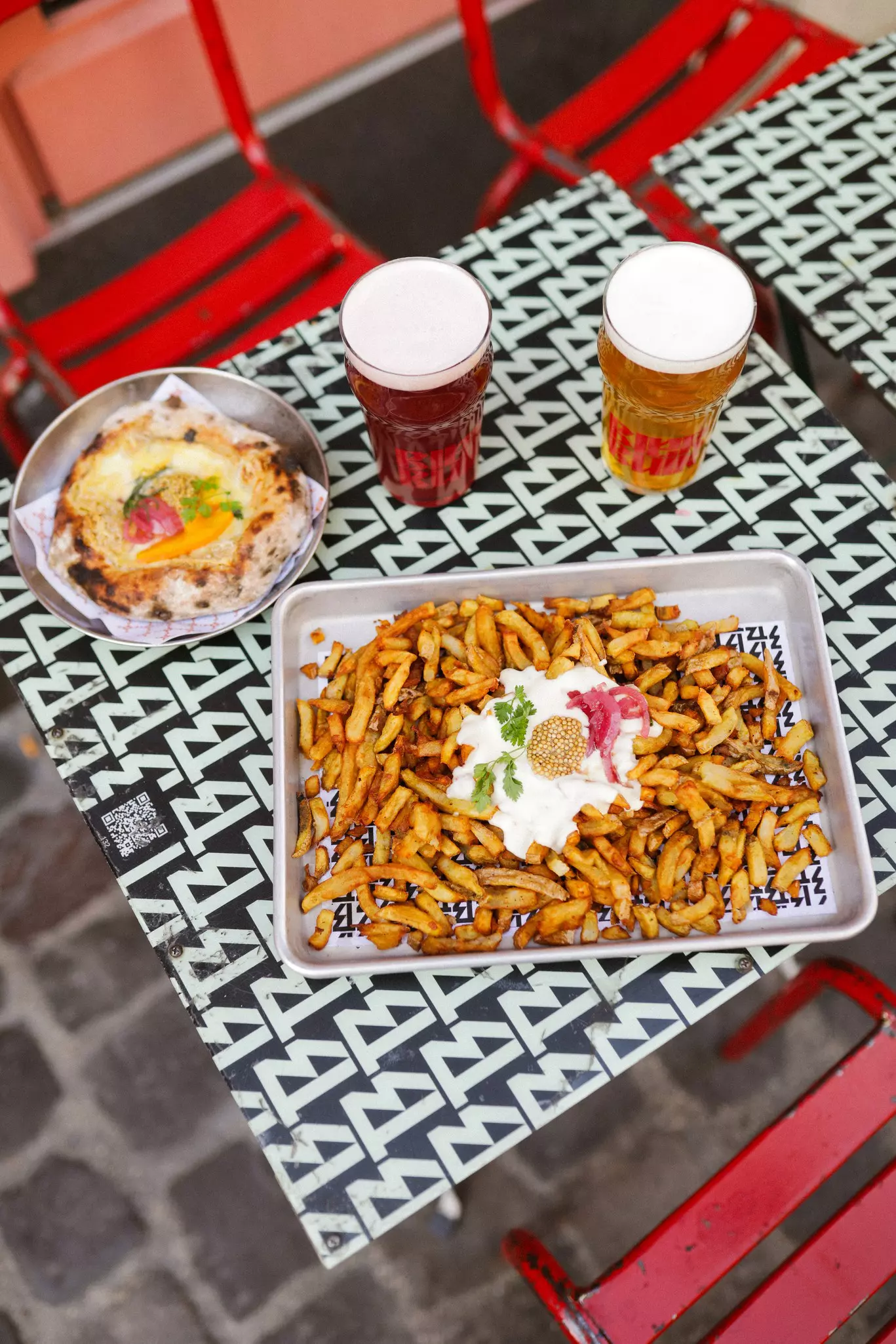
BierBuik is an unlikely Lillois institution. Rather than the checked tablecloths and wooden beams characteristic of a traditional estaminet, the walls here Barbie-pink and adorned with neon lighting, while the space hosts regular concerts and DJ sets. There’s a brewpub serving pub grub, and a slightly fancier restaurant, the estaminet Bloemeke, on the first floor.
The brewpub is the spot for French fries, a Flanders specialty. At BierBuik, they come with fat dollops of Maroilles sauce (a regional cheese), so I can tuck in and pretend I’m being cultured. All the hearty classics – Waterzooï, carbonnade and the Welsh – also make their way onto the brewpub menu regularly. Upstairs, there’s less beige and plenty more fresh flavors. Dishes are classic French, with a little extra, like leeks in vinaigrette with wild garlic pesto, or rhubarb-flavored Madeleines.
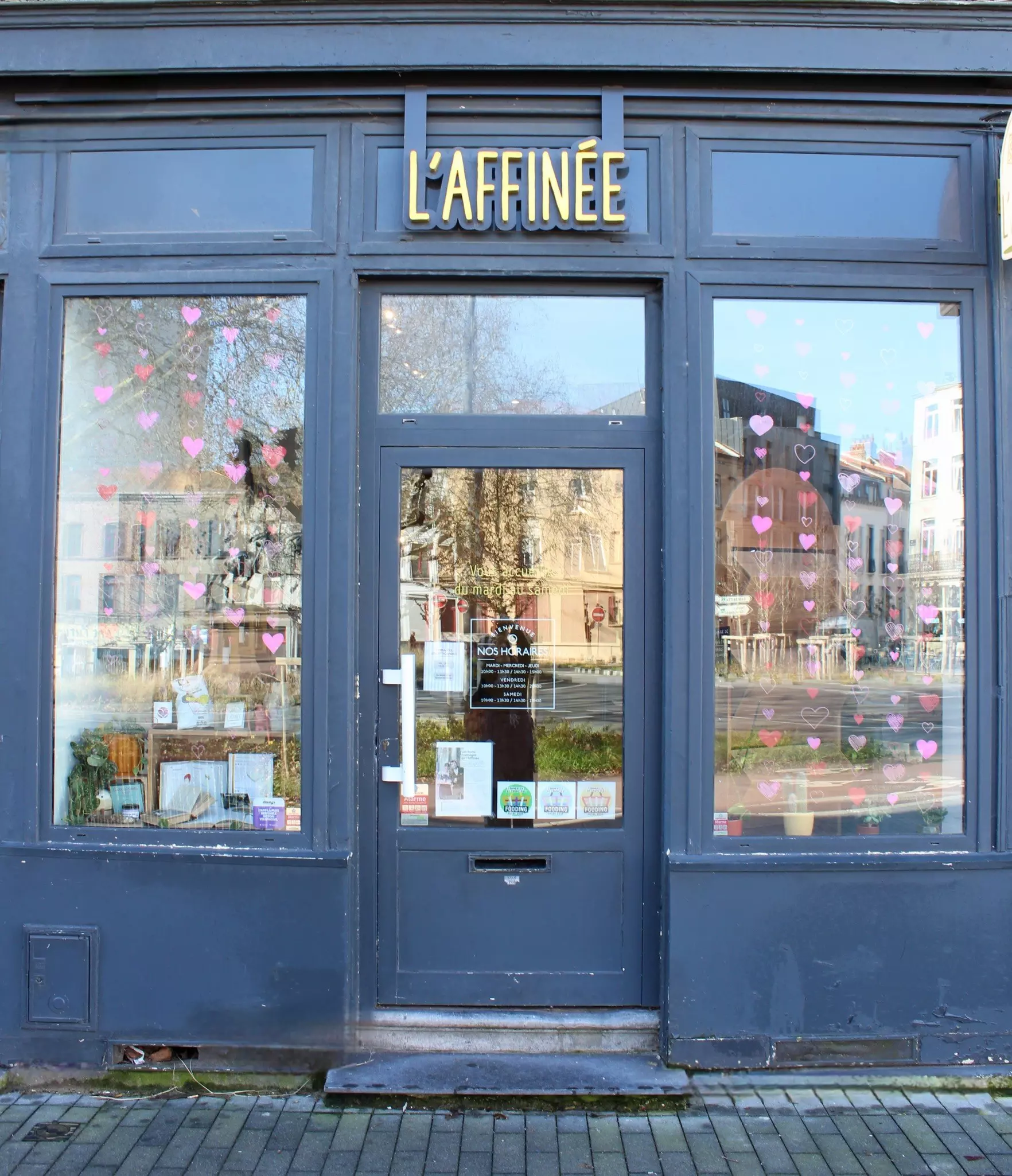
Cheese from northeast France doesn’t get shouted about enough. Normandy, Jura and Savoie steal the limelight, but cheese from Hauts-de-France has soul, particularly if, like me, you like your cheese pungent. Maroilles is the best-known, a soft-ish cow's-milk cheese with a lobster-colored rind. Mimolette, a chewy orange cheese with a crusty rind created by cheese mites (don’t think too much about it), is so good that I named my orange dog Mimolette in homage. With 600 types of cheese in the region, though, from Mont des Cats, a beer-aged cheese made by trappist monks, to sandy-rinded Sablé de Wissant, a trip to Lille’s best fromagerie is a must. Create your own platter to enjoy in one of the city’s parks; L'Affinée is takeaway only.
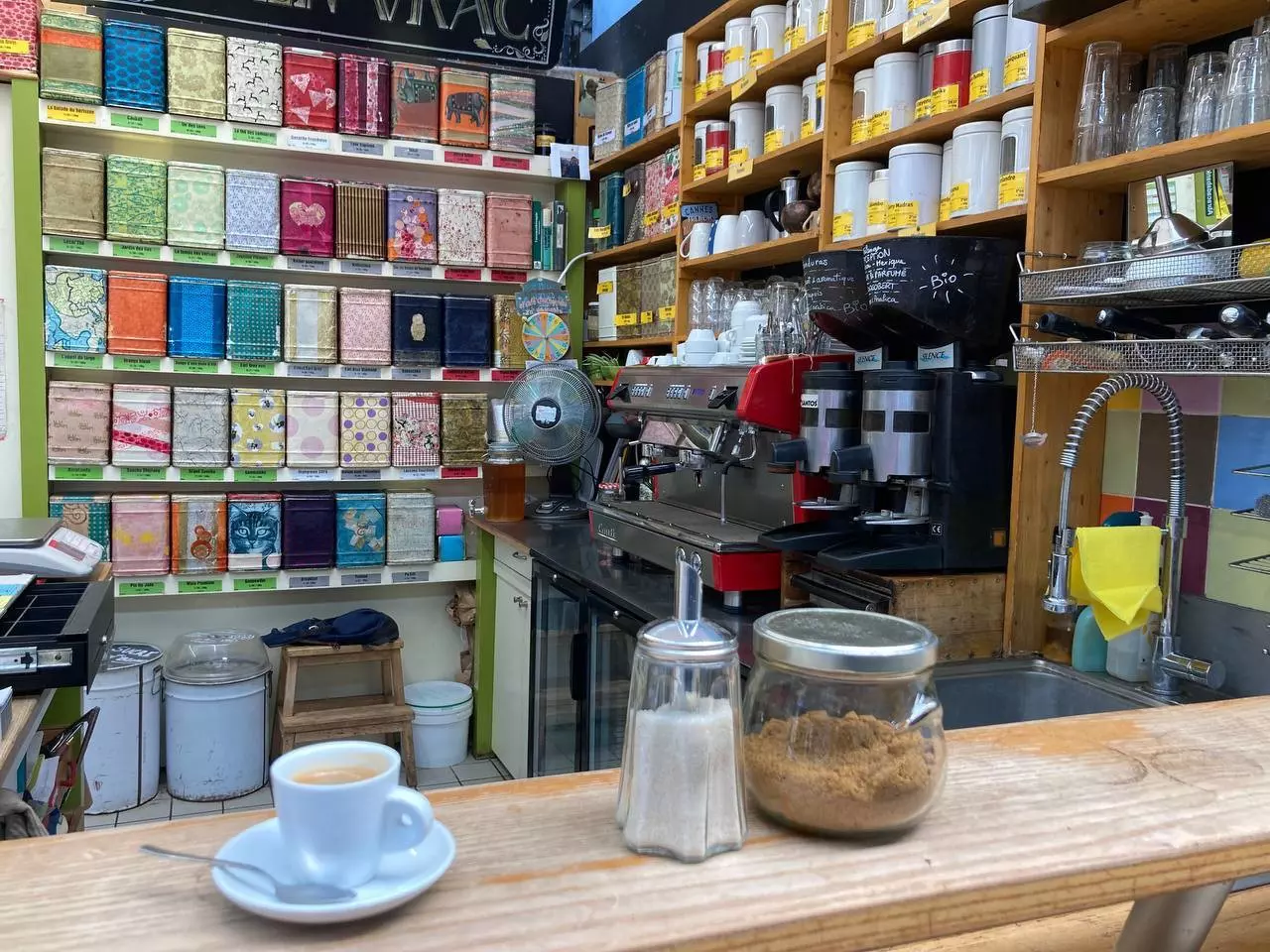
On Sundays, Wazemmes is a party, with more than 400 vendors spilling out onto the surrounding streets, and musicians providing live soundtracks as you shop. The rest of the week, Wazemmes’ halles (covered market) are still a sensory overload, and the picnic tables are inevitably sticky and covered in crumbs. Restaurants inside range from Breton to Latino and Toulousain to Thai, so there’s no shortage of choice. I go somewhere different each time, but I’ll always get coffee from L'Épicerie Equitable whilst I make up my mind — they do all the fancy coffees a typical French market vendor would turn their noses up at, like oat milk lattes and chicory alternatives. Come with your own bags or Tupperware to stock up on their zero-waste goods too.
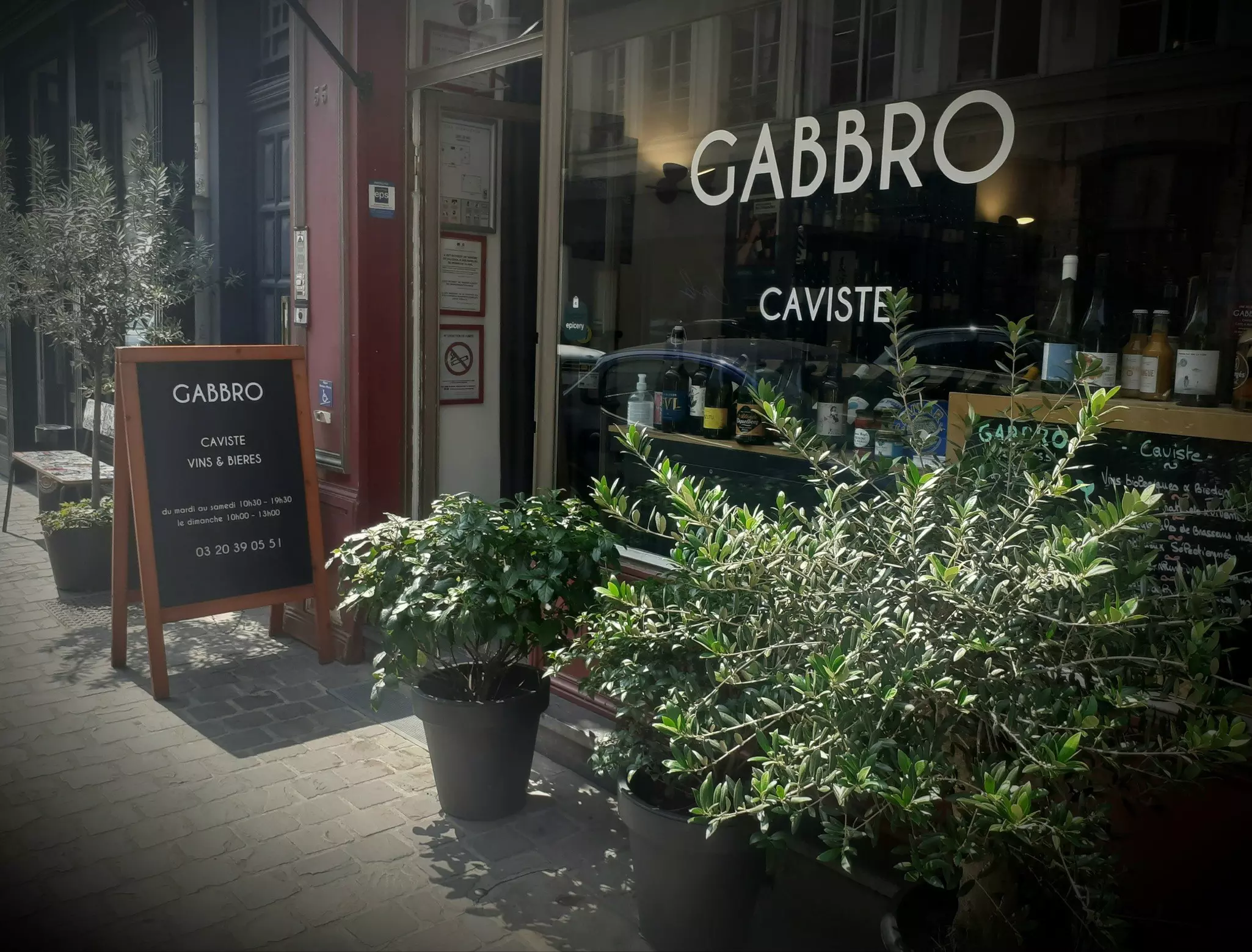
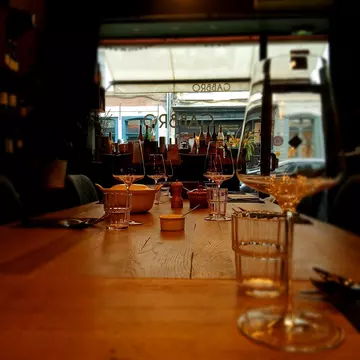
If I wanted to impress someone in Lille, I’d take them to Gabbro, preferably after dark, when the moody lighting twinkles off the natural wine bottles stacked on every available shelf and window ledge. They only serve lunch Wednesday to Friday, however. The local, seasonal menu is on a small slate board, and changes so regularly that I couldn’t possibly tell you what to eat, but there’s always one starter, a main, a cheese dish and a dessert, and all diners share a table. The mains are often hearty and meat-heavy, a cassoulet or a beef parmentier, for example, is an effective way to line your stomach when there are this many wines to choose from. Plus, they’re balanced by a fresh, seasonal starter, like asparagus with wild garlic pesto, simple and delicious. Leave with as much natural wine as you can carry, or whatever export rules to your home country will allow.
Explore related stories