Jun 11, 20266 min read
Visit Glacier National Park's Going-to-the-Sun Road Without the CrowdsJun 11, 2026
6 MIN READ

Writer
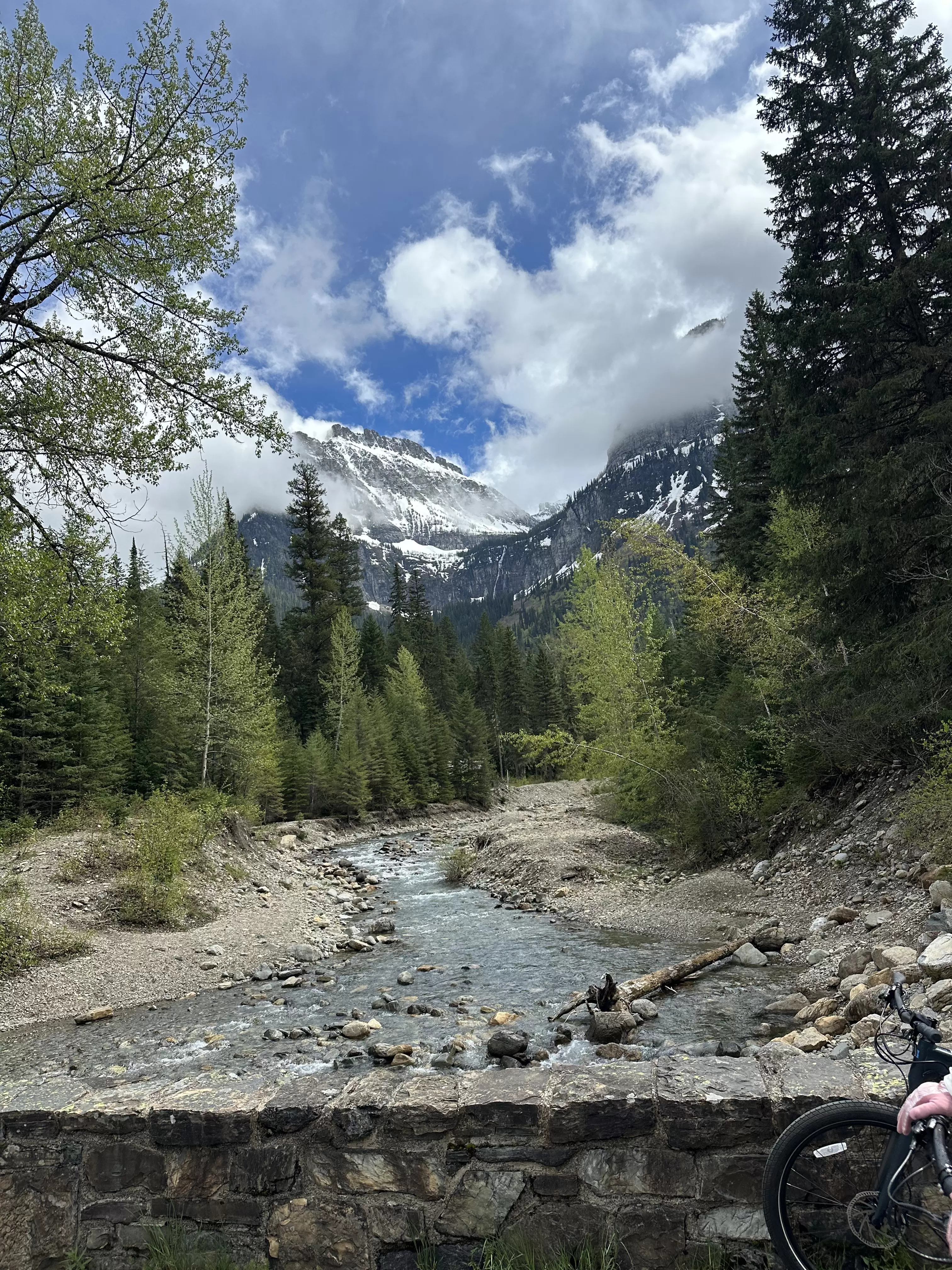
Glacier National Park. Melissa Yaeger/Lonely Planet
Writer
Lonely Planet may earn a commission from affiliate links on our site. All recommendations and reviews reflect our own independent opinions.
The road-closed sign in front of Going-to-the-Sun Road offered one last warning about grizzly bears and bringing bear spray as I followed the tour guide past the closed arms of the barrier and back onto the road on the other side. I had slipped past the boundary that would hold cars back for a few more weeks and felt giddy I’d finally threaded the needle I’d missed on my last visit to Glacier National Park: biking the iconic Going-to-the-Sun Road.
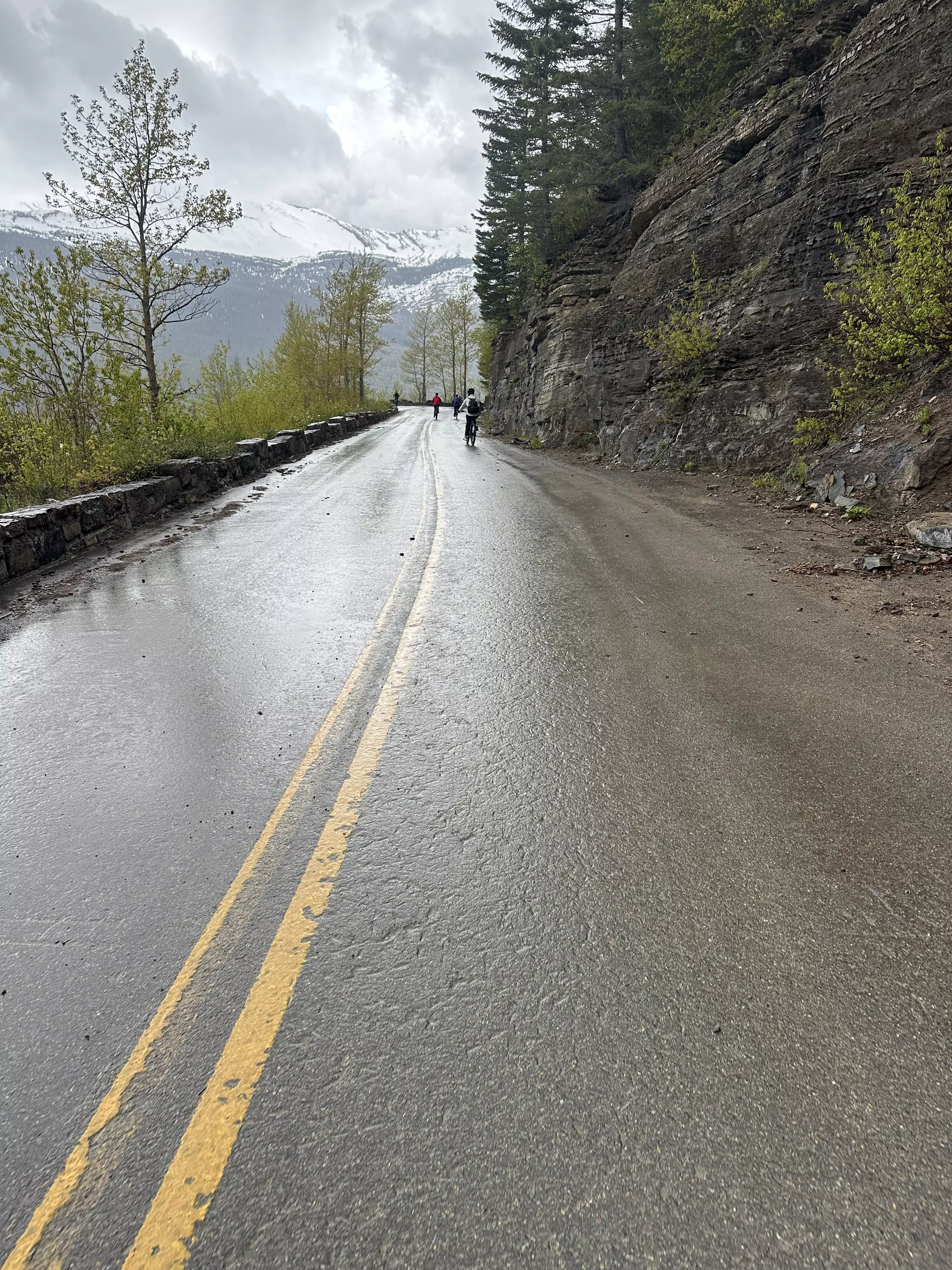
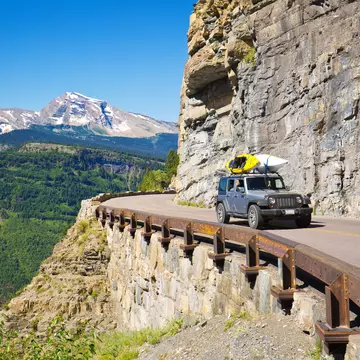
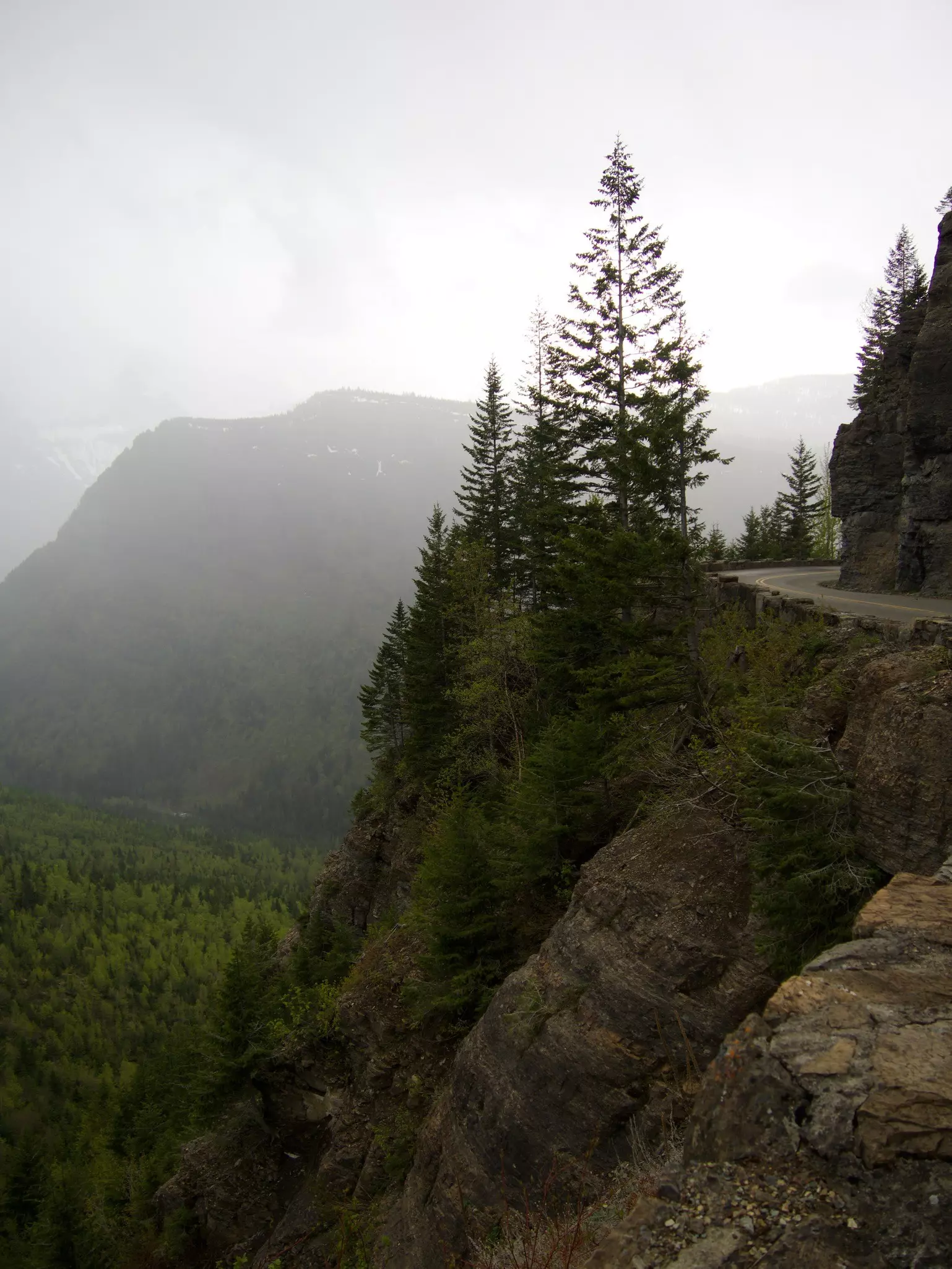
Going-to-the-Sun Road tops many travel lists as one of the most gorgeous drives in the United States for good reason. The iconic Montana road was one of the first in the US National Parks system built specifically for automobiles. The true marvel of engineering winds 50 miles around and through (there are two tunnels) the mountains of Glacier National Park at a perfect 6% grade (designed to avoid needing to shift gears on the old-fashioned manual transmissions, which would happen at 7%). The narrow two-lane road follows the edge of the mountain, inching up toward the sun to its height at Logan Pass before coming back down to the other side.
It’s also open to car traffic for a small window of time (from late June or early July to the second week in October), depending on snowfall and road crews' ability to clear and repair the road for summer traffic each year. It’s unpredictable when it will open, with visitors tracking crews' progress and wagering guesses on when it might open for the season.
When it does, crowds descend, and traffic becomes bumper-to-bumper along the famed road. Cars crawl along as arms holding phones dangle out the passenger windows, trying to capture the joy of driving the mountain's ledge while taking in nature's beauty and the wildlife surrounding it.
But for visitors who want a more intimate look at the pathway, there’s an even smaller window where only bicycles (and hikers) are allowed on this road. If you have the ability to bike and luck out on timing, it is truly one of the more epic experiences in the US National Parks.
The road opens to bicycles (or walkers) after crews have cleared snow from much of Going-to-the-Sun, even if they are still working on clearing debris and fixing guardrails along the path. Anyone can take a bike on the road during this time, but if you’re not from the area, a tour is a good idea. Guides will carry bear spray and offer other tips to keep you safe on the road.
Tours typically open in early May and continue until the road opens in June/July, meaning you have just weeks to take advantage of this. Again, it’s unpredictable when the road might open, and the later you go, the more clearing the road crews will have done, allowing you more roadway to ride. The later you wait, the more you risk. Once the road opens to traffic, bikes face restricted hours, given how narrow the road is. Tours also stop for the season at this time. I tried to go in late June 2021, but the road opened the day of my tour reservation. (We were able to do another tour around the park – just not Going-to-the-Sun.)
Both times, I took my tours with Glacier Guides, who do the journey with e-bikes. Their tours typically last four to five hours and start in the afternoon, so you’re climbing the mountain just as the construction crews are ending the workday.
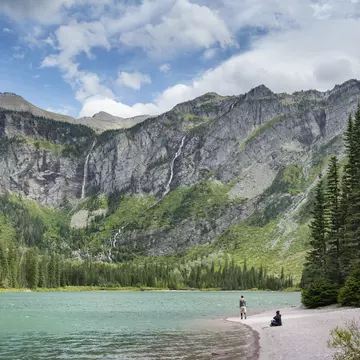
We passed other bikers and hikers along the way, but what surprised me was how often our group traveled alone. It felt like we had the park to ourselves as we took our time to take in every vista and waterfall. We could stop to watch wildlife wander across the entrance of the tunnel without feeling the pressure of cars waiting behind us.
It’s also impressive to see up close the impact the blankets of snow have on this road, and the massive effort it takes to clear and repair it for car traffic. I passed areas where stone guardrails had been knocked completely down, as well as areas with large tree limbs and other debris. We eventually had to turn around just before we hit a still-snow-packed area before Logan Pass.
As for who can do this tour, most people with a good level of fitness and experience cycling will be able to climb the mountain easily with the help of an e-bike. The guides encourage you to go at your own pace and enjoy the journey. How much help you need from the e-bike is entirely up to you – once you turn it on, you have four levels of power to help you make the ascent. I mostly kept mine on the first and second lowest levels, and I still felt like I got a pretty good workout from the tour. Altogether, we were able to travel around 20 miles round-trip (half of that being the climb, half being a speedy descent)
Make sure to bring layers, including a waterproof rain jacket, as the weather in the mountains is unpredictable. We started our journey with the sun, got hit by rain, the sun came back out, and then we got hit by rain again.
It may seem obvious, but wear comfortable clothes and tennis shoes. A small bottle of sunscreen is helpful, as is a backpack to carry everything. Of course, bring your camera.
Also, make sure to bring water and snacks – I was famished at the end of the journey. Glacier Guides does provide a pretty substantial brown bag of snacks for each person, but if you have a favorite, pack it yourself for after the journey.
One of my regrets: not packing an extra pair of dry socks. Put a pair in a ziplock bag, just in case.
If you have to come during the high season and don’t have the ability to cycle, there are a few ways to avoid the crowds. There are no longer reservations for entry along Going-to-the-Sun, but you do need a reservation for parking at Logan Pass.
Instead of driving yourself, make a reservation to take the shuttle to Logan Pass from Apgar Visitor Center or St Mary Visitor Center. The shuttles only have 15-30 seats, so you’ll need to reserve your spot in advance.
Consider timing your visit for the late afternoon or early evening. The sun sets late in Montana, so if you leave around 5pm, you have a little less traffic (though don’t expect it to be traffic-free) and still plenty of time to travel the road.
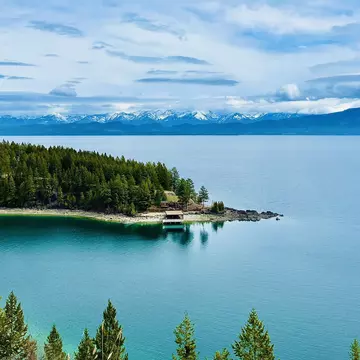
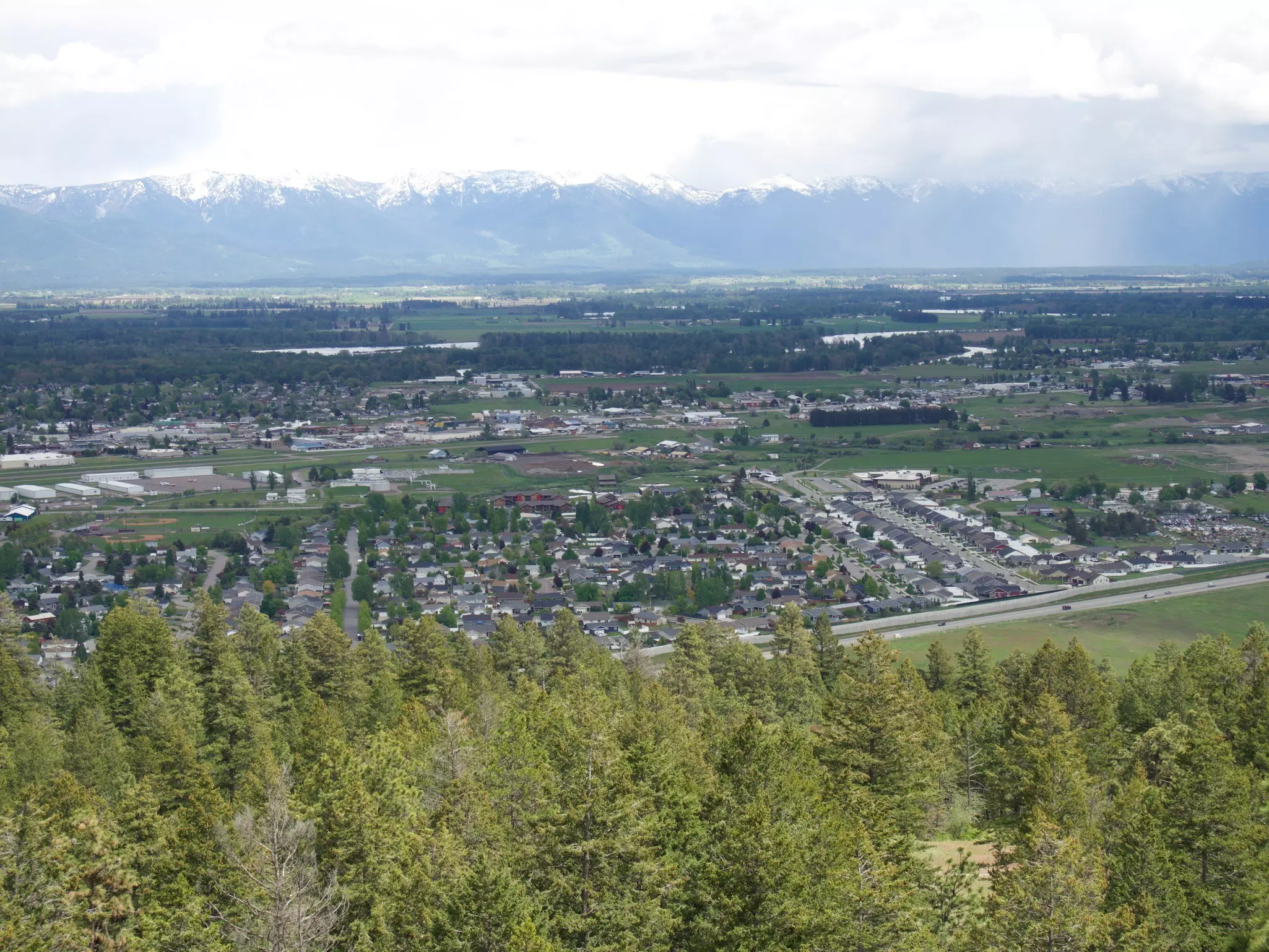
Adjust your plans and take time to visit some of the amazing state parks and lakes in the area. Glacier has been the buzzy, popular park lately, but the area surrounding it is absolutely stunning. Flathead Lake and some of the Montana State parks will offer you stunning views and great hiking, kayaking and other outdoor activities, so definitely consider expanding your circle of where you might visit in Montana. The whole area around Kalispell has a lot to offer visitors beyond Glacier.
Melissa traveled to Kalispell on the invitation of Discover Kalispell. Lonely Planet does not accept freebies in exchange for positive coverage.
Book your United States trip with Lonely Planet Journeys
See United States how it's meant to be seen
Accommodations, activities and ground transportation all taken care of, so you can focus on the fun part. Tell us what your dream trip to United States looks like, and our local experts will build it from scratch. Or start with one of our itineraries and make it your own.
Explore related stories