Oct 5, 202613 min read
28 Things to Know Before Visiting MykonosOct 5, 2026
13 MIN READ

Writer
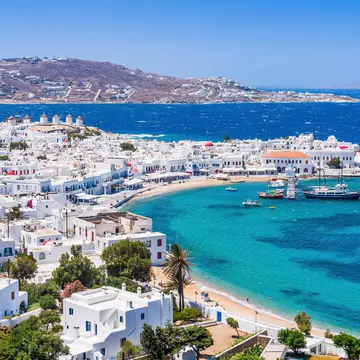
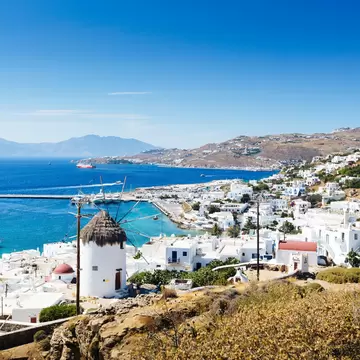
A view over the whitewashed houses of Hora on the island of Mykonos, Greece. Adrienne Pitts for Lonely Planet

Writer
Lonely Planet may earn a commission from affiliate links on our site. All recommendations and reviews reflect our own independent opinions.
Everyone knows Mykonos. This sand-fringed island is Greece’s most famed, sexiest island, and it fully embraces its fabulosity and partying lifestyle. I live on nearby Paros, and I've written about Mykonos for years, and while the two islands are only a 40-minute ferry ride apart, they are incredibly different.
Mykonos tops many a summer bucket list for its hedonistic holiday vibes, fashion-forward scene and gay-friendly focus. Arriving by plane or ferry, you’ll join the throngs in Mykonos Town (Hora) – a gorgeous, whitewashed Cycladic maze – and delight in its swanky cafe-bar-boutique scene.
Afterward, slip onto beaches packed with glistening bodies before heading off for a night out at the island's bars and clubs. Equipped with a little local knowledge, you can make sure your dream trip to Mykonos runs smoothly, and you’ll earn the respect of residents of the island, too.
Here are the top things you need to know before you visit Mykonos.
The first step to ensuring a problem-free trip to Mykonos is planning for the essentials before you arrive.
Depending on what you’re seeking, different seasons are ideal for different types of trips to Mykonos. The island wakes from its winter slumber around the Greek Orthodox Easter (April/May), and activity gears up through the warmer months, reaching a jam-packed peak around 15 August.
Because of its popularity, Mykonos has a longer season than most of the Greek Islands, pushing well into October. The shoulder season months of May, June, September and October are the best times to visit to avoid the heat and crowds, and they're also ideal for hiking. Winter is the top time for solitude and visits to the ruins-strewn island of Delos, but many businesses close and the party season is over.
Be aware of the meltemi – a north wind that whips south across the Aegean between June and September. It’s unpredictable when it will be active, but if you come in this season, be ready for windy conditions on north-facing beaches.
A trip of 3 days is enough to get a quick taste of party and beach life on Mykonos, but staying for a full week – there are plenty of free things to do to make your budget go further – will really let you soak up the vibe of the island and enjoy all the best things to do.
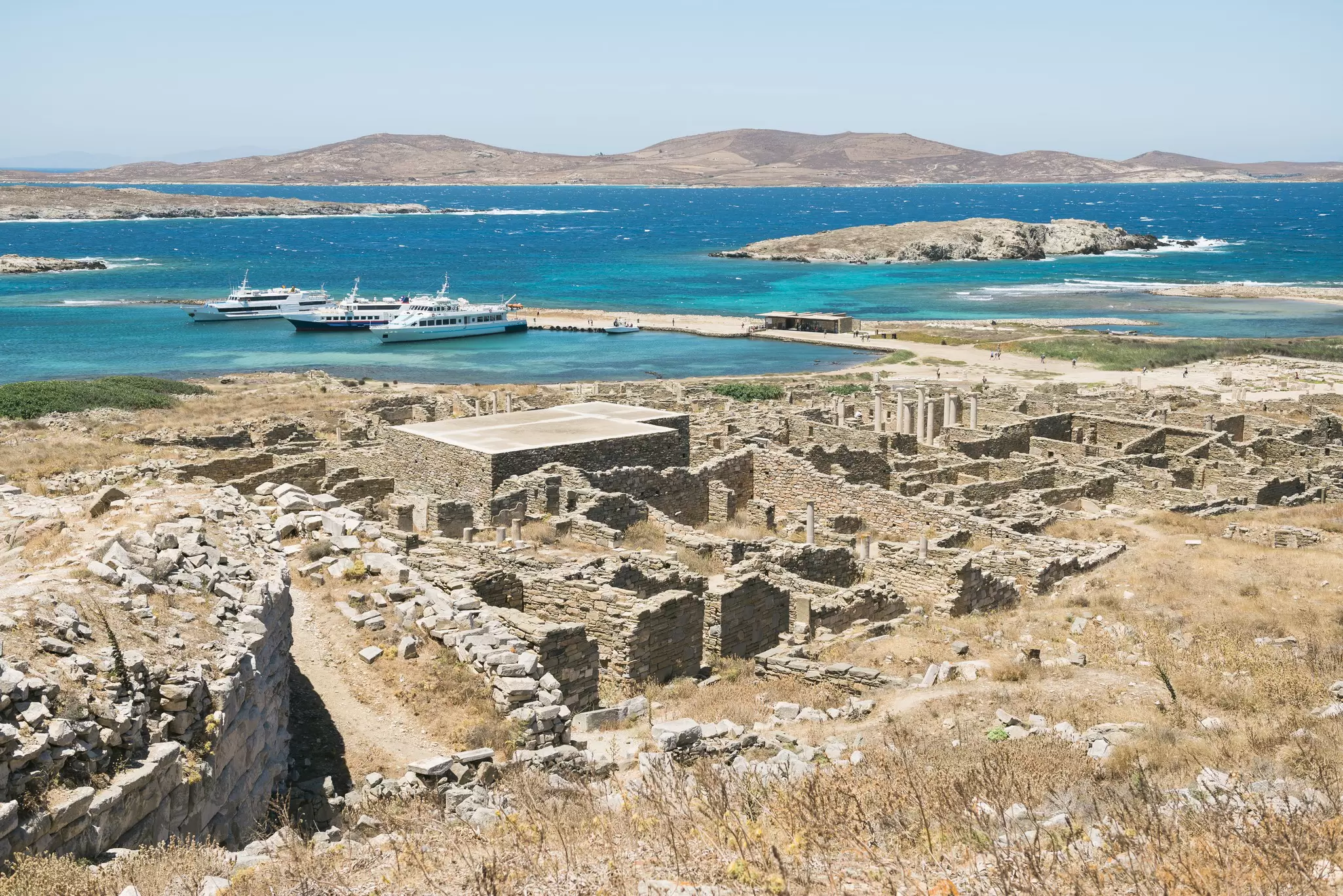
History lovers should be aware that Mykonos is the jumping-off point for trips to the famous archaeological site on the nearby island of Delos, so set aside a day to visit these monumental ruins – home to an ancient sanctuary to Apollo and the treasury of the Delian League – a confederation of city-states led by Athens.
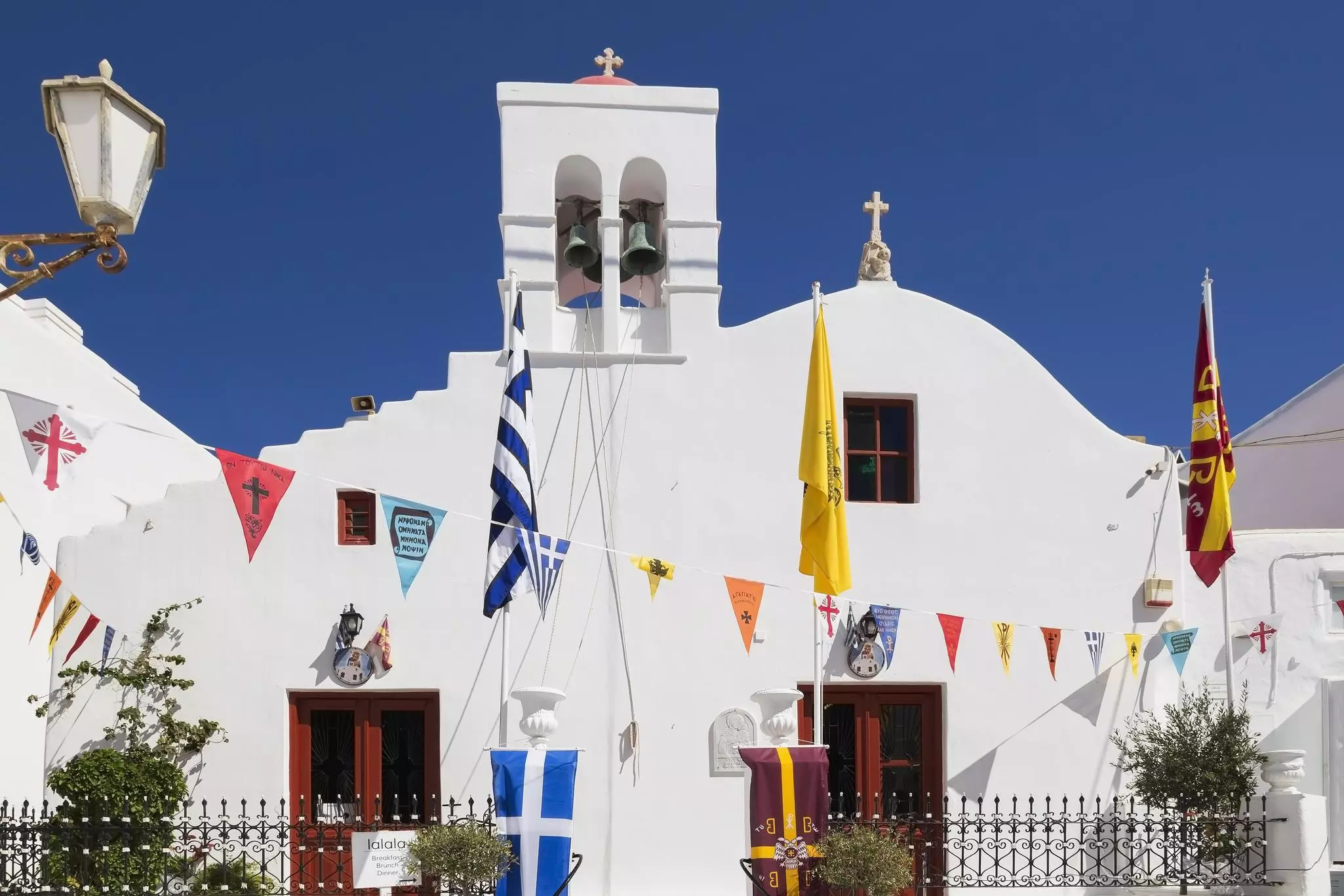
Hora – the island's main city – is the ideal place to stay because you can easily access the shops, restaurants and bars in the main town, then take a boat out to the beaches. If you’re feeling flush or have a big group, you can rent a villa in the countryside and stay closer to the beaches, so long as you’re prepared to drive or pay a premium for taxi transfers to explore the rest of the island.
Mykonos is one of the most style-conscious islands in Greece. In summer, the heat will make you want to run naked, but instead, bring your best bikinis, quick-drying tops and cool dresses. Plan to change at night when you go out to clubs and Mykonos’ trendy restaurants: pack your cutest dresses and linen outfits, with plenty of bling. For men, linen shirts and cotton shorts (or pants) are the default island style. Remember to also bring comfortable walking shoes if you plan to follow Mykonos' hiking trails.
Almost everyone who works in the Mykonos tourist trade speaks some English, and many workers on the island are not even Greek. But when you meet Greeks, you’ll probably find they are impressed if you make the effort to say a few Greek words to them (since most people do not). Start with the following simple phrases:
ya·sas – hello or goodbye (use ya·su in informal situations or for multiple people)
ka·li·me·ra – good morning
ne – yes, usually accompanied by a nod of the head (sometimes people just give a silent nod)
o·hi – no, usually with a left-to-right shake or a lift of the head
ef·ha·ri·sto – thank you
pa·ra·ka·lo – both please and you’re welcome
There are a few social etiquette rules to be aware of on this sun-drenched Greek island.
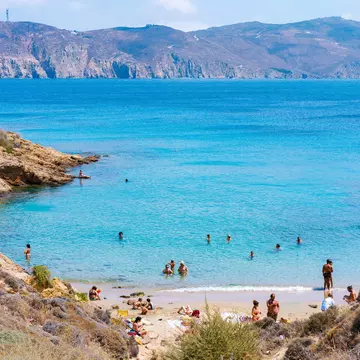
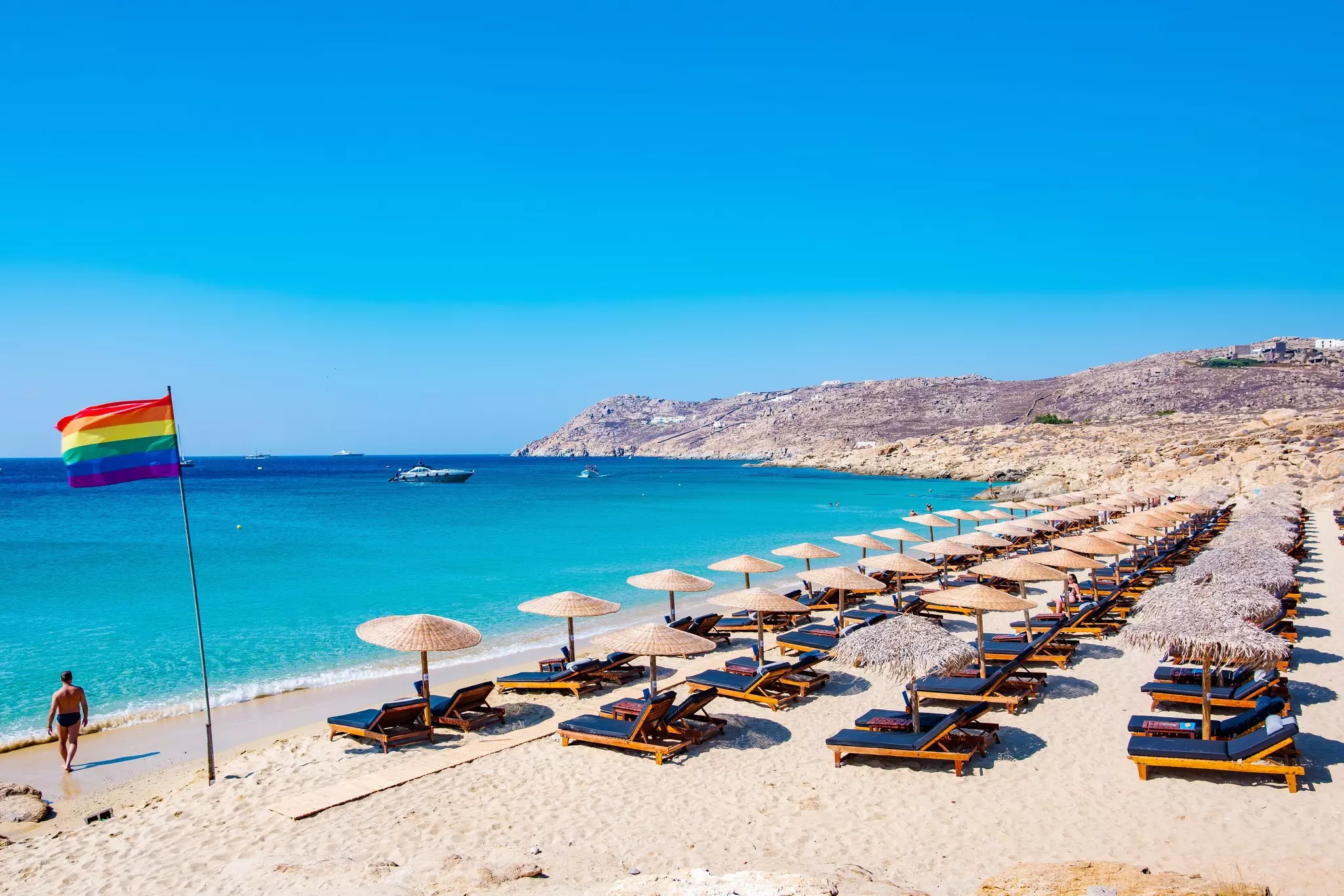
Mykonos’ golden-sand beaches are jammed with umbrellas and backed by beach bars, but they offer a hopping scene that draws floods of beachgoers. The beaches on the south coast have stylish clubs, all-day party bars and moods varying from exclusive to promiscuous, creating an unparalleled party scene. Beaches in the north and far west are quieter. Nudity levels vary, so plan accordingly – not every beach is suitable for families.
The unwritten code on Mykonos is to dress to impress – know that seeing and being seen is part of the point of being here. However, while clothes can be skimpy on the sand, keep in mind that for Greeks, public nudity and skimpy outfits are seen as disrespectful in town. Keep bathing suits for the beach, and be sure to cover up if you visit one of the island's churches.
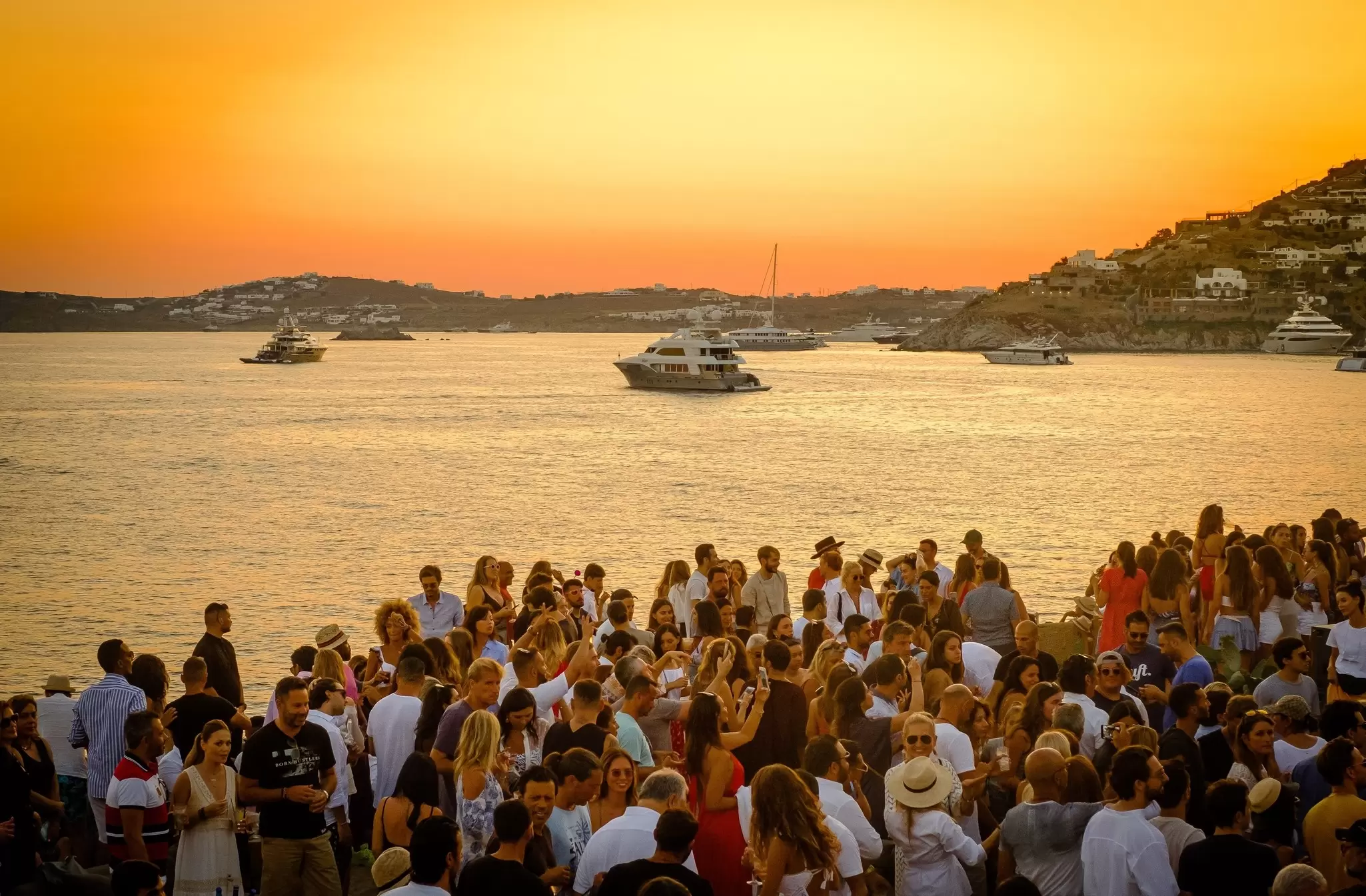
People come to Mykonos to party, and each major beach has at least one beach bar that gets going during the day. Bring a generous bankroll – the high life doesn’t come cheap. Clubs are generally open from June to September, but July and August are the months when the scene is at its most intense. See club websites for events and ticket info, and to arrange a pre-booked table, lounger or access to a VIP section.
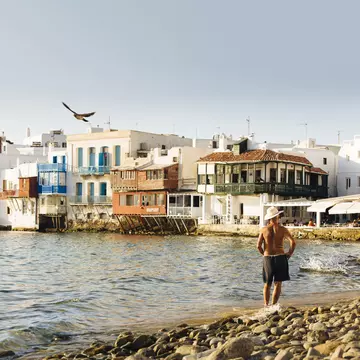
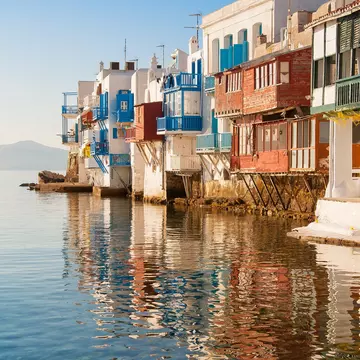
Some beach clubs open till late, but the main focus of late-night nightlife is Hora. Things kick off at sunset when the bars in Little Venice get packed out. After the glow has gone, people move on to the bars that dot the whitewashed central streets. After 11pm, people move on to the clubs – some of them huge – that are also tucked off lanes in the center. Mykonos is, of course, a major stop on the circuit of A-list DJs.
Mykonos is one of Europe’s most popular LGBTQ+ destinations, attracting a luxe crowd to its chic beaches, designer hotels and extravagant nightlife. In particular, it’s one of the most popular beach-holiday destinations in the world for gay men. Some hotels are exclusively gay and male, but accommodation across the island is gay-friendly. In late August, XLSIOR is a legendary gay clubbing festival that draws some 30,000 people.
In a social situation, one kiss on each cheek is the routine greeting on Mykonos. In practice, the kiss is normally an air-kiss, starting with the right cheek.
Mykonos is generally a very safe destination, like the rest of the Greek Islands, but there are a few safety considerations to be aware of.
Try to minimize your use of disposable water bottles by bringing your own bottle and refilling it from the drinking water supply at your hotel. Even residents don’t drink the tap water, so the island goes through a lot of plastic bottles.
Despite the country's lively club scene, Greek drug laws are among the strictest in Europe. Recreational cannabis is illegal, although the Greek government has legalized the use of medical marijuana with tightly controlled prescriptions from Greek doctors. If you are caught possessing or consuming even a small amount of any prohibited drug, this can lead to a fine and/or imprisonment, so steer clear of recreational drugs while on the island.
The legal drinking age in Greece is 18, and nights out can involve plenty of alcohol. Keep an eye on your drink, as there have been sexual assaults using drugged drinks on the island. Don’t accept a drink from a stranger that you haven’t seen opened and poured in front of you. Also be wary of adulterated drinks known as bombes – these may be prepared with cheap illegal imported alcohol that will leave you feeling the worse for wear the next day.
Many women travel alone in Greece without problems, and Mykonos is generally safe for women as well. However, don’t be lulled into complacency – bag snatching and sexual assault do occur. Whether foreign or Greek, the island draws plenty of smooth-talking guys who aren’t in the least bit bashful about approaching women in the street. They can be very persistent, but they’re usually a hassle rather than a threat. A good rule of thumb if you’re a group of girls traveling: stick together until you’re back at your hotel.
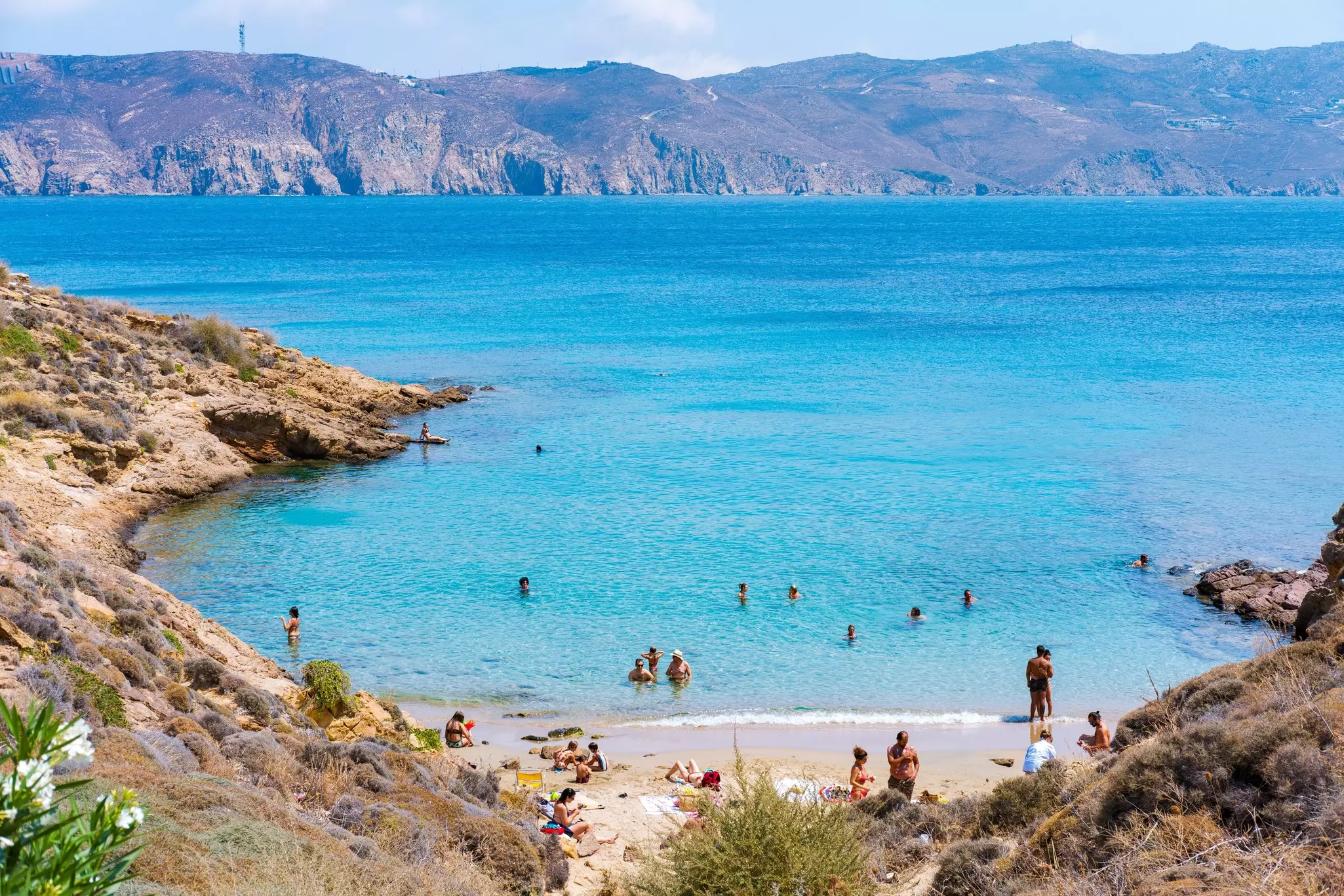
Increasingly hot European summers are causing a surge in forest fires, and Greece has been badly affected at times. Monitor weather reports for news of heat waves, and follow local advice in the event of a fire. In winter, winds can cause ferry cancellations, and in summer, the crowds can mean delays. At any time of year, be ready to change your plans and go with the flow if circumstances change.
Smoking is banned in all enclosed public spaces, including in restaurants and bars. Follow the rules and only smoke where it is allowed (this also applies to vapes). Enforcement is sometimes lax, but if you light up and someone asks you to put it out, do so.
While Mykonos is far from crime-ridden, many of Greece's resort islands are key targets for petty theft. Keep your valuables secure, especially in crowded lanes, while thronging into clubs, and at packed transport hubs.
The tourist police work in tandem with the regular Greek police and usually have a member of staff on hand who speaks English. If you’ve been a victim of a crime, or have a complaint about a hotel, taxi, restaurant, guide or other tourist businesses, report it to the tourist police; you can call them on +30 22890 22482.
As elsewhere in Greece, the local plumbing on Mykonos can’t handle toilet paper. Place all refuse in the bin you’ll find next to each toilet.
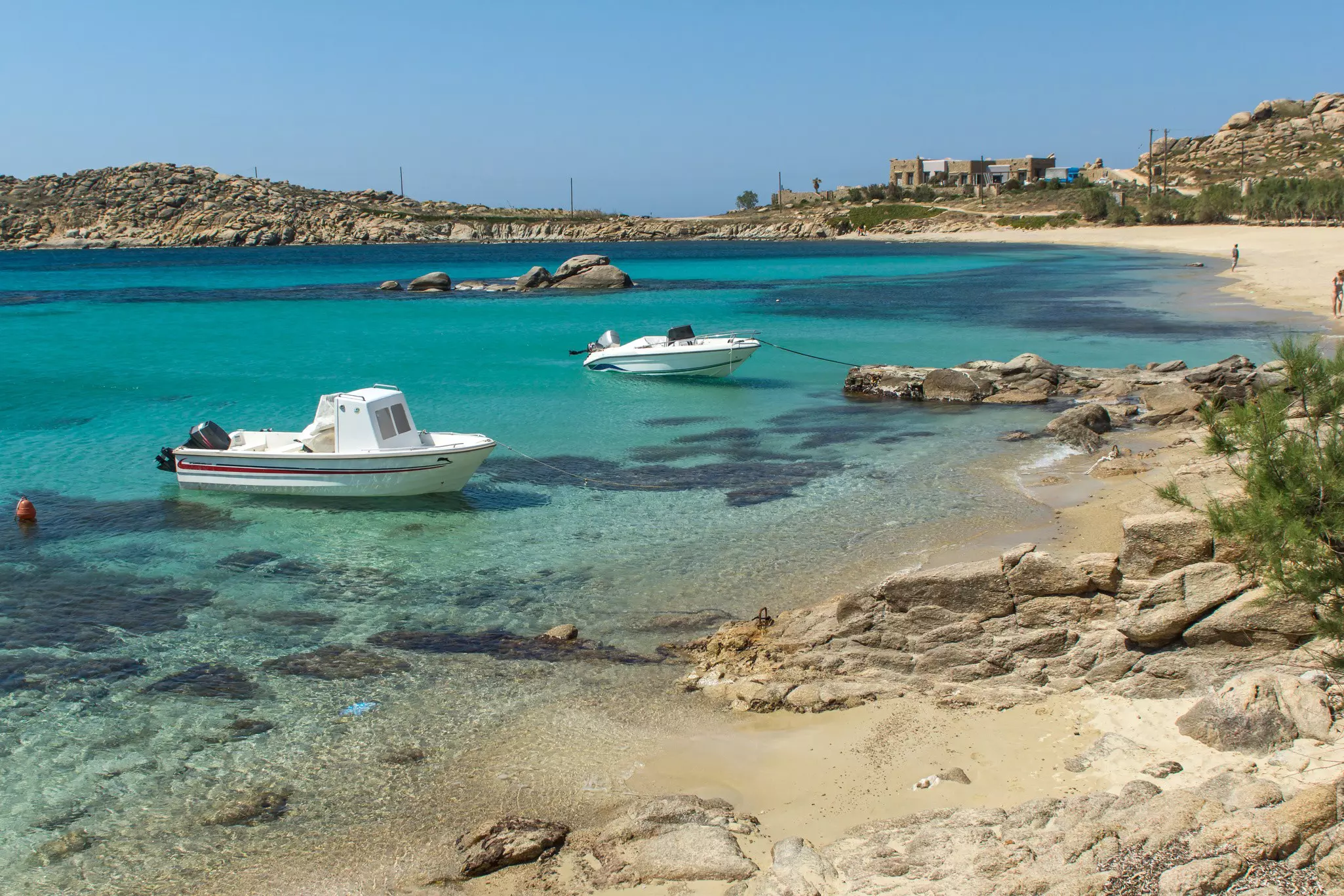
While Mykonos is small, measuring around 15km across, the beaches are spread out, so give some thought to how you are going to get around on the island.
While exotic car rentals are a thing on Mykonos, don’t expect to get the Lambo out of second gear. You can reach almost all of the beaches with a regular 2WD car, so this is a much better option for exploring the island.
Alternatively, buses run regularly all summer between Hora, the New Port (2km north of Hora, where ferries dock), the airport and the south coast beaches. Low-season services are much reduced, so a hire car might be better at this time of year.
Taxis are also plentiful, but you'll pay more. Another great way to get around is by boat – reasonably priced shuttle boats run between the New and Old ports and major beaches.
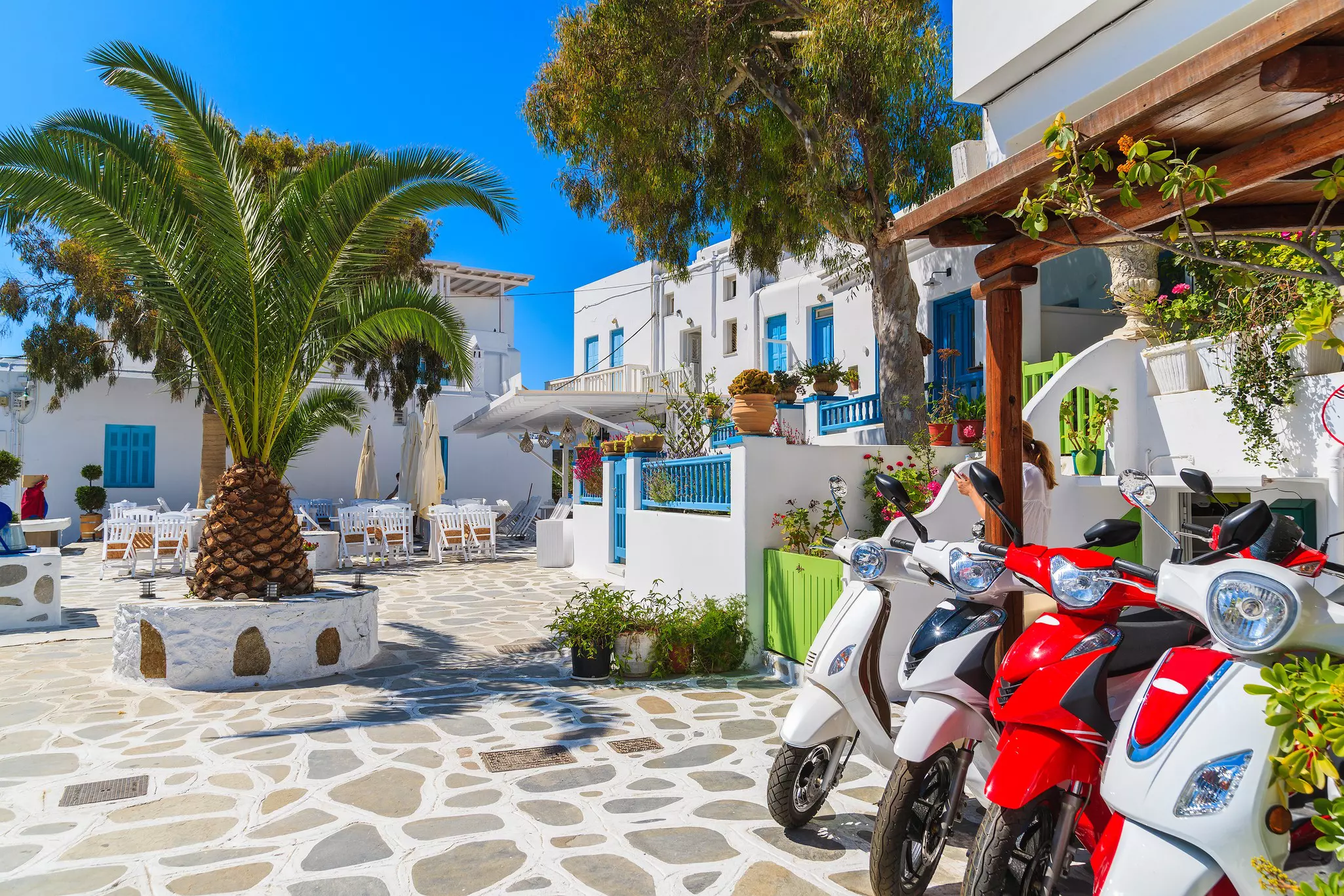
Be a little careful while driving on Mykonos. Signage is patchy in some areas and motorists (and ATV and scooter drivers) may drive at erratic speeds and have a loose sense of the rules of the road. Pay attention, and watch for other road users.
In Mykonos, taxis can be found queuing near the bus station and ports, but waits can be long in high season. All have meters but beware: they can be fiendishly expensive. Agree a price in advance or make sure the meter is running; taxis must give you a receipt if you ask for one.
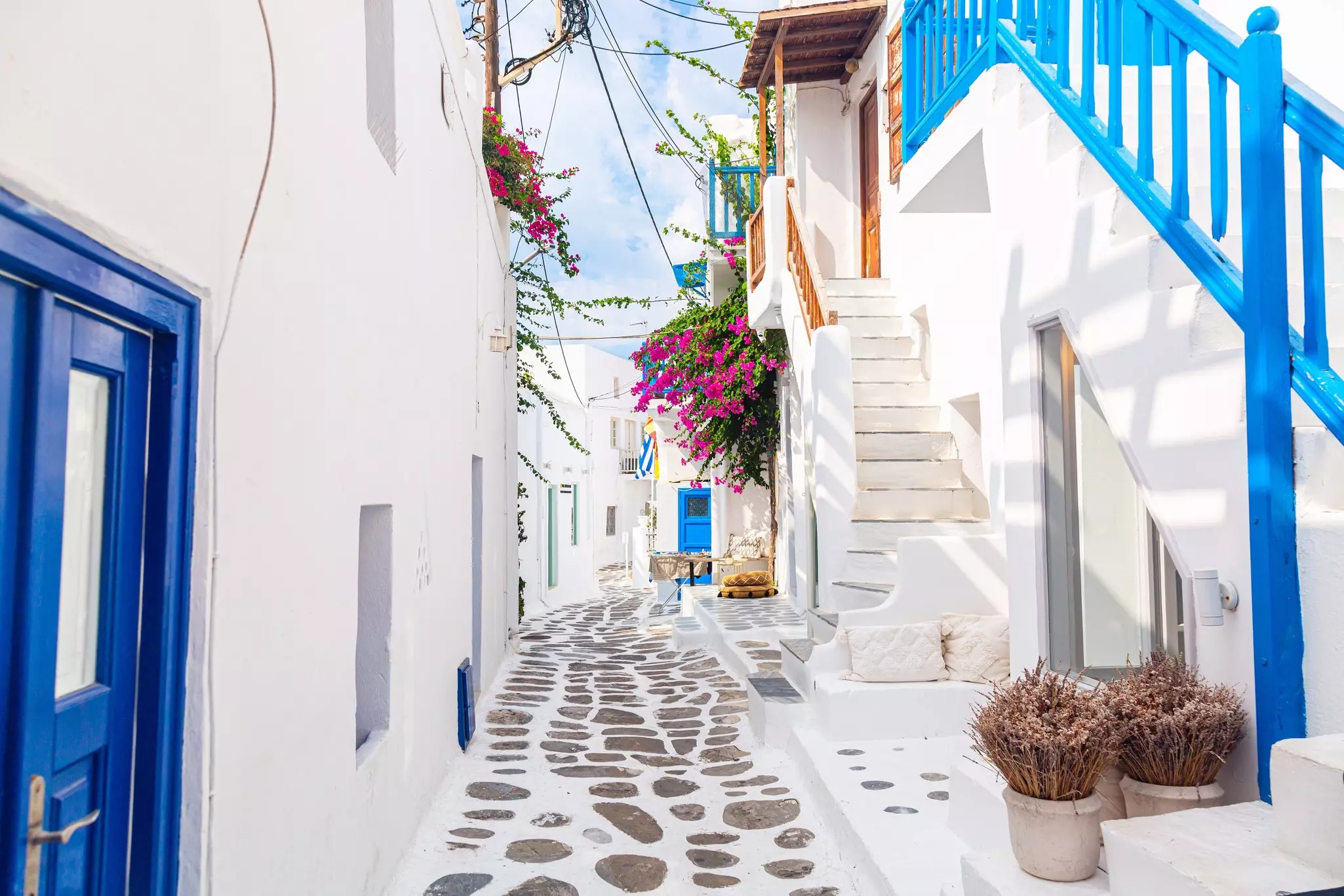
Despite Hora's tiny size, it's still easy to get lost in its maze of lanes. It’s entertaining at first, but can become frustrating amid masses of equally lost people. For a quick fix to navigation problems, head downhill to the water and trace the periphery of the town before diving back in. If you plan to explore Mykonos more widely, download mapping app data for the island in advance, so you don’t suddenly discover that you're lost when you're somewhere with no cell (mobile) signal.
If you’re taking a ferry to or from Mykonos, be aware that the island has two ferry ports – the Old Port, 400m north of the center of Hora, where some small fast ferries dock, and the New Port, 2km north of town, where bigger fast ferries and all slow ferries dock. Excursion boats for Delos also depart from the Old Port. Always double-check which quay your ferry leaves from to avoid problems.
Getting around on Mykonos in a wheelchair can be challenging due to uneven pavements and having to negotiate stepped alleys; having someone to assist you can be helpful. The Archaeological Museum of Delos is wheelchair accessible, and a special vehicle is available to tour the archaeological site (book in advance). For the visually impaired, there are Braille panels around the site, and pamphlets in Braille at the museum.
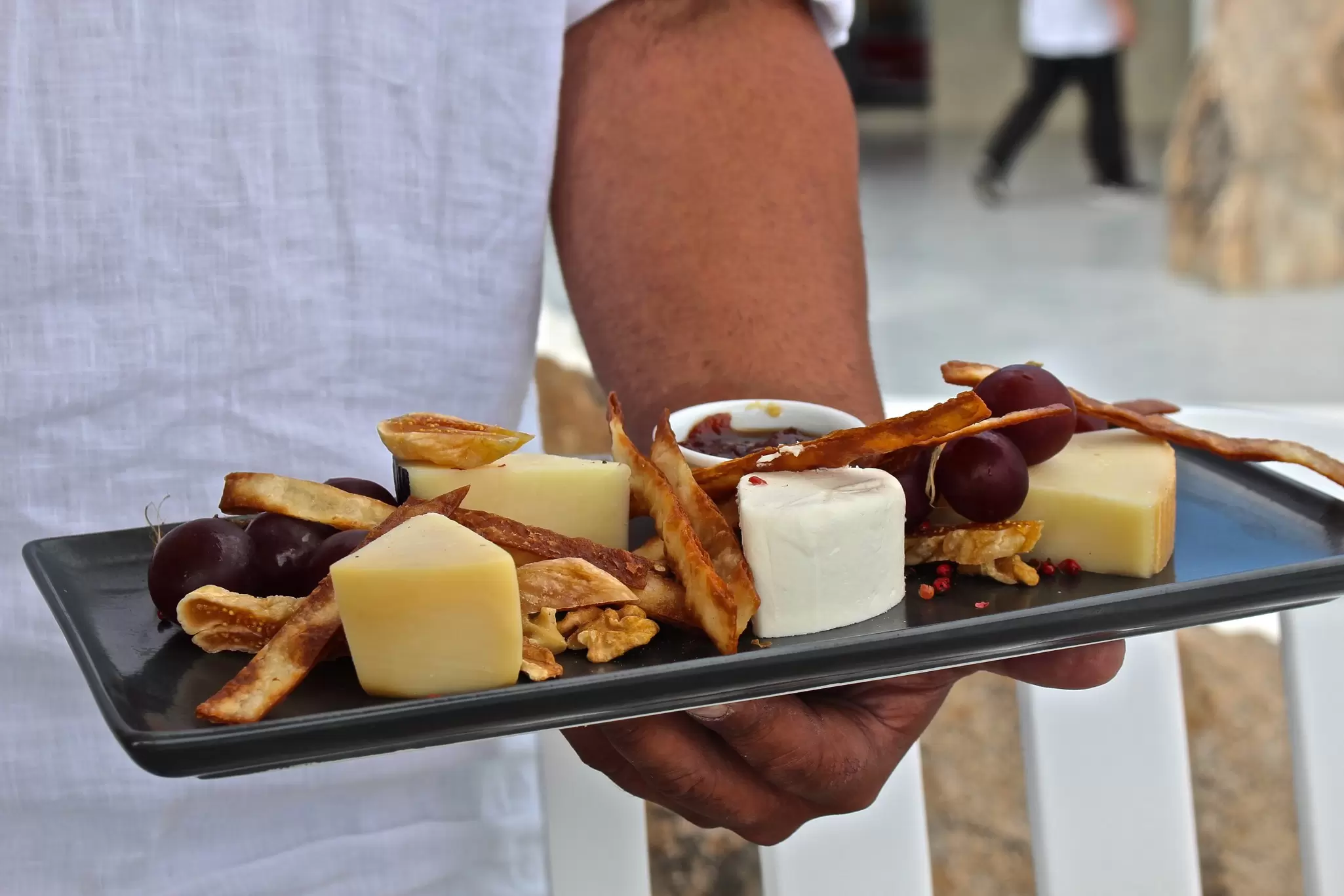
Food on Mykonos spans everything from meze spreads of classic Greek small plates to international food such as pizzas and sushi.
Traditionally, lunch mesimeriano (lunch) is the main meal of the day, consumed from around 1:30pm or 2pm, and this is traditionally followed by a siesta. Greeks tend to eat vradino (dinner) late; people rarely sit down to eat before sunset in summer, and restaurants stay full till late. Beachside seafood tavernas may keep serving past 2am in summer. If you know when you’ll be eating, book tables ahead in summer to avoid long waits.
Mykonos caters to all visitors’ needs, and the island – like the rest of the Cyclades – is easy for vegetarians, and vegans also won't find it too difficult to find a meal. Island menus feature plenty of typical international veg-based foods, plus loads of salads and Greek vegetable dishes.
The regional cuisine of Mykonos traditionally relies on beans and pulses, including popular dishes such as fava (a puree of split peas rather than fava beans) and revythadha (chickpea stew). If you have an allergy, speak up; not all ingredients are listed on the menus.
When dining out on Mykonos, most people leave a small cash tip of around 10%, or round up the bill. At bars, leaving a tip is the norm if there's table service.
To continue planning your trip to Mykonos, check out Lonely Planet's Greece or Greek Islands guidebooks.
Explore related stories