Aug 28, 20268 min read
20 Things to Know Before Traveling to MoroccoAug 28, 2026
8 MIN READ
Writer
Highlights
Writer Sally Kirby shares 20 Morocco tips covering planning, etiquette and safety.
Book headline activities ahead of your visit but keep your itinerary loose.
Get cash on arrival; cards aren't accepted everywhere.
Pack a filter bottle to make drinking water safe and carry your own tissues for toilets.
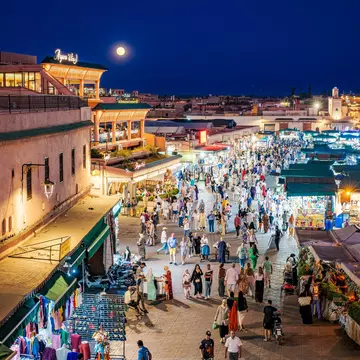
Djemaa El Fna in Marrakesh by night. arkanto/Shutterstock

Writer
Highlights
Writer Sally Kirby shares 20 Morocco tips covering planning, etiquette and safety.
Book headline activities ahead of your visit but keep your itinerary loose.
Get cash on arrival; cards aren't accepted everywhere.
Pack a filter bottle to make drinking water safe and carry your own tissues for toilets.
Lonely Planet may earn a commission from affiliate links on our site. All recommendations and reviews reflect our own independent opinions.
There are many things I wish I'd known before moving to Morocco in 2018. This country reveals the full spectrum of real life: the good, the bad, the ugly and the oh-so beautiful.
For some visitors, Morocco can be a huge culture shock, but with some awareness and understanding, it is possible to appreciate these differences, connect more deeply and see the country through a different lens without trying to change it. For a smooth trip, here are some of the things you should know before visiting.
Travelers from around 70 countries, including the United States, Canada, Australia, New Zealand, the European Union and the United Kingdom, can travel to Morocco as tourists without a visa. The maximum stay is 90 days, which starts on the date of your entry stamp.
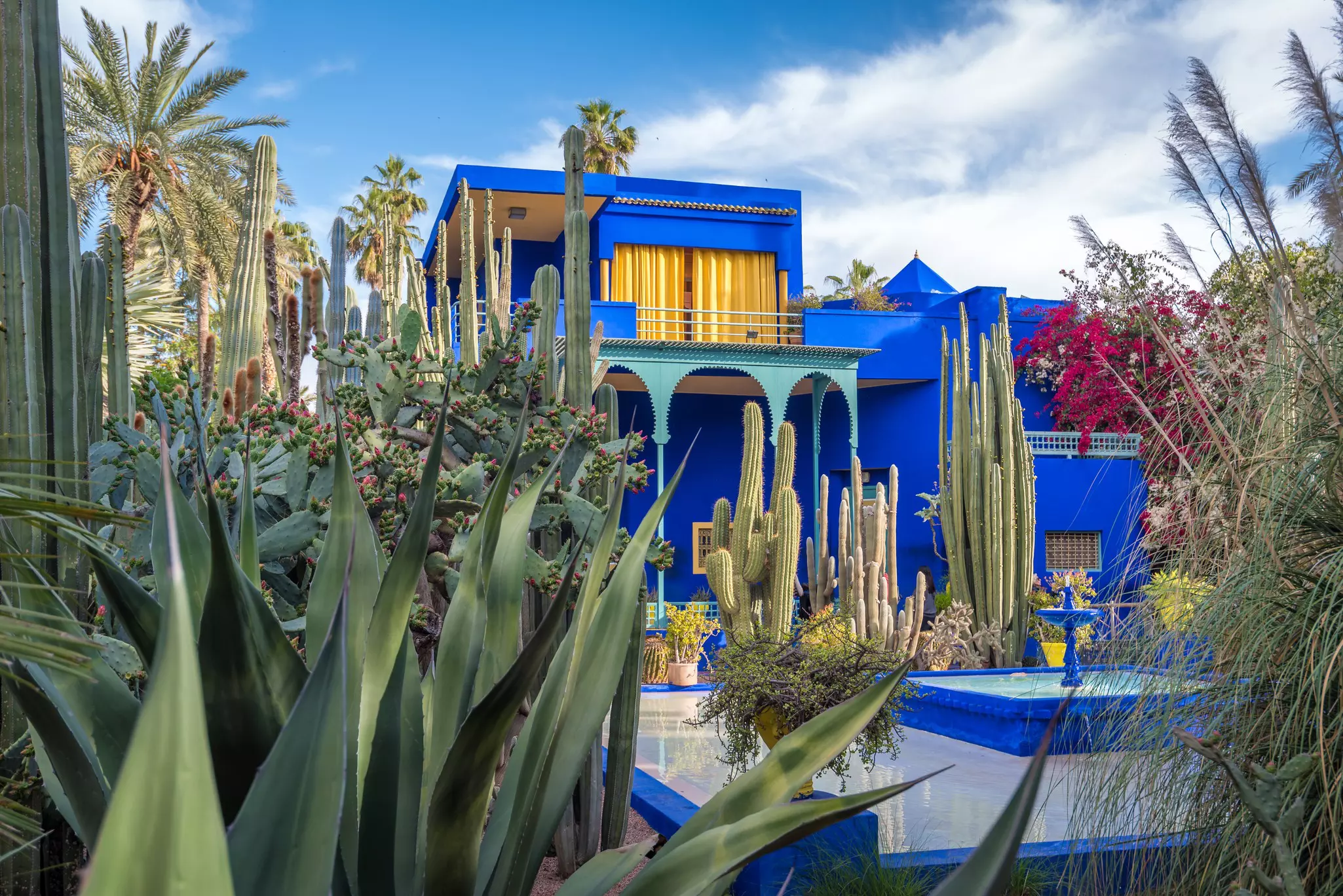
Marrakesh is the most popular city in Morocco for visitors, so prebook entrance tickets to major attractions such as Jardin Majorelle and Musée Yves Saint Laurent online to avoid waiting in line. The Marrakesh medina comes to life around 5pm, but the "pink city" is more than just the medina – spend time exploring Gueliz and step off the main boulevards onto the leafy side streets to discover pretty street cafes, bistro restaurants and small indie boutiques.
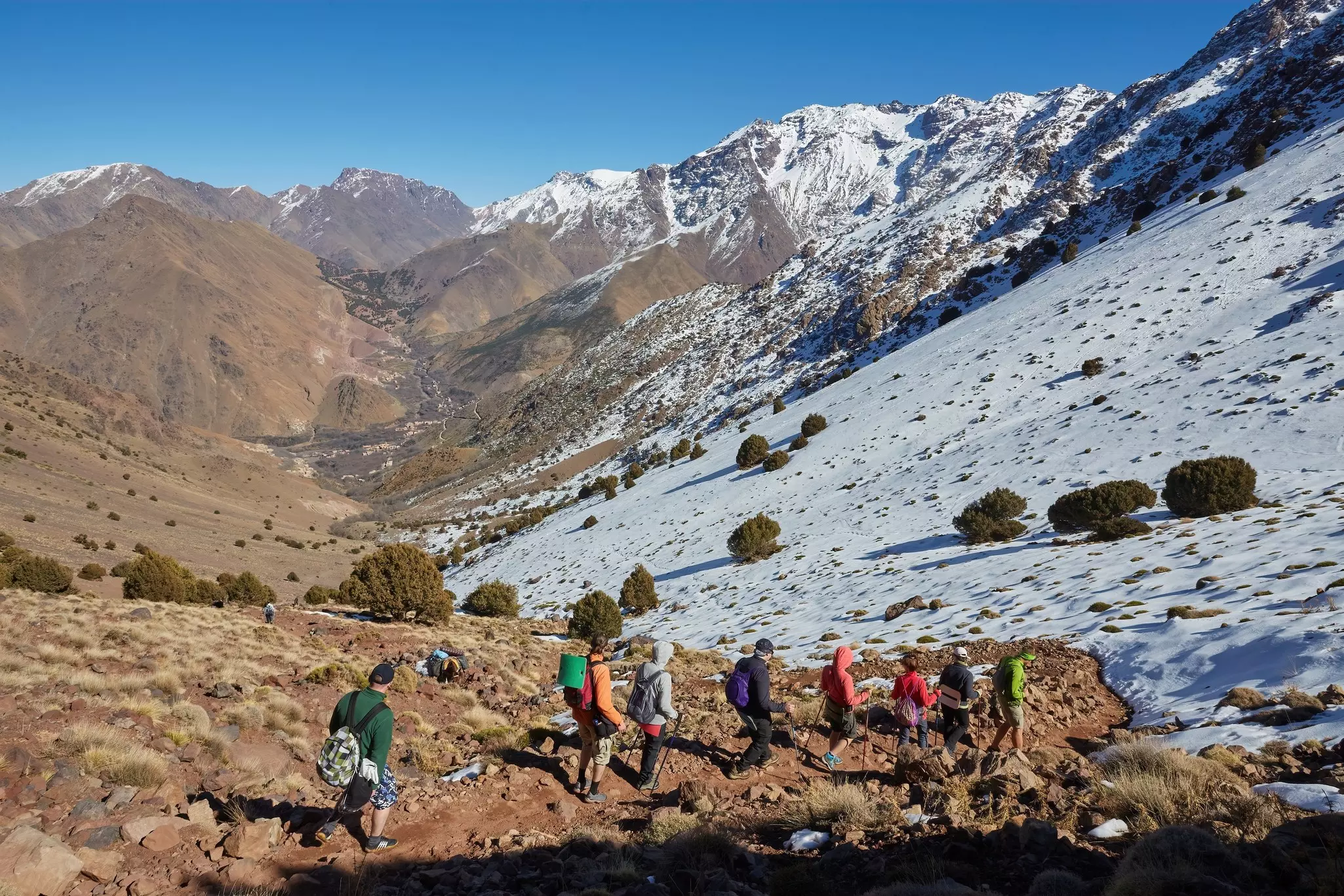
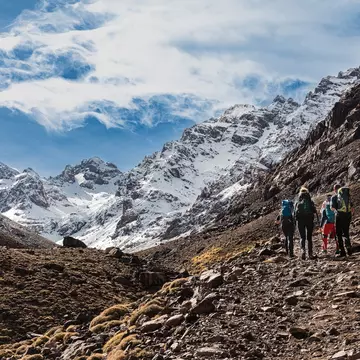
To get the most out of your trip to Morocco, use a guide who has in-depth expertise and speaks your language. In cities, check with the local tourism office or your accommodations for recommendations for licensed guides in the area. If you’re surfing, you can check qualifications are valid using the ISA’s directory. Hiking guides are mandatory for climbing Mt Toubkal in the High Atlas. Check with Bureau des Guides.
The Moroccan dirham (Dh) is a closed currency, which means you cannot get it outside the country. Morocco’s rural areas still operate on a cash economy, but cards are widely accepted in towns and cities, so you'll need to carry both cash and cards when traveling in Morocco. Keep small denominations to make purchases or to tip people who give you a hand to show your appreciation.
A mixture of French, Arabic, Amazigh and English is spoken in Morocco, depending on where you are in the country. Don't expect everyone to speak English. Apps like Google Translate can be useful, but learning some basic Arabic phrases will reward you with feeling more connected and engaged with people you meet.
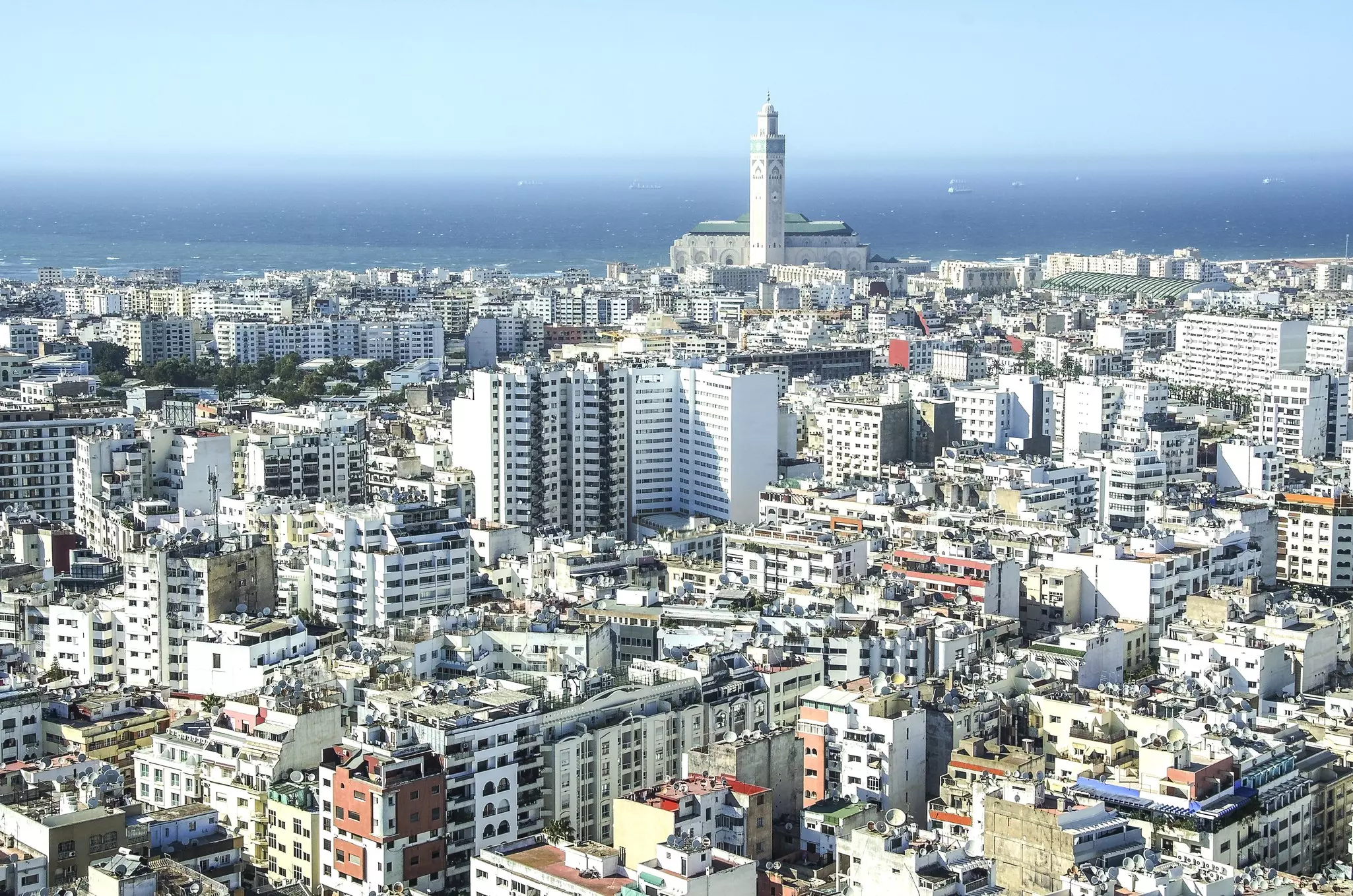
Research the places in Morocco you’d like to visit but leave wiggle room for changes along the way and enjoy the spontaneity. While it’s possible to prebook tours and activities, it’s usually just as easy to reserve them when you arrive in the country.
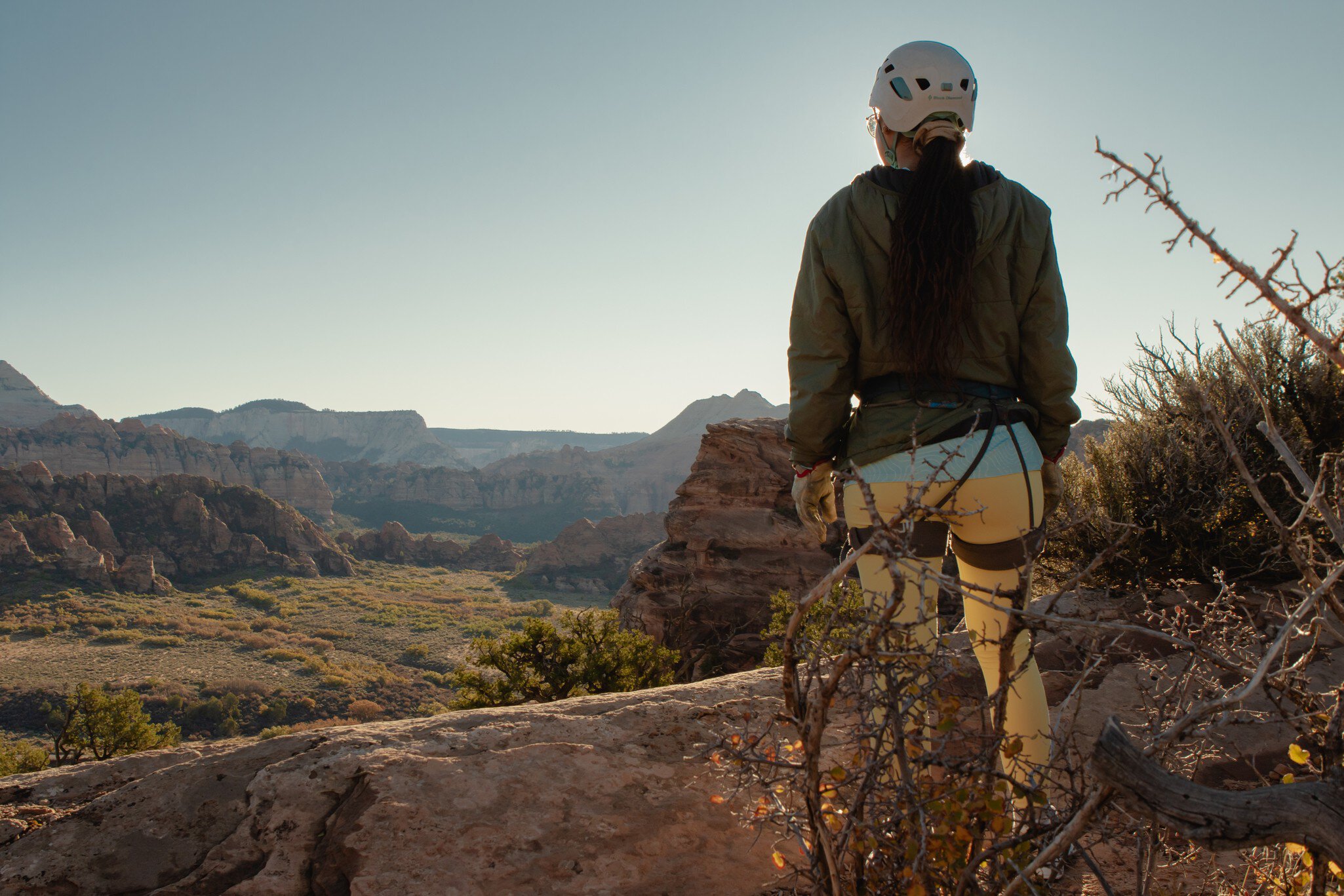
Lonely planet’s trusted travel insurance provider
Travel with confidence. Protect your trip and your wallet.
We don’t represent World Nomads, we receive a fee from quotes using this link. This is not a recommendation to buy travel insurance.
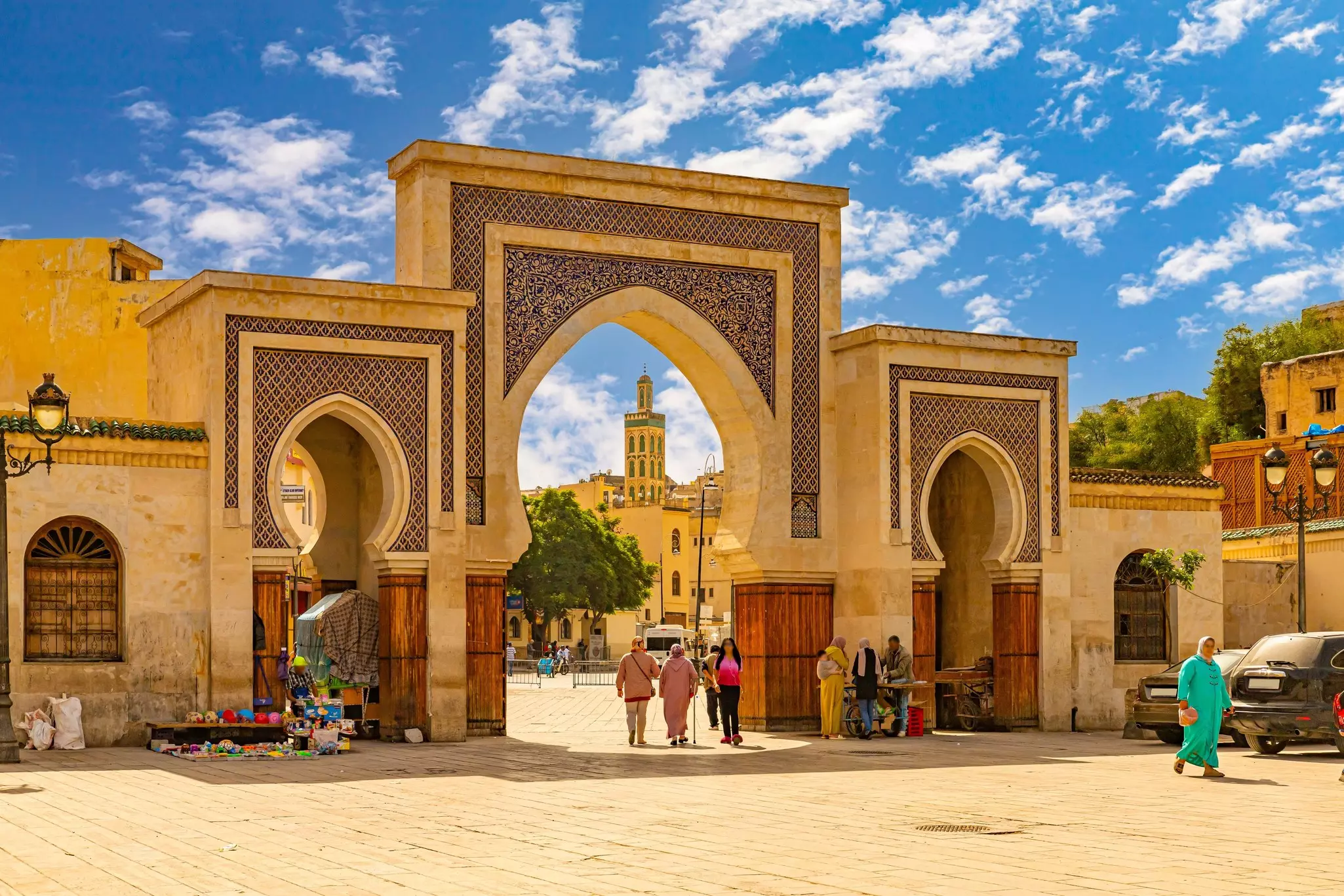
To visit the Hassan II Mosque and other religious sites, visitors – both men and women – must cover from their shoulders to their knees. Dress modestly in cities and towns to avoid unwanted attention. At bars and nightclubs, almost anything goes, but in rural areas, cover up and be respectful of the local customs.
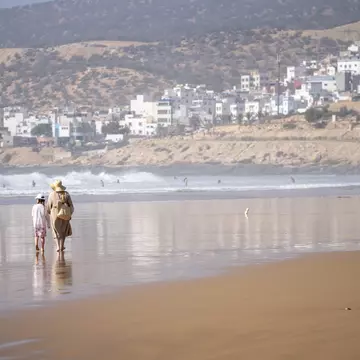
At the beach, you can wear shorts, dresses, vest tops and swimwear including bikinis. Pack comfortable footwear that’s suitable for uneven roads and a scarf to cover your shoulders.
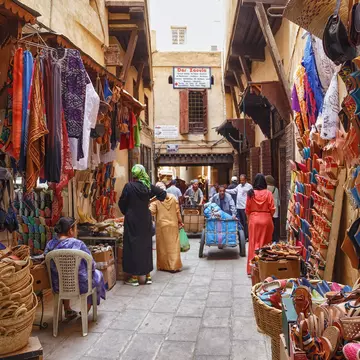
Haggling is a game and part of the shopping experience in Morocco. Try not to get frustrated – the ideal scenario is that both sides come away feeling like they got a fair price.
For big purchases, do your research, have a price in mind, or shop around until you do. Sometimes vendors say to pay what you feel like, so if you don't have a price, ask some questions: how many hours did it take to make? Where did the materials come from and at what price?
Souqs are filled with fake products. Many Moroccans don't care whether their Nikes are original; they just want the latest styles for a good price.
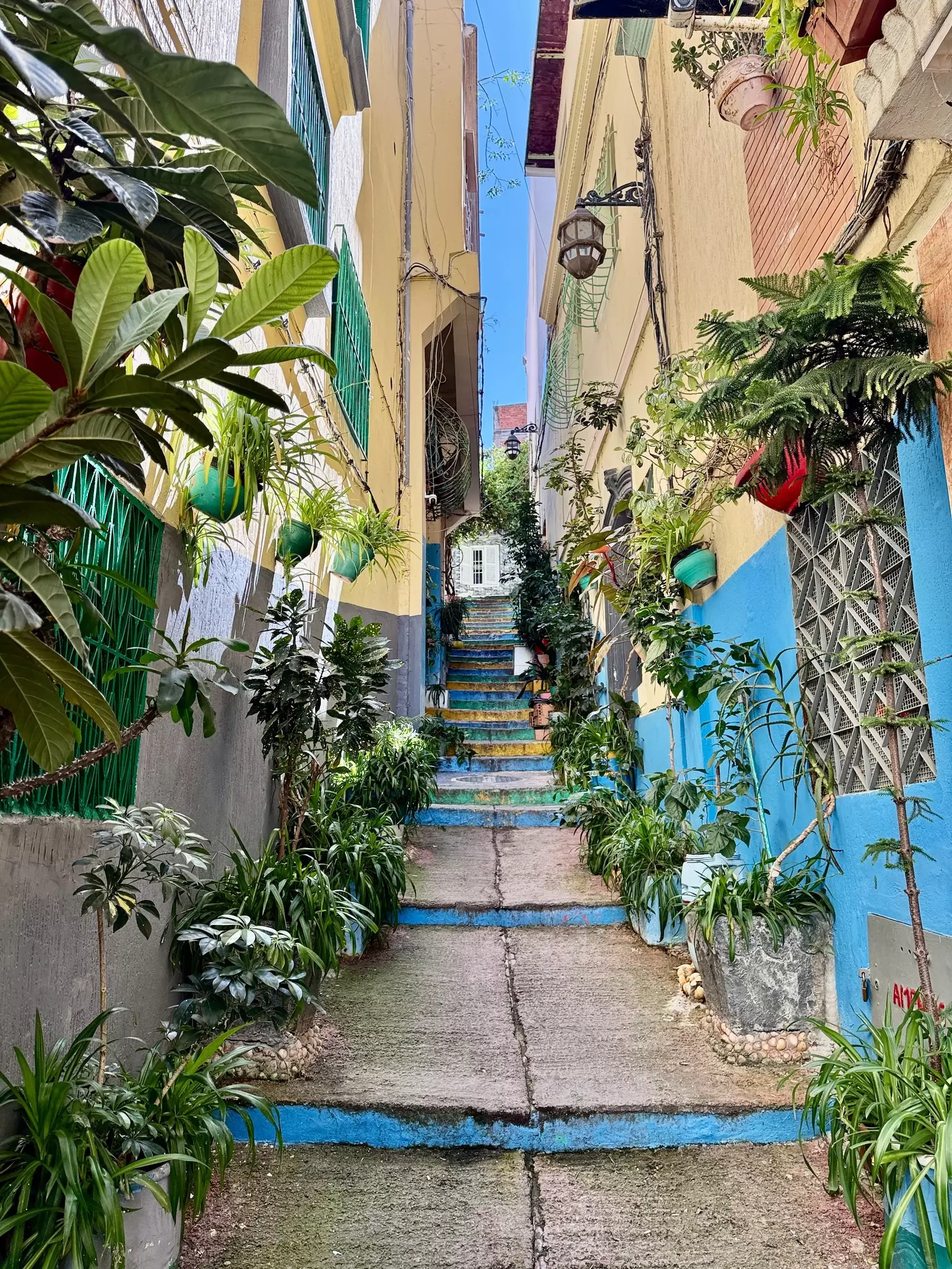
The holy month of Ramadan and the celebrations of Eid offer a different cultural experience, and during these times many places will be closed. Check the dates for Ramadan and be aware that many places to eat will be closed during the day; you'll still find food served to visitors at hotels.
The words "God, king and country" are etched on hills around the country. Islam is the state religion, and the rules of Islam are applied to personal matters in the same way that state law works in other countries. It is illegal to speak disrespectfully about religion or the king. Non-Muslims are not permitted to enter mosques or cemeteries, except the Hassan II Mosque in Casablanca. Friday is a holy day across the country, and most people take a few hours off in the afternoon to go to the mosque and eat couscous with their families afterward. If you're heading to a particular place on a Friday, check business opening times before you visit.
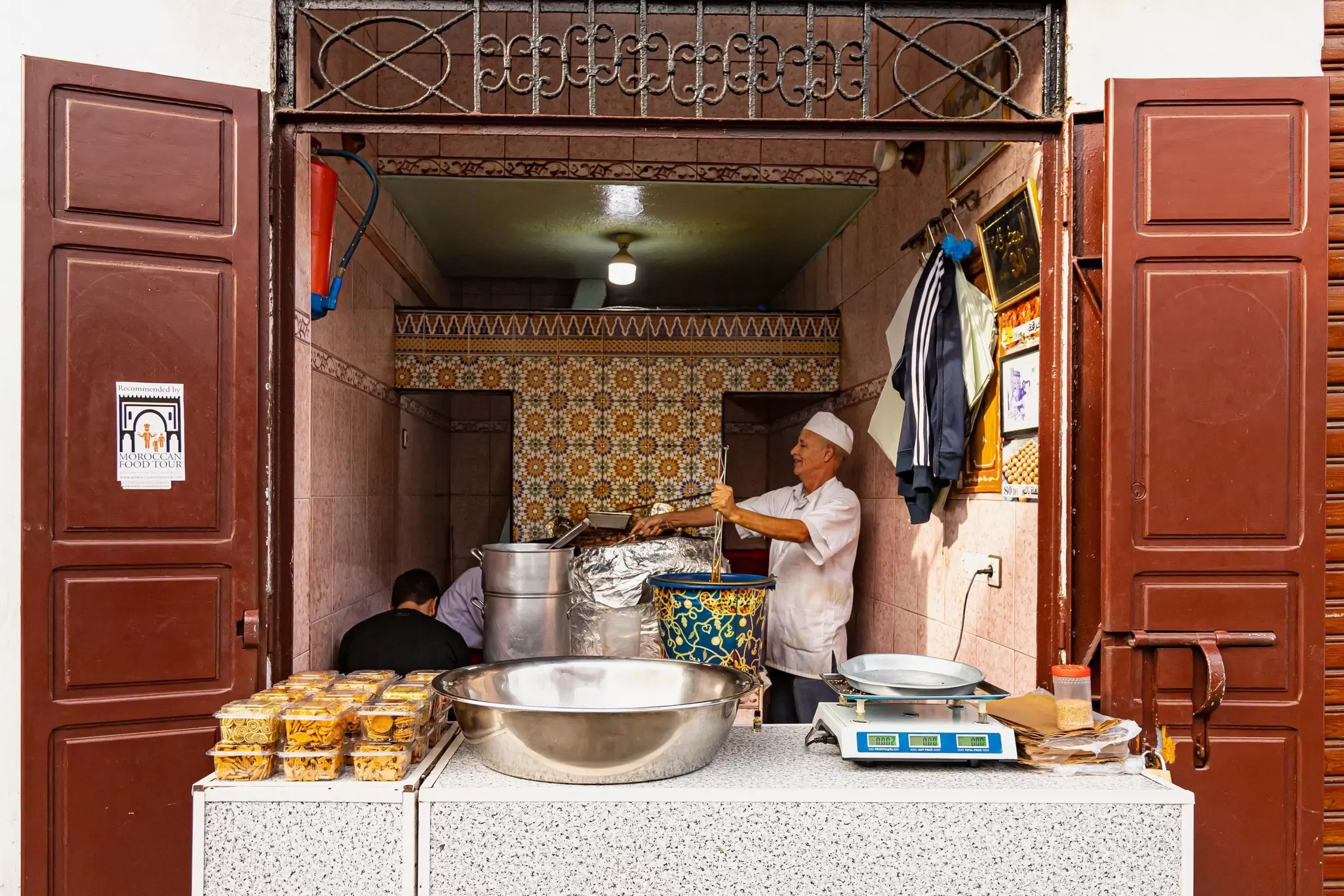
No matter where you are in the world, it’s best to ask permission before taking someone’s photo. Many people are fine with it, but others aren’t. Some may ask for money. Do not take photos of military or government buildings. Drones are not allowed in Morocco without special permission.
Simply ignore people who offer goods that you do not want. There's no need to be polite to everyone who wants to sell you something. By not reacting, they'll get bored and walk away.
Even though alcohol is forbidden by Islamic law, it is widely available and sold in licensed wine shops and international grocery stores. Note that not all bars and restaurants serve alcohol.
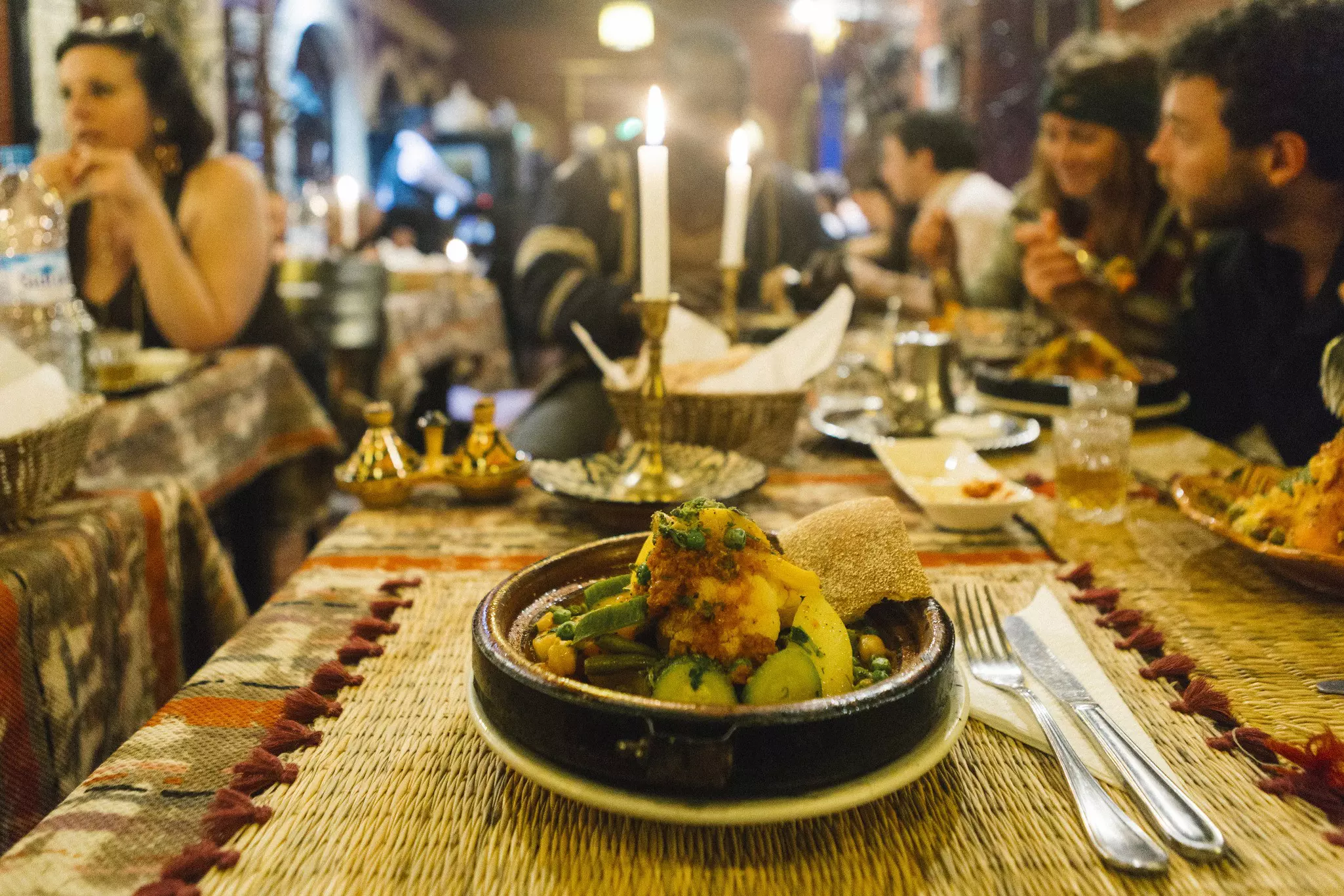
Moroccan cuisine, such as tagines and grilled fish, is traditionally eaten with bread using your right hand. The left hand is considered unclean because it’s typically the hand used when going to the toilet.
Getting lost is part of the joy of exploring Morocco with its unmarked roads, the maze of souq alleys and areas of no cell phone reception. Relax but be aware of your surroundings and ask for help if you need it. In medinas, it’s helpful to know that if the street sign is a hexagon, it's a dead end. If it’s a square, it’s a through street.
Solo travelers should take all the usual precautions, including dressing appropriately and making sure someone knows where you are headed and when you're likely to be back.
Morocco’s tap water is not safe to drink. Bring a water bottle with a filter to avoid buying plastic.
Some public toilets do not have toilet paper. Unless you are comfortable using water to clean yourself, keep a pack of tissues and some antibacterial hand gel or wipes on you.
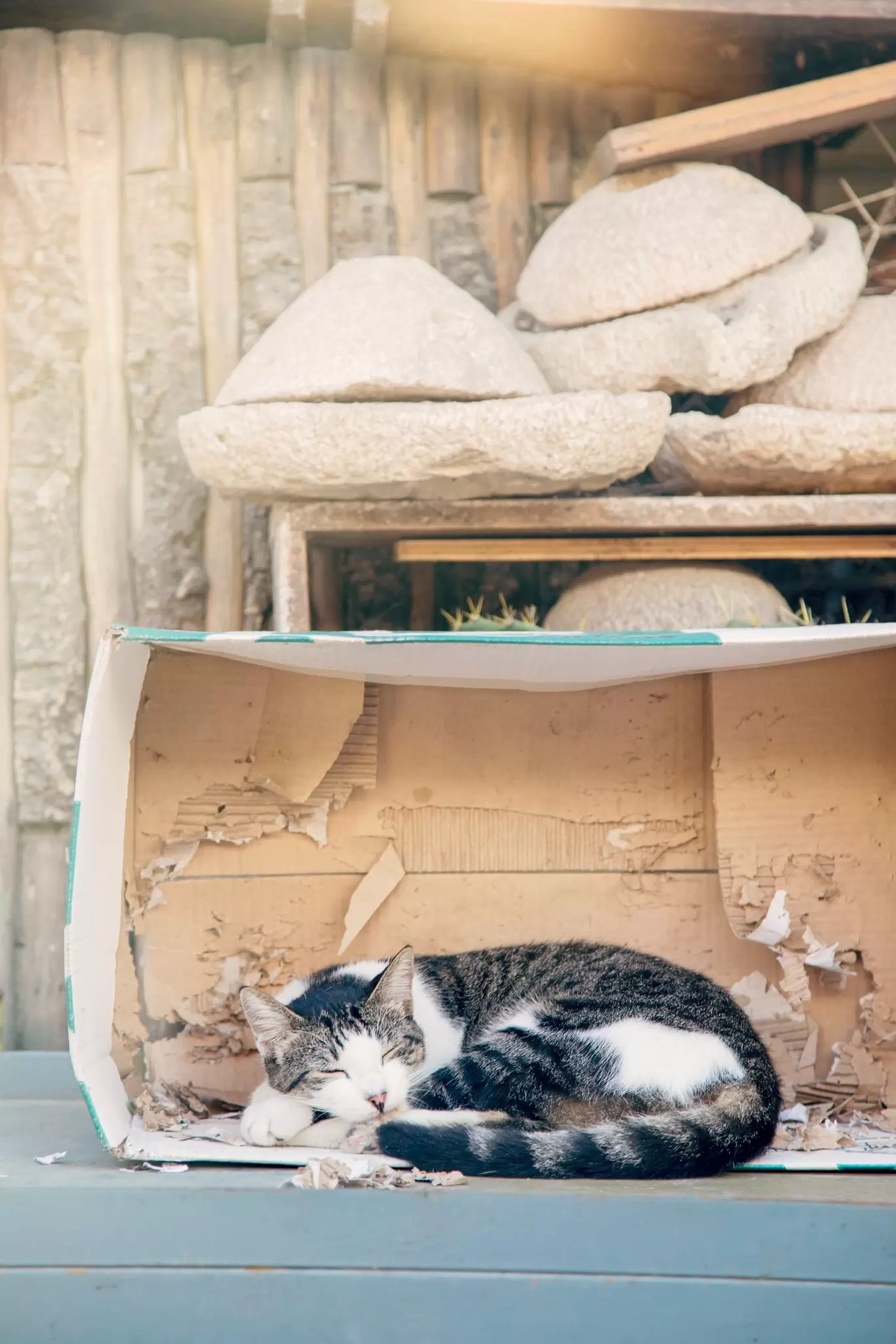
It’s best not to feed street animals from your table because they might not leave, but you can keep leftovers and feed them elsewhere on the street. If you're an animal lover, find out if there is a rescue center where you're staying and show your support with a donation or by volunteering your time.
Getting around Morocco is easy, even without a car. An excellent train network links many cities, including Africa’s first high-speed train, Al Boraq, between Casablanca and Tangier. A comfortable and reliable bus network connects towns big and small. Book train and bus tickets a day or two in advance to ensure the travel time you'd like. Driving in cities such as Casablanca and Marrakesh is best left to the locals.
Some nationalities need to bring an International Driving Permit along with their home licence; check when booking your car. In Morocco, you drive on the right side of the road, and seatbelts are mandatory, even though some taxis don't have them. Car horns are used often – not in an aggressive way, but as a means of communication. Watch out for people, bicycles, motorcycles and animals coming from all sides. Avoid driving at night because some vehicles do not have or use their headlights. Take notice of the speed limits and the roundabouts that have stoplight systems. If you’re stopped for speeding (police speed checks are common) or other penalties, paying fines in cash may be preferable to going to a local police station.
Book your Morocco trip with Lonely Planet Journeys
See Morocco how it's meant to be seen
Planned by local experts and tailored to you, Lonely Planet Journeys handles the logistics so you can just enjoy the trip. Tell us what you want and we'll build your Morocco itinerary from scratch, or browse our bookable trips to get inspired.

Explore related stories