Nov 5, 20267 min read
The 15 Best Riad Hotels in Morocco, from Marrakesh to RabatNov 2, 2026
8 MIN READ

Writer
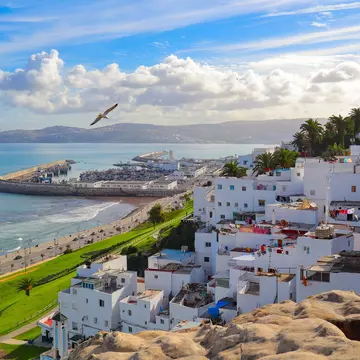
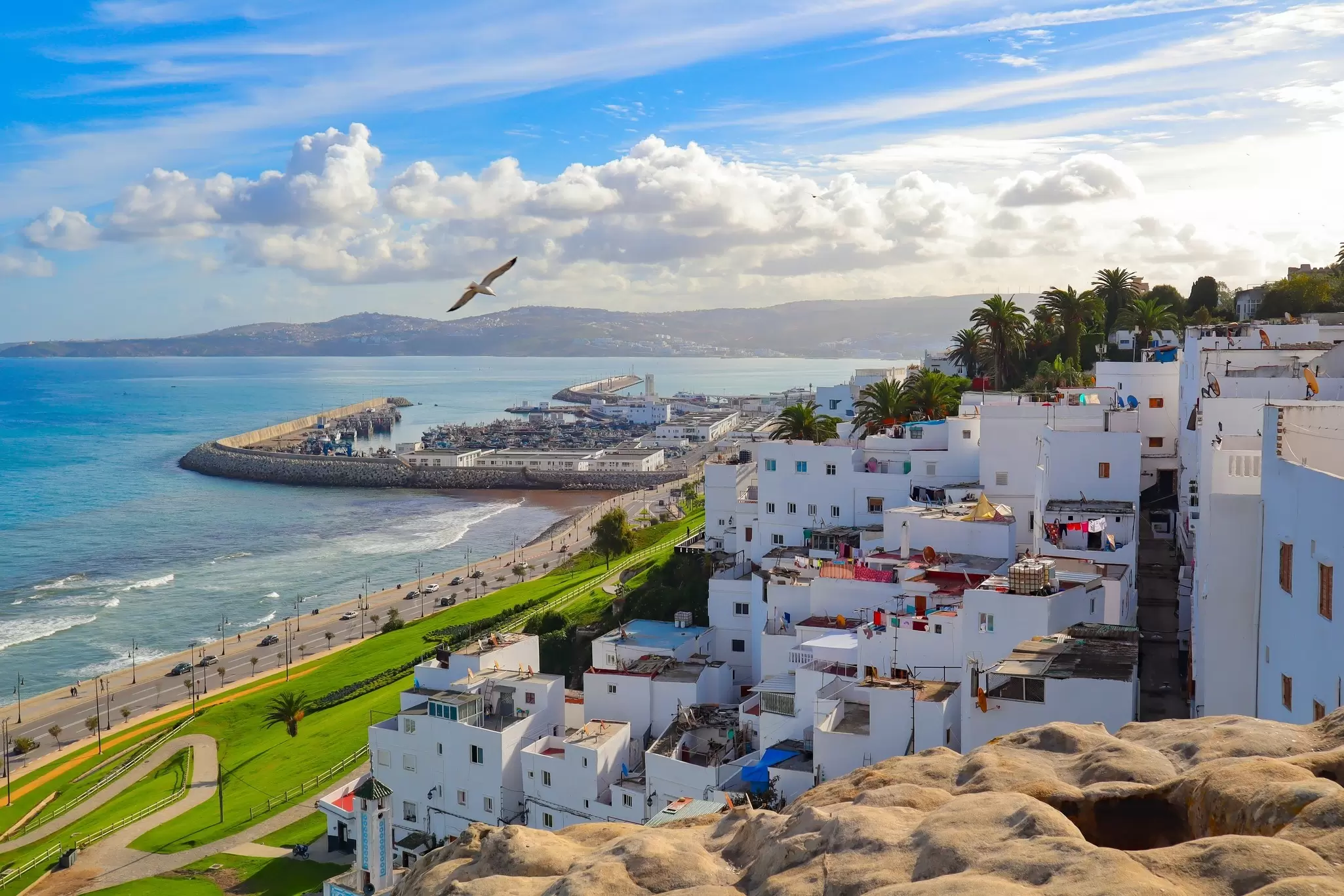
The medina in Tangier, Morocco. Morocco lens/Shutterstock
Writer
Lonely Planet may earn a commission from affiliate links on our site. All recommendations and reviews reflect our own independent opinions.
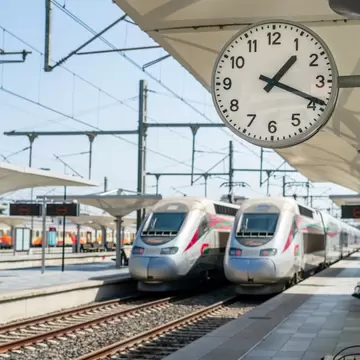
Africa’s first high-speed train – Al Boraq – connects three very different Atlantic-coast cities in Morocco. Laid-back Tangier sits at the crossroads of Europe and Africa, the Mediterranean and the Atlantic; Rabat is both a contemporary capital and historic city; and frenetic Casablanca is Morocco’s economic capital and architectural treasure trove.
The sleek, eco-conscious train whizzes along at speeds of up to 320km/h (199mph), with a journey time of just over 2 hours. And there are multi-billion-dollar plans to extend the line by 2030, when Morocco will co-host the FIFA Men's World Cup, including a fast track between Fez and Marrakesh.
So get a ticket to ride Al Boraq and add these three fascinating cities to your travel itinerary.
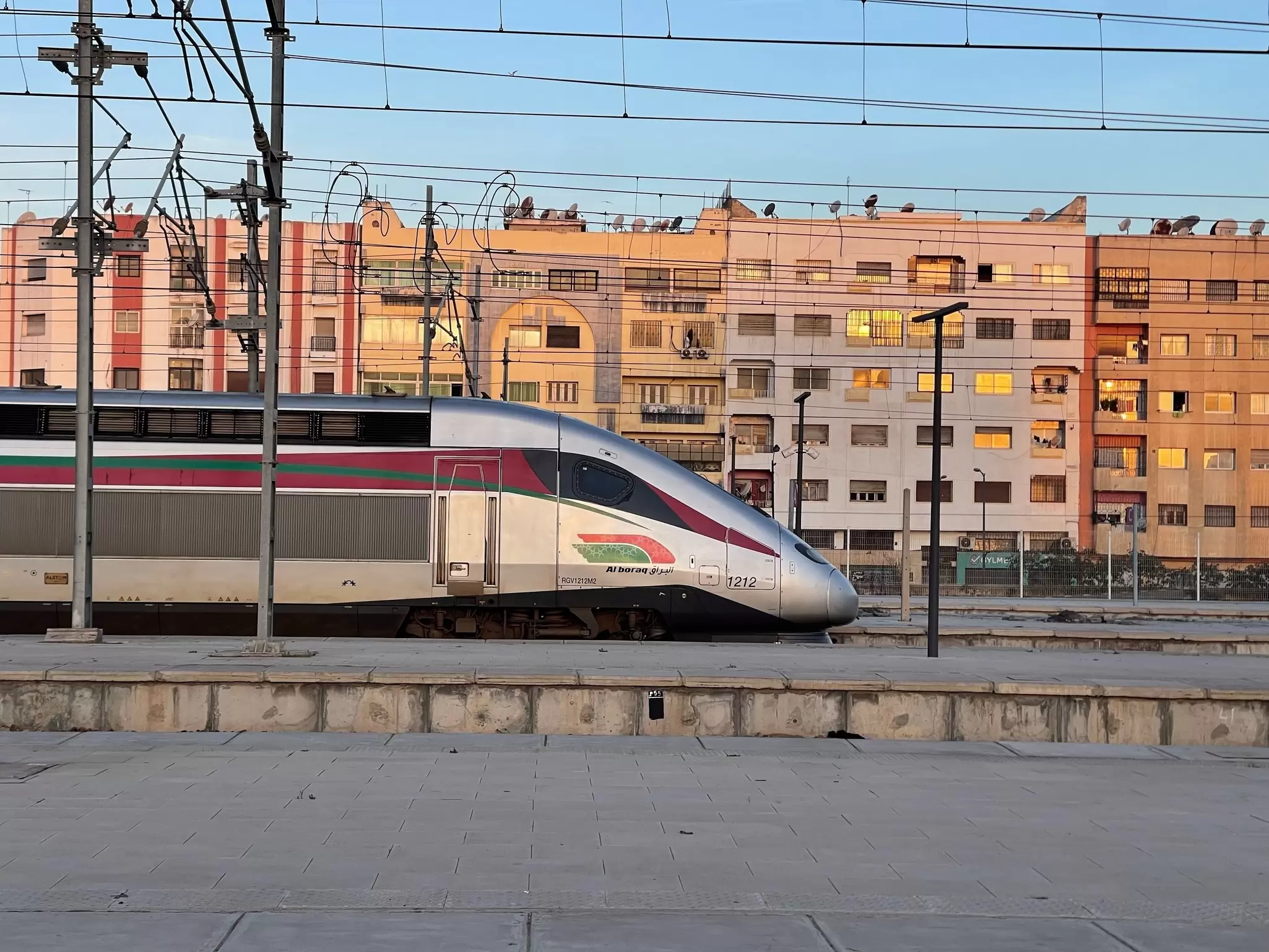
The double-decker trains have first- and second-class compartments with reserved seating; both are comfortable, but first-class ticket holders can use the stations’ Al Boraq lounges. Fares vary from cheaper, non-flexible advance-purchase fares to more expensive, flexible or last-minute fares, but offer excellent value compared to other high-speed trains around the globe. To ride the full route between Tangier and Casblanca, you can expect to pay Dh90–435.
The stations en route are Tanger Ville, Kénitra (if you want to connect from Fez), Rabat Agdal and Casa Voyageurs.
You can buy tickets up to 3 months in advance on the website and app of ONCF, the Moroccan railways operator. Sometimes it declines non-Moroccan credit cards, but you can buy tickets at any train station using cash or card, or from third-party booking platforms such as 12go.com.
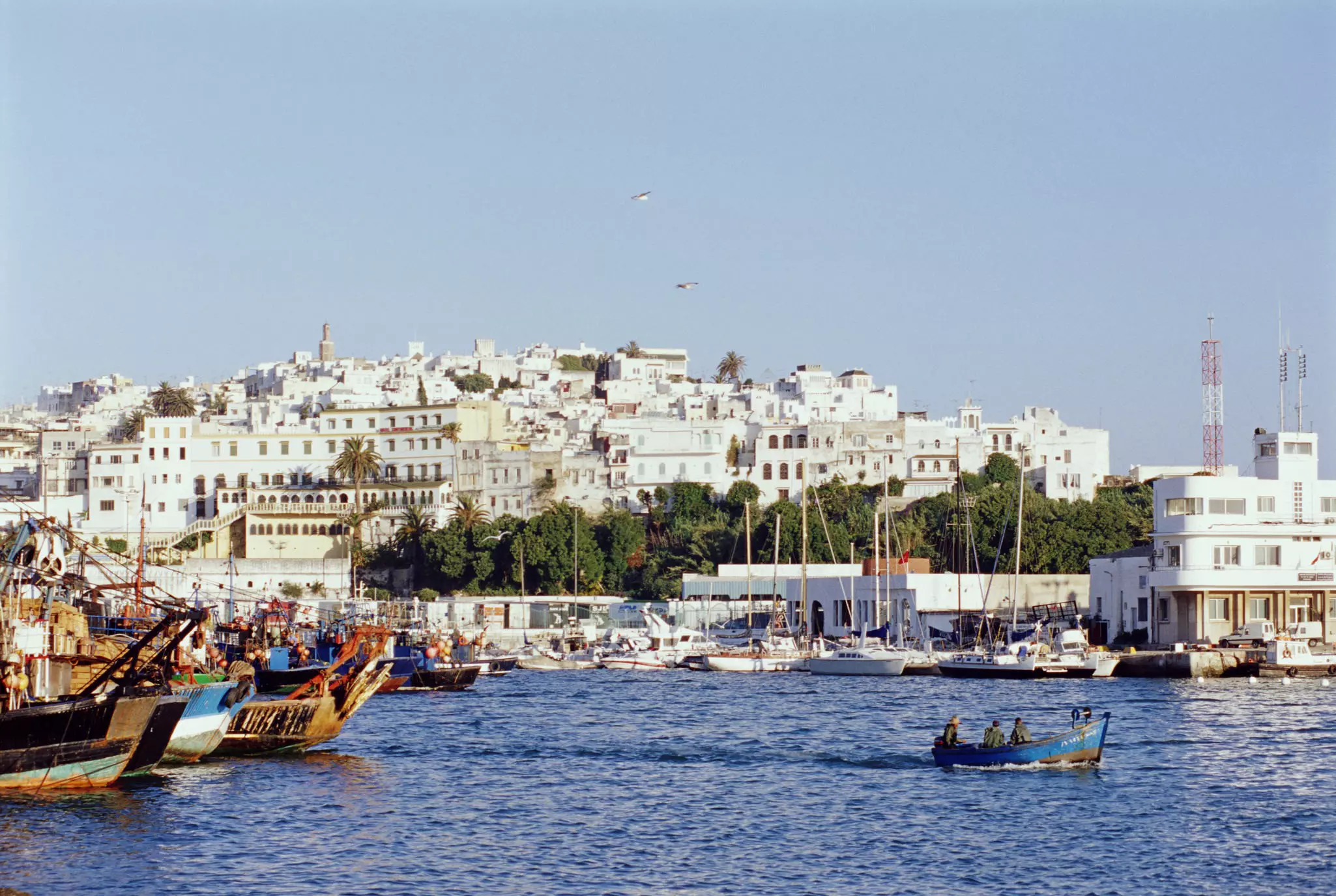
Tangier is one of Morocco’s oldest cities, where diverse cultures have left their mark, including the Romans, Portuguese and the English. From 1923 to 1956, it was an International Zone, attracting creatives with its anything-goes atmosphere and mix of city living and coastal chilling.
More recently, massive investment has swept away years of neglect, from the regenerated waterfront to stylish hotels. The city’s colorful history may be ever-present, but Tangier is looking to the future.
Start by exploring the kasbah (fortress), the highest and oldest part of the medina with a mix of shady alleys and sun-filled squares. Stop off at the Kasbah Museum of Mediterranean Cultures, set in a former sultan’s palace, and step through the Bab Al Bahr for panoramic views over the Strait of Gibraltar.
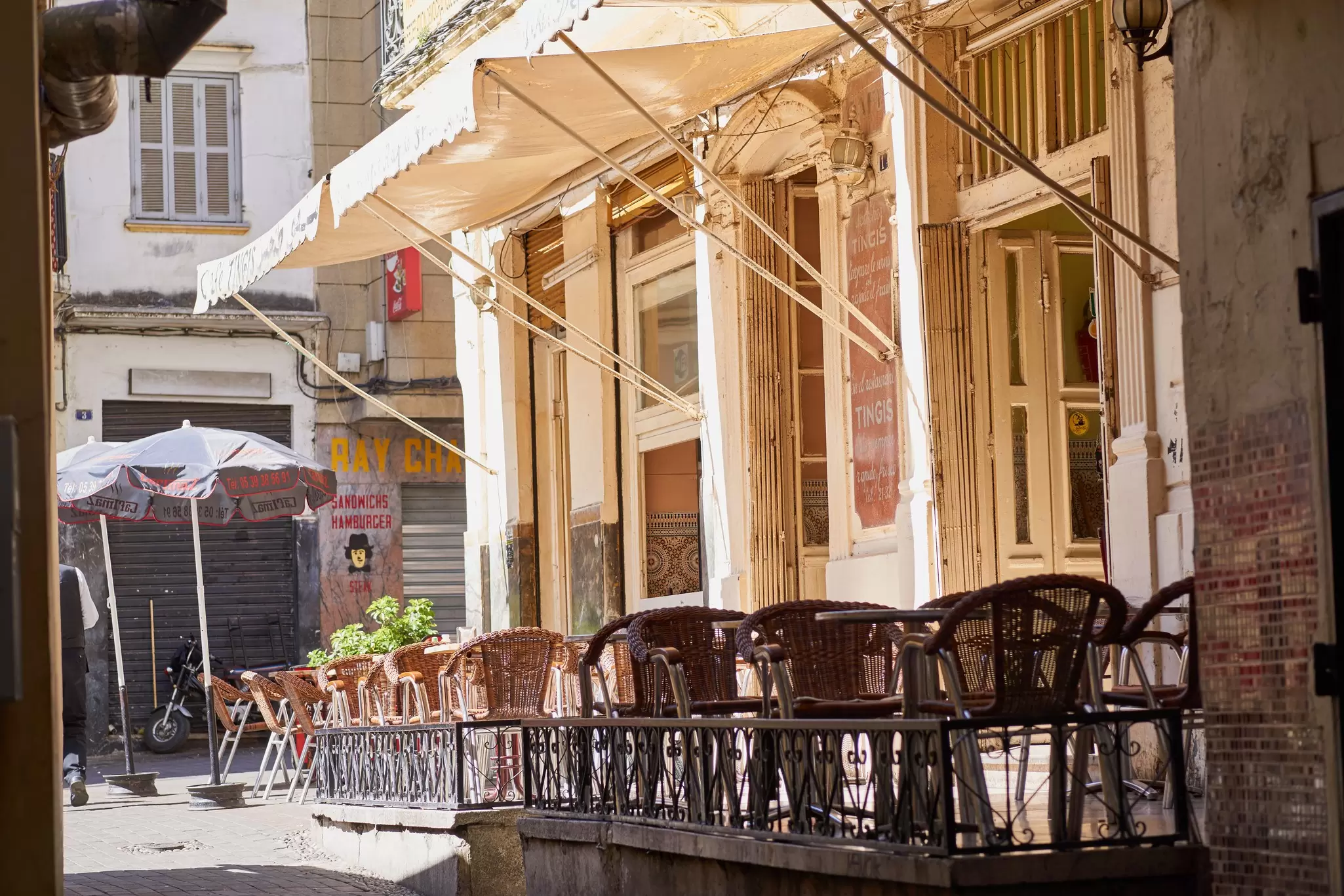
Dip down into the medina for a mint tea break at an iconic cafe. In Café Baba, a photo of the Rolling Stones’ Keith Richards, kif (cannabis or hashish) pipe in hand, still has pride of place. And, amid the hubbub of the Petit Socco, the terrace of the Café Tingis is perfect for people-watching.
Follow the ancient walls to the Bab Kasbah – stopping to shop-til-you-drop for Moroccan design at Las Chicas – before strolling down Rue de la Kasbah to the Grand Socco. This teeming square links the medina to the Ville Nouvelle (new city), where the art-deco Cinema Rif has been reinvented as the Cinémathèque de Tanger, along with a cool cafe.
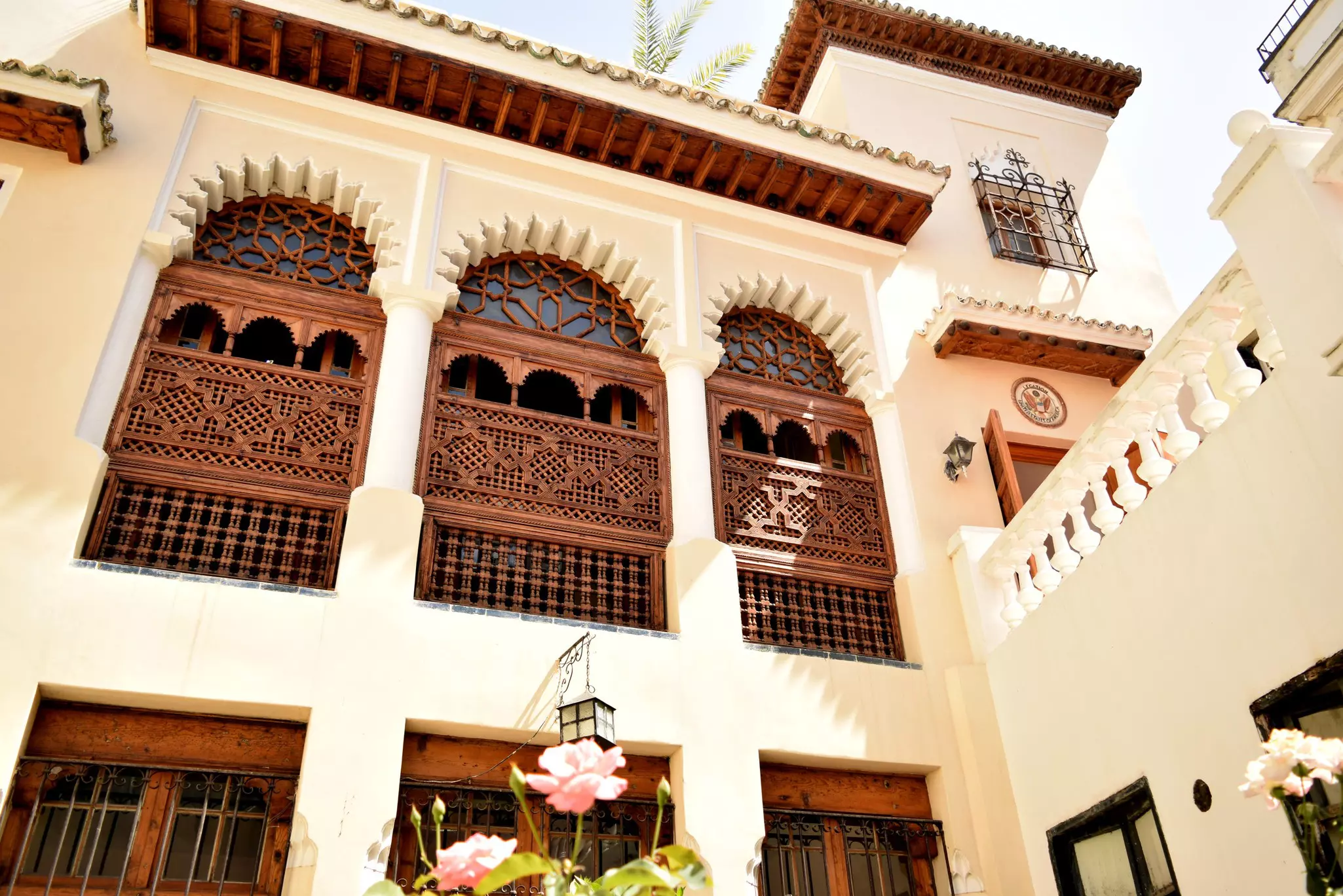
Tangier has a rich literary history, on show in bookshops such as Les Insolites and Librairie des Colonnes, and the must-visit Tangier American Legation Museum – the only US National Historic Landmark on foreign soil – has a wing dedicated to author Paul Bowles. Art buffs can gallery hop around an increasing number of indie galleries, including Galerie Delacroix and Galerie Conil.
Le Saveur de Poisson is a Tangier icon; the four-course menu is fixed, but the main event is always the catch-of-the-day, or enjoy a fishy feast at the good-value Omega 3. The stylish El Morocco Club fuses French and Moroccan flavors, or you can rustle up your own tasty tagine with a hands-on cooking experience at Blue Door Cuisine. Alma Kitchen & Coffee has lots of vegetarian-friendly options, and don’t miss a sundowner at the rooftop bars of the Hotel Nord Pinus or Villa Mabrouka.
A restored Kasbah riad, La Maison Blanche has nine, beautifully decorated rooms and a rooftop terrace with panoramic views. Bayt Alice is a medina hostel set over several floors of a pretty traditional home, with eclectic decor and sweeping terrace views.
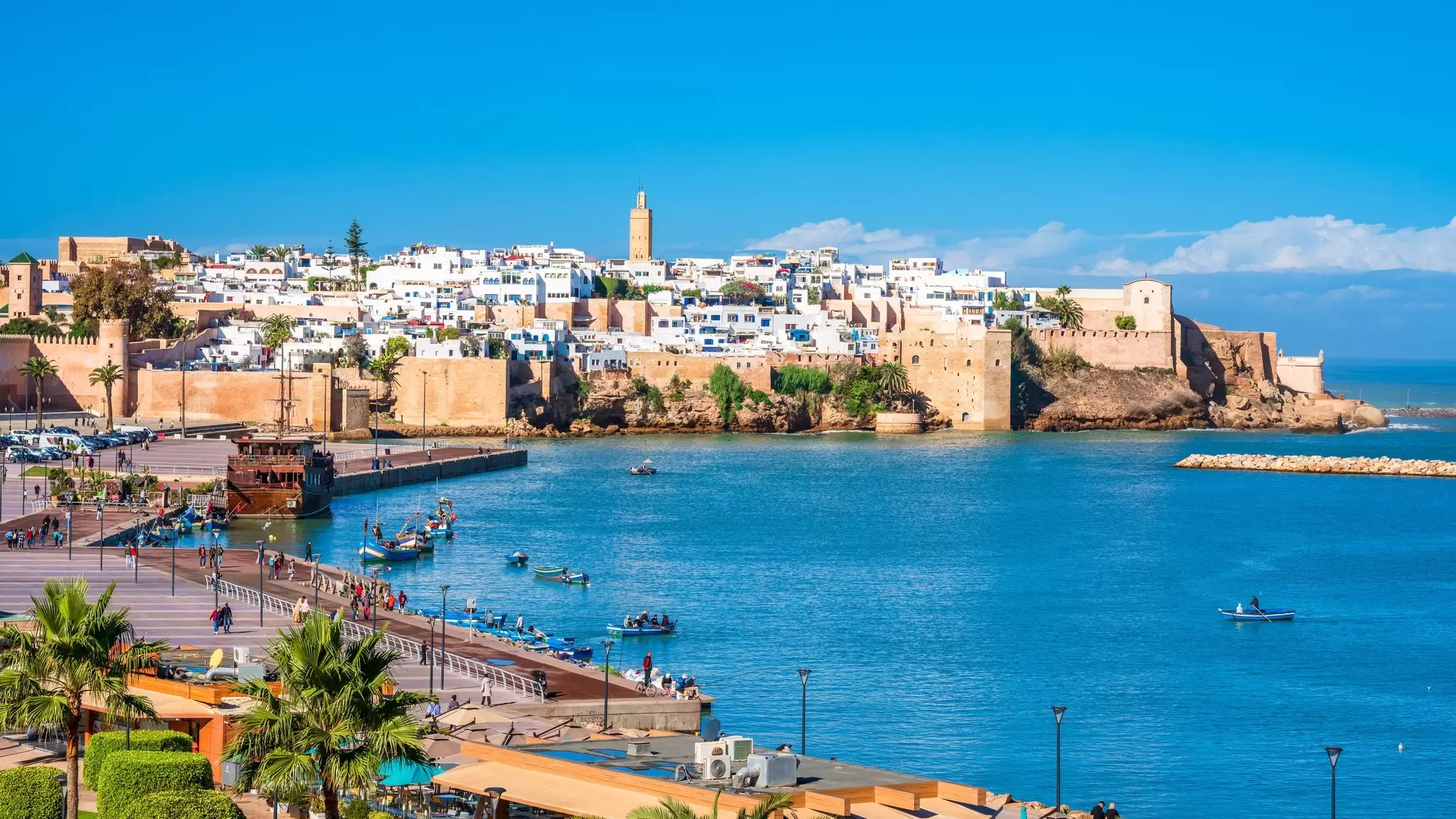
Morocco’s low-key capital combines contemporary culture and historic heritage, with ancient sites and singular modern architecture, skinny medina alleyways and broad palm-lined boulevards.
Art is everywhere, from its flagship Mohammed VI Museum of Modern & Contemporary Art to the monumental murals left behind by the Jidar Street Art Festival. And every summer, more than 3.5 million festivalgoers flock to Mawazine for the eclectic musical line-up, from global superstars to Sufi chanters.
Modern Rabat began at the Kasbah des Oudaias, a12th-century clifftop fortress perched above the Bou Regreg River and the ocean. Today, its winding, whitewashed alleyways are ideal for wandering; stop off at the fragrant Andalusian Gardens and the National Museum of Jewelry & Adornment.
The marble Mausoleum of Mohammed Vis the resting place of Moroccan royalty, watched over by the Moroccan Royal Guard in traditional garb. Inside, marvel at the intricate zellige (colourful geometric mosaic tilework) and the glittering gilded ceiling.
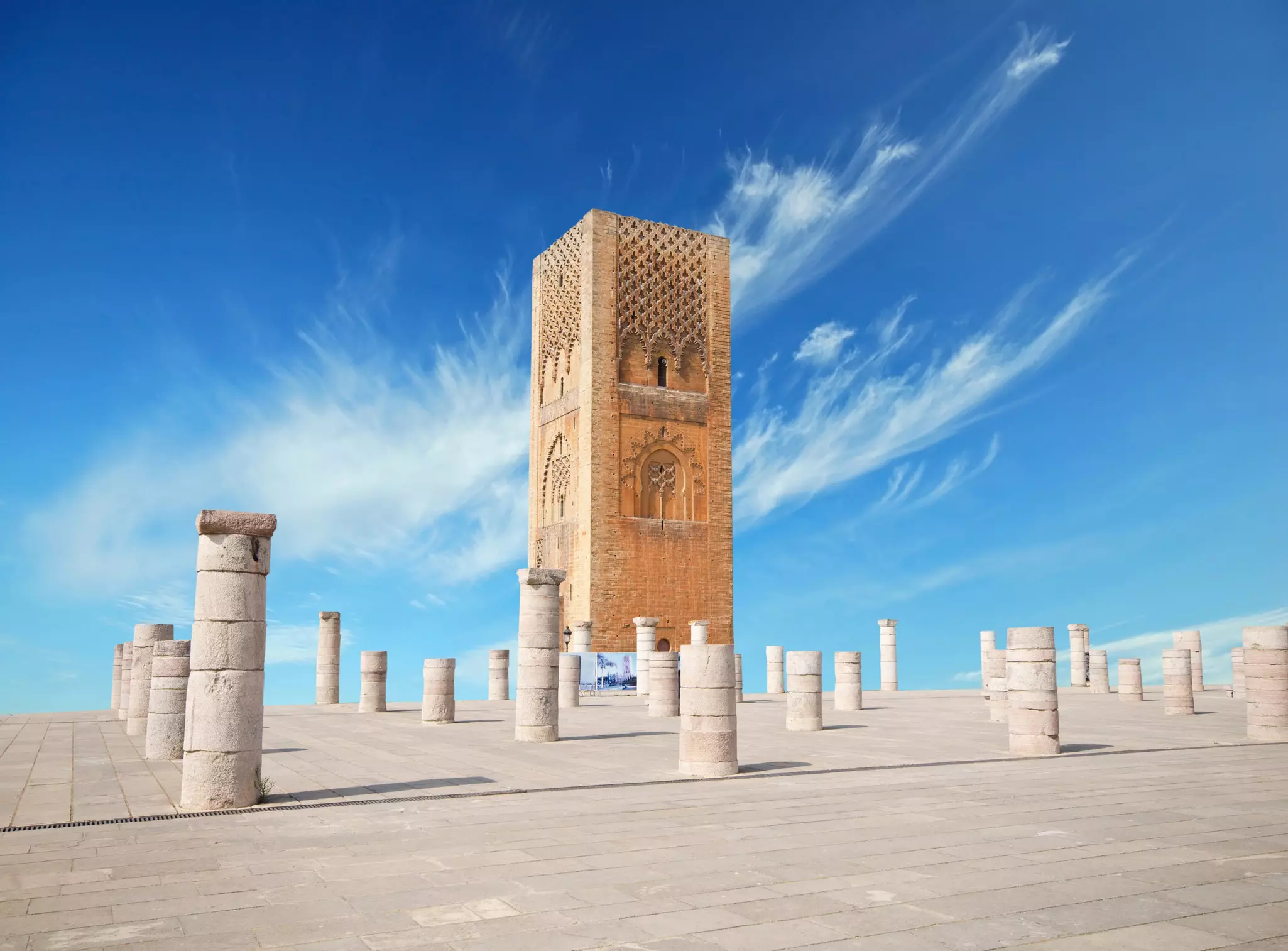
The neighboring Tour Hassan was part of an ambitious 12th-century project by Sultan Yacoub Al Mansour to build an enormous mosque. Today, the 44m tower and an Instagram-worthy forest of shattered stone pillars are all that remains of his grand design.
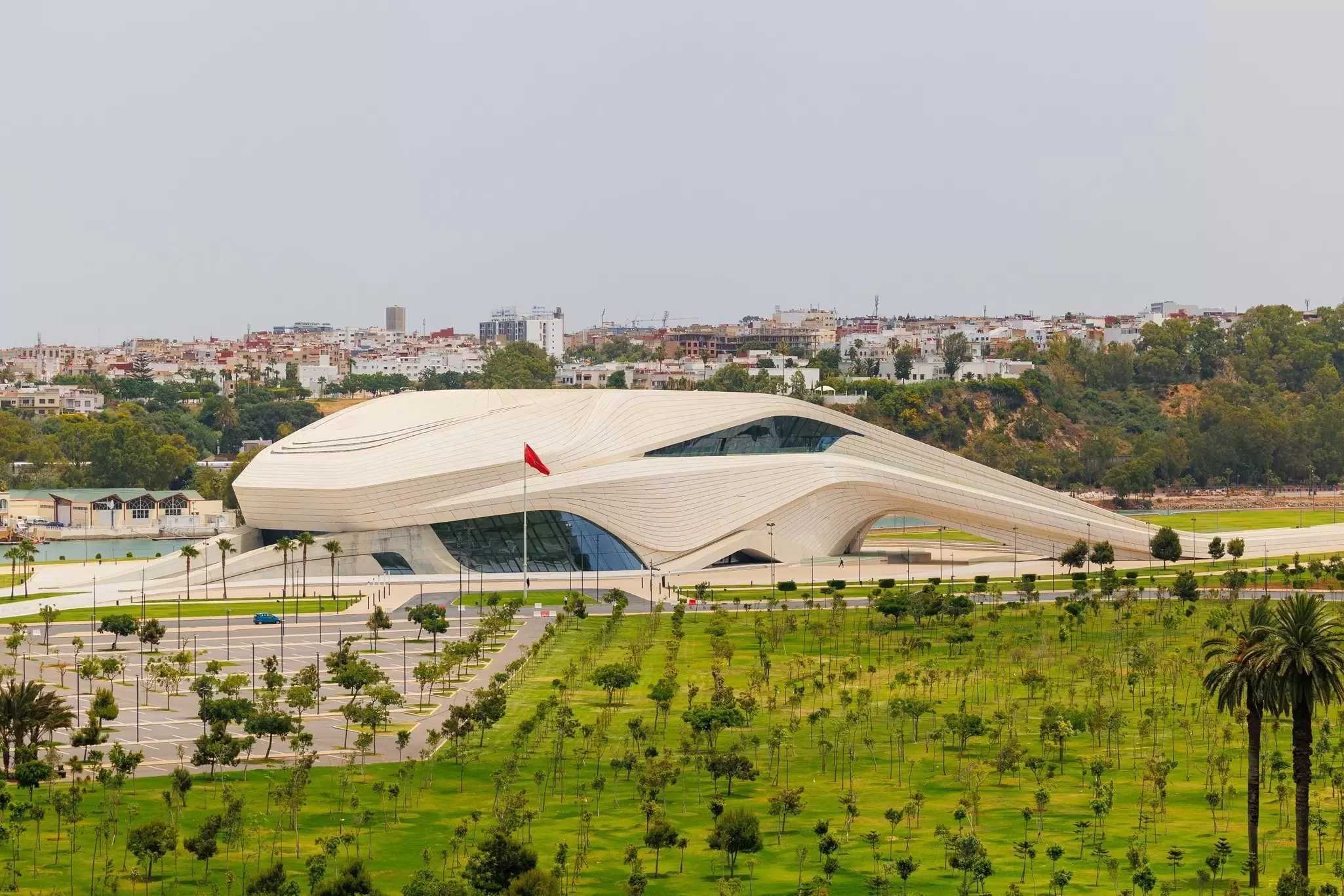
There are modern masterpieces, too. Starchitect Zaha Hadid’s undulating Théâtre Royal de Rabat is one of Africa’s largest performing arts spaces, and the rocket-shaped Mohammed VI Tower is the tallest in Morocco, soaring 250m above the city, with out-of-this-world views from its observation deck.
And you’ll find layers of history at the beautiful hilltop site of Chellah. It was home to the Phoenicians and the Romans before lying abandoned for centuries, until a Merinid sultan built a necropolis over the ruins. Spot the storks nesting atop crumbling minarets and linger at the panoramic viewpoints.
In the medina, Dar Zaki is an atmospheric place for traditional Moroccan dining with a twist, including sweet-and-savory bastillas (pies) and flavorsome tagines. Seafood lovers should head to Marea for modern Mediterranean fare, and cozy Sufra serves up delicious Middle Eastern dishes; think tangy tabbouleh and lamb maqluba (pilaf).
In a great location, Riad Dar Rabiaa is a pretty medina house offering bright rooms, a sunny terrace and friendly service. Rooms in the medina’s stylish Dar Shâan have contemporary art and retro furniture; there’s a roof terrace, restaurant, hammam and pool, too.
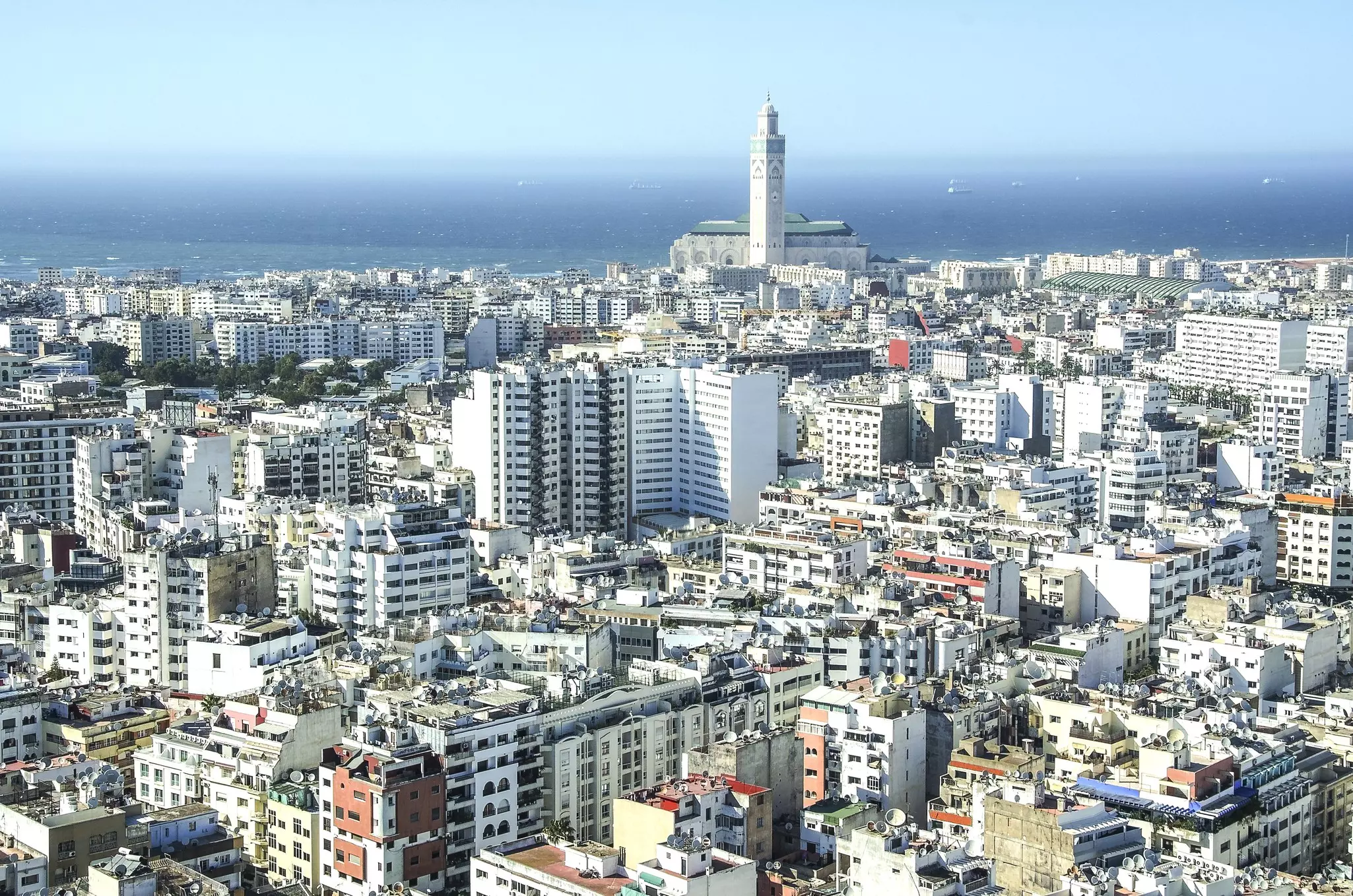
Casablanca, Morocco’s largest and most modern metropolis, has been in a constant state of reinvention over its long history, and today commerce and creativity flourish side by side.
Yes, it’s noisy, and the traffic is chaotic, but what Casa lacks in ancient sights it more than makes up for in striking 20th-century architecture. And beyond the urban sprawl lies a sensational shoreline; you can even learn to surf in the novice-friendly waves.
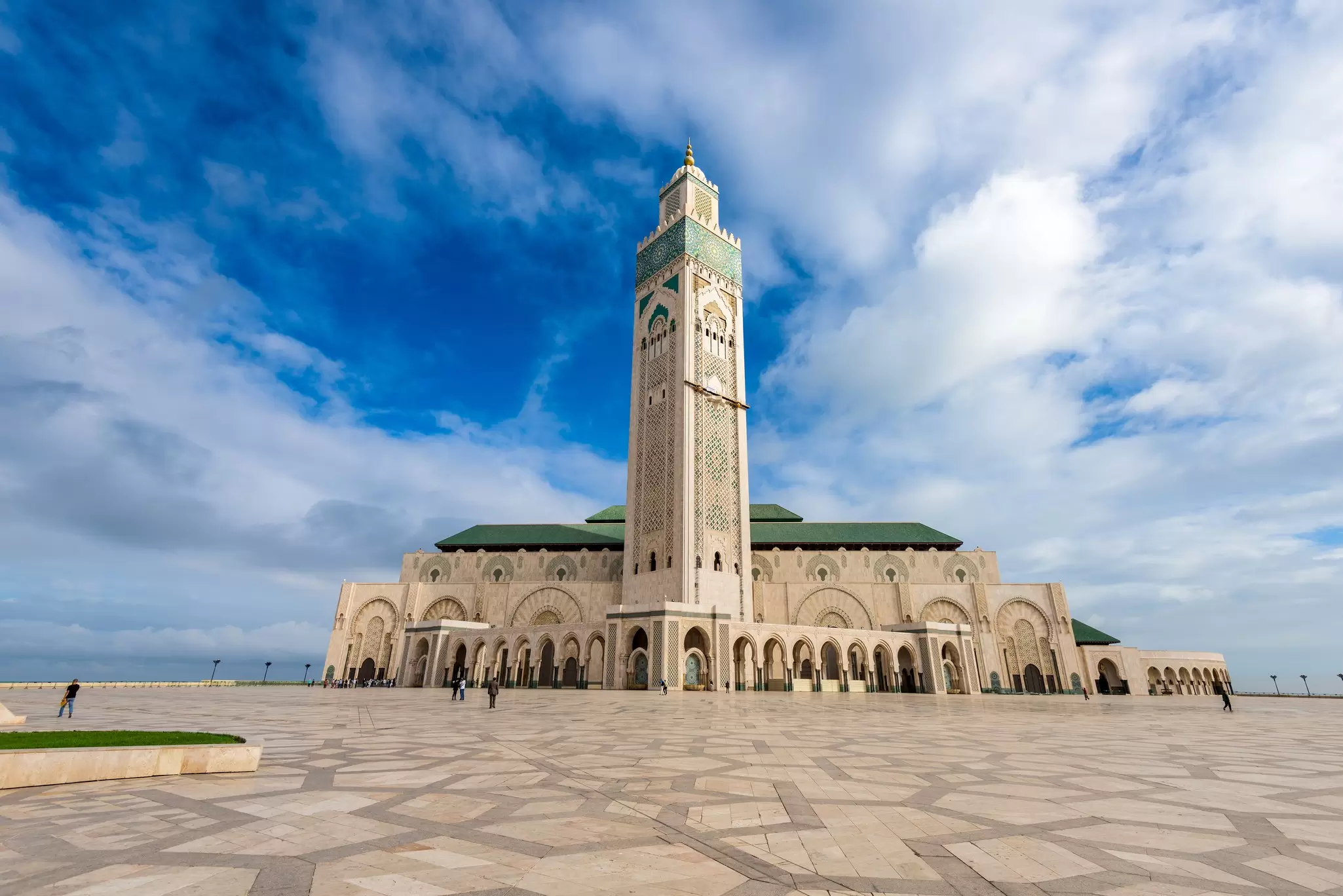
Casa’s most iconic landmark is the Hassan II Mosque, with its 210m-high minaret – the world’s second-tallest – towering above the skyline. Jutting out over the ocean, this opulent mosque is a masterclass in Moroccan craftsmanship, from the hand-carved cedarwood ceiling and lace-like stucco to the stunning zellige tilework and colossal titanium-and-brass doors. One of only two Moroccan mosques open to non-Muslims, it offers guided tours outside prayer times.
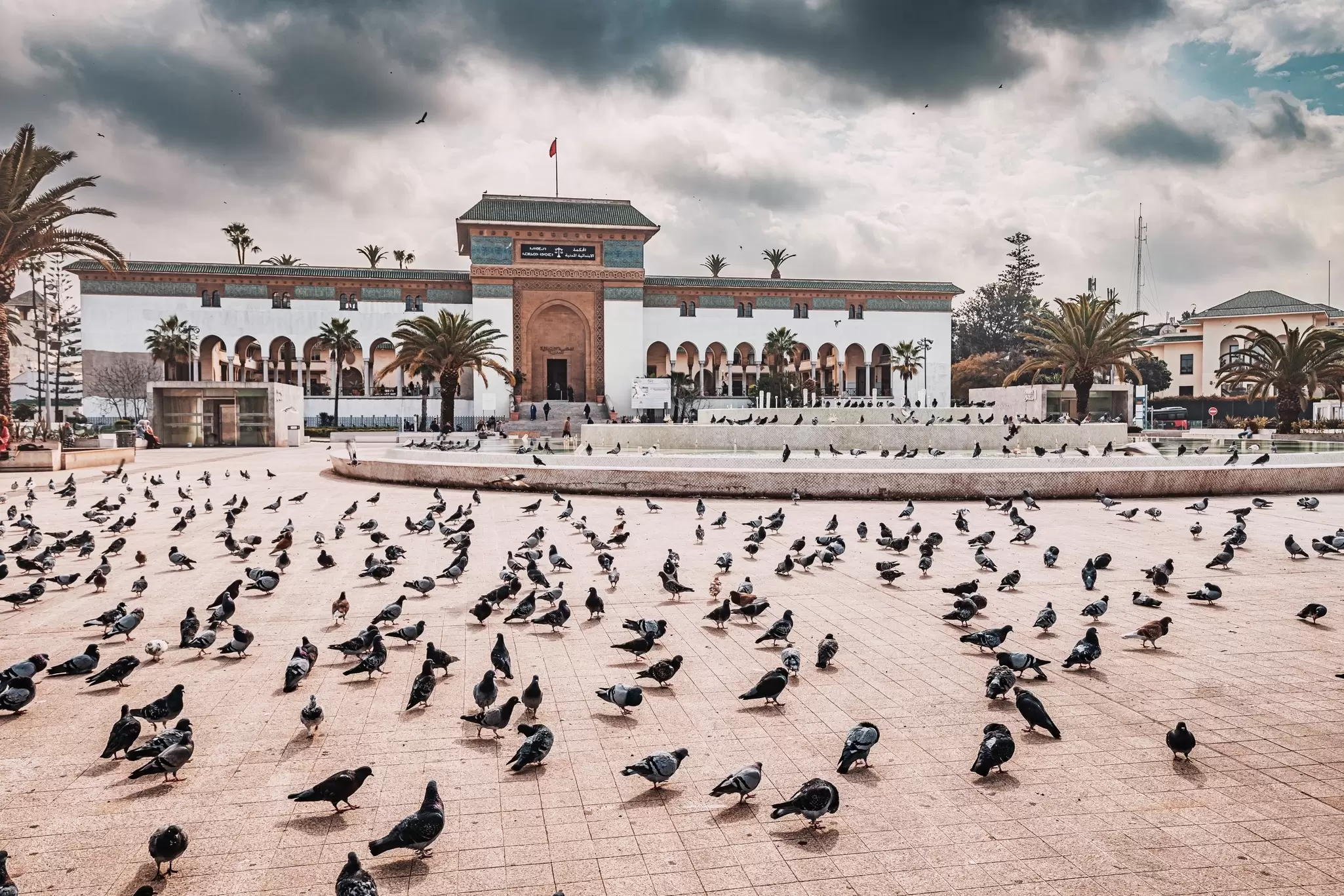
Downtown Casablanca has a rich 20th-century architectural heritage, where symmetrical art deco structures rub shoulders with sleek modernist towers. The perfect place to start is the buzzy Place Mohammed V, dominated by the Wilaya, with its Gothic and Islamic echoes, the neo-Moorish Palais de Justice, and the dazzlingly white, ultra-contemporary Grand Théâtre de Casablanca.
Other architectural gems have been reborn as museums and galleries, including the Villa Carl Ficke, home to the Casablanca Memory Museum and the delightful art deco Abderrahman Slaoui Foundation Museum, which showcases Moroccan decorative arts. For more imposing edifices, meander along Boulevard Mohammed V or take a tour with Casamémoire, an organization dedicated to preserving this architectural legacy.
For some relaxed souq shopping, hail a petit taxi to the Quartier Habous, the picturesque French-built new medina; refuel with a sweet treat from the legendary Pâtisserie Bennis Habous.
Along the Corniche, Le Cabestan boasts stellar sunset views and a Mediterranean-inspired menu. For Moroccan fine dining, step into art deco opulence at Le Jasmine in the Hôtel Le Doge, or for fabulous fusion, head to Table 3 in Ain Diab, where Michelin-starred chef Fayçal Bettioui blends Moroccan ingredients, French methods and Japanese flavors. Contemporary cafes such as Organic Kitchen are the place for top-notch coffee, healthy breakfasts and sumptuous salads.
Downtown’s Hôtel Le Doge is an art deco delight, with a showstopping staircase and a fabulous fine-dining Moroccan restaurant. The centrally located Kaan Casablanca is a good-value contemporary option, with bright and spacious rooms.
For more information and to plan your trip, buy Lonely Planet's Morocco guidebook
Book your Morocco trip with Lonely Planet Journeys
See Morocco how it's meant to be seen
Accommodations, activities and ground transportation all taken care of, so you can focus on the fun part. Tell us what your dream trip to Morocco looks like, and our local experts will build it from scratch. Or start with one of our itineraries and make it your own.
Explore related stories