Oct 25, 20265 min read
5 Reasons to Visit ZanzibarSponsored by
This article was paid for and produced with MPB. Paid content is produced separately from Lonely Planet's editorial coverage. Product availability and terms are subject to change; please verify details directly with service providers.
Aug 3, 2026
10 MIN READ

Writer
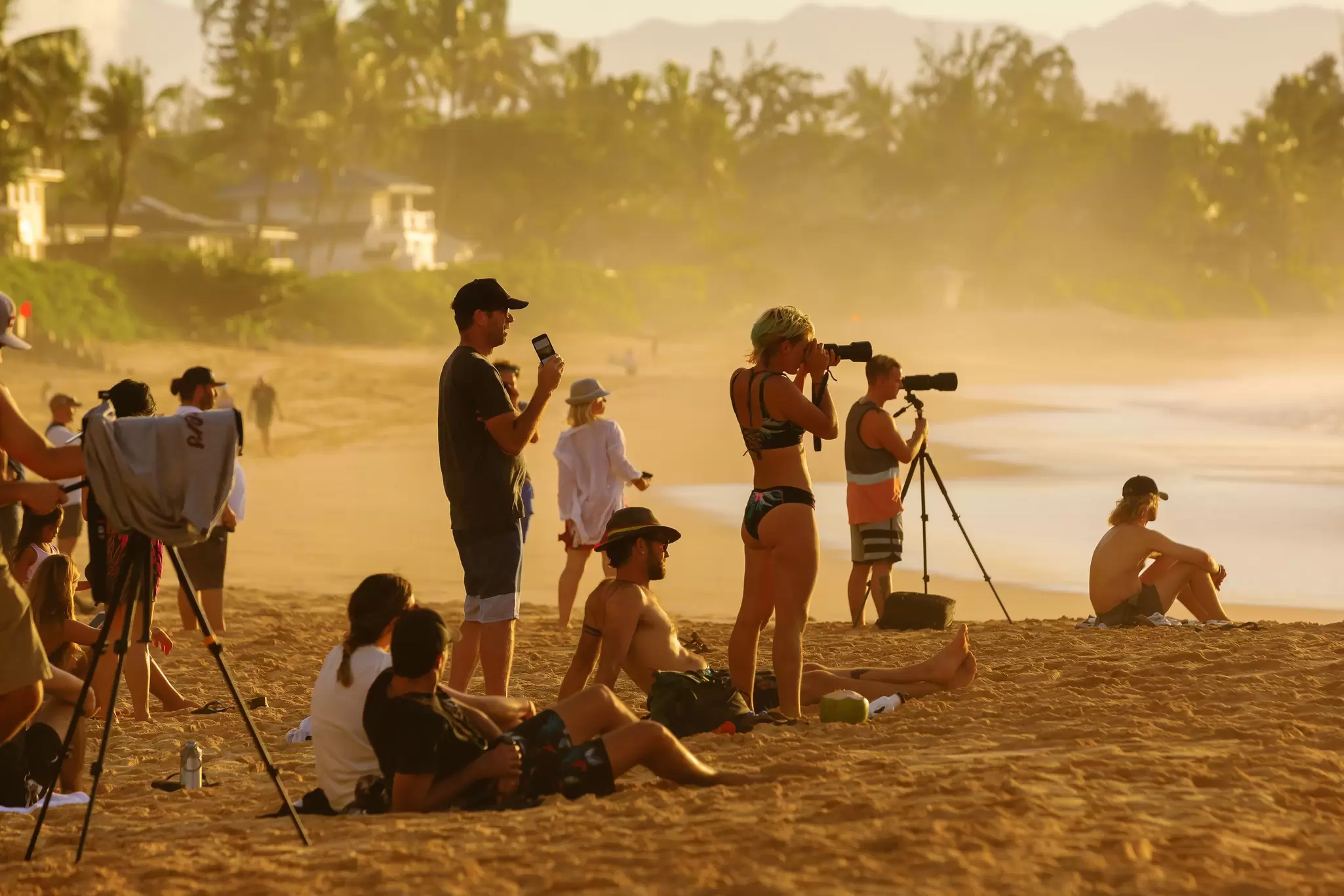
North Shore on Oahu, Hawaii. This area is best known for its massive waves, attracting surfers from all around the globe. Christian Mueller/Shutterstock
Writer
Highlights
Lonely Planet works with video crews around the globe and has an in-house team of videographers, producers and editors. Here are our favorite ways to turn a once-in-a-lifetime experience into something you can revisit again and again.
When you’re traveling, video can do something a photograph can’t: it can carry the movement, sound and rhythm of a place home with you. A market becomes more than a backdrop when you hear vendors calling out, and watch hands pass food across a counter. A mountain trail feels steeper when the camera follows each step and records the wind at the summit.
Getting that presence doesn’t require a production team; you just need to know a few of the tips and tricks the pros use. That’s where we come in. Lonely Planet works with video crews around the globe and has an in-house team of videographers, producers and editors to make some of the best travel videos in the world. Here are our favorite ways to turn a once-in-a-lifetime experience into something you can revisit again and again.
If you're ready to add to or upgrade your gear, this story is brought to you by MPB, the world's largest platform for buying, selling and trading used camera gear. Every item is inspected and graded by MPB experts, so you can build a reliable setup without overspending.
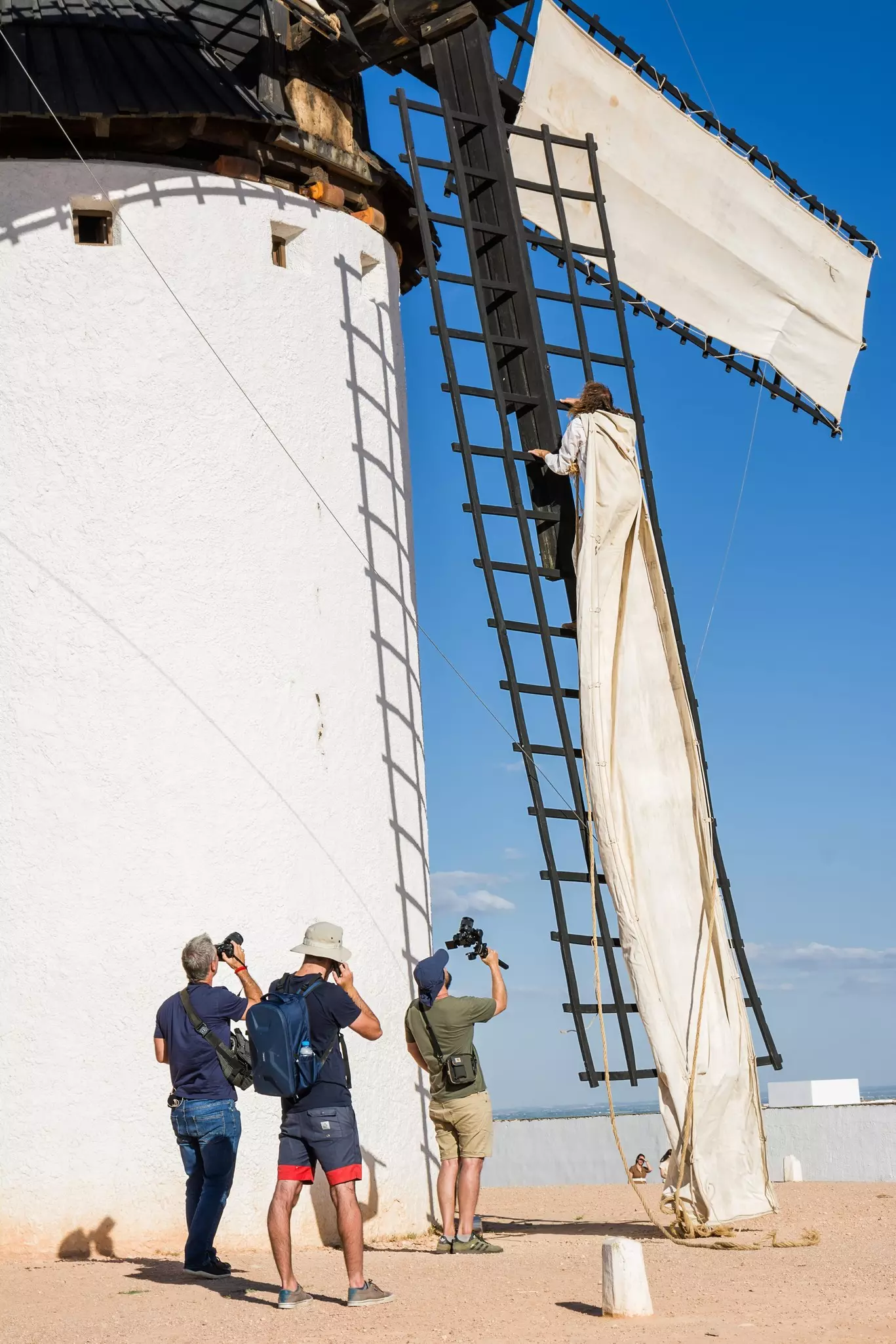
“Before I start filming, I ask two questions: ‘What's the hook?’ And ‘What's the most creative, unexpected way we can tell this story?’ Viewers decide within seconds whether they'll keep watching or keep scrolling. That's why every shoot needs a plan to grab attention immediately – whether it's a compelling opening shot, an unexpected moment, or a fresh perspective that makes someone stop and say, ‘I need to see where this goes.’” – Matt Paco, Senior Producer
Start by deciding what your video is about, who it is for, and whether you will film people or present to camera. Pre-trip research can reveal stories beyond the obvious. And think about mood as well as subject: an energetic city calls for a different pace than a quiet coastal walk. Once you determine a tone, keep it consistent.
Going in with a loose plan will help you recognize useful scenes, without preventing the unexpected moments that often become the best material. Make a checklist: An establishing shot, opening piece to camera, plenty of sequences, sound bites for color, and a summary of your thoughts and emotions at the end of the piece. Know how you plan to leave the viewer wanting more.
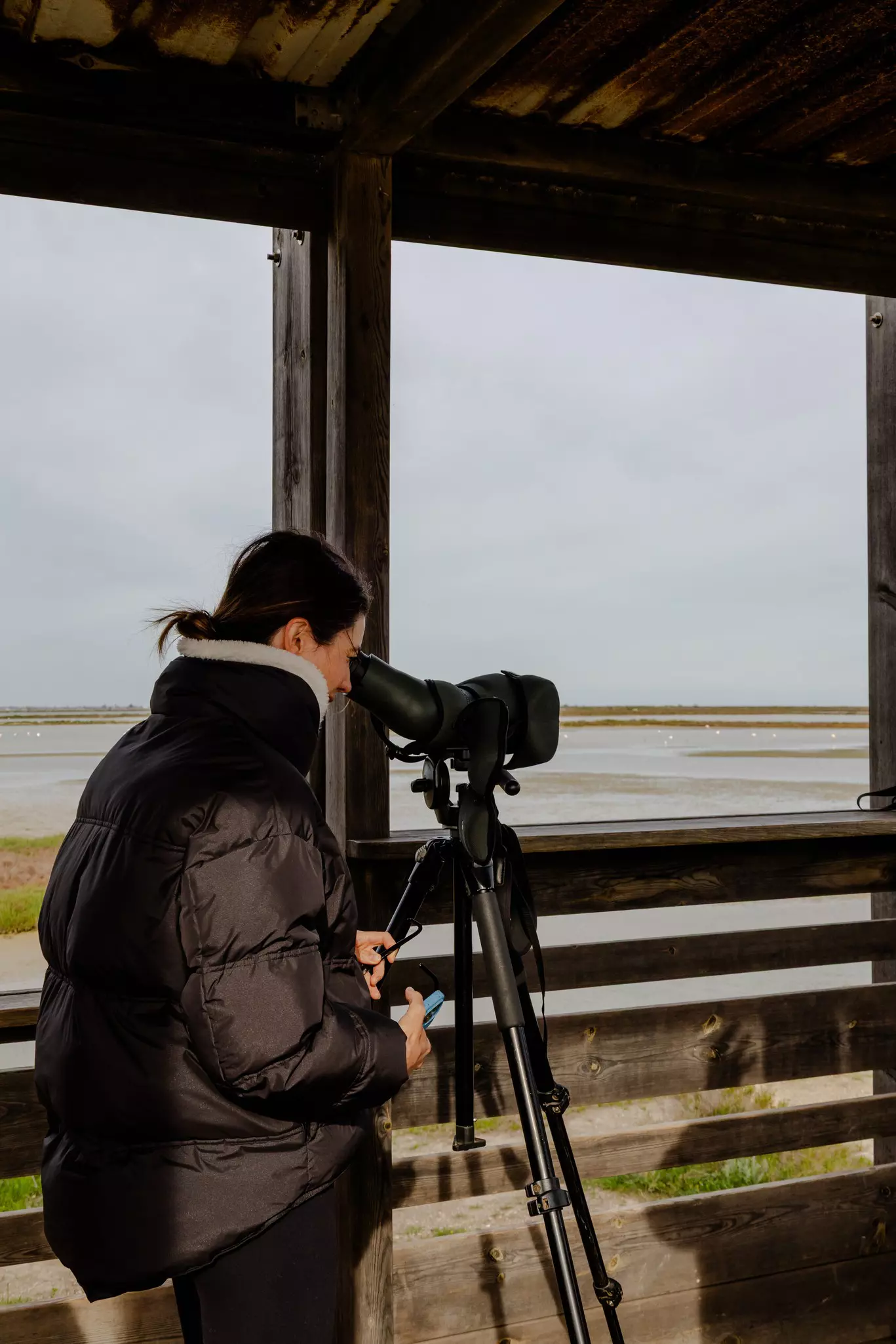
“I spent years hauling around a heavy camera and a bag full of lenses until I realized I was filming less because it took me out of the moment. I didn't need a ‘better’ camera, I just needed one that was within reach. It's easy to get caught up chasing the best specs, but I'd rather have a camera that I can carry with me than one sitting back at the hotel.” – Claire Walter, Video Producer Manager
Your equipment should support your plan without taking over the trip. A DSLR offers strong footage and interchangeable lenses, while a lightweight action camera is easy to carry and can energize adventurous scenes. Whatever you take, practice before you leave. Test compositions and settings so you can make decisions instead of leaving every choice to the camera.
For a DSLR or mirrorless setup, pair a body like the Canon EOS R8 or Sony a6400 with a 24-105mm f/4 zoom — a versatile all-around lens, especially one with image stabilization, that covers most everyday travel shots in one piece of glass. Wildlife and sports may call for a longer zoom, like a 70-300mm, but think about size and weight before buying anything. An ultra-wide, such as a 16-35mm, is great for interiors and tight spaces, while a fixed 50mm f/1.8 delivers excellent image quality in a lens small enough to forget you're carrying. Bring extra batteries for a full day, pack spare memory cards, and recharge whenever power is available. Be smart: keep copies of files in at least two places and, if possible, use hard drives rather than relying on memory cards alone.
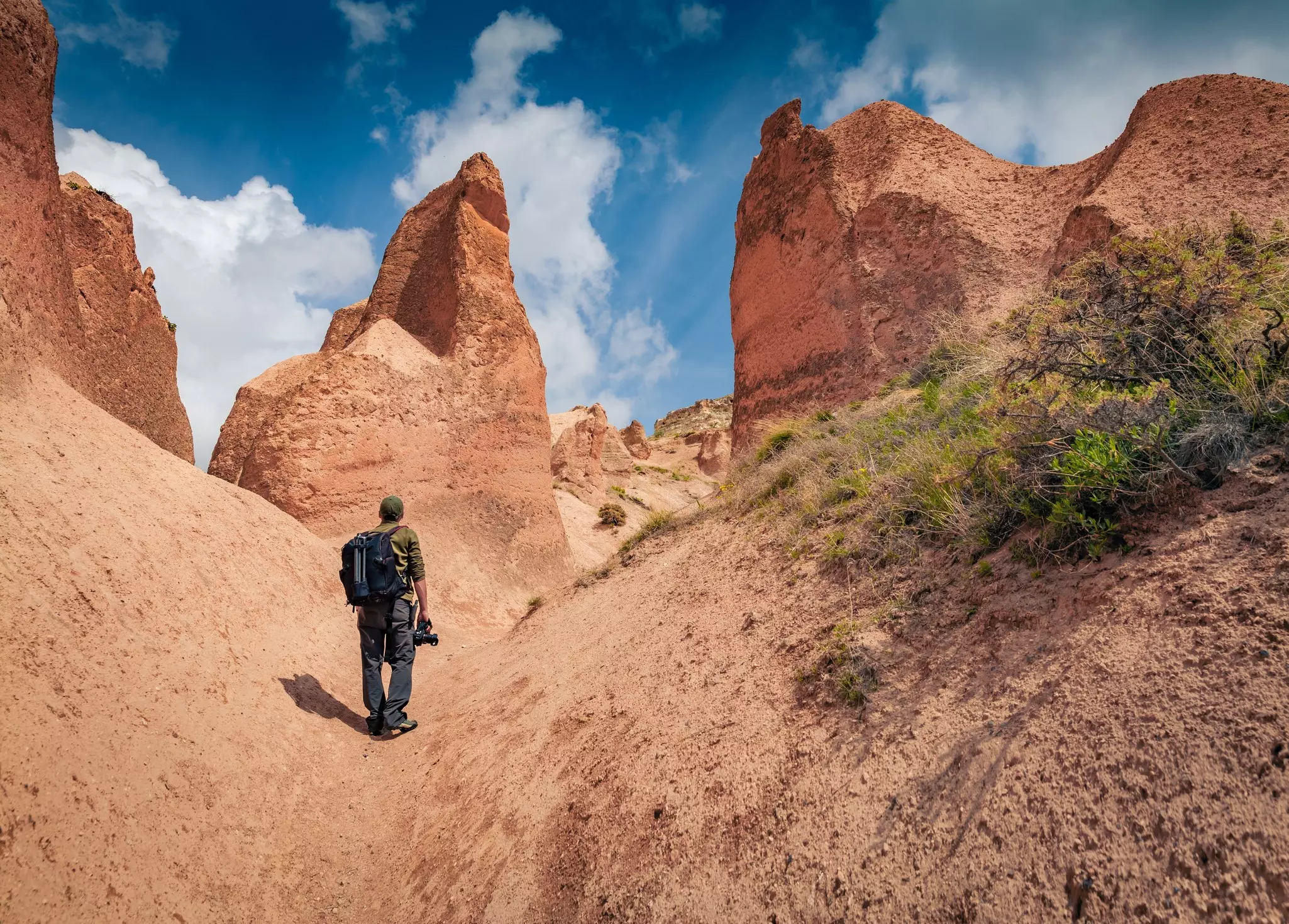
“Tripods have increasingly become my favorite filmmaking tool. Instead of only documenting what I see, I’m able to put myself into the story. Static shots force you to slow down and think about your composition, and some of my favorite shots end up being simple, locked-off clips that feel like living photographs.” - Max Dickson, Video Editor
Once you begin filming, automatic settings can cause brightness and focus to shift during a shot, drawing attention away from the subject. It's better to control your own exposure, beginning with aperture and ISO. Aperture (measured in f-stops) is the opening that lets light through the lens. A large aperture, around f/2.8 to f/4, can isolate one sharp subject against a blurred background, while a smaller one, closer to f/8 to f/11, keeps more of a busy scene in focus. ISO controls light sensitivity: lower settings are good for bright conditions, while dark locations may require higher settings — but most cameras start showing noticeable grain past ISO 3200, so treat that as a rough ceiling before footage turns blurred, pixelated or grainy. Do plenty of tests so you know when the image will be unusable.
Composition matters just as much in videos as it does in photos. Use the rule of thirds as a starting point, then pay attention to the edges of the frame and the layers within it. A doorway, branch or passing figure can add depth, while an unwanted sign or distracted tourist can ruin the shot. Wide shots set the scene, while point-of-view shots can suggest what a person is thinking. Changing the camera angle can add drama: a high view gives the viewer power, while a low angle makes the subject seem dominant.
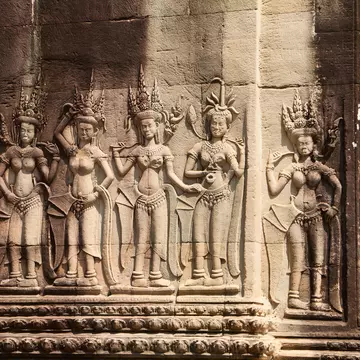
Tripods are your frontline weapon in the battle for better travel video. They're best used for dramatic landscapes or buildings where the action is incidental to the scene. People, animals or vehicles might come in and out of the shot, but it's the iconic Himalayan peaks or the towers of Angkor Wat you're after. Handheld shooting captures the energy of the moment. Avoid the automatic zoom button during a shot; move closer instead.
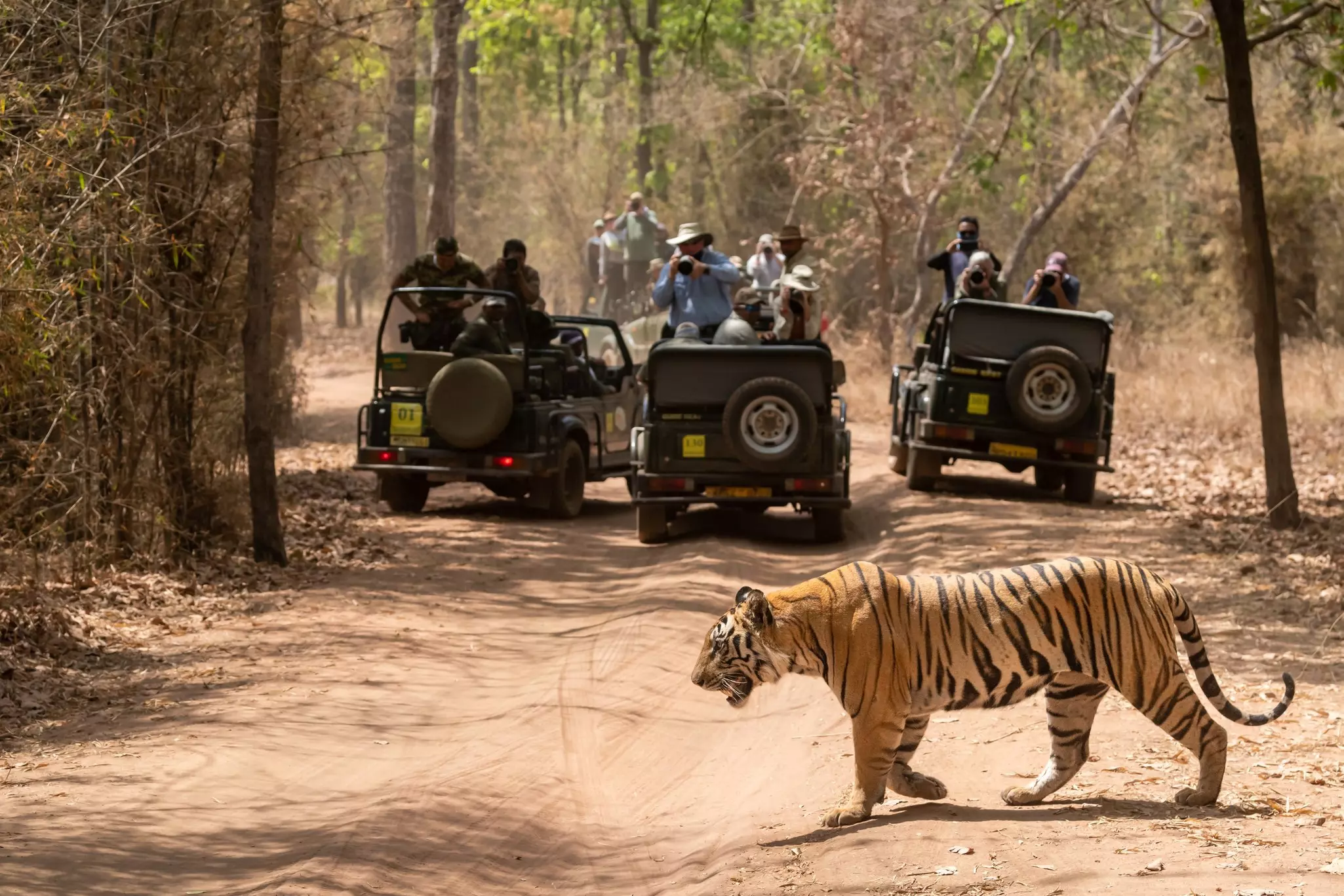
“Don't just work around sound. Work with it. Sometimes the audio is the story, the moment. The laughter of your nephew. The buzz of cicadas on a summer night. The drone of a train passing by. Wind might ruin an interview, but the right sound can bring a moment to life. – Claire Walter, Video Producer Manager
Light has a powerful ability to transform a subject or scene from the ordinary to the extraordinary. It’s often best when the sun is low, an hour or two after sunrise and before sunset, when shadows lengthen, emphasizing shapes and textures. In harsh midday light, look for spots of shade, lower the ISO, reduce the aperture or use a filter. In darkness, find a light source, face the subject toward it and check focus carefully when the aperture is wide.
In the right light, landscape shots can look warm, dreamy and ethereal. Scout the location and decide what features deserve attention. With such a limited time to film, good planning is key. For wildlife, you have to be ready to shoot at a moment’s notice. Keep the camera ready, use a long lens and let the animals come to you (remembering that you are in their environment). Action sequences, whether it’s a snowboarder carving up the slopes or a game of football, can give your video a dynamic edge if you get them right. When filming them, include a lot of foreground for depth. And begin moving the camera before the subject enters the frame – you’ll be rewarded with a much more fluid shot.
Don’t treat your audio as an afterthought: Viewers will forgive an imperfect image sooner than distorted speech or relentless wind noise. If you’re shooting someone talking, keep the camera close to them, test it and listen back before the final take. And whether you have a presenter or not, at each location, record a full 30 seconds of ambient sound. This wild track can smooth changes in background noise during talking, cutaways and montages.
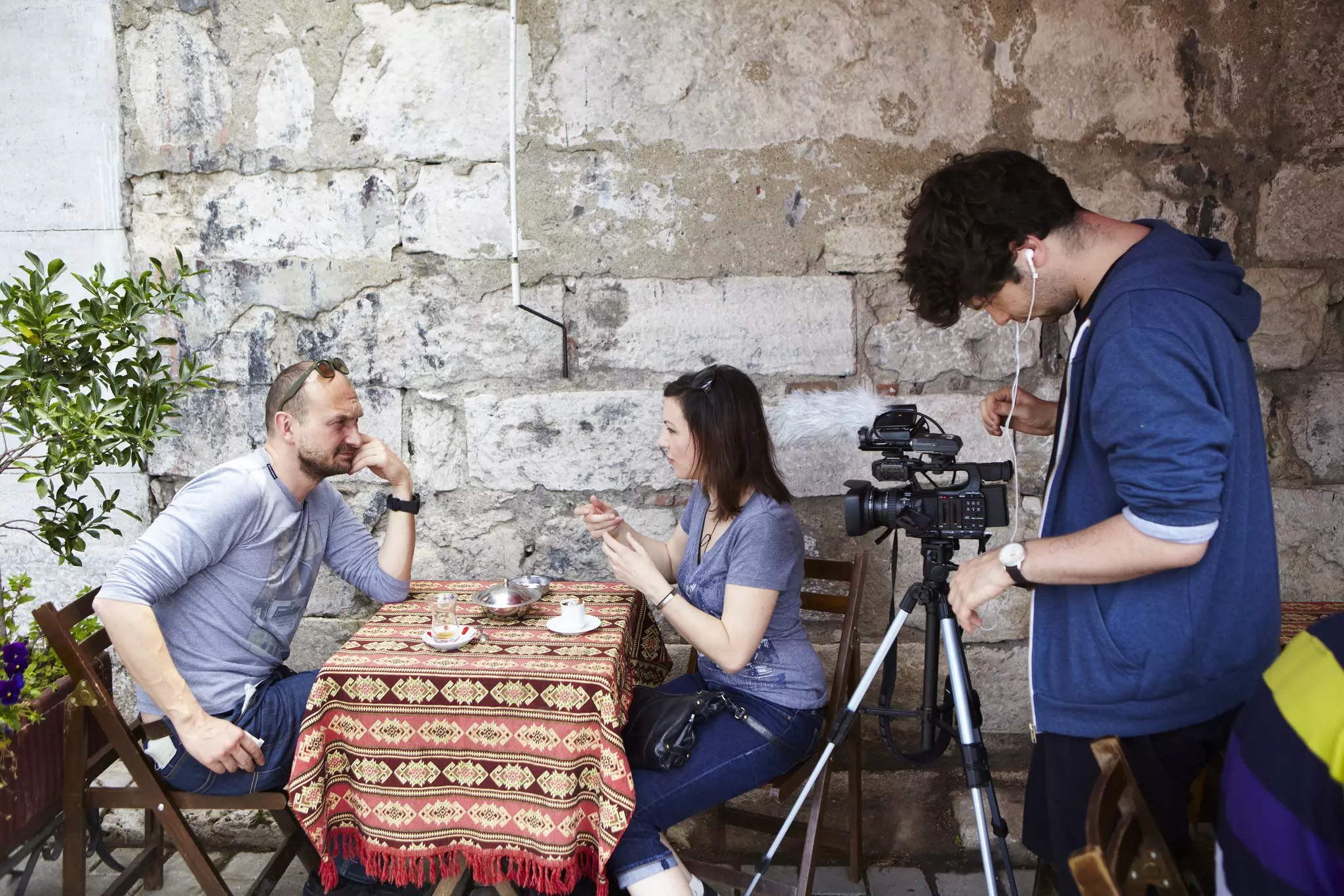
“No matter where I go, even if it's just a tiny town, I always try to uncover what makes this place special. What are the locals proud of? Why do they love living here? That's the story I want to tell, because when you can capture that local pride, you create something people can actually feel.” – Matt Paco, Senior Producer
The best travel videos uncover more than what you expected to find. The stereotypes we’ve all heard about various destinations represent only a fraction of a country. Be a good traveler – especially while filming. Rewarding trips are always undertaken with sensitivity towards the country’s people, their beliefs and their practices; before you go, research local customs and taboos. Be careful about filming without permission, especially when at close range. Always ask first and explain the purpose of the video. If they refuse, respect their wishes.
The wonderful thing about filming your travels is, most of the time, people are very proud of their culture and jump at the chance to show it off. Once you’re in there and filming, the camera gives you a valid excuse to ask questions, delve into people’s lives and spend time with them without feeling awkward about why you’re there. It can dissolve the boundaries between strangers. Just be sure to get contact details from participants and send them a link to your video once you’ve edited it. If you promise them a copy, make sure you send it.
“I like to start with a hook that sparks curiosity, then reveal why it matters. Look for genuine, unexpected moments with the host. Authentic reactions create stronger emotional connections than scripted lines, and they're often what audiences remember most.” – Di Li, Senior Video Editor
Finally, shoot with the edit in mind. Get a variety of footage but be selective – every extra clip adds storage and editing time. Decide firmly what belongs in the final video and remember to collect cutaways that can link scenes.
During editing, judge the footage as a viewer would. Mix establishing shots, close-ups and cutaways, and remove repeated information. Let the strongest material suggest the pace, then recut anything that feels wrong. Music can establish emotion, but natural sound should still give the destination a voice. Keep talking-head sequences brief and use cutaways and B-roll to break them up. Use simple cuts most often; good video depends less on high-tech effects than on your ability to tell a great story.
And remember this: the goal is not to preserve every minute of a trip. It is to select the moments that allow you or someone else to feel it.
Ready to upgrade your travel gear? Shop used cameras and lenses at MPB.
Explore related stories