Sep 20, 20268 min read
A Guide to Redwood National and State ParksSep 20, 2026
8 MIN READ

Writer
Redwood National and State Parks. California. Janice Chen/Shutterstock

Writer
Lonely Planet may earn a commission from affiliate links on our site. All recommendations and reviews reflect our own independent opinions.
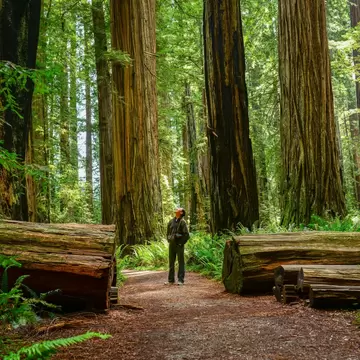
While most people associate California with surf and sun, it’s the world’s largest trees – coast redwoods – that entice most visitors to the northernmost stretches of the state. Coast redwoods can grow to be as wide as 22ft at their base and reach heights of over 360ft – about as tall as a 35-story skyscraper. Once heavily poached for their lumber, these majestic giants grow in vast groves that are now largely protected as Redwood National and State Parks (commonly referred to as simply “the Redwoods”).
The park’s mouthful of a name stems from a merger in the 1990s, which brought three California state parks – Jedediah Smith Redwoods State Park, Del Norte Coast Redwoods State Park and Prairie Creek Redwoods State Park – together with Redwood National Park under one co-managed umbrella. While today’s four-in-one park spans roughly 216 square miles, the forested stretch of the Northern California coast that most people refer to simply as “the Redwoods” is even larger, stretching from Humboldt County up to the Oregon border.
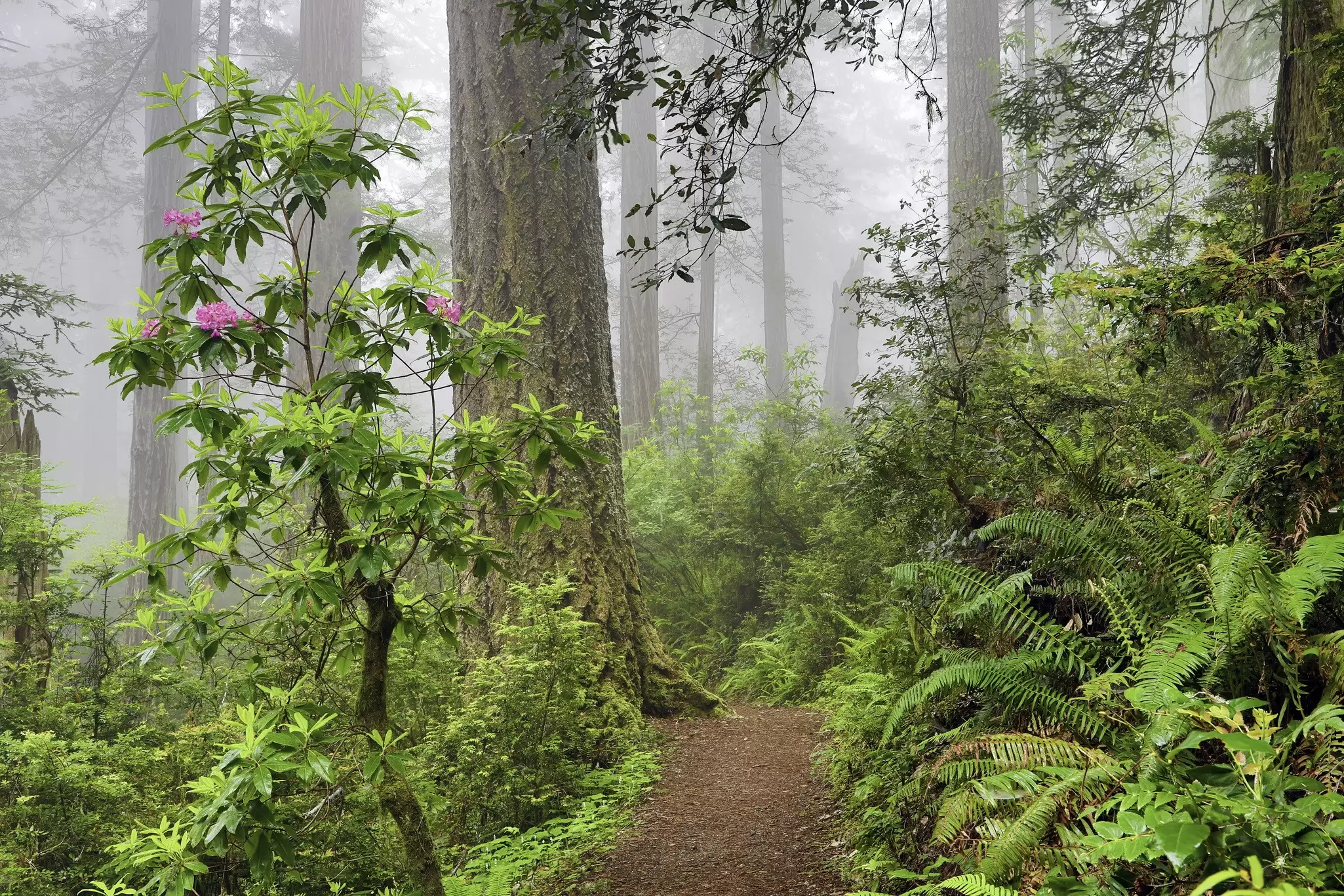
The summer is the best time to visit Redwood National and State Parks. It’s also the busiest season thanks to a higher likelihood of clear skies and sunny weather – though since this part of California is climatically closer to neighboring Oregon than to sunny SoCal, summers still do get a lot of fog, and rain is still a strong possibility no matter when you visit. Spring is a lovely season here, with particularly lush foliage and fewer crowds than during peak summertime. Note that the bulk of ranger-led activities, including forest walks and kayak tours, take place between mid-May and mid-September.
Beyond the lack of crowds, offseason travel has some more perks. If you visit the Newton B Drury Scenic Pkwy in Prairie Creek Redwoods State Park on the first Saturday of the month between October and May, you can enjoy the opportunity to cycle, hike or even skate down the road without worrying about cars whizzing by, since the stretch is entirely closed to traffic. For a particularly enchanting experience, visit in November, when the Redwood Parks Conservancy puts on its annual candlelight walk, in which a half-mile stretch of forest is illuminated with twinkling lights and flame-free lanterns.
Because of the parks’ collective size, you need at least a weekend to hit up the highlights at a relaxed pace, especially if you want to do some hiking. Three or 4 days in the area gives you enough time to tackle longer hikes and have time left over to enjoy the area’s beaches.
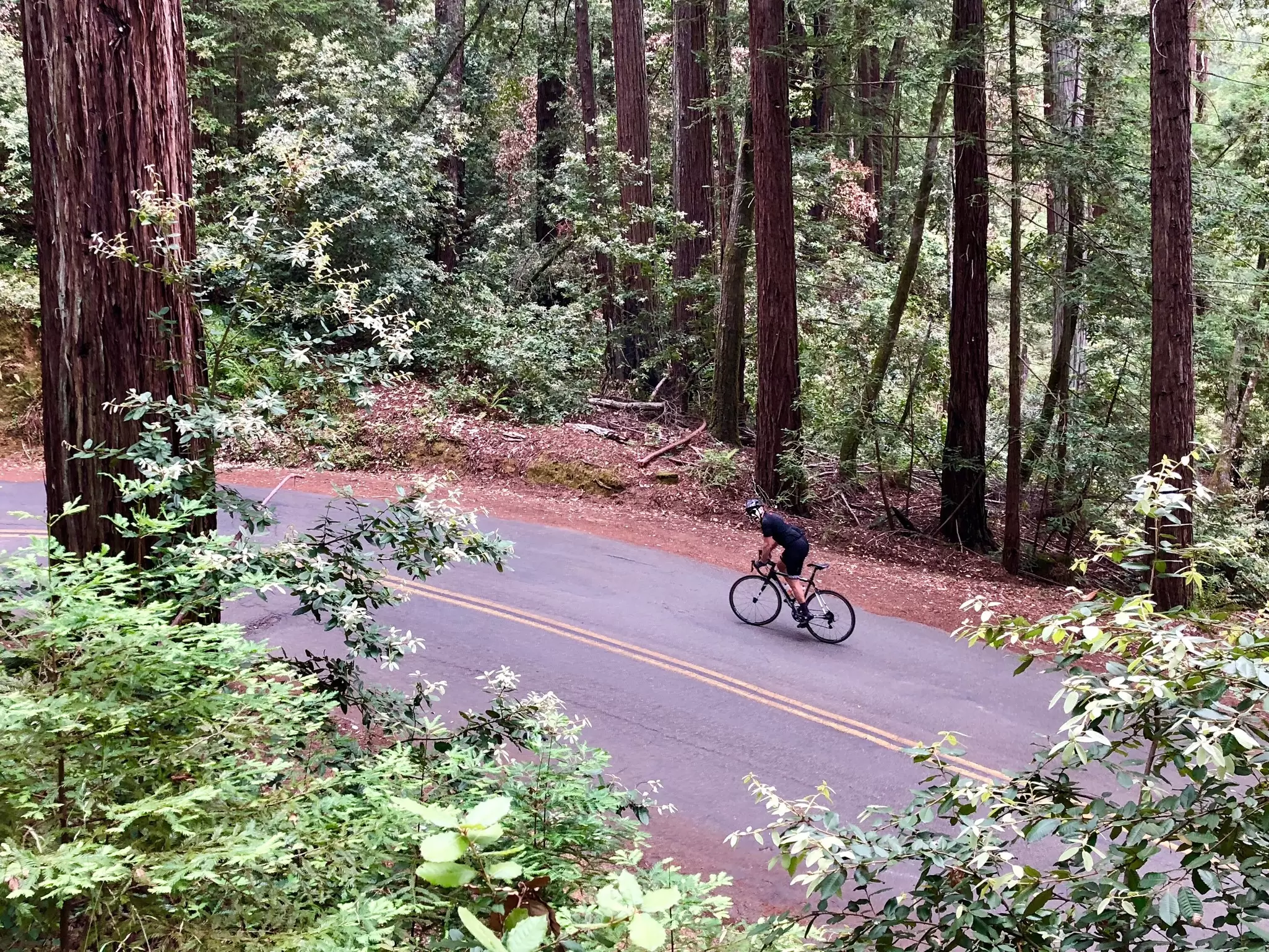
Getting to the Redwoods is easy, as is getting around the parks – provided you have a vehicle. While plenty of operators run tours from major hubs such as Crescent City, getting to those hubs without a car (or, if you’re particularly intrepid, a bicycle) can be tricky.
While many people fly into San Francisco (SFO) or Oakland (OAK) and then drive up to the Redwoods, it’s faster to fly into the Rogue Valley International–Medford Airport (MFR) in Oregon, or the smaller California Redwood Coast-Humboldt County Airport (ACV) in McKinleyville, and rent a car from there.
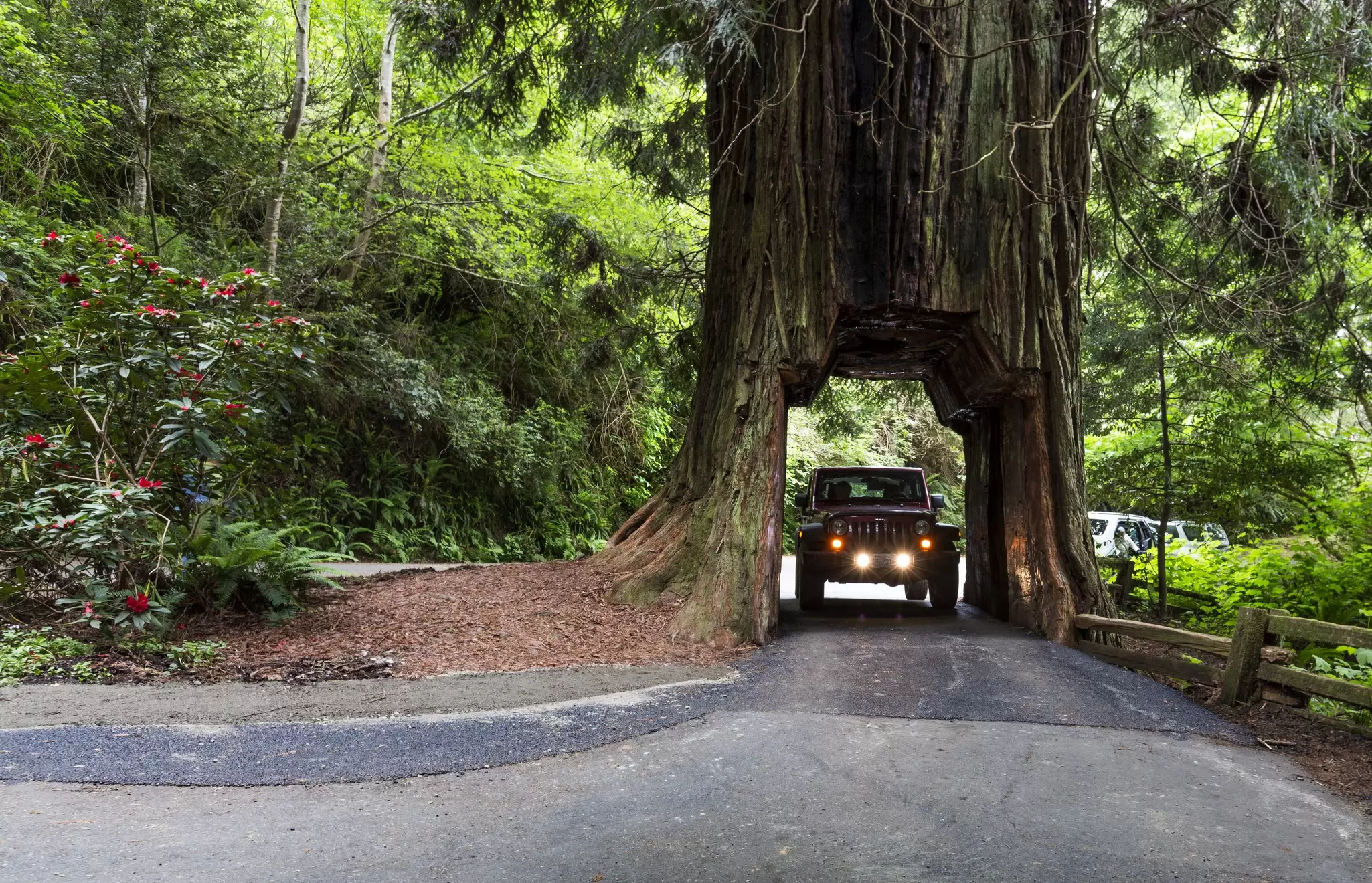
You don’t have to be a fan of hokey roadside attractions to get a kick out of driving through a hollowed-out redwood. There are three trees with car-sized openings across the greater Redwoods region: the Klamath Tour-Thru Tree in the north; the Shine Drive-Thru Tree on the Avenue of the Giants, south of the park boundaries; and the Chandelier Drive-Thru Tree, further south in Leggett. All three make for great photo ops, but you do need to be careful if you’re driving anything larger than a sedan.
A 4.5-mile round-trip hike takes you to one of the most famous groves in the park: the Tall Trees Grove. Made famous by its 1963 appearance in National Geographic, the grove is home to the Libby Tree, which was the world’s largest known tree until it lost its top in 1988. Note that this is one of the more popular hikes in the park, and access is limited to 50 parties per day. Free permits are available from 180 days out, and up to 24 hours in advance.
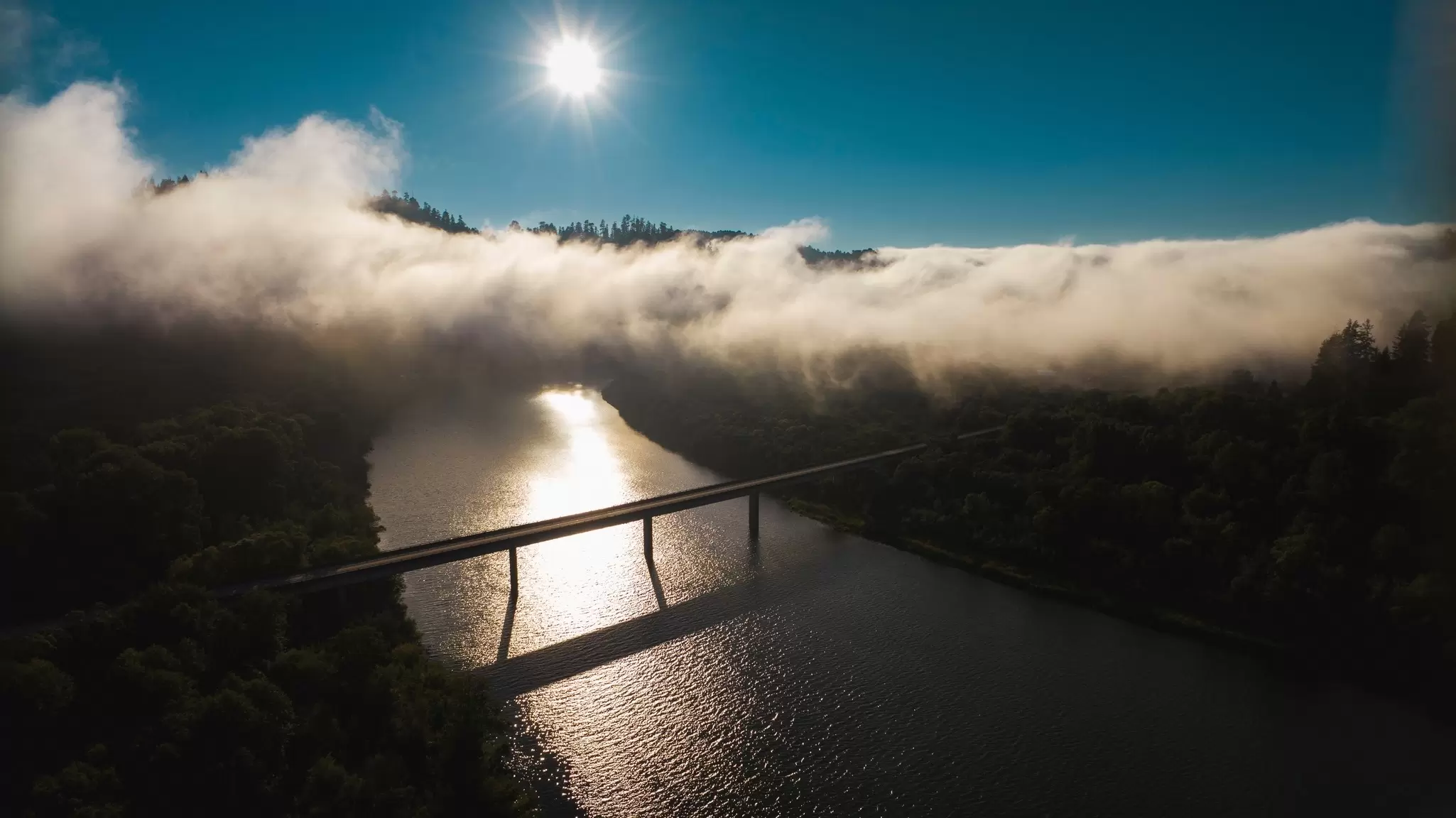
One of the best ways to get out on the water during a summer visit to the Redwoods is by joining a Klamath River tour led by a guide from the Yurok Tribe. Choose from a peaceful excursion in a redwood dugout canoe or go for a 45-minute jet-boat tour; both options get you up close to pristine nature and, if you’re lucky, local wildlife. Tours depart from the Yurok Country Visitor Center, which features interpretive displays that tell the story of the Indigenous Yurok people.
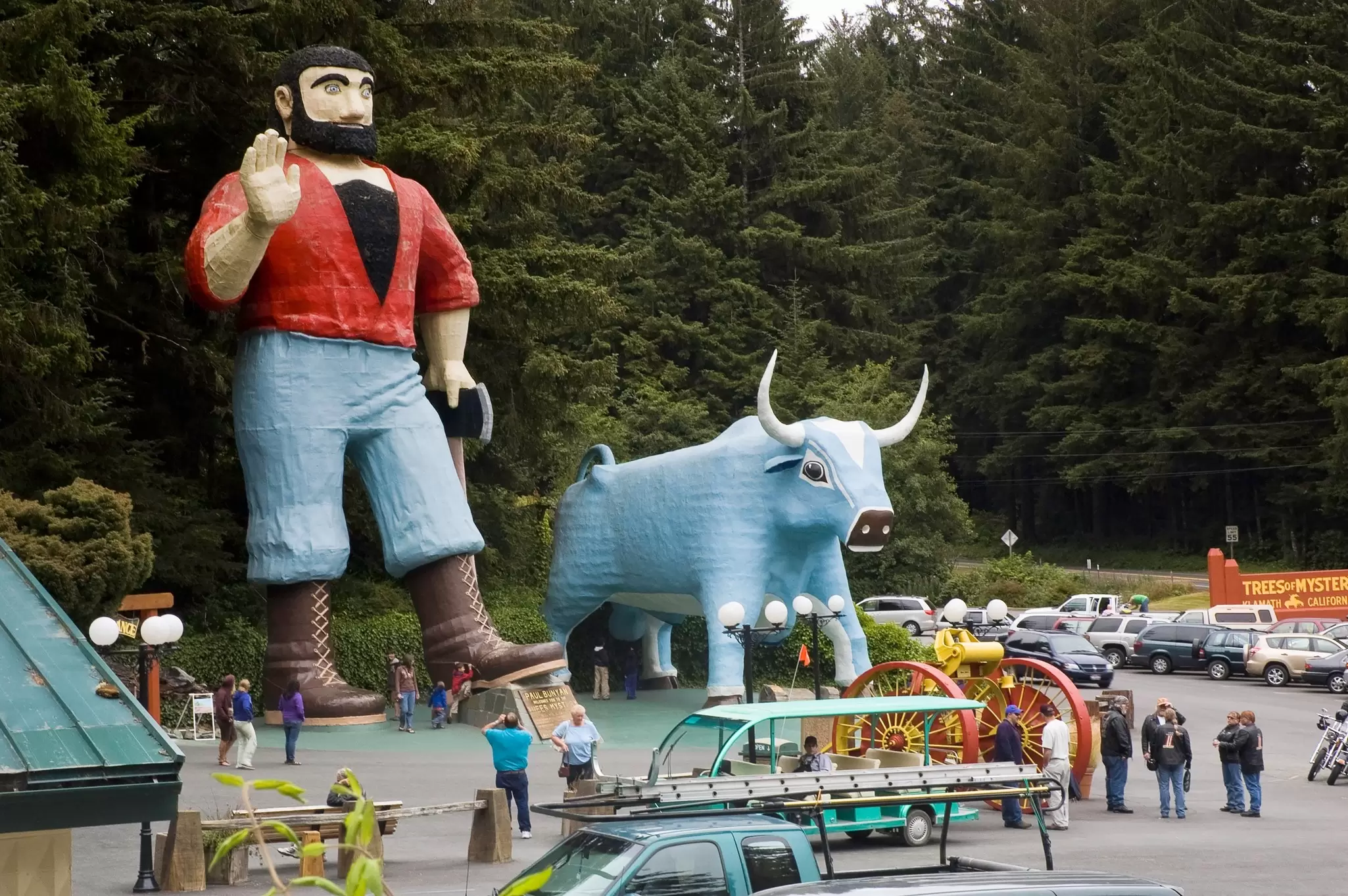
At first glance, it’s easy to dismiss Trees of Mystery as just a hokey roadside attraction, largely because of the gargantuan statues of Paul Bunyan and his blue ox sidekick Babe that guard its entrance. Although this popular stop has its share of quirky kitsch (you’ll want to see the chainsaw art display), it also features a free museum showcasing an amazing collection of art and artifacts from Indigenous peoples across the North American West and beyond.
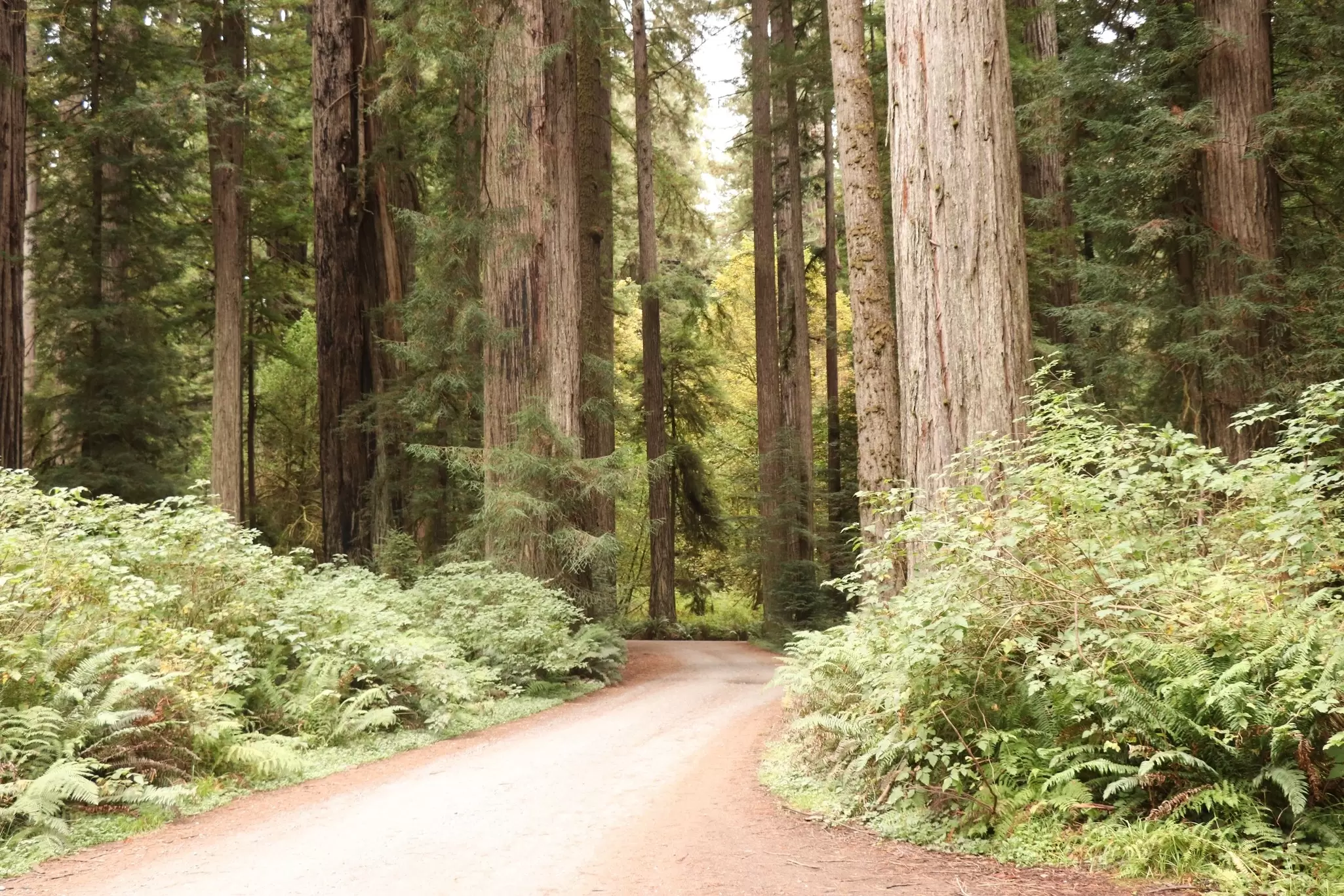
If you’re driving along Hwy 101, it’s easy to zip past some of the best parts of Redwood National and State Parks, which is why I suggest taking backroads whenever possible. One of my favorites is Howland Hill Rd, a stagecoach path–turned–gravel road that connects Crescent City to Hiouchi. Not only does a drive along this stretch get you up close to gargantuan trees, but it’s also the access point to some of the best hiking trails in the park, including the Grove of Titans and the Boy Scout Tree Trail.
Unlike most national parks in the US, there’s no fee to visit Redwoods National and State Parks, though some areas do charge a nominal amount for parking. The Redwoods aren’t that expensive – at least by California standards, and especially if you opt to camp or stay in motels in Crescent City on the northern end of the park. Visiting during the winter brings with it deep discounts, while cabin rental rates soar on busy summer weekends.
Night at a private cabin during the high season: $250–500
Campsite at one of the park’s campgrounds: $35 per night plus $8 reservation fee
Espresso drink at a local coffee shop: $4–5
Cheese pizza from gourmet food truck Mojo Pizza: $22
Pint of beer at SeaQuake Brewing: $6
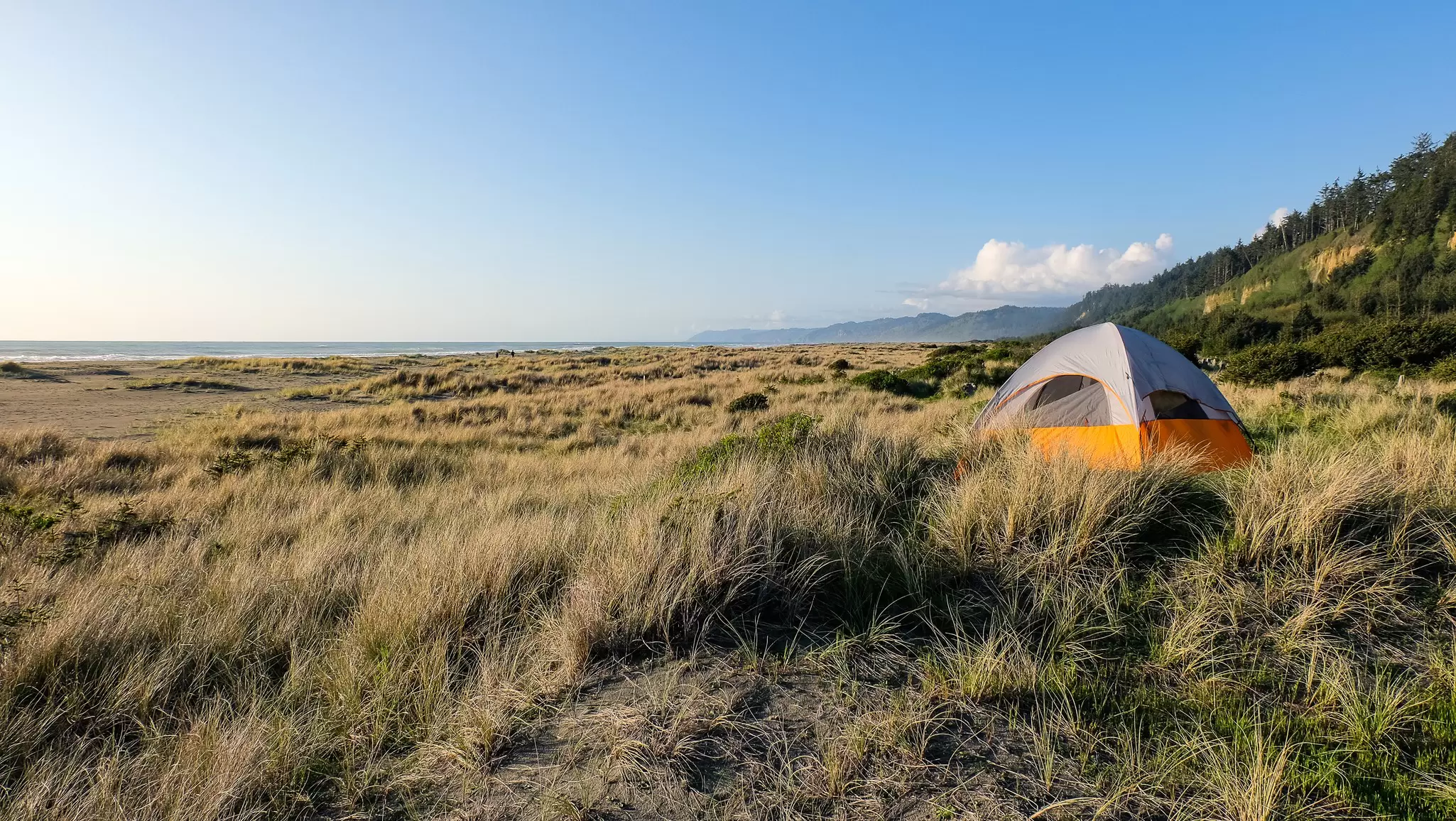
These parks are very much a camping destination, with four developed campgrounds plus seven backcountry sites for backpackers with permits. While two of the main campgrounds – Jedediah Smith Redwoods Campground and Elk Prairie Campground – have cabins, there are no official lodges or park-run hotels. Travelers in search of a few more creature comforts typically opt to stay in privately run vacation cabins or in a hotel in the town of Klamath or nearby Crescent City.
Whether you stay in a hotel or at a campsite, you’ll want to bring several changes of comfortable clothes for your visit. While you can easily tackle many of the park’s easier trails, such as the Lady Bird Johnson Grove Trail and the Grove of the Titans hike, in regular athletic shoes, hiking boots or trail shoes are better for some of the park’s moderate trails, which can get muddy. Pack layers and don’t forget your rain jacket – rain is a possibility no matter what time of year you come to the park.
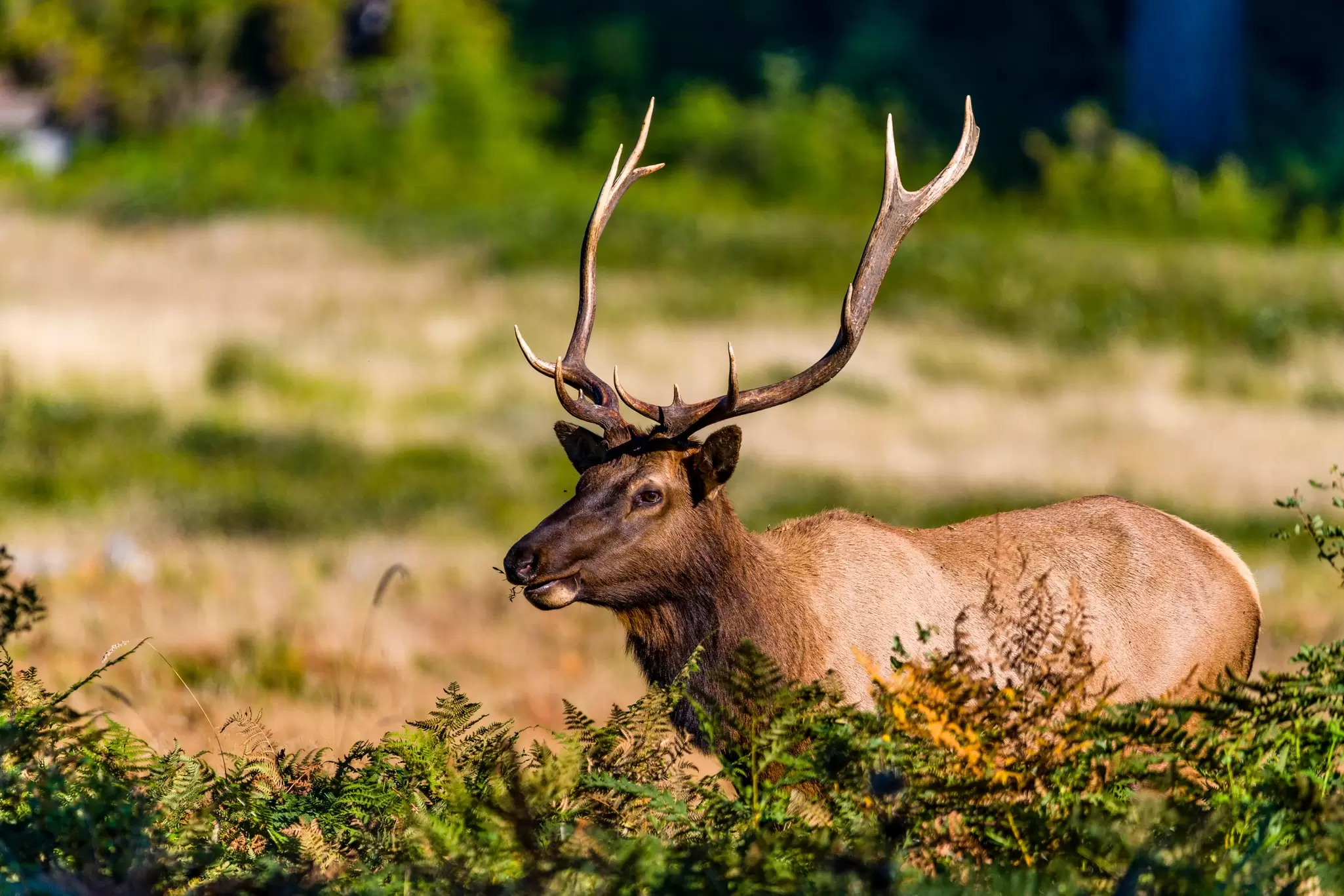
The parks are famously home to herds of Roosevelt elk, the largest elk species in North America, and seeing these massive mammals can be a real treat (provided you keep a safe distance, that is). Aptly named Elk Prairie on the Newton Drury Scenic Pkwy in Prairie Creek Redwoods State Park is one of the best spots to catch a glimpse, as is Elk Meadow, off Hwy 101. Visitors also frequently spot elk hanging out on the sands of nearby Gold Bluffs Beach.
Explore related stories