Sep 20, 202618 min read
A Guide to Tsavo National Park, KenyaJul 23, 2026
8 MIN READ

Writer
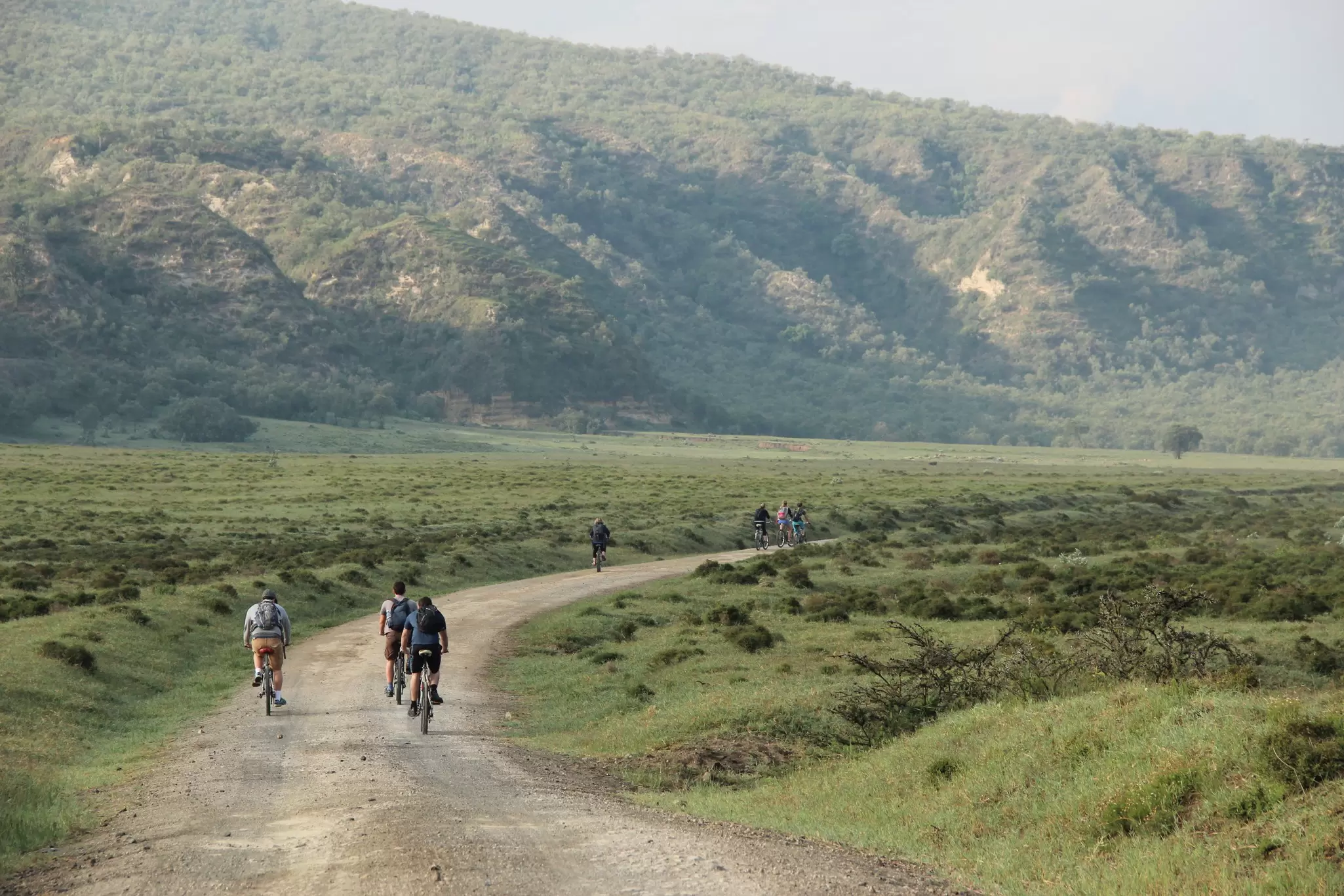
Cyclists in Hell's Gate National Park, Kenya. Snapper Nick/Shutterstock
Writer
Highlights
Writer Zinara Rathnayake guides you through Kenya's Hell's Gate National Park.
Visit in Kenya's dry season (June–October) or January–February for quieter trails.
Cycle to Ol Jorowa Gorge and hike its steam-vented canyon walls to the Devil's Bedroom.
For rock climbing, try Fischer's Tower; to unwind, head to the Olkaria Geothermal Spa.
Lonely Planet may earn a commission from affiliate links on our site. All recommendations and reviews reflect our own independent opinions.
Picture this: Herds of zebras graze on dry grass as you cycle past soaring spires, rust-colored volcanic cliffs and scrub forest. Tiny gazelles sprint through the expansive savanna, and tufts of steam rise through the cracks of the earth in narrow rock canyons.
This is Kenya’s Hell’s Gate National Park, one of the few places in all of Africa where you can walk, cycle and hike surrounded by wildlife and dramatic scenery. That’s the reason I added Hell’s Gate to my Kenya itinerary. As I was cycling past sweeping grasslands, I could see how these spectacular landscapes became the real-life inspiration for Disney’s famed animated movie The Lion King.
Hell’s Gate National Park sits between Lake Naivasha, and the volcanic mountains of Longonot and Suswa, which shape the region’s changing topography. The park is still layered in volcanic ash from an eruption of Mount Longonot over a century ago.
Hell’s Gate is also right on the floor of the Great Rift Valley System, a tectonic tear that runs from West Asia to Mozambique and is slowly splitting the African continent into two.
But what makes this the gate of hell? The UNESCO-listed park got its name from Ol Jorowa Gorge, a narrow, deep canyon that winds through the middle of the park, and was formed by flooding of Lake Naivasha millions of years ago. All this intense volcanic and seismic activity has made the landscape so visually striking that Hell’s Gate occasionally serves as a filming location for Hollywood movies.
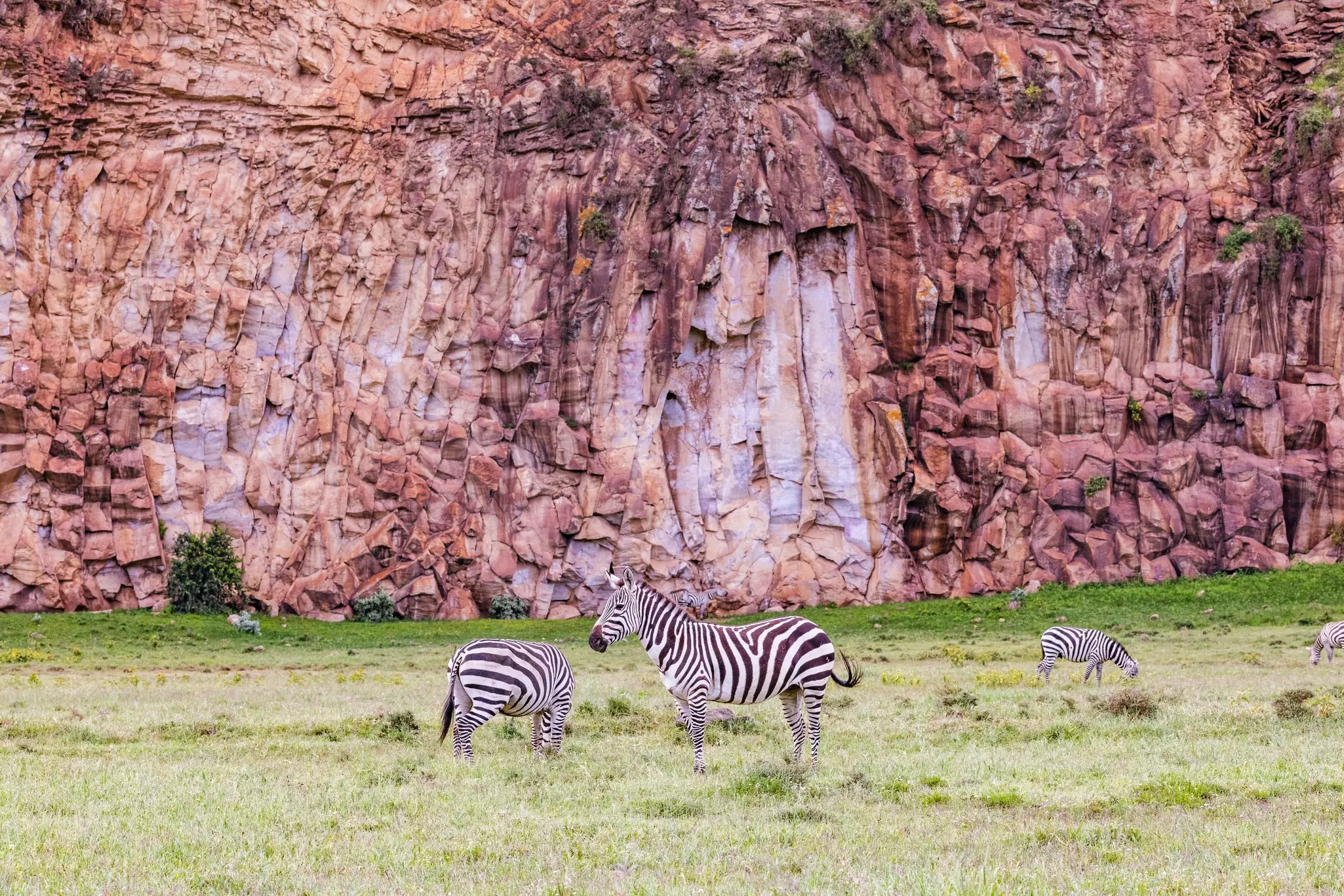
Anytime when it’s sunny, really. Typically though, it’s best to visit the park during Kenya’s long, dry spells from June to October. The shoulder season months of January and February, when I visited, are also a great time. And with fewer crowds, you’ll pretty much have the trails to yourself for most of your journey.
Holidays and weekends tend to get busy as it’s a popular day out for Kenyans visiting from Nairobi. Avoid rainy months since trails can be muddy and slippery, and there are chances of flash floods, especially from March to May.
I spent half a day cycling and hiking in the park. With a full day, you’ll be able to throw in some rock climbing (if you fancy!) and soak in the geothermal spa, so go early. The park is open from 6am-6pm.
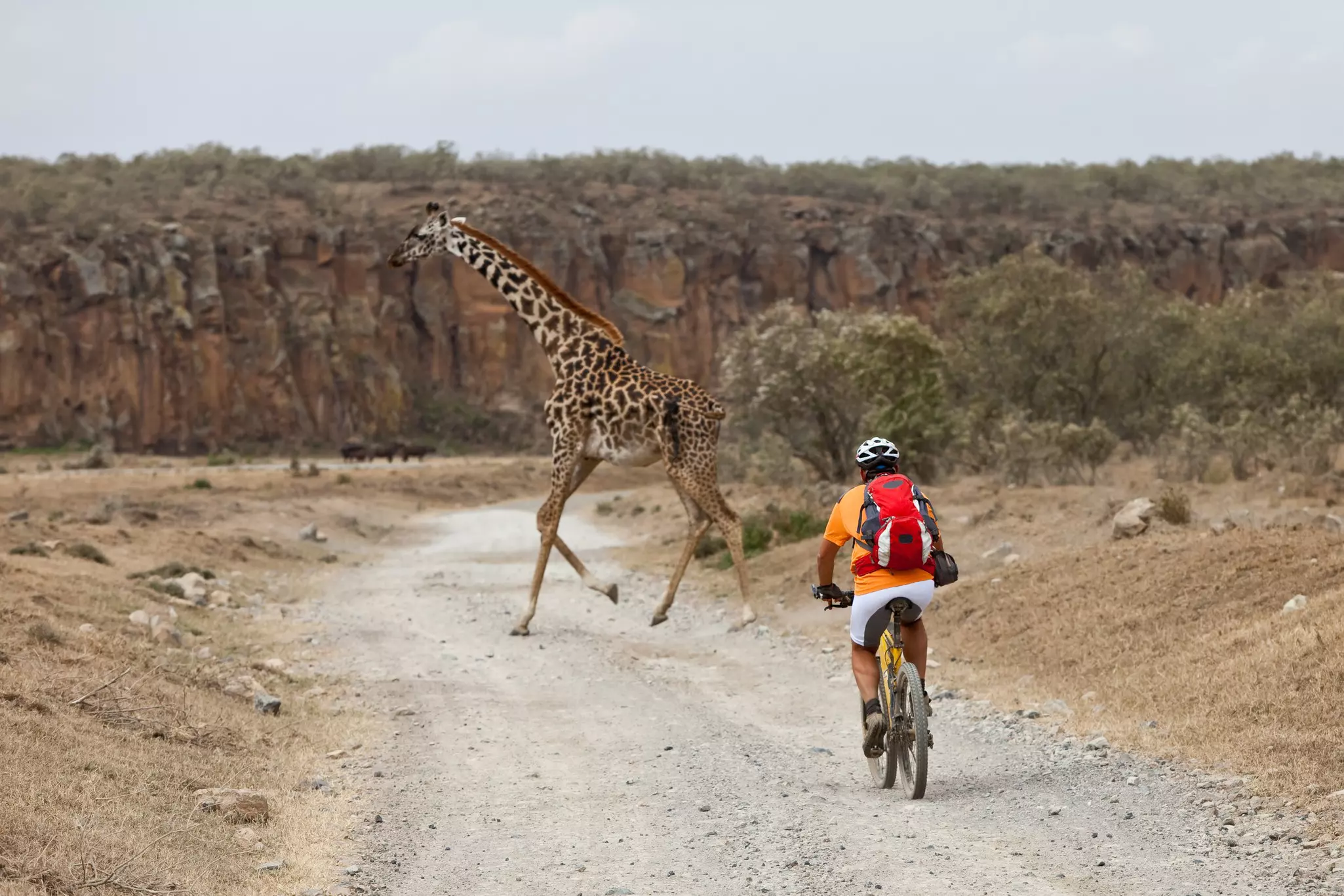
There are no predators like lions and leopards in the park, which means that most visitors love to bike their way through the rugged, wildlife-rich landscape.
There are rental shops that offer bikes – including e-bikes – about 1km before the main entrance at Elsa Gate at the eastern edge of the park. The bikes are usually parked by the side of the road, so it’s quite easy to spot them. Once you rent a bike, you can cycle to the gate, or your rental shop can bring the bikes to you and pick them up once you are done.
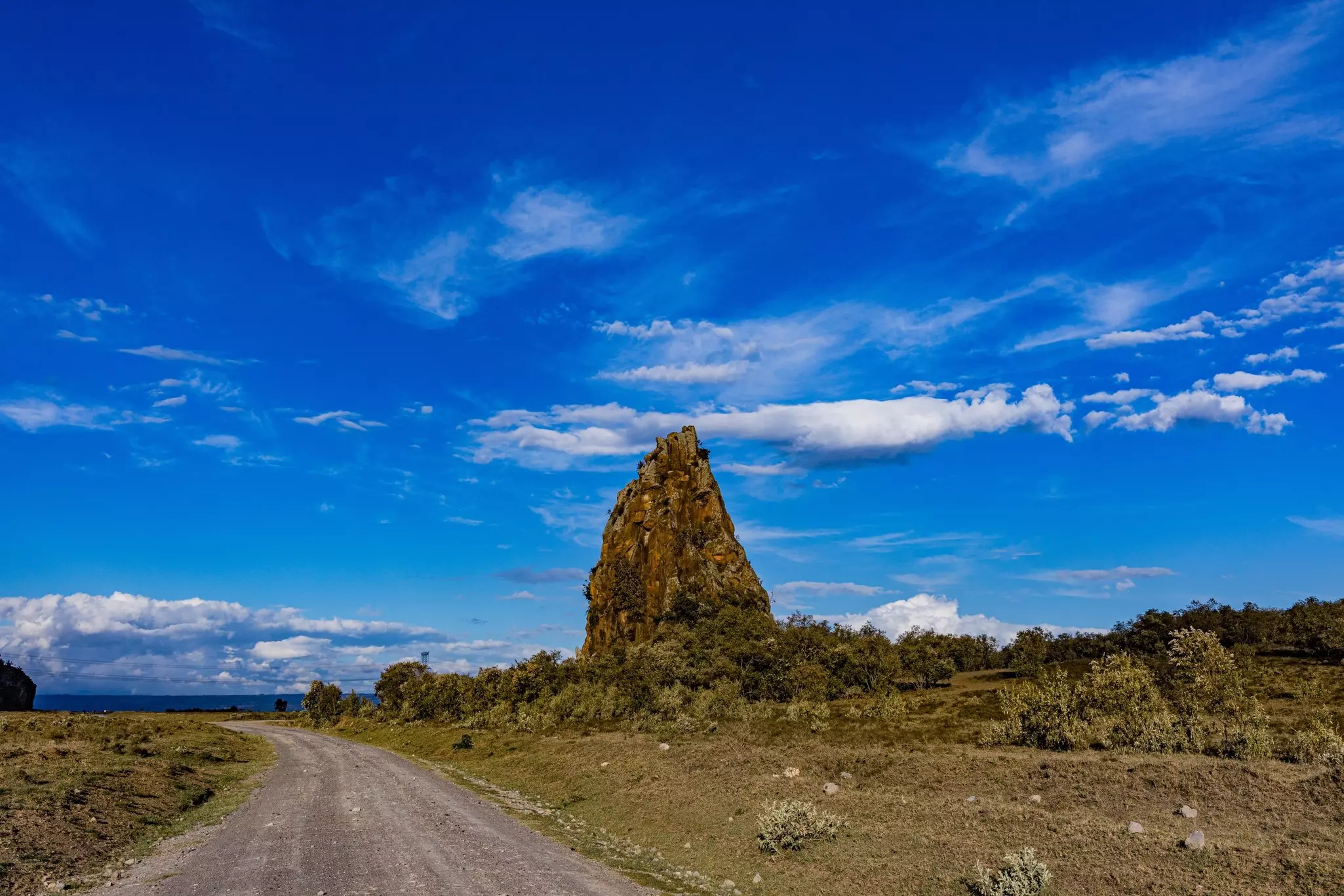
Cyclists can choose from a few trails, including the popular Main Access Road that runs from the Elsa Gate to Ol Jorowa Gorge and back, passing the 25-meter-high Fischer’s Tower made by volcanic lava. The 8km journey to the gorge is mostly flat and downhill, which means that you’ll need to pedal harder for the uphill return journey.
Pick the 14km-long Buffalo Circuit to marvel at the second volcanic rock, Central Tower, which also gives you the chance to stop at Ol Jorowa Gorge. And for those who can bear the harsh Kenyan sun, don’t be afraid to take the scenic detours.
Keep in mind that the roads are a mix of dirt paths and gravel sections, but they are well-maintained and safe to ride on. The park is also open to motor vehicles, but you’ll only come across a few rangers’ jeeps and safari vans.
The water-gouged Ol Jorowa Gorge (also called Hell’s Gate Gorge), which cuts through the rock, is the heart of Hell’s Gate and offers several hiking trails. To get to the bottom of it, you’ll need to clamber over rocks and bushes, and cross a small stream or two. Once down, my guide led me through an almost-dry riverbed with bubbling hot springs and hissing steam vents – and we even came across a decaying body of a giraffe swept away by the currents.
As you hike through the slot canyons, their sweeping walls begin to narrow. They inch toward each other so much so that the blue skies above appear like a thin strip. Watch the sneaking sunlight change the colors of the bare, rock surfaces brushed with minerals. The narrow stretch ends at what is called the Devil’s Bedroom, with towering vertical cliffs on three sides.
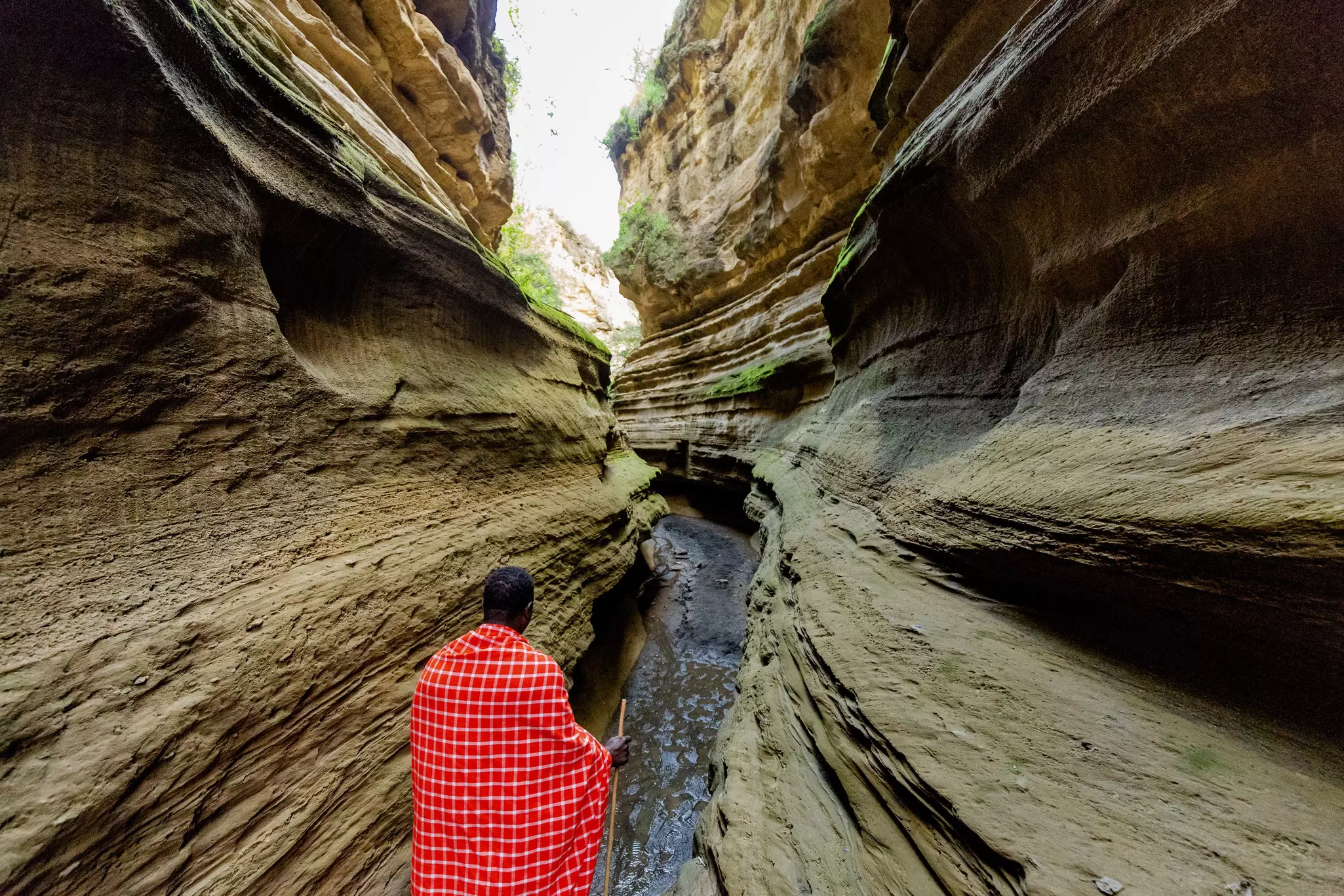
It’s mandatory to hire a guide to explore the gorge, and local guides are available at the entrance. Although it’s not required for other parts of the park, experts from the Hell's Gate Community Guides can share insights into the fascinating geothermal activity in the area, plus whimsical tidbits and folklore tied to the region.
Hell's Gate Community Guides are located at the bike rental area near the Elsa Gate entrance and will also be able to assist with your hike through the gorge. The guides come from the surrounding community, including the indigenous Maasai tribe, ensuring that the money you pay goes directly to them.
Note: before Hell’s Gate was declared a national park, it was home to the Maasai, who consider the deep gorges and thermal springs sacred.
For foreign adults, the entry ticket is US$50 and half that for children. Get the tickets online from Kenya Wildlife Service. Note that you can’t pay in cash, but you can use a credit card or M-Pesa, a money transfer app that you can easily set up with a Safaricom SIM at the Jomo Kenyatta International Airport in Nairobi or an authorized store.
Bike rentals range from 800–1200 Kenyan shillings (KSh) per day. E-bikes will set you back KSh4000. Bikers also need to pay a separate US$10 cycling fee.
Guides charge anywhere from KSh3000. And while tipping is not mandatory, it’s usually highly appreciated.
On foot: While cycling Hell’s Gate is popular, some visitors choose to walk. During my visit, I even came across a few enthusiastic runners.
Jeep or van: Since the park allows motor vehicles, it’s also possible to arrange a safari vehicle, which is best done via your accommodation. But keep in mind that it can be costly and far less exciting than game drives in national parks like the Maasai Mara, home to the Big Five (lion, rhino, leopard, elephant and buffalo). And whether you decide to walk, bike or hop on a jeep, everyone uses the same trails.
Rock climbing: The lonely standing rock pillar, Fischer’s Tower – called Oloroka in Maasai – is popular with rock climbers. Climbing permits are KSh500 per climber on top of park entry fees, and you’ll need to pay extra for the equipment and guides. The basalt cliff face near the lower gorge with long trad routes is good for experienced climbers. The Hell's Gate National Park website offers details about routes, fees, and equipment rentals.
Camping: There are no luxury, exclusive lodges inside the park, but there are three basic, rustic campsites managed by the Kenya Wildlife Service, which cost US$15–20. Visitors will need to bring their tents, stoves and drinking water.
Picnic: Although Hell’s Gate is renowned as an adventure site, Kenyans love to come here for picnics, and it’s a great way to take things slow. Also worth knowing that there are no restaurants inside the park (except at the geothermal spa). You can stock up on snacks and drinks in Naivasha Town, 20km from the Elsa Gate.
Soak in the geothermal spa: Kenya is tapping into the heat below the surface of the earth and turning it into sustainable energy at the geothermal plants located in the park. Visitors, too, can relax at the Olkaria Geothermal Spa with a large mineral-rich water pool and sauna for an extra KSh1000.
Hell’s Gate is only about just over 2 hours from the Kenyan capital Nairobi, which makes for an ideal day trip. But the best way to explore the park is by bedding down in Naivasha, a little town with great restaurants, from where you could also hop on a boat to Lake Naivasha teeming with hippos and birdlife.
There are air-conditioned coaches (can be booked online on Easy Coach) from Nairobi to/from Naivasha, along with small, more frequent matatus (minibuses). Hiring a taxi is easier and more convenient. Uber works, too.
Once you are in Naivasha, you can use Uber to get to Hell’s Gate, or arrange a taxi through your accommodation. The one-way journey costs US$12–$16.
Hell’s Gate National Park, including the geothermal pool, is not accessible for travelers with special needs or mobility issues. The roads are uneven and dusty, making it difficult to navigate a wheelchair. However, it’s still possible to visit the park on a jeep or a van. Safari organizers like Dreamlike Africa Expeditions have wheelchair friendly 4WD safari vehicles with ramps.
Explore related stories