Sep 20, 20267 min read
A Guide to Seeing Alaska from AboveSep 20, 2026
7 MIN READ

Writer
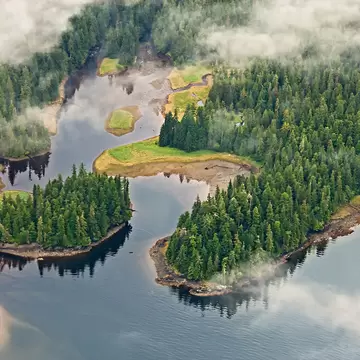
Aerial view of Misty Fjords National Monument, Alaska. YegoroV/Shutterstock

Writer
Lonely Planet may earn a commission from affiliate links on our site. All recommendations and reviews reflect our own independent opinions.
Quick question: what's the state bird of Alaska?
Answer: the single-engine Cessna Skywagon.
At least that's the response you may get if you ask an Alaskan pilot. This workhorse of an airplane is often spotted buzzing over the horizon in America's 49th state. It can land on gravel runways, over water and even atop glaciers. Of course, there are also Piper Super Cubs, De Havilland Beavers and Aviat Huskies - all play a role in traversing the skies over one of the world's great wilderness regions.
Dubbed "the Last Frontier," Alaska lives up to its nickname. A mere 20% of the state is accessible by road. Of the eight national parks found here, only three can be reached by car (just barely). Even the capital, Juneau, lacks roads leading elsewhere. Alaska is home, however, to the world's largest and busiest seaplane base. It's also an unrivaled destination for a flightseeing trip.
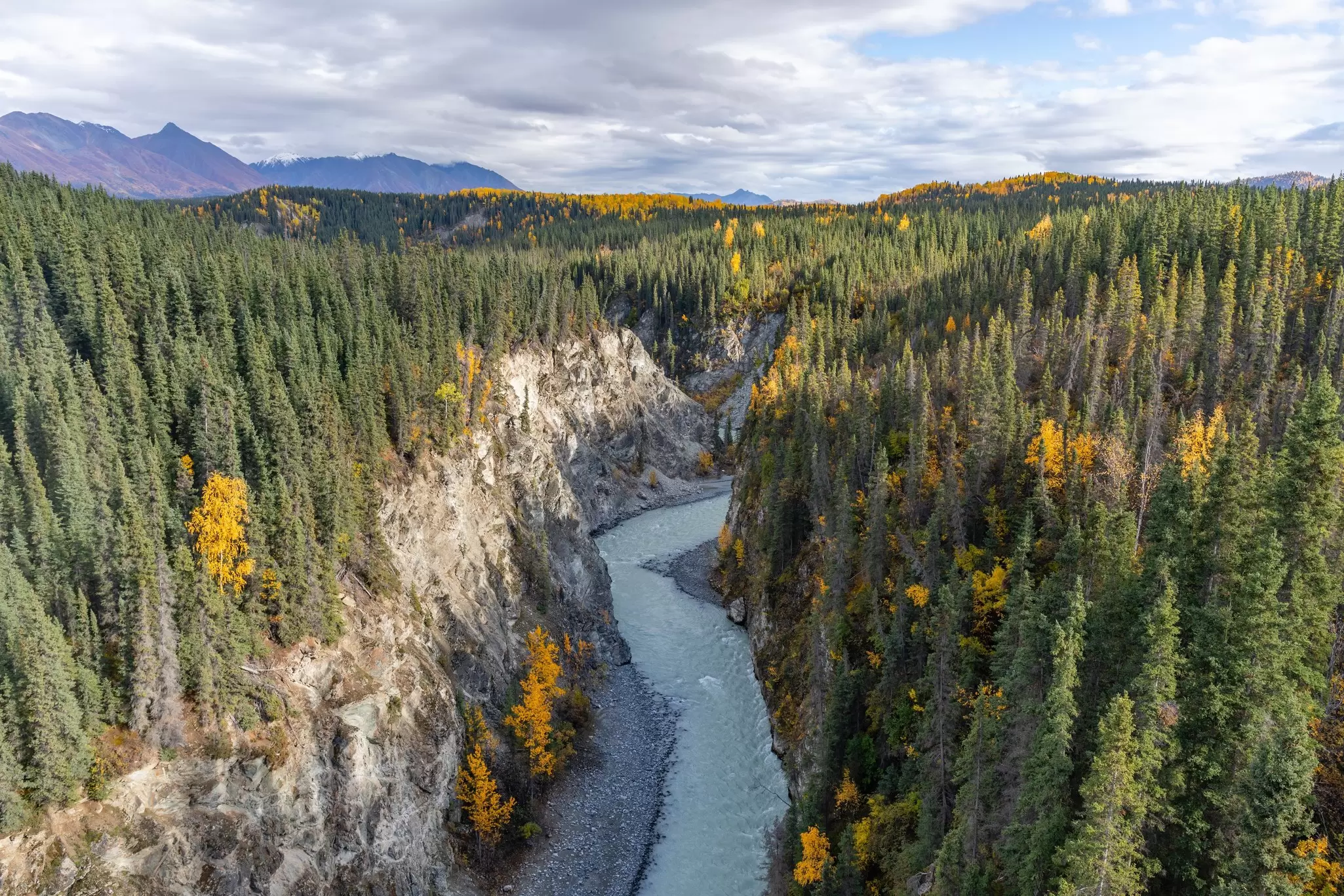
In a word, spectacular. You can fly through lofty mountain passes and admire the view over some of North America's tallest peaks. Or pick a route above dense forest, with churning rivers winding through virgin wilderness painted in every shade of green. Then there are the tidewater glaciers, with icebergs bobbing about like sparkling jewels on cerulean waters.
A flightseeing trip is one of the best ways to have an encounter with Alaska's finned and furried residents. Those small bush planes can transport you to remote locales where you can marvel (safely) at massive brown bears feasting on salmon at stream beds or digging for mollusks along the shore. You might spy huge herds of mountain goats, moose lumbering through the marsh or an acrobatic display of breaching humpbacks blasting from the water.
There's no way to sugarcoat it. Travel in Alaska is expensive, whether you're sitting down to a meal or booking a room for the night. Likewise, flightseeing doesn't come cheap. A 75-minute excursion costs about 430 American dollars (US$430) with taxes (around US$375 for children). Prices get even higher if you add in a glacier landing, or if you're heading to a remote area to see wildlife. A one-day bear-viewing adventure can cost from US$600 to upwards of US$1600 per person, depending from where you're flying.
Over the years that I've traveled the state for Lonely Planet Alaska, I've never met anyone who regretted taking a flightseeing trip. Most people used phrases like "once in a lifetime" or "the most amazing travel experience ever" after returning from the skies. Quite simply, flightseeing is an activity that actually lives up to the hype. As Marne Sheldon, co-owner of Sheldon Chalet, told me, "A scenic flight can be a life-altering, spiritual experience." Having flown over some breathtaking stretches of Alaska myself - from the lush Tongass National Forest in the southeast to remote corners of the tundra-lined North Slope on the edge of the Arctic Ocean - I have to agree.
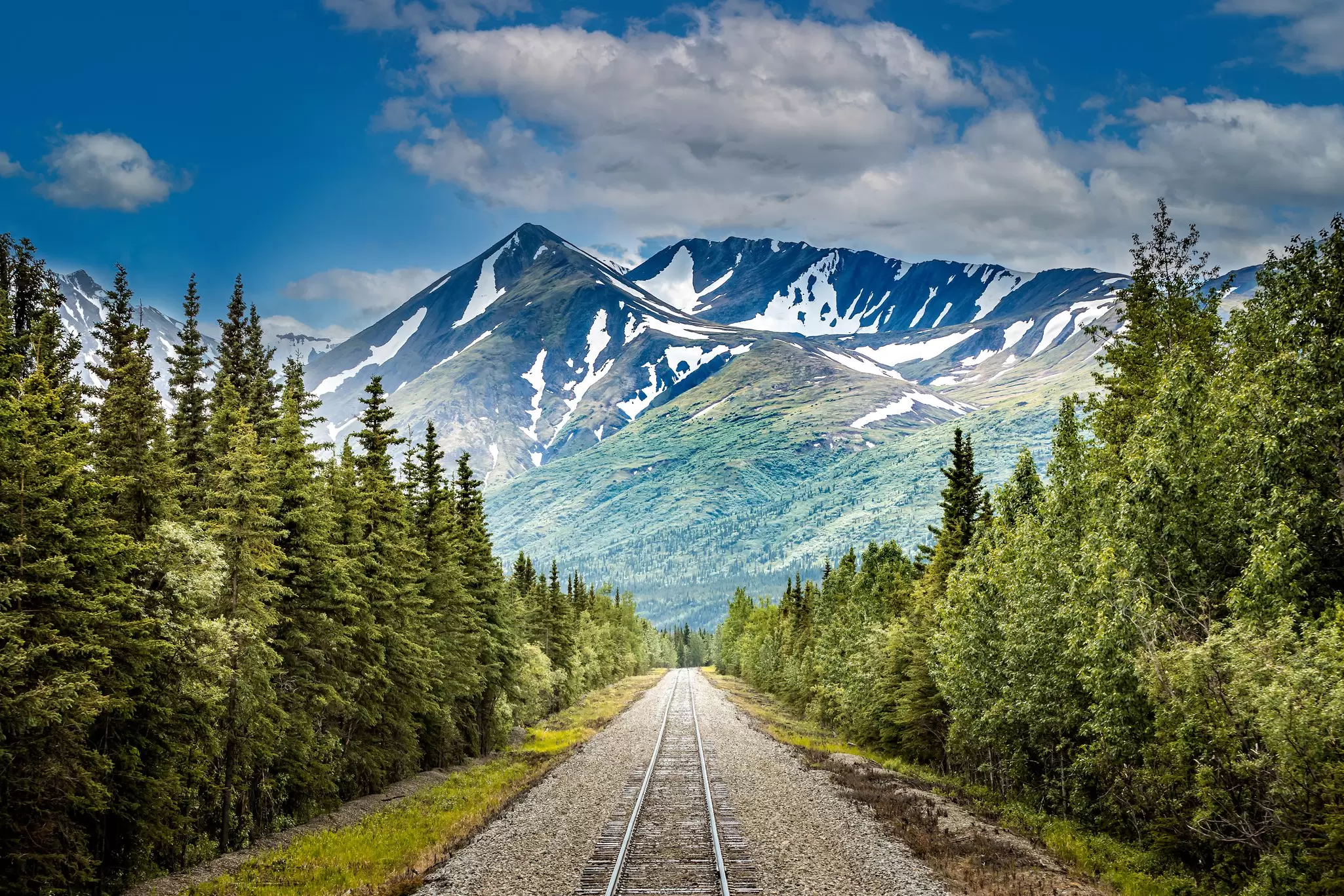
In Alaska, the mother of all mountains is Denali - known as the Great One in the Athabascan language. Its summit tops out at 20,310ft (6190m). Notoriously shy, the towering landmark appears through the clouds one out of every three days. But even if its peak remains hidden, there's still much more to see in the surrounding wilderness - all part of a six-million-acre national park that's larger than the state of New Hampshire.
The charming settlement of Talkeetna is the best place to arrange a flightseeing trip near Denali. Home to less than 1500 residents, tiny Talkeetna occupies an oversized role when it comes to Alaska bush aviation. Back in the 1940s, Don Shledon settled here and established Talkeetna Air Service, flying scores of mountaineers to and from Denali and nearby peaks for climbing and scientific exploration.
Today, a handful of operators run trips, and all provide safe, memorable excursions. The typical Denali tour operated by companies like Talkeetna Air Taxi or K2 Aviation flies over town and across the muskeg and tundra of the Susitna Valley before traversing the Great Gorge of the Ruth Glacier, with mile-high granite walls and a 4000ft river of ice. Also part of the tour are Mt Huntington, Moose’s Tooth and Broken Tooth peaks, and, if you add it on (another US$130 or so per person), a landing upon the Ruth Glacier itself in the heart of the Sheldon Amphitheater.
One of the best places on earth for seeing brown bears is Brooks Falls in Katmai National Park. From mid-June to September, as salmon journey upriver to their spawning grounds, the bears arrive en masse for a feeding frenzy. During the peak in July, dozens of bears gather at the falls to snatch fish with mouth or claws, while their human admirers watch from a nearby overlook. It's eye-wateringly expensive to get there, but you may rave about this trip for the rest of your life. Here's how it works: book a regular commercial flight operated by Alaska Airlines from Anchorage to the town of King Salmon. From there, take a floatplane with an operator like Katmai Air - they also depart directly from Anchorage to Brooks Falls if you want to avoid a layover. You'll spend about five hours on the ground before making the return flight back to your starting point.
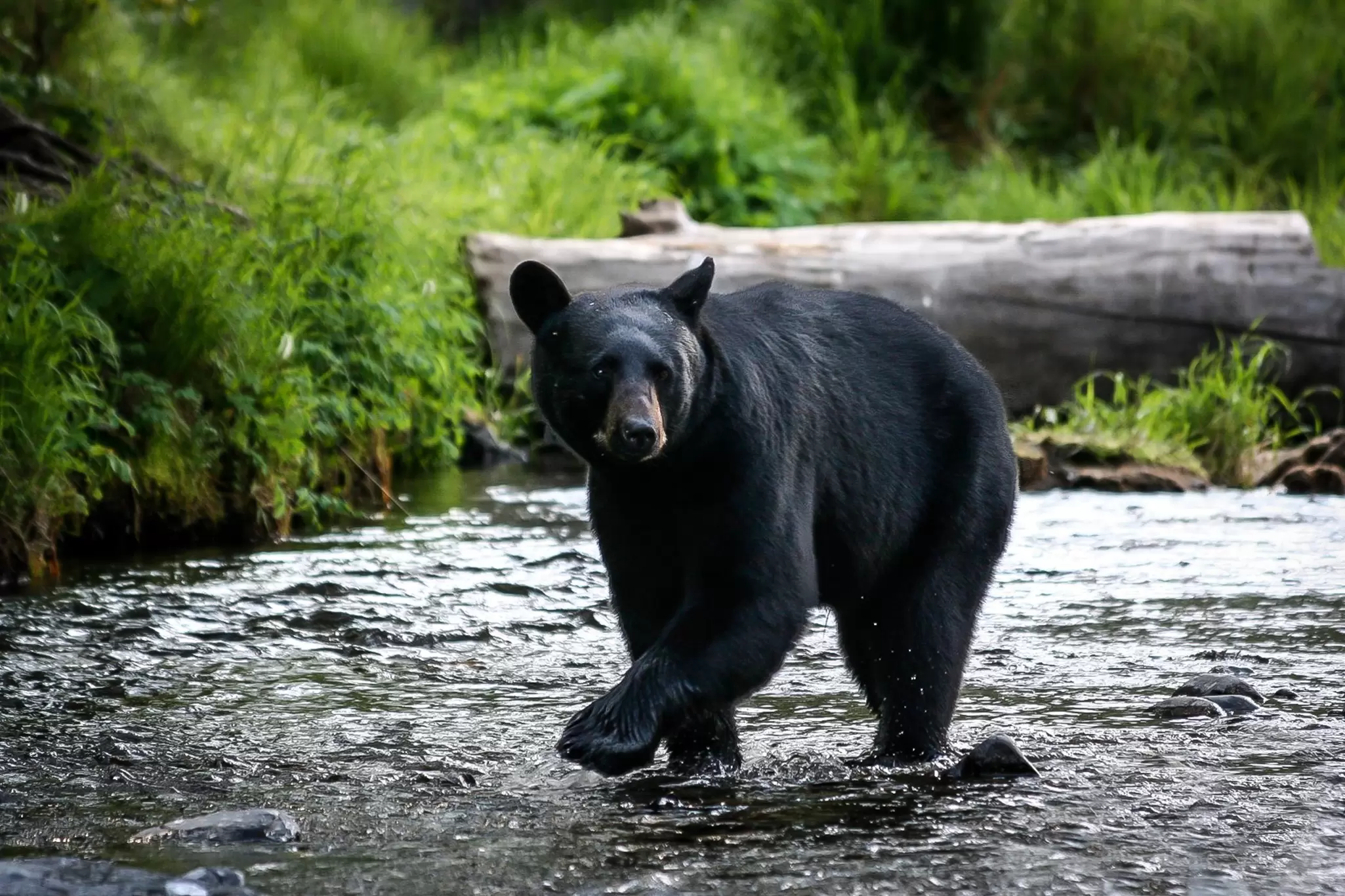
Keep in mind that Brooks Falls can draw some 300 people a day in July. If you don’t want to jockey for position while trying to get a video of bears gorging on salmon, consider a trip to Pack Creek. Above and Beyond Alaska leads small-group tours from Juneau to Admiralty Island where an estimated 1500 coastal brown bears live. Another extraordinary spot is Anan Creek, one of the few places in Alaska where brown and black bears co-exist at the same run. Get there by taking a floatplane operated by Seawind Aviation from Ketchikan.
Near the southern tip of the Seward Peninsula, Kenai Fjords National Park encompasses a dramatic expanse of rugged mountains, glaciers and a chiseled coastline that includes the park's namesake fjords. As in Denali, you can book flightseeing tours that take you through mountain passes and over a massive ice field. AA Seward Air Tours run various routes (from 30 to 90 minutes), where you'll see snow-capped peaks, lush green valleys and dazzling blue waters full of icebergs. There's also the option to add-on a glacier landing, where you'll spend a surreal 30 minutes out on a snowy expanse. The town of Seward (some 2 hours and 30 minutes southeast of Anchorage) is the gateway to this relatively easy to reach national park.
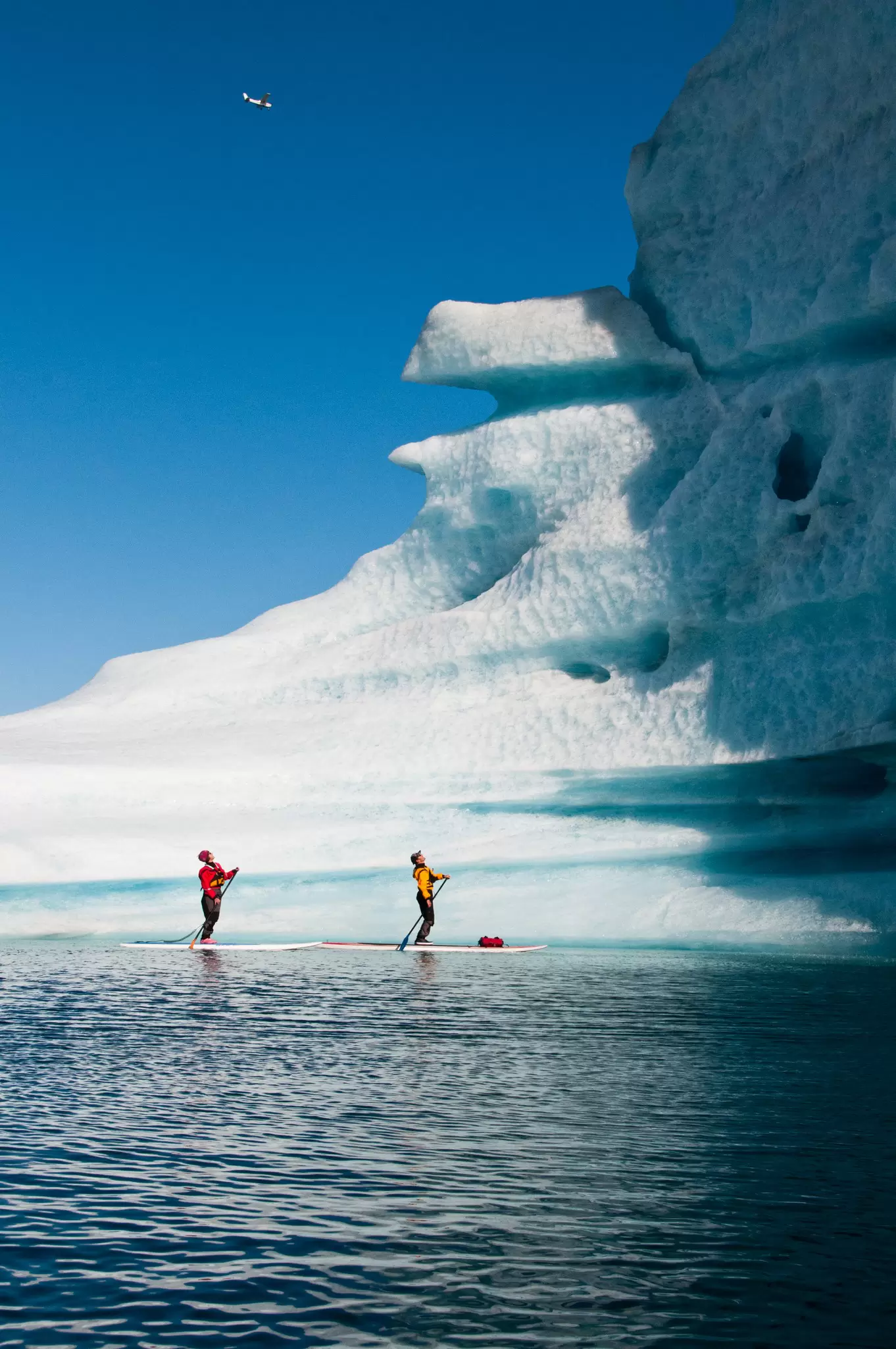
Flightseeing isn't limited to fixed-wing aircraft. In Kenai Fjords, for example, several outfits - including Seward Helicopter Tours - can zip you up and over the mountain-strewn landscape. The advantages: helicopters tend to fly slower than planes and at lower altitudes, which give you prime views over mountain passes. They can also land atop glaciers for some time playing in the snow.
If you want an even wilder experience, you can combine a helicopter tour with dogsledding. Alpine Air Alaska will take you up to Punchbowl Glacier, where you'll disembark and go on a dogsledding adventure with Iditarod champion huskies.
The stretch from May to September is best for planning a flightseeing tour. Many operators run only during these warmer months. Try to book a morning flight - skies are often clearer and calmer then - with clouds sometimes arriving in the afternoon. It's also wise to have a flexible schedule, so you can postpone your flight for another day if the weather isn't cooperating.
We're glad you asked. Powerful flying machines aside, the state bird is actually the willow ptarmigan, the largest member of the Arctic grouse family. It was chosen by 6000 school children back in 1955, when the Great Land was readying its constitution for statehood, arriving a few years later in 1959. The kids were undoubtedly drawn to the bird's magnificent camouflaging strategies - mottled brown and reddish feathers turn a snowy shade of white as winter arrives, ensuring the bird always blends in no matter the season. Also, the willow ptarmigan has wonderfully feathered feet. Who doesn’t love a bird with foot feathers?
Explore related stories