Sep 1, 20266 min read
How to Get Around in BermudaAug 20, 2026
7 MIN READ

Writer
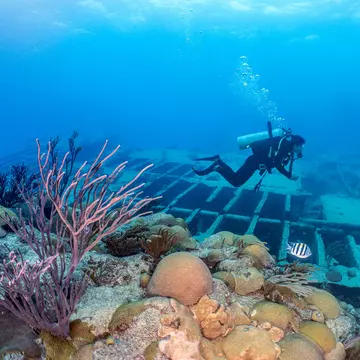
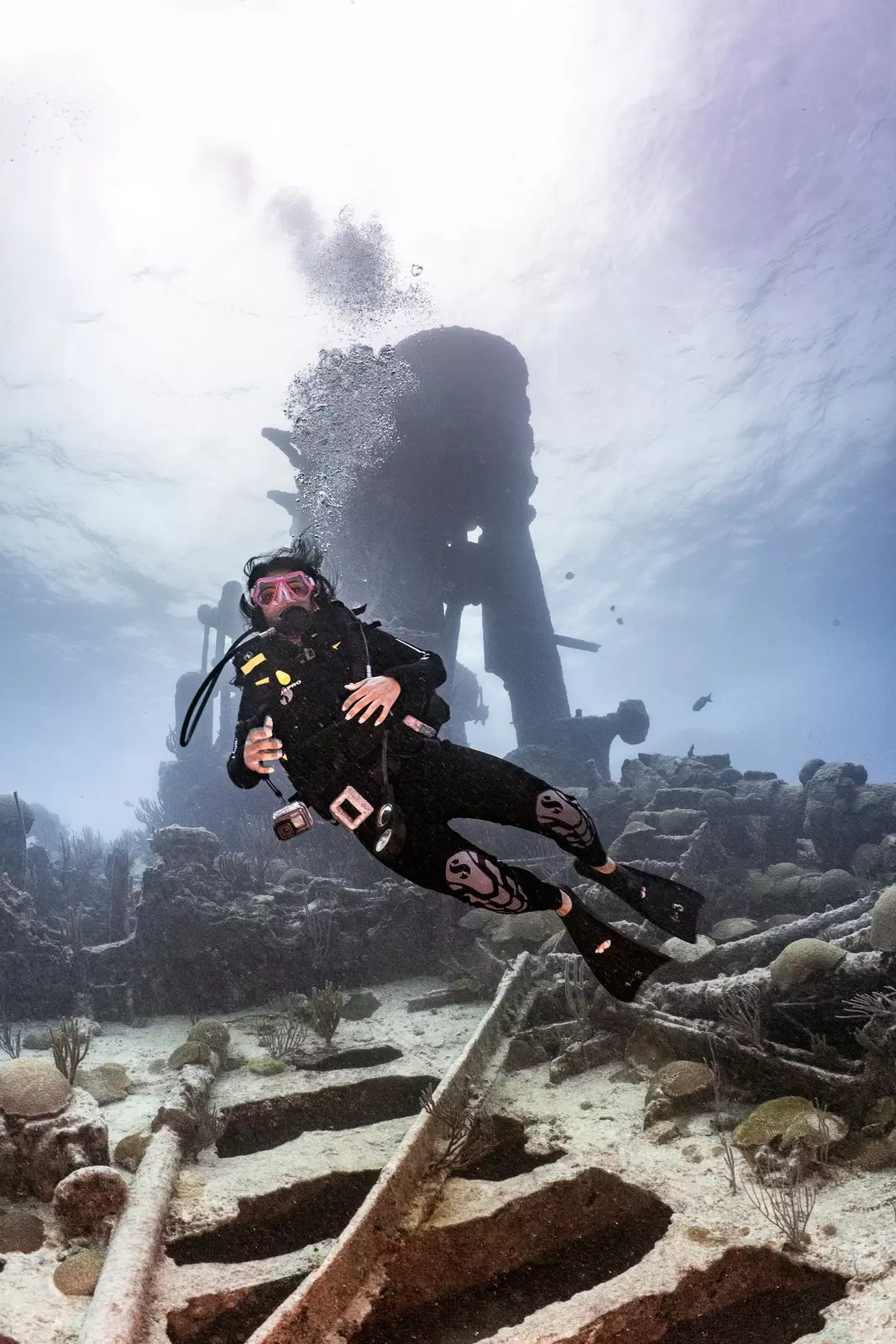
The author swimming through the "Pelinaion" dive site in Bermuda. Jenny Stock

Writer
Lonely Planet may earn a commission from affiliate links on our site. All recommendations and reviews reflect our own independent opinions.
People disappear here, or so the stories go. The Bermuda Triangle’s puzzling history of missing ships and planes has been told through Hollywood thrillers, mystery novels and investigative podcasts alike. On screen, it’s a pop-culture legend that took off in the 1970s. On maps, it’s a chunk of the North Atlantic Ocean bordered by Bermuda, San Juan, Puerto Rico and Miami, Florida.
It’s also the perfect long-weekend getaway from the USA’s East Coast and the most convenient dive trip I’ve taken to date. I left my New York City apartment at 9am, took a catnap on the short flight and was swimming in Bermuda’s turquoise waters by dinnertime.
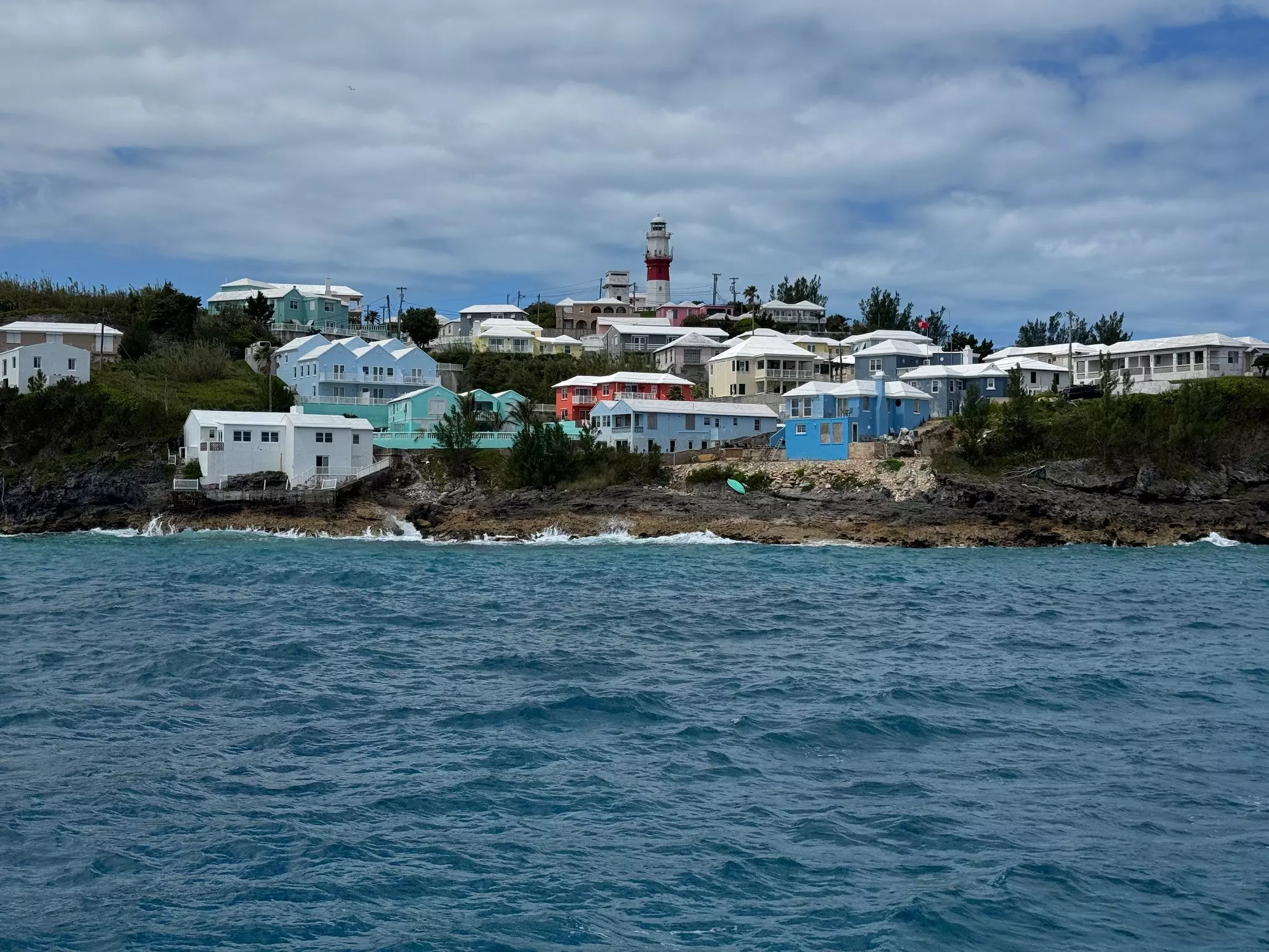
How long to go: At least 4 days. I went Monday through Thursday, but only got to dive one day (Wednesday) because of the weather conditions. Don’t forget to factor in a surface interval (minimum 12 hours, increasing with dive count and length) between your last dive and departure flight to help decrease the risk of decompression sickness.
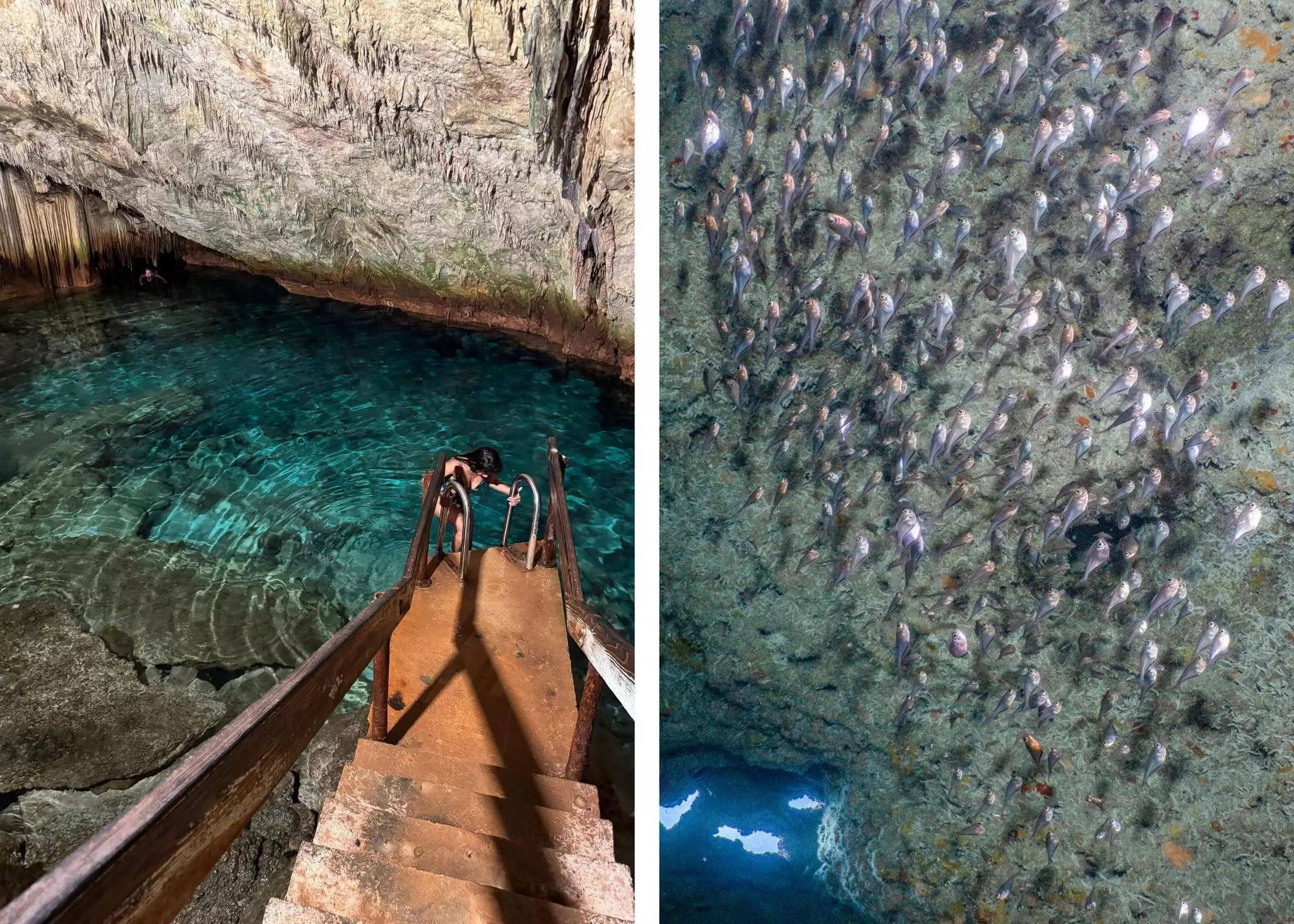
Where to stay and dive: Grotto Bay Beach Resort, a mere 5-minute drive from the airport, stunned me with its underground caves and spa. Upon arrival, I dropped my bags in my room and went for a dip under stalactites in Cathedral Cave. Five-star PADI center Dive Bermuda is steps away on a private beach. Keep an eye out for its resident cat, Bully, who is nicer than his name sounds!
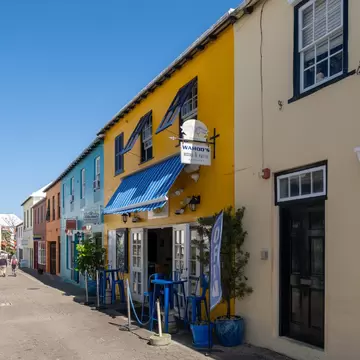
Getting around town: Hamilton and St George are walkable, but for everywhere else, take a public bus or ferry. Tickets range from $3.50 to $5 USD based on zone and are interchangeable, but bring exact change.
What to eat: Unsurprisingly, seafood is king. Order the wahoo, a meaty fish and local favorite, in a sandwich or as nuggets.
Spoiler alert: modern technology partly reveals why so many ships went poof here, but before I get to the science, let’s talk geography. I’m embarrassed to admit that I thought Bermuda was a Caribbean island, and after asking around, I know I’m not the only one. But this archipelago – nope, not a single island either! – sits at roughly the same latitude as North Carolina, making it the infamous triangle’s highest point.
To be fair, San Juan and Miami have their own shipwrecks, but Bermuda’s got a whopping 225 documented wrecks for its small size – just 24 miles (40km) long and less than a mile (1.6km) wide. There are likely more waiting to be discovered; local government estimates a count closer to 300, with some dating back to the 1500s. A gnarly storm could sweep through, shake up the seabed and reveal something never seen before.
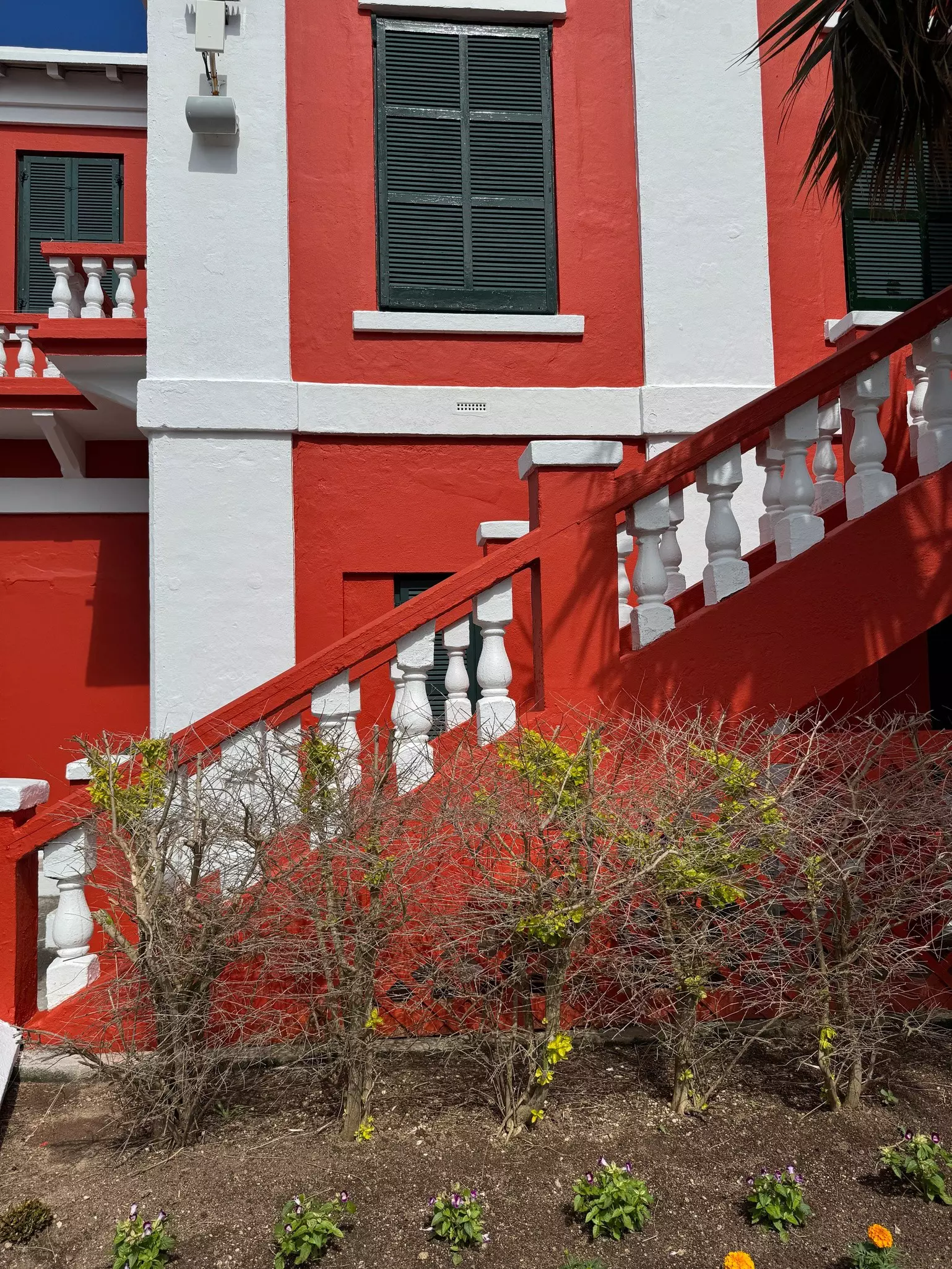
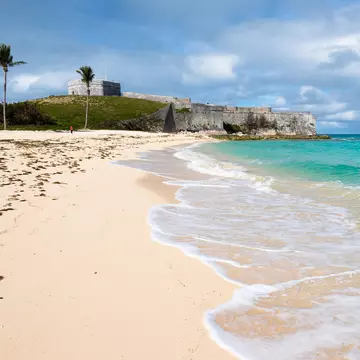
The wind didn’t cooperate my first full day in Bermuda, requiring us to cancel our initial dives – a fitting experience, I think, since bad weather sinks ships like the ones we were there to see. Instead, we walked around St George, the former capital and a UNESCO World Heritage Site, on an educational tour with Long Story Short. Before I could explore the Bermuda Triangle for myself, I had to understand why so many people journeyed through it in the first place.
I learned about everything my US history class skipped, like how the town was settled in 1612 before pilgrims ever set foot in Plymouth, Massachusetts. St George’s charming cobblestone alleys and colorful architecture contrast with its numerous fortifications, which served as a British naval base during the American Revolution. My high school textbooks chronicled the 13 colonies in detail but never mentioned Bermuda’s evolution into a British Overseas Territory or how its strategic location helped sailors navigate to the Americas. To sum up 400-plus years of maritime history, Bermuda’s seas were busy, busy, busy for a long, long, long time.
Now, for a sharp pivot to geology, if I take off my tinfoil hat, I believe that Bermuda’s origins explain much of the triangle’s enigma. Millions of years ago, magma erupted from the seafloor, creating a mountain range of volcanoes that, once extinct, formed Bermuda’s collection of islands. Our brains register only what’s above water, but under the waves, seamounts extend far and wide – much like the iceberg that sank the Titanic. In short, there are a lot of dangerous rocks down there, and even experienced seafarers didn’t know to watch out for them. By the time they got close enough to spot land, it was too late.
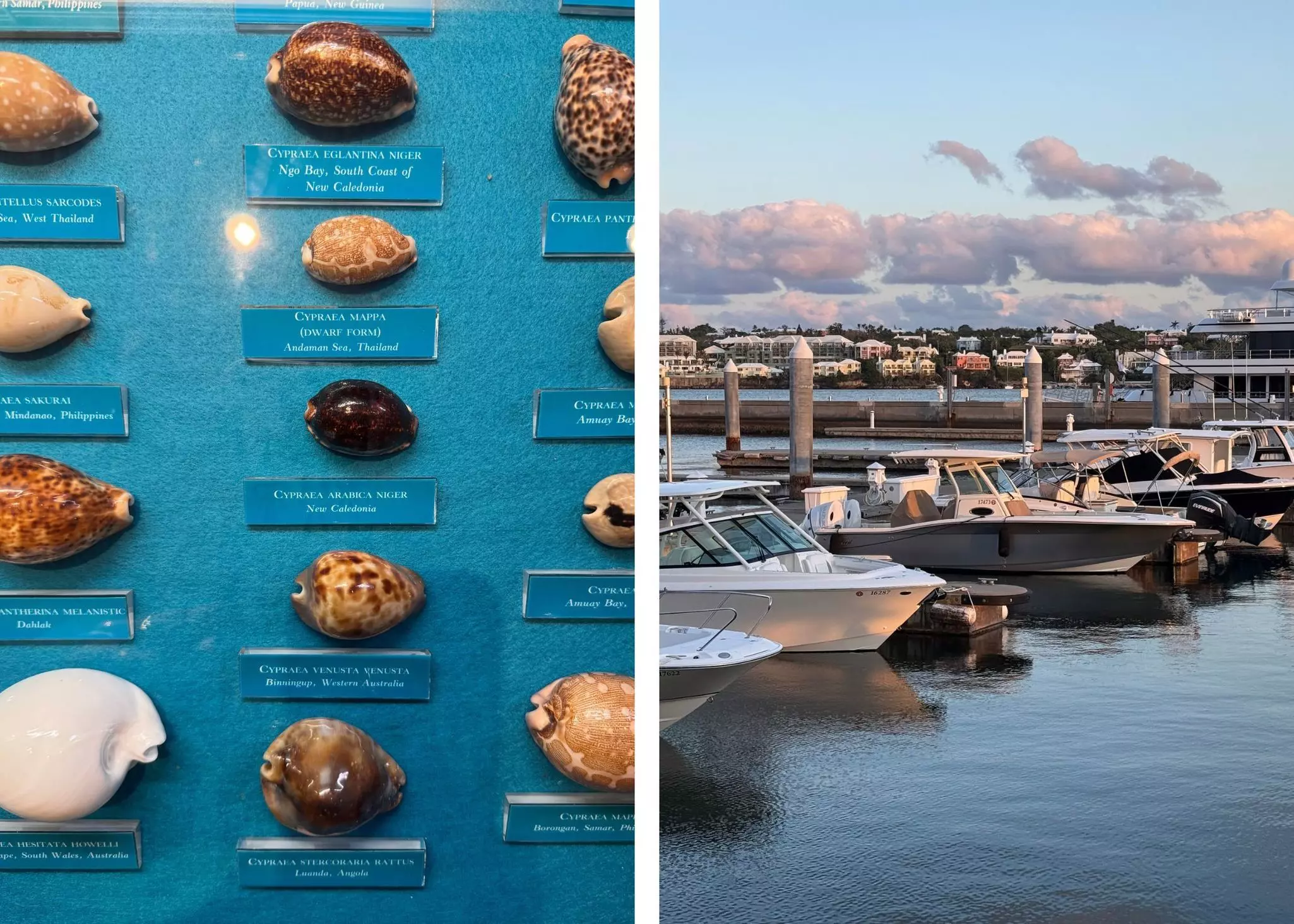
On top of that, Bermuda’s volcanic foundation contains magnetite, a mineral known to cause magnetic abnormalities and throw off compasses. The Bermuda Underwater Exploration Institute, a three-floor museum outside Hamilton, breaks down the science through interactive exhibits that would be a treat for kids but are just as fun for adults. My favorite parts were the comprehensive private shell collection, displaying over 1200 shells sourced from seemingly every corner of the planet, and the bioluminescence room’s glowing mural of a giant squid fighting off a sperm whale – a treacherous deep-sea battle that no one’s ever seen but experts know occurs. I may be an advanced scuba diver, but the more I learn about the ocean, the scarier it becomes.
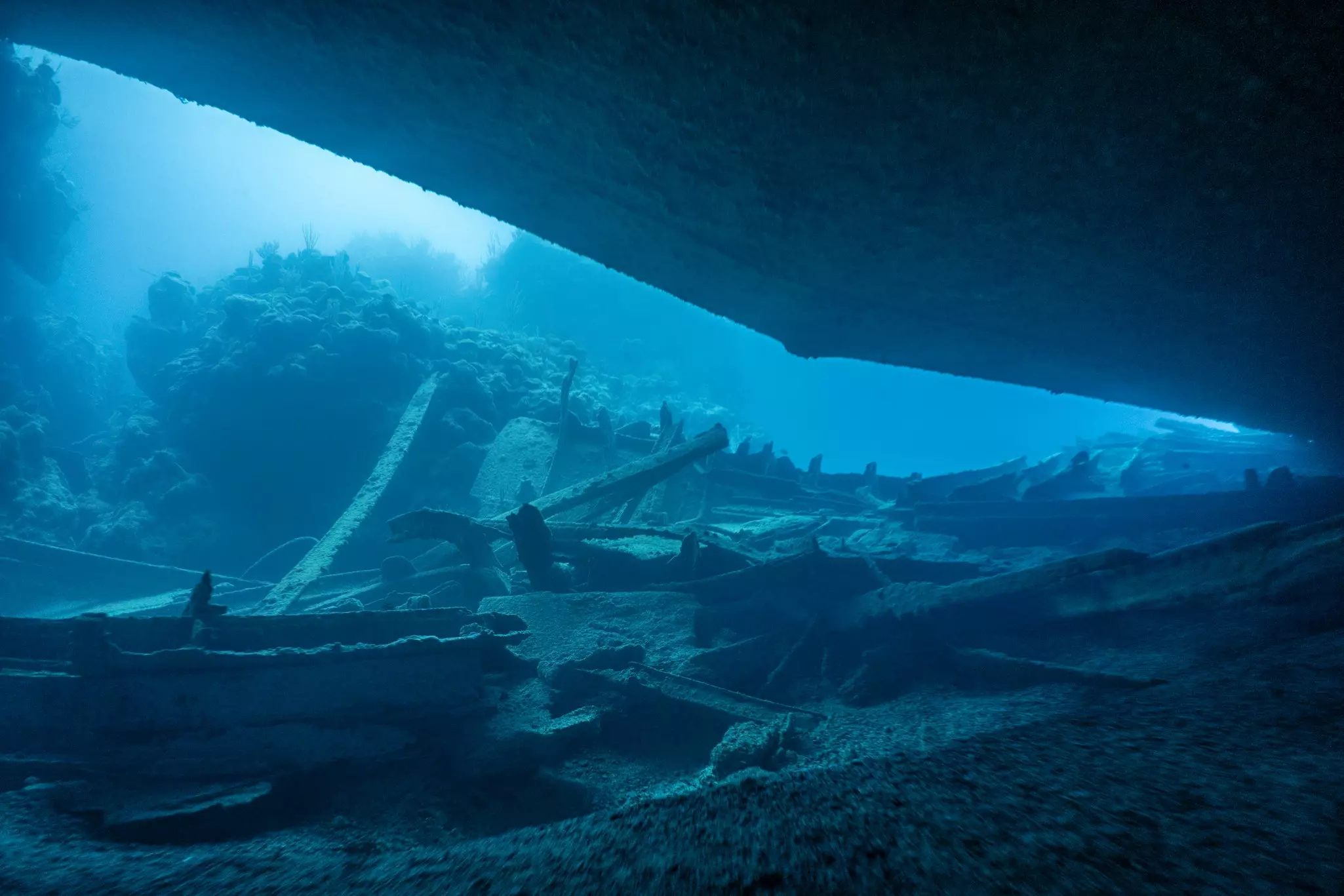
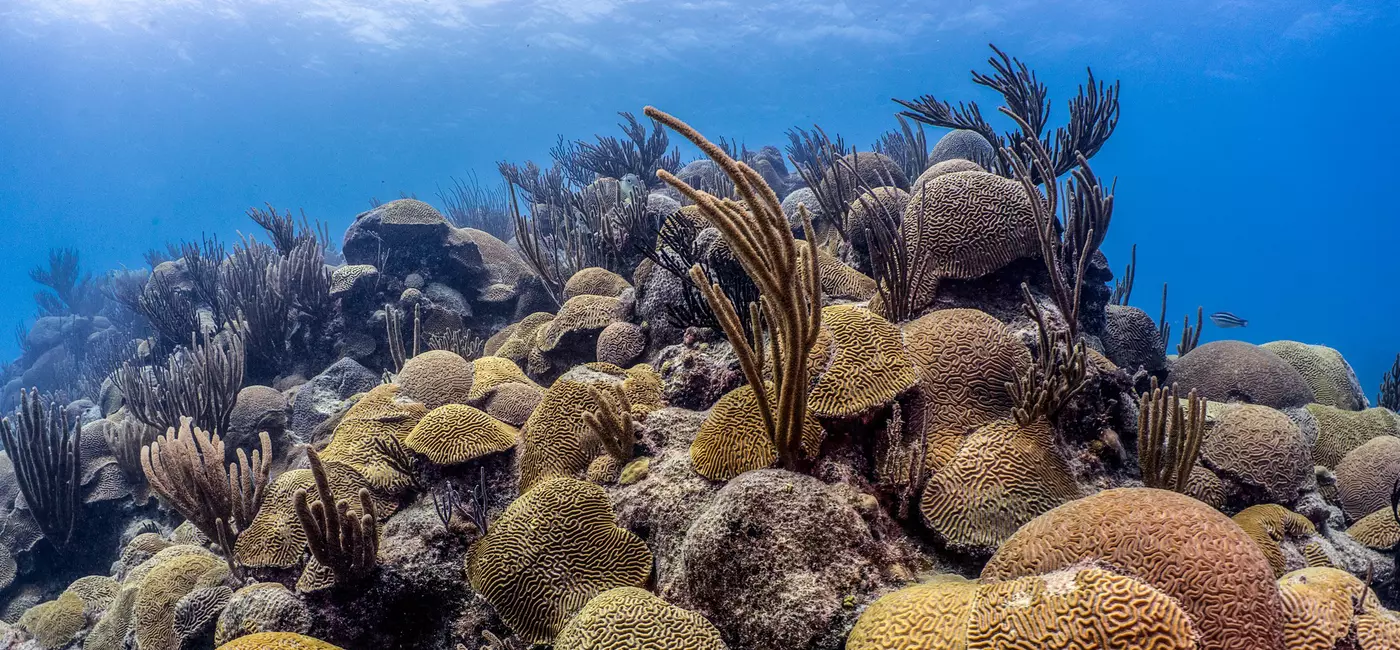
I’m not one to let a little fear stop me. After cave and wreck diving in Greece last year, I was excited to explore Bermuda’s underwater world. And while I was there to see ancient wooden hulls, sheets of steel and rusty propellers, it’s the elaborate reef system winding up, down and into the debris that made the dives so stellar.
Take the Cathedral, a dive site that doubles as a maze of canyons and swim-throughs carved out of coral and limestone, with beams of light punching through. I would’ve gotten lost if I weren’t following a dive master. Inside the largest tunnel, a spiny lobster sat camouflaged in a corner, and a school of tiny, transparent fish sparkled against the shadows. I’ve seen lobsters in the wild before, but it was my first time seeing glassy sweepers or, as I’ve decided to call them, "glitter fish." They like to hang out in caves and crevices, so it’s no wonder they feel right at home in the unofficial shipwreck capital of the Atlantic.
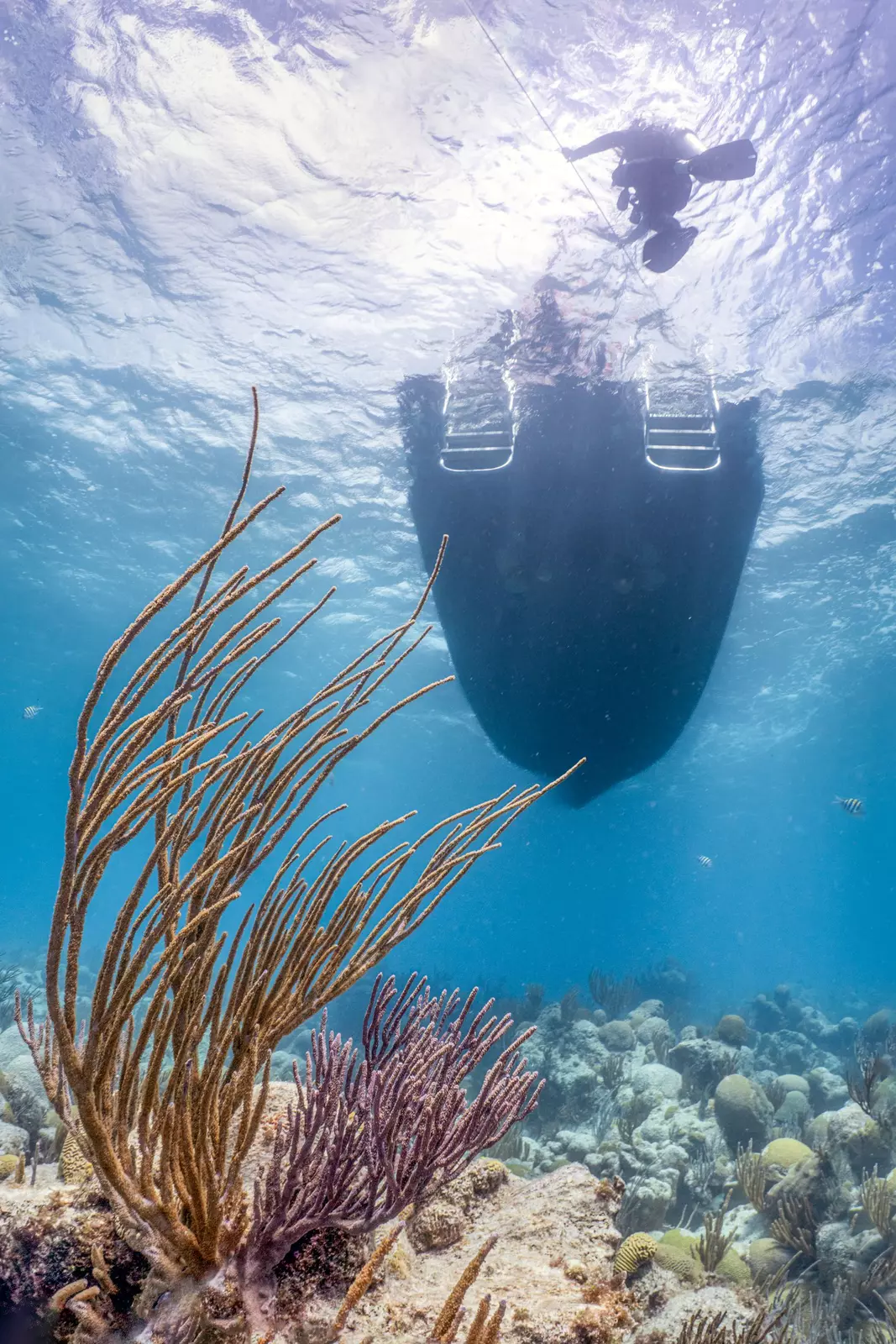
Underneath the dive boat. Jenny Stock
Next up was Pelinaion, a steamer built in 1907 that was en route to Baltimore, Maryland, when it met its fate during WWII. There’s nothing mysterious about the ship's demise; the lighthouse was dark, and the captain went in blind. Today, its pieces are scattered about – anchor here, boilers there – at different depths, making the site suitable for all levels. You can even snorkel over its stern, body and engine if diving isn’t your thing. In fact, several wrecks – including Bermuda’s biggest, Cristobal Colon, a Spanish luxury liner that’s nearly 500ft (152m) long – lie shallow enough that you don’t need a scuba certification unless you want to get up close and personal with the wreckage.
As for me, with 26 dives under my belt, I’m hoping to explore the twin vessels Constellation and Montana next. They sit on top of each other, even though they sank almost a century apart – a diver’s equivalent to BOGO. I didn’t get to dive as much as I’d hoped to on this trip, but I know I’ll return soon. Who knows what treasures await!
Deepa Lakshmin visited Bermuda as a guest of the Bermuda Tourism Authority. Lonely Planet does not accept freebies in exchange for positive coverage.
Explore related stories