Oct 14, 202611 min read
Embracing the Magic of Fall in Central SloveniaSponsored by
This article was paid for and produced with Slovenian Tourist Board. Paid content is produced separately from Lonely Planet's editorial coverage. Product availability and terms are subject to change; please verify details directly with service providers.
Oct 14, 2026
6 MIN READ
Writer
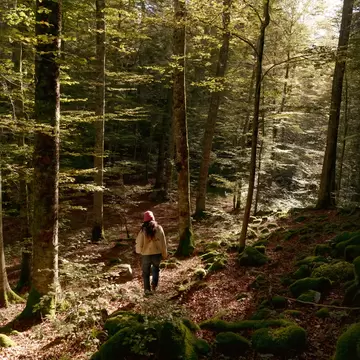
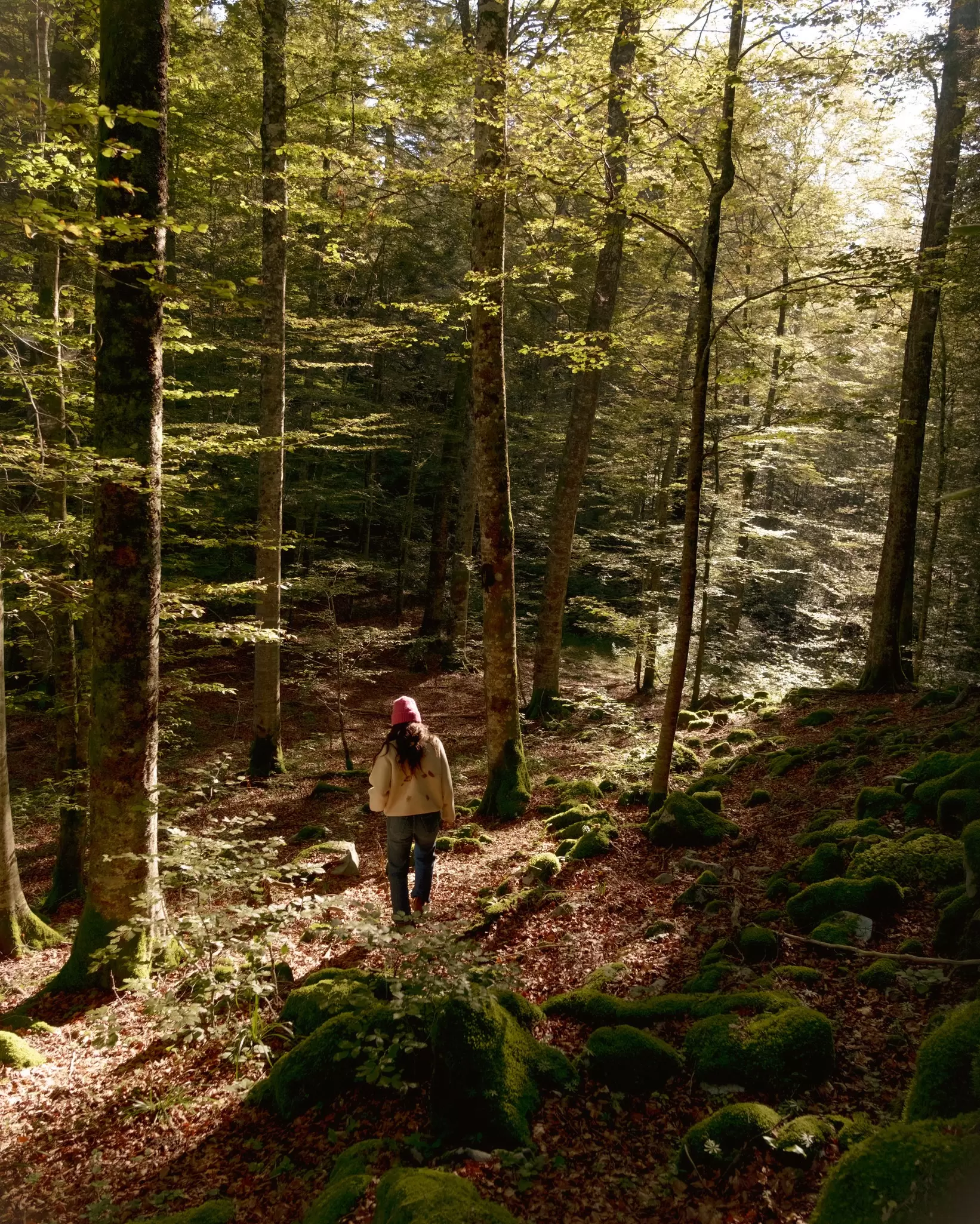
Exploring the forests of Kočevsko. Martin Pauer for Lonely Planet
Writer
Luxury has always been, at its heart, a taste of something we rarely get to enjoy in the course of our days. In the earliest era of leisure travel, this looked like grand affairs in sumptuous staterooms or gilded cabooses with porters wheeling stacks of trunks, suitcases and hatboxes hither and thither. While the look and feel of luxury has changed, real luxury must feel sacred, truly precious.
And it doesn’t have much at all to do with price, and it can’t be measured in dollars, or euros, or designer clothes or branded hand luggage or expensive devices. Because in a world where everything seems to move faster, where everything is more accessible, and we are more available than ever before, traveling luxuriously is not measured by what we can buy. In Central Slovenia, luxury is something far different – and something far better.
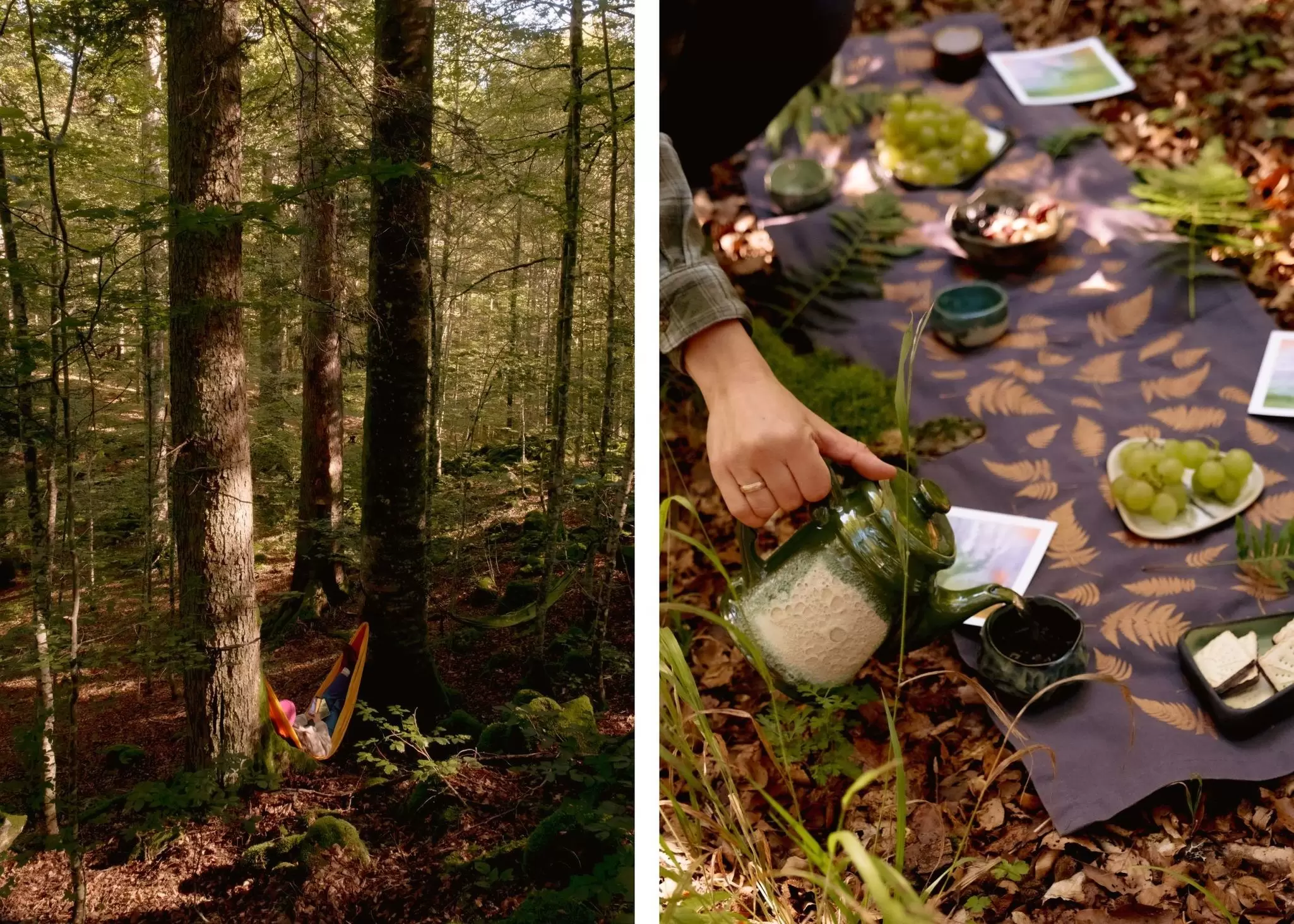
The first time I was invited to take part in forest therapy, the lizard part of my brain that has been hardwired in New York immediately assumed I’d be left in the woods to fend for myself, and that the therapeutic value would involve me learning to live off tree bark. Luckily, Slovenia has a far gentler concept of self-care. Forest therapy comes from the Japanese concept of shinrin-yoku, in which mindful immersion in a forest setting, engaging all our senses, can improve mental health and well-being. There are no races or endurance tests, just the chance for any of us to slow down, feel the ground beneath our feet and remember what it means to be on this planet.
Petra Draškovič Pelc knows something about the benefits of forest therapy, and she’s dedicated her life to getting all of us into the woods. As she puts it, “Being in an environment where we are not judged is deeply restorative. [The] forest offers a safe space that triggers immediate biochemical changes to relieve psychological distress. Forest therapy lowers stress hormones, activates the parasympathetic nervous system, and enhances cognitive function. It also allows our brains to reset and helps interrupt negative thinking.”
It sounds simple, and it is (although it isn’t). Walking into the forest near Kočevsko, taking off my shoes and allowing myself to sink into the mossy ground and quiet my overstimulated mind was harder than I’d imagined, but it was also far more beneficial than I would have ever thought. Because in a world full of artificial lights flashing at us, where the din of manufactured noise hits us at every turn, being embraced by silence is bliss. As Draškovič Pelc says, the trick is to “open our hearts and let the forest do the magic. It is important to give ourselves permission to do ‘nothing’ and just be. Then the healing or magic starts.”
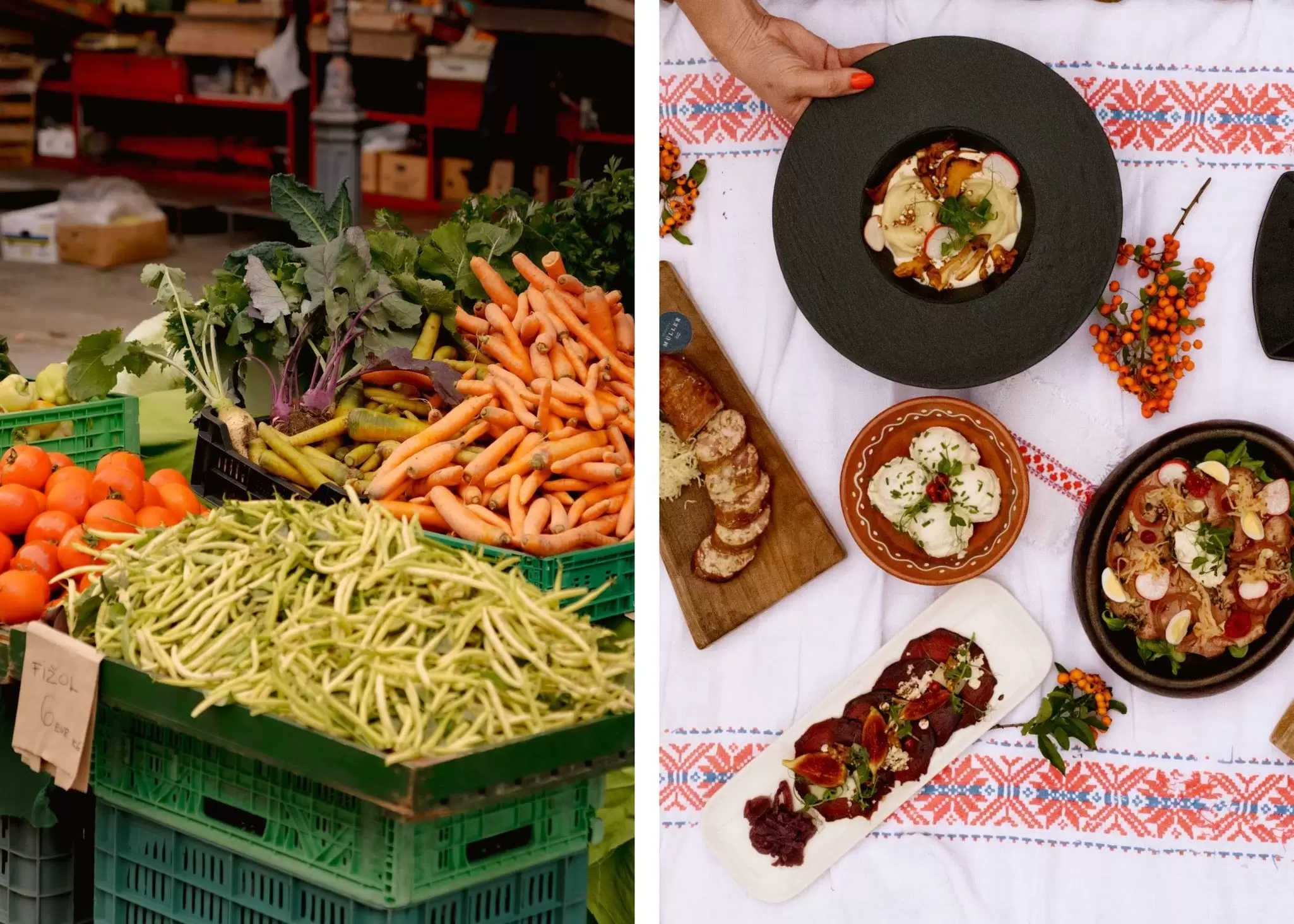
When I get Slovenian honey, I can probably name the bees (or at least the exact spot they come from). Of course, beekeeping is one of Slovenia’s points of pride, as well it should be: the world owes much to the Carniolian honey bee and the traditions that have helped it thrive for centuries. From the painted boxes that dot roadsides to the rooftop hives that urban beekeeper Aleš Süssinger keeps on the roof of Ljubljana’s Jože Plečnik Grammar School and on Ljubljana Castle hill, the hum of bees is the soundtrack of Slovenia. All over greater Ljubljana, bee-friendly planting is part of the fabric of the modern city. Because sometimes, the best way to innovate is to honor the heritage that got us here.
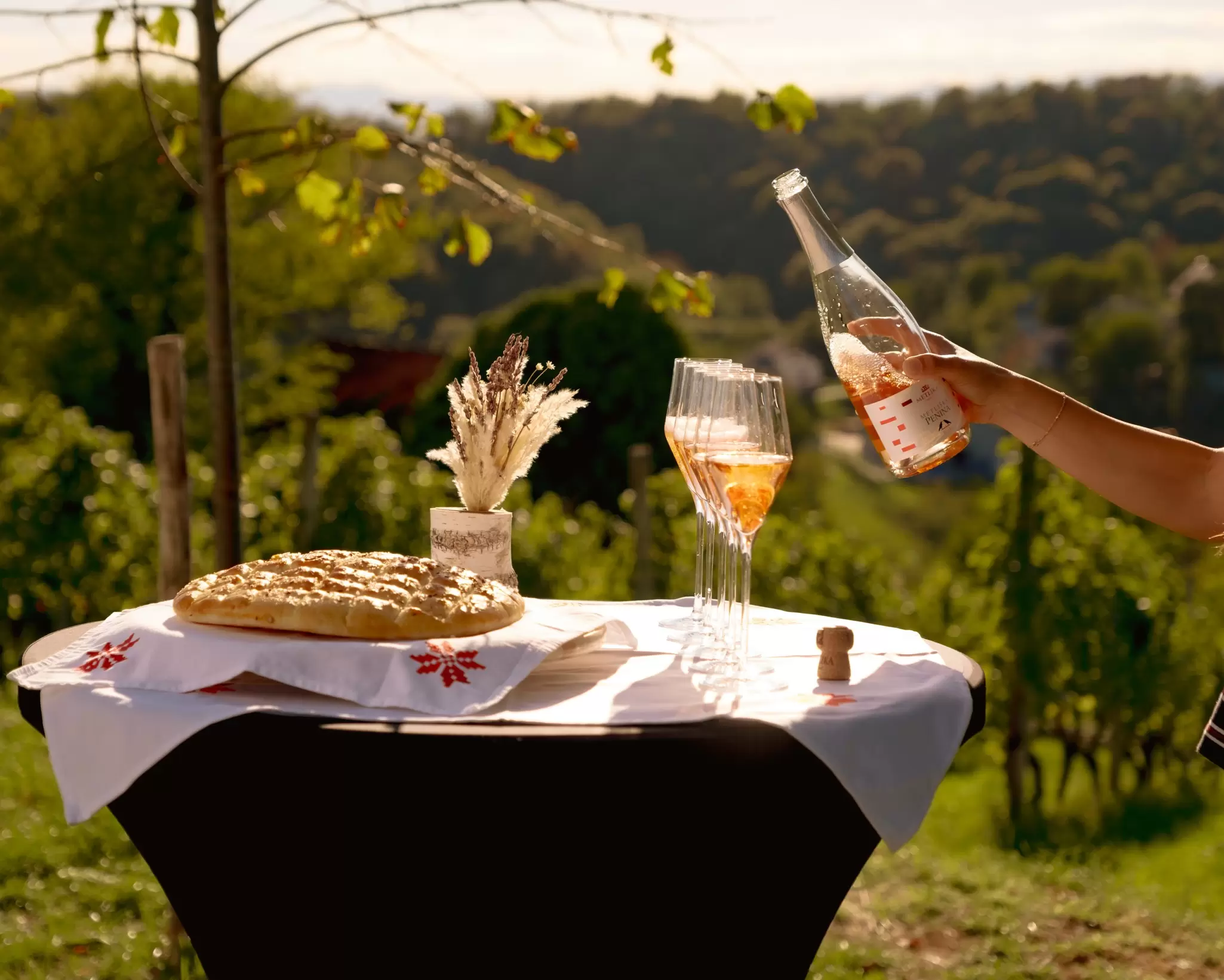
I’ve enjoyed learning about the meticulous production of sparkling wine from Bela Krajina, and I’m always surprised at how much it continues to surprise me. Semič vineyards are blessed with the ideal terroir to cultivate sparkling varietals, and vintners practice the classic method of bottle fermentation that makes them so distinctive. Each bottle matures for at least 18 months, and the tasting rooms that dot the rolling hills of Semiška Gora manage to catch the sun at any time of the year. Slovenia has become well known for its boutique wines, but it’s only once you’re in the different corners of the country that you really get a sense of how deep the cultural current of winemaking runs. And like everything in the country, there’s always a touch of the personal in every bottle, every jar and every bite.
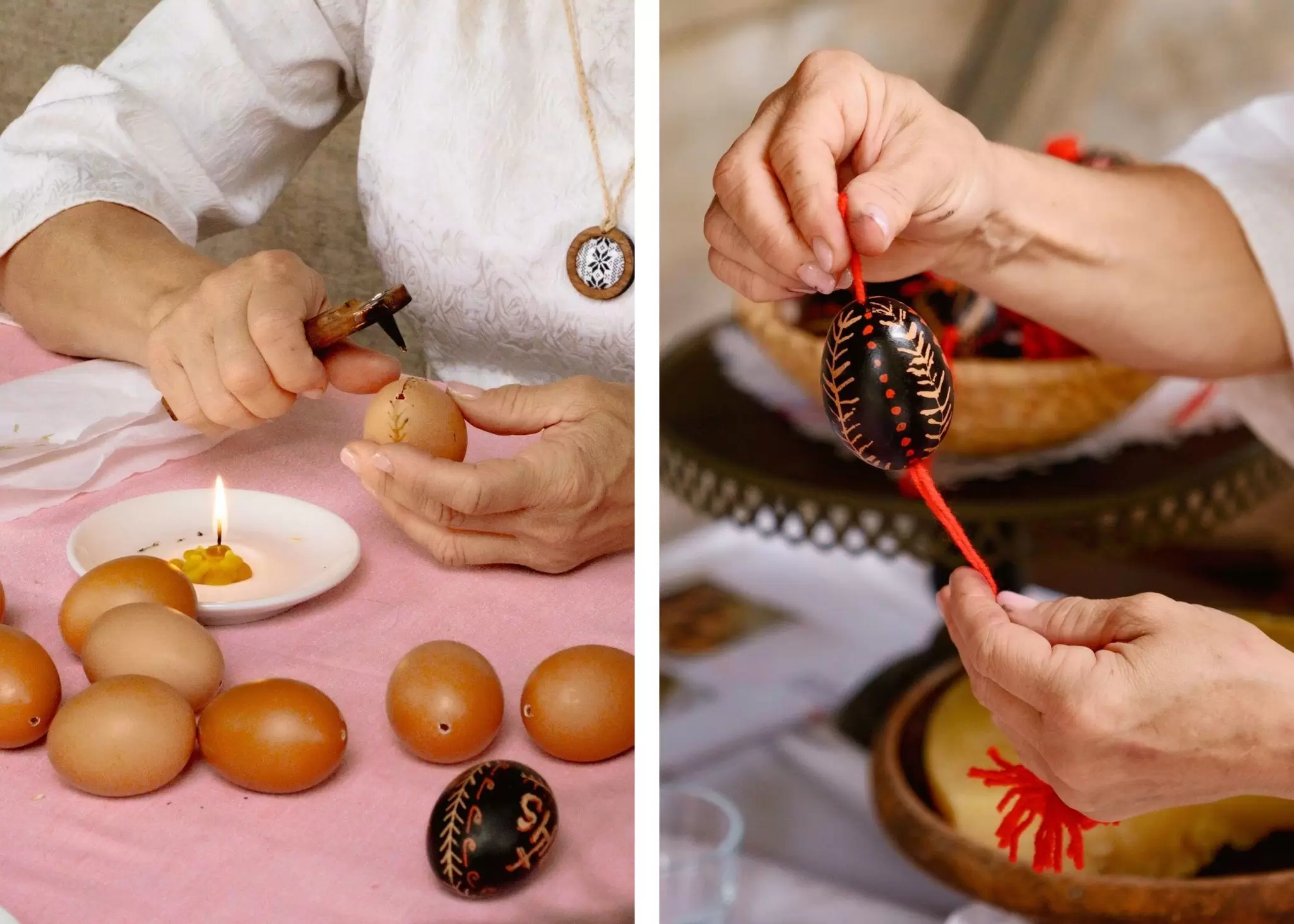
I have standing orders for all types of things when I go to Slovenia, but the most delicate operation I have ever undertaken involved the transport of intricately painted eggshells for two of my closest friends in Rome. These fragile pieces of folk art from the Bela Krajina region are called belokranjska pisanica eggs. They are carefully etched with beeswax in traditional Slavic geometric patterns, then dyed so that the patterns appear to be written on the egg. The practice dates back further than Christianity in the region, but they’ve since become a fundamental part of Easter celebrations and no holiday is complete without them. Bringing them back home felt like I was carrying the crown jewels in my backpack, and I breathed a deep sigh of relief when they were safely delivered. Knowing the skill, patience and time that went into those eggs and the utter uniqueness of the result made them the most precious gifts I could have given.
Learning to make these eggs is a quiet meditation on what is precious in life. Tiny details that one must carefully apply to a fragile canvas require a gentle touch and a calm mind. To be reminded that your body can calm itself enough to handle this craft with care is a gift beyond measure. In Slovenia, handmade isn’t just a label. It’s a form of love, like when I bring home teabags from my friend Tanja, I know she picked the herbs and tied the string around that silk pouch. And sometimes I’ll sit with my hands wrapped around a steaming mug, remembering the sun over the hills, or the first time my feet sunk into moss or the gentle hum of bees around my head, grateful that there is still so much more waiting for me in Slovenia.
Book your Slovenia trip with Lonely Planet Journeys
See Slovenia how it's meant to be seen
Accommodations, activities and ground transportation all taken care of, so you can focus on the fun part. Tell us what your dream trip to Slovenia looks like, and our local experts will build it from scratch. Or start with one of our itineraries and make it your own.
Explore related stories