Aug 25, 20268 min read
7 Best Things to Do in KyūshūAug 25, 2026
8 MIN READ

Writer
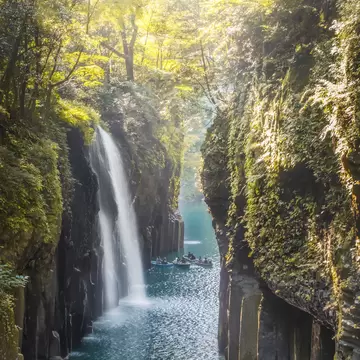
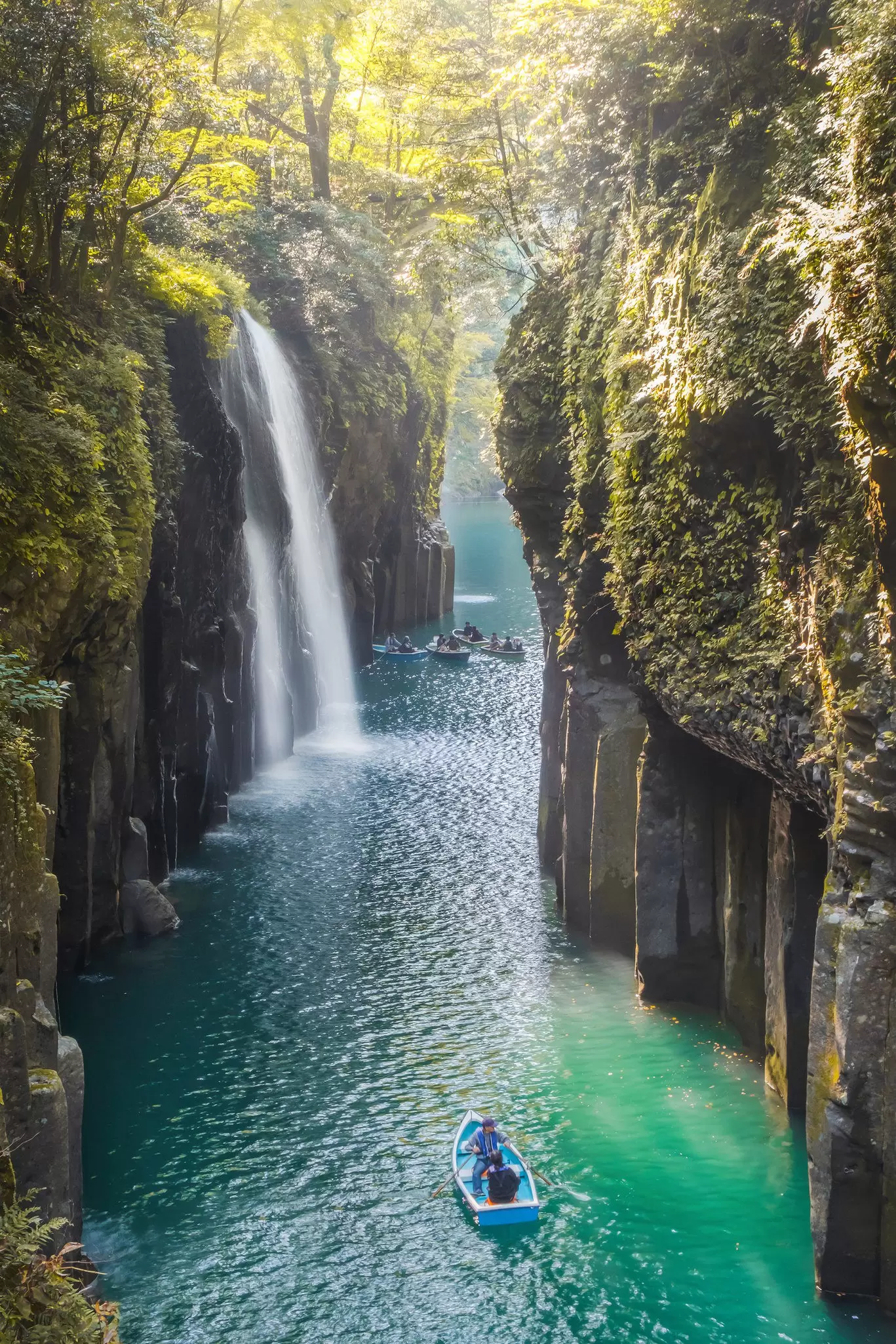
Takachiho-kyō in Kyūshū, Japan. Kitinut Jinapuck/Shutterstock
Writer
Highlights
Japan-based writer Kathryn Wortley picks seven things to do across Kyūshū, Japan.
Wade between Beppu's bubbling jigoku (hells), then soak in the city's eight onsen districts.
Cycle the Nichinan-kaigan coast past the Devil's Washboard, or visit Takachiho's myth-steeped gorge.
In Kagoshima, graze the food stalls, visit Sakurajima's lava fields and hunt Pokémon in Ibusuki.
Lonely Planet may earn a commission from affiliate links on our site. All recommendations and reviews reflect our own independent opinions.
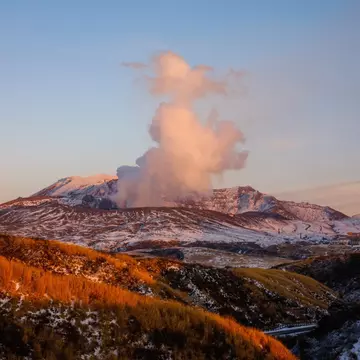
With abundant hot springs, active volcanoes and landscapes shaped by intense geothermal activity, Kyūshū lives up to its nickname as the Land of Fire. Rugged peaks, lush vegetation and gushing waterfalls provide stunning backdrops, while the warm climate, fertile soil and historic trade have inspired a rich food culture.
I have lived in Kyūshū and return every few months to discover something new on Japan's third-largest island. Here are my top picks for adventurous activities, therapeutic soaks and a laid-back vibe.
The nonnegotiable
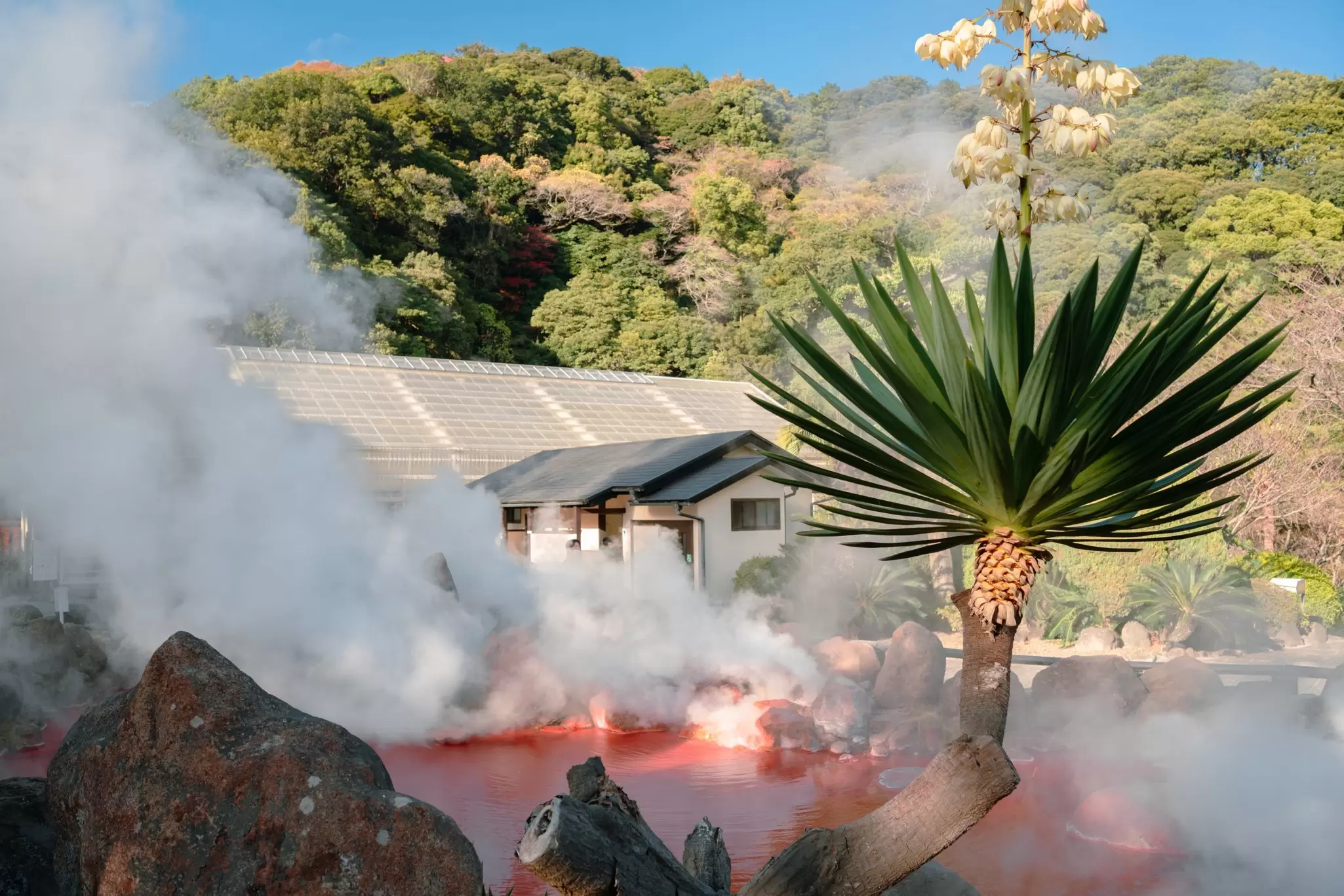
Beppu has become more crowded since I first visited two decades ago, but it still appeals as a place to witness Japan’s geothermal activity. Its seven jigoku (literally “hells”) date from at least the 8th century, when a document referring to these boiling hot springs as “abominable land” gave them their moniker. My favorites include Oniishibōzu Jigoku, so named because the bubbling gray mud resembles the shape of a monk’s head, and Kamado Jigoku, which was once used for cooking (kamado means stove). As a reminder of those days, you can savor steamed matcha pudding or enjoy a footbath while overlooking the boiling pools.
Save enough time for the expansive Umi Jigoku, a national site of scenic beauty that encompasses a lake and tranquil gardens as well as a steamy pool. The lines of vermilion torii (gates) lead to a tiny Shintō shrine. The second floor of the main building features an exhibition on the geology and history of Beppu’s hells and onsen (hot springs).
When to go: 8am to avoid at least some of the crowds.
Getting there: Bus 2, 5, 24 or 41 from Beppu Station to Kannawa (for five hells); Bus 16 or 16A from Kannawa to Shibaseki (for two hells).
Pair with: A soak in one of the city’s hot springs.
The surprise
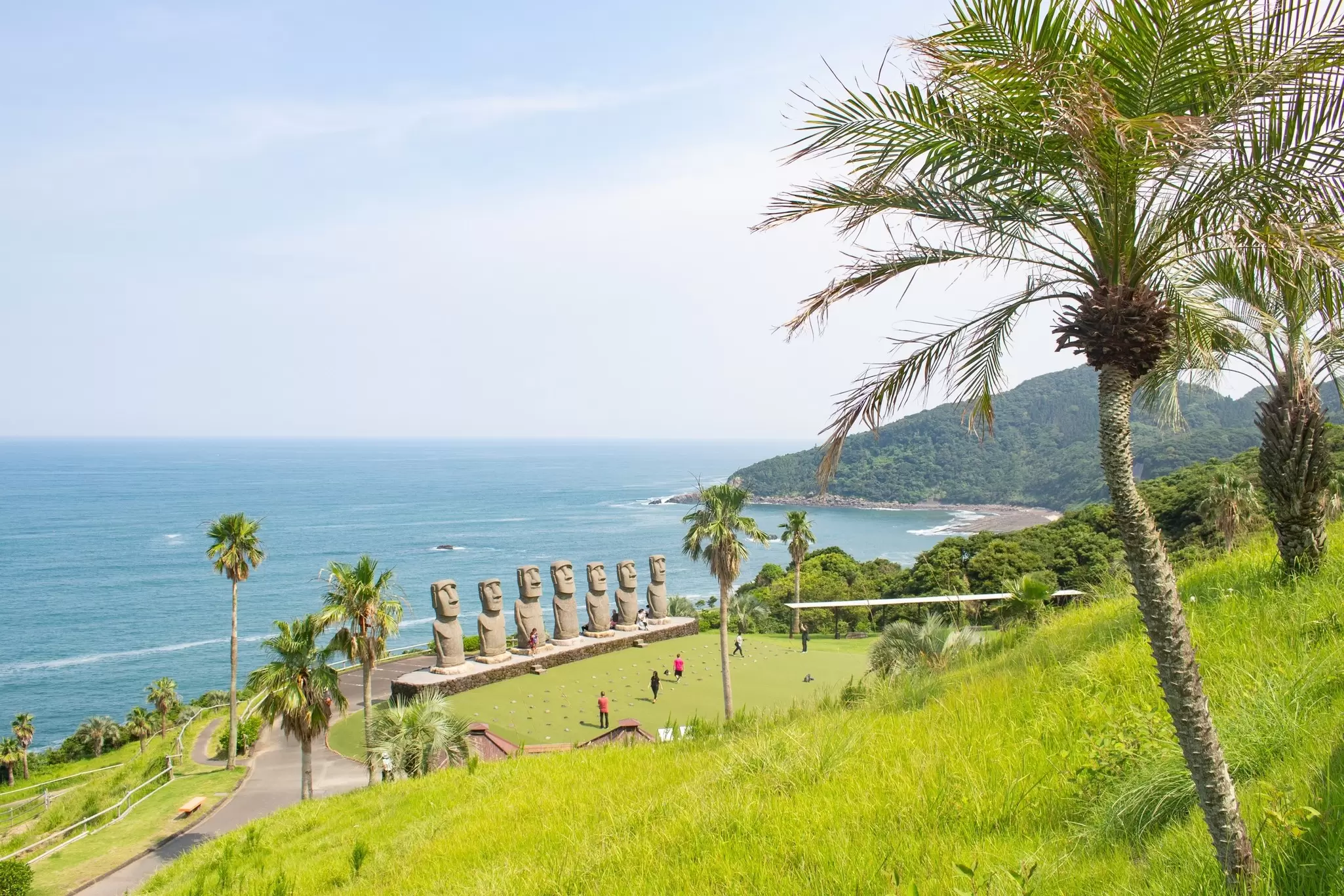
On an 18km stretch north of Nichinan on Rte 220 in southeast Miyazaki Prefecture, amid salty air and palm-fringed shores, cultural sights perch on clifftops. The cycling path that hugs the shore part of the way reveals the closest views of the Devil’s Washboard. This natural phenomenon of striated basalt has been carved over the centuries by waves and tides, creating long furrows of shallow pools.
About halfway along is Udo-jingū, a colorful Shintō shrine squeezed into a deep cavern at the end of a coastal path. Try not to be distracted by the spray from the crashing waves as you throw an undama (lucky ball). If you’re able to get it through the loop of rope atop the turtle-shaped rock in the rugged cove below, you’ll attain harmony in marriage.
The end point is Sun Messe Nichinan, where a row of seven moai (monolithic stone statues) have their backs to the ocean – an ideal photo spot. Exhibits tell the story of why these statues were replicated with permission from Rapa Nui (Easter Island) as a gesture of gratitude and friendship.
When to go: Midmorning, before the Devil’s Washboard disappears at high tide.
Getting there: Nichinan's visitors center (which has bicycle rentals) is a 10-minute walk from Aburatsu Station.
Pair with: A day at Takachiho for an active weekend in Miyazaki Prefecture.
Best free thing
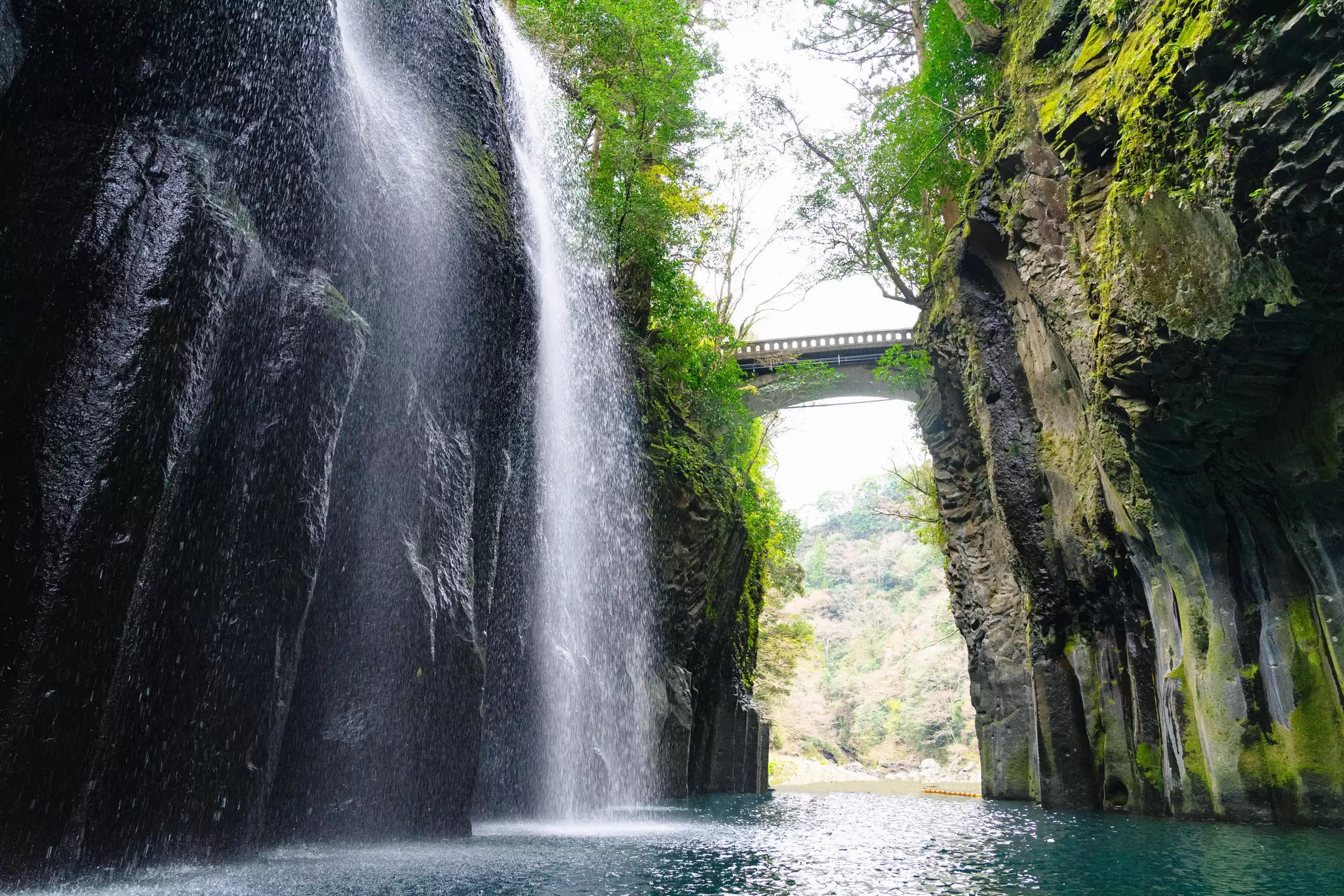
Takachiho, in northwest Miyazaki Prefecture, is best known for its V-shaped gorge, carved by ancient lava flows from Mt Aso. Take the downward path for views of the 17m-high Manai Falls cascading over the cliff face, the sheer basalt columns and the emerald-green Gokase River. The waterfall is believed to originate from a drop of water transferred when a deity descended to earth – the first hint of the mythology the town is steeped in.
Much of Takachiho has a serene, almost mystical atmosphere due to these legends. At Ama-no-Iwato-jinja, you can learn about the nearby cave where the sun goddess Amaterasu once hid, plunging the world into darkness, before taking the riverside path to Ama-no-Yasukawara, a cave where tradition says thousands of deities gathered to plan Amaterasu’s return. Inside Ama-no-Yasukawara are stone stacks, each representing a wish. To add to them, simply make a wish and pile up stones, being careful not to disturb existing stacks.
When to go: Mid-November to early December for fall colors or April to May for lush foliage.
Getting there: Miyazaki Kotsu bus from Nobeoka Station.
Pair with: Nichinan followed by a pit stop in Nobeoka, where Miyazaki’s delicious chikin nanban (fried chicken with tangy sauce and tartar sauce) was invented.
The secret
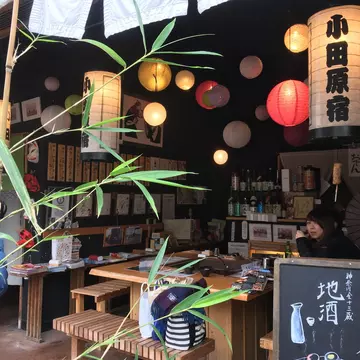
Kagoshima Prefecture is among the most iconic food cultures in Kyūshū, thanks to its fertile volcanic soil, expansive archipelago and influence from Okinawa. At Kagomma Furusato Yataimura, a grouping of 18 tiny stalls under the bus station in Kagoshima City, you can delve into this rich heritage. Each one offers dishes and drinks from across the mainland and islands; it’s affordable enough that you can spend an evening barhopping.
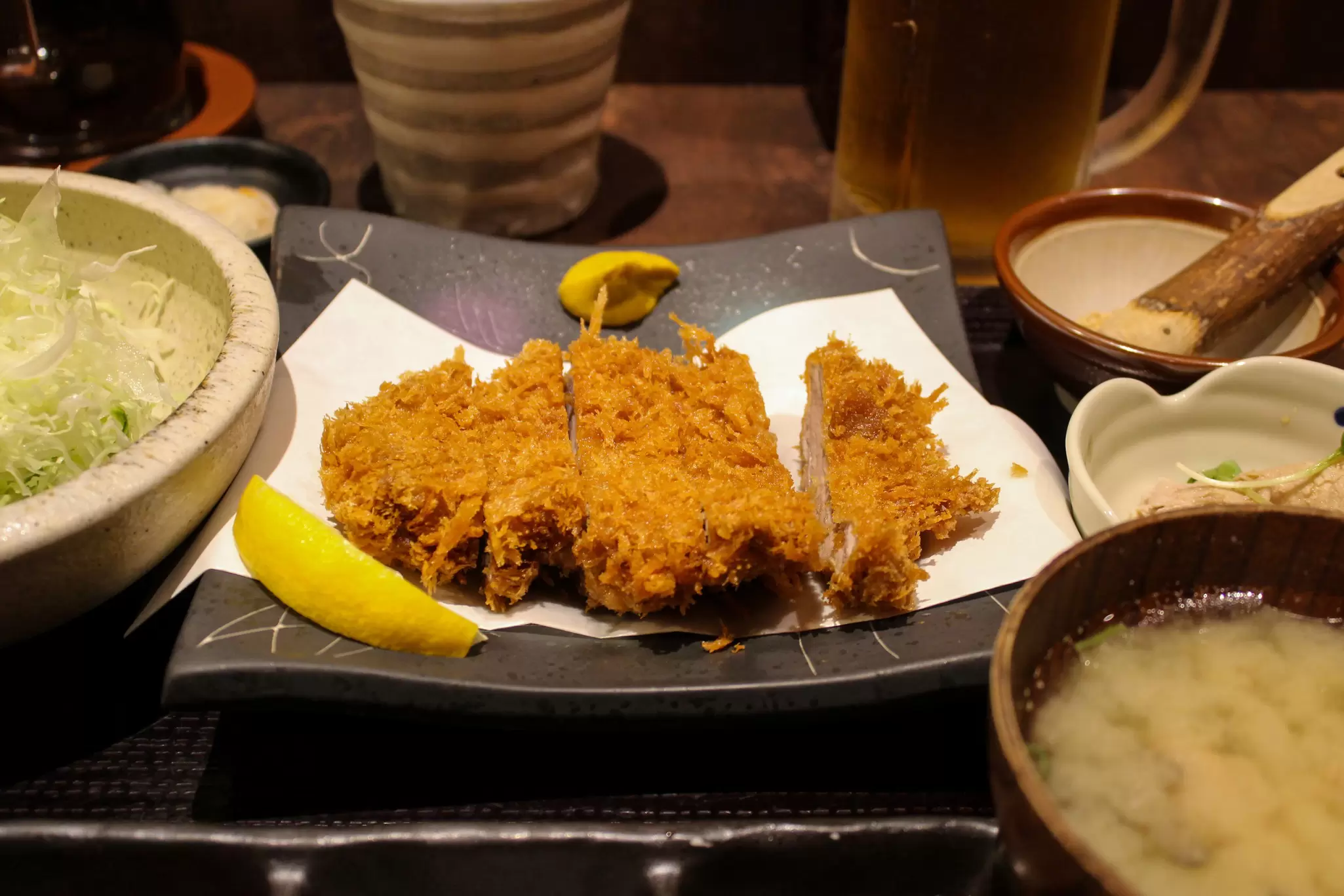
Must-try items include kurobuta (black pork), either as tonkatsu (cutlet) or in shabu-shabu (Japanese-style hot pot); satsuma-age (a deep-fried minced cake); sashimi kibinago (silver-striped herring); and keihan (a chicken and rice soup from Amami-Ōshima). But don’t hesitate to ask the patrons for recommendations too. It’s the kind of place where you’ll be shoulder to shoulder at counters, perching on stools under swaying paper lanterns and saying kampai (cheers) with local shōchū (a sweet-potato spirit) in no time.
When to go: 6–9pm for a better chance of your first pick stall.
Getting there: A few minutes’ walk from Kagoshima-Chuo Station.
Pair with: A visit to Sakurajima or Ibusuki.
The unforgettable
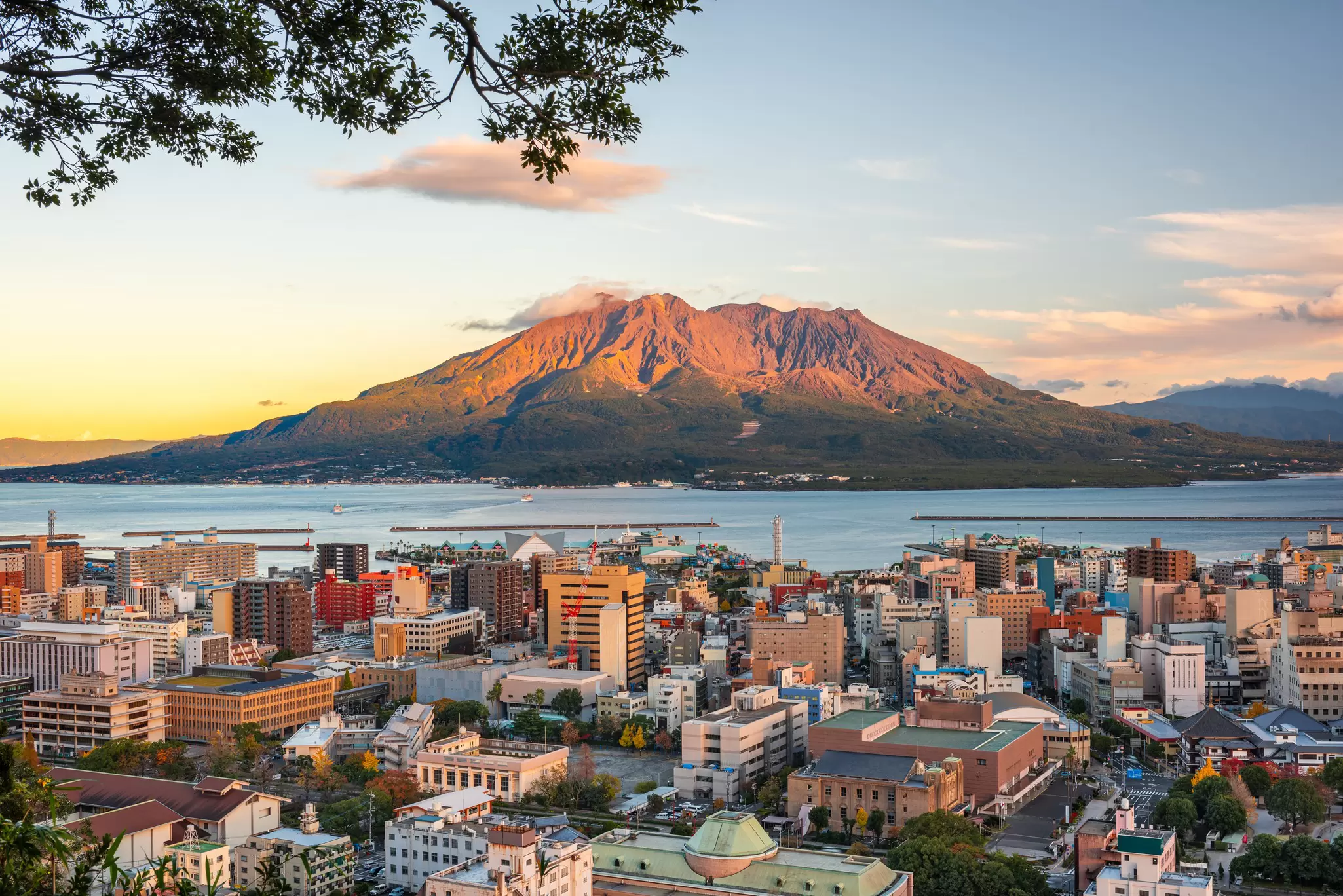
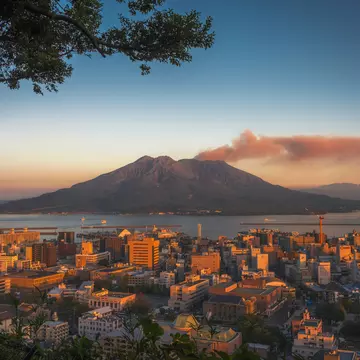
Sakurajima, located 4km from downtown Kagoshima across Kinkō Bay, is one of the most active volcanoes in the world. Locals trade off the frequent ashfall for the exemplary backdrop and fertile soil – you’ll understand when you see the peak and the world-record-breaking giant daikon radishes at Sakurajima’s michi-no-eki (roadside station). The panorama of Sakurajima and Kinkō Bay from Shiroyama Park Observatory is the most photographed, but it’s unforgettable in person. For the closest view of the active crater, head to Yunihira Observatory.
Sakurajima's visitors center displays volcanic monitoring in real time and houses fascinating exhibitions on past eruptions and the daily lives of residents. To see the impact of Sakurajima’s last major eruption in 1914, head to Kurokami, where a torii was buried under 2m of ash in a single day, and Arimura Lava Observation Deck, which sits on black lava fields. After exploring, the 100m-long Sakurajima Yogan Nagisa Park footbath offers a relaxing moment under the peak.
When to go: March to May and October to December offer greater chances of clear skies.
Getting there: Sakurajima Ferry from Kagoshima (15 minutes).
Pair with: Ibusuki and Kagomma Furusato Yataimura for a weekend in Kagoshima Prefecture.
Must-do with kids
The picturesque seaside town of Ibusuki, on the southern tip of Kagoshima Prefecture’s Satsuma Peninsula, has a fun route centered around one-of-a-kind manhole covers featuring the many evolved forms of Eevee, a popular Pokémon character. Ibusuki Station has free maps detailing the course, which also includes parks, playgrounds and attractions to entertain kids and adults alike.
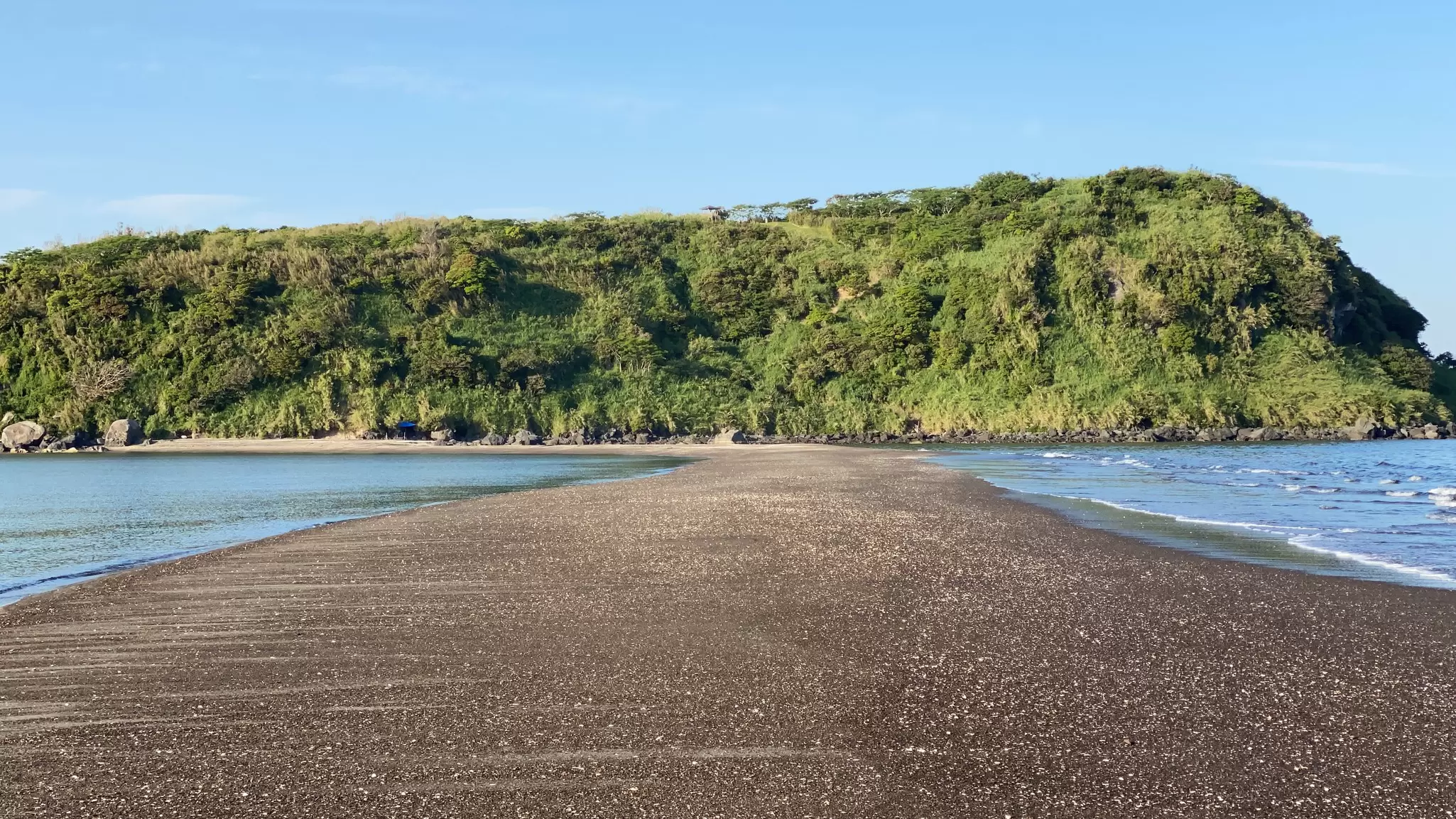
One highlight is traversing the 800m-long sandbar to Chiringashima during low tide between March and October. The forested island is crisscrossed with walking paths, including to the summit of a 90m hill that rewards climbers with expansive ocean views to the south and west. If you’re visiting outside that period, simply take in the salty sea breeze; Chiringashima is registered by the Ministry of the Environment as one of Japan’s 100 most fragrant landscapes.
When to go: Check the tide schedule at Ibusuki Station.
Getting there: Train from Kagoshima Chuo Station.
Pair with: A visit to Sakurajima. Take the Nankyu Ferry across Kinkō Bay to the Ōsumi Peninsula, then head north.
Best thing to do on a rainy day
Bathing in a rotemburo (outdoor bath) is particularly relaxing while listening to the patter of rain on the roof, and with Kyūshū home to about 9500 onsen, you won’t be short of options should the heavens open. Beppu has the largest number, volume and diversity of hot springs, spread across eight onsen districts. Try Kannawa Onsen for steam baths, Myoban Onsen for milky sulfur-rich water or Kankaiji Onsen for bay views.
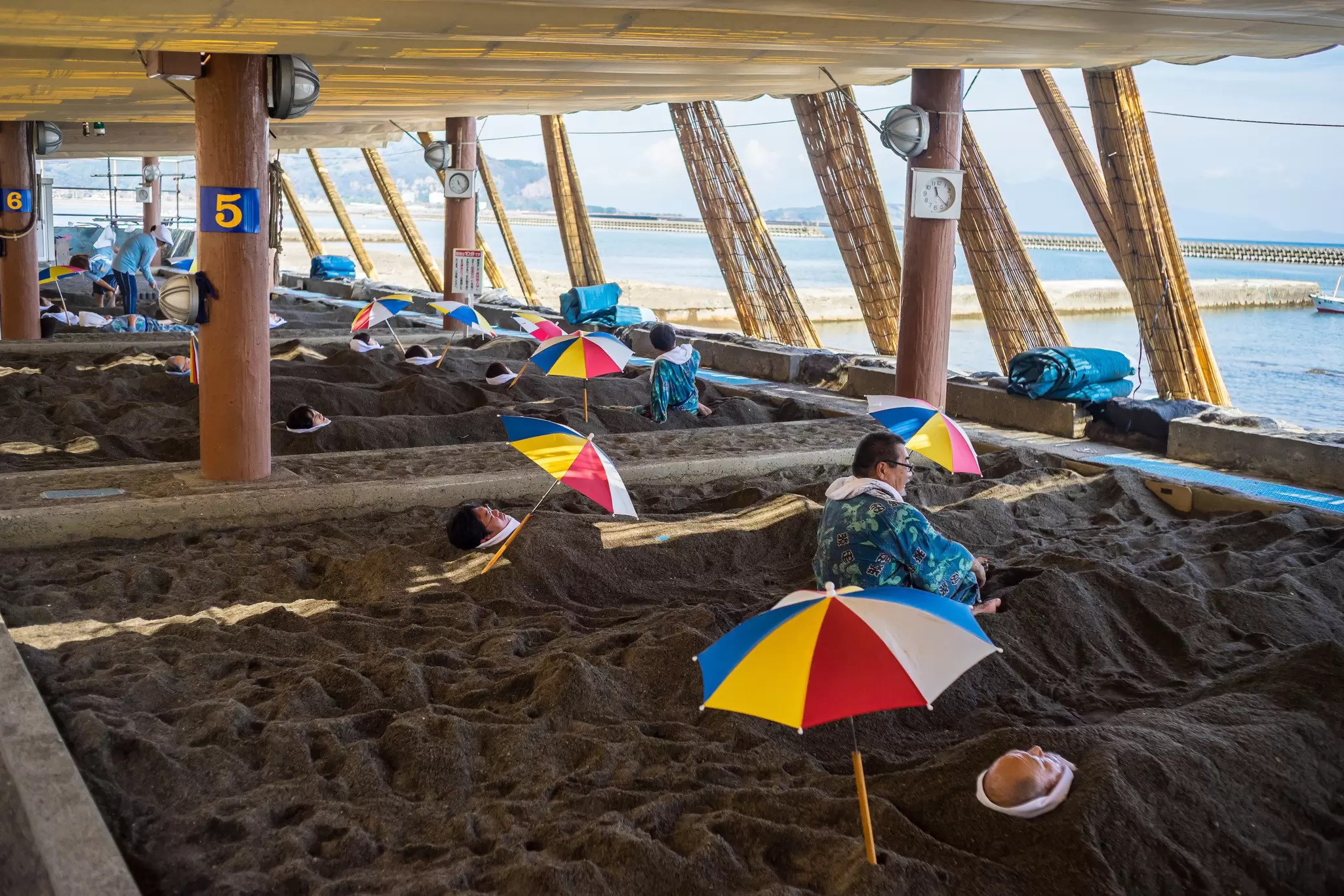
For a quieter experience in Kagoshima Prefecture: Sakura Sakura Onsen in Kirishima provides mud packs made from mineral-rich volcanic material collected locally, and at Saraku Sand Bath Hall in Ibusuki, staff bury you in sand warmed naturally by geothermal currents. At 50°C (122°F), the sand gently stimulates perspiration, improving blood circulation and removing impurities from the body, all while you listen to waves lapping the shore.
Pair with: Jigoku-viewing in Beppu or Pokémon-chasing in Ibusuki.
Need help planning your next trip? Check out Lonely Planet Journeys to get connected to a local expert who can craft a custom itinerary for you.
Explore related stories