Sep 11, 20266 min read
The Ultimate Vegetarian Weekend in Mexico City Aug 18, 2026
7 MIN READ

Writer
Pulque cocktails in Mexico City. fitopardo/Getty Images

Writer
Highlights
Writer Jennifer Korn maps five Mexico City pulquerías for the Drink of the Gods.
Start at Museo del Pulque's history exhibit, then try its in-house pulqueria for a curado.
Las Duelistas offers 40 curado flavors and psychedelic murals; Sol de Lluvia pours tasting flights.
La Tlaxcalteca suits traditionalists; La Hija de los Apaches warms up a lucha libre night.
Lonely Planet may earn a commission from affiliate links on our site. All recommendations and reviews reflect our own independent opinions.
Ask most travelers about Mexican beverages, and they'll likely mention tequila or mezcal. Ask a local where to grab a drink in Mexico City, however, and they might point you toward a pulqueria.
Pulque – the Drink of the Gods, as the Aztecs dubbed it – is a lesser-known ancient relative of tequila and mezcal. All three come from the agave (aka maguey) plant, each occupying its own space in Mexican culture, but the similarities end there. Rather than being distilled, pulque is made by fermenting the sap of the plant, a process that yields a far less potent alcoholic drink that has a frothy texture and a lightly sour taste.
While tequila and mezcal have wandered onto the average bar menu in every corner of the world, pulque largely remains uniquely Mexican, telling the story of thousands of years of culture, history and struggle. Nowhere is that connection to national heritage more visible than in Mexico City, where both revived historic pulquerias and brand-new spaces have helped fuel the drink's modern resurgence.
Order a curado, put on some dancing shoes, and take part in one of the country's oldest living traditions at these five spots to try pulque in Mexico City.
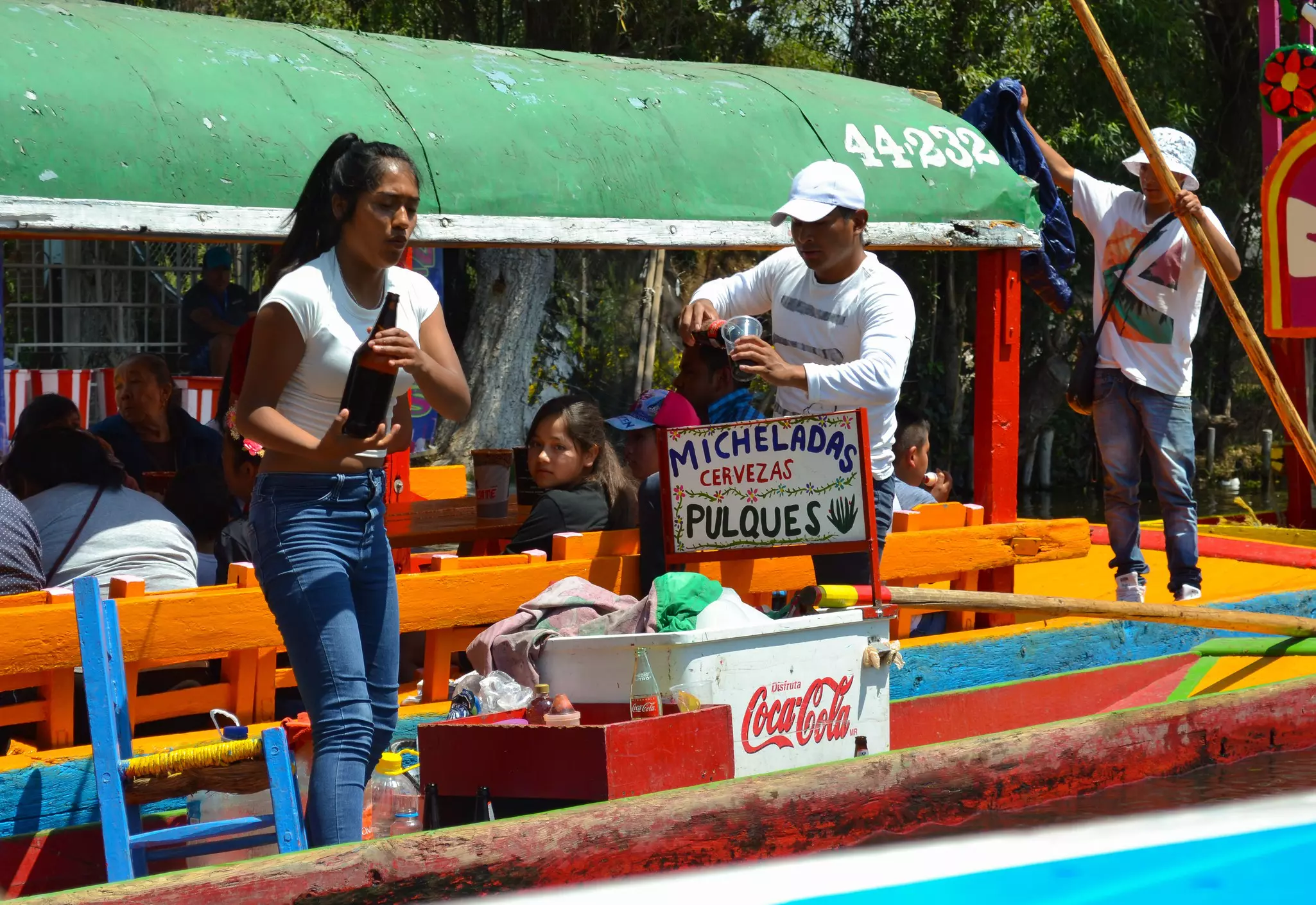
The viscous white drink has roots that go back more than 2000 years, predating the Spanish presence in Mexico by well over a millennium. Indigenous peoples across central Mexico, including the Aztec, Maya and Huastec, consumed the drink long before European contact, and it became deeply woven into numerous religious ceremonies, agricultural traditions and mythology. So revered was the beverage that the Aztecs associated it with several deities, including Mayahuel, the goddess of maguey and fertility.
After the Spanish arrived in the 16th century, the drink lost much of its sacred reputation. For many years, pulque became popularized and was drunk en masse; in the 1880s, it was said that a pulqueria sat on every block in Mexico City. Yet the drink’s fortunes changed after the Mexican Revolution in the early 1900s, when mass-produced beer made it to Mexico. Suddenly, pulque faced a persistent smear campaign. Big brewers dubbed the drink unhygienic and unsanitary, spreading rumors that it was fermented with cow droppings. The drink fell out of favor, mostly surviving only in rural areas of Mexico.
But the 2010s saw a rebirth of pulque when a new generation of young Mexicans revived the beverage and turned it into a symbol of national resistance, heritage and unity that is still enjoying a renaissance.
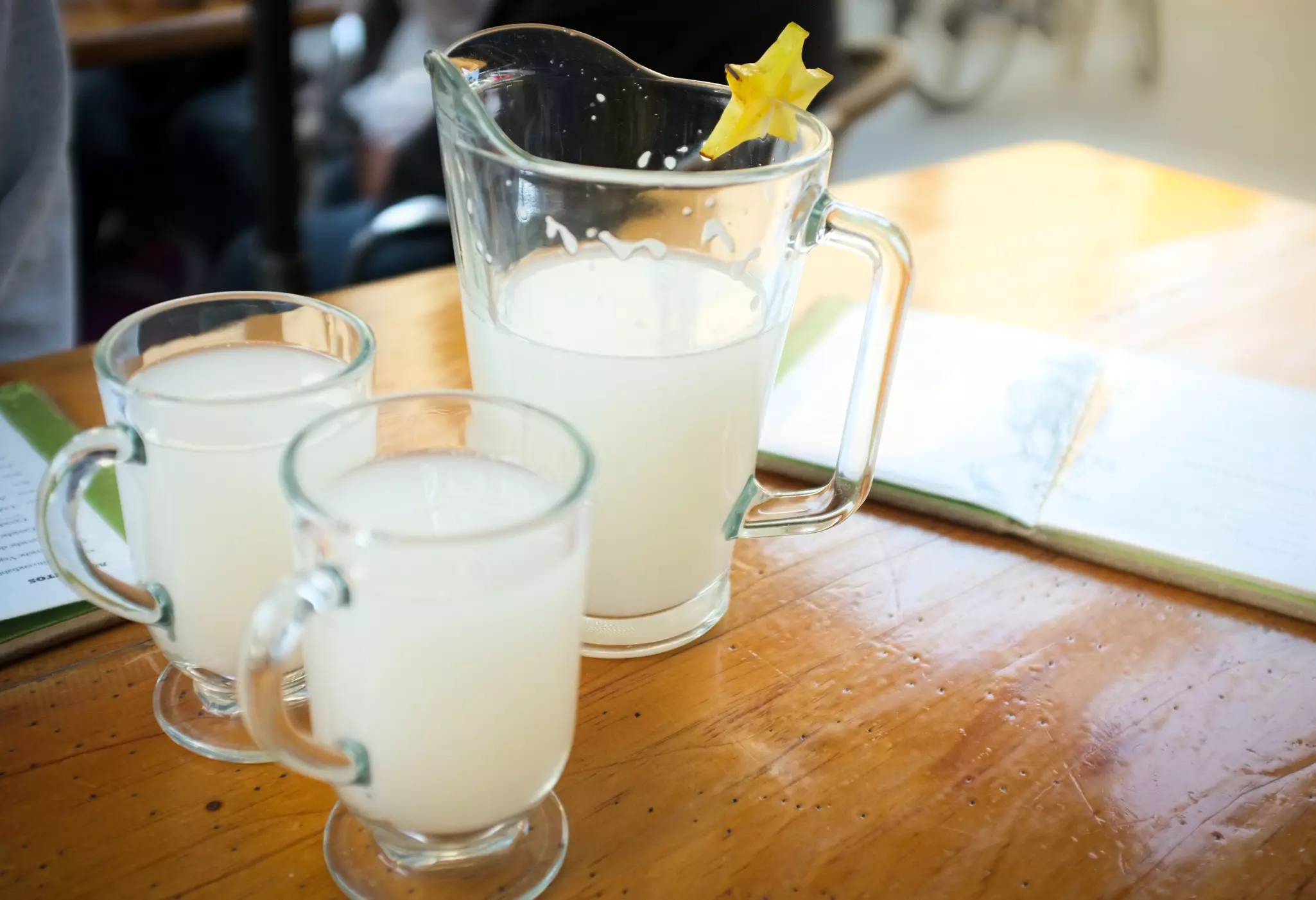
In much of Mexico City, great pulquerias lurk just around the corner. Make sure to look for fresh, unpasteurized pulque – the good stuff should have the consistency of a very thin smoothie.
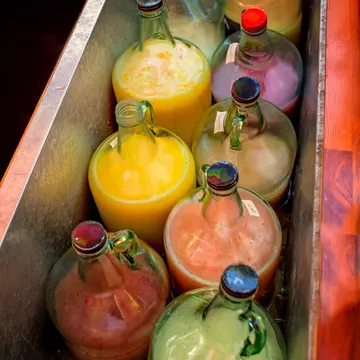
Menus feature both natural pulque and curados. Natural pulque is the plain, frothy liquid at the heart of it all, while curados are the cocktails of the pulque world – a blend of the natural stuff and mix-ins like fruits and nuts. Newbies should start with a curado, as the added sweetness softens pulque’s distinctive yeasty flavor.
Unlike mezcalerías (mezcal bars), which often focus on tasting and sipping, pulquerias are social first. Expect communal tables, loud music, a teeming dance floor and vibrant decor. Many serve simple snacks, but pulque is the main attraction; it is not uncommon to find a pulqueria that serves no food at all.
Planning tip: Go earlier in the evening, as the drink continues to ferment all night and can get more acidic tasting by the wee hours.
Best first stop
To fully appreciate pulque, it helps to understand its historic significance. A visit to the Museo del Pulque y las Pulquerías gives you both in one: a small cultural museum with an in-house pulqueria. Upstairs, visit the exhibit to trace pulque’s journey through thousands of years, then head to the pulqueria waiting below to put that new knowledge to use.
The center frequently hosts events around local happenings, holidays and special events – check for tastings or workshops when you visit.
Cost: It is 30 Mexican pesos (M$) for general admission.
How to get it: The museum is located right by the Hidalgo metro station, and both guided and self-directed tours are available. Make sure to check the opening hours; the building is closed on Tuesdays and on the 28th of each month.
Best before a lucha libre match
Located around the corner from Arena México, the Cathedral of Lucha Libre, La Hija de los Apaches is the perfect place to begin a lucha libre night out.
Dating back to 1940, this pulqueria was founded by Epifanio "El Pifas" Leyva Ortega, a legendary Mexican boxer-turned-pulqueria owner, and the family-run bar has become an institution for locals and travelers alike.
Plastic pitchers crowd the tables, while live bands keep the dance floor packed well into the evening. Despite its reputation, La Hija manages to balance popular appeal with authenticity.
Cost: A liter of pulque costs around M$55.
How to get it: There are locations in both the Doctores and Centro neighborhoods, but Doctores is the original spot, right by Arena México. Grab a drink before heading to a match of Mexico’s beloved masked professional wrestling meets theatrical performance, one of the city’s quintessential nights out.
Best for colorful decor and energy
Covered head to toe in psychedelic murals depicting pre-Hispanic figures from both Aztec and Maya legend, Las Duelistas takes pulque’s lengthy history in Mexico very seriously.
Founded in 1912 and arguably the city’s most iconic pulqueria, Las Duelistas is always packed. It is known as a hot spot for young people and has a lively mix of students, regulars and visitors who share plastic pitchers and crowd around the many communal tables. The 40 flavors of curados, nonstop live music and, quite simply, good energy are sure to liven up your day in the city.
Cost: Prices start at M$15 for a glass of blanco, going up from there based on flavor and size.
How to get it: You can head here for breakfast; the spot is open Monday to Saturday, 10am–9pm.
Best for live music
To truly understand pulque’s modern revival, step into the party at Sol de Lluvia. The venue frequently puts on all kinds of fun: karaoke, live music, art events, community gatherings and even language classes.
The menu is distinctly innovative, offering a multitude of flavors to sample, including guava ginger, mandarin with ginger, and marzipan. Tasting flights make it easy to try several combos, letting patrons figure out what they like best before committing to a full order.
Cost: Glasses start at M$25.
How to get it: Located in the Centro area, Sol de Lluvia is open 2–10pm most days. Check Instagram for information on special events.
Best for a traditional experience
Travelers looking for a more traditional experience should swing by La Tlaxcalteca, founded in 2001. This spot is the newest stop in a large chain of historic pulquerias owned by pulqueria pioneer and the founder of the Pulque Vendors’ Union, Don Jorge Carrasco Nájera. His son, Don José Luis Carrasco, now runs La Tlaxcalteca.
While many of the city’s newer pulquerias offer modern flavor combinations and lively programming, this spot focuses on the drink itself, serving the classics to a loyal group of local customers. Visitors can sip away in a bar charmingly untouched by the trends outside its doors.
Cost: Pure pulque starts at M$30.
How to get it: Located on Calle Mozart in the Peralvillo neighborhood, La Tlaxcalteca is open every day from about 11am to 9pm (check its social media for exact times).
Explore related stories