Sep 11, 20266 min read
The Ultimate Vegetarian Weekend in Mexico City Apr 6, 2026
7 MIN READ
Writer
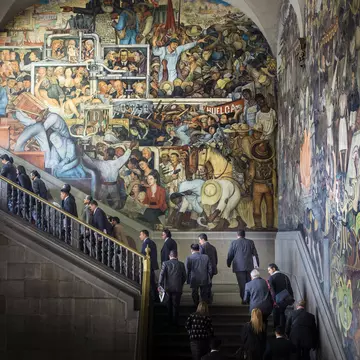
A section of Diego Rivera’s “The History of Mexico” mural at the Palacio Nacional, Mexico City. Mclein/Shutterstock

Writer
Highlights
Writer John Hecht picks 10 free Mexico City experiences, from murals to mariachi.
See Diego Rivera's murals at the Palacio Nacional, then picnic in Chapultepec Park.
For history, walk the UNESCO Centro Histórico and visit the Basílica de Guadalupe.
Art lovers should visit Museo Jumex and Museo Soumaya, both free in Polanco.
Lonely Planet may earn a commission from affiliate links on our site. All recommendations and reviews reflect our own independent opinions.
Chic shops, world-class restaurants and deluxe hotels make it easy to take a getaway to cosmopolitan Mexico City over the top, cost-wise. Yet the city’s heart resides far from its ritziest districts – and it’s very possible to have a marvelous time here on a tight budget. Indeed, you can enjoy much of what makes Mexico City so memorable for no cost at all.
Free experiences range from first-rate museums and inspiring public art to invigorating nature walks and live music. What’s more, you won't pay much to get around town – at a mere 5 Mexican pesos a ride, the metro is one of the world’s great transport steals.
Here are the best free things to do in Mexico City.
Mexico's imposing presidential residence takes up one side the Zócalo, the core of the capital of Mexico, and of the Aztec capital before that. The complex also houses dazzling Diego Rivera murals – dramatic renderings that visually narrate the nation's most transformative class struggles, from the brutal Spanish conquest up to the 20th-century post-revolutionary period. The National Palace is also home to the Museo Nacional de las Culturas, a free museum that exhibits the art, dress and handicrafts of the world's cultures.
Planning tip: You can’t reserve a spot to visit the Palacio Nacional; for the best chance of gaining entrance, we recommend arriving at 9am to queue for a first entrance at 10am. You’ll need to show your passport and go through a security check to enter the building. Since this is a working government building, hours can change and visiting hours can be suspended on short notice.
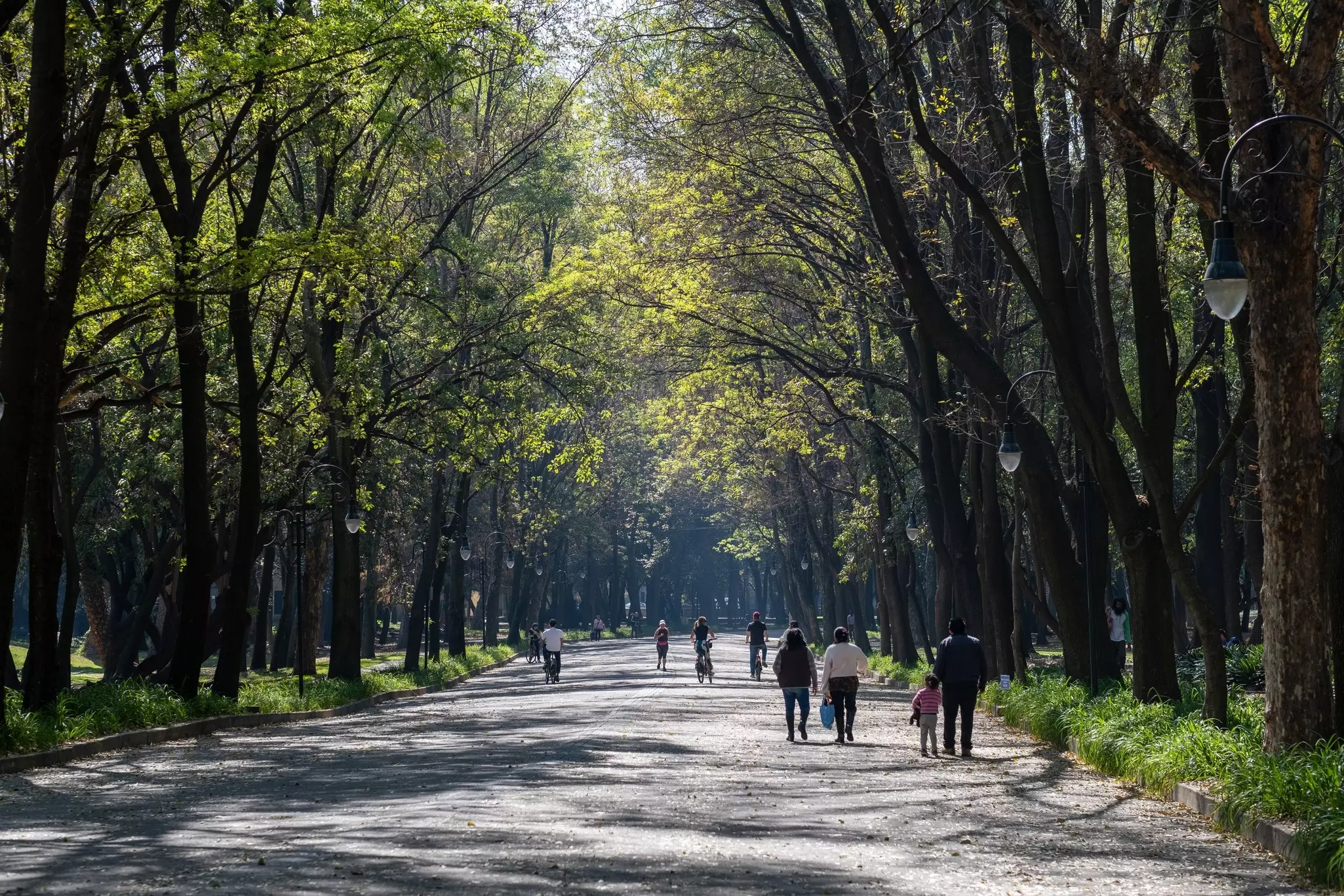
For a free day of urban leisure, join countless chilangos (Mexico City residents) in Chapultepec Park's 1700 acres of wooded grounds. Here you can gaze at Diego Rivera's larger-than-life mosaic sculpture of the rain god Tlalóc, stroll through a botanical garden (free to enter) with rare orchids and marvel at the Voladores de Papantla (Papantla Flyers) as they enact a high-flying rainmaking ritual in front of the world-class Anthropology Museum (which requires a paid ticket to enter). You can also just pack a torta (sandwich) and plop down for a few hours in a grassy picnic area below the imposing Chapultepec Castle.
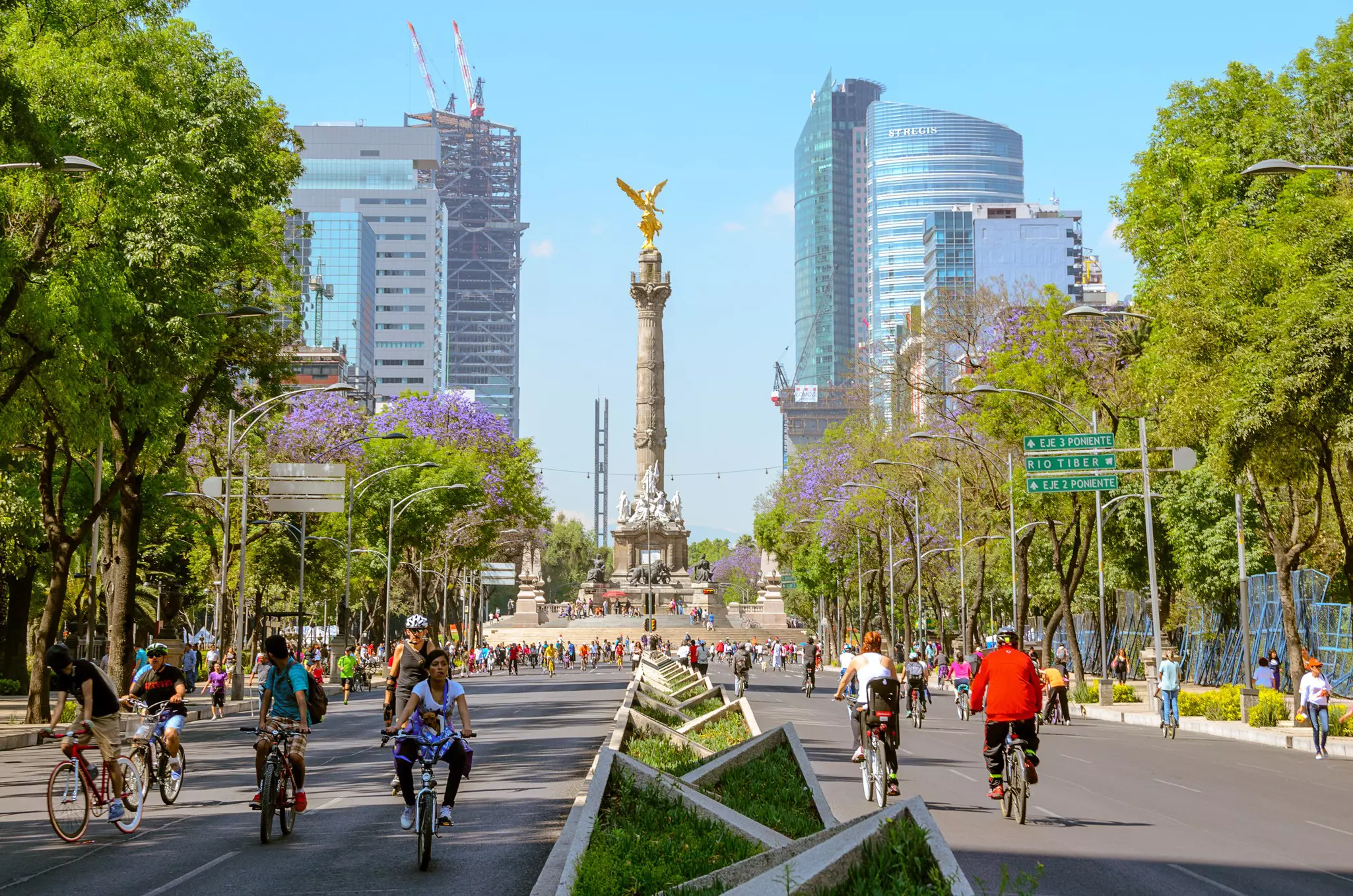
Riding a bike in the chaotic capital can feel like an adventure sport at times – except on Sundays, when the broad, tree-lined Avenida Paseo de la Reforma is closed to traffic from 8am to 2pm. Expect a relatively carefree ride between Chapultepec Park and the city's Centro Histórico.
“Bicigratis” kiosks near the Angel of Independence, Chapultepec Park's Anthropology Museum, and several booths dotting the Roma, Condesa and Centro Histórico neighborhoods, loan free bikes that you can take out for 3 hours if you leave a passport or driver's license with the operator.
Planning tip: The free bikes are on a first-come, first serve basis, so you may miss out. Poray Bikes on Paseo de la Reforma offers hourly rentals and bilingual guides.
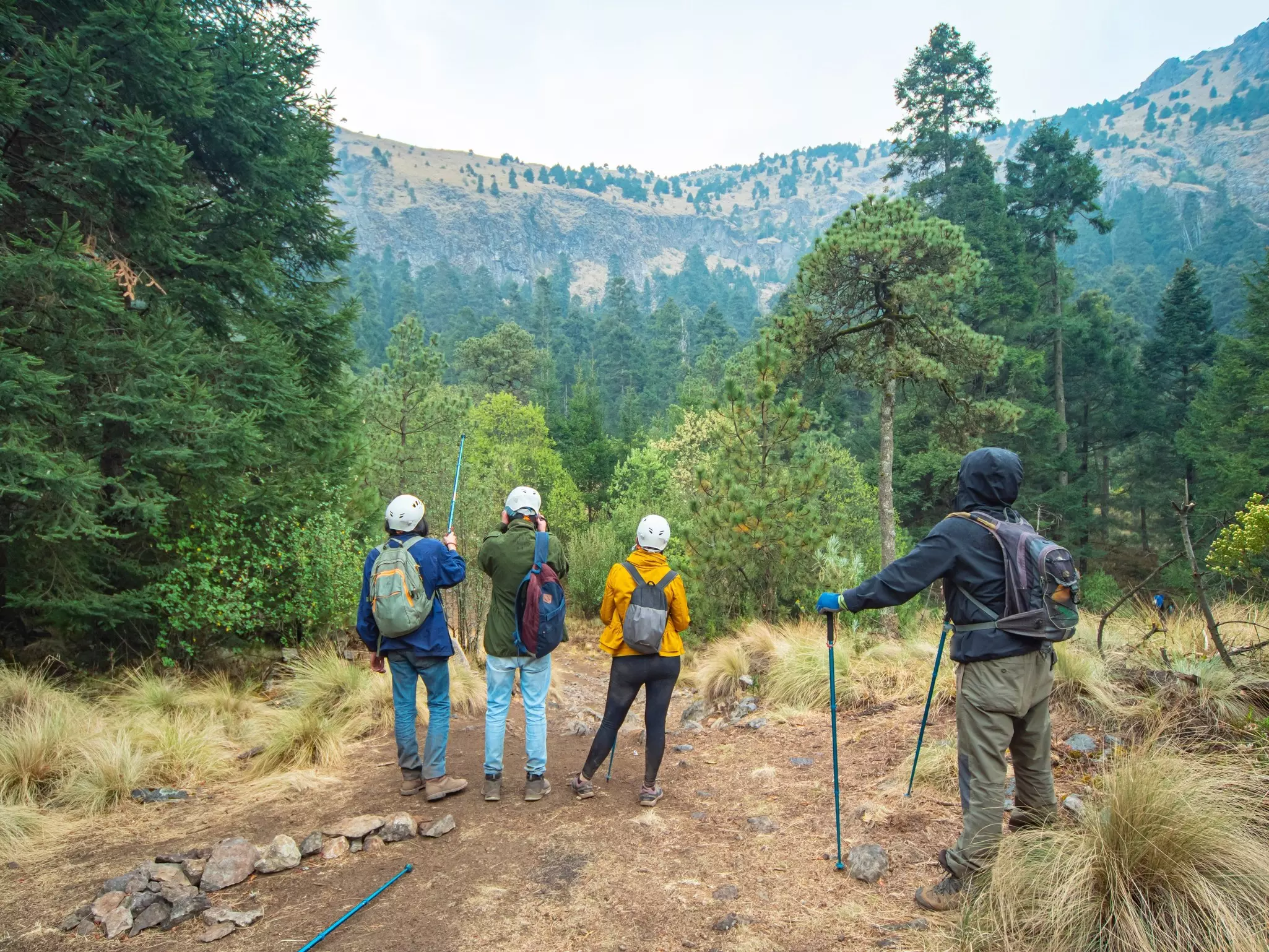
Mexico City, a hiking destination? You should never underestimate the capital's capacity to surprise. For an exhilarating climb up the city's highest peak, head for the fragrant pine forest of Cumbres del Ajusco National Park. The hike to Pico del Aguila will take you to the summit of an extinct volcano range that affords expansive views of the Valley of Mexico.
Planning tip: Try to visit on a weekday, when the park has far fewer guests.
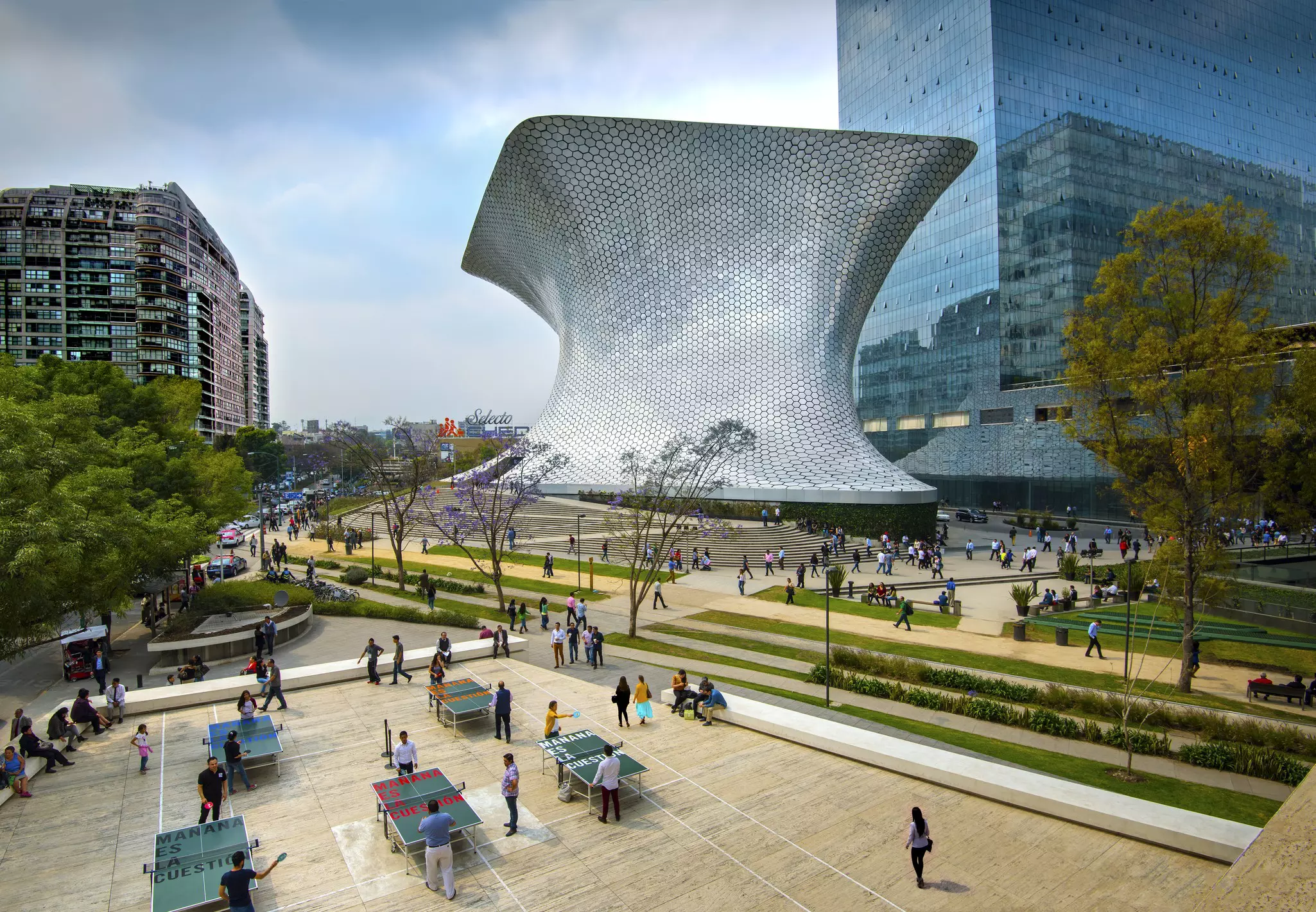
The exhibits and architectural styles of these adjacent museums in the affluent Polanco district – both of them free to enter – couldn't be more different. On one end of Plaza Carso, Museo Jumex showcases contemporary art and exhibitions from leading creators in an austerely geometric building, by architect David Chipperfield, seemingly made of children’s blocks.
Just across the plaza, you can't miss the shiny Museo Soumaya, an undulating six-story structure plated with 16,000 hexagonal aluminum tiles. The free museum exhibits the art collection of Mexican billionaire Carlos Slim – a hit-or-miss affair featuring lesser-known works by such renowned artists as Picasso, Van Gogh and Dalí, and a considerable number of Rodin sculptures.

And you thought punk was dead. Well, it's very much alive and kicking at the Saturday flea market fondly known as El Chopo. Every week, mohawked punks, tatted headbangers and avid stoners gather at this tianguis (outdoor market) to browse for cult videos, rare music and vintage clothing as young-and-hungry bands jam on the market's rear stage. It’s a cool spot to tap into the city’s underground scene and get word of live-music events.
Planning tip: Keep an eye on your bag, for pickpockets are known to target music fans who are focused on the band.
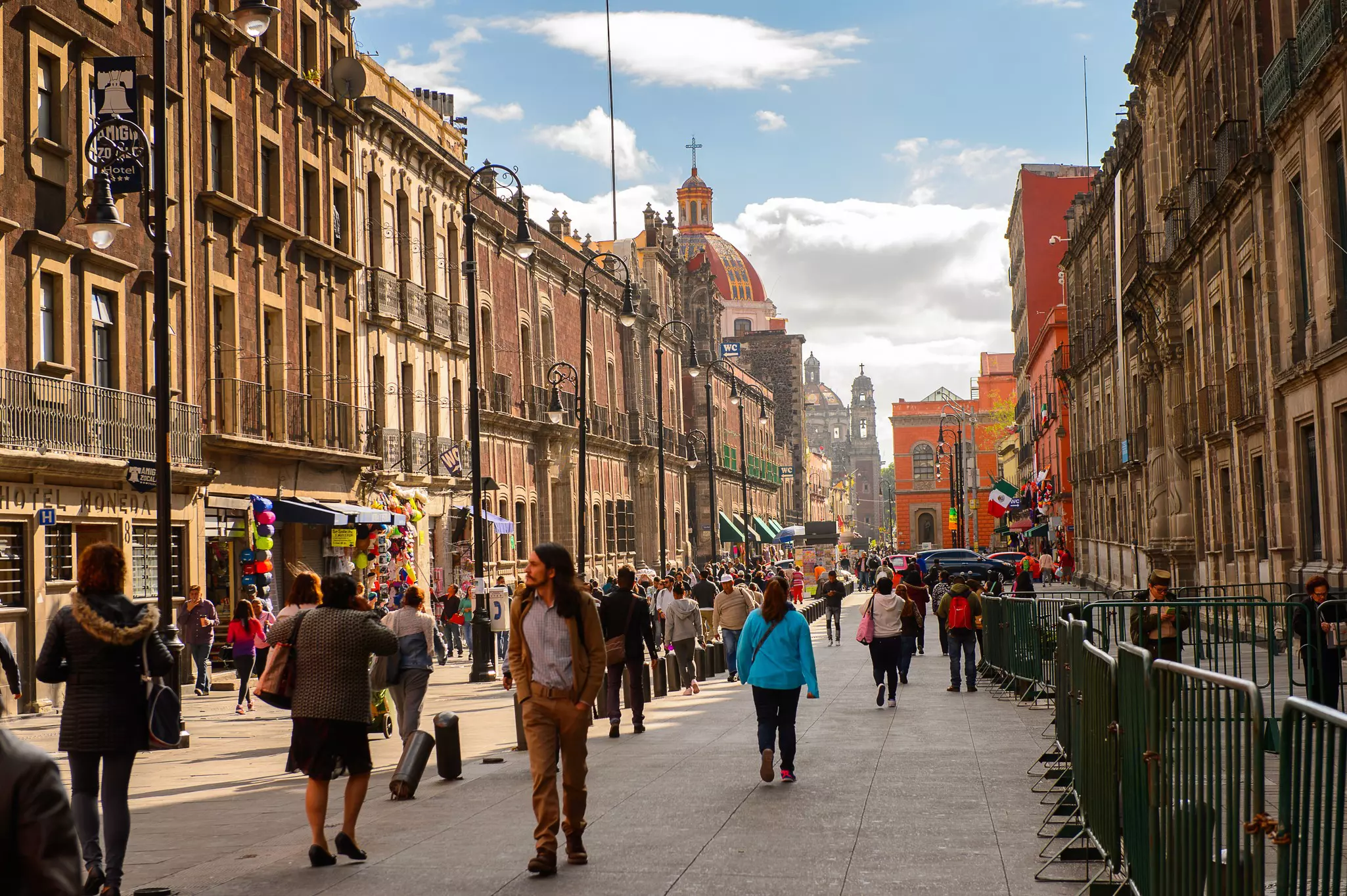
With more than 1500 historic buildings, some as old as the city itself, downtown's Centro Histórico – a UNESCO World Heritage Site – offers a crash course in Mexico's past. Start your stroll by contemplating the ancient ruins of Templo Mayor, a sacred temple that once stood at the heart of the Aztec Empire. Next, take in the colonial architecture on the nearby Zócalo. The ornate cathedral and presidential palace that frame the plaza were constructed some 500 years ago by Spanish colonizers using stones they’d stolen from destroyed Aztec buildings.
After that, wander a half dozen blocks west to Alameda Central, the oldest urban park in the Americas. On the Alameda’s east side, send off a postcard in the Palacio Postal, whose interior is a confection of wrought iron and gilt.
Planning tip: You don’t need to buy a ticket to visit the Templo Mayor ruins and museum (though we recommend it): the site is visible through a viewing fence next to the cathedral.
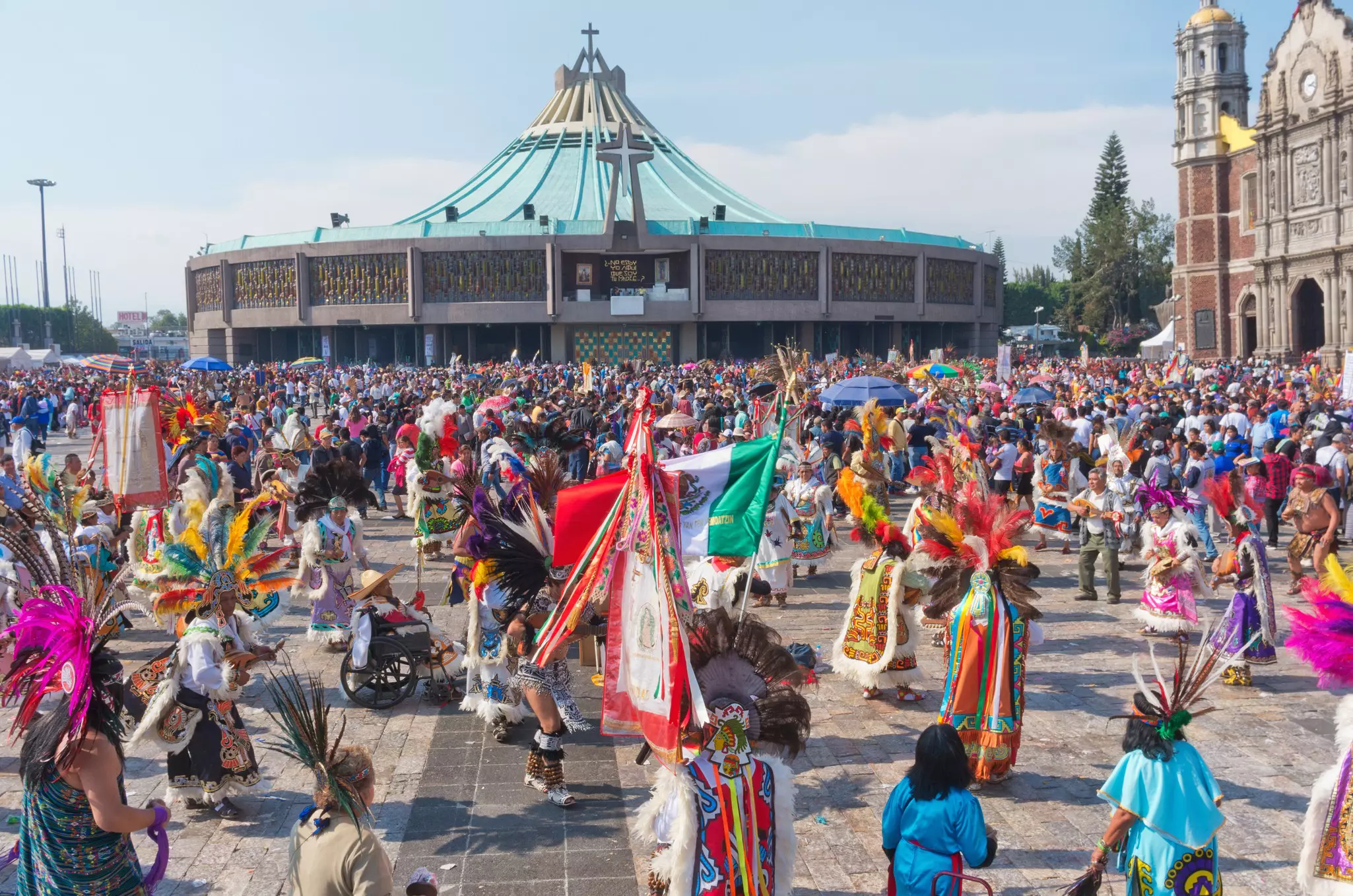
Legend has it that in 1531, the Virgin Mary appeared four times to a peasant named Juan Diego up on a sacred hill near the present-day Basílica de Guadalupe. According to Juan Diego’s account, after the last sighting, her image was miraculously emblazoned on his cloak – which now hangs behind the church's main altar (and can be seen from a surreal moving walkway looking up from underneath). Since the Virgin of Guadalupe is the patron saint of Mexico (and all of the Americas, in fact), the basilica is one of the world’s most important Catholic pilgrimage sites, meaning crowds of believers always throng the plaza outside the huge modern church. Things reach a peak on December 12, when up to a million visitors arrive for the feast day of Our Lady of Guadalupe.
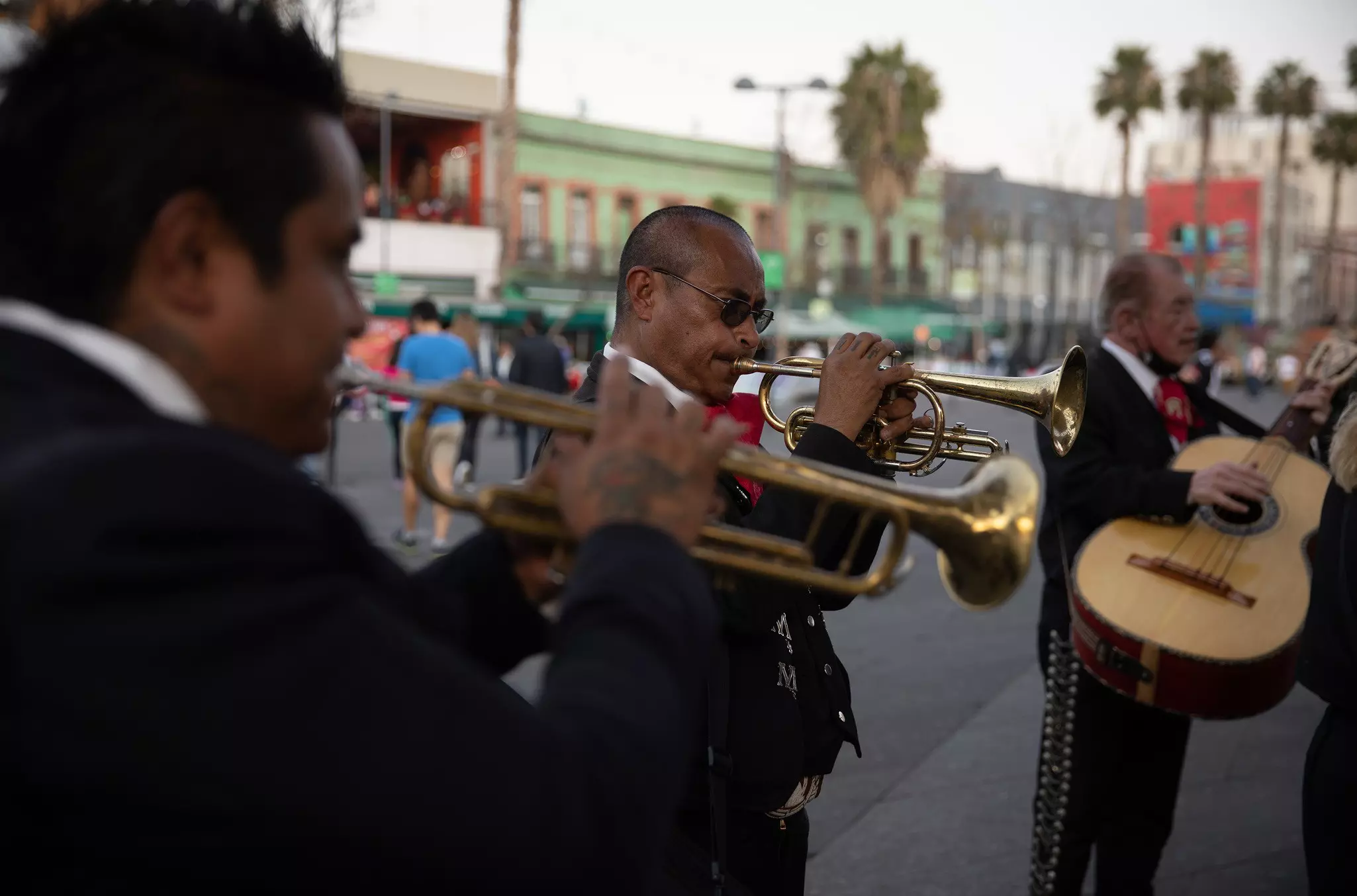
It doesn't cost a thing to stand in the background and listen to the hired musicians working the crowds at Plaza Garibaldi, Mexico City’s famed mariachi square. While mariachi ensembles take center stage, you’ll also hear regional musicians belting out classics, such as white-clad son jarocho trios hailing from Veracruz and accordion-driven norteño bands from northern Mexico.
Planning tip: The atmospheric plaza really comes to life at night. Although the square itself is considered relatively safe, avoid exploring Garibaldi’s dodgy periphery after dark.
Mexico City is sinking rapidly, due mostly to excessive groundwater extraction. Experts estimate that some areas of the city sink as much as 51cm (20 inches) a year as the water table continues to drop. You can see a stark illustration of this alarming phenomenon at the Catedral Metropolitana, where the floor slopes visibly toward the front of the nave. One block east is the free-to-enter Ex Teresa Arte Actual museum, a former convent with wildly inclined floors. Even the Angel of Independence monument on Avenida Reforma, yet another important landmark, requires regular repairs due to ongoing sinking and earthquakes.
Explore related stories