Oct 20, 202612 min read
10 Best Vienna Day Trips for History and Fairytale SceneryOct 20, 2026
12 MIN READ
Writer
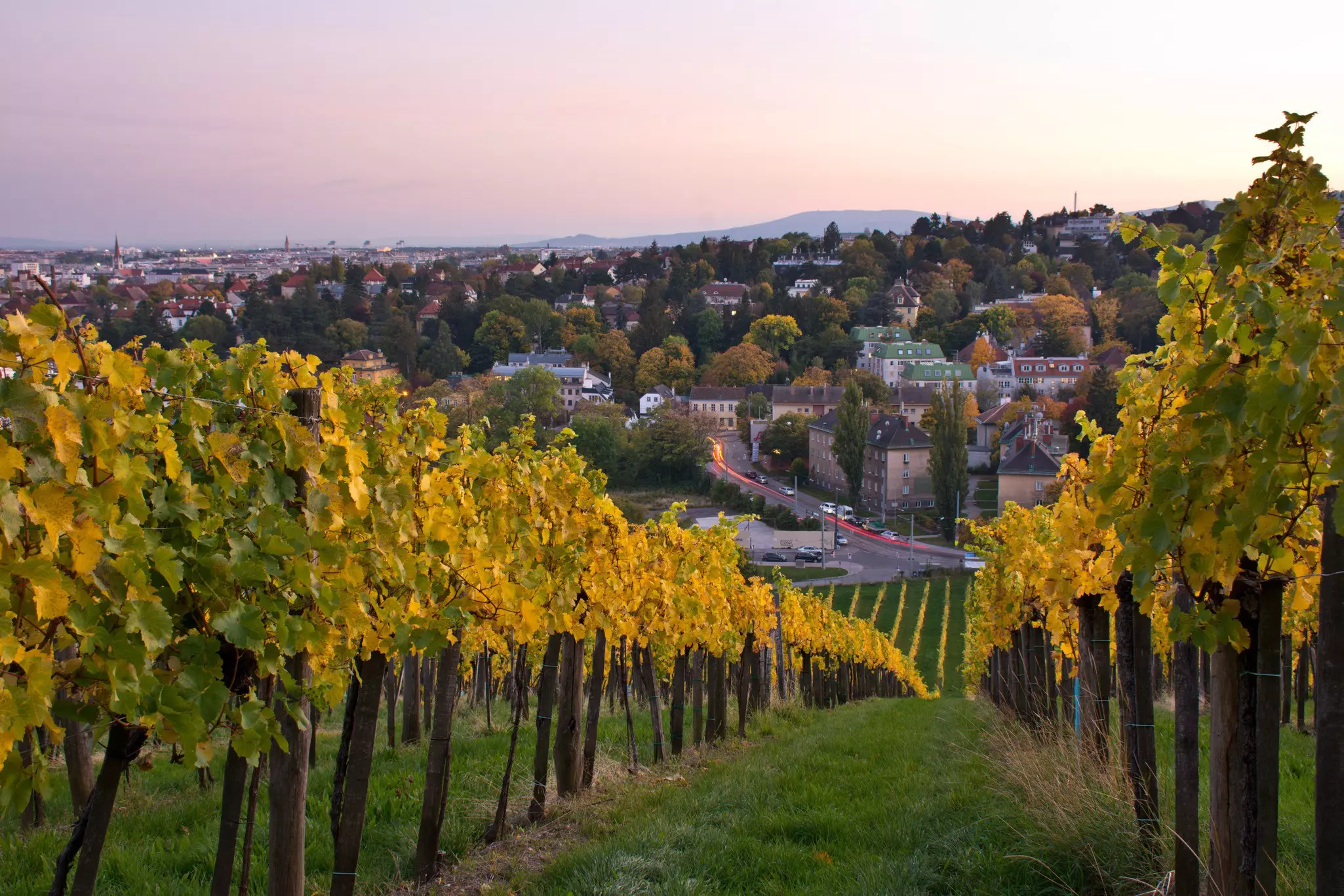
Vineyards in fall on the outskirts of Vienna, Austria. Timelynx/Shutterstock
Writer
Highlights
Lonely Planet writer Carly Hulls maps 10 top day trips from Vienna, from Salzburg to Hallstatt.
For history, visit Salzburg's clifftop fortress and Melk's baroque abbey above the Danube.
Hike trails through the Vienna Woods or cross into Bratislava's charming old town in Slovakia.
Head to Budapest's Castle District or end the day in fairytale Hallstatt by the lake.
Lonely Planet may earn a commission from affiliate links on our site. All recommendations and reviews reflect our own independent opinions.
Once the hallowed seat of the Habsburg Empire, Vienna spoils travelers rotten with baroque palaces, fabled coffee houses and plenty of cultural pizzazz. The top things to do here can keep you busy for days, but if you fancy a change of scenery, all sorts of rewarding day trips are possible in the surrounding countryside.
You could buzz over to other jewel-like cities in Austria, such as cultured Salzburg or abbey-topped Melk, or you could pop across international borders to Bratislava or Budapest – both in the Schengen Area, meaning easy border formalities – or take in the scenery of the Vienna Woods or the Danube Valley.
Whether you come in the warm summer or the frosty winter, Austria's stirring, majestic capital also makes a great base for exploring some of the region’s other delights. If you're up for an adventure at the heart of Europe, here are the best day trips from Vienna.
Why go: Breathe clean woodland air on the fringes of Vienna
Travel time: 30 minutes
How to travel: Tram
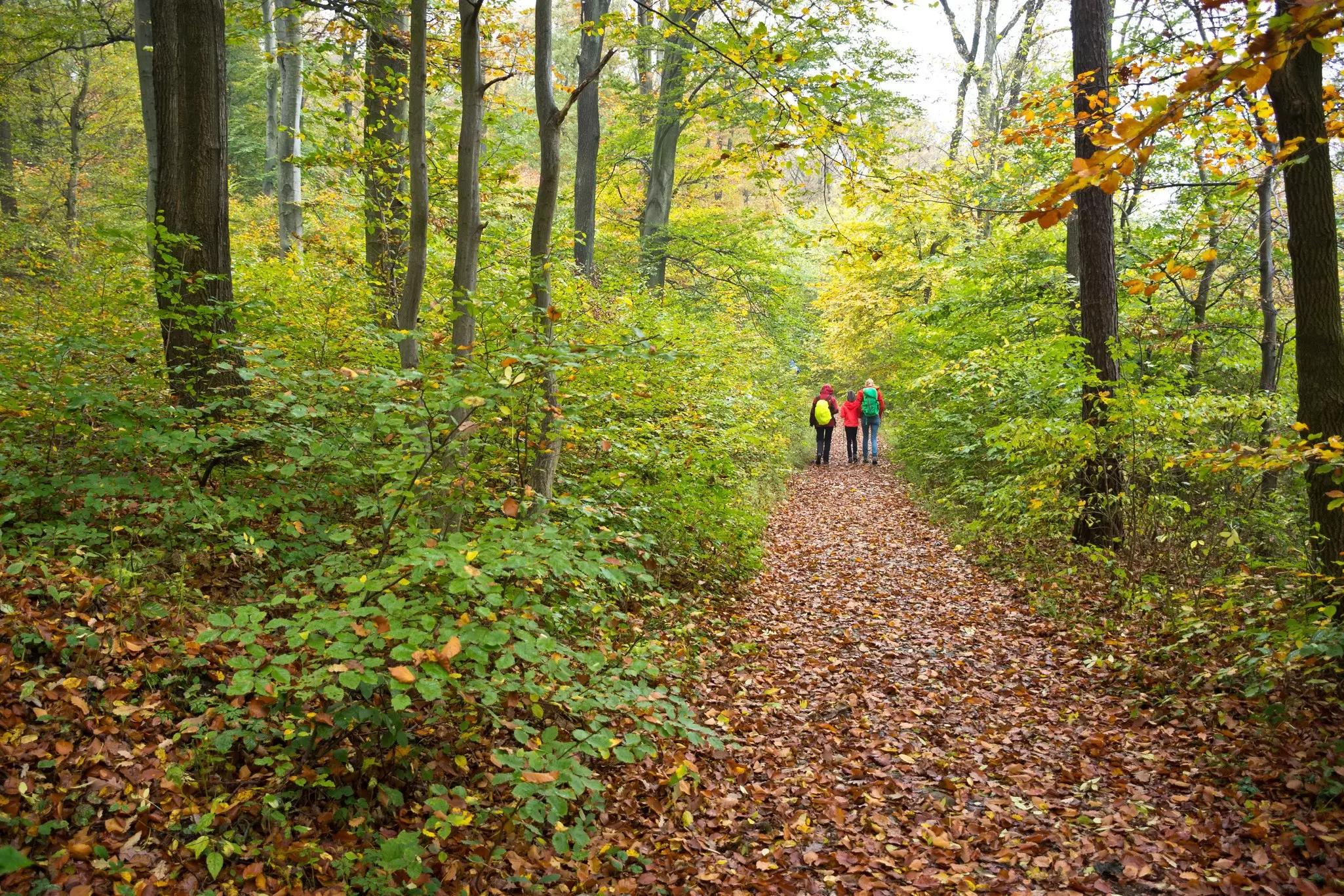
For some superb hiking and a taste of the mountains near Vienna, scamper across to the Wienerwald (Vienna Woods). Fringing the capital from the northwest to the southeast, this 45km-long swath of forested hills was immortalized in Tales from the Vienna Woods, Johann Strauss Jr's 1868 concert waltz.
There are 12 marked-out walks to choose from, all easy day trips from the city, and the best routes lead travelers deep into the forest. You'll need about 3 hours to complete 7.2km-long trail No 4, which threads up to the Jubiläumswarte lookout tower. There are sweeping views of Vienna and the hump of 2076m-high Schneeberg from the uppermost platform.
A slightly longer alternative is trail No 1, an 11km loop that starts in Nussdorf and climbs up the slopes of 484m-high Kahlenberg, a vine-streaked hill commanding fine city views. Either way, you'll have worked up an appetite for a big Vienna supper.
How to get to the Wienerwald (Vienna Woods):
For trail No 1, tram D takes about 30 minutes from the Ring to Nussdorf. For trail No 4, tram line 49 takes about 40 minutes from the Ring to Rettichgasse.
Why go: Experience an eerie underground lake
Travel time: 30 minutes to 1.5 hours
How to travel: Train and bus, or car
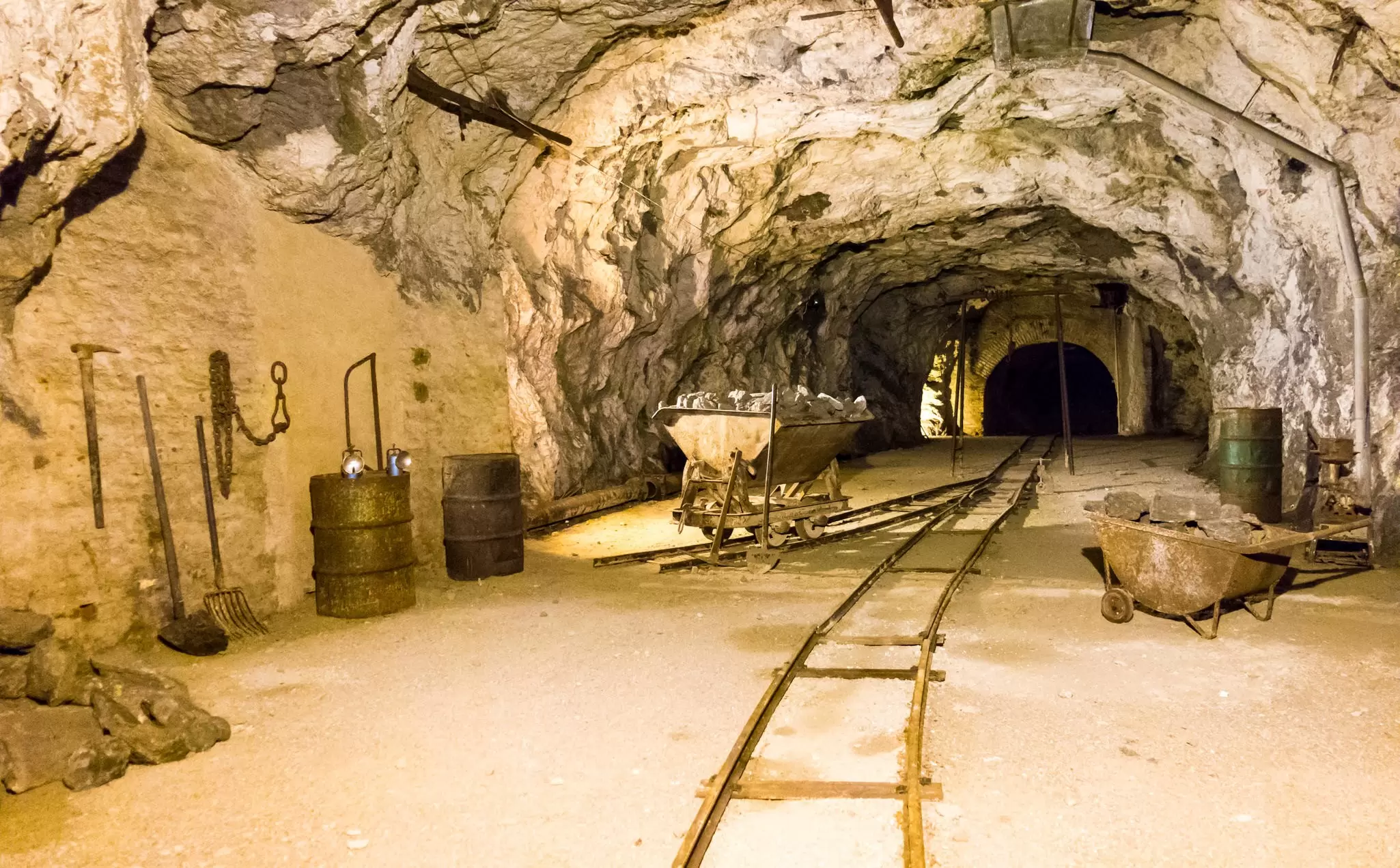
This former limestone and gypsum mine, just over an hour from Vienna, closed in 1912 after a controlled explosion caused 20 million liters of water to flood its underground tunnels, an incident that created the largest subterranean lake in Europe – an eerie place to explore.
Today, visitors can wander through Seegrotte's echoing chambers and see old mining equipment in dry sections of the tunnels, before taking a short boat ride out on its spooky waters. There are also military relics on display, as the Nazis used the mine’s dry, upper sections to secretly build aircraft during WWII. Visitors must join a small group tour lasting about 45 minutes to enter the mines.
How to get to Seegrotte from Vienna:
Take the S-Bahn commuter train from Vienna to Meidling, change for bus 364 or 365, and alight at Seegrotte. The journey will take 1.5 hours. By car, the journey is around 30 minutes.
Why go: Enjoy historic architecture mixed with Soviet touches
Travel time: 1 hour
How to travel: Train or car
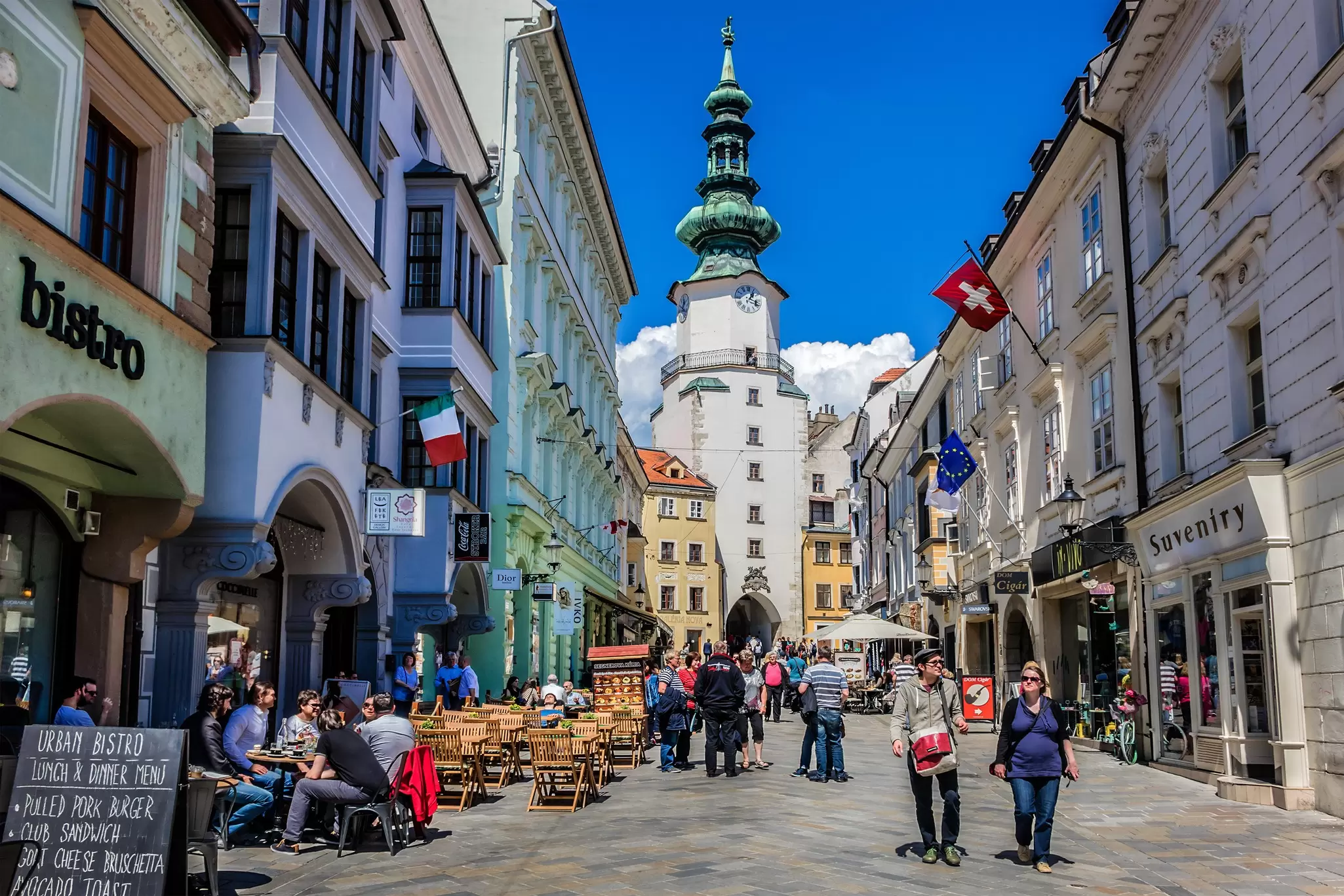
A short hop across the border from Vienna is Bratislava, the capital of Slovakia, overlooked by a mighty Renaissance castle. It's easy to lose a morning wandering around the delightful old town, which merrily mixes medieval and Gothic architecture.
The city's nucleus is Hlavné nám (Main Sq), where architectural finery shimmers in almost every direction, particularly the Stará Radnica (Old Town Hall). Across the city, look out for lingering traces of Soviet design, from scowling statues to the city's space-age bridge.
Try not to miss the art nouveau Blue Church, a powder-blue place of worship dedicated to St Elisabeth of Hungary. If you’re in need of food, the city’s cellar restaurants serve huge helpings of dumplings and fried cheese for reasonable prices.
How to get to Bratislava from Vienna:
International trains take 1 hour from Vienna to Bratislava. The journey takes around the same by car.
Why go: Ride a bike along the mighty Danube River
Travel time: Around 1 hour
How to travel: Train or car
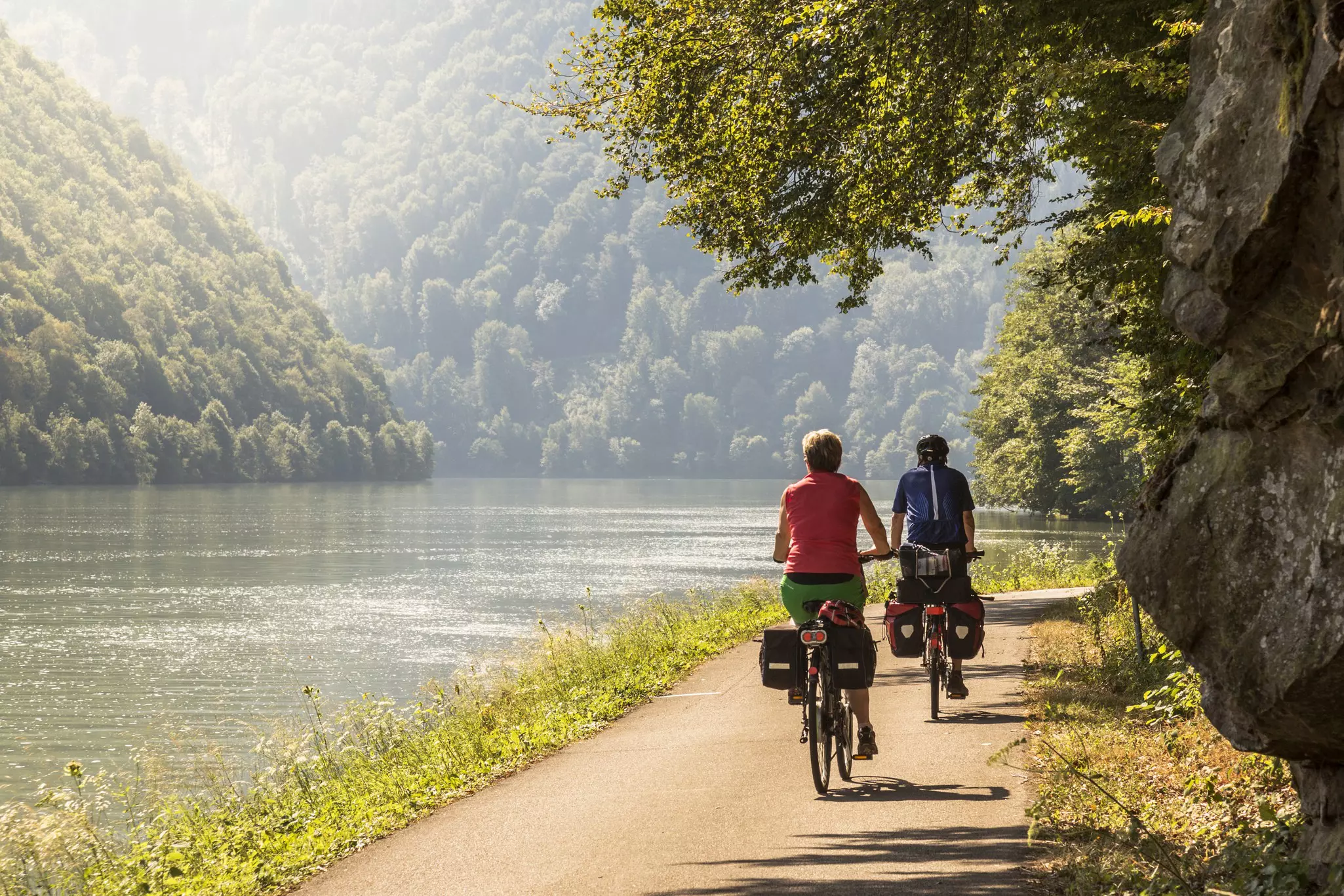
To see the grand Danube in all its dramatic glory, head to Wachau. This romantic stretch of the Danube Valley, between Krems an der Donau and Melk, waltzes through a poetic landscape of terraced vineyards, forested slopes and apricot orchards, with the meandering river – and the imposing fortresses that loom over it – nearly always in sight.
Less than an hour from Vienna, Krems an der Donau is a great spot to hire bikes for a cycle ride that's suitable for riders of all ages, including children. Start by following the B3 southwest towards Spitz, then pedal past the lovely town of Dürnstein, with its blue-towered Chorherrenstift backed by Kuenringerburg, the castle where Richard the Lionheart was imprisoned in 1192.
A couple of kilometers on, just after Wösendorf, you find the church of St Michael, in a hamlet with 13 houses. Get the kids to count the terracotta hares on the church roof. The pretty town of Spitz finally swings into view some 17km from Krems. Head to its heurigen (wine taverns) for a much-deserved glass of wine before heading back.
How to get to the Danube Valley from Vienna:
The journey from Vienna to Krems an der Donau takes 1 hour 15 minutes by direct train and just under an hour by car.
Why go: Explore an abbey jammed full of baroque cherubs
Travel time: 1 hour 15 minutes
How to travel: Train or car
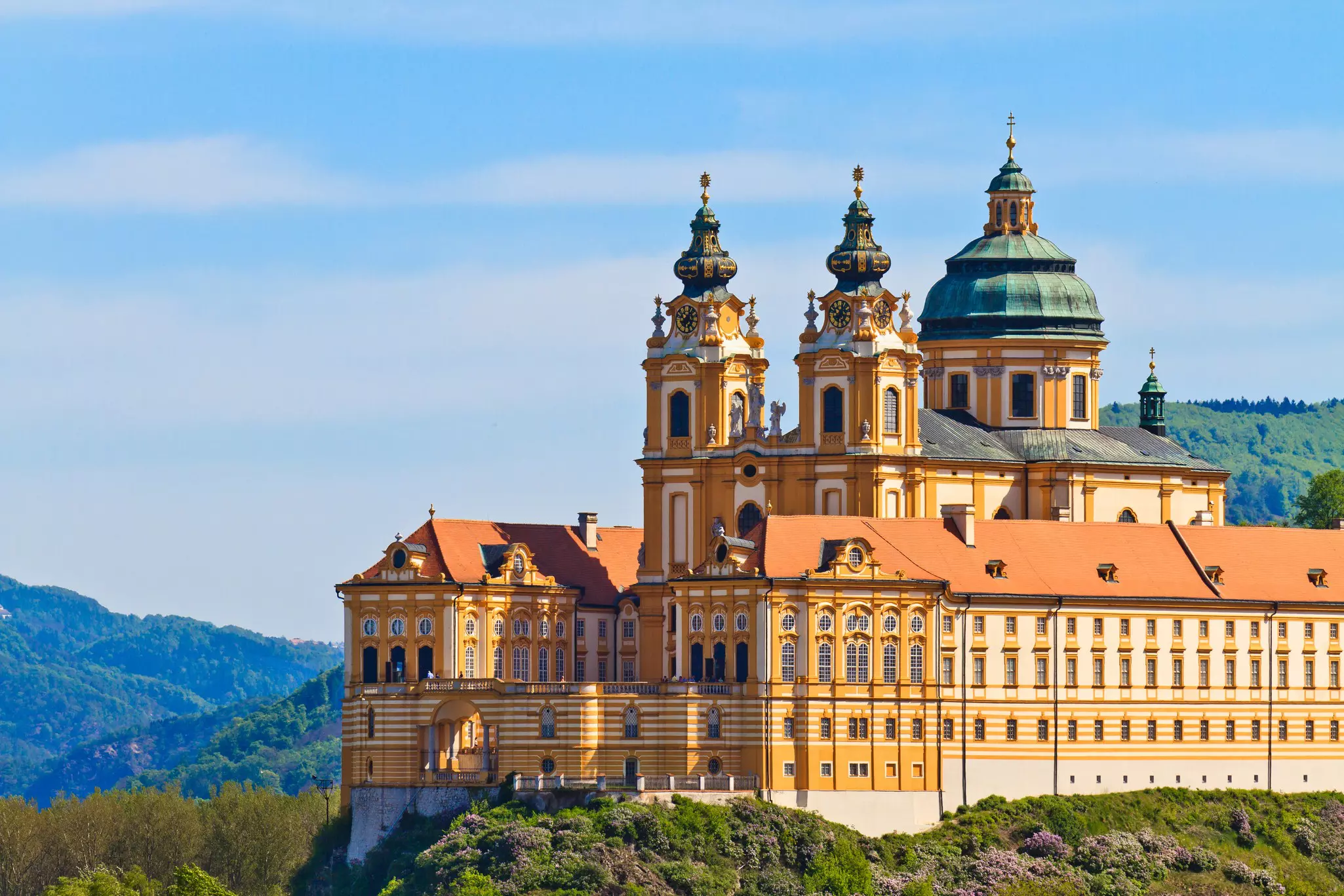
An easy and rewarding day trip from Vienna, the town of Melk is high on the list for many travelers, most of whom call in for its blockbuster 18th-century abbey-fortress, perched high above the Danube. The twin spires and high octagonal dome of the monastery church dominate the complex, but inside it's baroque gone barmy: a riot of chubby cherubs, barley-sugar twirls and polished faux marble. Don't miss the bejeweled skeletons of St Clemens and St Friedrich.
Day-trippers also stream in from the city of Krems an der Donau, so the cobbled streets are busy year-round. Wander past the Altes Posthaus, built in 1792; not only is Mercury, the messenger of the gods, depicted in the stucco reliefs, but so too is postmaster Josef Weber Edler von Fürnberg.
Also consider a detour out of town by shuttle bus to nearby Schloss Schallaburg to see its 400 remarkable terracotta sculptures, completed between 1572 and 1573. You can buy a combined ticket covering both Stift Melk and Schloss Schallaburg.
How to get to Melk from Vienna:
The regional train from Wien Westbahnhof to Melk station takes around 1 hour and 15 minutes. By car, the journey is about the same.
Why go: Ski some of Austria's most stunning slopes
Travel time: 1.5–2 hours
How to travel: Train or car
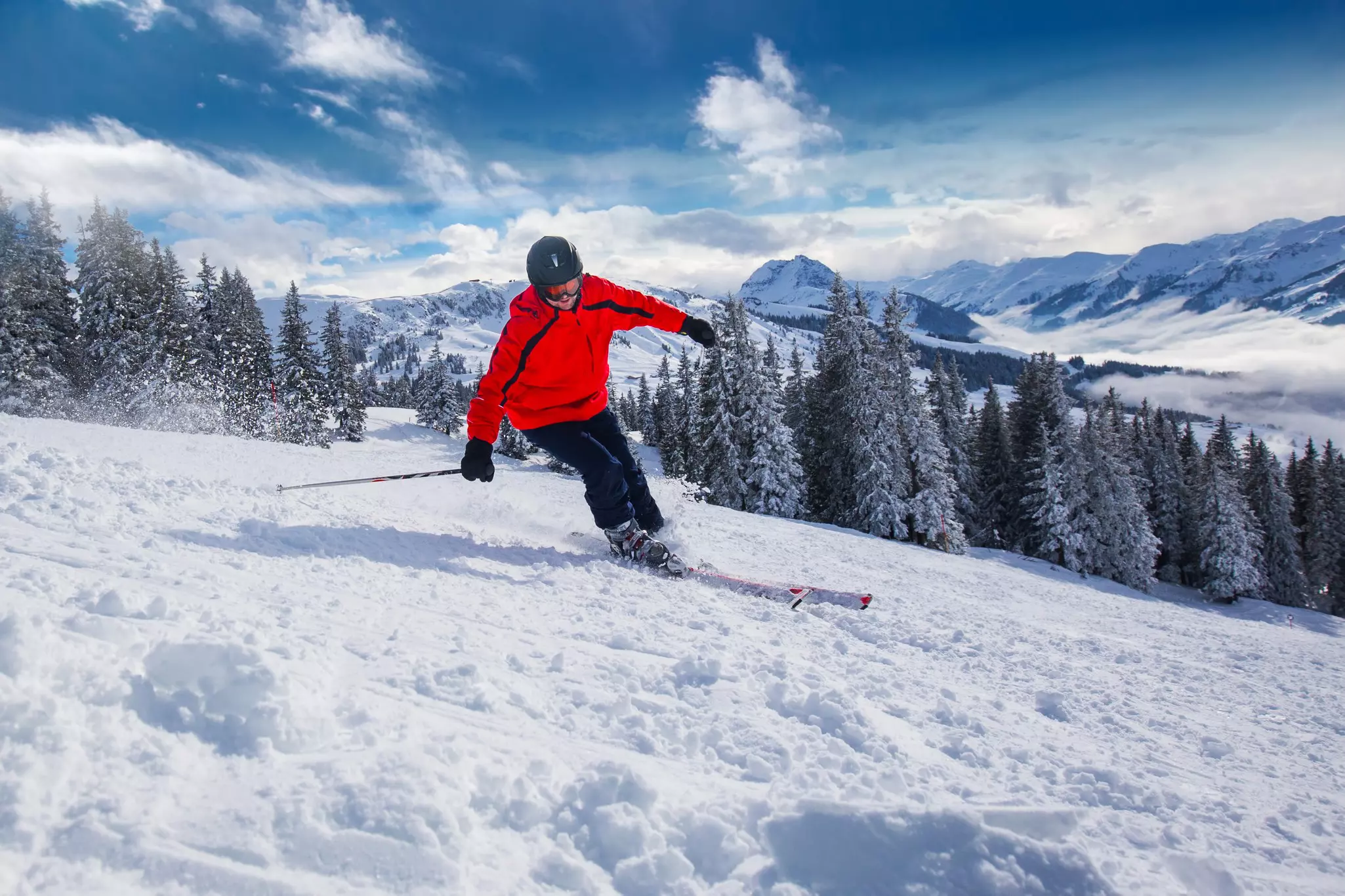
Come December, when the powder sits plumply across the Austrian Alps, a number of fun-filled ski resorts are easily accessible from Vienna on a day trip, including the popular slopes at Hauereck and Unterberg.
Semmering, however, is the pick of the bunch. A long-term host of the FIS Alpine Ski World Cup races, it has 14km of slopes at Zauberberg and 26km of slopes at Stuhleck, and the night slopes at both are open from 6pm to 9pm.
Skiers and snowboarders can enjoy runs at all levels during the ski season, which runs from December to March, but check the predicted snow conditions in advance as there have been warmer-than-expected spells in recent winters; the middle of the season is usually the sweet spot.
How to get to Semmering from Vienna:
The train from Wien Hauptbahnhof to Semmering Bahnhof takes under 1.5 hours, but the journey takes closer to two hours by car because of the topography.
Why go: See an artistic city full of architectural contrasts
Travel time: 2–2.5 hours
How to travel: Car or train
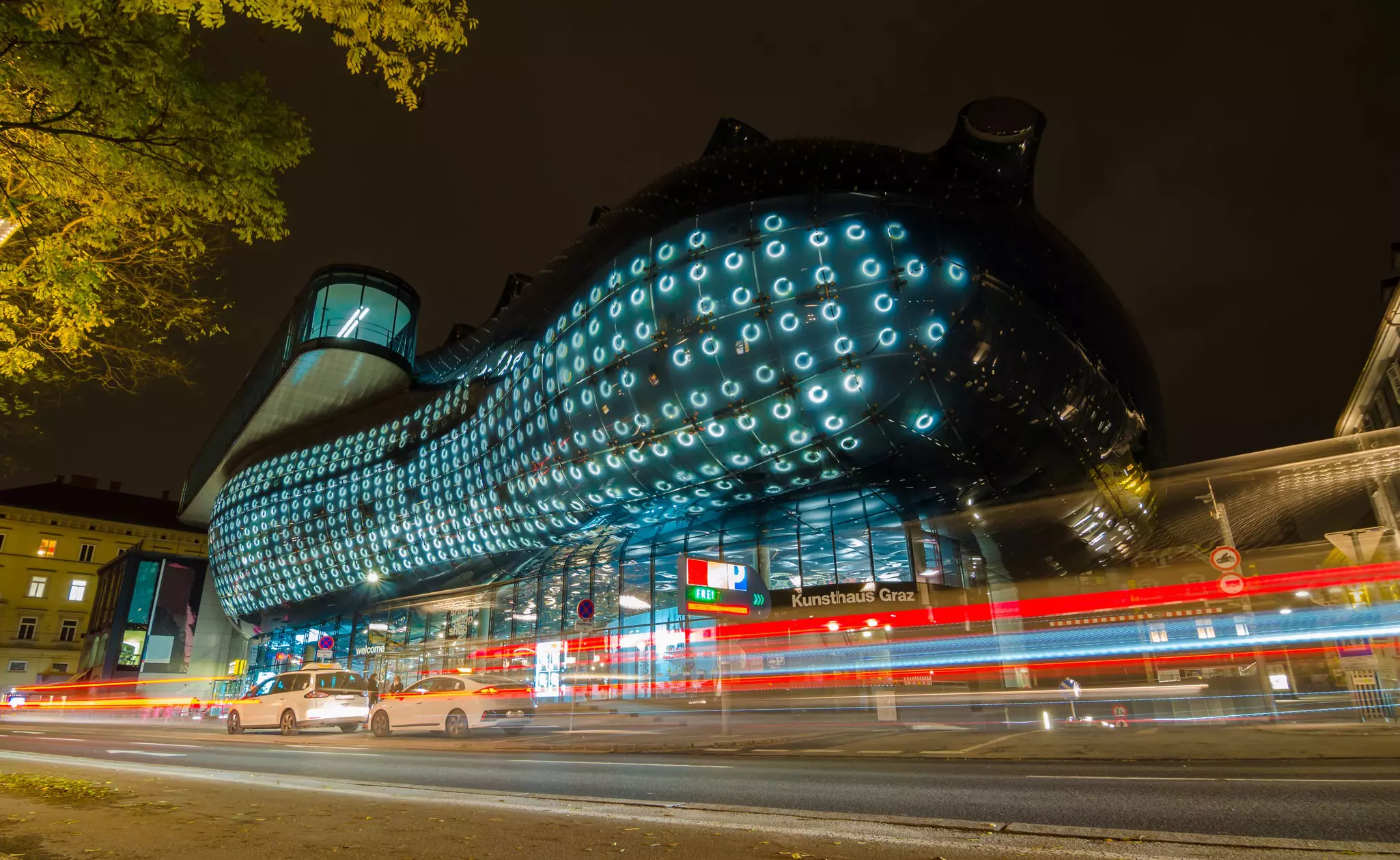
Graz, Austria’s second-largest city, might be a smidge over 2 hours from Vienna by car, but it’s an instant heart-stealer. Come for Renaissance courtyards, baroque palaces, abundant parkland, a sea of red rooftops and a beautiful bluff, connected to the center by steps, a funicular and a glass lift.
But it's the absorbing architecture of Kunsthaus Graz, the provocative biomorphic art gallery dubbed the “friendly alien,” that takes visitors aback. Its contemporary design and exhibitions stand in stark contrast with the traditional city, which makes it even more arresting.
For something equally striking but not quite so modern, check out Schloss Eggenberg, an elegant 17th-century palace with magnificent courtyard arcades by Italian master builder Giovanni Pietro de Pomis. It's on the western city limits, accessible via tram Line 1.
How to get to Graz from Vienna:
The train from Vienna to Graz takes around 2.5 hours. By car, you can complete the same journey in just over 2 hours.
Why go: Have a soak in Hungary's famed spa city
Travel time: 2.5 hours
How to travel: Car or train
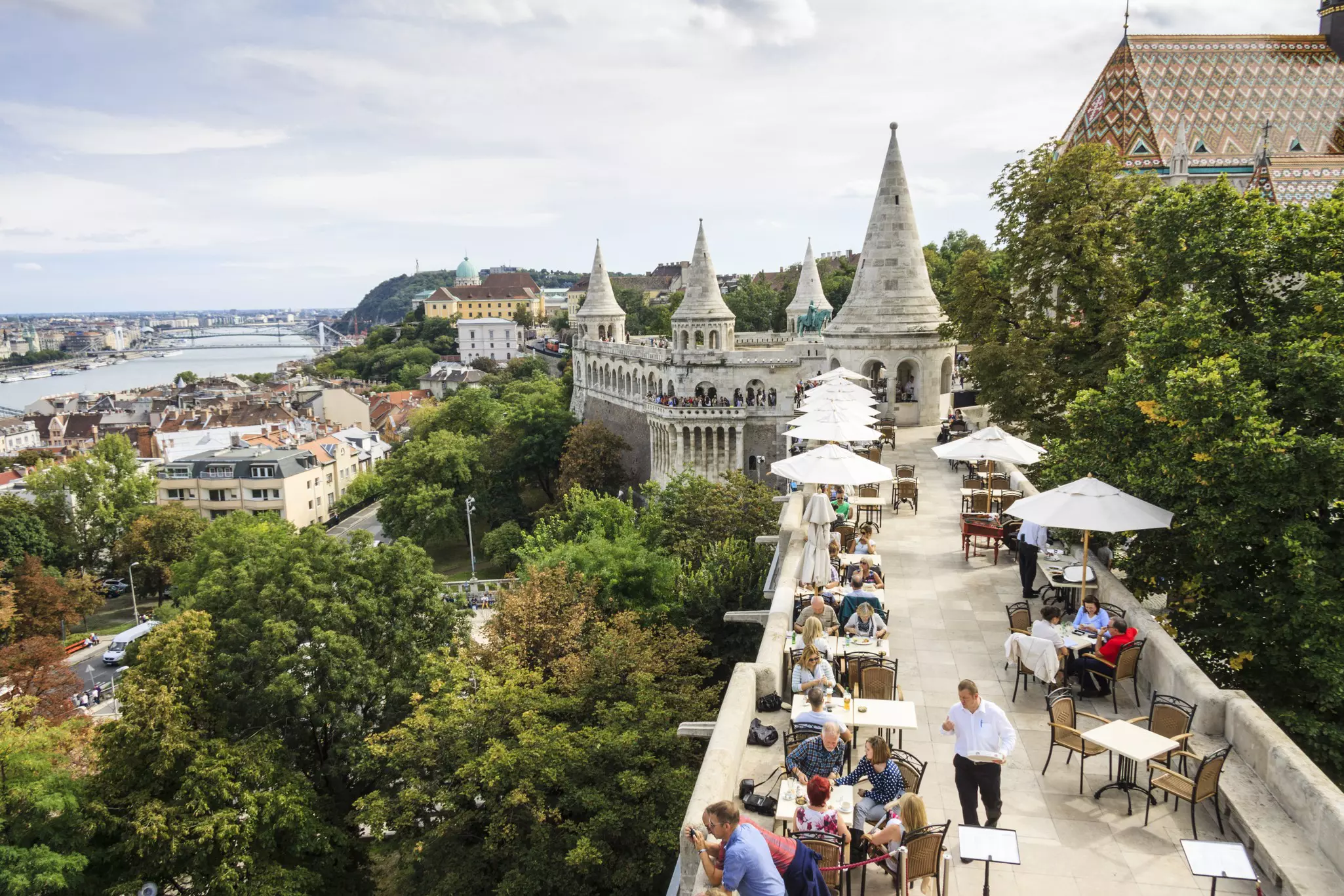
It may take a couple of hours to meander down to Budapest by car (or a little longer by train), but as the city was the partner capital of the once-great Austro-Hungarian Empire, a day trip from Vienna can make for compelling comparisons.
Start in the Castle District, where Castle Hill, the nerve center of Budapest’s history, towers 170m above the Danube. Survey the scene from Fisherman's Bastion, a neo-Gothic viewing platform overlooking the vast blue river, built in 1905. Look north for the Hungarian Parliament building, which many believe was inspired by the Palace of Westminster in London.
Spend some time at the Royal Palace, which has been bombed and rebuilt at least half a dozen times since King Béla IV established it in the mid-13th century, before heading across the river for some lunch. Then slowly work your way along Andrássy út and up to Heroes’ Square. Finish with a soak in one of the 18 thermal pools at the graceful and historic Széchenyi Baths before heading back to Vienna.
How to get to Budapest from Vienna:
Direct trains go from Vienna to Budapest in just over 2.5 hours; driving will take around the same time, depending on traffic and border formalities.
Why go: Soak in architectural grandeur by the Salzach River
Travel time: 2.5–3 hours
How to travel: Train or car
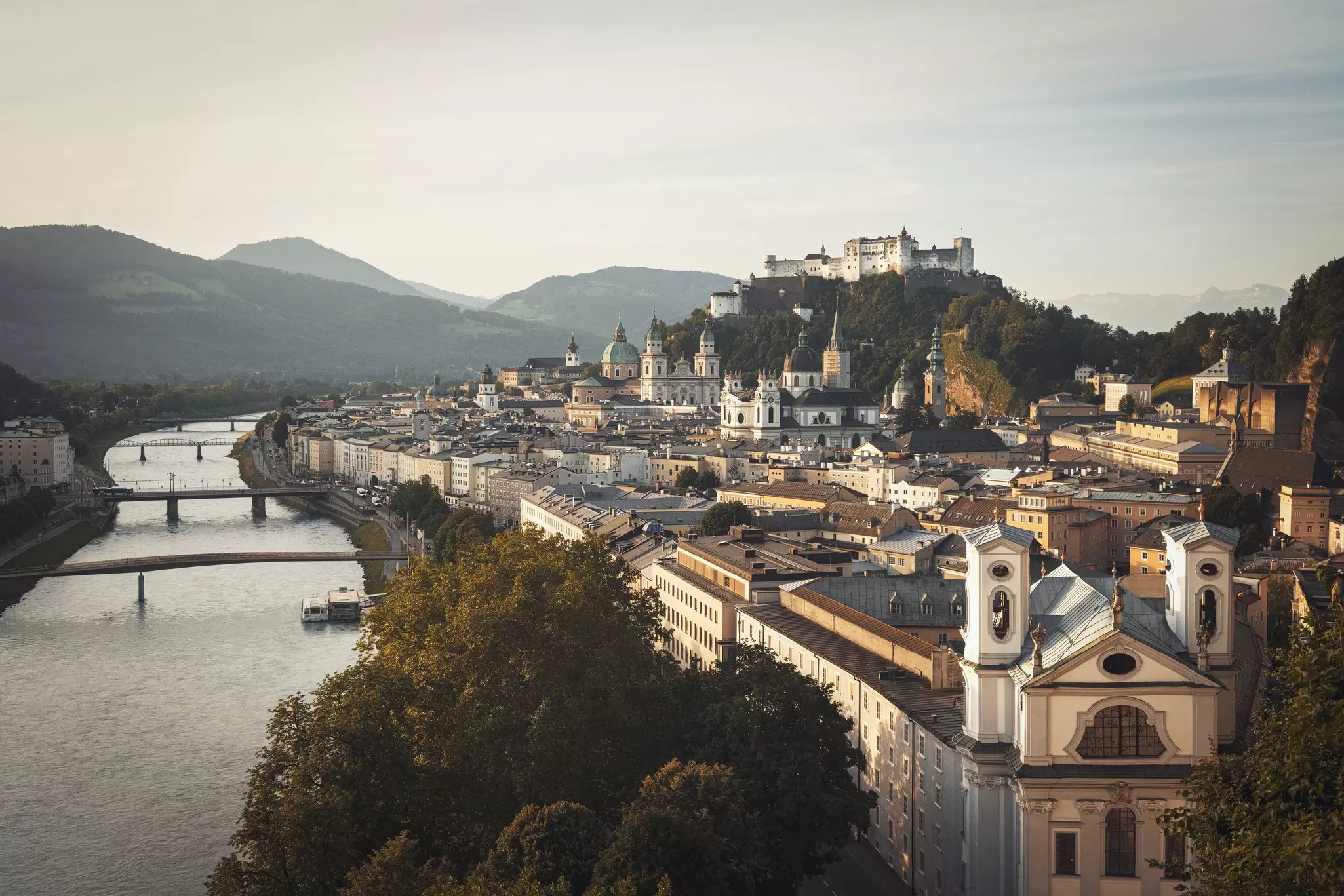
Storybook Salzburg could easily fill a week of your time, but even a swift day trip from Vienna will leave you mesmerized. The city's whopping, 900-year-old clifftop fortress Festung Hohensalzburg could easily eat up a whole morning, while a wander through the historic Altstadt (Old Town) will swallow up the rest of a day.
Not much has changed in Salzburg since Mozart was born and raised here some 270 years ago, including St Peter’s Stiftskeller, reputedly Europe’s oldest restaurant. It's said to have been around since 803 CE, and booking is still essential today.
Don't go home without bingeing on baroque finery in the DomQuartier's elegant cathedral and abbey, or sipping a potent stein of monk-made ale at Augustiner Bräustübl – Austria's biggest beer tavern has been around since 1621.
How to get to Salzburg from Vienna:
The Railjet express train goes directly from Wien Hauptbahnhof to Salzburg in 2.5 hours. Regional trains take around 3 hours – completing the journey by car will take about the same.
Why go: Get Disney vibes in a fairytale lakeside town
Travel time: 3.5–4 hours
How to travel: Train or car
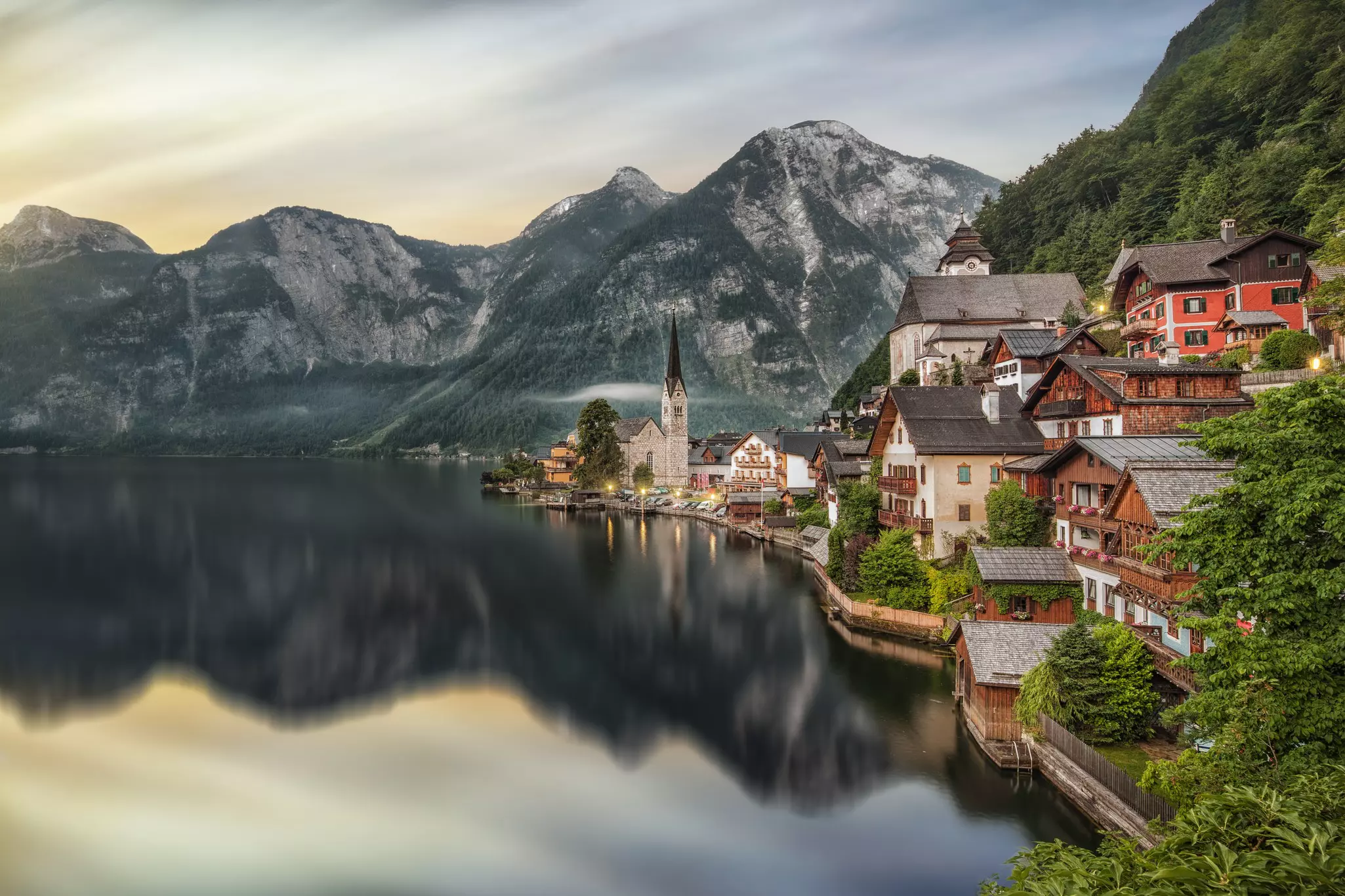
A long day trip from Vienna to Hallstatt by car or train is doable, but very taxing; the trip is more enjoyable spread over 2 days. Said to have inspired parts of the Disney film Frozen, this fairytale town is thronged with visitors, who outnumber the locals by more than 10 to one in the June–August peak season.
Hallstatt’s beauty borders on the surreal. Boats glide serenely across the lake from the train station to the village, situated precariously on a narrow stretch of land between mountain and shore. It's highly picturesque at any time of year, but particularly stunning (and less busy) when frozen in winter.
If you want to visit in a single day, get the earliest train (they start running at around 6am) to arrive before the tour coaches. Or even better, stay overnight and wait for the day-trippers to leave, then enjoy a lakeside dinner in relative peace.
How to get to Hallstatt from Vienna:
Trains from Vienna to Hallstatt usually require a change at Attnang-Puchheim, and the whole journey takes around 4 hours. By car, the journey takes about 3.5 hours.
Book your Austria trip with Lonely Planet Journeys
See Austria how it's meant to be seen
Accommodations, activities and ground transportation all taken care of, so you can focus on the fun part. Tell us what your dream trip to Austria looks like, and our local experts will build it from scratch. Or start with one of our itineraries and make it your own.

Explore related stories