Nov 2, 20268 min read
A Guide to Wellness in ThailandNov 2, 2026
8 MIN READ
Writer
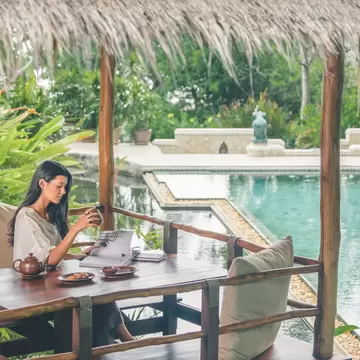
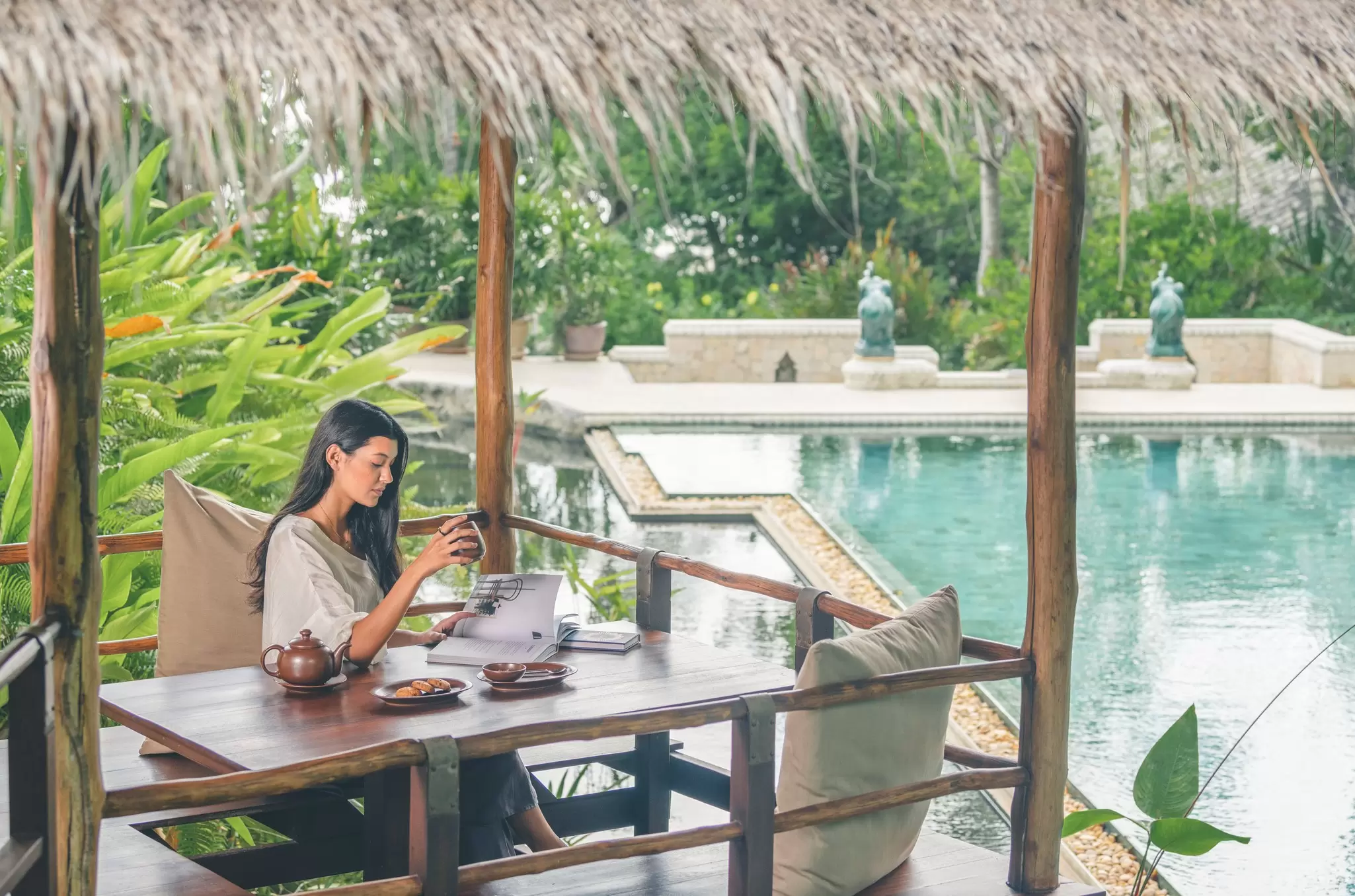
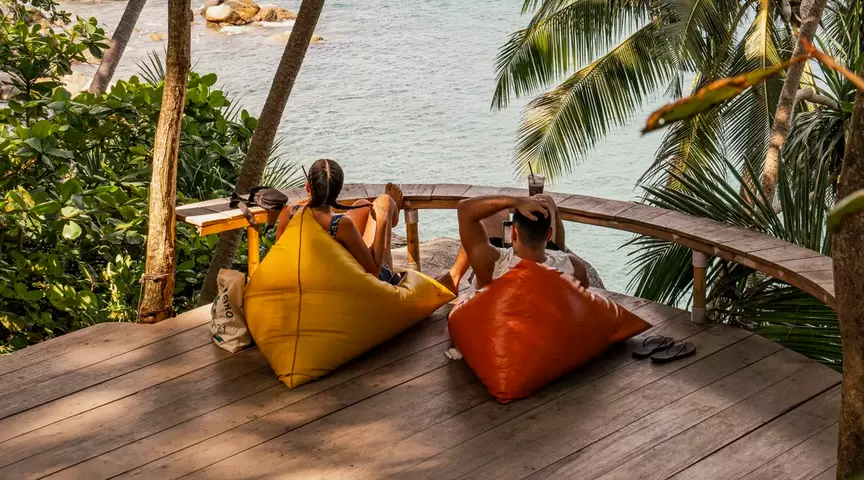
Amrita Cafe at Kamalaya Koh Samui in Thailand. Kamalaya Wellness Sanctuary
Writer
Lonely Planet may earn a commission from affiliate links on our site. All recommendations and reviews reflect our own independent opinions.
The past decade has seen a boom in the global wellness economy, doubling in size between 2013 and 2024, when it was valued at a staggering US$6.8 trillion, according to the Global Wellness Institute (GWI).
Wellness experts are particularly following Thailand, ranked 15th in destination markets by expenditures in 2024 by GWI, with a whopping annual growth rate of 36.4% compared to the previous year. “Search interest for retreats in Thailand on our platform is up 20% since 2023,” says Sean Kelly, a wellness travel expert and cofounder of BookRetreats. “The country also ranked seventh among the world’s top trending wellness destinations in our 2026 State of Retreats Report.”
Wellness travelers to Thailand are also increasingly savvy. “We’re seeing a broader shift from people traveling simply to escape their daily routine to actively seeking experiences that help them feel better, both mentally and physically,” says Pimpisa Chirathivat Phornprapha of Centara Hotels & Resorts.
Saowapa Thumapun, the spa director at Four Seasons Bangkok at Chao Phraya River, agrees: “Guests today are much more informed. They are asking about recovery, longevity, sleep, stress management and preventive health. They want experiences that have lasting benefits, not just a moment of relaxation.”
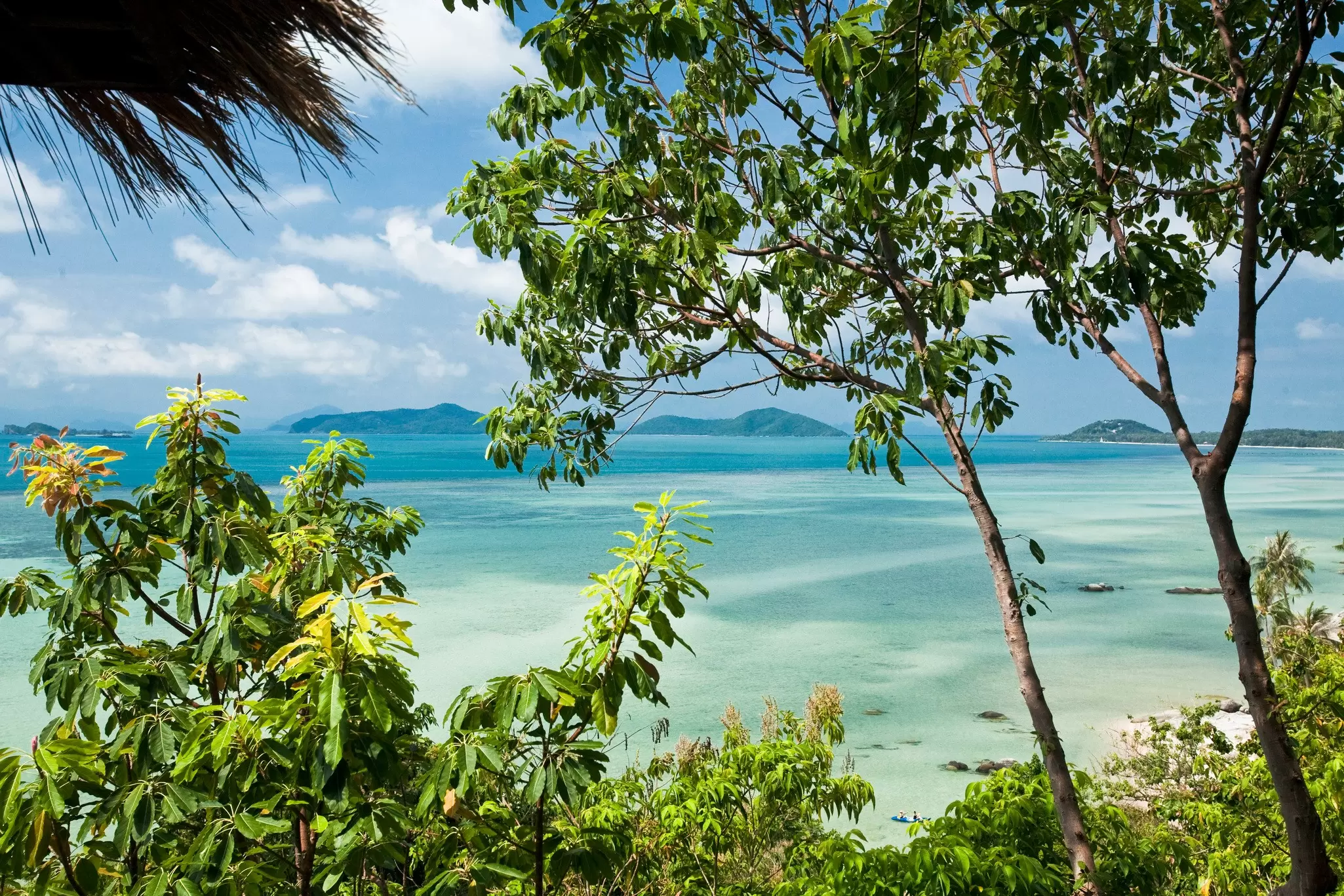
Blessed with natural beauty and a year-round tropical climate, plus world-renowned hospitality and value for money, Thailand checks all the boxes for an ideal wellness getaway. “Smiles, hospitality, a friendly culture and a wonderful setting – guests already feel relaxed even before starting any treatments,” says Gopal Kumar, the general manager of Kamalaya Wellness Sanctuary on Ko Samui. “Also, the facilities and services are world-class. Instead of going to three spots, you can come to one place to get IV treatments, nutrition and therapy.”
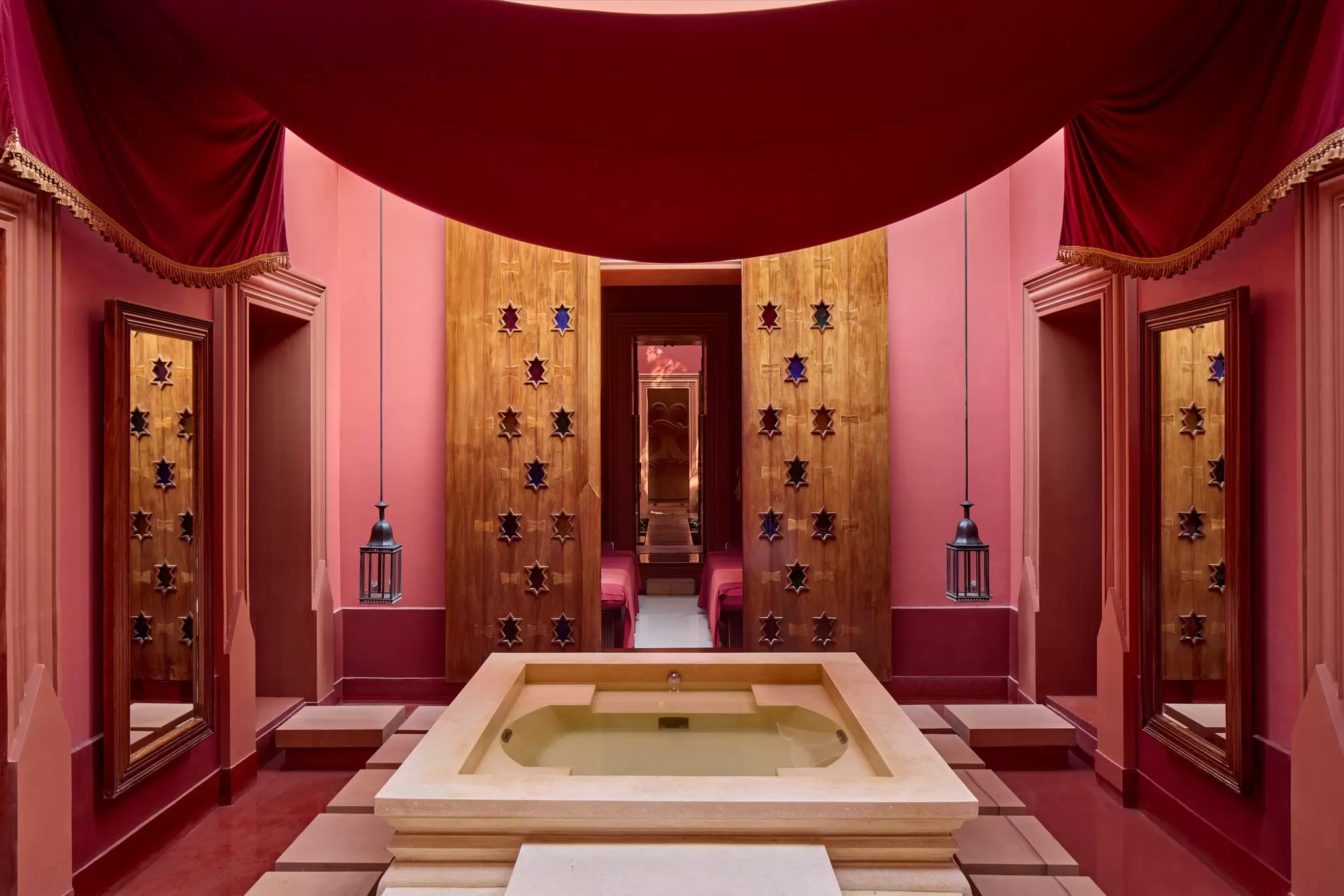
Another reason for Thailand’s success as a wellness destination may be found in the country’s DNA. “Wellness was never invented as a product in Thailand,” says Chuthamat Srinoi, an integrated wellness practitioner at The Barai Hua Hin. “It’s in the massage traditions, the herbal medicine, the Buddhist habit of stillness, even the instinct for hospitality that visitors notice within seconds of arriving. You don’t book Thai wellness so much as step into it.”
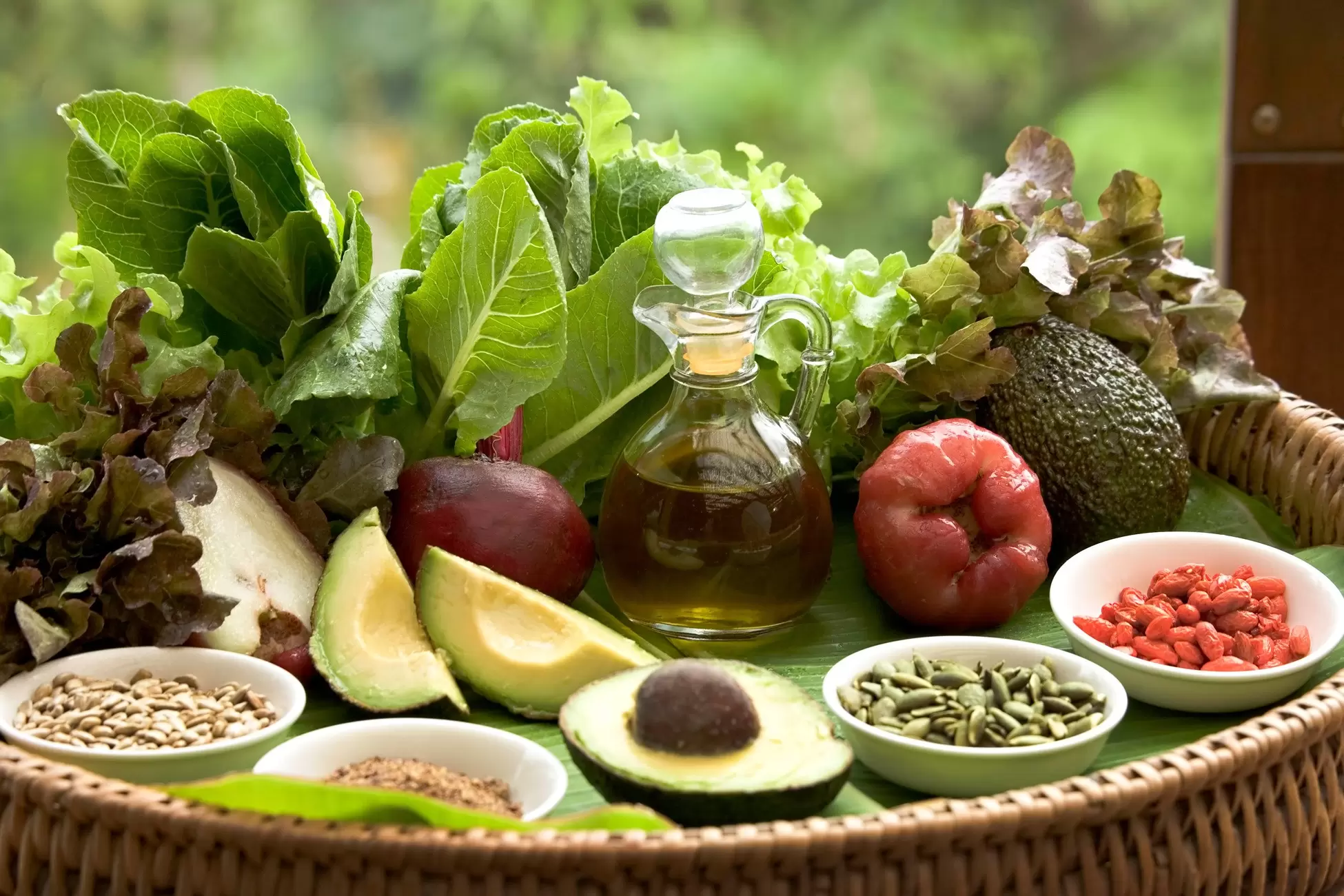
Even the food is a draw. “Thai cuisine is naturally well suited to healthy eating because it’s built around fresh herbs, vegetables, aromatic spices, fermented ingredients and a balance of flavors that stimulate digestion and satisfaction,” says Mohan Singh Rawat, the executive chef at Kamalaya. “Traditional Thai ingredients such as lemongrass, galangal and kaffir lime leaves are rich in phytonutrients and have long been valued in Asian healing traditions for their anti-inflammatory and digestive-supportive properties."
Thailand delivers exceptional value, offering high-end wellness programming that’s up to 60% less expensive than in Western Europe, says James Leigh, the marketing manager at Healing Holidays, a UK-based tour operator. “It also has some of the planet’s finest spas, retreats and medi-clinics, catering for every budget and focus,” he says.
Regular visitors already enjoy much of what Thailand offers to wellness travelers: delicious, fresh food at budget prices, a spa on every corner for a fraction of a treatment back home and serene settings that instantly melt away tension. Multiply that by 10 at a wellness retreat and it’s easy to see why wellness travelers keep coming back.
Mutsee “Zea” Reungsombut, the wellness manager at the Kimpton Maa-Lai Bangkok, adds that Thailand’s “highly skilled massage therapists and wellness practitioners delivering service at an international standard is just one of the reasons why guests can enjoy quality and value in equal measure.”
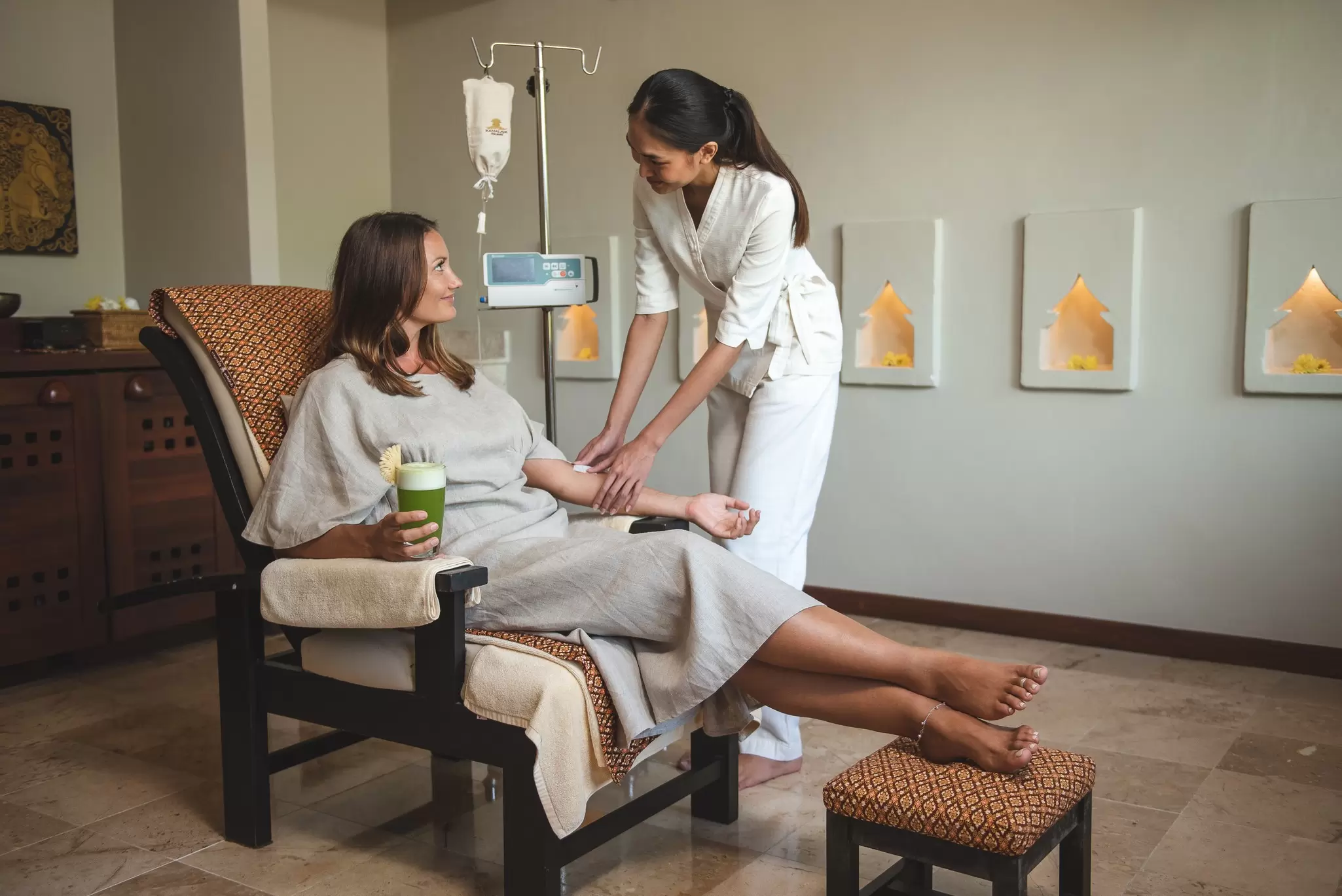
A lower price tag, however, doesn’t translate to lower quality. Retreats like Kamalaya boast state-of-the-art therapies, including IV, ozone, hyperbaric oxygen and treatments to support cognitive function, all delivered by 120 certified wellness professionals, including naturopaths, doctors of traditional Chinese and Western medicine, nutritionists, and Ayurvedic therapists. “We have three hosts to every guest,” says Kumar. “You’d never see that in Europe.”
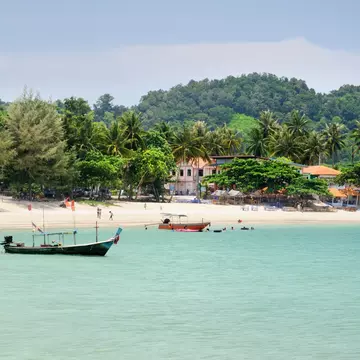
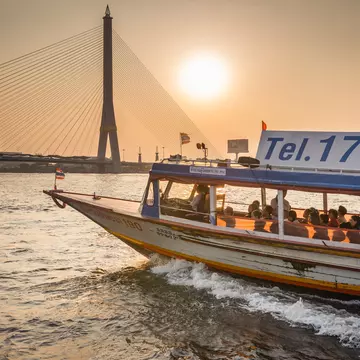
According to Leigh, the most popular regions in Thailand for wellness are the southern beaches, including Ko Samui, for emotional and spiritual healing, fitness, yoga and holistic detox; Phuket, for beachfront luxury and longevity medicine; Hua Hin, for beaches and holistic healing; Chiang Mai, in the north, for outdoor activities such as hiking in the surrounding mountains and spiritual healing; and Bangkok, which is known for high-tech integrative medicine and longevity diagnostics.
“Whether it’s practicing mindfulness surrounded by tropical landscapes, exploring scenic trails or simply reconnecting with nature, the destination itself becomes an integral part of the wellness journey,” notes Subhash Shanbhag, a well-being consultant and Ayurvedic specialist at Banyan Tree Krabi.

Beach destinations like Phuket “naturally encourage guests to slow down, spend more time outdoors, reconnect with nature and embrace healthier habits that feel effortless,” explains Jennifer Sanvictores, the director of wellness and longevity at Minor Hotels.
For others, the specific program on offer trumps the setting. “We’ve had guests come who didn’t even know where Samui was,” says Evelyne Raymakers of Kamalaya.
“The modern wellness traveler is reading the program the way they’d read a prospectus,” adds Srinoi. “The location sets the conditions, and the brand supplies the trust. The ideal experience has all three working together.”
Weeks before I arrived at Kamalaya, I had a video call with a coordinator (which the resort calls a wellness guardian) who asked about my goals and helped me choose a program aligned to my needs. My first day started off with a full-body 3D scan, body composition analysis and wellness consultation that informed the rest of my stay.
Every day brought something new to look forward to, whether it was trying out Pilates for the first time, meeting with an osteopath, having a life-changing stretching session or getting one of many massages, including myofascial release and traditional Thai. I even did some light reading inside a hyperbaric chamber.

Meals were also highlights, with an extensive menu that included detox (dandelion coffee) and weight-management options (lots of lean meats and whole foods) alongside regular offerings. Phones and tablets are discouraged in public spaces, so I spent mealtimes reading a book from the extensive library or chatting up other guests at the communal table. This is where I met Arvind, a Canadian who was at Kamalaya for 40 nights, including sessions with the resident monks. “Days fill up easily here,” he told me over a dinner of ostrich and cauliflower rice. “I feel like I’m a different person from when I arrived. I haven’t fully drunk the Kool-Aid, but there’s something mystical that resides here.”
“For us, wellness education is what we do,” Kumar says. “Whatever treatment or program you choose, you end up learning something about yourself, why you should move or eat a certain way. It’s all about learning how to pause and reset and looking forward to future growth.”
Since returning home, I’ve already found myself being more mindful of what I put in my body, cooking more with focus on whole foods and finding ways to incorporate exercise and wellness into my everyday life – the true gauge of how successful a wellness stay has been.
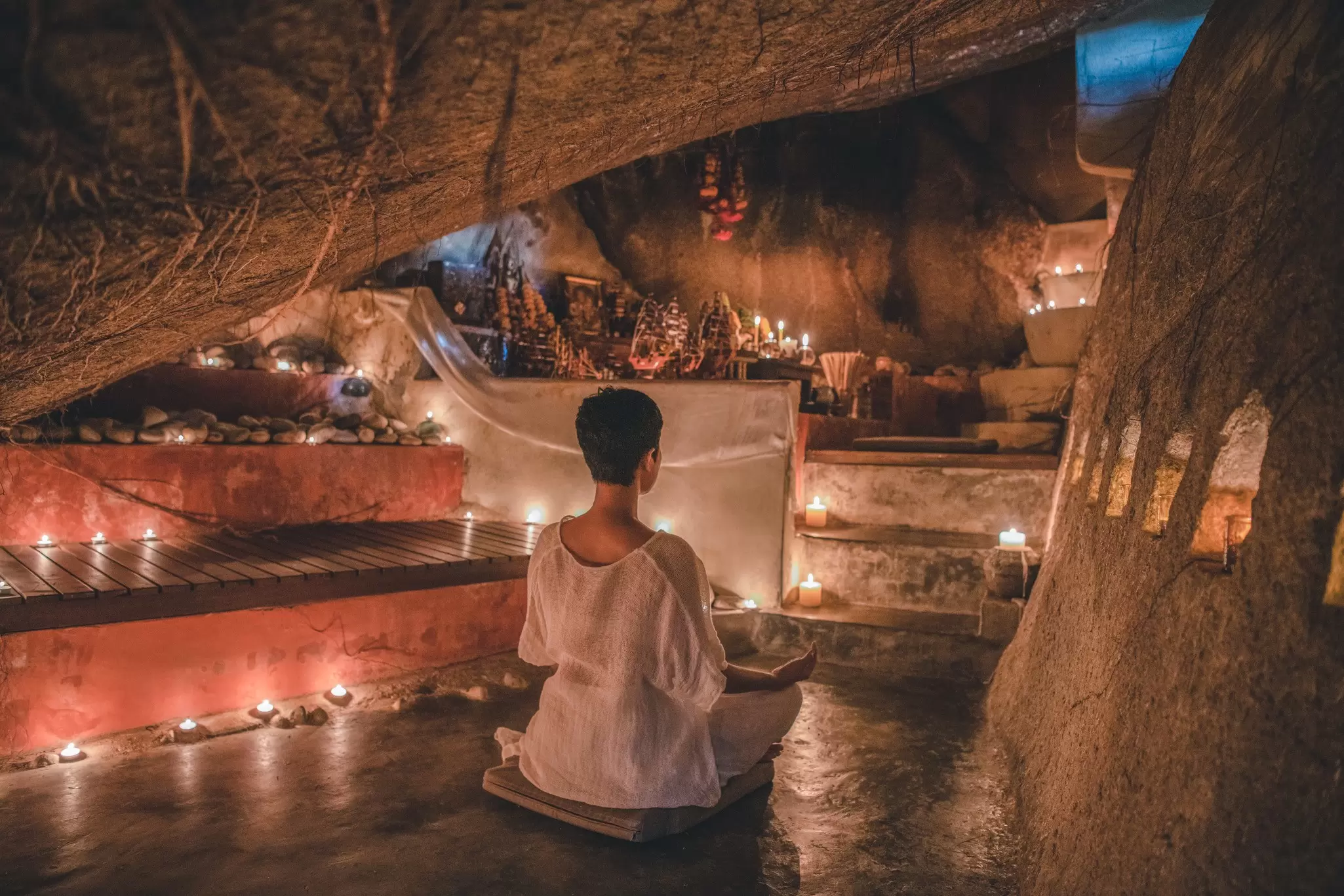
Leigh suggests first considering four main areas of your visit:
What’s your primary wellness goal? Are you looking to detox, lose weight, get fitter or emotionally heal?
What location interests you? Do you want to be by the sea, in the city or surrounded by mountains?
When do you want to travel, in the peak season when the weather is best or in the low season when retreats are quieter and rates are lower?
What vibe and demographic do you want? Do you prefer an adults-only sanctuary focused on silent reflection or a family-friendly wellness resort that offers children’s activities alongside adult wellness programs?
For first-time wellness travelers to Thailand, Kelly advises: “Come expecting a program, not a holiday. Wellness retreats here are structured. Over half of our booked retreats in Thailand include fasting or detox protocols, and close to 60% involve meditation. Early wake-ups, periods of silence and digital detox rules are standard. Compared to Bali or the Mediterranean, the pace here is more intense, so guests who arrive expecting poolside wellness tend to struggle in the first week. That said, plenty of relaxation-style programs exist too. The point is knowing what you’re signing up for. Whether you go through a travel adviser or an online platform, getting the right recommendations up front can save you a lot of guesswork.”
James Pham traveled to Ko Samui at the invitation of Kamalaya Wellness Sanctuary. Lonely Planet does not accept freebies in exchange for positive coverage.
Book your Thailand trip with Lonely Planet Journeys
See Thailand how it's meant to be seen
Accommodations, activities and ground transportation all taken care of, so you can focus on the fun part. Tell us what your dream trip to Thailand looks like, and our local experts will build it from scratch. Or start with one of our itineraries and make it your own.

Explore related stories