Jul 21, 20264 min read
Cannabis in Thailand: What Travelers Need to KnowJun 24, 2026
7 MIN READ

Writer
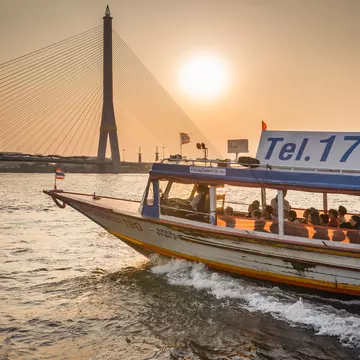
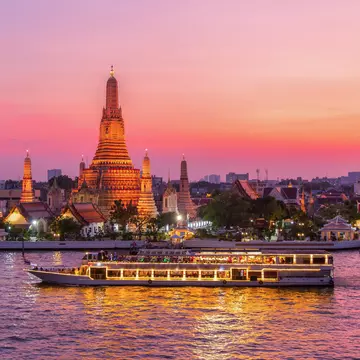
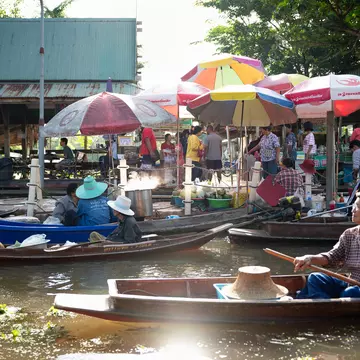
A long-tail boat on the Chao Phraya River, Bangkok. Tanaka Moikkai/500px

Writer
Highlights
Writer Austin Bush maps Thailand's planes, trains, buses and boats.
Flights are fastest; Bangkok has two airports, with Don Mueang handling domestic budget routes.
State Railway trains run four lines; buses and minivans are the cheapest option.
Download Grab for city taxis, as Uber doesn't operate; rent a car for rural exploration.
Lonely Planet may earn a commission from affiliate links on our site. All recommendations and reviews reflect our own independent opinions.
Well-visited Thailand is extremely well connected – great news for the many tourists who want to explore this Southeast Asian nation beyond its vibrant capital city of Bangkok. Whether you’re heading north to the mountains of Chiang Mai or south to an alluring island, numerous planes, trains, buses, minivans and boats stand ready to get you there. Even better: most of these options are both efficient and good value.
As you plan your routes and methods of transportation, here’s all you need to know about getting around in Thailand.
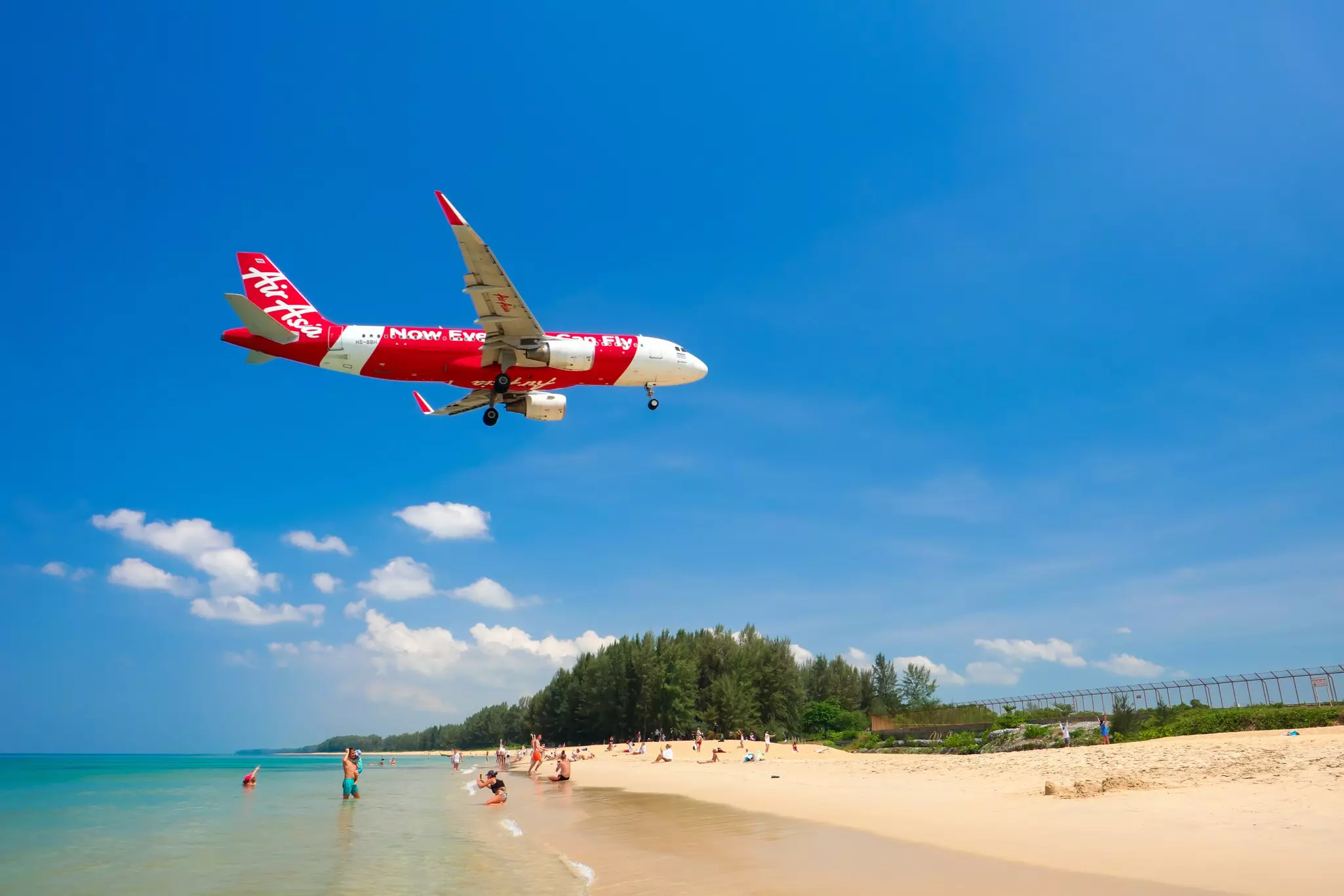
Planes are the most efficient way to get around Thailand (although obviously not the most sustainable choice). The country’s expansive air network links Bangkok with all the major tourist destinations – Chiang Mai, Ko Samui, Phuket and Krabi – as well as with provincial capitals you’ve likely never heard of. If your destination is an island, some of the low-cost carriers also offer airport-bus-ferry transfers.
Note that Bangkok has two airports, with Don Mueang International Airport functioning as the de facto budget/domestic hub, and Suvarnabhumi Airport as the primary international hub. A taxi is the quickest way to get into central Bangkok from either airport. Expect to pay at least 350 baht for the fare, plus the obligatory airport fee of 50฿ and an additional fee for toll roads. Both airports are also linked to Bangkok’s urban train network; there's also a shuttle bus that runs between the two airports.
Thailand’s major domestic operators are AirAsia, Bangkok Airways, Nok Air, Thai Lion Air and VietJet Air. All this competition means domestic flights are relatively cheap – though keep in mind that most of these companies are budget airlines and can be sticklers when it comes to luggage weight, size and additional fees. You’ve been warned.
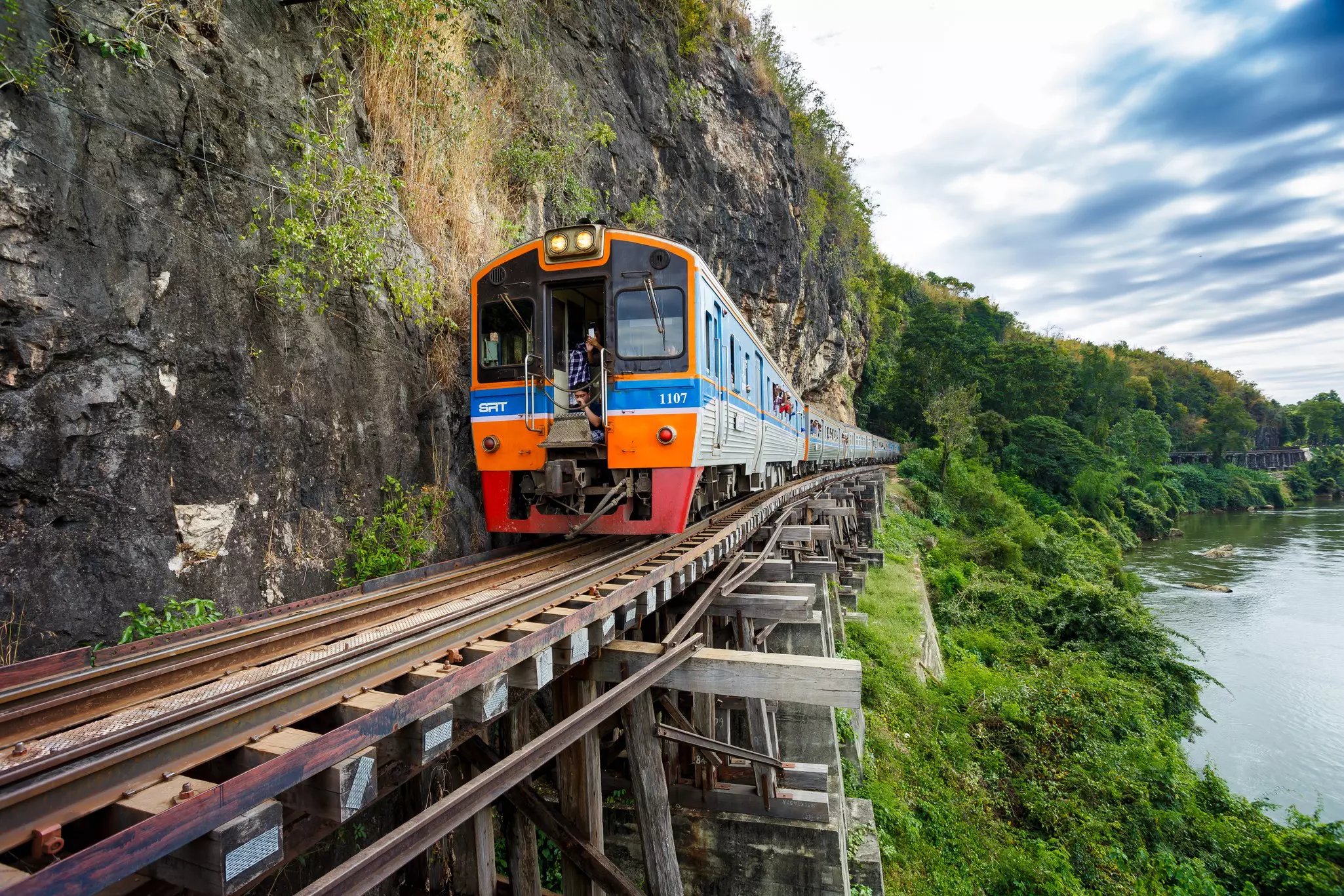
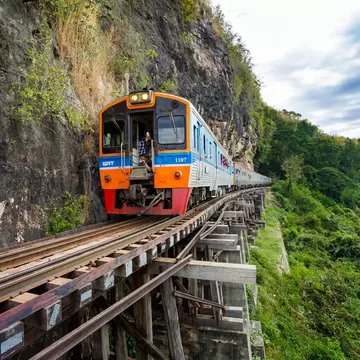
If you’re not in a hurry, and if the rails lead to where you want to go, Thailand’s trains are a cheap, comfortable and terrifically scenic way to get around the country. The country’s rail network unfolds across four main long-distance lines: Northern, Northeastern, Eastern and Southern.
North of Bangkok's city center, Krung Thep Aphiwat Central Terminal opened in 2023. It’s the terminus for the Northern, Northeastern and Southern lines and is also connected to the Metro network. Now that this station is complete, authorities have plans for high-speed trains to crisscross the country, with one route to Nakhon Ratchasima under construction. The former terminus, Bangkok Railway Station (Hua Lamphong), in Chinatown, remains the hub for local, commuter and tourist trains, as well as all trains on the Eastern Line.
To avoid scams or overpaying, buy your tickets directly at one of the stations mentioned above, or via the State Railways of Thailand website or hotline (1690 from within Thailand). You can choose from several types of seats:
Available on Overnight Express and Special Express trains only, 1st-class tickets include an air-conditioned cabin, two twin beds, a private bathroom and a lockable door.
Ideal for couples or a family looking for privacy.
Book several days in advance, especially in peak season (November to March).
The most popular option, available as seats or sleepers depending on the route.
Choice of an air-conditioned cabin (premium option) or one with a fan.
Great for solo female travelers: there are women-only sleepers available on some trains.
Recommended for short distances.
No-frills wooden seats with no air-conditioning.
A good option for those on a tight budget.
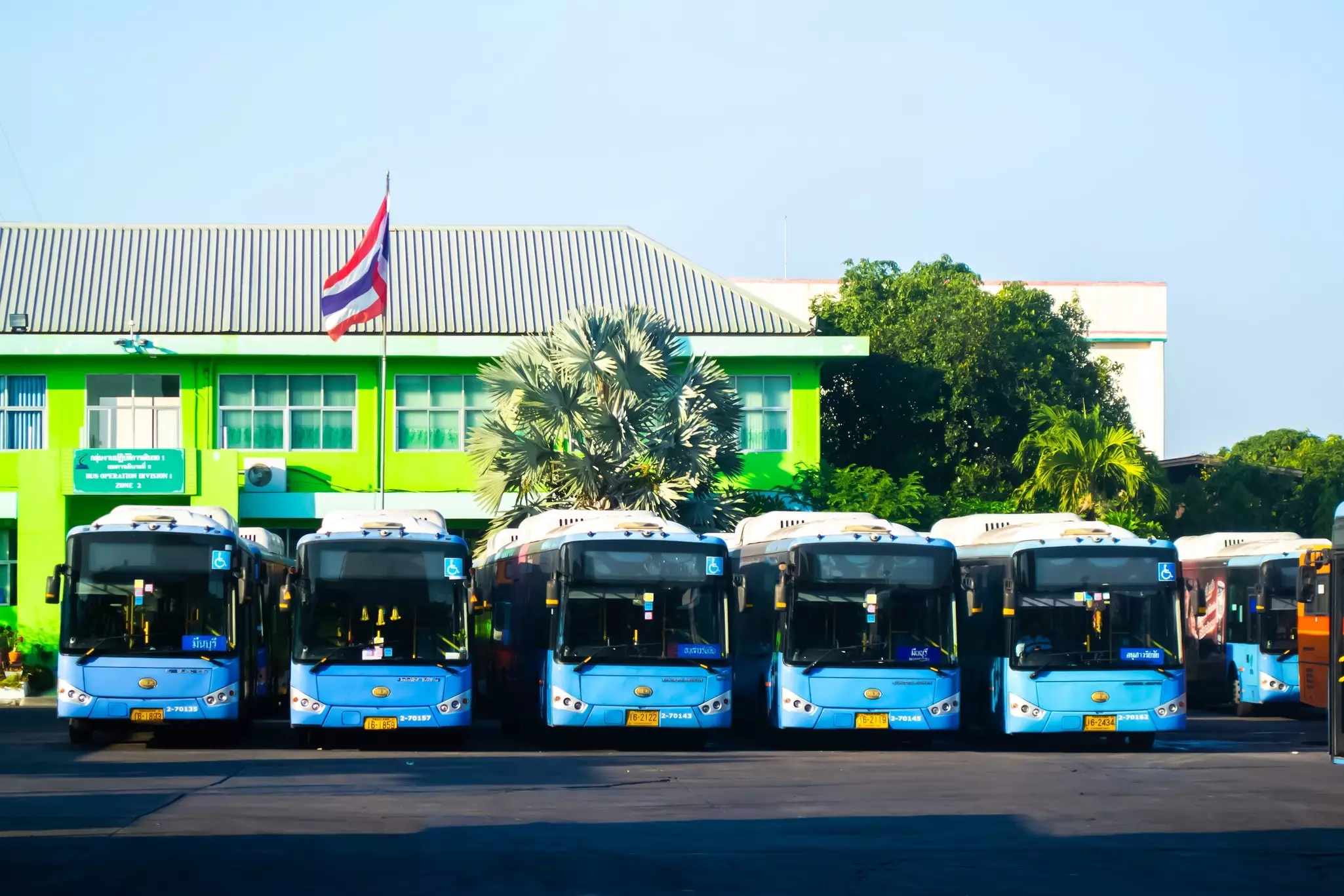
Buses and minivans form the most comprehensive – and most economical – network of transportation in Thailand. While numerous bus services operate throughout the country, the most reliable are those run by the government-subsidized Transport Co.
Be sure to buy tickets online or in person at the bus station to avoid scams. In particular, be wary of buses that operate directly out of tourist centers, such as Bangkok’s Khao San Road, as there have been cases of baggage theft and commission-seeking stops.
As with most transport in Thailand, there are different levels of luxury.
VIP, Super-VIP and 1st-class buses are recommended for overnight journeys as they have plenty of room to recline and a toilet on the bus. Some even offer meal vouchers and bus stewards. Be sure to bring a sweater and perhaps earplugs, as sub-zero air conditioning and movies on full volume are the other “perks” of this class.
Second-class means air-conditioning but no on-board toilet, and perhaps a few more stops.
"Ordinary" buses without air conditioning are a dying breed, although they still can be found in more rural areas. These buses are very slow, with frequent stops.
For an increasing number of short and medium-distance routes in Thailand, minivans are superseding buses. Both private and run by the Transport Co., they’re cheap and quick – but passengers are typically jammed in like sardines, and drivers can be reckless.
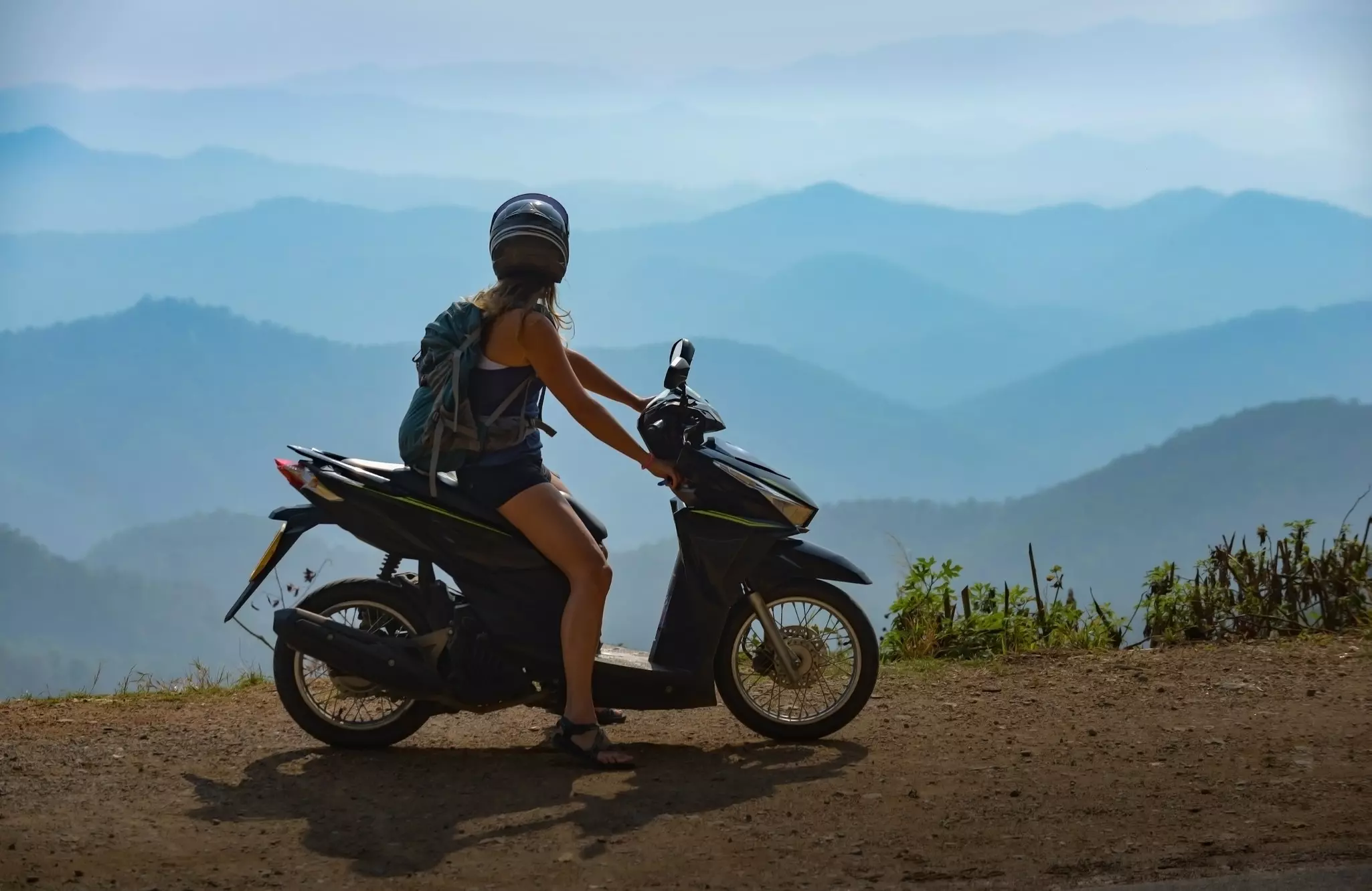
Although renting a car in Thailand may seem intimidating, driving is a great way to explore the country outside of urban areas. Nonetheless, Thailand is home to some dangerous roads, and it’s essential to take things slow and be extra cautious when you’re behind the wheel.
Cars can be rented in most major cities and airports, both from local companies and international brands. Motorcycles can be rented from guesthouses and small mom-and-pop businesses. For the latter, most businesses ask that you leave your passport as a deposit. Before driving off, check the condition of the motorcycle and ask for a helmet (which is required by law).
In theory, short-term visitors who wish to drive any vehicle (including motorcycles) in Thailand need an international driving permit. In practice, this rule is rarely enforced.
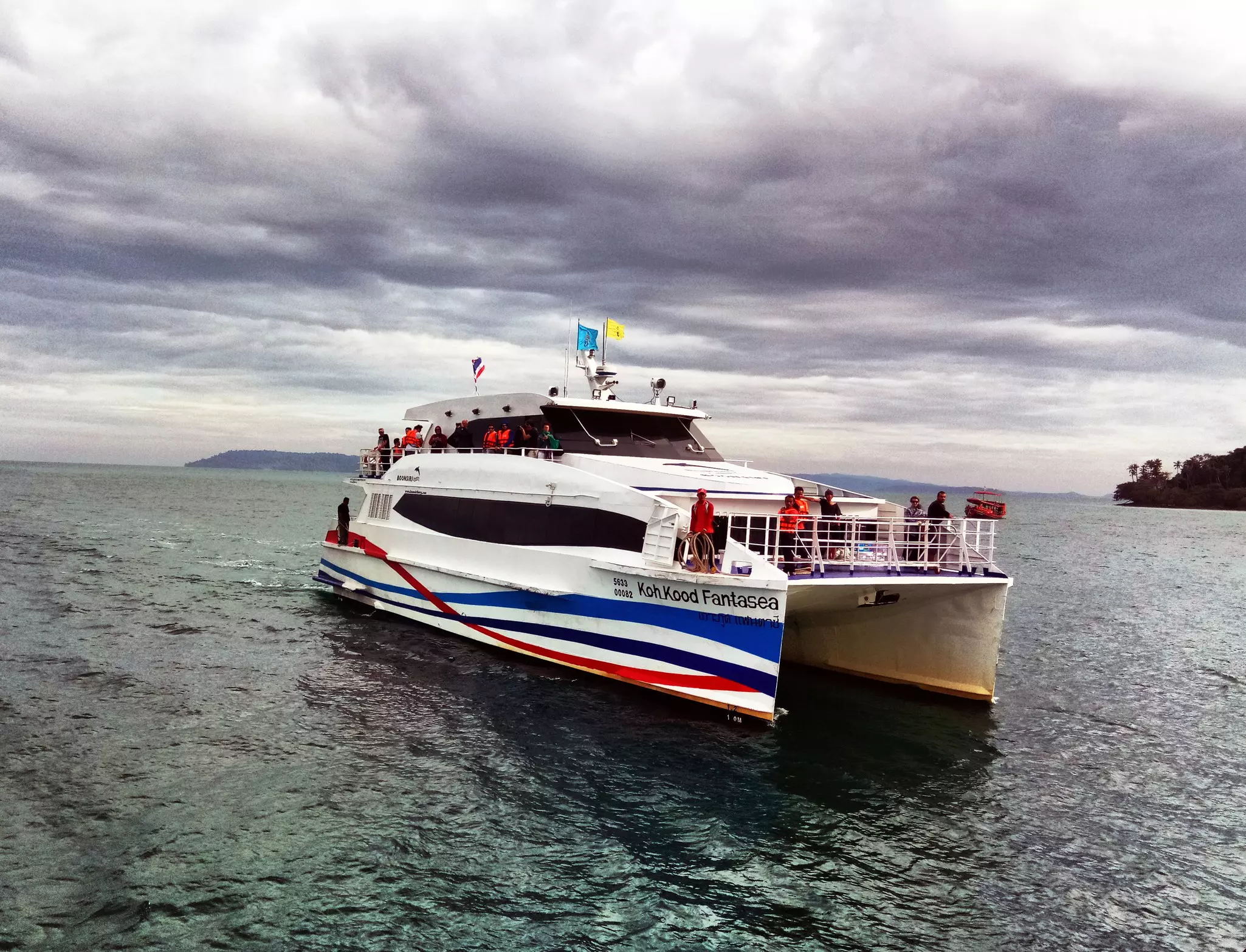
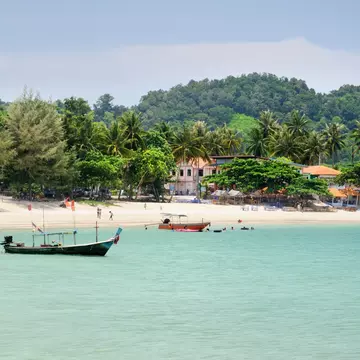
With 3200km of coastline, it’s no surprise a variety of boast services ply Thailand’s rivers and seas. For short hauls, including trips along Bangkok’s canals, the standard method of aquatic transport is the open-air long-tail boat; expect to haggle over the ticket price before you board. Larger, roofed, inboard-engine boats are used for trips of up to an hour or two. Hydrofoils, ferryboats and larger, more comfortable speed boats cover longer journeys out to the islands.
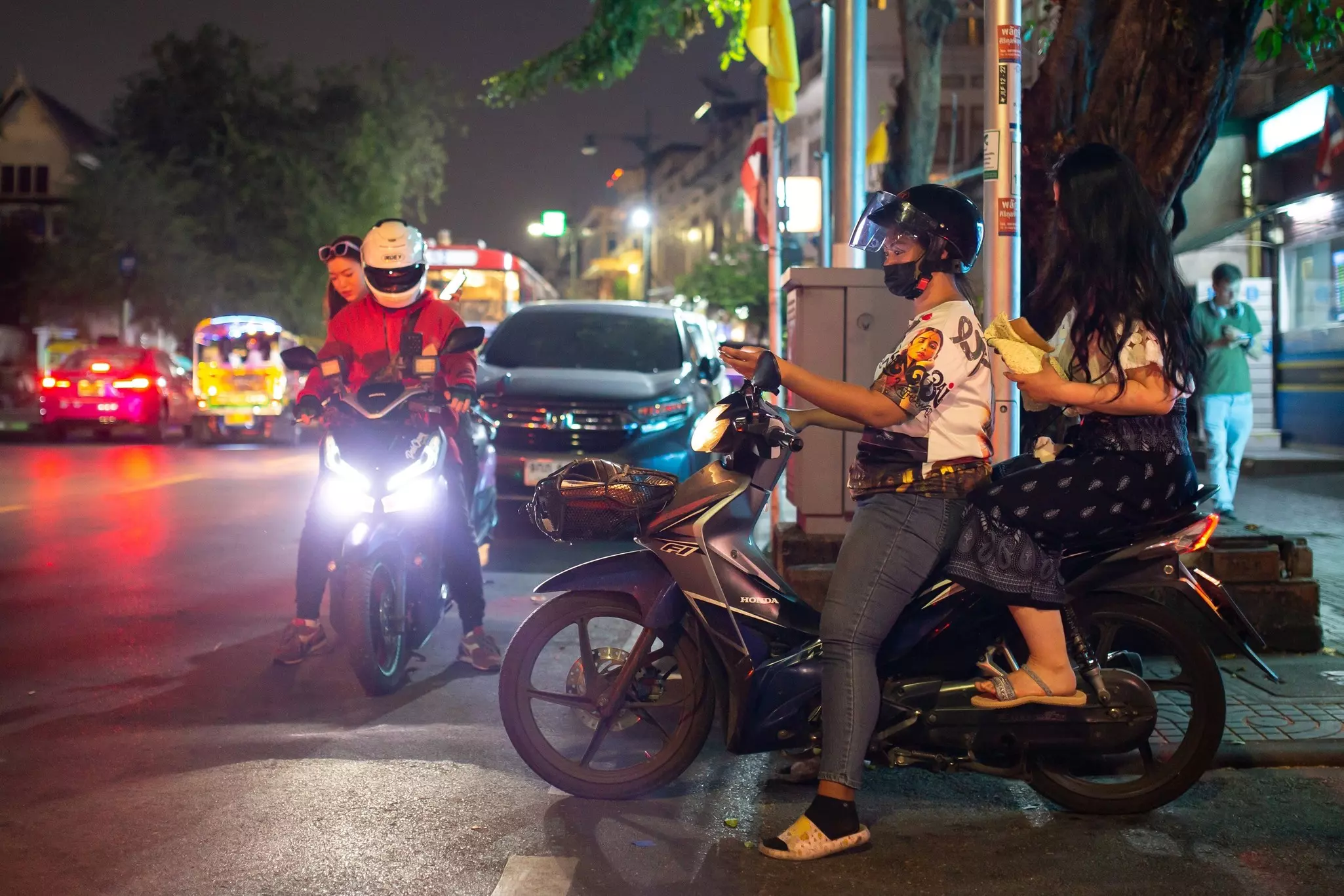
A common way to get around large Thai cities is via motorsai (motorcycle taxis). You’ll see the vest-wearing drivers on street corners; from there, they carry passengers on generally short routes for set rates. You can also negotiate a ride elsewhere – a clever solution when traffic is bad. Just hang on for dear life, and don’t forget to wear a helmet.
Although still common in Thai cities, the three-wheeled open-air vehicles known as tuk-tuks are these days less a form of public transport than a novelty. It’s necessary to haggle with the driver before you get in; starting rates are typically astronomical for non-Thais. Also, be wary of drivers who take you on detours to their “friend’s shop.” This is a common scam for drivers who get kickbacks from store owners to drive tourists to their businesses.
Taxis are found in most larger provincial capitals, although in some destinations, fares can be set high. To avoid communication problems, download the Grab app (Uber doesn’t operate in Thailand).
Bangkok is the only Thai city with an urban rail system. The Metro (MRT) and Skytrain (BTS) are convenient and expansive, and the network is constantly growing. Fares start at 15฿ and increase depending on how far you travel. Trains operate from 5:30am to midnight.
Thai buses and trains don’t typically have facilities for passengers with disabilities, and Bangkok is the only place in the country where there are some provisions. The Bangkok Mass Transit System has elevators in 17 of its 36 stations; the Metro is even more accessible as all stations have an elevator, and there are locks for wheelchairs.
Book your Thailand trip with Lonely Planet Journeys
See Thailand how it's meant to be seen
Planned by local experts and tailored to you, Lonely Planet Journeys handles the logistics so you can just enjoy the trip. Tell us what you want and we'll build your Thailand itinerary from scratch, or browse our bookable trips to get inspired.


Explore related stories